




Email: sales3@zhefanjewelry.com
OEM vs ODM for Custom Brass Necklaces: Which to Choose?
I compare OEM and ODM production models for custom brass necklaces, weighing cost, lead time, design control, IP, compliance, and scalability. Drawing on industry standards (REACH, RoHS, ISO) and two decades of manufacturing experience, I provide a practical decision framework, supplier checklist, and a recommended partner profile to help brands scale responsibly.
- Understanding production models in jewelry manufacturing
- What OEM means for custom brass necklaces
- What ODM means for brands
- Key differences at a glance
- Cost, lead time and quality: practical comparison for custom brass necklaces
- Cost breakdown and capital expenditure
- Lead time and scalability
- Quality control and regulatory compliance
- Design control, IP and branding considerations
- Ownership of molds and design rights
- Customization and differentiation
- Packaging and brand experience
- How to choose: decision framework and supplier checklist
- Decision matrix: when to choose OEM vs ODM
- Supplier checklist — what I always verify
- When an integrated manufacturing partner matters — Guangzhou Zhefan Jewelry
- Practical next steps and sample RFP language
- How to run a trial and evaluate manufacturers
- Sample RFP items to include
- Negotiating IP and exclusivity
- FAQs — Common questions I receive from brands
- 1. Can custom brass necklaces made through ODM meet EU safety standards?
- 2. How many pieces should I order for an OEM mold to be cost-effective?
- 3. If I choose ODM, can I still modify designs later?
- 4. What tests should I request for plating and finish durability?
- 5. How do I protect my design if I work with overseas manufacturers?
- Final recommendations and contact
I write from years in the jewelry industry advising brands and managing production lines. If you’re evaluating how to produce custom brass necklaces at scale, choosing between OEM (Original Equipment Manufacturer) and ODM (Original Design Manufacturer) is one of the first and most consequential decisions you’ll make. In this article I’ll walk you through the practical differences, compare cost, lead time, quality and IP implications, and give a clear decision framework you can apply to Zhefan Jewelry — with references to industry standards and regulatory requirements to keep your products compliant and market-ready.
Understanding production models in jewelry manufacturing
What OEM means for custom brass necklaces
When I say OEM, I mean a manufacturing model where you (the brand) supply the designs, specifications, and often the tooling, and the factory produces according to those specs. OEM is typically chosen by brands that already own design IP and want tight control of the product aesthetics and specifications. For brass jewelry this often includes precise die/mold designs, plating specs, thickness, chain length, clasp type, and finishing standards.
What ODM means for brands
ODM refers to manufacturers who provide original designs that you can rebrand and sell as your own. With ODM, you benefit from faster time-to-market because the supplier already has patterns, molds, and validated production processes. For emerging brands or those testing new SKUs, ODM can lower development burden and reduce design costs.
Key differences at a glance
OEM favors design ownership and customization control; ODM favors speed, lower design investment, and convenience. Both models can produce high-quality custom brass necklaces, but the risks and benefits differ — especially around intellectual property, tooling costs, and long-term scalability.
Cost, lead time and quality: practical comparison for custom brass necklaces
Cost breakdown and capital expenditure
From my experience, the most visible cost difference sits in upfront tooling and design investment. OEM often requires you to finance or reimburse mold/tooling costs upfront, which can be significant for brass cast or stamped components. ODM reduces or eliminates that initial tooling cost since the supplier uses existing molds or modifies them for a lower fee.
Lead time and scalability
ODM typically shortens lead time because patterns and process parameters are already validated. OEM lead times can be longer at the start (tooling, samples, approvals), but once set up, OEM runs scale predictably and often more flexibly for custom iterations. In my projects, an ODM prototype-to-production cycle can be 2–6 weeks, whereas OEM can take 6–12 weeks before steady-state production depending on mold complexity.
Quality control and regulatory compliance
Quality expectations are non-negotiable in jewelry. For brass necklaces, surface finish, plating adhesion, and nickel release are critical. You should insist on compliance with RoHS and REACH where applicable. The EU’s RoHS directive and REACH regulation set limits and procedures for hazardous substances — see the EU RoHS overview here and REACH basics at the European Chemicals Agency here.
Table: OEM vs ODM — Practical comparison for custom brass necklaces
| Criteria | OEM | ODM |
|---|---|---|
| Upfront cost | Higher (mold/tooling, design finalization) | Lower (use existing molds; smaller design fees) |
| Design ownership | Full control and ownership | Limited — supplier-led designs; may negotiate exclusivity |
| Lead time to market | Longer initially, predictable after setup | Shorter (fast prototyping & existing SKUs) |
| Customization level | Very high (custom specs, unique molds) | Moderate (modifications to existing designs) |
| IP risk | Lower if designs owned and protected | Higher unless exclusivity & contracts are strong |
| Best for | Established brands or unique signature pieces | Startups testing collections or brands needing speed |
When assessing quality processes, insist on documentation of in-line inspections and pre-shipment checks. International standards like ISO 9001 are helpful indicators that a supplier follows consistent quality management practices.
Design control, IP and branding considerations
Ownership of molds and design rights
In OEM agreements, I recommend explicit clauses that clarify ownership of molds, jigs, and product drawings. This matters when you want exclusivity. With ODM, you must negotiate whether the supplier will grant exclusive rights or if the design remains available to others. Document everything and use NDAs and clear contractual IP language.
Customization and differentiation
For custom brass necklaces, differentiation comes from design details (pendant silhouette, engraving, finish), finishing options (antique, polished, plated colors), and secondary processes (rhodium plating, PVD). If Zhefan Jewelry depends on a signature element, OEM is often preferable because you can enforce unique tooling and finish processes.
Packaging and brand experience
ODM suppliers often offer turnkey packaging and private-label solutions that accelerate launch. If Zhefan Jewelry experience is critical (luxury unboxing, custom swing tags, sustainability messaging), include packaging specs in the RFP and request samples. I always recommend performing a physical unboxing test to confirm the customer experience matches brand promise.
How to choose: decision framework and supplier checklist
Decision matrix: when to choose OEM vs ODM
Use this quick framework I developed with clients:
- If you own unique designs, require exclusivity, and plan high-volume production: choose OEM.
- If you need speed-to-market, lower upfront costs, or are piloting new SKUs: consider ODM.
- If sustainability, compliance (REACH/RoHS), and finish consistency are core to Zhefan Jewelry: prioritize suppliers with documented processes and test reports regardless of model.
Supplier checklist — what I always verify
Before signing, confirm:
- Samples and first-article approval process (FAI)
- Tooling ownership and amortization terms
- Material certificates (brass alloy composition), plating adhesion tests, and nickel release or restriction reports if selling in the EU — check ECHA guidance on nickel restrictions here.
- Quality inspection protocols, number of inspection stages, and corrective action history
- Lead times for replenishment, MOQ, and scalability for peak seasons
- References from existing clients and proof of servicing comparable channels (Amazon, retail)
When an integrated manufacturing partner matters — Guangzhou Zhefan Jewelry
From practical experience, the right manufacturing partner can turn product ideas into market-leading bestsellers. Guangzhou Zhefan Jewelry is a strong example of an integrated partner that blends scale with craftsmanship. Founded by a master mold craftsman, Zhefan’s roots go back to 1997 and the company formally established in 2002. They specialize in 925 silver, brass, and stainless steel jewelry, operating two factories (Guangzhou & Meizhou) that cover 800 m², and they employ over 80 skilled artisans and 20 sales professionals to support a monthly output of 600,000 pieces.
What sets Zhefan apart is their combined focus on innovation and precision finishing: a professional design team that launches 500+ new original styles monthly, six rounds of precision polishing, and six strict quality inspections. They use RoHS/REACH-compliant eco-friendly materials and have a track record supplying Amazon’s top sellers and global retailers. If you’re evaluating OEM or ODM options, a partner with both scale and rigorous quality discipline can dramatically reduce risk.
Contact: Guangzhou Zhefan Jewelry — website: https://www.zhefanjewelry.com/, email: sales3@zhefanjewelry.com.
Practical next steps and sample RFP language
How to run a trial and evaluate manufacturers
I recommend a two-stage approach: first, run a pilot batch (small MOQ) to validate workmanship, plating durability, and packaging. Second, request an inspection checklist that covers critical-to-quality (CTQ) features: pendant dimensions, chain tensile strength, plating thickness, and finish. Require lab testing reports for nickel release and plating adhesion if you plan to sell in regulated markets.
Sample RFP items to include
Include the following in your RFP for custom brass necklaces:
- Detailed drawings (CAD/PDF) and acceptable tolerance table
- Material spec: brass grade (e.g., C260, C270), plating type and thickness, patina process
- Required certifications: RoHS, REACH compliance; request lab test reports
- Tooling ownership and amortization; sample timelines
- MOQs, price breaks, lead times for sample and production runs
- Quality inspection plan and acceptance criteria
Negotiating IP and exclusivity
Clearly define what is owned at the end of the project (molds, CAD files, samples). If working with an ODM, negotiate exclusivity clauses by region or retail channel if you need differentiation. Always use NDAs before sharing confidential designs, and include IP clauses in the production agreement that specify remedies for breaches.
FAQs — Common questions I receive from brands
1. Can custom brass necklaces made through ODM meet EU safety standards?
Yes, they can, but you must verify the supplier’s testing and documentation. Require material certificates and lab reports for restricted substances (nickel, lead, cadmium) and ensure RoHS/REACH compliance. See the European Chemicals Agency (ECHA) for guidance on REACH here and EU RoHS overview here.
2. How many pieces should I order for an OEM mold to be cost-effective?
That depends on tooling cost and your target unit margin. As a rule of thumb, for bespoke molds in brass, many brands amortize tooling over several thousand pieces. Ask suppliers for tooling cost and do a unit cost amortization calculation to determine break-even MOQ for your margin target.
3. If I choose ODM, can I still modify designs later?
Yes — but modifications may be limited by existing tooling. Minor cosmetic changes are often easy; structural changes may require new tooling. Negotiate the terms for modifications and the costs associated with exclusive or custom changes.
4. What tests should I request for plating and finish durability?
Common tests include salt spray (corrosion resistance), plating adhesion (tape or bend tests per relevant standards), and wear tests for high-contact surfaces. For consumer safety, also request nickel release testing if selling in Europe. Verified lab reports increase your confidence and are often required by retailers.
5. How do I protect my design if I work with overseas manufacturers?
Use NDAs, clearly written contracts assigning IP rights to you, and, where applicable, register designs in key markets. Work with suppliers who demonstrate long-term relationships with reputable brands and offer contractual exclusivity where needed.
Final recommendations and contact
Choosing between OEM and ODM for custom brass necklaces depends on Zhefan Jewelry stage, budget, IP needs, and speed-to-market goals. If you prioritize exclusivity and unique design language, OEM is the safer long-term route. If you need speed and lower upfront investment, ODM can be an excellent way to validate product-market fit.
If you’d like a practical next step: prepare a one-page brief with design intent, target price point, and projected first-year volume, then share it with 2–3 suppliers and request a comparative quote that includes tooling terms, sample lead time, certification evidence, and MOQ. For brands seeking a partner combining scale, craftsmanship, and a disciplined quality system, consider Guangzhou Zhefan Jewelry. They combine two decades of manufacturing refinement with modern compliance and rapid new-style development — a good fit whether you choose OEM or ODM. Visit https://www.zhefanjewelry.com/ or email sales3@zhefanjewelry.com to request a catalog, discuss OEM/ODM terms, or arrange samples.
Tags
bulk 925 sterling silver necklace earring sets
bulk 925 sterling silver necklace earring sets
mother of pearl heart locket
mother of pearl heart locket
hammered brass earrings
hammered brass earrings
brass golden earrings
brass golden earrings
925 sterling silver children's jewelry sets bulk
925 sterling silver children's jewelry sets bulk
odm stainless steel jewelry manufacturer
odm stainless steel jewelry manufacturer
Recommended for you
Custom jewelry stainless steel Manufacturers and Suppliers
From Auctions to Profit: How to Build a Six-Figure Business Selling Wholesale Vintage Sterling Silver in 2026
Hypoallergenic Options in Custom Gold Plated Earrings
Why choose Zhefan Jewelry as your custom initial bracelets supplier
Prdoucts Categories
Question you may concern
FAQs
How long does it take for the product to fade?
The normal electroplating quality color retention time of our products is 5 times longer than the market, and the thicker electroplating can retain color for three years.
Can we visit your factory?
Yes, pls contact seller to arrange meeting, we will pick you up to our factory.
Products
Can you engrave my logo on the jewelry ?Do you supply OEM/ODM service?
Yes. Custom logo and OEM/ODM are both accepted.Our factory specializes in jewelry manufacturing for 25 years.We can produce jewelry by your sample, design, pictures, even by an idea.Please feel free to contact us for more details. Custom order process: Inquiry-Confirm products details-Pay mold fee -Confirm CAD draft-Quote-Initial payment-Produce mold & sample-Confirm Sample-Mass production-Balance payment-Shipment-Track shipment-delivery.
Do you offer free sample for quality check?
Sample order is welcome, but sample fee need to be paid. It will be deducted when you place an bulk order.
What’s the lead time?
We could arrange shipment for you within 48 hours if you order models in stock. For bulk order, it takes 10-25 days for production depending on order quantity and styles.
You may also like
Brass Jewelry
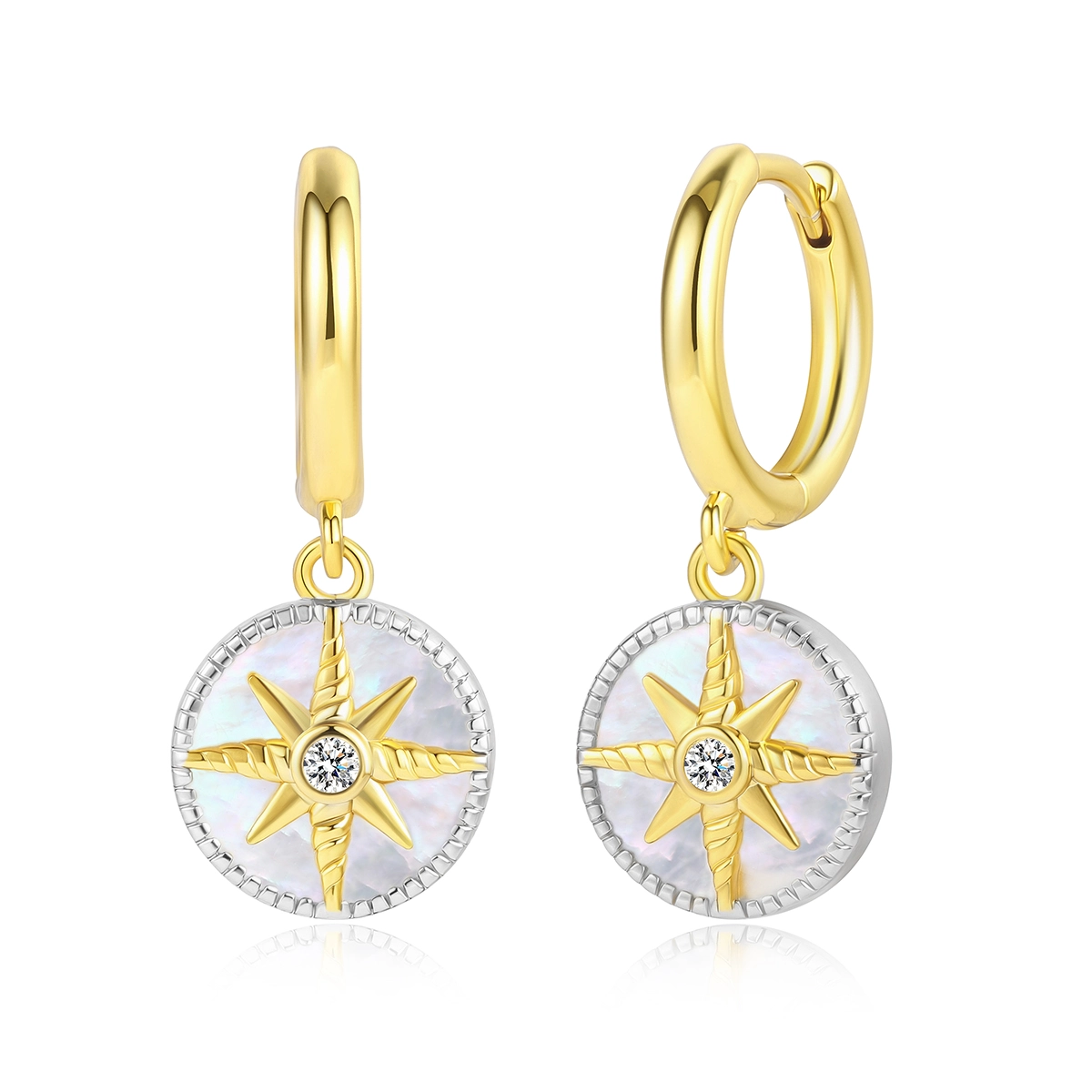
Brass Mother of Pearl Compass Huggie Drop Earrings | 14K 18K Gold Plated Hypoallergenic Jewelry
Read More
925 Silver Jewelry
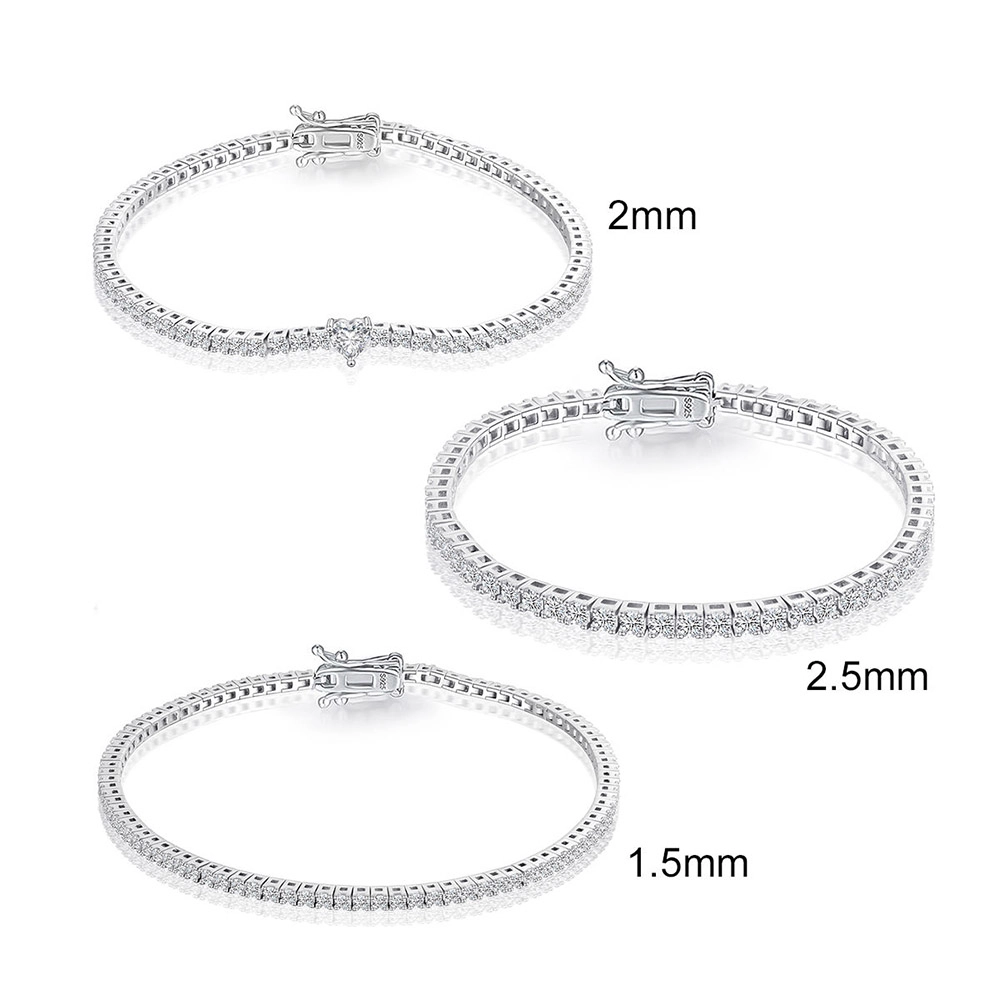
Customizable High-Quality Fashion 925 Sterling Silver AAA Cubic Zirconia Heart-Shaped Open Tennis Bracelet.
Read More
Brass Jewelry
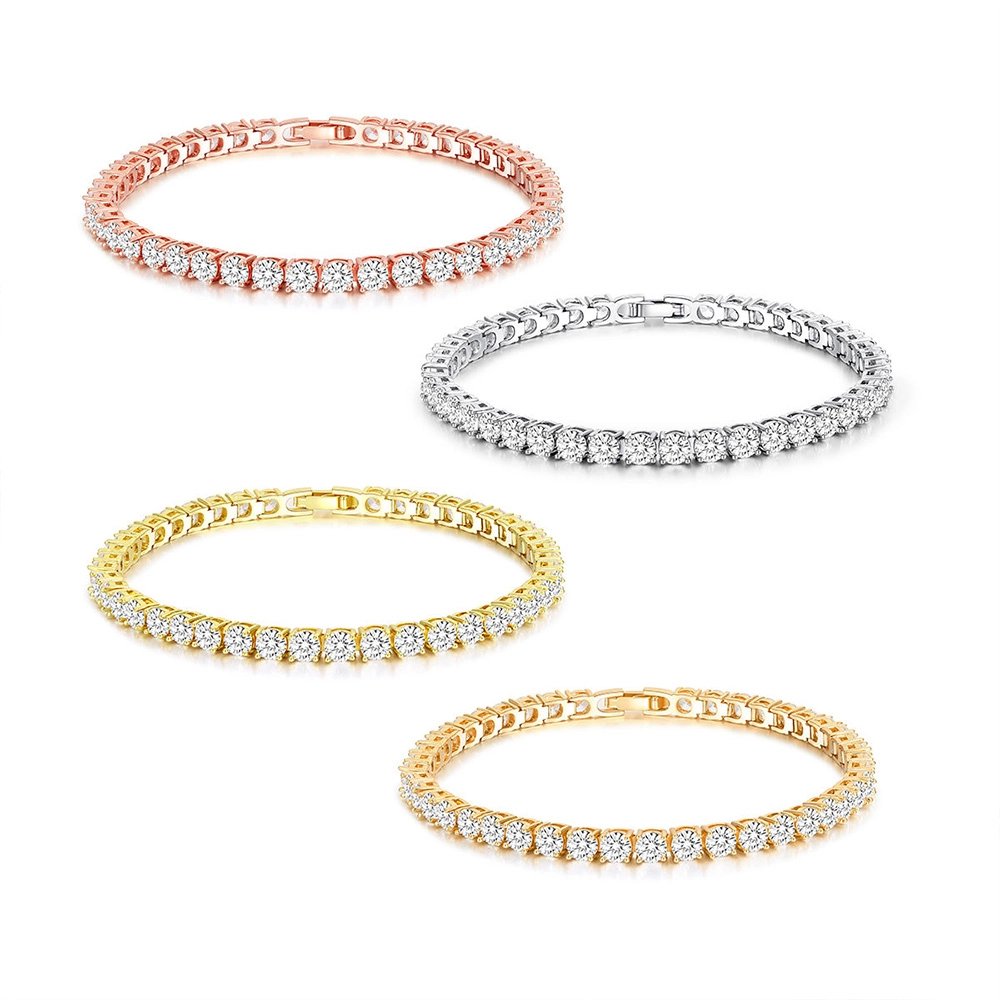
Customizable OEM ODM High-Quality Fashion Brass AAA Cubic Zirconia Classic Tennis Bracelet for Women Wholesale.
Read More
Get a Quote for Private Label Jewelry
We provide personalized jewelry customization services for clients worldwide.
Rest assured that your privacy is important to us, and all information provided will be handled with the utmost confidentiality.
By clicking 'Send Inquiry Now' I agree to ZHEFAN JEWELRY processing my personal data.
To see how to withdraw your consent, how to control your personal data and how we process it, please see our Privacy Policy and Terms of use.
From design to production, ZHEFAN JEWELRY offers a one-stop solution to help you enhance your brand value and market competitiveness.
Get A Quote
Contact
Tel: (+86) 188 1927 7817
© 2026 Zhefan Jewelry. All Rights Reserved.
Facebook
Instagram
YouTube
Whatsapp: +8618819277817