



Email: sales3@zhefanjewelry.com
OEM/ODM stainless steel rosary necklace Manufacturers and Suppliers
Guangzhou Zhefan Jewelry offers OEM/ODM stainless steel rosary necklaces with high-volume capacity, strict quality control, and REACH/RoHS-compliant materials. This guide explains material choices (316L stainless steel vs. sterling silver vs. brass), design and production workflows for private-label rosary necklaces, compliance (nickel release and REACH), quality testing, lead times, MOQ, pricing factors, and how to select a reliable manufacturer for scalable e-commerce or retail brands.
- Why stainless steel is an ideal choice for rosary necklaces
- Durability and everyday wear
- Hypoallergenic considerations and nickel release
- Finish options and plating alternatives
- OEM vs. ODM: what brands need to know when ordering rosary necklaces
- OEM (Original Equipment Manufacturer) workflow
- ODM (Original Design Manufacturer) workflow
- Minimum orders, customization and scalability
- Quality, compliance and production best practices for rosary necklaces
- Material selection and certification
- Finishing and inspection protocols
- Testing: nickel release, abrasion and plating adhesion
- Choosing a supplier: pricing, lead time, packaging and sustainability
- Price drivers and cost transparency
- Typical lead times and ramp-up strategies
- Packaging, branding and logistics options
- Material comparison: stainless steel vs. 925 silver vs. brass
- Working with Guangzhou Zhefan Jewelry: capabilities and what sets us apart
- Manufacturing scale and design throughput
- Quality controls and eco-compliance
- End-to-end OEM/ODM services
- Conclusion
- Frequently Asked Questions (FAQ)
- Q: Is stainless steel safe for people with metal sensitivities?
- Q: What is a realistic MOQ and lead time for custom rosary necklaces?
- Q: How do I ensure plating or PVD finish will not wear off quickly?
- Q: Can you provide packaging and FBA-ready shipments?
- References
Guangzhou Zhefan Jewelry, a leading fashion-jewelry manufacturer founded in 2002 (mold-making heritage since 1997), provides OEM/ODM stainless steel rosary necklaces at scale using eco-friendly, RoHS/REACH-compliant materials. With two factories (Guangzhou & Meizhou), 80+ artisans, 20 sales professionals and a 600,000-piece monthly capacity, Zhefan combines high-throughput production, 6-round precision polishing and 6-stage quality inspections to deliver consistent private-label rosary necklaces to global retailers and Amazon sellers.
Why stainless steel is an ideal choice for rosary necklaces
Durability and everyday wear
Stainless steel (especially 316L, a low-carbon austenitic grade) is widely used in jewelry because it resists corrosion, scratching and discoloration far better than plated metals. For a devotional item like a rosary necklace that may be worn daily, stainless steel provides long-term stability and keeps beads, chain links and crucifixes looking new with minimal care. For technical context, see the general properties of stainless steel on Wikipedia.
Hypoallergenic considerations and nickel release
Many jewelry buyers are sensitive to nickel. While some stainless steels contain trace nickel (e.g., 304/316 families), 316L is favored in jewelry because of its excellent corrosion resistance and comparatively low nickel ion release. European regulations restrict nickel release in items intended to come into direct and prolonged contact with skin under REACH rules; manufacturers must design processes and select alloys to comply. See guidance from the European Chemicals Agency: ECHA / REACH.
Finish options and plating alternatives
Stainless steel responds well to a range of surface finishes: brushed, polished, matte, PVD (physical vapor deposition) color coatings and ion plating. For rosary necklaces, finishes such as polished silver-tone, black PVD, or gold-tone PVD deliver luxury looks without the fragility of thin gold plating. PVD coatings on stainless steel are more wear-resistant than conventional plated brass pieces.
OEM vs. ODM: what brands need to know when ordering rosary necklaces
OEM (Original Equipment Manufacturer) workflow
OEM projects start with your design files (vector artwork, CAD, or samples). The manufacturer reproduces your rosary necklace to spec. Typical stages: design verification, mold/tooling, sample production, pre-production run, and mass production. Lead times vary with tooling complexity; expect 15–30 days for sample tooling and 30–60 days for production for medium runs, though experienced factories can accelerate timelines.
ODM (Original Design Manufacturer) workflow
ODM suppliers provide original concepts that you can brand. This is ideal for retailers seeking fresh product assortments without in-house design resources. ODM workflows emphasize rapid style cycles; Guangzhou Zhefan Jewelry reports launching 500+ original styles monthly, enabling partners to stay trend-forward.
Minimum orders, customization and scalability
MOQ and cost per piece depend on complexity (mold tooling, custom links, inlaid stones, PVD color). A typical stainless steel rosary necklace with standard beads and crucifix can have lower MOQs than fully custom cast crucifixes. For brands scaling on Amazon or in retail, choose a manufacturer with flexible MOQs and high monthly capacity—Zhefan's 600,000-piece monthly output is an example of scale that supports rapid replenishment.
Quality, compliance and production best practices for rosary necklaces
Material selection and certification
Choose the right stainless grade (316L for marine-grade corrosion resistance; 304 for less demanding use). For brands selling in the EU, ensure materials comply with REACH limitations, especially nickel release. Manufacturers commonly provide material certificates and batch traceability. Industry organizations such as the World Jewellery Confederation (CIBJO) set voluntary quality and ethical guidance; see CIBJO.
Finishing and inspection protocols
High-quality finishing matters for tactile items like rosary necklaces. Professional factories typically perform multiple polishing passes and staged inspections. For example, Guangzhou Zhefan Jewelry enforces 6 rounds of precision polishing and 6 strict quality inspections to ensure consistent finish and fit—important for bead-hole tolerances, clasp reliability and clasp solder strength.
Testing: nickel release, abrasion and plating adhesion
Request test reports for nickel release (EN 1811:2011 or equivalent), abrasion resistance for coatings, and salt-spray/corrosion tests for plated finishes. While EN 1811 is a specific European test method for nickel release, the broader REACH framework is administered by ECHA. For more about nickel regulations and testing, consult ECHA.
Choosing a supplier: pricing, lead time, packaging and sustainability
Price drivers and cost transparency
Key factors affecting cost per unit: raw material grade (316L > 304 > brass), complexity of the crucifix or centerpiece (cast vs. stamped), finishing (PVD vs. plating), inlaid stones or enamel, tooling cost amortization, and packaging. Ask suppliers for a detailed cost breakdown (material, labor, tooling amortization, finishing) to compare offers fairly.
Typical lead times and ramp-up strategies
Sample development: 2–4 weeks (prototype, revisions). Tooling: 2–6 weeks depending on complexity. Production runs: 2–8 weeks depending on volume and finishing. For repeat orders, inventory buffer and staggered production can minimize stockouts—pick a partner with excess capacity for seasonal spikes.
Packaging, branding and logistics options
Discuss private-label packaging (branded boxes, hang tags, UPC/barcodes), kit assembly (rosary + gift box + card), and drop-shipping capabilities. Reliable manufacturers often provide FBA-ready packaging for Amazon sellers and can handle carton labeling and barcodes for retail distribution.
Material comparison: stainless steel vs. 925 silver vs. brass
The table below summarizes practical differences to help you choose the best substrate for a rosary necklace:
| Property | 316L Stainless Steel | 925 Sterling Silver | Brass (Plated) |
|---|---|---|---|
| Durability | Very high; scratch and corrosion resistant | Moderate; prone to tarnish, needs polishing | Low to moderate; plating can wear |
| Hypoallergenic | Generally good; low nickel release when properly finished | Good if nickel-free alloy; some wearers sensitive | Often nickel-containing or plated with nickel; risk for sensitized skin |
| Appearance | Silver / grey tone; accepts PVD colors | Brighter, warm silver tone; classic look | Gold or silver look via plating |
| Maintenance | Low; occasional wipe | Requires polishing to remove tarnish | May require replating over time |
| Cost | Affordable; excellent value for durability | Higher material cost (precious metal) | Low material cost, but lifecycle costs higher if replating needed |
Working with Guangzhou Zhefan Jewelry: capabilities and what sets us apart
Manufacturing scale and design throughput
Guangzhou Zhefan Jewelry operates two factories covering 800 m² with 80+ artisans and 20 sales staff, supporting a monthly output of 600,000 pieces. Our professional design team launches 500+ original styles monthly to keep assortments fresh for global partners—particularly valuable for fast-moving retail and Amazon categories where new styles drive conversion.
Quality controls and eco-compliance
Zhefan's quality commitment includes 6 rounds of precision polishing and 6 strict inspection stages before shipment. We use RoHS/REACH-compliant materials and can furnish compliance documentation for European and North American markets. This approach reduces customer returns and protects brand reputation.
End-to-end OEM/ODM services
From CAD and rapid prototyping to tooling, PVD/coating, gemstone setting, and private-label packaging, we provide turnkey solutions. Whether you require fully custom crucifixes, colored PVD finishes on stainless steel rosary necklaces, or affordable private-label lines, our team supports sampling, pilot production, and large-scale fulfillment.
Conclusion
Choosing the right OEM/ODM partner for stainless steel rosary necklaces requires balancing material selection, compliance, finish, lead times and scale. Stainless steel—particularly 316L—offers durability, low maintenance and excellent value for daily-wear rosary necklaces, while professional OEM/ODM partners like Guangzhou Zhefan Jewelry add design velocity, rigorous QC and compliance documentation. For brands seeking to scale on Amazon, retail or direct-to-consumer channels, partnering with a manufacturer that provides transparent costing, production capacity and proven finishing processes is critical to long-term success.
Frequently Asked Questions (FAQ)
Q: Is stainless steel safe for people with metal sensitivities?
A: Many people with sensitivities wear 316L stainless steel without issue because of its corrosion resistance and low nickel ion release when correctly processed. However, highly sensitive individuals may still react; request nickel-release test reports or consider PVD-coated options and alternative hypoallergenic alloys if needed. Refer to ECHA for regulatory background on nickel.
Q: What is a realistic MOQ and lead time for custom rosary necklaces?
A: MOQs vary by design. Simple stamped or assembled rosaries may have low MOQs (hundreds), while cast crucifixes or new tooling often require higher MOQs (thousands) to amortize tooling costs. Lead times: samples 2–4 weeks, tooling 2–6 weeks, production 2–8 weeks depending on volume and finishing.
Q: How do I ensure plating or PVD finish will not wear off quickly?
A: Choose robust finishing methods (PVD or ion plating) applied to stainless steel substrates, verify adhesion and abrasion tests, and request before-and-after wear test reports. A factory that performs multi-stage polishing and inspection will reduce early wear issues.
Q: Can you provide packaging and FBA-ready shipments?
A: Yes. Many OEM/ODM manufacturers offer private-label packaging, poly-bagging with UPC/barcodes, branded boxes, and FBA palletization. Confirm labeling, carton weight limits and Amazon carton requirements upfront.
References
- Stainless steel — Wikipedia
- Rosary — Wikipedia
- European Chemicals Agency (ECHA) — REACH and restrictions
- World Jewellery Confederation (CIBJO)
Contact us to start your custom stainless steel rosary necklace project — one quick email is all it takes.
Tags
mother of pearl heart necklace with cubic zirconia
mother of pearl heart necklace with cubic zirconia
925 sterling silver bracelets wholesale
925 sterling silver bracelets wholesale
stainless steel jewelry manufacturer
stainless steel jewelry manufacturer
brass o rings
brass o rings
fast lead time 925 sterling silver supplier
fast lead time 925 sterling silver supplier
brass earrings hoops
brass earrings hoops
Recommended for you
Wholesale stainless steel bracelets manufacturer and supplier
Custom men's brass bracelets Manufacturers and Suppliers
Avoiding Scams: 7 Mandatory Quality Tests for 925 Silver Necklace Bulk Orders in 2026
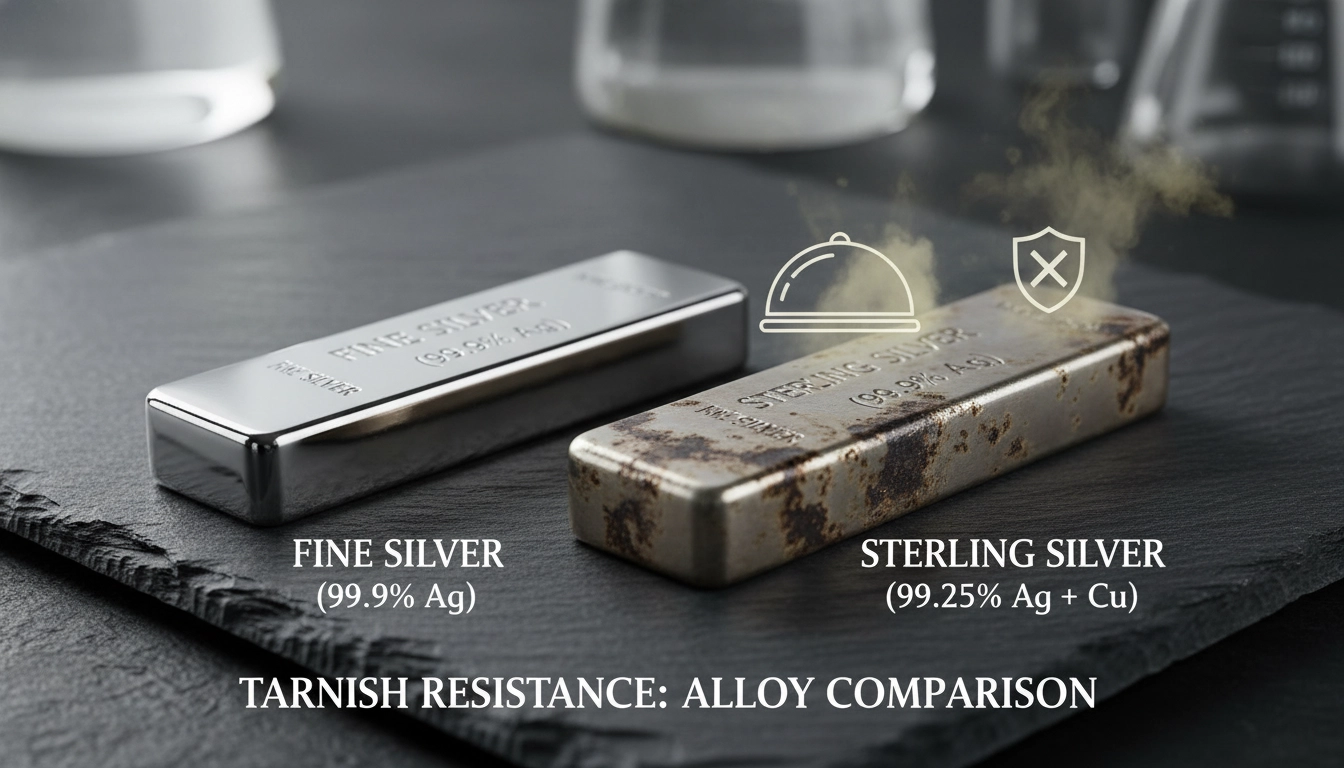
Sterling Silver vs. Fine Silver: 11 Critical Differences Every Buyer Must Know (2026 Edition)
Prdoucts Categories
Question you may concern
Products
What's the packaging of your jewelry?
Normally we use OPP bag, bubble bag and paper box to pack the goods,custom packaging is acceptable as well.
What's themonthly production capacity?
600,000 pcs per month.
What services can we provide?
Accepted Delivery Terms: FOB, CIF, EXW, Express Delivery;
Accepted Payment Currency: USD, EUR, JPY, CAD, AUD, HKD, GBP, CNY, CHF;
Accepted Payment Type: T/T, L/C, MoneyGram, Credit Card, PayPal, Western Union, Cash, Escrow;
Language Spoken: English, Chinese, Spanish, Japanese, Portuguese, German, Arabic, French, Russian, Korean, Hindi, Italian.
What can you buy from us?
Rings, Necklace, Earrings, Bracelet, Pendant, Anklet, Brooch, Jewelry.
What is your minimum order quantity?
We offer low MOQ from 2 to 30 depending on models. Send your favor model to get details from Trade Manager.
You may also like
Brass Jewelry
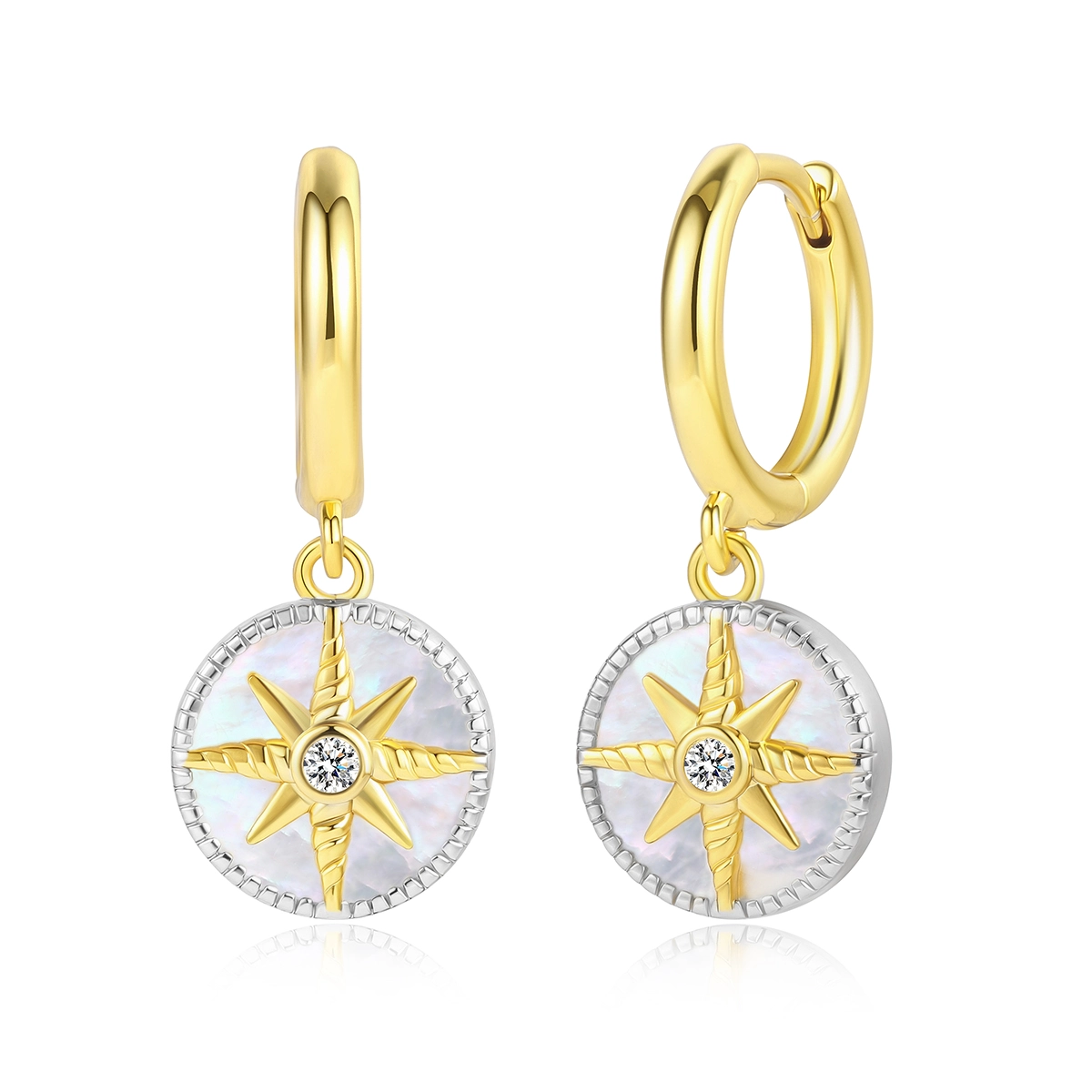
Brass Mother of Pearl Compass Huggie Drop Earrings | 14K 18K Gold Plated Hypoallergenic Jewelry
Read More
925 Silver Jewelry
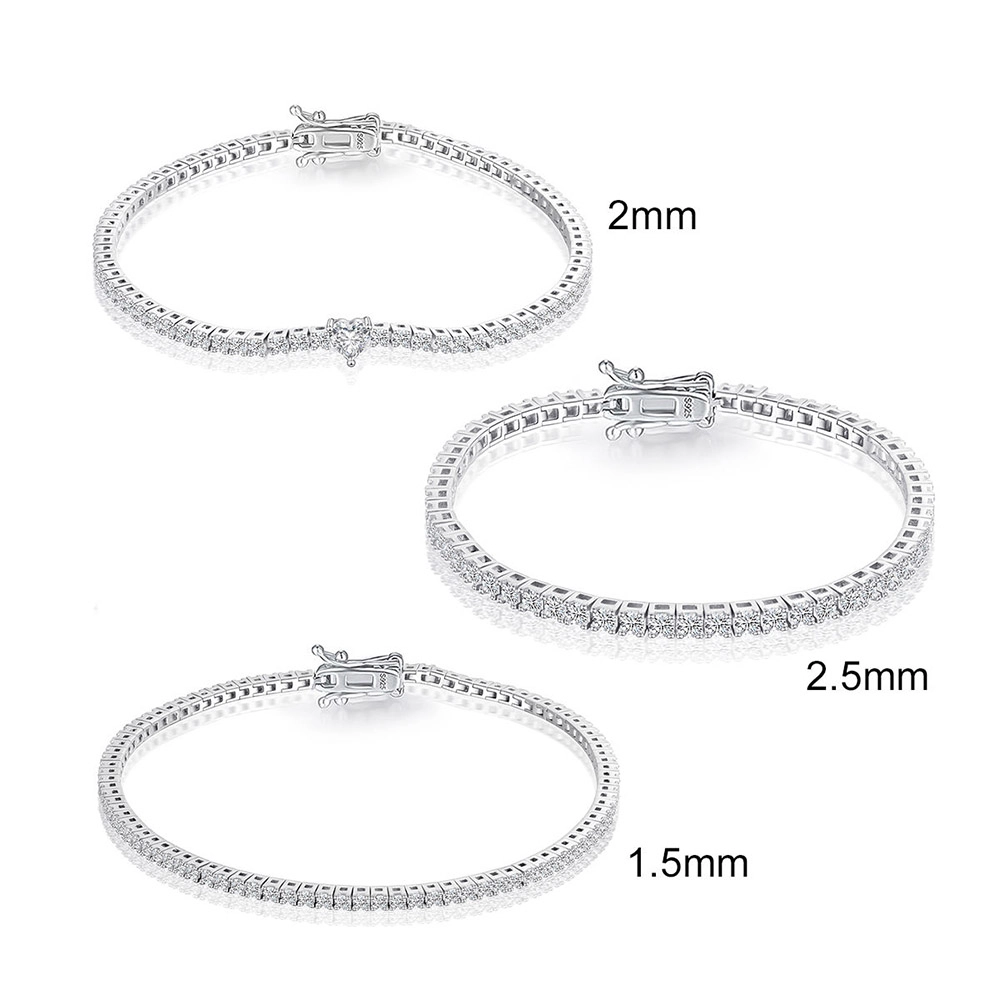
Customizable High-Quality Fashion 925 Sterling Silver AAA Cubic Zirconia Heart-Shaped Open Tennis Bracelet.
Read More
Brass Jewelry
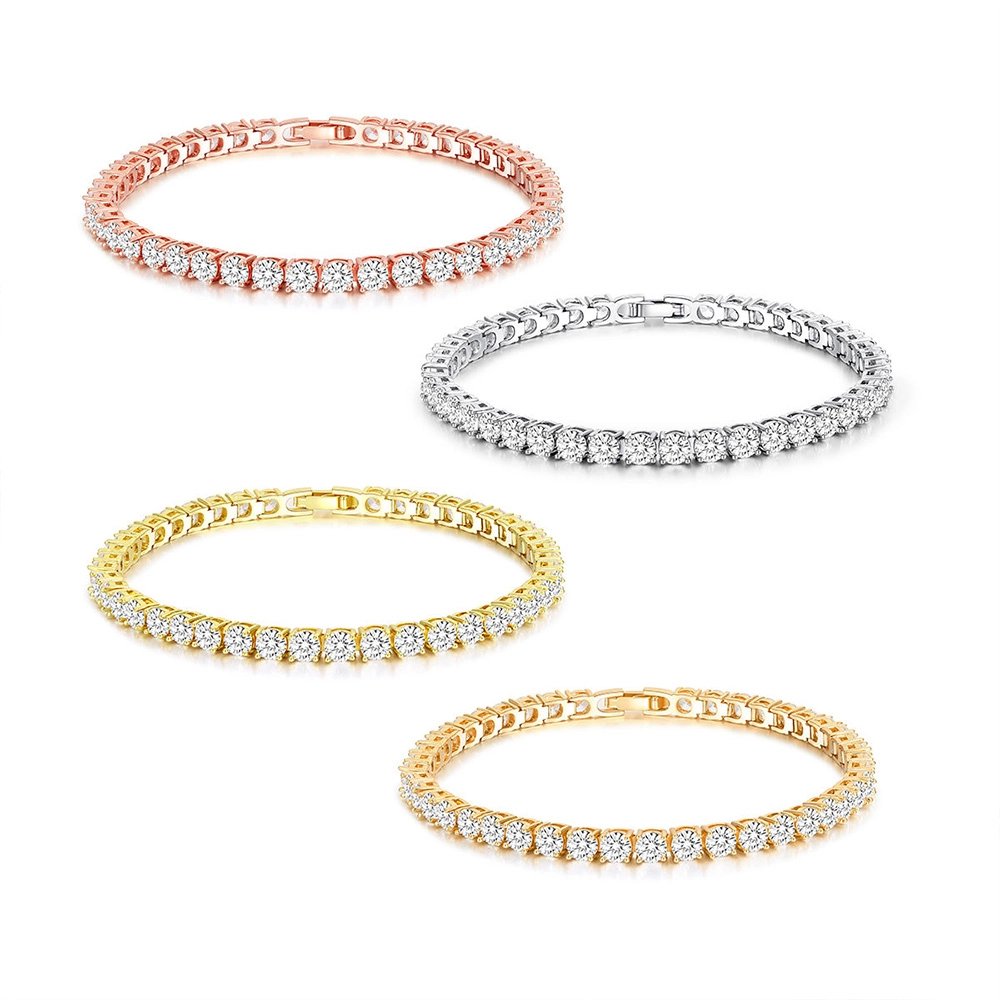
Customizable OEM ODM High-Quality Fashion Brass AAA Cubic Zirconia Classic Tennis Bracelet for Women Wholesale.
Read More
Get a Quote for Private Label Jewelry
We provide personalized jewelry customization services for clients worldwide.
Rest assured that your privacy is important to us, and all information provided will be handled with the utmost confidentiality.
By clicking 'Send Inquiry Now' I agree to ZHEFAN JEWELRY processing my personal data.
To see how to withdraw your consent, how to control your personal data and how we process it, please see our Privacy Policy and Terms of use.
From design to production, ZHEFAN JEWELRY offers a one-stop solution to help you enhance your brand value and market competitiveness.
Get A Quote
Contact
Tel: (+86) 188 1927 7817
© 2026 Zhefan Jewelry. All Rights Reserved.
Facebook
Instagram
YouTube
Whatsapp: +8618819277817