

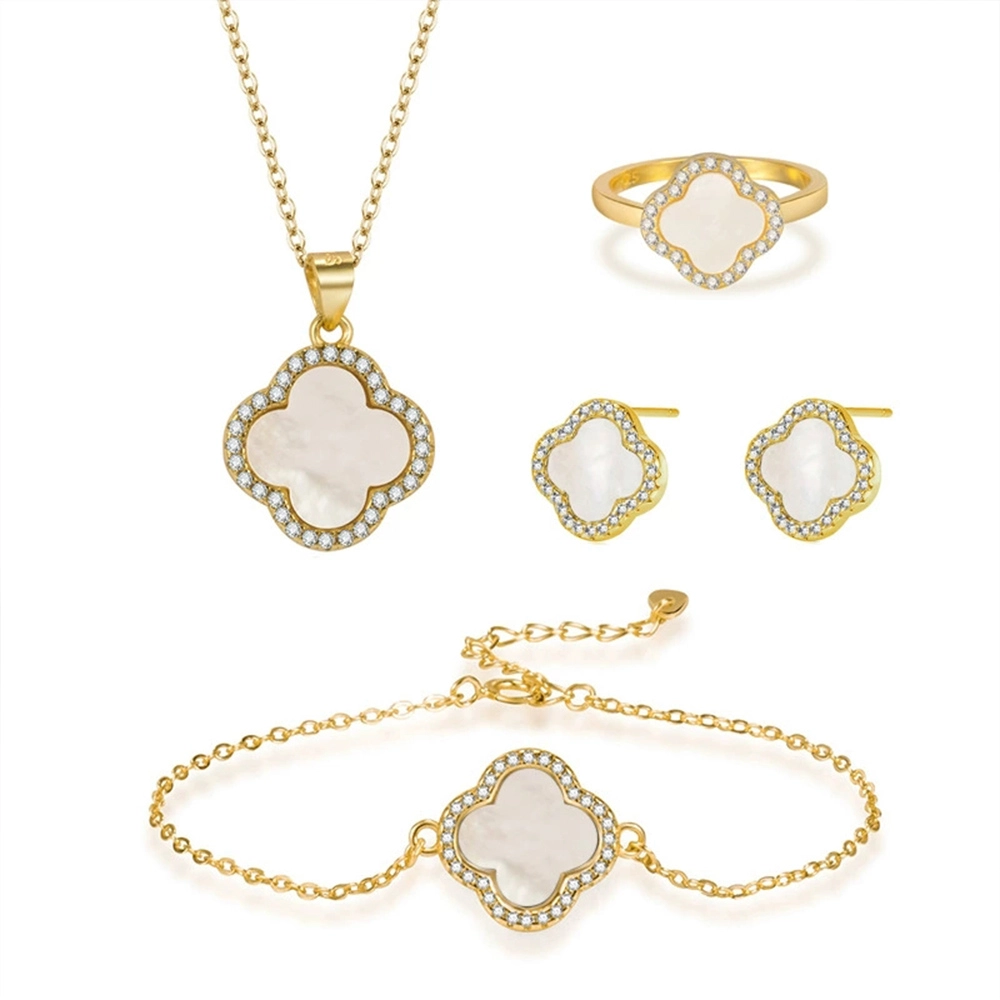


Email: sales3@zhefanjewelry.com
OEM/ODM 925 sterling silver necklace Manufacturers and Suppliers
Guangzhou Zhefan Jewelry delivers OEM/ODM 925 sterling silver necklace manufacturing from Guangzhou & Meizhou, China. Established in 2002 with roots from 1997, we combine artisanal craftsmanship, RoHS/REACH-compliant materials, 6-stage polishing and inspection, and a rapid design pipeline (500+ new styles/month) to support global retailers and Amazon sellers with reliable supply, strict quality control, and flexible customization.
- Why choose a specialized manufacturing partner for your jewelry line?
- Supply chain reliability matters
- Quality controls reduce returns and reputational risk
- Compliance and materials safety
- Understanding sterling silver and material choices for necklaces
- What is 925 sterling silver?
- Comparing materials: silver, brass, and stainless steel
- Finishing and plating options
- OEM/ODM production process for 925 sterling silver necklace lines
- From brief to prototype
- Tooling, molds and small-batch pilots
- Scaling, inspections and traceability
- Design, customization and market differentiation
- Design language and fast-fashion responsiveness
- Branding, packaging and value-added services
- Cost engineering and MSRP optimization
- Quality standards, certifications & regulatory references
- Industry standards and associations
- Material and chemical safety
- Quality management systems
- Practical guidance for brands selecting an OEM/ODM partner
- Ask for verifiable samples and process documentation
- Verify capacity and contingency plans
- Clarify IP, molds, and design ownership
- Conclusion
- Frequently Asked Questions (FAQ)
- Q1: How do I verify that a supplier uses genuine 925 sterling silver?
- Q2: What is a realistic lead time for OEM 925 sterling silver necklace production?
- Q3: How can I reduce tarnish issues for sterling silver necklaces?
- Q4: Can manufacturers handle private labeling and packaging requirements?
- Q5: What documents should I request before placing a large order?
Guangzhou Zhefan Jewelry operates manufacturing facilities in Guangzhou and Meizhou, China, offering full-service OEM/ODM production for 925 sterling silver necklace lines. With two factories (total 800 m²), 80+ artisans, and a monthly output of 600,000 pieces, Zhefan supports global brands with RoHS/REACH-compliant materials and export-ready supply chains tailored for marketplaces like Amazon and retailers such as Macy’s.
Why choose a specialized manufacturing partner for your jewelry line?
Supply chain reliability matters
For brands and retailers sourcing 925 sterling silver necklace products, consistency and predictability in production are non-negotiable. Zhefan’s stated monthly capacity of 600,000 pieces, dual-factory footprint, and dedicated sales and production teams reduce the operational risk common with single-site or ad-hoc suppliers. A predictable lead time and a transparent QC workflow are critical when selling on high-velocity channels (marketplaces, seasonal retail).
Quality controls reduce returns and reputational risk
A rigorous quality assurance (QA) regime—like Zhefan’s six rounds of precision polishing and six inspection checkpoints—directly lowers defect rates, tarnish complaints, and customer returns. This level of process control helps ensure finished 925 sterling silver necklaces meet both aesthetic and functional expectations, improving long-term customer trust and reducing post-sale service costs.
Compliance and materials safety
Jewelry brands increasingly need to prove chemical and environmental compliance. Zhefan uses RoHS/REACH-compliant materials; for context see the European Chemicals Agency (ECHA) on REACH (https://echa.europa.eu/) and EU RoHS guidance (https://environment.ec.europa.eu/topics/waste-and-recycling/rohs_en). Using certified materials protects brands from regulatory or marketplace delisting risks.
Understanding sterling silver and material choices for necklaces
What is 925 sterling silver?
925 sterling silver denotes an alloy containing 92.5% silver and 7.5% other metals (commonly copper), standardized for jewelry due to improved hardness versus fine silver. This definition and history are documented by reference sources such as Wikipedia’s sterling silver entry (https://en.wikipedia.org/wiki/Sterling_silver).
Comparing materials: silver, brass, and stainless steel
Different price points and use cases call for different metals. Below is a concise comparison to help you choose the optimal base for a necklace collection.
| Material | Composition | Durability | Tarnish/Corrosion | Hypoallergenic | Typical Use |
|---|---|---|---|---|---|
| 925 Sterling Silver | 92.5% Ag + alloys (usually Cu) | Good when alloyed and properly finished | Tarnishes over time; plating options available | Generally good; avoid nickel additions | Mid-to-high end fashion & fine silver necklaces |
| Brass | Copper + zinc | Moderate; softer than steel | Patina possible; may cause skin discoloration if not plated | Varies; plating required for sensitive skin | Cost-conscious fashion jewelry |
| Stainless Steel | Fe-Cr-Ni alloys (various grades) | Very durable; scratch-resistant | Highly corrosion-resistant | Good for most; some grades contain nickel | Durable, modern-style necklaces |
Finishing and plating options
925 sterling silver can be offered with anti-tarnish treatments, rhodium plating (for a bright white finish), or selective oxidization for antiqued styles. Zhefan’s multiple polishing rounds and finishing choices allow brands to match aesthetic and durability targets.
OEM/ODM production process for 925 sterling silver necklace lines
From brief to prototype
Effective OEM/ODM partnerships begin with a clear product brief: target price, target market, materials, size/weight constraints, and any certification needs. Zhefan’s in-house design team launches 500+ original styles monthly, enabling rapid prototyping and iterative sample workflows—critical for accelerating time-to-market.
Tooling, molds and small-batch pilots
As a company founded by a master mold craftsman, Zhefan retains deep tooling expertise. For 925 sterling silver necklaces, accurate mold making and die work reduce casting porosity and finishing effort. Pilots validate alloy ratios, casting parameters, and plating adhesion before mass runs.
Scaling, inspections and traceability
Scaling a design from sample to mass production requires documented process controls. Zhefan’s six inspection points—raw material check, in-process inspections, polishing QA, plating check, final inspection, and packaging inspection—establish traceability and reduce downstream failures. Brands can request third-party testing or material certificates when required.
Design, customization and market differentiation
Design language and fast-fashion responsiveness
Staying relevant in fashion jewelry requires constant novelty. Zhefan’s design team delivering 500+ new styles monthly keeps assortments fresh while allowing private-label clients to select or customize SKU variants quickly. For marketplaces like Amazon, frequent new-style introductions help maintain visibility and conversion.
Branding, packaging and value-added services
Beyond the product, packaging, swing tags, and care instructions shape perceived value. Zhefan supports OEM/ODM including custom packaging, laser engraving of brand marks, and compliance labeling—enabling a cohesive brand experience that meets retailer specs (e.g., Macy’s or major online sellers).
Cost engineering and MSRP optimization
Successful private-label lines balance material costs, labor, and perceived price. Experienced manufacturers can suggest design tweaks—like hollow elements, chain gauge adjustments, or clasp substitutions—that maintain look while improving margins.
Quality standards, certifications & regulatory references
Industry standards and associations
Reputable jewelers and manufacturers align with industry organizations. The World Jewellery Confederation (CIBJO) provides standards and best practices for responsible sourcing and product quality (https://www.cibjo.org/).
Material and chemical safety
For market access, jewelry often must comply with regional restrictions on hazardous substances. REACH and RoHS frameworks are widely used references for restricted substances; manufacturers should provide documentation and material declarations per ECHA guidance (https://echa.europa.eu/) and EU RoHS information (https://environment.ec.europa.eu/topics/waste-and-recycling/rohs_en).
Quality management systems
ISO 9001 is a recognized benchmark for quality management systems; while certification is optional, adherence to documented QA processes and continuous improvement practices is a strong signal to large retail buyers (see ISO overview: https://www.iso.org/).
Practical guidance for brands selecting an OEM/ODM partner
Ask for verifiable samples and process documentation
Request multiple sample types (prototype, pre-production, and production sample), plus photos of tooling, certificates for alloys, and recent QC reports. Verify polishing and inspection steps; a manufacturer that lists specifics (e.g., six polishing rounds) is more likely to deliver consistent finishes.
Verify capacity and contingency plans
Confirm monthly capacity, peak-season throughput, and backup plans for workforce or material shortages. For example, Zhefan’s two-factory model and stated 600,000-piece monthly output indicate a manufacturing scale that supports growth or large retailer orders.
Clarify IP, molds, and design ownership
Outline intellectual property terms in your contract: who owns molds, who pays tooling costs, and how designs are protected. Clear IP terms reduce disputes when scaling successful styles.
Conclusion
Choosing the right OEM/ODM 925 sterling silver necklace manufacturer requires evaluating technical capability, quality controls, compliance credentials, and production scale. Partners like Guangzhou Zhefan Jewelry provide a balance of artisanal skill, industrial capacity, and compliance focus—offering reliable OEM/ODM services for private-label brands, Amazon sellers, and major retailers. By insisting on documented QA steps, material declarations, and sample validation, brands can scale confidently while protecting their reputation and reducing returns.
Frequently Asked Questions (FAQ)
Q1: How do I verify that a supplier uses genuine 925 sterling silver?
A1: Request material certificates, assay reports, or third-party lab testing for silver content. Inspection of supplier-provided hallmarks and batch certificates—plus independent sampling—are common due diligence steps.
Q2: What is a realistic lead time for OEM 925 sterling silver necklace production?
A2: Lead times vary: prototyping (2–4 weeks), tooling (2–6 weeks depending on complexity), and mass production (4–10 weeks). High-volume manufacturers with existing tooling and capacity can compress timelines; always confirm current factory load.
Q3: How can I reduce tarnish issues for sterling silver necklaces?
A3: Use anti-tarnish coatings, rhodium plating, or proper packaging with anti-tarnish strips. Educate customers on care and include care tags; materials selection (avoid reactive alloys) and finishing quality are critical.
Q4: Can manufacturers handle private labeling and packaging requirements?
A4: Yes—most experienced OEM/ODM partners offer private-labeling services including packaging design, custom hangtags, and barcode application to meet retailer or marketplace specifications.
Q5: What documents should I request before placing a large order?
A5: Material declarations (RoHS/REACH), sample approvals, QC checklists, production schedule, lead times, packaging specs, IP agreement, and payment/terms. Also request photos of pre-production approval (PPAP) samples.
Contact CTA: Ready to scale your 925 sterling silver necklace line? Contact our team at sales3@zhefanjewelry.com to discuss OEM/ODM options and request samples.
Tags
brass necklaces
brass necklaces
locking urn pendant necklace bulk
locking urn pendant necklace bulk
men's 925 sterling silver bracelets
men's 925 sterling silver bracelets
mother of pearl heart pendant with chain
mother of pearl heart pendant with chain
stainless steel women's jewelry bulk
stainless steel women's jewelry bulk
women's brass rings
women's brass rings
Recommended for you
Top custom earrings name Manufacturers and Suppliers
Testing Durability: Wear Tests for Gold Plating Quality
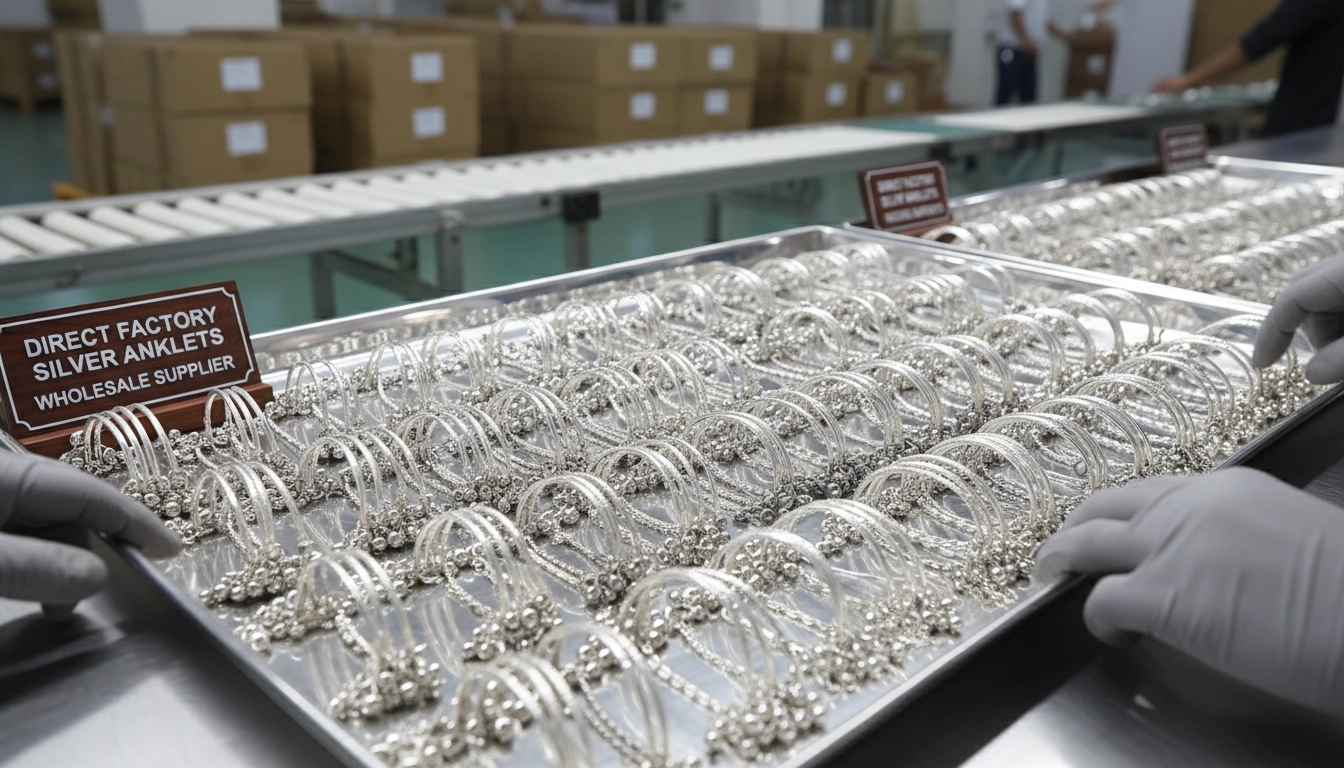
Direct Sourcing Guide: How to Find a Reliable Silver Anklets Wholesale Supplier Without Middlemen in 2026
OEM/ODM brass necklaces Manufacturers and Suppliers
Prdoucts Categories
Question you may concern
Products
What’s the shipment method? How long does it take for delivery?
Our product distributed to all over the world. Shipped by DHL / Fedex / TNT / UPS takes 3-7 days, Epacket takes 7-15 days, China Post takes 15-30 days.
What's themonthly production capacity?
600,000 pcs per month.
What services can we provide?
Accepted Delivery Terms: FOB, CIF, EXW, Express Delivery;
Accepted Payment Currency: USD, EUR, JPY, CAD, AUD, HKD, GBP, CNY, CHF;
Accepted Payment Type: T/T, L/C, MoneyGram, Credit Card, PayPal, Western Union, Cash, Escrow;
Language Spoken: English, Chinese, Spanish, Japanese, Portuguese, German, Arabic, French, Russian, Korean, Hindi, Italian.
FAQs
Can you engrave my logo on the jewelry ?Do you supply OEM/ODM service?
Yes. Custom logo and OEM/ODM are both accepted. Our factory specializes in jewelry manufacturing for 27 years.We can produce jewelry by your sample, design, pictures, even by an idea.Please feel free to contact us for more details. Custom order process:Inquiry-Confirm products details-Pay mold fee -Confirm CAD draft-Quote-Initial payment-Produce mold&sample-Confirm Sample-Mass production-Balance payment-Shipment-Track shipment-delivery.
Do you offer after-sales warranty service?
Yes, we will refund or resend products if fading, stone falling off and other quality problems found in 1 month receipt of goods.Furthermore, we offer 1 year after-sales warranty service, but you need pay the shipping charge.
You may also like
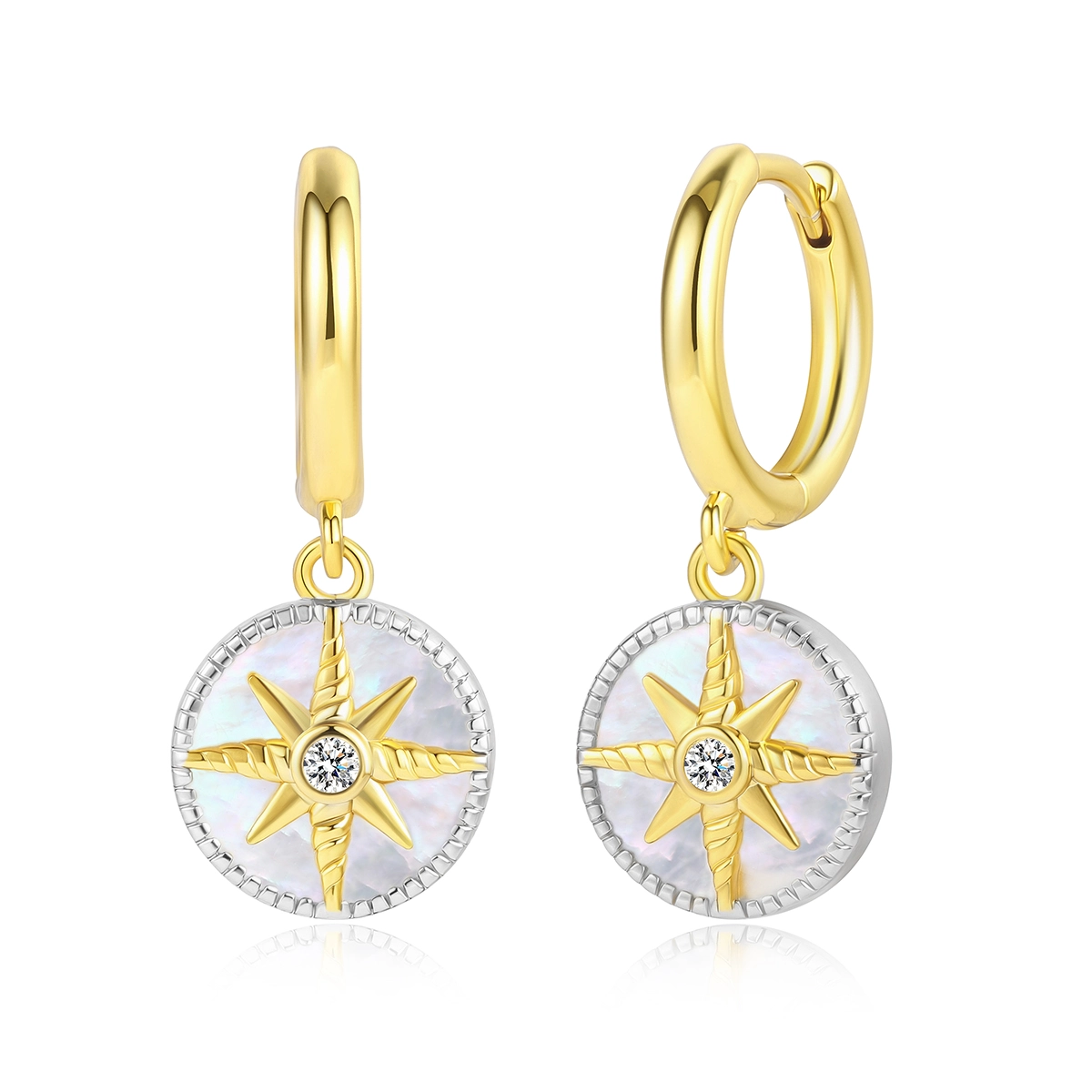
Brass Jewelry
Brass Mother of Pearl Compass Huggie Drop Earrings | 14K 18K Gold Plated Hypoallergenic Jewelry
Read More
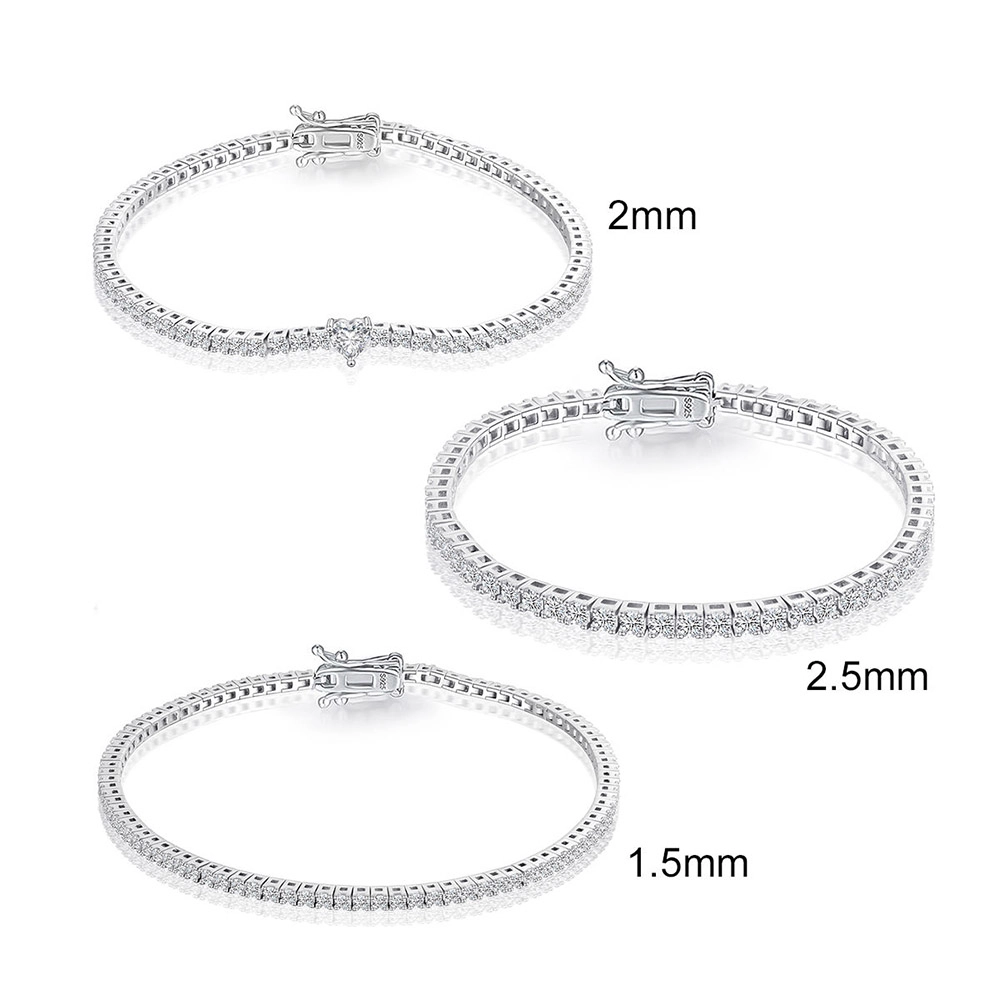
925 Silver Jewelry
Customizable High-Quality Fashion 925 Sterling Silver AAA Cubic Zirconia Heart-Shaped Open Tennis Bracelet.
Read More
Brass Jewelry
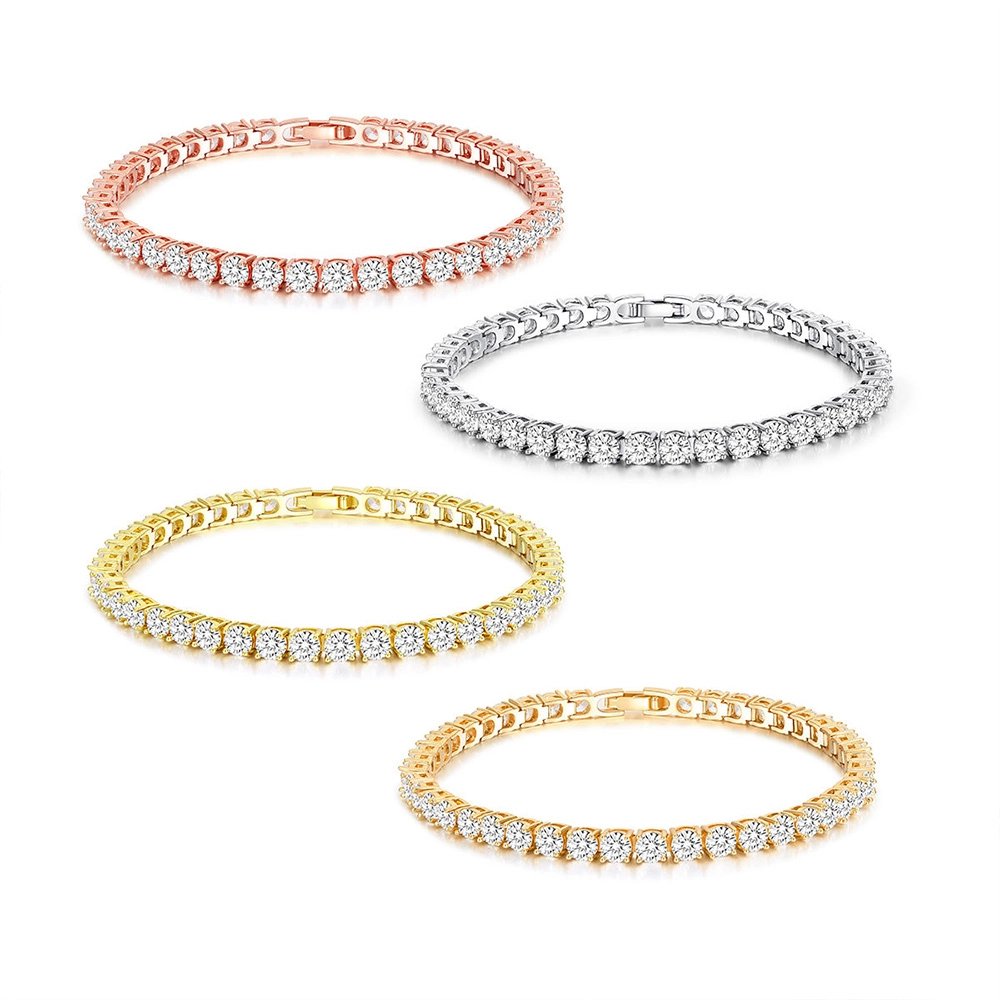
Customizable OEM ODM High-Quality Fashion Brass AAA Cubic Zirconia Classic Tennis Bracelet for Women Wholesale.
Read More
Get a Quote for Private Label Jewelry
We provide personalized jewelry customization services for clients worldwide.
Rest assured that your privacy is important to us, and all information provided will be handled with the utmost confidentiality.
By clicking 'Send Inquiry Now' I agree to ZHEFAN JEWELRY processing my personal data.
To see how to withdraw your consent, how to control your personal data and how we process it, please see our Privacy Policy and Terms of use.
From design to production, ZHEFAN JEWELRY offers a one-stop solution to help you enhance your brand value and market competitiveness.
Get A Quote
Contact
Tel: (+86) 188 1927 7817
© 2026 Zhefan Jewelry. All Rights Reserved.
Facebook
Instagram
YouTube
Whatsapp: +8618819277817