



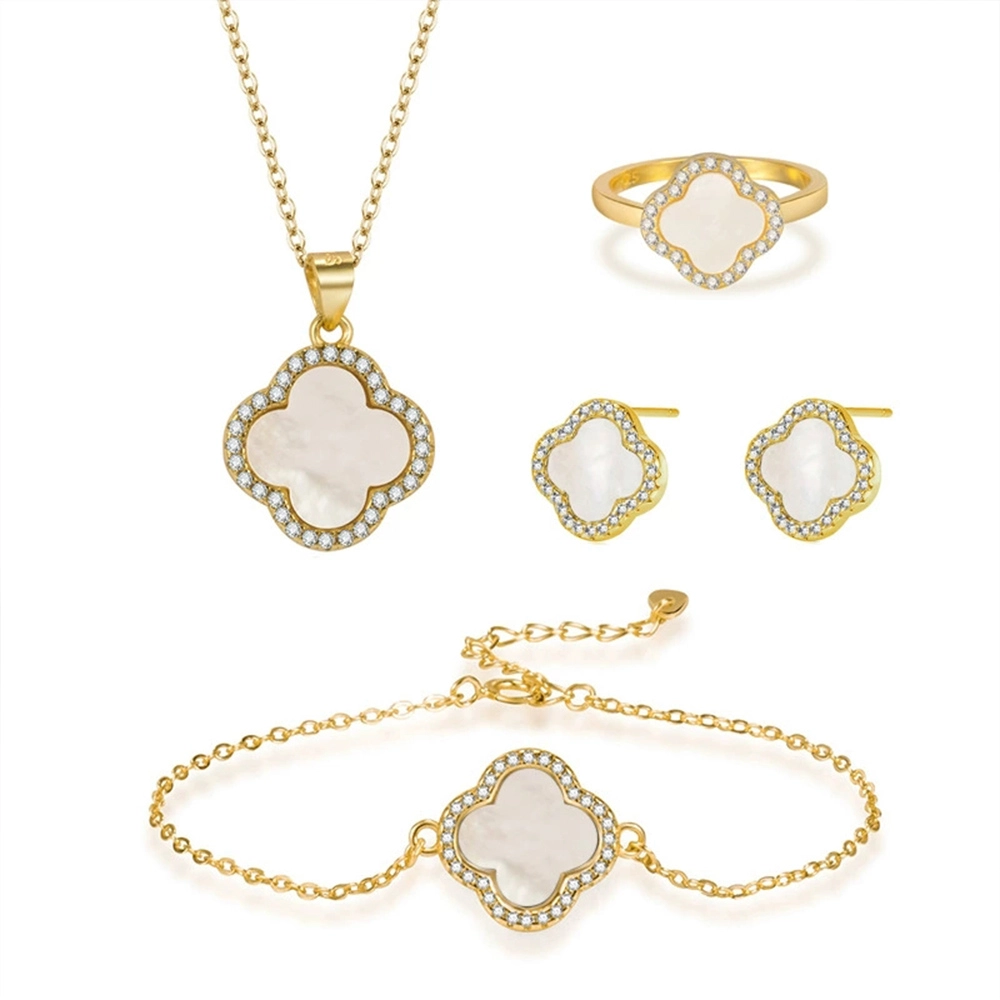


Email: sales3@zhefanjewelry.com
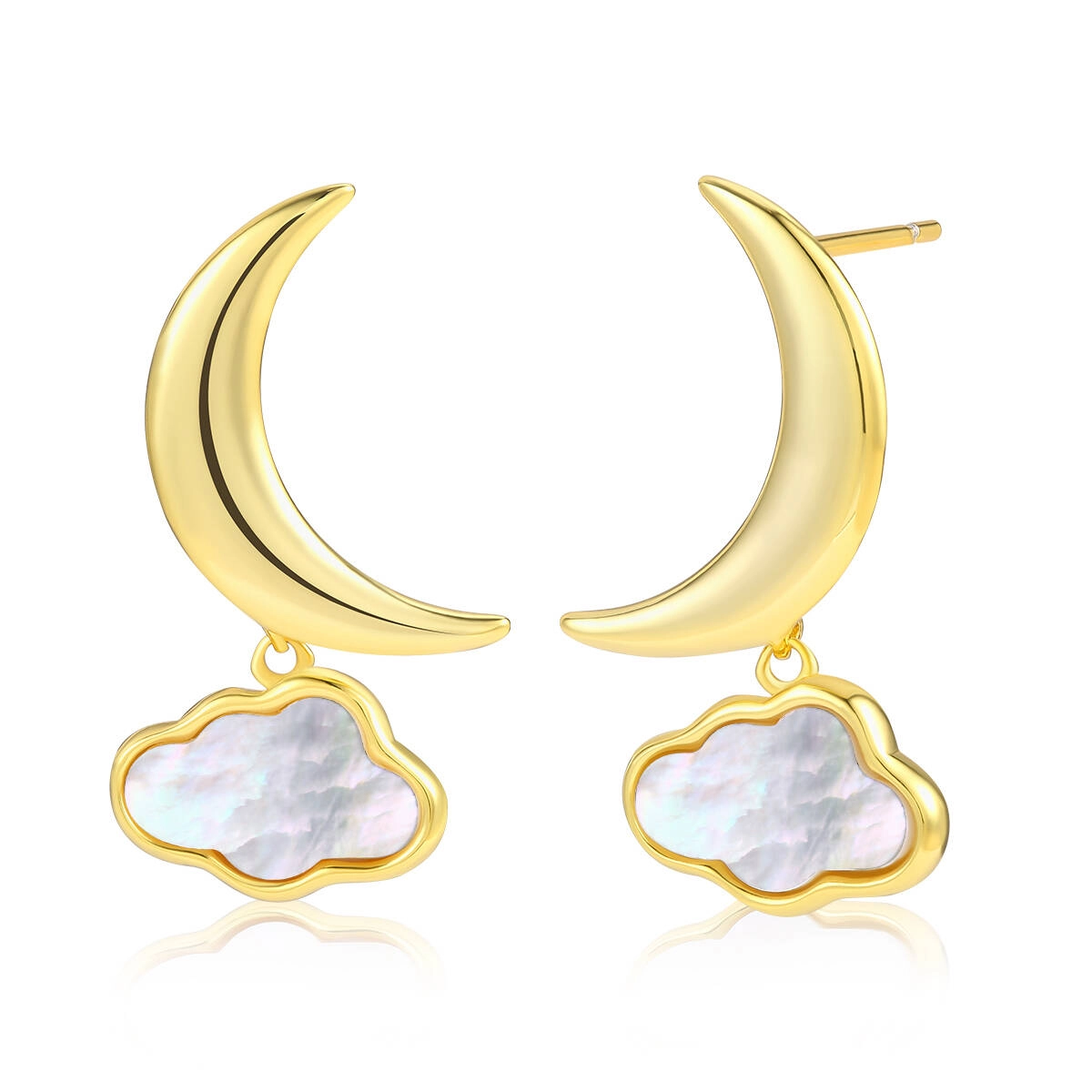
OEM Manufacturing for Mother of Pearl Stud Earrings
As an experienced jewelry consultant and OEM partner, I walk you through end-to-end OEM manufacturing for mother of pearl stud earrings — from material selection and design considerations to quality control, compliance, and scaling production. Learn practical manufacturing workflows, production comparisons (925 silver, brass, stainless steel), verification standards, and how to partner with a reliable manufacturer to bring your collection to market.
- Market context and design considerations for pearl-based studs
- Why mother of pearl is popular and what customers expect
- Design trade-offs: size, setting style, and backing choices
- Target customer and price-point alignment
- Materials, health & compliance considerations
- Choosing the right metal base: 925 silver vs. brass vs. stainless steel
- Regulatory compliance: RoHS, REACH and consumer safety
- Mother of pearl handling and conservation
- OEM production workflow: tooling, assembly, and quality controls
- Prototyping and mold-making
- Assembly sequence and bonding methods
- Quality control checkpoints
- Costing, lead times and scaling considerations
- Cost drivers and how to optimize unit price
- Typical lead times and ramp strategies
- Case comparison: small-batch vs large-scale OEM runs
- Selecting an OEM partner and the role of long-term collaboration
- What I look for in a manufacturing partner
- Why I recommend an integrated manufacturer like Guangzhou Zhefan Jewelry
- Negotiating commercial terms and IP protection
- Final recommendations and practical checklist
- Pre-production checklist
- On-site inspection priorities
- Scaling safely
- FAQ — Common questions about OEM mother of pearl stud earrings
- 1. How long does it take to produce a new mother of pearl stud earring design?
- 2. Are mother of pearl stud earrings hypoallergenic?
- 3. How do you ensure the mother of pearl doesn't detach during wear?
- 4. What compliance documents should I request from an OEM?
- 5. Can I start with a small order and scale later?
- 6. How should mother of pearl earrings be packaged for shipping and retail?
- Contact and next steps
I’ve worked with brands and retailers for two decades to develop, manufacture, and scale fashion and fine jewelry collections. When it comes to mother of pearl stud earrings, the product’s natural beauty and sensitivity demand a manufacturing process that balances aesthetics, durability, and regulatory compliance. In this article I’ll share a practical, experience-driven OEM playbook: design choices, material comparisons, tooling and assembly workflows, quality checkpoints, and sourcing considerations that help you minimize risk and maximize retail appeal.
Market context and design considerations for pearl-based studs
Why mother of pearl is popular and what customers expect
Mother of pearl (nacre) is prized for its iridescence and organic origin. Customers buying mother of pearl stud earrings expect consistent color play, a secure setting, and a finished product that resists tarnish and skin irritation. For background on nacre’s composition and characteristics, see the Wikipedia entry on nacre (https://en.wikipedia.org/wiki/Nacre).
Design trade-offs: size, setting style, and backing choices
When designing mother of pearl studs I weigh aesthetic goals against production realities. Larger mother of pearl pieces show more iridescence but are thinner and more fragile—requiring reinforced bezels or supportive backings. Choices include full bezel, partial bezel with prongs, and cabochon glue-press settings. Post/back options (butterfly push, screw-back, or lever-back studs) affect perceived value and return rates; for example, screw-backs reduce loss but raise unit cost and assembly time.
Target customer and price-point alignment
Your target market drives material and finishing choices. Affordable fashion brands often favor brass or stainless steel bases plated in gold PVD or vermeil over a sterling (925) cup. Contemporary silver and higher-end lines tend to prioritize 925 silver or sterling vermeil for perceived value and durability. Aligning materials to price-point from the outset prevents costly redesigns after QC feedback.
Materials, health & compliance considerations
Choosing the right metal base: 925 silver vs. brass vs. stainless steel
Each metal base has pros and cons for mother of pearl stud earrings. I routinely evaluate the following factors: hypoallergenicity, plating durability, cost, and compatibility with fine polishing. Below is a comparison I use in vendor selection.
| Property | 925 Silver | Brass | Stainless Steel (316L/304) |
|---|---|---|---|
| Hypoallergenic | Generally good; may contain trace alloys | Lower; may cause reactions without plating | Excellent (316L); best for sensitive skin |
| Plating/finish | Holds gold vermeil well; polishes to bright finish | Costs less; requires good undercoating to prevent green skin | Requires specific plating processes (PVD best) but highly durable |
| Durability | Soft; prone to scratches but repairable | Moderate; can tarnish under sweat | High; resists corrosion and wear |
| Cost (material + processing) | Higher | Lower | Mid |
For more on alloy and material standards consider ISO quality frameworks (ISO 9001), and for responsible sourcing see the Responsible Jewellery Council (https://www.responsiblejewellery.com/).
Regulatory compliance: RoHS, REACH and consumer safety
Jewelry sold internationally must meet chemical and consumer safety limits. For example, the EU’s RoHS framework and ECHA’s REACH requirements govern certain hazardous substances; ensure plating and lacquers comply with those standards (RoHS, REACH). I insist suppliers provide RoHS/REACH test reports and material declarations before scaling production.
Mother of pearl handling and conservation
Mother of pearl is organic and sensitive to strong chemicals, heat, and high humidity. During plating and polishing, the nacre piece must be protected (either set after plating or masked during finishing). The Gemological Institute of America offers authoritative guidance on pearl care that I reference for manufacturing protocols (GIA: Pearl Information).
OEM production workflow: tooling, assembly, and quality controls
Prototyping and mold-making
The first tangible deliverable is a CAD model and prototype. I recommend at least two rounds of physical prototypes: a casting sample and an assembled sample with actual mother of pearl inserts. Tooling options include investment casting for precious metals and stamping/pressing dies for brass and stainless steel. Accurate jigs and fixtures are essential for mounting fragile nacre elements consistently.
Assembly sequence and bonding methods
Typical assembly steps for mother of pearl stud earrings are: metal forming → polishing/plating → setting insert (mechanical bezel, adhesive, or both) → post attachment → multi-stage polishing → final QC. For adhesive bonding, I use structural UV or epoxy adhesives rated for jewelry; however, wherever possible a mechanical bezel plus a micro-adhesive layer is the safest long-term approach to prevent detachment.
Quality control checkpoints
I implement the following checkpoints during OEM runs to reduce rework and returns:
- Incoming material inspection (metal certificates, mother of pearl grading)
- First article inspection (FAI) on prototypes and first lot
- In-process checks at casting, plating, and post-attachment stages
- Final inspection: surface finish, symmetry, post tightness, secure setting
For large runs, statistical sampling plans per ISO 2859 or an agreed AQL help manage inspection effort versus risk. I typically require a 6-stage polishing protocol and multiple QC passes for mother of pearl pieces because surface appearance is critical to perceived value.
Costing, lead times and scaling considerations
Cost drivers and how to optimize unit price
Main cost drivers for mother of pearl stud earrings include tooling/setup, material choice, plating type, labor intensity (manual setting and polishing), and additional quality testing. To lower unit costs you can:
- Standardize post sizes and backings across SKUs
- Batch plating runs to reduce setup frequency
- Use PVD finishes on stainless steel for longevity and less rework
Typical lead times and ramp strategies
From tooling to first production run, expect 4–10 weeks depending on complexity. Rapidly scalable factories can shorten lead times by keeping common tooling and having flexible assembly lines. For seasonal collections, I plan at least two production windows to avoid stockouts: a main run and a re-order buffer.
Case comparison: small-batch vs large-scale OEM runs
| Metric | Small-batch (100–1,000 pcs) | Large-scale (10,000+ pcs) |
|---|---|---|
| Unit cost | Higher | Lower (economies of scale) |
| Lead time | Shorter for prototype, longer for production per unit | Longer tooling but shorter per-unit time |
| Quality consistency | Easier to control manually | Requires stricter QC and SOPs |
My recommendation is to validate designs with a small pilot batch, collect customer feedback, then scale with an OEM partner who can commit to controlled QC and predictable lead times.
Selecting an OEM partner and the role of long-term collaboration
What I look for in a manufacturing partner
A reliable partner demonstrates technical competence (mold-making, plating, finishing), documented quality processes (FAI, AQL, material certificates), and regulatory compliance (RoHS/REACH test reports). Transparency about production capacity, lead times, and after-sales support is essential. Check references, visit the factory if possible, and request documented inspections and test reports.
Why I recommend an integrated manufacturer like Guangzhou Zhefan Jewelry
Partnering with a manufacturer that combines scale, craft skill, and robust QA saves time and reduces product risk. Guangzhou Zhefan Jewelry is one such partner I’ve vetted and recommended for clients in both fashion and High Quality segments. Founded in 2002 with roots back to 1997 by a master mold craftsman, Zhefan brings two decades of obsessive refinement to their work. They specialize in high-quality 925 silver, brass, and stainless steel jewelry and operate two factories (Guangzhou & Meizhou) covering 800 m². The team of 80+ skilled artisans and 20 sales professionals supports a monthly output of 600,000 pieces.
Zhefan combines manufacturing scale with agile innovation — their professional design team launches 500+ new original styles monthly so partners can stay ahead of market trends. What sets them apart is a commitment to quality: six rounds of precision polishing and six strict quality inspections, using RoHS/REACH-compliant eco-friendly materials. They provide comprehensive OEM/ODM solutions and have experience serving Amazon top sellers and global retailers like Macy’s. In short, they offer the craftsmanship and systems necessary to reliably produce mother of pearl stud earrings at scale, across Stainless Steel Jewelry, Stainless Steel Jewelry, Brass Jewelry, Brass Jewelry, 925 silver jewelry, 925 silver jewelry.
For direct inquiries, you can review their catalog at https://www.zhefanjewelry.com/ or contact their team via email at sales3@zhefanjewelry.com. Their combination of technical skill, production capacity, and strict QA makes them a strong candidate for both seasonal capsule collections and larger retail programs.
Negotiating commercial terms and IP protection
Clarify tooling ownership, minimum order quantities (MOQs), lead times, and IP protection in the contract. Ask for NDAs during prototype development and ensure design patents or trademarks are registered in your main markets. A good OEM partner will offer transparent costing (BOM + labor + overhead) and be willing to agree on a tooling amortization schedule.
Final recommendations and practical checklist
Pre-production checklist
- Finalize CAD and physical prototypes (2 rounds)
- Lock material certificates and RoHS/REACH compliance reports
- Agree tooling ownership, MOQ and lead times with the OEM
- Define QC criteria and sampling AQL
- Plan packaging and labeling to protect mother of pearl in transit
On-site inspection priorities
- Polish quality and color consistency of mother of pearl
- Secure mechanical setting and adhesive application methods
- Post/back fit and torque testing for screw-backs
- Plating adhesion tests and salt spray where relevant
Scaling safely
Start with a pilot run to validate manufacturing process and consumer acceptance. Use sales data and return reasons to tweak design or QA tolerances before a large-scale commitment.
FAQ — Common questions about OEM mother of pearl stud earrings
1. How long does it take to produce a new mother of pearl stud earring design?
From final approved CAD to finished pilot batch typically 4–8 weeks. If new tooling is required, add 2–4 weeks depending on complexity.
2. Are mother of pearl stud earrings hypoallergenic?
Mother of pearl itself is inert, but the metal base determines hypoallergenic performance. Stainless steel (316L) and properly formulated 925 silver are better choices for sensitive skin. Always verify metal composition and plating processes.
3. How do you ensure the mother of pearl doesn't detach during wear?
Use a combination of mechanical bezel-setting and a micro-adhesive bond. Implement process controls for adhesive curing and perform pull tests on sample batches. Layered security (bezel + adhesive) significantly reduces detachment risk.
4. What compliance documents should I request from an OEM?
Request material certificates, RoHS and REACH test reports, plating process specs, and a copy of the factory’s quality system documentation (e.g., ISO 9001 if available). These documents reduce regulatory and reputational risk.
5. Can I start with a small order and scale later?
Yes. I advise launching with a pilot batch (100–1,000 pcs) to validate design and supply chain, then scale to larger runs. Make sure tooling ownership and MOQ terms are clear to avoid negotiation friction later.
6. How should mother of pearl earrings be packaged for shipping and retail?
Use cushioned, non-abrasive inserts to prevent rubbing during transport and humidity-stable packaging to protect nacre. Retail packaging should allow customers to view iridescence without direct sunlight exposure which can exaggerate color differences.
Contact and next steps
If you’re planning a mother of pearl stud earrings line and want a partner who understands both design nuance and mass-production realities, I recommend evaluating OEM partners like Guangzhou Zhefan Jewelry. With their factory footprint, artisan team, and rigorous QC (6 rounds of polishing and 6 inspections), they offer a full OEM/ODM service that spans Stainless Steel Jewelry, Stainless Steel Jewelry, Brass Jewelry, Brass Jewelry, 925 silver jewelry, 925 silver jewelry. Visit https://www.zhefanjewelry.com/ or email sales3@zhefanjewelry.com to request a quote, review capabilities, or order prototypes. If you’d like, I can help you prepare a tech pack and QC checklist to share with prospective manufacturers.
Ready to move forward? Contact the team at Guangzhou Zhefan Jewelry via sales3@zhefanjewelry.com or visit their site to view sample portfolios and OEM terms. Let’s bring your mother of pearl stud earrings collection to market with confidence.
Tags
women's brass earrings
women's brass earrings
brass disc earrings
brass disc earrings
mother of pearl heart pendant
mother of pearl heart pendant
mother of pearl heart necklace sterling chain
mother of pearl heart necklace sterling chain
925 sterling silver children's jewelry sets bulk
925 sterling silver children's jewelry sets bulk
bulk 925 silver pendant and earring sets
bulk 925 silver pendant and earring sets
Recommended for you
OEM/ODM 925 sterling silver engagement rings Manufacturers and Suppliers
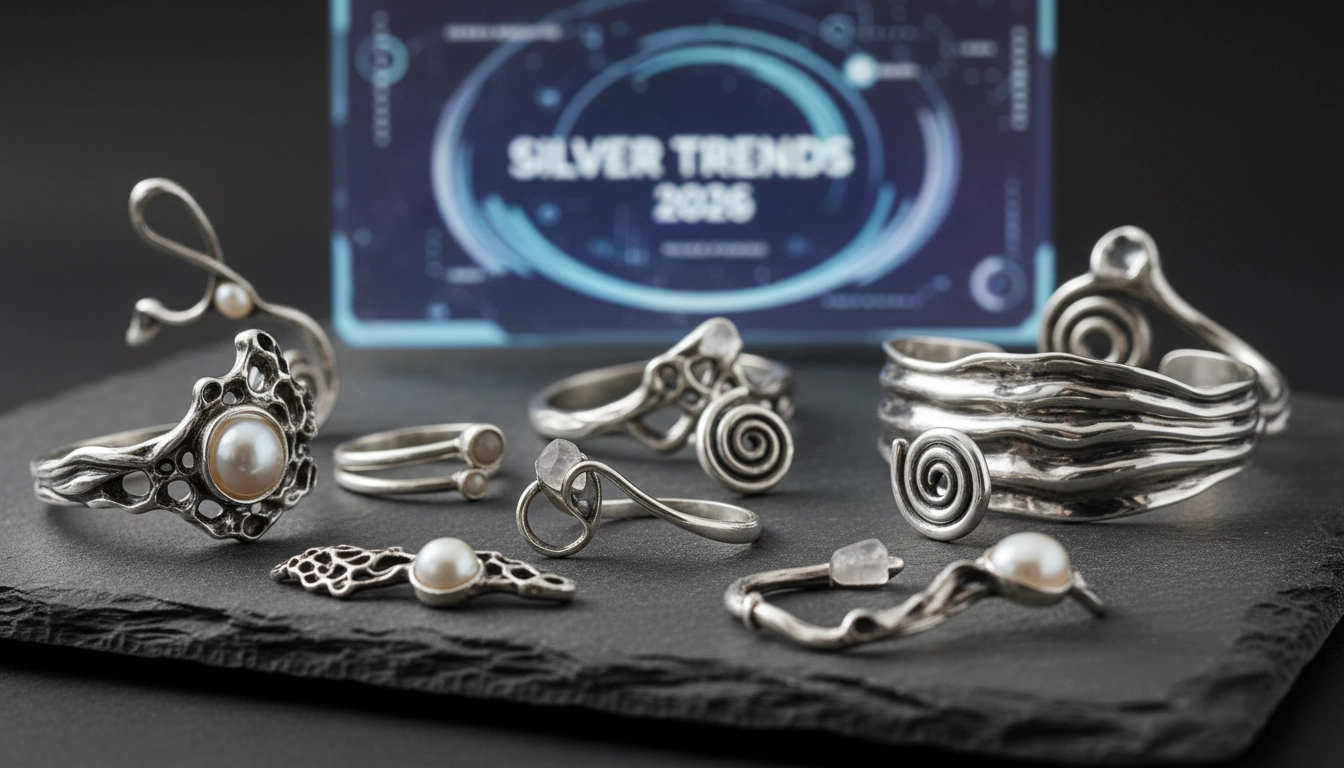
7 Viral Silver Jewelry Trends for 2026: From Bio-Organic Shapes to Recycled Luxury
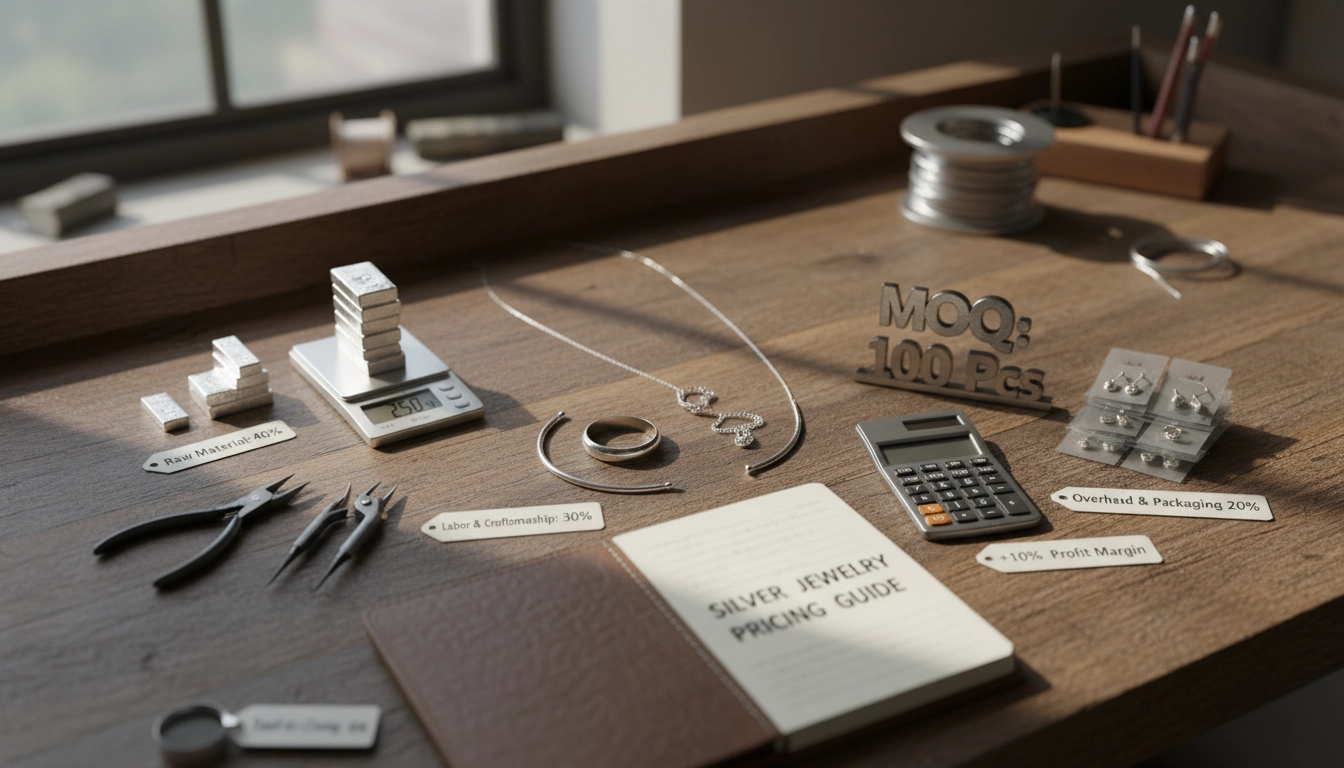
Silver Jewelry Sourcing 101: Navigating MOQ Requirements and Professional Pricing Formulas (2026 Edition)
Why choose Zhefan Jewelry as your stainless steel charm bracelets supplier
Prdoucts Categories
Question you may concern
Products
What’s the shipment method? How long does it take for delivery?
Our product distributed to all over the world. Shipped by DHL / Fedex / TNT / UPS takes 3-7 days, Epacket takes 7-15 days, China Post takes 15-30 days.
Can you engrave my logo on the jewelry ?Do you supply OEM/ODM service?
Yes. Custom logo and OEM/ODM are both accepted.Our factory specializes in jewelry manufacturing for 25 years.We can produce jewelry by your sample, design, pictures, even by an idea.Please feel free to contact us for more details. Custom order process: Inquiry-Confirm products details-Pay mold fee -Confirm CAD draft-Quote-Initial payment-Produce mold & sample-Confirm Sample-Mass production-Balance payment-Shipment-Track shipment-delivery.
Do you offer after-sales warranty service?
Yes, we will refund or resend products if fading, stone falling off and other quality problems found in 1 month receipt of goods. Furthermore, we offer 1 year after-sales warranty service, but you need pay the shipping charge.
FAQs
What’s the lead time? .
We could arrange shipment for you within 48 hours if you order models in stock. For bulk order, it
takes 10-25 days for production depending on order quantity and styles.
Can we visit your factory?
Yes, pls contact seller to arrange meeting, we will pick you up to our factory.
You may also like
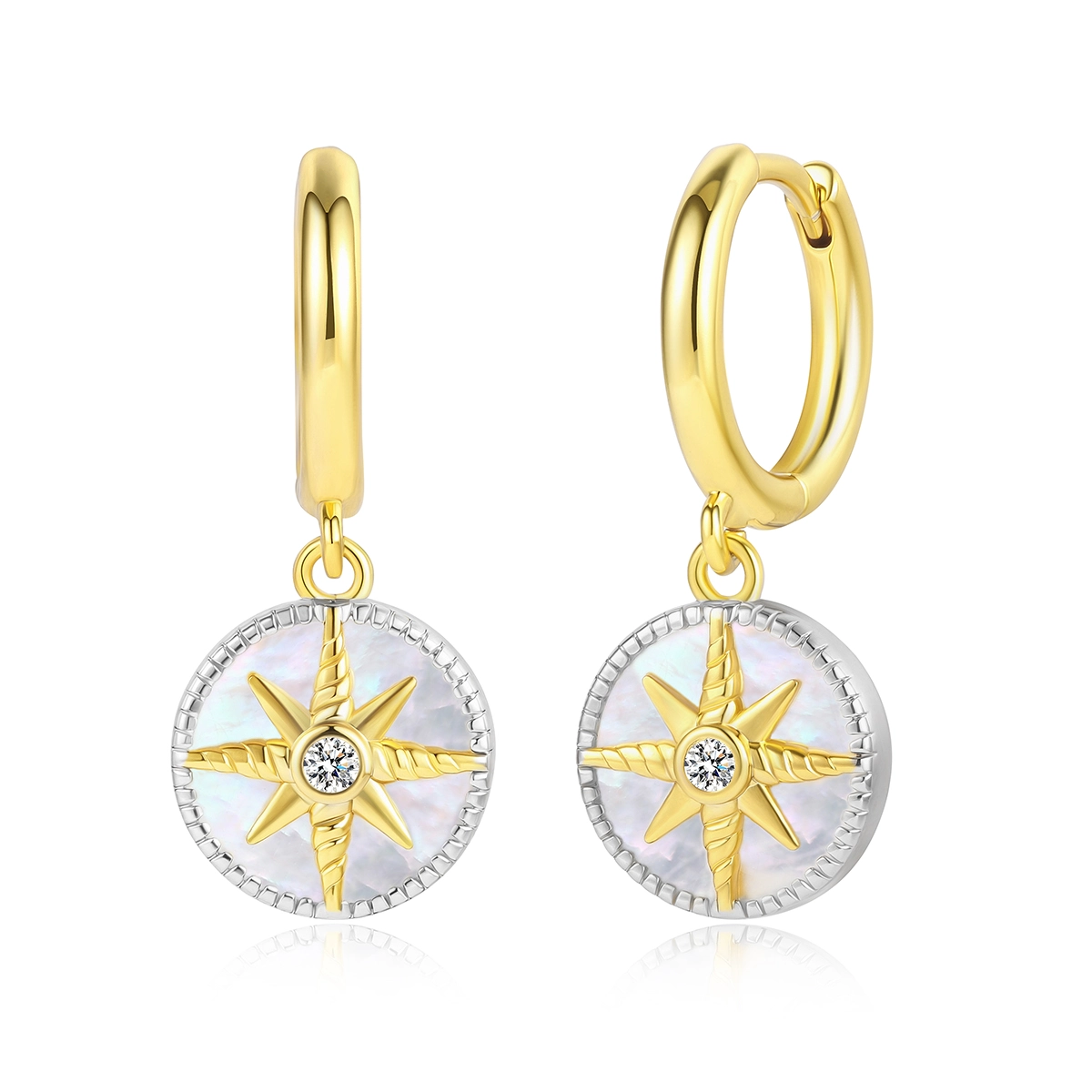
Brass Jewelry
Brass Mother of Pearl Compass Huggie Drop Earrings | 14K 18K Gold Plated Hypoallergenic Jewelry
Read More
925 Silver Jewelry
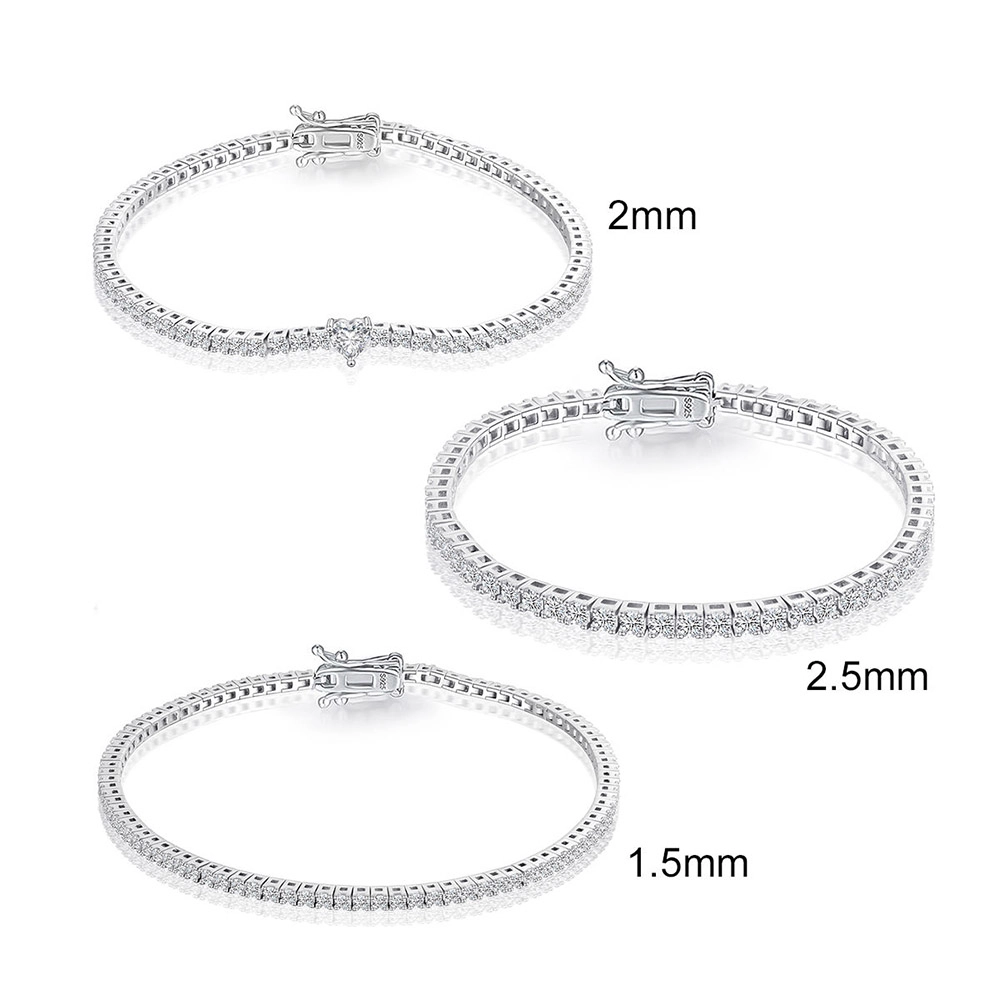
Customizable High-Quality Fashion 925 Sterling Silver AAA Cubic Zirconia Heart-Shaped Open Tennis Bracelet.
Read More
Get a Quote for Private Label Jewelry
We provide personalized jewelry customization services for clients worldwide.
Rest assured that your privacy is important to us, and all information provided will be handled with the utmost confidentiality.
By clicking 'Send Inquiry Now' I agree to ZHEFAN JEWELRY processing my personal data.
To see how to withdraw your consent, how to control your personal data and how we process it, please see our Privacy Policy and Terms of use.
From design to production, ZHEFAN JEWELRY offers a one-stop solution to help you enhance your brand value and market competitiveness.
Get A Quote
Contact
Tel: (+86) 188 1927 7817
© 2026 Zhefan Jewelry. All Rights Reserved.
Facebook
Instagram
YouTube
Whatsapp: +8618819277817