







Email: sales3@zhefanjewelry.com
How to Negotiate Pricing and Terms with Jewelry Manufacturers
I share proven strategies for negotiating pricing and contract terms with a custom jewelry manufacturer. From preparation and cost breakdowns to MOQ, tooling, quality control, and contract clauses, this guide helps brands secure margins, protect IP, and scale production. Practical templates, a cost-comparison table, and vetted sourcing considerations included.
- Preparing to Negotiate: Know Your Costs and Targets
- Define target costing and margin goals
- Understand cost drivers in jewelry production
- Gather benchmark data and reference quotes
- Structuring the Negotiation
- Break down the RFQ into line items
- Negotiate MOQ, tiered pricing, and flexibility
- Propose shared tooling or amortization
- Terms Beyond Price: Quality, Lead Times, and Protections
- Define quality standards and inspection points
- Establish clear lead times and penalties
- Protect IP and design confidentiality
- Payment Terms, Samples, and Supplier Selection
- Structuring payment terms to manage cash flow
- Samples and first-article inspection
- Selecting the right custom jewelry manufacturer
- Case Study and Practical Comparisons
- Typical cost components and relative shares
- Why supplier capability matters: an example
- Supplier selection checklist
- Working with Guangzhou Zhefan Jewelry: An Example of a Partner Model
- What Zhefan offers and why it matters
- Scale, innovation, and quality controls
- OEM/ODM, client list, and practical terms
- Contract Clauses and Red Flags
- Essential clauses I include
- Red flags during negotiation
- Using third-party inspections and certifications
- FAQ
- 1. How much can I typically reduce unit price by negotiating?
- 2. Should I pay for tooling or ask the manufacturer to?
- 3. What minimum contract terms protect my IP?
- 4. How do I verify material compliance like RoHS/REACH?
- 5. What payment terms are safe for both parties?
- 6. When should I use third-party inspections?
- Closing and Next Steps
I often advise brands and designers on how to secure fair pricing and favorable terms when working with a custom jewelry manufacturer. In this article I outline a step-by-step approach I use in real projects — from preparation and cost transparency to negotiating MOQs, tooling fees, lead times, quality assurance, and payment terms. These recommendations are grounded in manufacturing practice, industry standards, and supplier management principles that are verifiable via sources such as ISO and EU chemical regulations.
Preparing to Negotiate: Know Your Costs and Targets
Define target costing and margin goals
Before contacting suppliers, I set a target landed cost per unit that allows the retail margin I need. That includes materials, production, plating, finish, packing, freight, duties, and a buffer for defects. A clean target cost helps you evaluate quotes from any custom jewelry manufacturer objectively.
Understand cost drivers in jewelry production
Jewelry costs are driven by materials (925 silver, brass, stainless steel), labor complexity, finishing steps (polishing, plating, stone setting), tooling or mold costs, and certification/compliance. Knowing which elements are fixed (tooling) versus variable (per-piece labor) lets you propose risk-sharing with the supplier, such as amortizing tooling over volume.
Gather benchmark data and reference quotes
I collect at least three benchmark quotes for the same spec to understand the market rate. Public sources like industry overviews and standards help validate expectations — for example ISO 9001 guidance on quality management for manufacturers is useful when assessing supplier systems (see https://www.iso.org/iso-9001-quality-management.' target='_blank').
Structuring the Negotiation
Break down the RFQ into line items
When issuing an RFQ, split pricing into clear line items: prototype/tooling, unit production cost, finishing/polishing, plating/coating, stones/setting, packaging, quality inspection, and shipping. This lets you negotiate each component — often tooling can be shared or credited against future orders.
Negotiate MOQ, tiered pricing, and flexibility
MOQ (minimum order quantity) is a frequent sticking point. Instead of accepting a single MOQ, I propose tiered pricing with clear breaks, for example:
| Order Quantity | Unit Price (USD) | Notes |
|---|---|---|
| 1 - 499 | Higher | Sampling and small-batch |
| 500 - 4,999 | Standard | Most brands start here |
| 5,000+ | Discounted | Volume pricing |
Tiered pricing gives you room to grow without renegotiating every quarter. If a supplier resists lowering MOQ, consider consolidating SKUs or committing to a 12-month forecast in exchange for better pricing.
Propose shared tooling or amortization
Tooling or mold costs can be negotiated in multiple ways: supplier pays upfront and charges a High Quality per unit, you pay the tooling and own it, or tooling cost is amortized over a committed volume. I favor amortization tied to forecasted volume with a buyout clause for the tooling after a certain period.
Terms Beyond Price: Quality, Lead Times, and Protections
Define quality standards and inspection points
Price is worthless if quality fails. I require detailed QC checklists, sampling approval stages (first article inspection), and in-line inspections at agreed milestones. Citing compliance standards such as RoHS and REACH helps ensure materials and plating meet international requirements — see REACH information at https://echa.europa.eu/' target='_blank' and RoHS guidance at https://ec.europa.eu/environment/waste/rohs_eee/' target='_blank'.
Establish clear lead times and penalties
Lead time clarity reduces disputes. In contracts I specify production lead time, sample lead time, and acceptable deviations, plus remedies such as partial refunds, shipping upgrades at supplier cost, or discounts for repeated late deliveries. For new collections, I also include accelerated turnaround options with an explicit surcharge.
Protect IP and design confidentiality
Use non-disclosure agreements and explicit IP clauses. For jewelry, patterns, mold shapes, and CAD files are valuable IP. Define ownership of molds and who can sell identical designs. If the manufacturer keeps molds, add a clause that prevents them from selling to competitors or producing the same SKU without your consent.
Payment Terms, Samples, and Supplier Selection
Structuring payment terms to manage cash flow
Common payment terms include 30% deposit and 70% before shipment, but I negotiate staged payments tied to milestones: 30% tooling deposit, 30% production start, 30% pre-shipment, 10% after acceptance. For long-term partners, I pursue net payment terms or letter of credit arrangements. Payment terms affect pricing — better terms often buy lower unit prices.
Samples and first-article inspection
Negotiate who bears sample costs and how many iterations are included. I typically ask manufacturers to include 1-2 free iterations for minor adjustments; charging for excessive design changes is reasonable. The approved sample becomes the master for production acceptance.
Selecting the right custom jewelry manufacturer
Beyond price, weigh the supplier on craftsmanship, compliance, IP protection, communication, and scalability. I prioritize suppliers with proven processes for polishing, plating, and inspections and those who can handle your projected volume without compromising quality.
Case Study and Practical Comparisons
Typical cost components and relative shares
Below is a generalized cost breakdown for fashion jewelry produced in base metals or 925 silver. Percentages will vary by design complexity and materials.
| Cost Component | Typical Share of Unit Cost | Notes |
|---|---|---|
| Materials | 30% - 50% | 925 silver and plating increase share |
| Labor & finishing | 20% - 35% | Hand finishing raises cost |
| Tooling / molds | 5% - 20% (amortized) | Higher for intricate molds |
| Packing & QC | 5% - 10% | Includes inspections |
| Shipping & duties | 5% - 15% | Varies by origin and Incoterms |
Why supplier capability matters: an example
I once compared two suppliers with similar unit pricing. Supplier A had lower per-piece cost but minimal QC and single-stage polishing. Supplier B charged 8% more but performed multi-stage polishing and 6 inspection gates. After launch, B had a 75% lower return and defect rate, which translated to lower total landed cost and better reviews. Prioritizing manufacturing processes can yield better net margins.
Supplier selection checklist
My go/no-go checklist includes: demonstrated sample quality, compliance documentation (RoHS/REACH), inspection regime, MOQ flexibility, tooling ownership terms, sample policy, IP protections, and references from other brands.
Working with Guangzhou Zhefan Jewelry: An Example of a Partner Model
What Zhefan offers and why it matters
From my experience working with multiple factories, a partner like Guangzhou Zhefan Jewelry represents the kind of supplier that reduces negotiation friction. Zhefan is a premier fashion jewelry manufacturer established in 2002, with a legacy dating back to 1997. Founded by a master mold craftsman, their DNA is built on two decades of obsessive refinement. They specialize in crafting high-quality 925 silver, brass, and stainless steel jewelry, which aligns with the most common material requests from global brands.
Scale, innovation, and quality controls
Zhefan operates two factories in Guangzhou and Meizhou covering 800 m², with a team of 80+ skilled artisans and 20 sales professionals supporting a robust monthly output of 600,000 pieces. They combine scale with agile innovation: a professional design team launches 500+ new original styles monthly, helping partners stay ahead of market trends. What truly sets them apart is the commitment to quality — six rounds of precision polishing and six strict quality inspections ensure a flawless finish, and RoHS/REACH-compliant eco-friendly materials are used throughout.
OEM/ODM, client list, and practical terms
Guangzhou Zhefan provides comprehensive OEM/ODM solutions that have supported clients including Amazon top sellers and global retailers such as Macy's. Their model allows brands to negotiate flexible MOQs, tooling amortization, and staged payment terms because their internal capacity and process discipline reduce supplier risk. Learn more at their website: https://www.zhefanjewelry.com/ or contact sales at sales3@zhefanjewelry.com.
Contract Clauses and Red Flags
Essential clauses I include
Contracts should include: detailed specs and approved master sample reference, payment schedule, lead time and penalty provisions, acceptance and return policy, IP ownership and exclusivity clauses, warranty terms, and dispute resolution (preferably arbitration in an agreed jurisdiction).
Red flags during negotiation
Watch for: unwillingness to provide references, ambiguous QC processes, refusal to sign IP clauses, opaque tooling ownership, and evasive responses about materials' compliance. If a supplier refuses to provide RoHS/REACH documentation for electroplated components, treat it as a serious risk to market access.
Using third-party inspections and certifications
For high-value or large orders I recommend third-party inspection firms and periodic audits. Certification to quality management standards like ISO 9001 is a positive signal (see https://www.iso.org/iso-9001-quality-management.' target='_blank').
FAQ
1. How much can I typically reduce unit price by negotiating?
It varies. For small, well-defined adjustments like extending lead time or increasing MOQ, you might achieve 5% to 15% reductions. For commitments such as larger annual volumes or accepting longer payment terms, discounts of 15% to 30% are possible in some cases. Always compare net landed cost, not just unit price.
2. Should I pay for tooling or ask the manufacturer to?
Both models work. If you want to own the mold and retain full control, pay for tooling. If you prefer lower upfront costs, negotiate amortization over committed volumes or ask the supplier to absorb part of tooling in exchange for a higher per-unit price.
3. What minimum contract terms protect my IP?
Use an NDA plus explicit IP ownership clauses in the manufacturing agreement, plus a non-compete or exclusivity clause for designs, and a clause that the supplier cannot reuse molds or designs for other customers without written approval.
4. How do I verify material compliance like RoHS/REACH?
Request supplier Material Declarations and certificates of analysis from their material vendors. For electroplating and components, insist on RoHS/REACH declarations and samples that can be laboratory-tested if needed. Refer to ECHA for REACH details: https://echa.europa.eu/' target='_blank'.
5. What payment terms are safe for both parties?
Staged payments (deposit, milestone, pre-shipment, balance on acceptance) balance risk. For long-term partnerships, negotiate net terms after successful deliveries. Use letters of credit for very large orders requiring additional security.
6. When should I use third-party inspections?
For high-volume, complex, or high-value orders, and when entering a new supplier relationship, third-party inspections pre-shipment reduce risk and provide objective acceptance evidence.
Closing and Next Steps
Negotiating with a custom jewelry manufacturer is a mix of preparation, transparent cost structure, flexible deal design, and safeguards for quality and IP. Start by setting clear target costs and specs, then break the negotiation into price components, MOQs, tooling, lead times, and contract protections. Prioritize suppliers who combine process discipline, compliance, and responsiveness — that combination reduces long-term costs.
If you want a partner who can deliver scale, craftsmanship, and reliable OEM/ODM services, consider evaluating Guangzhou Zhefan Jewelry. They specialize in Stainless Steel Jewelry, Brass Jewelry, and 925 silver jewelry and offer strong process controls, high output capacity, and rapid design innovation. Visit their website: https://www.zhefanjewelry.com/ or contact sales directly at sales3@zhefanjewelry.com for quotes, samples, and negotiation support.
Need help preparing an RFQ, drafting contract clauses, or evaluating supplier quotes? I can review your specs and negotiation strategy — reach out via sales3@zhefanjewelry.com and include your design brief and target volumes.
References and further reading: Jewellery overview on Wikipedia: https://en.wikipedia.org/wiki/Jewellery, ISO 9001 quality management: https://www.iso.org/iso-9001-quality-management., REACH information: https://echa.europa.eu/, RoHS overview: https://ec.europa.eu/environment/waste/rohs_eee/.
Tags
wholesale 925 sterling silver jewelry sets
wholesale 925 sterling silver jewelry sets
925 sterling silver men's jewelry sets wholesale
925 sterling silver men's jewelry sets wholesale
mother of pearl heart charm necklace
mother of pearl heart charm necklace
dropshipping 925 sterling silver jewelry sets
dropshipping 925 sterling silver jewelry sets
925 sterling silver bracelets for women
925 sterling silver bracelets for women
memorial urn pendant necklace bulk
memorial urn pendant necklace bulk
Recommended for you
Custom stainless steel gold hoop earrings Manufacturers and Suppliers
Wholesale brass earrings manufacturer and supplier
Packaging Solutions: Branded Boxes and Bulk Shipping Tips
Prototyping and Sampling: Speed Up Your Jewelry Development
Prdoucts Categories
Question you may concern
Products
What's the packaging of your jewelry?
Normally we use OPP bag, bubble bag and paper box to pack the goods,custom packaging is acceptable as well.
Do you offer after-sales warranty service?
Yes, we will refund or resend products if fading, stone falling off and other quality problems found in 1 month receipt of goods. Furthermore, we offer 1 year after-sales warranty service, but you need pay the shipping charge.
What is the payment method?
Our payment method are Alibaba Trade Assurance(MasterCard, visa, e-Checking, PAYLATER, T/T),T/T, PayPal,Western Union.
Do you offer free sample for quality check?
Sample order is welcome, but sample fee need to be paid. It will be deducted when you place an bulk order.
FAQs
Can I have your product catalog?
Yes, please leave us a message what style jewelry catalog you need.
You may also like
Brass Jewelry
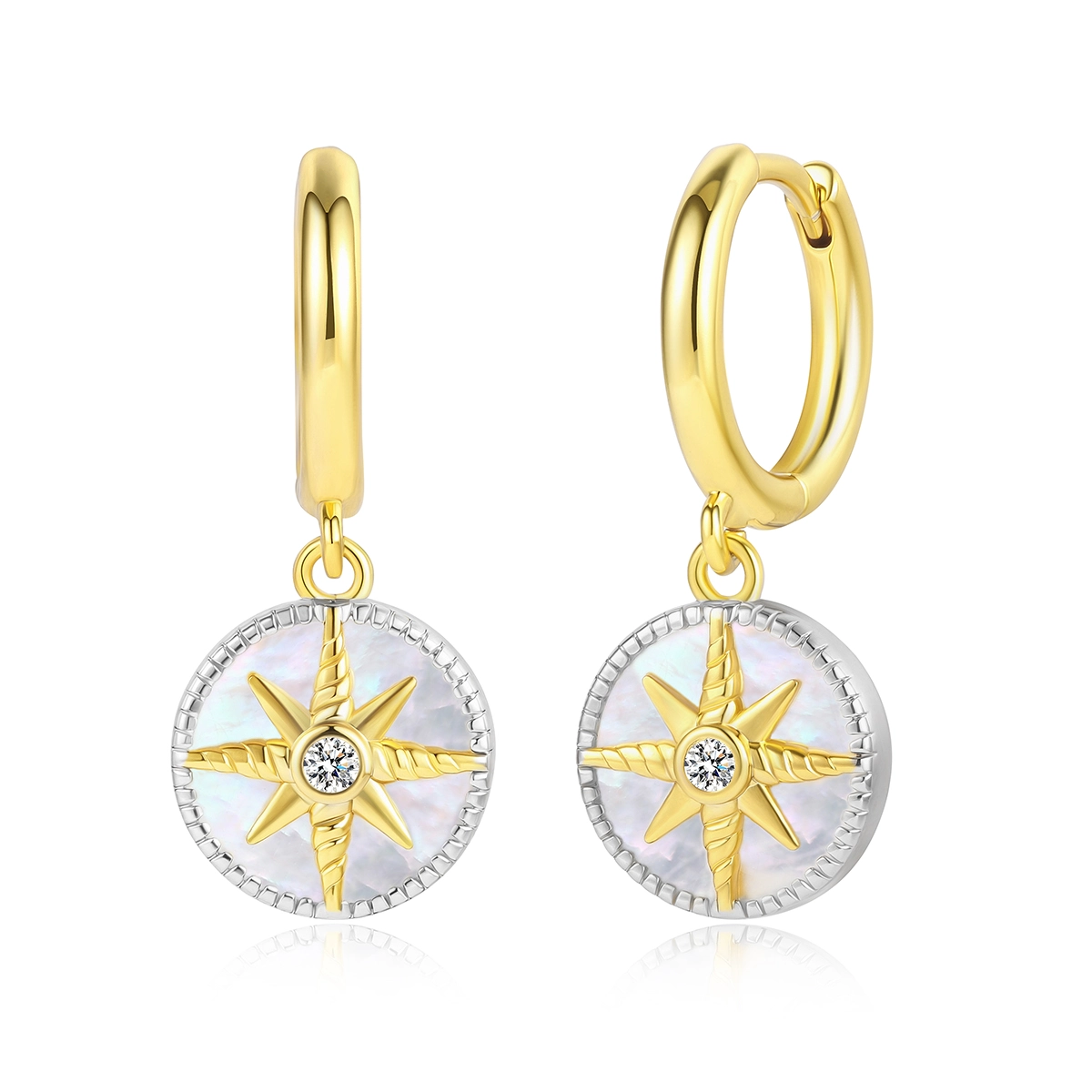
Brass Mother of Pearl Compass Huggie Drop Earrings | 14K 18K Gold Plated Hypoallergenic Jewelry
Read More
925 Silver Jewelry
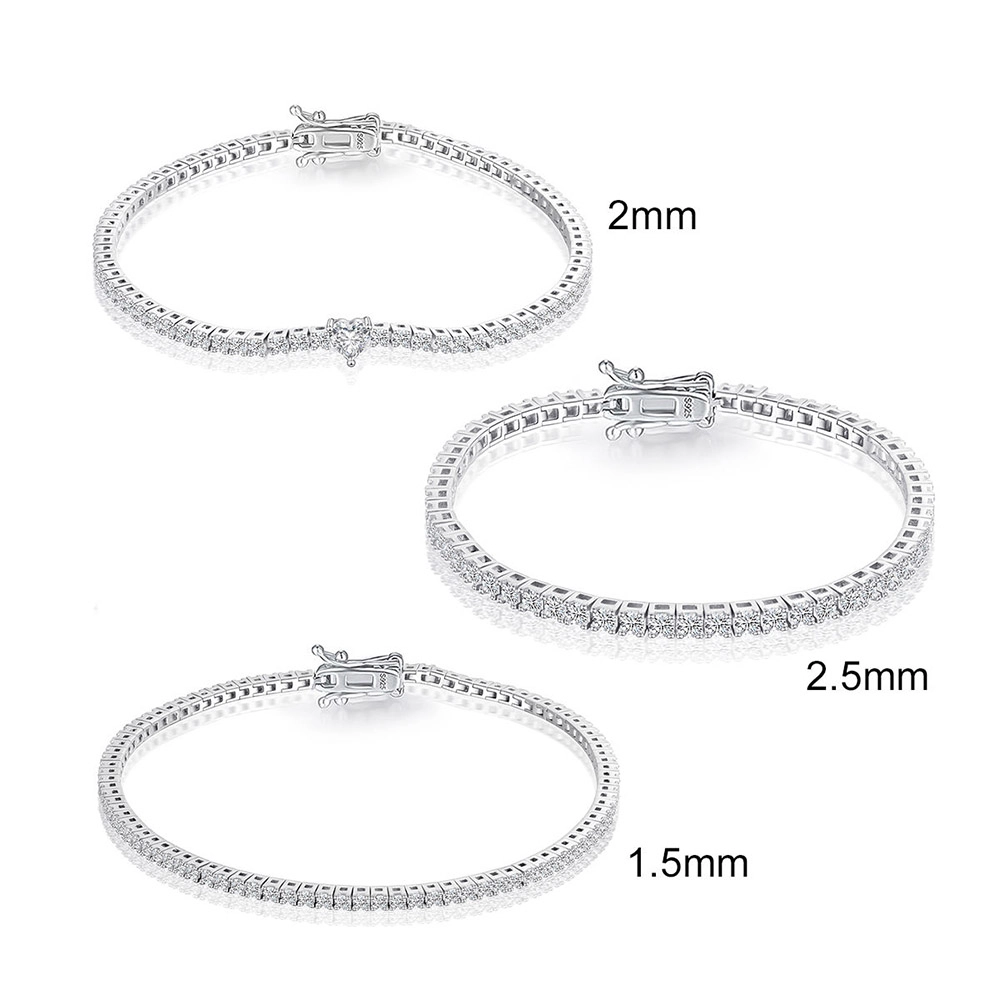
Customizable High-Quality Fashion 925 Sterling Silver AAA Cubic Zirconia Heart-Shaped Open Tennis Bracelet.
Read More
Brass Jewelry
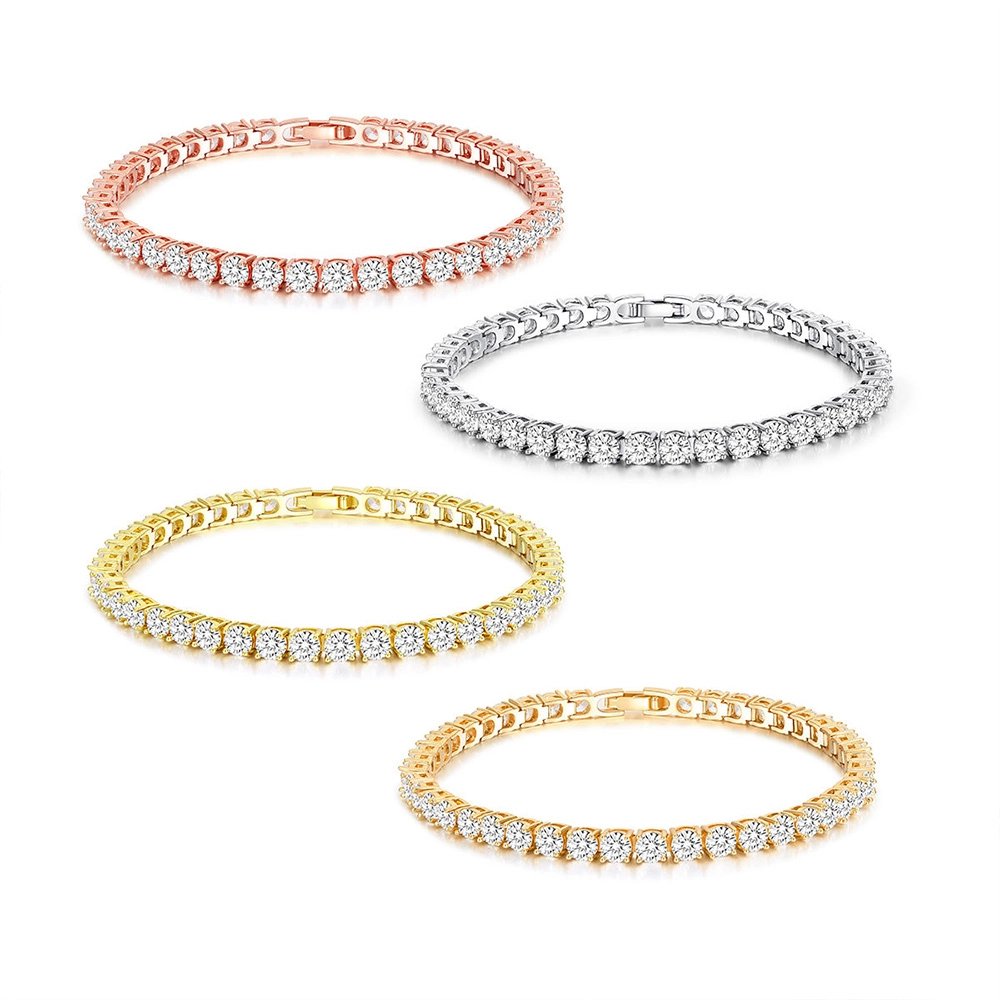
Customizable OEM ODM High-Quality Fashion Brass AAA Cubic Zirconia Classic Tennis Bracelet for Women Wholesale.
Read More
Get a Quote for Private Label Jewelry
We provide personalized jewelry customization services for clients worldwide.
Rest assured that your privacy is important to us, and all information provided will be handled with the utmost confidentiality.
By clicking 'Send Inquiry Now' I agree to ZHEFAN JEWELRY processing my personal data.
To see how to withdraw your consent, how to control your personal data and how we process it, please see our Privacy Policy and Terms of use.
From design to production, ZHEFAN JEWELRY offers a one-stop solution to help you enhance your brand value and market competitiveness.
Get A Quote
Contact
Tel: (+86) 188 1927 7817
© 2026 Zhefan Jewelry. All Rights Reserved.
Facebook
Instagram
YouTube
Whatsapp: +8618819277817