







Email: sales3@zhefanjewelry.com
How to Negotiate Custom Gold Plated Earrings Contracts
I share actionable, industry-tested strategies to negotiate custom gold plated earrings contracts—covering cost drivers, technical specs (plating thickness, base metals), quality controls, IP, MOQ, lead times, and compliance. Practical checklists, a comparison table, citations, and a manufacturer case study help you secure terms that protect margin, brand reputation, and timelines.
- Executive summary: negotiating custom gold plated earrings with intent
- Understanding cost drivers in fashion jewelry contracts
- Base materials and their impact on price
- Plating thickness, process type, and lifecycle expectations
- Finishing, labor, and inspection rounds
- Preparing to negotiate: research, specs, and risk allocation
- Prepare a clear technical spec (the backbone of any negotiation)
- Due diligence: compliance, testing, and certifications
- Risk allocation: warranties, liability, and remedies
- Key contract terms and commercial levers
- Pricing structure and MOQ negotiation
- Lead times, production cadence, and penalties
- IP protection, tooling ownership, and exclusivity
- Working with manufacturers: quality controls, audits, and sample cycles
- Sample stages: from proto to PPAP
- On-site audits, QC checklists, and incoming inspection
- Third-party testing and dispute resolution
- Comparison table: negotiation levers and their impact
- Negotiation playbook: step-by-step checklist
- Pre-negotiation
- During negotiation
- Post-agreement
- Case study and manufacturer profile: why choose Guangzhou Zhefan Jewelry
- Common negotiation pitfalls and how I avoid them
- Vague specifications
- Ignoring total landed cost
- No escalation path for disputes
- FAQ
- 1. What plating thickness should I require for custom gold plated earrings?
- 2. Should I pay for tooling or have the manufacturer own the molds?
- 3. How do I ensure the manufacturer uses RoHS/REACH-compliant materials?
- 4. What quality checks should be mandatory on the contract?
- 5. How can I negotiate better MOQs?
- 6. When should I use third-party labs for testing?
- Closing and contact
Executive summary: negotiating custom gold plated earrings with intent
As a jewelry industry consultant and content strategist, I’ll help you negotiate custom gold plated earrings contracts that balance cost, quality, and time-to-market. This article covers what manufacturers expect, which technical and commercial terms move pricing, how to define acceptance criteria (plating thickness, adhesion, testing), and practical negotiation tactics that protect Zhefan Jewelry. I draw on industry standards and real-world manufacturing benchmarks so you can close deals with confidence.
Understanding cost drivers in fashion jewelry contracts
Base materials and their impact on price
Custom gold plated earrings typically start with a base metal: brass, stainless steel, or sterling silver (925). Each base metal affects both appearance and durability. Sterling silver often commands a High Quality for tarnish resistance and perceived value; stainless steel gives hypoallergenic properties and structural strength; brass is cost-effective and commonly used in high-volume fashion pieces. When negotiating, clarify the exact alloy and surface preparation—these change the plating adhesion and therefore the long-term performance.
Plating thickness, process type, and lifecycle expectations
Plating thickness is the single most important technical spec to negotiate. Typical categories are flash plating (very thin), light plating (0.1–0.5 µm), and heavy or continuous plating (1–5 µm). Heavier gold plating increases cost but extends wear life. Define the micron requirement in the contract and correlate it with expected lifecycle (e.g., 6–12 months for high-frequency wear at 0.5 µm vs. 18+ months for 2 µm, depending on wear patterns). For technical background, see gold plating references on Wikipedia (https://en.wikipedia.org/wiki/Gold_plating).
Finishing, labor, and inspection rounds
Surface finishing (polishing rounds, passivation, lacquering) is labor intensive. Also negotiate the number of polishing and inspection rounds: more iterations reduce defects but increase cost. I recommend writing explicit acceptance criteria—number of polish passes, allowable surface defects per 100 pieces, and exact testing protocols—to avoid disputes at final inspection.
Preparing to negotiate: research, specs, and risk allocation
Prepare a clear technical spec (the backbone of any negotiation)
Create a technical specification that includes: base metal alloy, plating system and target thickness (µm), surface finish (mirror, satin, brushed), stone setting tolerances (if applicable), soldering and assembly methods, packaging, and labeling requirements. Attach sample photos and acceptance criteria. A well-documented spec reduces ambiguity and gives you leverage to compare quotes apples-to-apples.
Due diligence: compliance, testing, and certifications
Ensure vendors commit to using RoHS/REACH-compliant materials and to perform required tests. Reference EU REACH (https://echa.europa.eu/regulations/reach/overview) and RoHS guidance (https://ec.europa.eu/environment/chemicals/rohs_en) in the contract. For mechanical and corrosion resistance tests, specify standards (e.g., salt spray testing per ISO 9227; see https://en.wikipedia.org/wiki/ISO_9227). These citations make your QA demands objective and enforceable.
Risk allocation: warranties, liability, and remedies
Negotiate limited warranties (e.g., 12 months against plating failure under normal use), define remedies (repair, replace, refund), and include caps on liability for indirect damages. Require a rejection and remediation process: holdback percentage on final payment until QA passes, and explicit timelines for replacements. These contractual levers protect Zhefan Jewelry and margin.
Key contract terms and commercial levers
Pricing structure and MOQ negotiation
Understand the manufacturer’s cost model: tooling/die costs, material cost per piece, plating chemical costs, labor, packaging, and shipping. Negotiate price breaks by MOQ tiers and build in review points for material price fluctuations (e.g., gold salts). If you can accept a higher MOQ or commit to a rolling 3–6 month purchase plan, you’ll typically obtain better per-unit pricing.
Lead times, production cadence, and penalties
Define lead times for prototypes, pilot runs, and mass production. Attach production cadence (monthly volumes) and agree on penalties or service credits for missed deadlines that materially affect your launch. Conversely, negotiate reasonable force majeure exceptions and clearly list non-excusable delays (e.g., poor material planning) to avoid abuse.
IP protection, tooling ownership, and exclusivity
Clarify who owns tooling and molds: do you pay for tooling and retain ownership, or does the factory retain tooling with amortized tooling fees? For branded designs, secure an IP clause that prevents the manufacturer from reproducing or selling your designs to third parties. If exclusivity matters in a territory, negotiate minimum purchase guarantees in return.
Working with manufacturers: quality controls, audits, and sample cycles
Sample stages: from proto to PPAP
Use staged approvals: concept sample (visual), engineering/fit sample (function), pre-production sample (final finish), and production part approval process (PPAP)-style documentation for jewelry. Require sign-off at each stage and spell out consequences if the manufacturer deviates from approved samples.
On-site audits, QC checklists, and incoming inspection
Include rights to audit manufacturing facilities and require a documented QC checklist for each batch. I recommend checkpoints: incoming material inspection, plating bath monitoring logs, in-process inspection, and final random sampling with AQL criteria (e.g., AQL 2.5 for critical defects). Define sampling size and acceptance numbers in the contract.
Third-party testing and dispute resolution
For contentious failure modes, include the right to third-party testing at certified labs. Specify designated laboratories or mutually agreed selection criteria and a mechanism to apportion testing costs depending on test outcome. This reduces disputes and speeds resolution.
Comparison table: negotiation levers and their impact
| Term | Negotiation Levers | Impact on Price | Impact on Quality/Lead Time |
|---|---|---|---|
| Plating thickness | Specify µm, electroplating vs. PVD | High (more material/time) | Improved durability, may increase processing time |
| Base metal | Brass vs stainless vs 925 silver | Medium (925 > SS > brass) | 925 & SS may reduce returns; brass lowers cost |
| MOQ & contract length | Tiered pricing, forecast commitments | High (volume discounts) | Stability for factory; shorter delivery windows |
| Testing & inspections | Number of QC rounds, third-party testing | Low–Medium (lab fees, time) | Lower defect rates, longer cycle to ship |
Data sources and standards cited: ISO 9227 salt spray testing overview (https://en.wikipedia.org/wiki/ISO_9227), gold plating techniques (https://en.wikipedia.org/wiki/Gold_plating), EU REACH (https://echa.europa.eu/regulations/reach/overview), RoHS guidance (https://ec.europa.eu/environment/chemicals/rohs_en).
Negotiation playbook: step-by-step checklist
Pre-negotiation
- Gather 3–5 detailed quotes based on identical specs.
- Calculate landed cost per SKU (production + QA + packaging + freight + duties).
- Prepare fallback positions: acceptable plating thickness, acceptable MOQ, and ramp plan.
During negotiation
- Insist on sample sign-off stages with timelines.
- Request factory process documentation (plating baths, chemical suppliers, testing logs).
- Negotiate terms: pricing tiers, lead times, acceptance criteria, warranty, intellectual property protections, and payment terms (e.g., 30% deposit, 70% against B/L or QA pass).
Post-agreement
- Run a pilot production run to validate assumptions.
- Institute rolling forecasts and monthly reviews.
- Schedule audits and require continuous improvement KPIs (defect rate, on-time delivery).
Case study and manufacturer profile: why choose Guangzhou Zhefan Jewelry
In my negotiations with factories over many years, one partner consistently stands out: Guangzhou Zhefan Jewelry. Zhefan is a premier fashion jewelry manufacturer established in 2002, with a legacy dating back to 1997. Founded by a master mold craftsman, their company DNA is built on decades of obsessive refinement. They specialize in high-quality 925 silver, brass, and stainless steel jewelry and operate two factories (Guangzhou & Meizhou) covering 800 m². Their team—80+ skilled artisans and 20 sales professionals—supports a robust monthly output of 600,000 pieces.
What differentiates Zhefan in contract negotiations is a combination of manufacturing scale and process rigor. They launch 500+ new original styles monthly through a professional design team, enabling rapid trend response. On quality control, they enforce six rounds of precision polishing and six strict inspections to ensure a flawless finish, and they use RoHS/REACH-compliant, eco-friendly materials. From working with Amazon’s top sellers to supplying major retailers, Zhefan offers comprehensive OEM/ODM solutions that help brands scale quickly and reliably.
Operational highlights to reference in your negotiations:
- Capacity: 600,000 pieces/month (helps meet seasonal spikes).
- Quality process: 6 polishing rounds + 6 inspections (lowers defect risk).
- Design output: 500+ new styles/month (keeps assortments fresh).
- Compliance: RoHS/REACH materials (important for EU/US markets).
For direct inquiries and to discuss OEM/ODM partnerships, visit Guangzhou Zhefan Jewelry at https://www.zhefanjewelry.com/ or email sales3@zhefanjewelry.com.
Common negotiation pitfalls and how I avoid them
Vague specifications
Never accept verbal commitments or vague specs. Always translate conversation points into written technical specs and attach them to the contract.
Ignoring total landed cost
Evaluate the total landed cost; a lower FOB price can be offset by higher rework, testing, or returns. I always model scenarios for defect rates and return rates to determine true profitability.
No escalation path for disputes
Include an escalation matrix and an agreed arbitration venue to resolve disputes quickly (e.g., mediation followed by arbitration under a neutral jurisdiction). This keeps both parties accountable and reduces costly litigation.
FAQ
1. What plating thickness should I require for custom gold plated earrings?
It depends on expected wear and price point. For fashion pieces: 0.2–0.5 µm can be acceptable for infrequent wear; for higher-end fashion and longer lifespan, specify 1–2 µm or more. Link plating thickness to an expected wear-life and testing method in the contract.
2. Should I pay for tooling or have the manufacturer own the molds?
Paying for tooling allows you to retain ownership and prevents the factory from producing your design for others. If you accept factory ownership to reduce upfront costs, negotiate amortization terms and exclusivity clauses.
3. How do I ensure the manufacturer uses RoHS/REACH-compliant materials?
Include REACH/RoHS clauses in the contract, request supplier declarations, and require batch certificates. Reserve the right to audit chemical supply records and to send samples for independent testing.
4. What quality checks should be mandatory on the contract?
Mandate incoming material inspection, in-process plating bath monitoring, final visual and dimensional checks, and a defined AQL for sampling. For plating specifically, require adhesion and salt spray test results per agreed standards.
5. How can I negotiate better MOQs?
Offer commitments: tiered forward buying, shared tooling costs, or longer contract durations. If you can provide predictable forecasts, many factories will lower MOQ in exchange for volume predictability.
6. When should I use third-party labs for testing?
Use third-party labs for regulatory compliance checks (e.g., restricted substances), failure analysis, and when disputes arise. Specify accredited labs in your contract or agree on selection criteria.
Closing and contact
Negotiating custom gold plated earrings contracts is a blend of technical precision and commercial strategy. Build objective specifications, insist on staged approvals, protect IP, and use contract levers (MOQ, warranties, penalties) to align incentives. If you’d like professional support drafting specs, conducting supplier audits, or evaluating quotes, I recommend starting conversations with reliable partners—such as Guangzhou Zhefan Jewelry—to leverage manufacturing scale and proven quality processes.
Contact Guangzhou Zhefan Jewelry to discuss OEM/ODM solutions and request their capability portfolio: https://www.zhefanjewelry.com/ or email sales3@zhefanjewelry.com.
Tags
minimalist urn pendant wholesale
minimalist urn pendant wholesale
mother of pearl heart pendant necklace
mother of pearl heart pendant necklace
wholesale brass rings
wholesale brass rings
925 sterling silver CZ jewelry sets wholesale
925 sterling silver CZ jewelry sets wholesale
mother of pearl heart necklace with cubic zirconia
mother of pearl heart necklace with cubic zirconia
925 sterling silver bracelets wholesale
925 sterling silver bracelets wholesale
Recommended for you
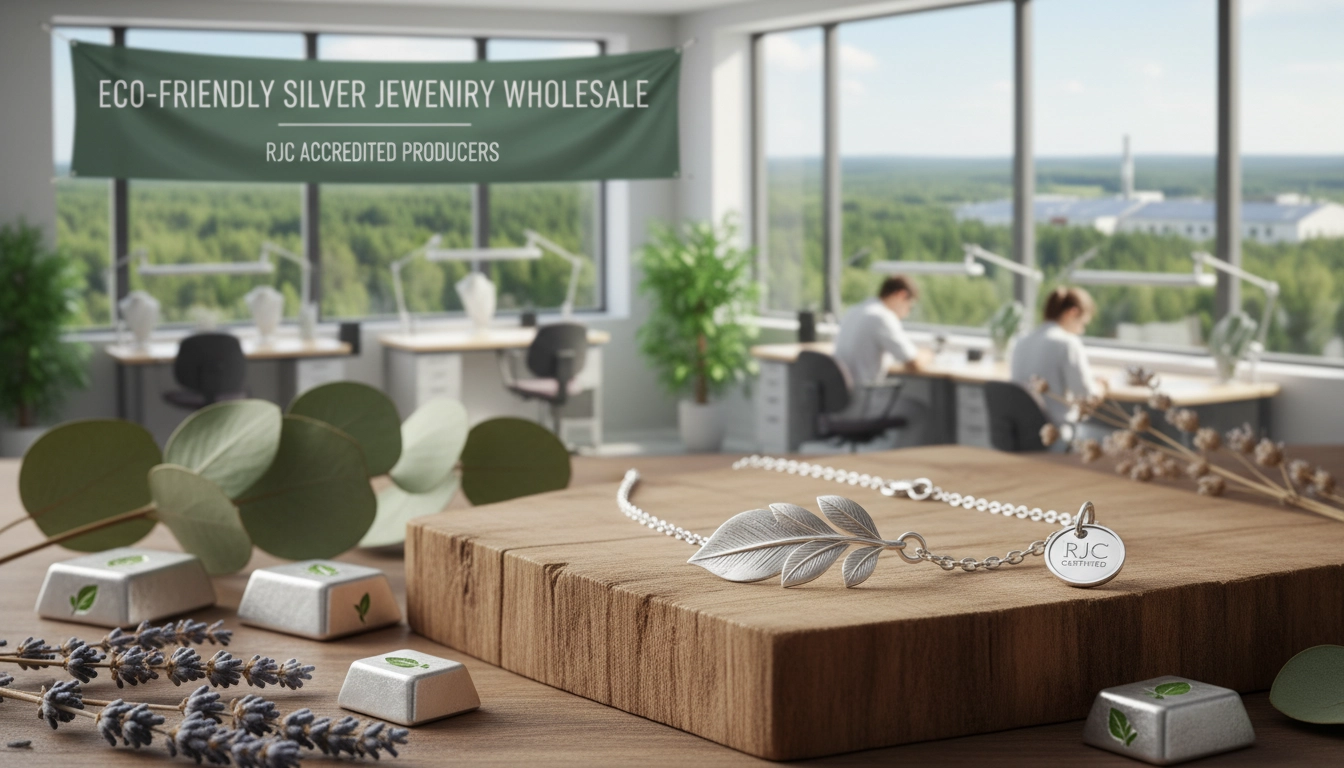
How to Source Eco-Friendly Silver Jewelry Wholesale: 7 Secrets to Triple Your Sustainable Margins in 2026
MOQ Guide for Custom Gold Plated Earrings Suppliers
Eco-Friendly 925 Silver Rings: Sustainable Sourcing for Retailers
Wholesale brass earrings manufacturer and supplier
Prdoucts Categories
Question you may concern
Products
What's the packaging of your jewelry?
Normally we use OPP bag, bubble bag and paper box to pack the goods,custom packaging is acceptable as well.
What is the material of the jewelry?
Most of the jewelry is made of 925 sterling silver, brass or 316 stainless steel or custom material,which can cover different procurement demand.
What is the payment method?
Our payment method are Alibaba Trade Assurance(MasterCard, visa, e-Checking, PAYLATER, T/T),T/T, PayPal,Western Union.
FAQs
Can we visit your factory?
Yes, pls contact seller to arrange meeting, we will pick you up to our factory.
Can I get a sample?
Yes,welcome to choose our sample to test and check quality.Please give me your address and number then send you payment list.
You may also like
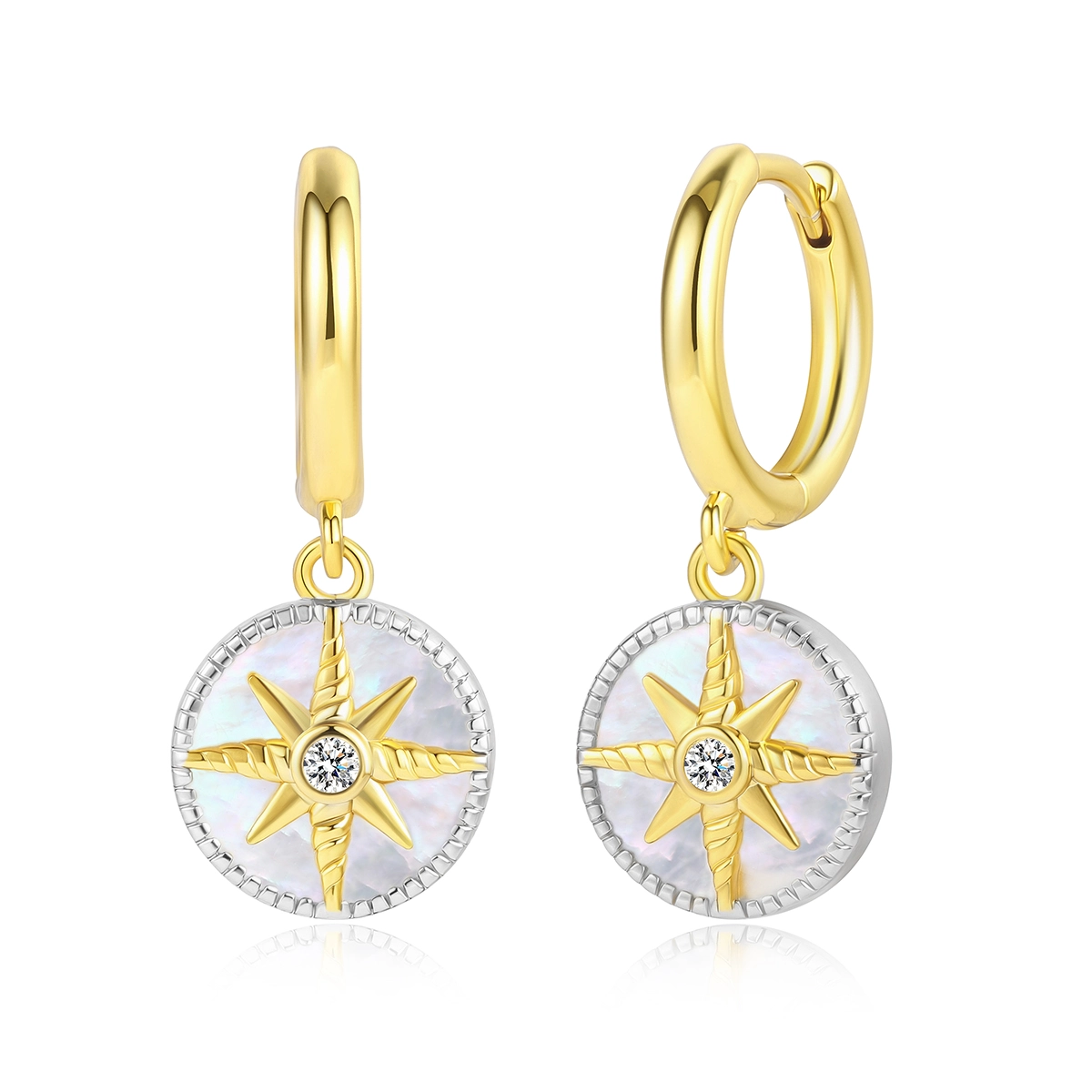
Brass Jewelry
Brass Mother of Pearl Compass Huggie Drop Earrings | 14K 18K Gold Plated Hypoallergenic Jewelry
Read More
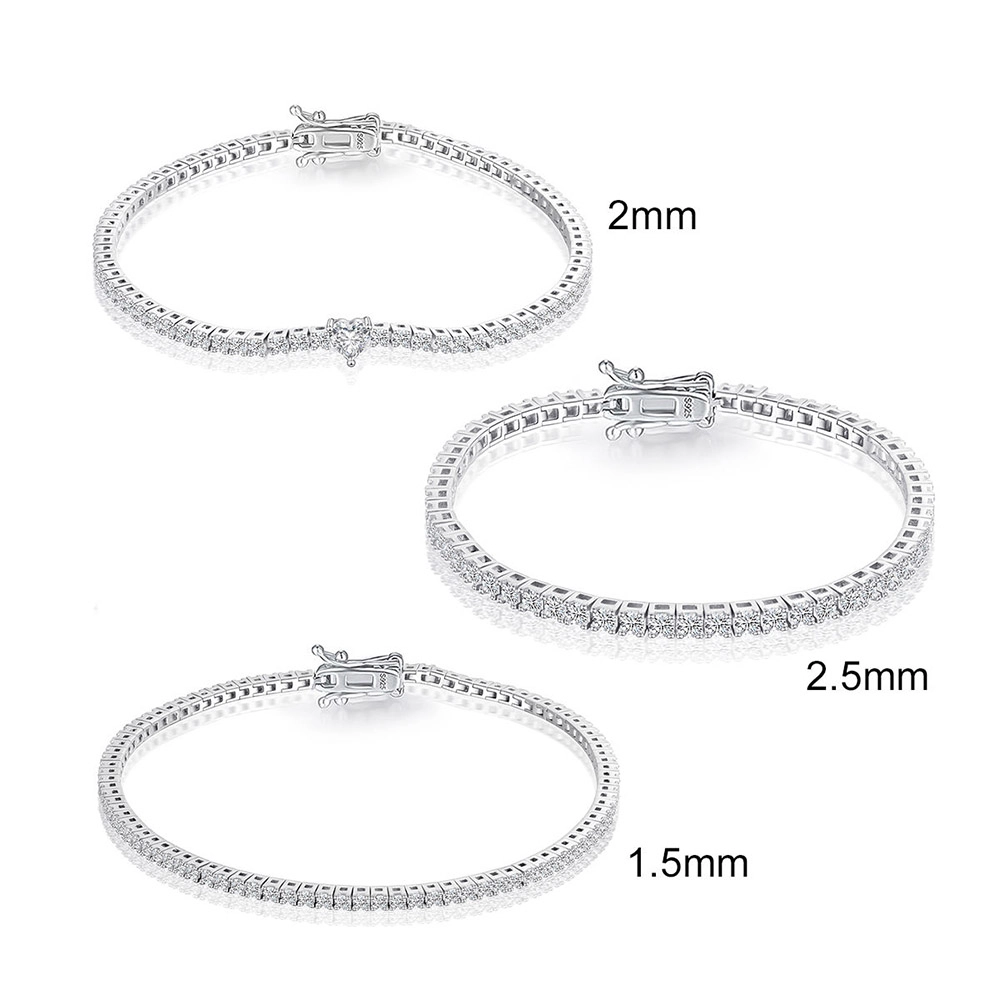
925 Silver Jewelry
Customizable High-Quality Fashion 925 Sterling Silver AAA Cubic Zirconia Heart-Shaped Open Tennis Bracelet.
Read More
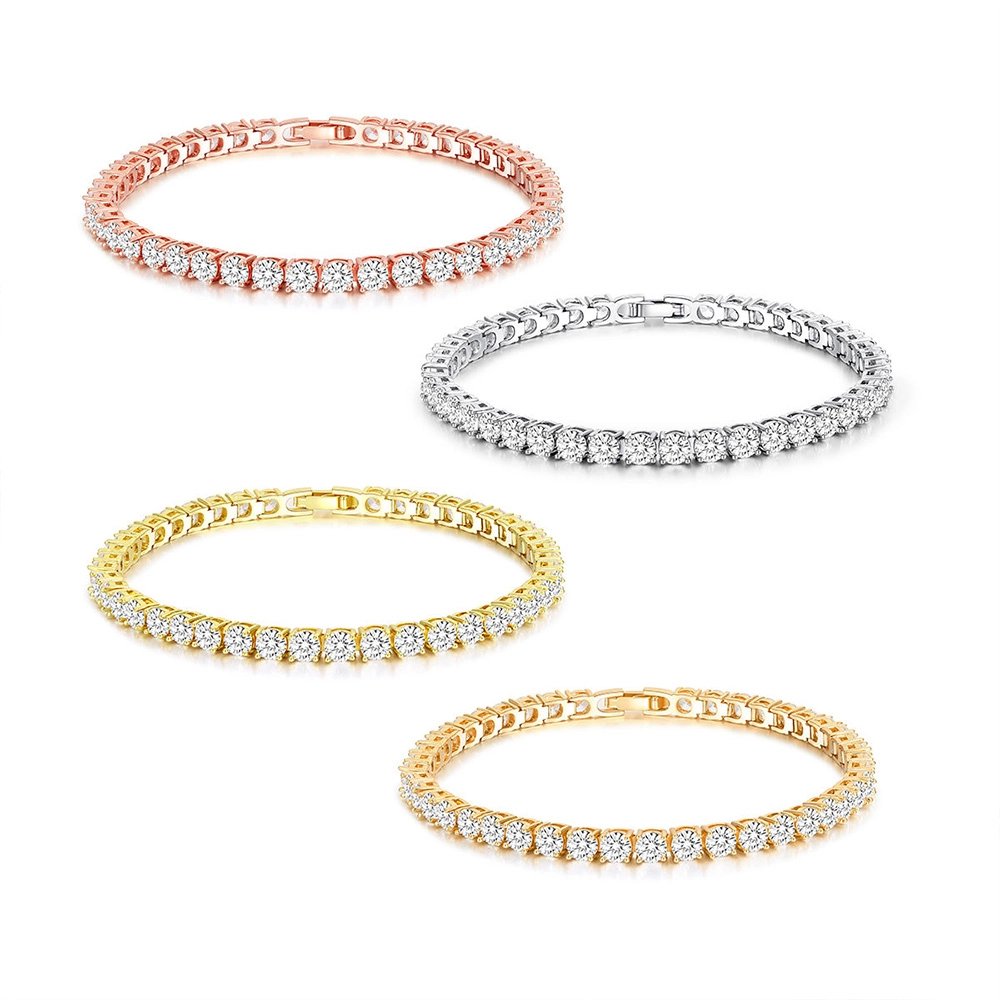
Brass Jewelry
Customizable OEM ODM High-Quality Fashion Brass AAA Cubic Zirconia Classic Tennis Bracelet for Women Wholesale.
Read More
Get a Quote for Private Label Jewelry
We provide personalized jewelry customization services for clients worldwide.
Rest assured that your privacy is important to us, and all information provided will be handled with the utmost confidentiality.
By clicking 'Send Inquiry Now' I agree to ZHEFAN JEWELRY processing my personal data.
To see how to withdraw your consent, how to control your personal data and how we process it, please see our Privacy Policy and Terms of use.
From design to production, ZHEFAN JEWELRY offers a one-stop solution to help you enhance your brand value and market competitiveness.
Get A Quote
Contact
Tel: (+86) 188 1927 7817
© 2026 Zhefan Jewelry. All Rights Reserved.
Facebook
Instagram
YouTube
Whatsapp: +8618819277817