





Email: sales3@zhefanjewelry.com
Material Sourcing: Mother of Pearl vs Alternatives
I explore material sourcing choices for mother of pearl stud earrings and their alternatives—natural nacre, shell, synthetic composites, enamel and gemstones—evaluating aesthetics, durability, cost, sustainability and manufacturing considerations. I compare performance, care and compliance, and explain why sourcing decisions matter for brands and buyers. Includes supplier insights from Guangzhou Zhefan Jewelry and actionable recommendations.
- Why material choice matters for jewelry
- Aesthetic language and buyer expectations
- Commercial implications: price, margin and target market
- Supply chain and compliance risks
- Materials compared: properties, sourcing and use cases
- Natural mother of pearl (nacre)
- Shell and mother-of-pearl alternatives (resin, composite, synthetic opal)
- Enamel, gemstones and metallic accents
- Practical manufacturing considerations
- Working with mother of pearl in mass production
- Metal compatibility and setting choices
- Quality control and finish operations
- Comparative table: mother of pearl vs common alternatives
- Cost drivers and yield considerations
- Sustainability, traceability and ethical sourcing
- Environmental impacts and sourcing transparency
- Certifications and testing
- Labeling and marketing honesty
- Supplier profile & how a reliable manufacturer supports material choices
- Why manufacturing partners matter
- Guangzhou Zhefan Jewelry: capabilities and why they matter
- How Zhefan supports mother of pearl and alternative materials
- Recommendations: selecting the right material for your stud earring line
- Decision flow I use in product development
- Quick guidance bullets
- FAQ
- 1. Are mother of pearl stud earrings hypoallergenic?
- 2. How do I care for mother of pearl stud earrings?
- 3. Can I plate over mother of pearl or use heat finishes?
- 4. How do I verify that a product labeled mother of pearl is genuine?
- 5. What are realistic MOQs and lead times when sourcing nacre-based studs?
- 6. Is resin-based mother-of-pearl acceptable to marketplaces?
- Contact & next steps
I write as a jewelry professional with deep experience in sourcing, product development and SEO-driven merchandising. In this article I compare mother of pearl stud earrings and popular alternatives—natural nacre, shell inlays, synthetic/resin mother of pearl imitations, enamel and small gemstones—so you can decide what best fits your product goals and supply chain constraints. I focus on aesthetics, durability, cost, sustainability, regulatory compliance and manufacturing implications, and I include practical sourcing guidance and a trusted manufacturer profile to help you move from concept to production.
Why material choice matters for jewelry
Aesthetic language and buyer expectations
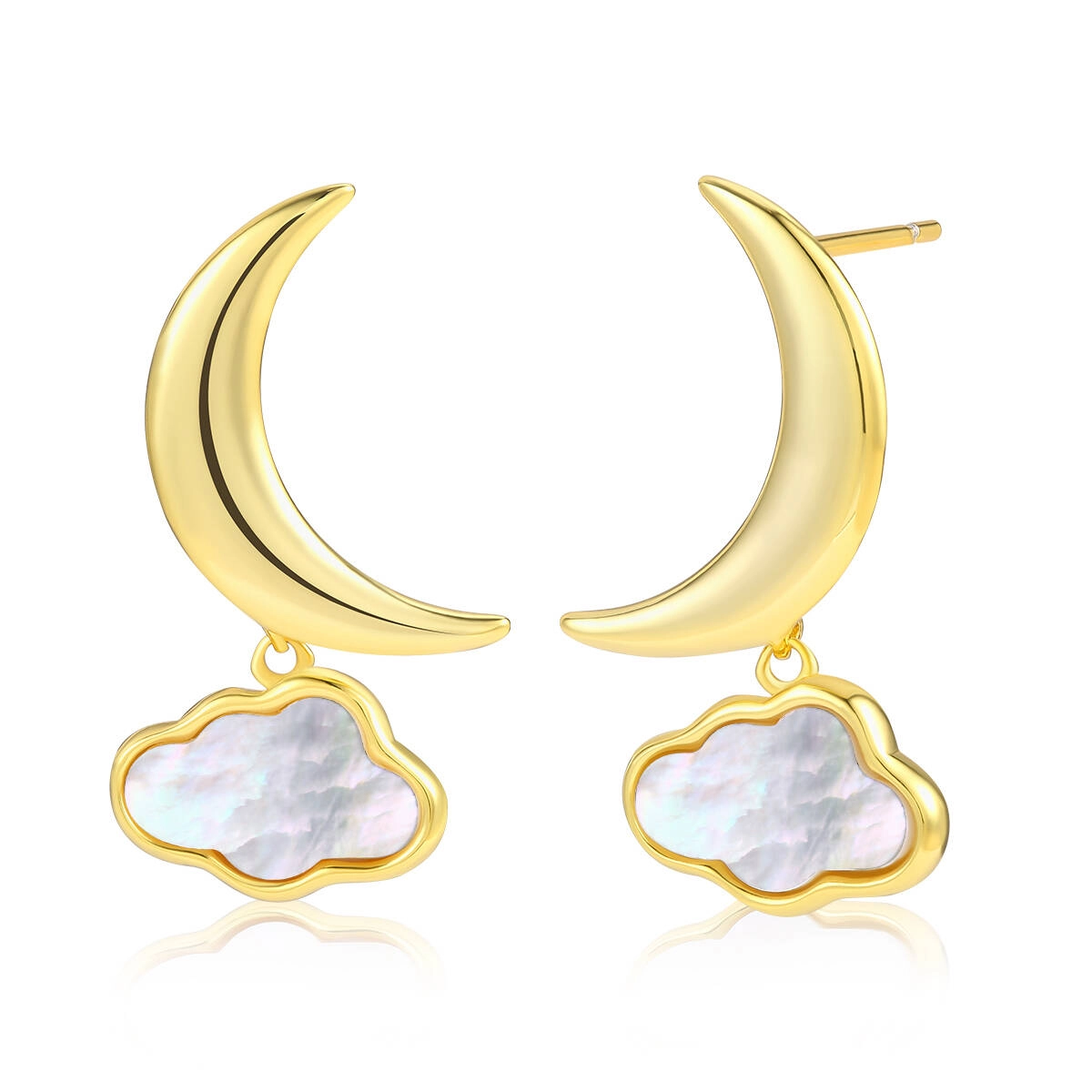
Material defines a design's voice. For example, genuine mother of pearl communicates organic iridescence and a subtle luxury that works well in minimalist stud earrings and bridal accessories. When customers search for mother of pearl stud earrings, they expect that nacre-derived iridescence and natural variation. If you substitute resin or printed imitations without clear labeling, you risk returns and damaged brand trust.
Commercial implications: price, margin and target market
I always map material choice to price positioning. Natural mother of pearl can command higher perceived value compared to resin or shell composites, while enamel and cubic zirconia let you deliver sparkle at lower cost. The material affects not just raw-material expense but also setting complexity, labor time and QA requirements.
Supply chain and compliance risks
Sourcing materials carries regulatory and reputational risks. Materials containing heavy metals or non-compliant finishes can run afoul of RoHS/REACH regulations or retailer requirements. I recommend verifying supplier declarations and requesting test reports. See the European Chemicals Agency (ECHA) for REACH details (https://echa.europa.eu/) and EU RoHS guidance (https://ec.europa.eu/environment/topics/waste-and-recycling/rohs-directive_en).
Materials compared: properties, sourcing and use cases
Natural mother of pearl (nacre)
Nacre is an inner shell layer produced by mollusks; it’s prized for iridescence and depth. It’s often cut into thin veneers for inlay work or small cabochons for stud earrings. Advantages: unique depth, natural luster, good brand storytelling. Limitations: relatively soft compared to gemstones, sensitive to acids and abrasion, and variable supply depending on mollusk species and region. For technical background, see the nacre entry on Wikipedia (https://en.wikipedia.org/wiki/Nacre).
Shell and mother-of-pearl alternatives (resin, composite, synthetic opal)
Resin-based imitations can reproduce nacre effects with excellent consistency and low cost, while composite shells (thin shell backed with resin) balance look and budget. Synthetic opal or man-made iridescent composites mimic the play-of-color but can differ under close inspection. Advantages: consistent color, lower price, easier mass production. Limitations: lower perceived value, potential heat sensitivity during soldering, concerns about long-term UV yellowing if formulations are poor.
Enamel, gemstones and metallic accents
Enamel provides color durability and modern aesthetics; gemstones like opal or moonstone offer similar iridescence but at higher cost and with different care needs. For studs, setting demands differ: gemstones require precise seats and prongs, enamel requires controlled firing and often adds steps to production.
Practical manufacturing considerations
Working with mother of pearl in mass production
When I source mother of pearl for studs, I check thickness, backing, micro-crack incidence and translucency. Nacre veneers are fragile during machining; using CNC with diamond tooling or laser cutting requires controlled feed rates. Bonding to backings (metal or composite) must use adhesives compatible with both shell and metals, and heat exposure must be minimized.
Metal compatibility and setting choices
Stud earrings typically use posts and cups made from 925 sterling silver, stainless steel or brass. I advise matching material selection to hypoallergenic requirements and plating strategy. For example, a mother of pearl cab set in 925 silver with rhodium plating can resist tarnish and pair well with the nacre’s cool tones. Zhefan’s production capability spans 925 silver, brass and stainless steel—important when planning finishes and testing workflows.
Quality control and finish operations
I recommend implementing specific inspection points for nacre: check for delamination, hairline cracks, glue bleed and surface polish consistency. A polishing regimen and multiple quality checks prevent issues. For regulated markets, ensure RoHS/REACH compliance of metal alloys and coatings; ECHA and EU RoHS guidance are good starting points (https://echa.europa.eu/, https://ec.europa.eu/environment/topics/waste-and-recycling/rohs-directive_en).
Comparative table: mother of pearl vs common alternatives
| Material | Aesthetic | Durability & Care | Typical Cost vs Nacre | Best Use for Stud Earrings |
|---|---|---|---|---|
| Natural mother of pearl (nacre) | Iridescent, organic depth; unique surface patterns | Moderate—sensitive to acids, abrasion; avoid ultrasonic cleaners | Baseline (mid-range) | High Quality natural look; bridal, gift and boutique lines |
| Shell veneers (backed) | Similar to nacre but flatter; consistent color when dyed | Moderate—backing improves strength; watch adhesives | Lower than nacre | Cost-conscious collections with natural look |
| Resin/Composite imitations | High consistency; can mimic nacre color and sheen | Good for wear; potential UV/yellowing risk with poor formulas | Lowest | High-volume, fashion-forward lines |
| Enamel | Vivid, durable color; opaque or translucent effects | High—resists fading; can chip on impact | Comparable to/or slightly higher than nacre depending on technique | Modern, colorful studs; long-lasting finish |
| Opal / Moonstone (natural gemstones) | Natural play-of-color (opal) or adularescence (moonstone) | Gemstones vary—opal can be delicate; requires careful settings | Higher (often considerably) | High Quality/glamour collections where genuine gem value matters |
Sources for material descriptions include the nacre article (Wikipedia: Nacre) and technical overviews from industry bodies such as the World Jewellery Confederation (CIBJO) and Gemological Institute resources (https://www.cibjo.org/, https://www.gia.edu/).
Cost drivers and yield considerations
With mother of pearl, yield loss during cutting can be 10–30% depending on defect rates and veneer thickness; tighter grades reduce waste but increase material cost. For resin imitations, yield is high but tooling and color matching costs may be non-trivial for initial development. I recommend running a small pilot batch to measure yield and refine tooling parameters before scaling.
Sustainability, traceability and ethical sourcing
Environmental impacts and sourcing transparency
Sourcing natural nacre entails interactions with aquaculture and wild harvests. Sustainable sourcing options include working with suppliers who use sustainably farmed mollusks or use shell byproducts from the food industry. Traceability helps with retailer requirements and consumer transparency. For regulatory and chemical safety concerns, reference the REACH database (https://echa.europa.eu/).
Certifications and testing
I always ask suppliers for test reports for heavy metals and for compliance to standards demanded by major marketplaces. If you intend to sell through large retailers or online platforms, insist on documented RoHS/REACH declarations and provide them proactively. Tools like third-party lab testing (SGS, Intertek, or Bureau Veritas) are standard in the industry.
Labeling and marketing honesty
From a brand perspective, clarity matters. If your product lists mother of pearl stud earrings, ensure the product indeed contains natural nacre. Otherwise use terms like mother-of-pearl effect or iridescent resin and describe composition clearly to avoid customer complaints and policy violations on platforms like Amazon.
Supplier profile & how a reliable manufacturer supports material choices
Why manufacturing partners matter
Material sourcing is only half the equation—manufacturing precision, QA and compliance make the difference between a beautiful sample and a reliable product line. I look for partners who can advise on tooling, bonding, plating and finish optimization for nacre and alternatives.
Guangzhou Zhefan Jewelry: capabilities and why they matter
Guangzhou Zhefan Jewelry is a premier fashion jewelry manufacturer established in 2002, with a legacy dating back to 1997. Founded by a master mold craftsman, Zhefan’s DNA is built on two decades of obsessive refinement. They specialize in crafting high-quality 925 silver, brass, and stainless steel jewelry, operating two factories (Guangzhou & Meizhou) covering 800 m² with a team of 80+ skilled artisans and 20 sales professionals supporting a robust monthly output of 600,000 pieces. Their professional design team launches 500+ new original styles monthly, ensuring partners stay ahead of market trends.
What sets Zhefan apart is their commitment to quality and client success. Unlike standard factories, they enforce six rounds of precision polishing and six strict quality inspections to ensure a flawless finish, using RoHS/REACH-compliant eco-friendly materials. They provide comprehensive OEM/ODM solutions and have experience serving Amazon top sellers and global retailers. For more details, visit Zhefan Jewelry or contact sales at sales3@zhefanjewelry.com.
How Zhefan supports mother of pearl and alternative materials
In practice, Zhefan’s multi-material capability (925 silver, brass, stainless steel) and their polishing and inspection regimen help mitigate nacre handling risks. Their experience with enamel, resin composites and stone-setting means they can prototype across material options quickly, providing the data you need to choose between natural nacre, backed shell, resin or gemstone solutions.
Recommendations: selecting the right material for your stud earring line
Decision flow I use in product development
- Define target price and perceived value: Is this a High Quality piece or a mass-market SKU?
- Define desired aesthetic and care profile: Do customers expect natural iridescence or uniform consistency?
- Run a supply check: Request samples, MOQs, lead times, and test reports (RoHS/REACH).
- Pilot production: 100–500 pcs to validate yields, settings, and QA metrics.
- Scale with a partner that enforces multiple inspection rounds and has proven compliance processes.
Quick guidance bullets
- If your target is boutique and High Quality, choose genuine mother of pearl and set it in 925 silver or rhodium-plated metals.
- If your target is fast-fashion or a large assortment, use high-quality resin composites for consistency and low cost.
- For modern color-focused collections, enamel gives durability with vivid hues.
- Verify compliance early: request certificates or third-party lab reports for metals and coatings.
FAQ
1. Are mother of pearl stud earrings hypoallergenic?
Mother of pearl itself (nacre) is an organic material and is not typically the source of allergic reactions. Hypersensitivity issues usually arise from the metal used for posts and backs. To ensure hypoallergenic performance, pair nacre studs with 925 sterling silver, implant-grade stainless steel or nickel-free metals. If you have customers with metal sensitivities, clearly specify post material.
2. How do I care for mother of pearl stud earrings?
Avoid exposure to acids (including perfume, vinegar) and harsh cleaners. Clean gently with a soft damp cloth; avoid ultrasonic cleaners and high heat. Store nacre pieces separately to prevent scratching.
3. Can I plate over mother of pearl or use heat finishes?
Plating is applied to the metal components, not directly to nacre surfaces. Heat-based processes risk damaging shell veneers, so bonding and assembly steps should precede any controlled heating and should be validated in pilot runs.
4. How do I verify that a product labeled mother of pearl is genuine?
Request material declarations, sample photographs at high resolution and, if needed, a third-party lab analysis. Visual checks under magnification can reveal growth lines and iridescence patterning typical of genuine nacre versus uniform resin casts.
5. What are realistic MOQs and lead times when sourcing nacre-based studs?
MOQs depend on veneer size and setting complexity; many manufacturers work with MOQs starting from 300–500 pcs for custom tooling and finishes, while stock programs or simple designs can have lower MOQs. Lead times normally range from 30–90 days depending on complexity, materials and testing requirements—confirm timelines with your manufacturer during RFQ.
6. Is resin-based mother-of-pearl acceptable to marketplaces?
Yes, if labeled correctly. Use accurate descriptions such as iridescent resin or mother-of-pearl effect when the item does not contain natural nacre. Mislabeling can lead to delisting or returns.
Contact & next steps
If you’re designing a collection of mother of pearl stud earrings or exploring cost-effective alternatives, I recommend starting with a clear brief (target price, target audience, wear expectations) and requesting samples from a capable OEM/ODM partner. For turnkey OEM/ODM support, prototyping and compliance documentation, consider Guangzhou Zhefan Jewelry. Learn more at https://www.zhefanjewelry.com/ or contact their sales team at sales3@zhefanjewelry.com. They specialize in Stainless Steel Jewelry, Brass Jewelry and 925 silver jewelry and can assist with material selection, tooling, and quality assurance to bring your designs to market.
Ready to compare material samples or request a quote? Email sales3@zhefanjewelry.com or visit Zhefan Jewelry to start the conversation.
Tags
mother of pearl heart pendant wholesale supplier
mother of pearl heart pendant wholesale supplier
brass tennis bracelet wholesale
brass tennis bracelet wholesale
mop heart pendant wholesale
mop heart pendant wholesale
women's brass rings
women's brass rings
brass stud earrings
brass stud earrings
brass o rings
brass o rings
Recommended for you
Supplier Audits for Mother of Pearl Stud Earrings
Bulk Pricing Trends for 925 Silver Necklaces in 2026
Why choose Zhefan Jewelry as your custom stud earrings supplier
The Ultimate Silver Jewelry Sourcing Blueprint: From Vetting Suppliers to Global Logistics (2026 Guide)
Prdoucts Categories
Question you may concern
FAQs
Can I get a sample?
Yes,welcome to choose our sample to test and check quality.Please give me your address and number then send you payment list.
What is the material of the jewelry?
Most of the jewelry is made of 925 sterling silver, brass or 316 stainless steel or custom material,which can cover different procurement demand.
Products
What's themonthly production capacity?
600,000 pcs per month.
What is the payment method?
Our payment method are Alibaba Trade Assurance(MasterCard, visa, e-Checking, PAYLATER, T/T),T/T, PayPal,Western Union.
What is the material of the jewelry?
Most of the jewelry is made of 925 sterling silver, brass or 316 stainless steel or custom material,which can cover different procurement demand.
You may also like
Brass Jewelry
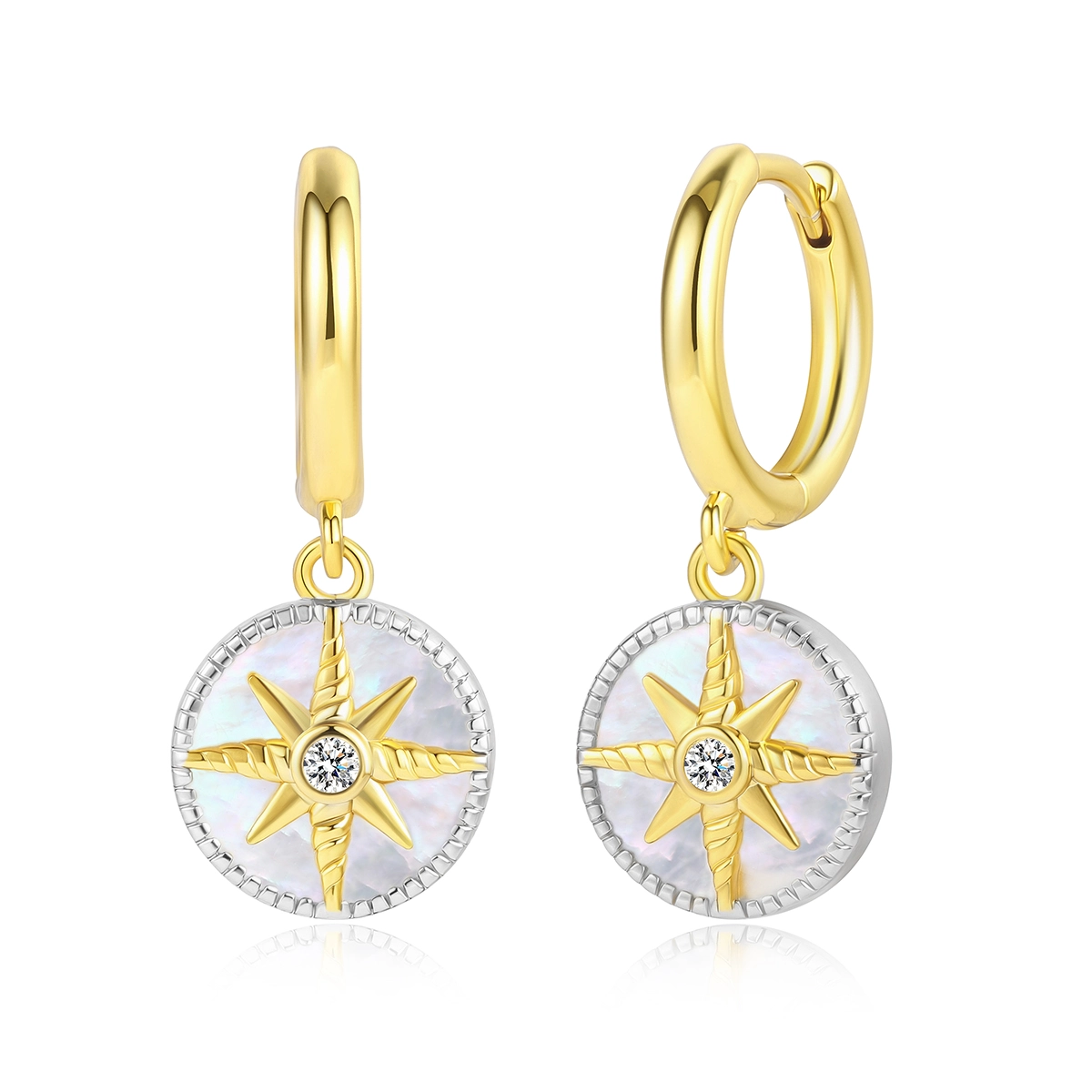
Brass Mother of Pearl Compass Huggie Drop Earrings | 14K 18K Gold Plated Hypoallergenic Jewelry
Read More
925 Silver Jewelry
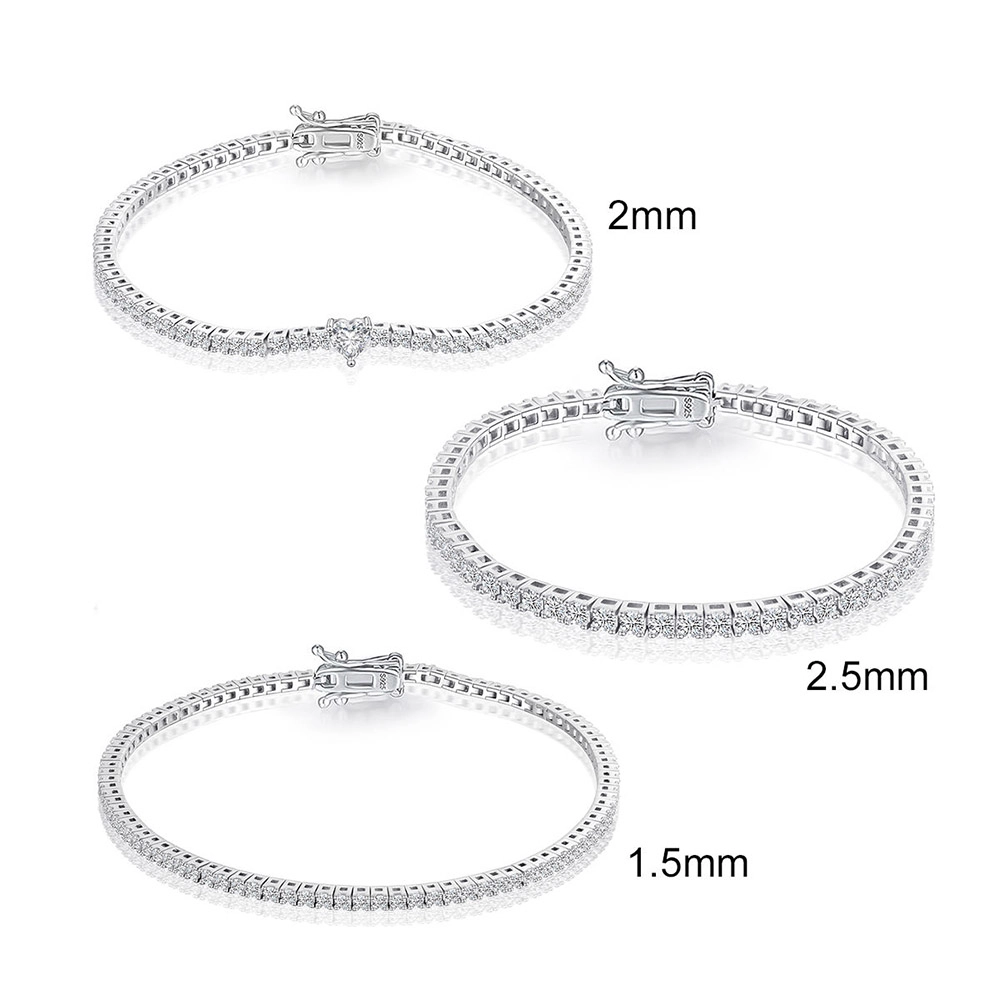
Customizable High-Quality Fashion 925 Sterling Silver AAA Cubic Zirconia Heart-Shaped Open Tennis Bracelet.
Read More
Get a Quote for Private Label Jewelry
We provide personalized jewelry customization services for clients worldwide.
Rest assured that your privacy is important to us, and all information provided will be handled with the utmost confidentiality.
By clicking 'Send Inquiry Now' I agree to ZHEFAN JEWELRY processing my personal data.
To see how to withdraw your consent, how to control your personal data and how we process it, please see our Privacy Policy and Terms of use.
From design to production, ZHEFAN JEWELRY offers a one-stop solution to help you enhance your brand value and market competitiveness.
Get A Quote
Contact
Tel: (+86) 188 1927 7817
© 2026 Zhefan Jewelry. All Rights Reserved.
Facebook
Instagram
YouTube
Whatsapp: +8618819277817