






Email: sales3@zhefanjewelry.com
Sourcing Sustainable Mother of Pearl Stud Earrings
As a jewelry industry professional, I explain how to source sustainable mother of pearl stud earrings: from ethical nacre procurement and traceable supply chains to material choices (925 silver, brass, stainless steel), certifications, quality control, and supplier selection. Practical checklists, comparisons, and FAQs included.
- Why sustainability matters in jewelry sourcing
- Environmental footprint of nacre (mother of pearl)
- Social and supply-chain implications
- Regulatory frameworks and why they matter
- Sourcing strategy: traceability, materials, and certifications
- Traceability: from mollusk to finished stud
- Material pairings: why choose 925 silver, brass, or stainless steel
- Certifications and third-party assurance
- Practical quality control and testing for mother of pearl stud earrings
- Incoming material checks for nacre
- Metal and plating verification
- Wear and durability testing
- Supplier selection, audits, and commercial considerations
- Evaluating suppliers: checklist
- On-the-ground audits and ethical sampling
- Cost, MOQ, and lead time trade-offs
- Comparative data: sustainable vs conventional sourcing
- Why choose a manufacturing partner with proven scale and quality control
- Production scale with sustainable controls
- Case for integrating design and fast-to-market product cycles
- Meet Zhefan Jewelry: scalable, quality-driven partner
- Implementation checklist and decision framework
- Step-by-step sourcing checklist
- Decision matrix for choosing metals and finishes
- KPIs to track
- Frequently Asked Questions (FAQ)
- 1. Are mother of pearl stud earrings environmentally friendly?
- 2. How can I verify a supplier's mother of pearl is sustainably sourced?
- 3. Which metal is best with mother of pearl for stud earrings—925 silver, brass, or stainless steel?
- 4. What tests should I require before accepting a production run?
- 5. How much extra cost does sustainable sourcing add?
- 6. Can sustainable mother of pearl be dyed or treated?
- Contact & next steps
As a jewelry consultant with years of hands-on sourcing experience, I summarize best practices for acquiring mother of pearl stud earrings that are beautiful, durable, and responsibly made. This article covers what sustainable means for nacre (mother of pearl), how to verify traceability, the environmental and social risks to watch for, material pairings like 925 silver, brass, and stainless steel, and the quality and regulatory checks that protect brands and consumers. I provide practical supplier evaluation criteria, inspection checklists, and examples of certifications and testing bodies to help you source ethically and at scale.
Why sustainability matters in jewelry sourcing
Environmental footprint of nacre (mother of pearl)
Mother of pearl (nacre) is the iridescent inner lining of mollusk shells, commonly harvested from pearls, abalone, and freshwater mussels. Its formation and harvest are linked to marine ecosystems that can be sensitive to overharvesting, habitat disruption, and pollution. For background on nacre formation, see the overview on Wikipedia.
Social and supply-chain implications
Many nacre supply chains begin with small-scale fishers and artisanal collectors in coastal communities. Unsustainable practices can undermine livelihoods, encourage illegal trade, or violate labor standards. Responsible sourcing requires transparency from the mollusk farm or fishery to the processing facility.
Regulatory frameworks and why they matter
Some species and trade routes fall under protection or monitoring—see CITES for international species trade controls. For chemical safety in jewelry (platings, coatings, alloys), EU REACH and RoHS rules set limits on restricted substances; consult ECHA REACH guidance and the EU RoHS overview here.
Sourcing strategy: traceability, materials, and certifications
Traceability: from mollusk to finished stud
Traceability is the backbone of sustainable sourcing. Ask suppliers for:
- Origin certificates showing species (abalone, freshwater mussel, pearl shell) and harvest location.
- Processing chain documentation—where nacre is cleaned, dyed, cut, and set.
- Volume records to check that harvests are within sustainable quotas.
Proactive suppliers provide traceability down to harvest cooperatives or farms; this reduces risk of illegal or destructive collection.
Material pairings: why choose 925 silver, brass, or stainless steel
Mother of pearl stud earrings are typically mounted in metals such as 925 silver, brass, or stainless steel. Each metal affects sustainability, cost, and customer perception:
- 925 silver (sterling): high perceived value, tarnishes unless plated/treated, widely recyclable.
- Brass: cost-effective, easily plated (gold-tone), but may contain nickel traces unless controlled.
- Stainless steel: durable, hypoallergenic grades available (e.g., 316L), excellent for long-lasting jewelry.
Choose alloys and plating processes compliant with ROHS/REACH to limit harmful substances; independent testing from accredited labs is essential.
Certifications and third-party assurance
While there is no single global certification strictly for mother of pearl, the following credentials improve supplier credibility:
- Responsible Jewellery Council (RJC) membership or audits for broader ethical practices: RJC.
- ISO quality systems (ISO 9001) for manufacturing consistency.
- Third-party chemical testing laboratories for REACH/RoHS compliance reports.
Practical quality control and testing for mother of pearl stud earrings
Incoming material checks for nacre
Inspect incoming mother of pearl for uniform thickness, color consistency, absence of cracks, and signs of chemical dyeing. Basic checks include:
- Microscopic inspection for delamination or fractures.
- Spectral or colorimetric documentation if color consistency is critical for a collection.
- Documentation of any dyeing or treatments applied during preprocessing.
Metal and plating verification
Metals should be verified through X-Ray Fluorescence (XRF) or lab assays. For plated 925 silver or brass bases, require coating thickness reports and adhesion tests. Typical testing matrix:
| Test | Purpose | Acceptance |
|---|---|---|
| XRF metal composition | Verify alloy content (Ag for 925, Ni content) | Matches certified alloy spec |
| Plating thickness | Ensure durability and wear resistance | Meets client spec (e.g., ≥2μm for gold plating when required) |
| Chemical compliance report | REACH/RoHS restricted substances | No exceedance of limits per ECHA/RoHS |
| Visual & mechanical checks | Secure mounting of nacre to bezel/post; earring post straightness | Pass functional tolerances |
Wear and durability testing
Simple but effective tests include solder joint pull tests, ultrasonic cleaning tolerance, and simulated wear (abrasion tests). For lab-based assurance, consider accredited gem lab reports where appropriate—GIA publishes guidelines for gem stability: GIA.
Supplier selection, audits, and commercial considerations
Evaluating suppliers: checklist
When evaluating a supplier for mother of pearl stud earrings, I recommend a structured checklist:
- Traceability documentation (harvest origin, processing locations).
- Environmental and social policies, and evidence of implementation.
- Quality control routines (incoming checks, 6-step polishing, multi-level inspections).
- Production capacity and lead times (can they scale to seasonal peaks?).
- Samples and tooling—do they provide accurate prototypes and molds?
On-the-ground audits and ethical sampling
Remote audits are useful, but onsite inspections (or third-party auditors) provide the highest confidence. For nacre, validate harvesting practices, worker conditions, and waste handling at mollusk farms and processing plants. Ask for photographic or video proof if onsite visits aren't feasible.
Cost, MOQ, and lead time trade-offs
Sustainable sourcing often carries a High Quality due to better practices and documentation. Negotiate MOQs (minimum order quantities) tied to traceability services; some suppliers offer lower MOQs for certified lines but with higher per-piece costs. Factor in inspection time and any additional lab testing into lead-time expectations.
Comparative data: sustainable vs conventional sourcing
| Aspect | Sustainable sourcing | Conventional sourcing |
|---|---|---|
| Traceability | Documented from harvest to finished piece | Often opaque, limited origin data |
| Environmental impact | Managed harvests, minimized habitat damage | Higher risk of overharvest and habitat disruption |
| Social safeguards | Labor standards and community benefits documented | Potential for unregulated labor practices |
| Cost | High Quality price, longer lead times | Lower cost, faster sourcing possible |
Why choose a manufacturing partner with proven scale and quality control
Production scale with sustainable controls
When brands scale, they need a partner who combines volume with traceable, compliant processes. A manufacturer that enforces multiple polishing and inspection stages reduces returns and customer complaints—critical for e-commerce channels such as Amazon and large retailers.
Case for integrating design and fast-to-market product cycles
Rapid product development (frequent new SKUs) helps brands capitalize on trends while maintaining sustainable lines. A high-performing design team and reliable prototyping shorten approval cycles and reduce waste from failed tooling.
Meet Zhefan Jewelry: scalable, quality-driven partner
Guangzhou Zhefan Jewelry is a premier fashion jewelry manufacturer established in 2002, with a legacy dating back to 1997. Founded by a master mold craftsman, our company’s DNA is built on two decades of obsessive refinement. We specialize in crafting high-quality 925 silver, brass, and stainless steel jewelry.
Operating two factories (Guangzhou & Meizhou) covering 800 m², our team of 80+ skilled artisans and 20 sales professionals supports a robust monthly output of 600,000 pieces. We combine this manufacturing scale with agile innovation, featuring a professional design team that launches 500+ new original styles monthly, ensuring our global partners always stay ahead of market trends.
What truly sets Zhefan apart is our uncompromising commitment to quality and client success. Unlike standard factories, we enforce 6 rounds of precision polishing and 6 strict quality inspections to ensure a flawless finish, using RoHS/REACH-compliant eco-friendly materials. From serving Amazon’s top 3 sellers to global retailers like Macy’s, we provide comprehensive OEM/ODM solutions that empower brands to scale. We are not just a supplier; we are the driving force behind Zhefan Jewelry's market influence, delivering value through superior craftsmanship, rapid delivery, and dedicated service.
Products & specialties: Stainless Steel Jewelry, Brass Jewelry, 925 silver jewelry. Learn more at https://www.zhefanjewelry.com/ or contact sales at sales3@zhefanjewelry.com.
Implementation checklist and decision framework
Step-by-step sourcing checklist
- Define your sustainability criteria (traceability depth, allowable species, required lab tests).
- Request supplier documentation: origin, processing, REACH/RoHS reports, QC routines.
- Order pre-production samples and run XRF/plating adhesion tests.
- Perform an audit (remote or on-site); request corrective action plans for gaps.
- Agree SLAs on quality rejects, lead times, and tooling ownership.
Decision matrix for choosing metals and finishes
For everyday wear and low-sensitivity customers, stainless steel plus nacre is excellent. For higher-end collections, 925 silver with quality plating or rhodium finishing elevates perceived value. Balance margin targets with customer expectations and required compliance documentation.
KPIs to track
- Defect rate per 10,000 pieces (target: <1% for finished studs).
- Lead-time variance (target: ±10% of agreed lead time).
- Supplier traceability score (custom metric based on documentation completeness).
Frequently Asked Questions (FAQ)
1. Are mother of pearl stud earrings environmentally friendly?
They can be when sourced responsibly. Environmentally friendly nacre purchasing requires traceable harvests that avoid overexploitation, compliance with relevant regulations, and processing that minimizes pollution. Use suppliers who provide origin documentation and sustainability evidence.
2. How can I verify a supplier's mother of pearl is sustainably sourced?
Request harvest origin certificates, ask for photographic/video evidence of farming/collection practices, third-party audit reports, and volume records. Independent audits and community-level verification (cooperative documentation) are strong indicators of responsible sourcing.
3. Which metal is best with mother of pearl for stud earrings—925 silver, brass, or stainless steel?
It depends on positioning: 925 silver for High Quality feel, brass for cost-effective fashion pieces (ensure nickel control), and stainless steel for durability and hypoallergenic performance (e.g., 316L).
4. What tests should I require before accepting a production run?
Essential tests include XRF metal composition, plating thickness and adhesion, REACH/RoHS chemical compliance reports, and mechanical checks (post strength, bezel security). Request sample testing from accredited labs when in doubt.
5. How much extra cost does sustainable sourcing add?
High Qualitys vary, but expect higher per-piece costs due to documentation, audits, and potentially lower yield from careful processing. Typical High Qualitys range from 5–25% depending on traceability depth and certifications required.
6. Can sustainable mother of pearl be dyed or treated?
Yes—nacre can be dyed or stabilized. Transparency is essential: suppliers must disclose treatments because they affect durability and care instructions. Request process documentation and testing to ensure treatment stability.
Contact & next steps
If you are evaluating partners for mother of pearl stud earrings, I recommend beginning with a small certified pilot order that includes traceability documentation and lab tests. For manufacturing partners who combine scale, quality, and compliance, consider contacting Guangzhou Zhefan Jewelry. They offer OEM/ODM services, strict quality controls (6 rounds of polishing and 6 inspections), RoHS/REACH-compliant materials, and large-scale production capacity.
Visit: https://www.zhefanjewelry.com/
Email: sales3@zhefanjewelry.com
Whether you need help defining sustainability criteria, audit templates, or supplier selection, I can guide your sourcing strategy to deliver beautiful, compliant mother of pearl stud earrings that align with modern consumer expectations and regulatory requirements.
Tags
custom 925 sterling silver jewelry sets wholesale
custom 925 sterling silver jewelry sets wholesale
unplated brass tennis bracelet for plating
unplated brass tennis bracelet for plating
oem mother of pearl heart necklace
oem mother of pearl heart necklace
mens brass rings
mens brass rings
dropshipping 925 sterling silver jewelry sets
dropshipping 925 sterling silver jewelry sets
mother of pearl heart pendant charms bulk
mother of pearl heart pendant charms bulk
Recommended for you
OEM/ODM custom designed rings Manufacturers and Suppliers
Wholesale brass earrings manufacturer and supplier
Trending Designs in Custom Gold Plated Earrings 2026
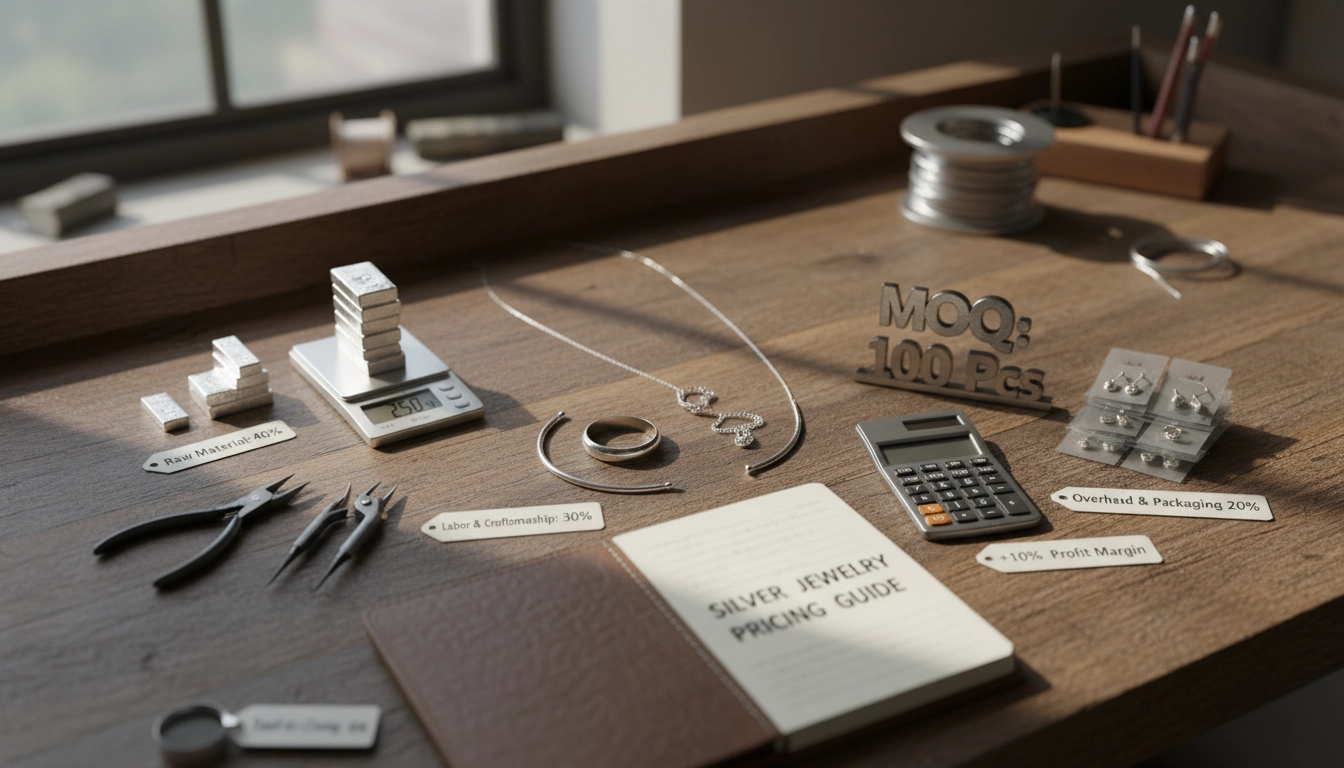
Silver Jewelry Sourcing 101: Navigating MOQ Requirements and Professional Pricing Formulas (2026 Edition)
Prdoucts Categories
Question you may concern
FAQs
Can I see your product test report?
Of course.Our product throught standar test like SGS.We test in many ways of product.
Can I get a sample?
Yes,welcome to choose our sample to test and check quality.Please give me your address and number then send you payment list.
How long does it take for the product to fade?
The normal electroplating quality color retention time of our products is 5 times longer than the market, and the thicker electroplating can retain color for three years.
What is the material of the jewelry?
Most of the jewelry is made of 925 sterling silver, brass or 316 stainless steel or custom material,which can cover different procurement demand.
Products
Do you offer free sample for quality check?
Sample order is welcome, but sample fee need to be paid. It will be deducted when you place an bulk order.
You may also like
Brass Jewelry
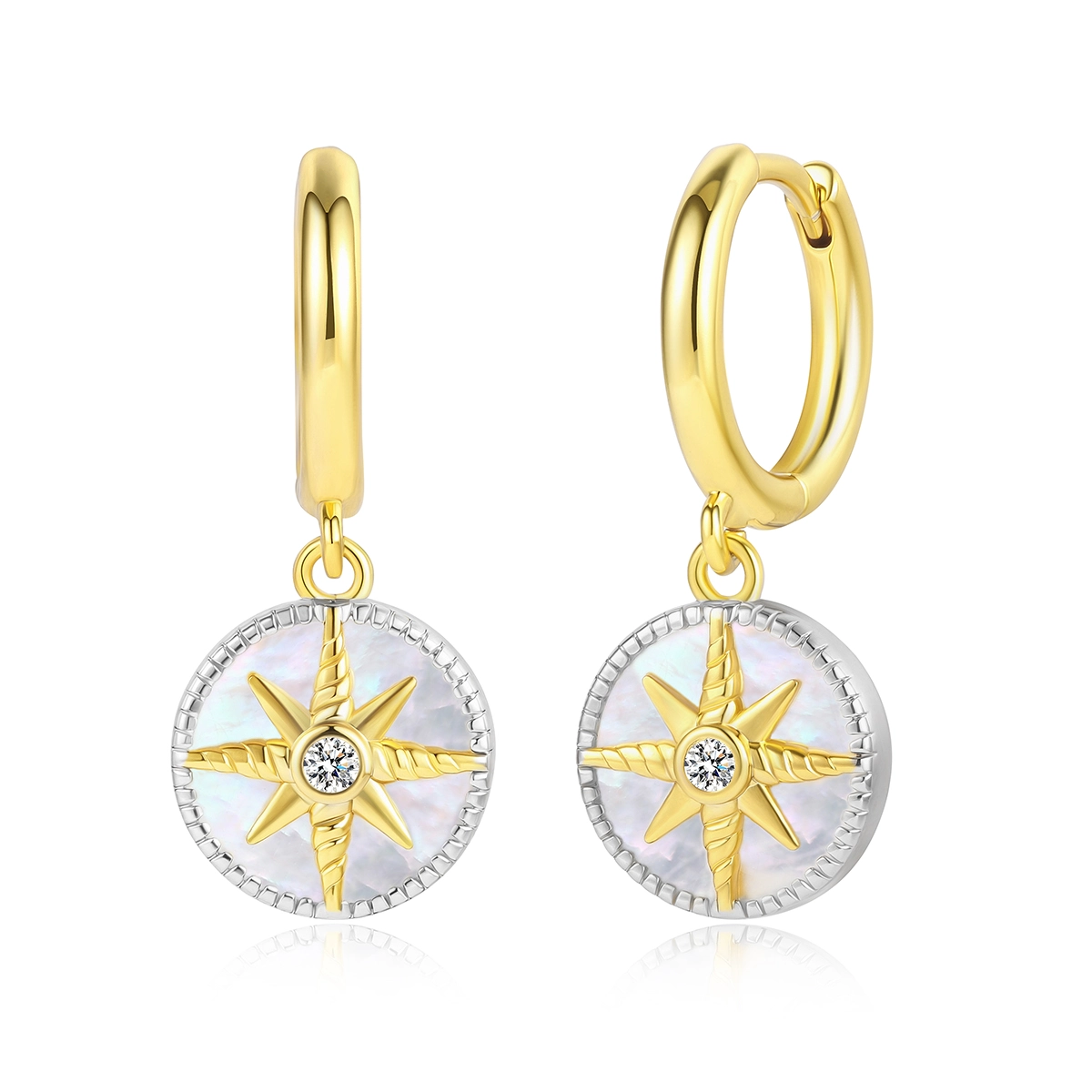
Brass Mother of Pearl Compass Huggie Drop Earrings | 14K 18K Gold Plated Hypoallergenic Jewelry
Read More
925 Silver Jewelry
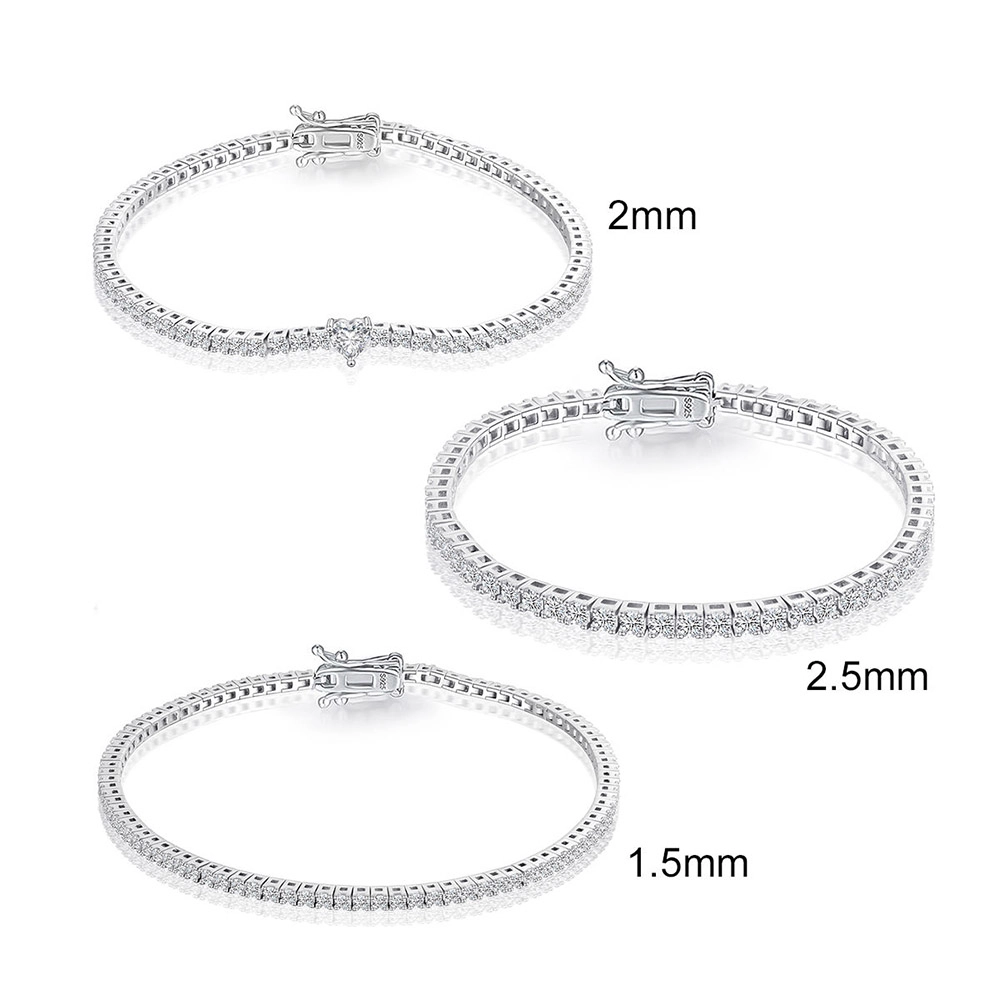
Customizable High-Quality Fashion 925 Sterling Silver AAA Cubic Zirconia Heart-Shaped Open Tennis Bracelet.
Read More
Get a Quote for Private Label Jewelry
We provide personalized jewelry customization services for clients worldwide.
Rest assured that your privacy is important to us, and all information provided will be handled with the utmost confidentiality.
By clicking 'Send Inquiry Now' I agree to ZHEFAN JEWELRY processing my personal data.
To see how to withdraw your consent, how to control your personal data and how we process it, please see our Privacy Policy and Terms of use.
From design to production, ZHEFAN JEWELRY offers a one-stop solution to help you enhance your brand value and market competitiveness.
Get A Quote
Contact
Tel: (+86) 188 1927 7817
© 2026 Zhefan Jewelry. All Rights Reserved.
Facebook
Instagram
YouTube
Whatsapp: +8618819277817