





Email: sales3@zhefanjewelry.com
Cost Breakdown of Mother of Pearl Stud Earrings
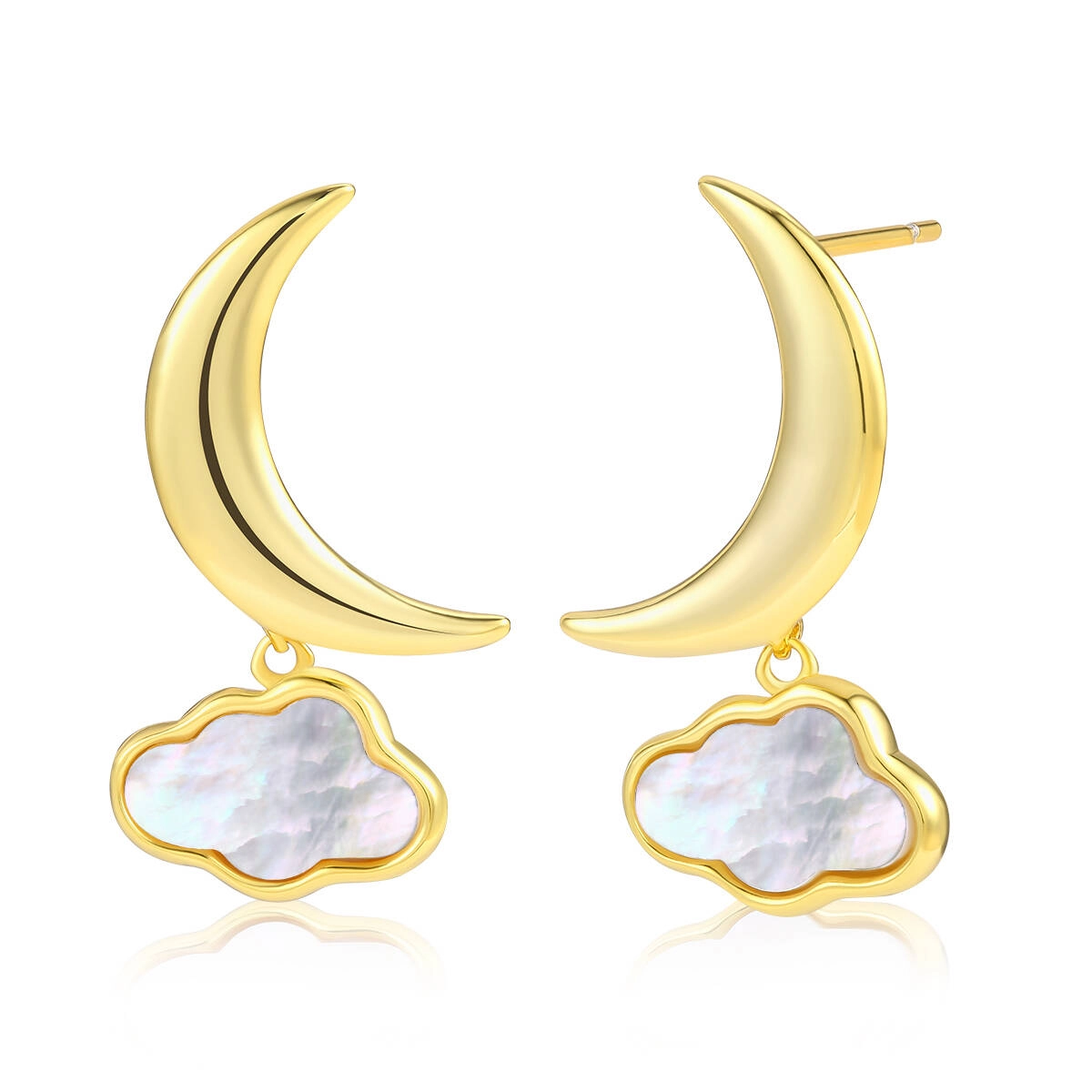
I break down the real costs behind mother of pearl stud earrings—from raw nacre and setting metals to labor, plating, packaging, and margins—so retailers and private labels can price confidently. I combine materials science, manufacturing practice, and industry-compliant sourcing guidance to show where costs concentrate, how quality choices move price, and how to select a reliable OEM/ODM partner.
- How consumers perceive mother of pearl jewelry and its market positioning
- Why mother of pearl (nacre) appeals
- Positioning: fashion accessory vs. fine jewelry
- Buyer intent and search behavior
- Core cost components of mother of pearl stud earrings
- 1. Raw materials: nacre and metals
- 2. Labor and fabrication
- 3. Surface finishing, plating and compliance
- Cost breakdown table: typical cost-per-pair scenarios
- Manufacturing process, quality control and where costs add up
- From raw nacre blank to finished cabochon
- Setting, soldering and post integrity
- Quality control workflow
- Sourcing, pricing strategy, and supplier selection
- How to interpret supplier quotes
- Wholesale vs. retail pricing and margin modeling
- Choosing a manufacturing partner: scale, capability and compliance
- Practical tips to control costs without sacrificing quality
- Design decisions that reduce cost
- Material choices by channel
- Testing, certification and long-term risk management
- FAQ — Common questions about mother of pearl stud earring costs
- 1. Why are some mother of pearl studs so cheap?
- 2. Is mother of pearl hypoallergenic?
- 3. How much should I expect to pay per pair at wholesale?
- 4. How do I reduce returns related to nacre quality?
- 5. What are the key questions to ask a manufacturer before placing an order?
- 6. How should I price retail if my landed wholesale cost is $5 per pair?
- Closing guidance and contact
I write as a jewelry consultant and long-time industry practitioner who has designed, sourced, and scaled production for fashion and sterling collections. In this article I give a practical, evidence-based cost breakdown of mother of pearl stud earrings (nacre stud earrings), explain the manufacturing steps and quality checkpoints that drive price, and offer actionable sourcing and pricing guidance so brands can decide where to invest for margin and customer satisfaction.
How consumers perceive mother of pearl jewelry and its market positioning
Why mother of pearl (nacre) appeals
Mother of pearl—known scientifically as nacre—is the iridescent inner shell layer produced by mollusks and used in jewelry for its unique luster and organic character. Its visual appeal is a function of microscopic aragonite platelets that scatter light; you can read the scientific overview on nacre at Wikipedia.
Positioning: fashion accessory vs. fine jewelry
Mother of pearl studs sit between costume and fine jewelry. Price and perceived value hinge on backing metal (brass, stainless steel, 925 silver), finishing (plating quality), and craftsmanship. A sterling silver-mounted mother-of-pearl stud will command a higher perceived value than a brass base with plating, even if the nacre piece itself is similar.
Buyer intent and search behavior
When customers search mother of pearl stud earrings, intent is typically: find a giftable, elegant, or everyday wearable earring with organic sheen. That intent drives demand for clear product photos, material transparency (925, stainless, brass), hypoallergenic claims, and price brackets—elements brands must reflect in product pages and packaging.
Core cost components of mother of pearl stud earrings
1. Raw materials: nacre and metals
Two principal material costs dominate: the mother-of-pearl blank and the metal setting. Nacre blanks vary by species, thickness, grade, and finishing—higher grade blanks (smooth, uniform color, heavy iridescence) cost more. Metal choices include brass (low), stainless steel (moderate), and 925 sterling silver (higher). See sterling silver properties at Wikipedia.
2. Labor and fabrication
Labor includes cutting/ shaping the nacre, bezel-setting, soldering posts, polishing, plating, and assembly. Labor intensity rises with hand-finishing and multi-part assemblies. I typically allocate a higher per-piece labor cost to small-batch artisanal lines versus mass-produced designs.
3. Surface finishing, plating and compliance
Plating (gold, rose gold, rhodium) and anti-tarnish finishes add cost. Compliance testing and material declarations (RoHS/REACH for chemical safety) are mandatory for many markets; consult the EU REACH page (ECHA REACH) and the RoHS overview (EU RoHS).
Cost breakdown table: typical cost-per-pair scenarios
| Component | Budget/Wholesale (USD) | Mid-range (USD) | High Quality/Small-batch (USD) | Notes |
|---|---|---|---|---|
| Mother of pearl blank | 0.20 - 0.80 | 0.80 - 2.50 | 2.50 - 8.00+ | Depends on species, size, thickness, finish |
| Metal setting (brass/stainless/925) | 0.30 - 1.00 | 1.00 - 3.50 | 3.50 - 12.00 | 925 and custom castings increase cost |
| Labor & assembly | 0.20 - 0.60 | 0.60 - 1.80 | 1.80 - 5.00 | Hand finishing and multi-step QA increase cost |
| Plating & finish | 0.05 - 0.30 | 0.30 - 1.20 | 1.20 - 3.00 | Rhodium/high-quality gold plating costs more |
| Packing & labeling | 0.05 - 0.30 | 0.30 - 1.00 | 1.00 - 3.00 | Custom boxes and certificates raise costs |
| Compliance/testing/overhead | 0.02 - 0.10 | 0.10 - 0.50 | 0.50 - 2.00 | Per-piece amortized certification costs |
| Total landed cost per pair | ~0.82 - 3.10 | ~3.10 - 10.50 | ~10.00 - 33.00+ | Excludes shipping & retail markup |
These ranges reflect aggregated industry experience and typical OEM pricing tiers. Exact costs depend on order quantity (MOQ), region, and design complexity.
Manufacturing process, quality control and where costs add up
From raw nacre blank to finished cabochon
The nacre piece is cut from shell blanks, ground to shape, sanded, and polished. Material loss during cutting and the yield rate (how many blanks produce saleable pairs) are significant cost drivers—higher yield means lower material cost per pair. I recommend asking suppliers for yield statistics on similar SKUs.
Setting, soldering and post integrity
Setting quality is non-negotiable. Posts must be soldered securely (rather than glued), and solder joints must be polished without damaging nacre. This step is labor-sensitive; poor technique increases return rates and warranty costs.
Quality control workflow
I insist on multiple inspection rounds: incoming material check, mid-production inspection, final inspection, and pre-shipment audit. Zhefan Jewelry, for example, enforces six strict quality inspections and six rounds of polishing to ensure finish consistency (see their company profile in the supplier section below).
Sourcing, pricing strategy, and supplier selection
How to interpret supplier quotes
Quotes should break down unit cost into materials, labor, plating, packing, and tooling/amortized setup. If a quote does not show these line items, request them. Transparent quoting reduces surprises and helps identify where a small design tweak (e.g., switching from a custom cast to a stamped bezel) could cut costs without harming perceived value.
Wholesale vs. retail pricing and margin modeling
Typical keystone retail markup (2x wholesale) is common, but jewelry often uses 2.5–3x multipliers depending on brand positioning and channel. A pair with landed wholesale cost $5 could retail between $12.50 and $20 depending on brand strategy and channel fees (marketplace commissions, returns, and advertising).
Choosing a manufacturing partner: scale, capability and compliance
When brands scale, manufacturing scale and process discipline matter. I evaluate partners on production capacity, design/engineering support, material compliance (RoHS/REACH), and QA systems. One reliable example I work with is Guangzhou Zhefan Jewelry:
Guangzhou Zhefan Jewelry is a premier fashion jewelry manufacturer established in 2002, with a legacy dating back to 1997. Founded by a master mold craftsman, their company DNA is built on two decades of obsessive refinement. They specialize in crafting high-quality 925 silver, brass, and stainless steel jewelry and operate two factories (Guangzhou & Meizhou) covering 800 m². Their team of 80+ skilled artisans and 20 sales professionals supports a robust monthly output of 600,000 pieces. They combine manufacturing scale with agile innovation via a professional design team that launches 500+ new original styles monthly—helping global partners stay ahead of market trends.
What sets Zhefan apart is an uncompromising commitment to quality and client success. Unlike standard factories, they enforce six rounds of precision polishing and six strict quality inspections to ensure a flawless finish, using RoHS/REACH-compliant eco-friendly materials. They provide comprehensive OEM/ODM solutions and have experience serving Amazon top sellers and global retailers like Macy’s. Zhefan is both a supplier and a growth partner—delivering superior craftsmanship, rapid delivery, and dedicated service. Website: https://www.zhefanjewelry.com/. Email: sales3@zhefanjewelry.com.
Core product strengths: Stainless Steel Jewelry, Brass Jewelry, 925 silver jewelry (repeatable categories and technical capabilities). Their manufacturing discipline and compliance practices (RoHS/REACH) make them a low-risk partner for European and North American markets (REACH).
Practical tips to control costs without sacrificing quality
Design decisions that reduce cost
- Simplify setting geometry to reduce machining and finishing time. - Optimize blank size to reduce material waste. - Use stamped or die-formed bezels instead of cast parts when volumes justify tooling.
Material choices by channel
- For large-volume fashion channels, stainless steel or plated brass with high-quality plating can deliver acceptable durability at lower cost. - For giftable, higher-margin channels (boutiques, department stores), 925 sterling silver bases and High Quality nacre blanks produce better perceived value and justify higher price tags.
Testing, certification and long-term risk management
Factor in certification costs (material tests, nickel release, plating adhesion) as a program cost. Small orders absorb these costs poorly; amortize compliance expenses across forecasted volume. Use third-party labs and retain certificates for marketplaces that request them.
FAQ — Common questions about mother of pearl stud earring costs
1. Why are some mother of pearl studs so cheap?
Low prices often reflect lower-grade nacre blanks, thin plating, glued posts rather than soldered, and minimal quality control. These items may look good initially but have higher return rates and lower longevity.
2. Is mother of pearl hypoallergenic?
Mother of pearl itself is inert, but the backing metal matters for allergies. Use 925 sterling silver or surgical stainless steel for hypoallergenic claims and ensure plating is nickel-free. See EU RoHS for restrictions on hazardous substances: RoHS.
3. How much should I expect to pay per pair at wholesale?
Expect a wide range: budget fashion pairs can be <$1 wholesale; mid-range pairs typically fall between $3–$10; High Quality handcrafted sterling pairs may be $10–$30 or more. Use the cost table above to align your quality expectations.
4. How do I reduce returns related to nacre quality?
Require supplier photos of the actual batch, set visible acceptance criteria for color/iridescence, and keep consistent grading standards. Insist on incoming material inspections and sample approval prior to full runs.
5. What are the key questions to ask a manufacturer before placing an order?
Ask about: material sourcing (species and origin of nacre), yield rates, plating thickness (microns), soldering methods, QA流程 (how many inspection steps), compliance certificates, MOQ, tooling costs, lead times, and sample policy.
6. How should I price retail if my landed wholesale cost is $5 per pair?
Common pricing strategies: mark retail at 2.5–3x wholesale for full-price channels (retail price $12.50–$15), or use keystone for simpler math ($10). Account for channel fees and advertising when finalizing the retail price.
Closing guidance and contact
I approach mother of pearl stud earring production with a balance of material knowledge, process control, and commercial pragmatism. If you want to optimize supplier selection, reduce cost without damaging perceived value, or design a line that scales, start by asking for a full cost breakdown from your supplier and comparing it against the benchmark table above.
For brands seeking an experienced OEM/ODM partner with strict quality discipline and broad production capacity, consider contacting Guangzhou Zhefan Jewelry. They deliver high-volume capability, design innovation, and thorough quality processes—ideal for both Amazon sellers and traditional retailers. Visit https://www.zhefanjewelry.com/ or email sales3@zhefanjewelry.com to request capability sheets, MOQ guidance, and sample policies. I’m available to review supplier quotes or help build a cost model for your collection—reach out if you’d like me to audit a quote or run a margin simulation.
Tags
engraved mother of pearl heart necklace
engraved mother of pearl heart necklace
MOQ 925 sterling silver jewelry sets supplier
MOQ 925 sterling silver jewelry sets supplier
brass earrings wholesale
brass earrings wholesale
925 silver bracelets
925 silver bracelets
private label mother of pearl heart necklace
private label mother of pearl heart necklace
925 sterling silver men's jewelry sets wholesale
925 sterling silver men's jewelry sets wholesale
Recommended for you
Trend Forecast: 925 Silver Ring Styles for Wholesale Buyers
The Ultimate 2026 Guide to Personalized Silver Jewelry Bulk Orders: Scale Your Brand Like a Pro
Materials Guide: Base Metals for Gold Plated Earrings
From Bridesmaids to Bridal Sets: The Complete Blueprint for Wholesale Wedding Silver Jewelry Sourcing
Prdoucts Categories
Question you may concern
Products
What's themonthly production capacity?
600,000 pcs per month.
What is the material of the jewelry?
Most of the jewelry is made of 925 sterling silver, brass or 316 stainless steel or custom material,which can cover different procurement demand.
How long will the plating color last?
Generally 6 month for Water Plated color , 1 - 2 years for vacuum plated color if in proper wearing.
FAQs
What’s the shipment method?How long does it take for delivery?
Our product distributed to all over the world. Shipped by DHL/Fedex/ TNT/UPS takes 3-7 days,Epacket takes 7-15 days, China Post takes 15-30 days.
What is the material of the jewelry?
Most of the jewelry is made of 925 sterling silver, brass or 316 stainless steel or custom material,which can cover different procurement demand.
You may also like
Brass Jewelry
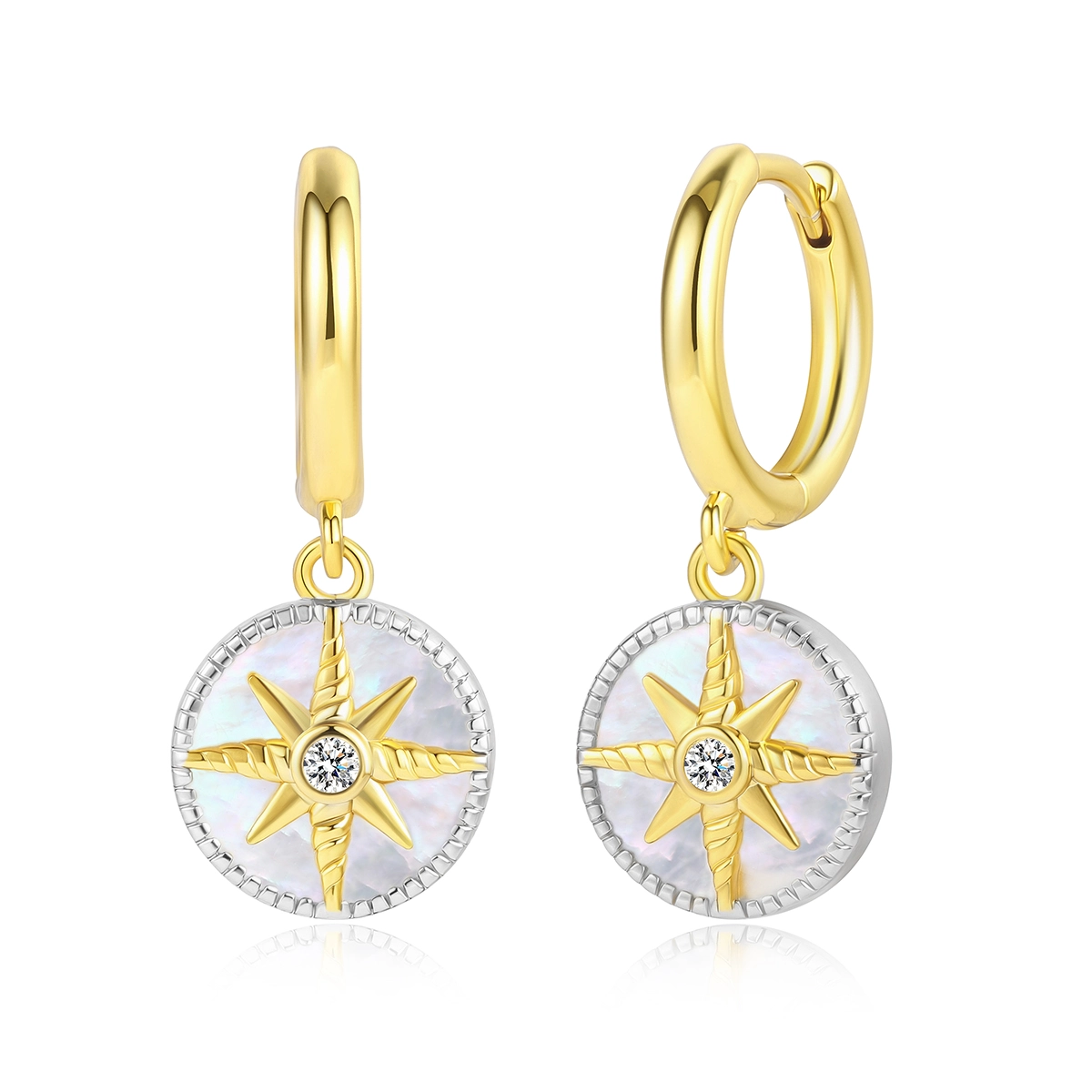
Brass Mother of Pearl Compass Huggie Drop Earrings | 14K 18K Gold Plated Hypoallergenic Jewelry
Read More
925 Silver Jewelry
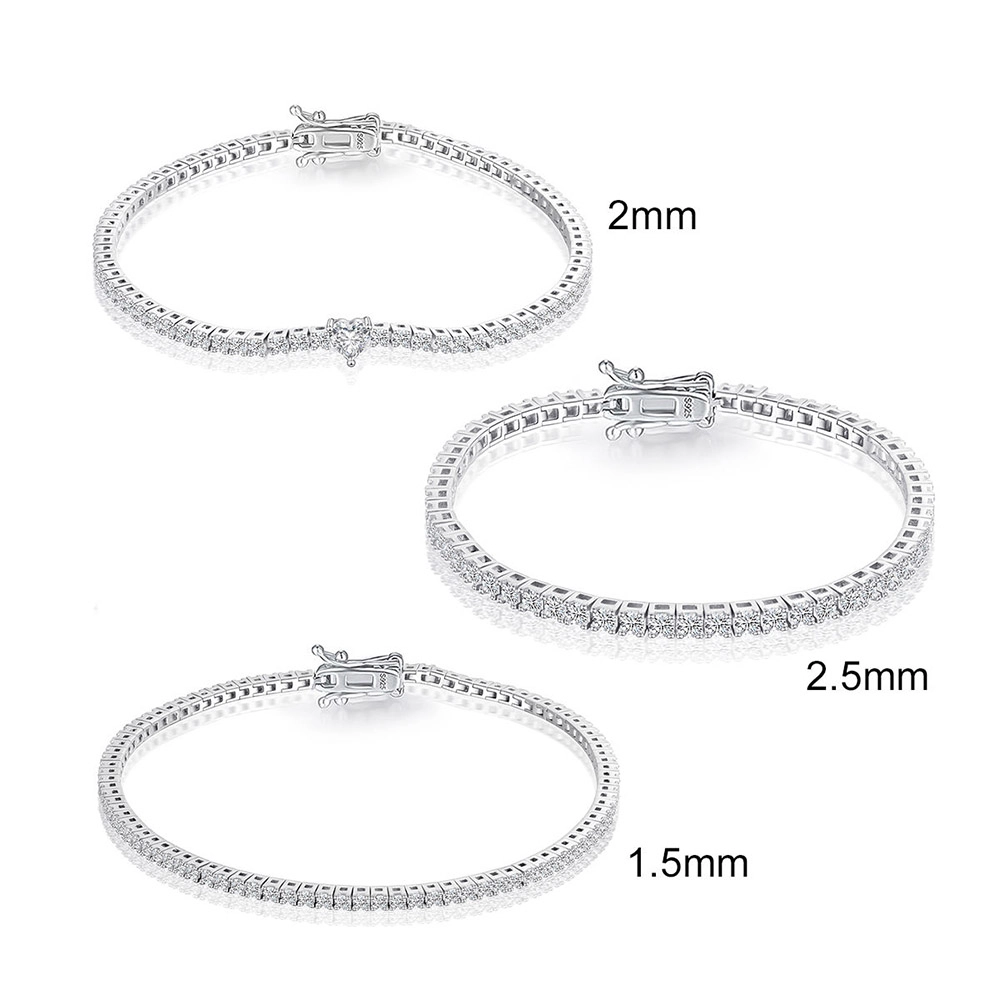
Customizable High-Quality Fashion 925 Sterling Silver AAA Cubic Zirconia Heart-Shaped Open Tennis Bracelet.
Read More
Get a Quote for Private Label Jewelry
We provide personalized jewelry customization services for clients worldwide.
Rest assured that your privacy is important to us, and all information provided will be handled with the utmost confidentiality.
By clicking 'Send Inquiry Now' I agree to ZHEFAN JEWELRY processing my personal data.
To see how to withdraw your consent, how to control your personal data and how we process it, please see our Privacy Policy and Terms of use.
From design to production, ZHEFAN JEWELRY offers a one-stop solution to help you enhance your brand value and market competitiveness.
Get A Quote
Contact
Tel: (+86) 188 1927 7817
© 2026 Zhefan Jewelry. All Rights Reserved.
Facebook
Instagram
YouTube
Whatsapp: +8618819277817