


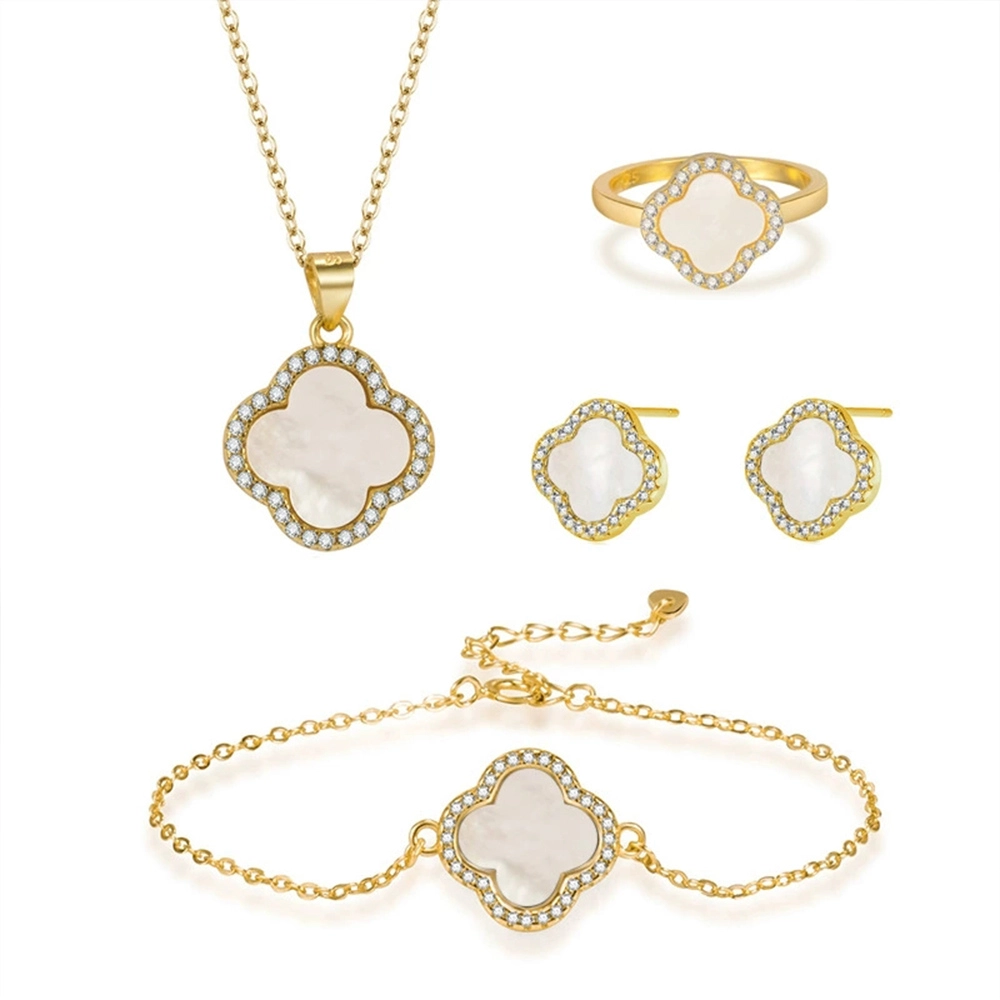


Email: sales3@zhefanjewelry.com
MOQ Guide for Custom Gold Plated Earrings Suppliers
As a jewelry sourcing consultant with deep experience in Guangzhou manufacturing, I explain how minimum order quantities (MOQs) impact custom gold plated earrings — from plating processes, materials and testing, to negotiation strategies, cost modeling and supplier selection. Practical checklists, a sample MOQ/price table, compliance references (RoHS/REACH, electroplating standards) and real-world guidance help brands choose the right MOQ and supplier.
- Understanding MOQ fundamentals
- What MOQ means for custom gold plated earrings
- Why suppliers set MOQs
- How MOQ affects price and lead time
- Determining the right MOQ for Zhefan Jewelry
- Design & plating process implications
- Material choices and their MOQ impact
- Testing, certification, and packaging requirements
- MOQ negotiation strategies and cost modeling
- Sample costs and price breaks (illustrative)
- Ways to reduce effective MOQ
- Quality control and compliance for plated finishes
- Working with suppliers: what to ask and contract terms
- Checklist for sourcing custom gold plated earrings
- Sample policy, tooling and lead times
- When to choose OEM vs ODM vs local finishing
- My real-world sourcing playbook (Guangzhou perspective)
- How I approach MOQ discussions on the factory floor
- Example negotiation tactics that work
- Data-backed compliance is non-negotiable
- About Guangzhou Zhefan Jewelry — manufacturing partner profile
- FAQ — Frequently Asked Questions
- 1. What is a reasonable MOQ for custom gold plated earrings?
- 2. Can I request a thinner or thicker gold plate, and how does that affect MOQ?
- 3. Are there eco-compliant plating options that meet RoHS/REACH?
- 4. How do I reduce MOQ without compromising quality?
- 5. Should I prioritize price or quality when negotiating MOQ?
- 6. What documents should I request before placing an order?
- Contact & next steps
I work directly with jewelry factories in Guangzhou and Meizhou and source thousands of custom gold plated earrings every year. In this guide I summarize the practical MOQ (minimum order quantity) considerations that matter for brands, retailers and designers who want consistent finishes, predictable costs and fast time-to-market. I'll explain why MOQs exist for plated jewelry, how plating method, base metal and finish complexity change the numbers, negotiation strategies I use with suppliers, plus exact questions to ask when vetting a manufacturer. I reference industry standards and compliance resources to help you make verifiable decisions.
Understanding MOQ fundamentals
What MOQ means for custom gold plated earrings
MOQ is the smallest batch size a supplier will accept for a single SKU (design, size, finish). For custom gold plated earrings, MOQ covers everything that scales up cost: tooling or mold setup, batch plating tanks, finishing/polishing runs, and packaging. While some factories quote MOQs as low as 50–100 pieces for simple designs, complex plated finishes or multi-part assemblies often require MOQs in the hundreds or thousands.
Why suppliers set MOQs
Suppliers set MOQs to amortize fixed costs (tooling, dies, initial surface treatment) and to maintain production efficiency. For gold plating specifically, there are fixed chemical bath set-ups, strict waste treatment protocols and dedicated workers for precious-metal finishes. Electroplating also requires consistent run sizes to maintain quality; smaller runs increase per-piece testing and rework rates. See the electroplating overview for technical background: Electroplating — Wikipedia.
How MOQ affects price and lead time
MOQs are directly tied to unit price: higher MOQs typically unlock lower per-piece costs due to spread fixed costs and process efficiencies. Conversely, small-batch orders will carry higher unit prices and sometimes longer lead times if suppliers prefer to consolidate small jobs. Lead times are also influenced by finishing queues — gold plating is often scheduled after base metal processing (stamping, casting, soldering), so misaligned MOQs across components can create bottlenecks.
Determining the right MOQ for Zhefan Jewelry
Design & plating process implications
Not all gold plated earrings are equal. Key design factors that change MOQ include: surface area (larger pieces consume more plating metal), complexity (multi-layer plating or selective plating requires masking and extra steps), and whether the item has multiple components (e.g., posts, dangles, settings). For instance, selective gold plating on a mixed-metal earring needs additional masking jigs — that raises MOQ because the jig tooling cost must be amortized.
Material choices and their MOQ impact
Base metal selection (brass, stainless steel, 925 silver) matters. Brass is inexpensive and widely used in fashion gold-plated jewelry, which typically allows lower MOQ thresholds. Stainless steel and 925 silver require different surface prep and sometimes higher attention to adhesion and polishing; they can impose larger MOQs to ensure consistent finishing. When you choose a hypoallergenic substrate like 925 silver for a gold plate, you may be asked to accept a higher MOQ to justify stricter QA and the use of RoHS/REACH-compliant materials.
Testing, certification, and packaging requirements
Testing (nickel release, adhesion, colorfastness) and certifications add per-batch costs. If you need third-party testing or specific compliance documentation, suppliers often require a minimum batch size to make testing economically viable. Regulatory resources worth reviewing include REACH information from the European Chemicals Agency: ECHA (REACH) and the RoHS overview from the European Commission: RoHS — European Commission.
MOQ negotiation strategies and cost modeling
Sample costs and price breaks (illustrative)
Below is a practical example table I use when advising clients. These are illustrative ranges based on supplier practices in Guangzhou's fashion jewelry sector and my experience; use them as negotiation starting points rather than guaranteed prices.
| Order Tier | MOQ Range (pieces/SKU) | Typical Unit Cost Range (USD) | Notes |
|---|---|---|---|
| Small batch | 50–300 | $1.20 – $3.50 | Higher unit cost, limited tooling. Good for market testing. |
| Mid volume | 300–2,000 | $0.65 – $1.50 | Better pricing, standard plating processes, common for Amazon sellers. |
| Mass production | 2,000+ | $0.30 – $0.90 | Lowest unit cost, requires reliable forecasting and storage. |
These figures depend on design complexity, base metal and plating thickness (microns), packaging, and any required QA/testing. When calculating landed cost, add freight, tariffs, QC samples and potential rework buffer.
Ways to reduce effective MOQ
- Consolidate SKUs: Combine similar designs or finishes into a single production run to meet MOQ thresholds.
- Pay tooling or setup fees: Sometimes suppliers will accept a smaller MOQ if you cover the tooling/jig cost up front.
- Agree to rolling production: Commit to repeated smaller runs over months to amortize the supplier's fixed costs.
- Use a local finishing partner: Ship base components in larger lots and finish plating locally for small-batch demands (useful for limited-edition pieces).
Quality control and compliance for plated finishes
Gold plating must meet adhesion, thickness and wear resistance expectations. Standards and guidelines can be found in technical literature; for gold plating specifications consult the general gold plating reference: Gold plating — Wikipedia and industry standards such as the ASTM plating specifications: ASTM B488 . Also consider ISO 9001 for supplier quality systems: ISO 9001 — ISO. For chemical compliance, verify RoHS and REACH conformance described earlier.
Working with suppliers: what to ask and contract terms
Checklist for sourcing custom gold plated earrings
When I vet suppliers, I follow a strict checklist. Ask your supplier to provide:
- Clear MOQ per SKU and whether MOQ applies per metal/finish variant.
- Sample policy: pre-production sample cost, approval timeline, and number of free pre-production samples.
- Plating specification: base metal, plating thickness (microns), and composition of gold layer (e.g., 18K simulated color vs. actual karat content if solid gold layer is claimed).
- Testing and certificates: nickel release, salt spray adhesion tests, and any RoHS/REACH declarations.
- Quality control process: in-line checks, final inspection pass rate, and rework policy.
Sample policy, tooling and lead times
Negotiate clearly: who pays for tooling; how many production samples are included; and the lead time for samples vs full production. A typical timeline I see: 7–14 days for a finished pre-production sample depending on complexity, and 25–45 days for mass production after sample approval. If you need faster turnaround, be prepared to pay an expedite fee and potentially higher per-piece costs.
When to choose OEM vs ODM vs local finishing
OEM (you provide the design) is best if you control branding and specifications. ODM (supplier provides design) can lower MOQ and development time because the supplier already owns tooling and design, but limits uniqueness. Local finishing or selective plating partners help reduce MOQ for niche finishes by handling plating closer to your market, but adds logistics and potential quality variance. Choose based on how important unique IP and exact finish are to Zhefan Jewelry identity.
My real-world sourcing playbook (Guangzhou perspective)
How I approach MOQ discussions on the factory floor
On-site in Guangzhou, I focus on process drivers: tank capacity, jig availability, and batch sequencing. Plating tanks are scheduled to minimize metal contamination and color variance, so if you can accept flexible scheduling (non-priority runs) suppliers often reduce MOQs. I also ask for plating thickness in microns and demand adhesion test records — a supplier willing to show these metrics is usually more reliable.
Example negotiation tactics that work
From experience, the most effective tactics are: split tooling fees, agree to staggered deliveries, and offer market references or a small purchase commitment for the first 3 months. Also, showing realistic sales forecasts while keeping flexibility in SKU mix encourages suppliers to share capacity.
Data-backed compliance is non-negotiable
Always request compliance documentation and independent test reports. For chemical and waste compliance in Europe and major retailers, reference the ECHA and RoHS pages I linked earlier. For jewelry-specific industry standards and trade guidance, consult the World Jewellery Confederation: CIBJO.
About Guangzhou Zhefan Jewelry — manufacturing partner profile
Guangzhou Zhefan Jewelry is a premier fashion jewelry manufacturer established in 2002, with a legacy dating back to 1997. Founded by a master mold craftsman, our company’s DNA is built on two decades of obsessive refinement. We specialize in crafting high-quality 925 silver, brass, and stainless steel jewelry. Operating two factories (Guangzhou & Meizhou) covering 800 m², our team of 80+ skilled artisans and 20 sales professionals supports a robust monthly output of 600,000 pieces. We combine this manufacturing scale with agile innovation, featuring a professional design team that launches 500+ new original styles monthly, ensuring our global partners always stay ahead of market trends.
What truly sets Zhefan apart is our uncompromising commitment to quality and client success. Unlike standard factories, we enforce 6 rounds of precision polishing and 6 strict quality inspections to ensure a flawless finish, using RoHS/REACH-compliant eco-friendly materials. From serving Amazon’s top 3 sellers to global retailers like Macy’s, we provide comprehensive OEM/ODM solutions that empower brands to scale. We are not just a supplier; we are the driving force behind Zhefan Jewelry's market influence, delivering value through superior craftsmanship, rapid delivery, and dedicated service.
Our main product categories include Stainless Steel Jewelry, Brass Jewelry and 925 silver jewelry. If you want to discuss MOQ, production capabilities, or request samples and a quotation, visit our website: https://www.zhefanjewelry.com/ or contact sales at sales3@zhefanjewelry.com.
FAQ — Frequently Asked Questions
1. What is a reasonable MOQ for custom gold plated earrings?
There is no single answer — reasonable MOQs range from 50 to several thousand depending on design complexity, base metal and plating thickness. For simple brass studs with standard gold plating, many Guangzhou factories will accept 100–300 pieces per SKU. For multi-component or selective plated designs, expect 300–2,000+.
2. Can I request a thinner or thicker gold plate, and how does that affect MOQ?
Yes — plating thickness (measured in microns) affects both cost and process. Thicker plating requires longer plating times and more material, which can increase the minimum batch size suppliers prefer. Ask suppliers to specify achievable thickness ranges and request adhesion/wear test results.
3. Are there eco-compliant plating options that meet RoHS/REACH?
Yes. Many modern plating chemistries and processes are RoHS/REACH-compliant. Insist on material declarations and test reports. Reference the European Chemicals Agency (ECHA) for REACH guidance: https://echa.europa.eu/.
4. How do I reduce MOQ without compromising quality?
Options include paying tooling/setup fees to lower unit MOQ, consolidating SKUs, committing to rolling orders, or partnering with a factory that specializes in small-batch luxury plating. Also consider batching multiple designs that share the same plating color or base metal.
5. Should I prioritize price or quality when negotiating MOQ?
Always prioritize quality for plated jewelry. A low-priced batch with poor plating adhesion or color inconsistency will damage brand reputation and create returns. Use independent testing and on-site audits to verify supplier claims.
6. What documents should I request before placing an order?
Request pre-production samples, plating specifications (thickness in microns), material declarations, RoHS/REACH statements, QC inspection reports, and a sample production contract outlining lead times, penalties, and rework policy.
Contact & next steps
If you want hands-on help defining the right MOQ for your custom gold plated earrings, I recommend starting with a short audit of your SKU designs and projected sell-through. For production-ready support, Guangzhou Zhefan Jewelry provides flexible OEM/ODM solutions, sample production and full compliance documentation. Visit https://www.zhefanjewelry.com/ or email sales3@zhefanjewelry.com to request a quote, upload your design files, or arrange a virtual factory tour. I can also advise on MOQ negotiation and cost modeling if you share your BOM and desired plating specification.
Tags
925 sterling silver bracelets wholesale
925 sterling silver bracelets wholesale
925 sterling silver CZ jewelry sets wholesale
925 sterling silver CZ jewelry sets wholesale
private label mother of pearl heart necklace
private label mother of pearl heart necklace
mop heart necklace
mop heart necklace
wholesale brass rings
wholesale brass rings
minimalist urn pendant wholesale
minimalist urn pendant wholesale
Recommended for you
Packaging & Branding Tips for Selling 925 Silver Rings Wholesale
Wholesale stainless steel jewelry set manufacturer and supplier
Care & Maintenance: Keep 925 Sterling Silver Earrings Shiny
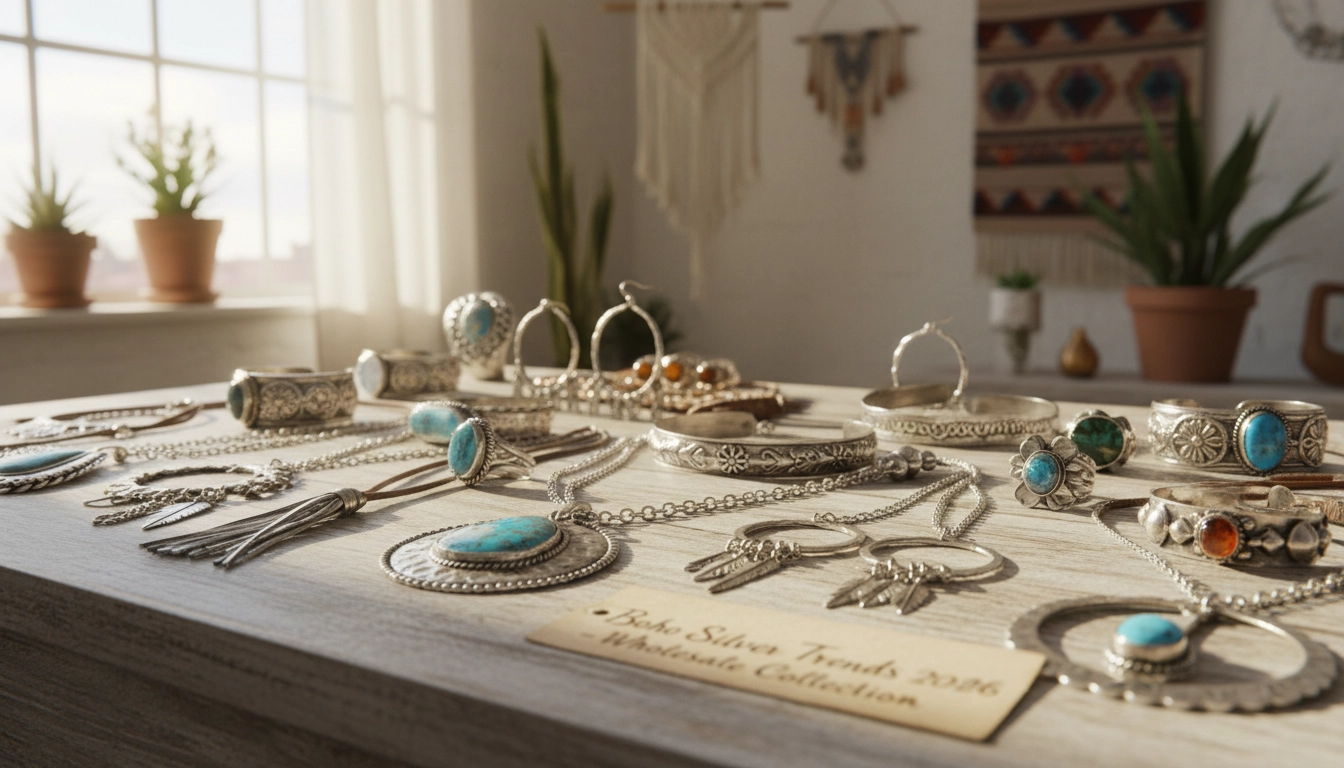
7 High-Margin Trends Every Boho Silver Jewelry Wholesale Collection Needs Right Now
Prdoucts Categories
Question you may concern
Products
Do you offer free sample for quality check?
Sample order is welcome, but sample fee need to be paid. It will be deducted when you place an bulk order.
What is your minimum order quantity?
We offer low MOQ from 2 to 30 depending on models. Send your favor model to get details from Trade Manager.
FAQs
How long does it take for the product to fade?
The normal electroplating quality color retention time of our products is 5 times longer than the market, and the thicker electroplating can retain color for three years.
Do you do customer design?
Do you do customer design? Yes,we are good at this way.Most of our customer do their customize.And we have cooperate with them when they are new brand, but now they become the top sell on Amazon, more than 32,000 five star comment.
Can I see your product test report?
Of course.Our product throught standar test like SGS.We test in many ways of product.
You may also like
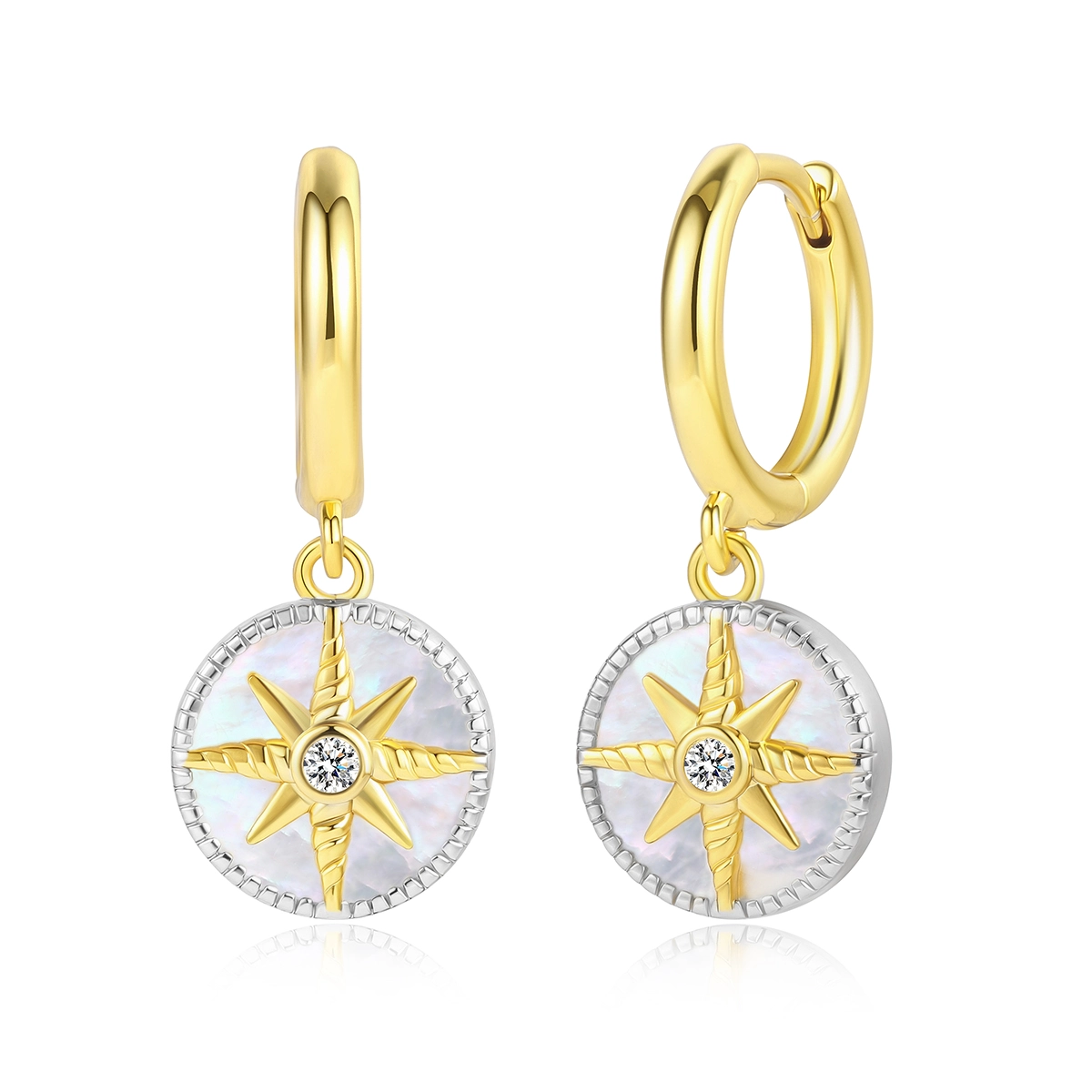
Brass Jewelry
Brass Mother of Pearl Compass Huggie Drop Earrings | 14K 18K Gold Plated Hypoallergenic Jewelry
Read More
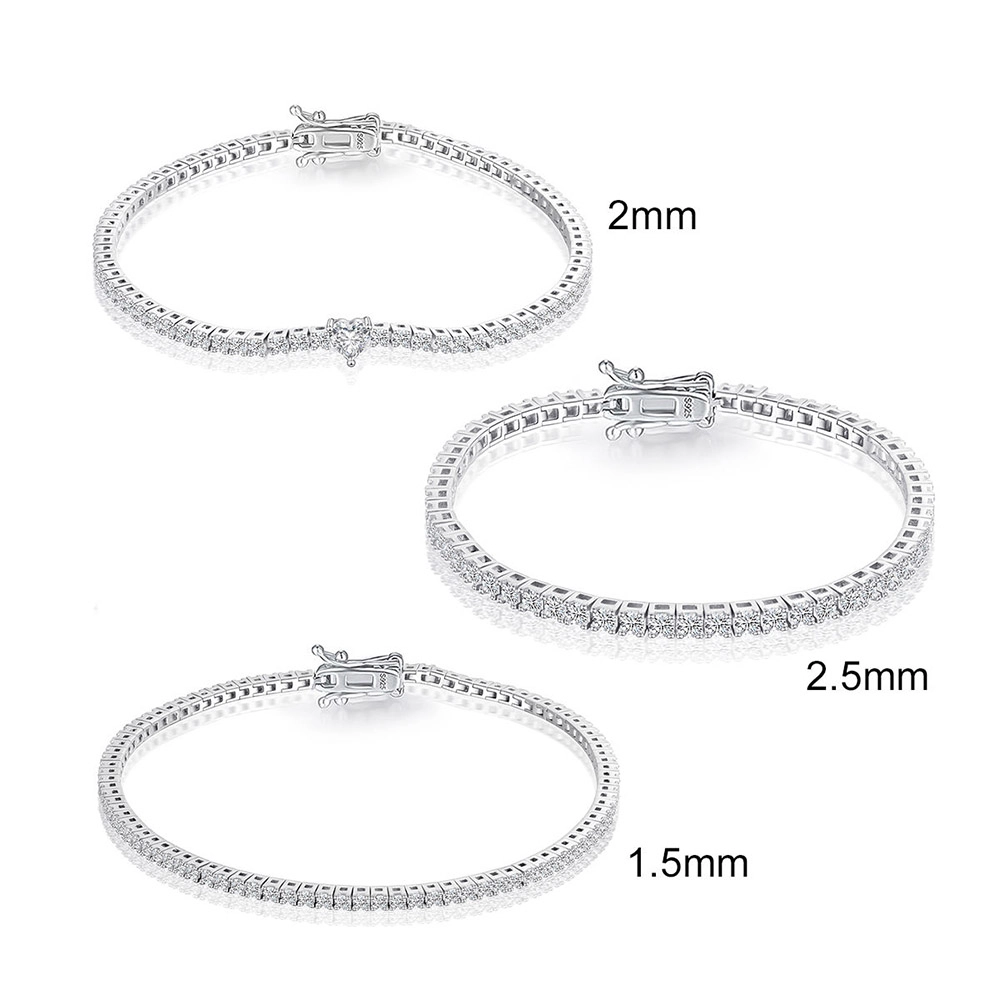
925 Silver Jewelry
Customizable High-Quality Fashion 925 Sterling Silver AAA Cubic Zirconia Heart-Shaped Open Tennis Bracelet.
Read More
Brass Jewelry
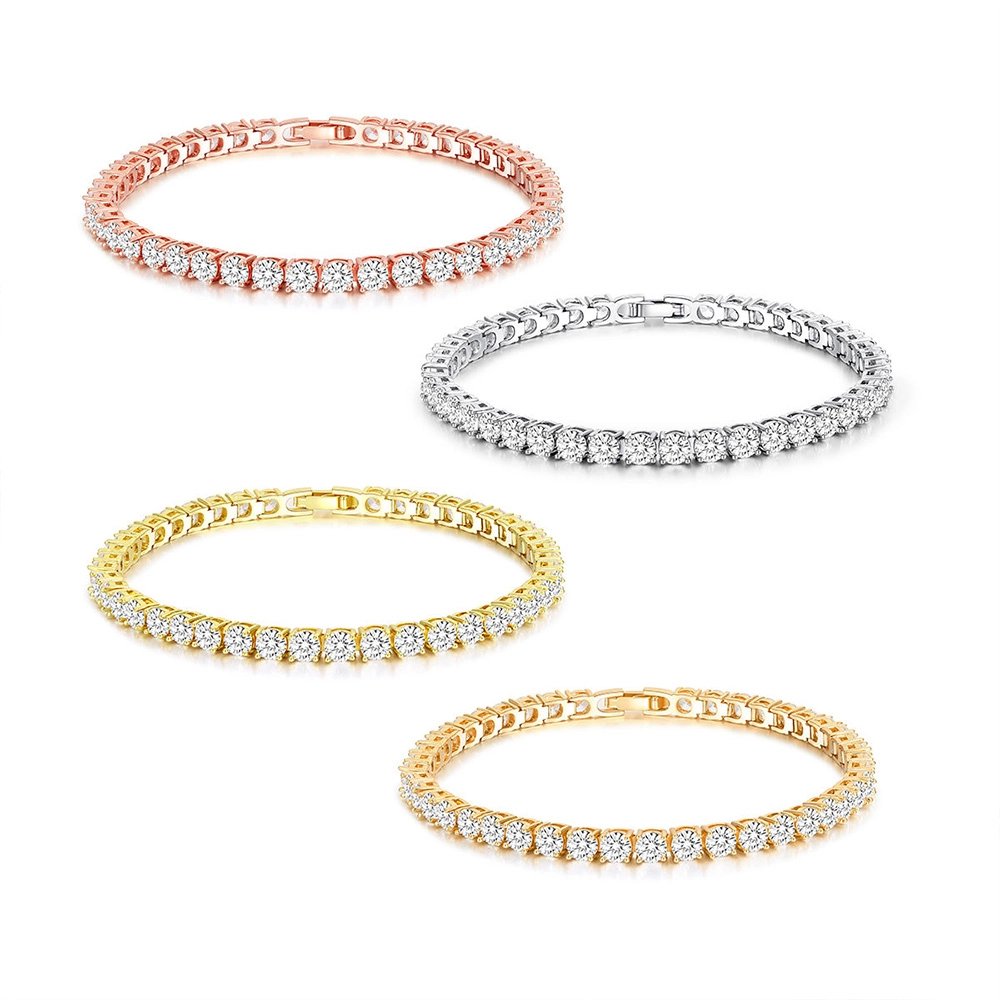
Customizable OEM ODM High-Quality Fashion Brass AAA Cubic Zirconia Classic Tennis Bracelet for Women Wholesale.
Read More
Get a Quote for Private Label Jewelry
We provide personalized jewelry customization services for clients worldwide.
Rest assured that your privacy is important to us, and all information provided will be handled with the utmost confidentiality.
By clicking 'Send Inquiry Now' I agree to ZHEFAN JEWELRY processing my personal data.
To see how to withdraw your consent, how to control your personal data and how we process it, please see our Privacy Policy and Terms of use.
From design to production, ZHEFAN JEWELRY offers a one-stop solution to help you enhance your brand value and market competitiveness.
Get A Quote
Contact
Tel: (+86) 188 1927 7817
© 2026 Zhefan Jewelry. All Rights Reserved.
Facebook
Instagram
YouTube
Whatsapp: +8618819277817