





Email: sales3@zhefanjewelry.com
Maximize Your Profit Margins: How to Secure the Best Deals from a Silver Engagement Rings Wholesale Supplier in 2026
A comprehensive B2B guide for retail jewelers on how to find, vet, and negotiate with top-tier 925 sterling silver engagement ring wholesale suppliers in 2026 to maximize retail profit margins.
- What is a Silver Engagement Rings Wholesale Supplier?
- Key Takeaways for Sourcing Wholesale Silver Rings
- Evaluating Quality: 925 Sterling Silver vs. Cheap Alloys
- How to Negotiate the Best Deals and Maximize Profit Margins
- Market Gaps: Silver Engagement Ring Trends for 2026 and Beyond
- Expert Tips: Common Mistakes When Buying Wholesale Jewelry Overseas
- Conclusion
- What is the standard MOQ for wholesale silver engagement rings?
- How can I verify that a wholesale supplier sells genuine 925 sterling silver?
- Are silver engagement rings profitable for retail jewelers?
- What are the hidden costs of importing wholesale jewelry from overseas?
- How do I negotiate lower prices with a silver ring manufacturer?
- Is rhodium plating necessary for wholesale silver rings?
- Can I request custom engagement ring designs from a wholesale supplier?
- What is the difference between direct manufacturers and wholesale distributors?
Navigating the competitive B2B jewelry market can be complex, but finding the right 925 sterling silver bulk supplier is the foundational step to scaling your retail business. In 2026, the jewelry industry is experiencing a massive shift. Driven by global economic changes and inflation, modern consumers are increasingly moving away from prohibitively expensive gold and platinum, actively seeking out premium alternatives. Your retail profit margins depend entirely on how effectively you can negotiate terms, assess product quality, and anticipate these shifting consumer trends. This comprehensive guide breaks down exactly how to secure the best long-term deals on wholesale engagement rings without ever sacrificing the quality your customers expect.
What is a Silver Engagement Rings Wholesale Supplier?
A silver engagement rings wholesale supplier is a B2B manufacturer or distributor providing bulk quantities of 925 sterling silver rings to retail jewelers.
Partnering with a reliable 925 sterling silver bulk supplier transforms the way a jewelry brand operates. Rather than crafting pieces one by one, retail jewelers tap into established supply chains that utilize industrial casting, setting, and polishing techniques. This economy of scale allows the supplier to offer tiered pricing models based on a Minimum Order Quantity (MOQ). By purchasing in bulk, the cost per unit plummets, creating a wider spread between the B2B acquisition cost and the final retail price.
The modern supply chain for precious metals has evolved significantly. Today's premier suppliers utilize cutting-edge 3D printing and precision casting technologies to ensure every single ring meets strict B2C retail standards before leaving the factory floor. By establishing a direct relationship with these entities, jewelers can bypass costly middlemen and regional distributors. Working with direct manufacturers also grants you access to specialized resources, such as CAD designers and gemologists, who can help you develop proprietary collections. Whether you are a boutique jeweler or a large-scale e-commerce brand, finding a vendor that aligns with your brand’s quality standards is essential for long-term growth.
- Core Function: A silver engagement rings wholesale supplier is a B2B manufacturer or distributor providing bulk quantities of 925 sterling silver rings to retail jewelers.
- Pricing Mechanics: They offer tiered pricing models based on Minimum Order Quantities (MOQ), which drastically lowers the cost per unit.
- Business Impact: Partnering with these suppliers allows businesses to source high-quality, affordable luxury jewelry efficiently while maximizing their retail profit margins.
Key Takeaways for Sourcing Wholesale Silver Rings
The most critical takeaways for sourcing wholesale silver rings include verifying the 925 hallmark, analyzing hidden shipping fees, negotiating through sample orders, and prioritizing ethical and sustainable sourcing to meet modern jewelry consumer demands.
Success in the wholesale jewelry sector requires a strategic approach to procurement. Buyers must look beyond the initial catalog price and evaluate the total landed cost, which includes freight, insurance, and import taxes. Furthermore, modern consumers demand transparency. If your supplier cannot provide proof of ethical labor practices or sustainable metal sourcing, you risk damaging your brand's reputation.
In an era of hyper-competitive e-commerce, the margin of error is virtually zero. Sourcing inferior inventory will result in high return rates and devastating online reviews that can sink a brand overnight. Conversely, establishing a highly collaborative relationship with a top-tier manufacturer allows you to restock best-sellers in record time. It is highly recommended to build a scorecard for every vendor you evaluate, grading them on communication speed, product consistency, and shipping reliability. Effective wholesale engagement ring negotiation is not just about aggressively haggling over pennies; it is about building a mutually beneficial relationship. Smart buyers use sample orders as leverage. By proving you are a serious buyer through a paid sample run, you establish trust, which can then be used to secure discounts or better payment terms on your first major bulk purchase.
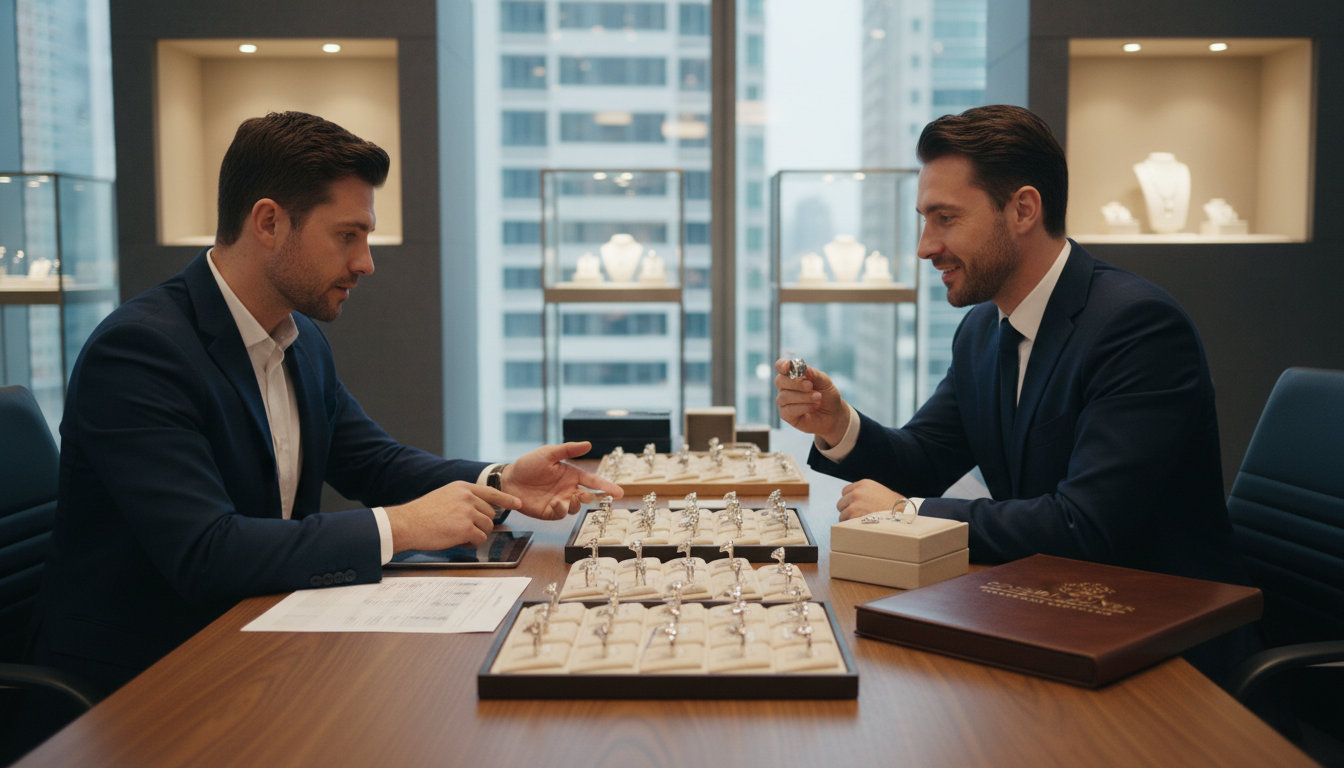
- Verification: Always verify the 925 sterling silver hallmark and request third-party material testing.
- Cost Analysis: Understand that the lowest price often hides shipping fees, customs duties, or inferior plating.
- Strategic Purchasing: Negotiation is expected; use sample orders to leverage better pricing on your first major bulk purchase.
- Consumer Alignment: Ethical and sustainable sourcing is no longer optional for engaging modern jewelry consumers.
Evaluating Quality: 925 Sterling Silver vs. Cheap Alloys
Evaluating jewelry quality requires understanding the critical difference between genuine 925 sterling silver and cheap silver-plated brass or copper alloys that tarnish quickly and lack the durability needed for long-lasting fine engagement rings.
When sourcing inventory, differentiating between genuine sterling silver and base metal imitations is critical. Pure silver (99.9%) is intrinsically too soft for functional jewelry. To achieve the necessary strength, it is alloyed with copper, creating the standard 92.5% purity ratio, as reported by Wikipedia. Cheap alternatives, however, often use a brass or copper core dipped in a microscopic layer of silver, which inevitably chips and turns the wearer's skin green.
A true engagement ring must withstand decades of daily wear, exposure to harsh hand sanitizers, and physical impacts. This is why material density matters. During your vetting process, always inquire about the factory's casting methods—vacuum casting often yields a denser, less porous silver piece than traditional methods. Furthermore, premium manufacturers apply a thick layer of rhodium over the sterling silver. Rhodium, a rare member of the platinum group, provides exceptional hardness and a brilliant white finish, as explained by Wikipedia. Sourcing bulk rhodium plated silver rings ensures your products look identical to expensive white gold while offering superior tarnish resistance. When evaluating the final product, pay close attention to the micro-pave settings; stones should be secured by meticulously folded prongs, not cheap jewelry glue.
- Material Integrity: The critical difference between genuine 925 sterling silver and silver-plated brass or copper.
- Surface Protection: Why heavy rhodium plating is essential for tarnish resistance in engagement jewelry.
- Craftsmanship: How to inspect prong settings and gemstone security in bulk manufacturing runs.
- Risk Mitigation: Requesting physical samples before committing to a high-volume silver jewelry B2B MOQ.
How to Negotiate the Best Deals and Maximize Profit Margins
To negotiate the best deals and maximize profit margins, retailers must calculate their target retail margin to establish a firm B2B buying ceiling before approaching a manufacturer to structure long-term, mutually beneficial purchasing agreements.
Mastering wholesale engagement ring negotiation is an art that requires preparation and market knowledge. Before you contact a supplier, you must know your numbers. Calculate your overhead, marketing costs, and desired net profit to determine the absolute maximum you can pay per unit. Armed with this data, you can negotiate with confidence.
If a factory's standard MOQ is 100 units per design, but you only want 30 to test a new style, offer to pay a 10% premium on the small batch, with the condition that the premium is credited toward a future large order if the product sells well. Remember that B2B manufacturers value consistent, predictable cash flow over one-off massive orders. You can often secure lower pricing by agreeing to an annual purchasing contract broken into quarterly shipments. This guarantees the factory steady work while protecting you from sudden spikes in the global spot price of silver. Do not be afraid to politely walk away if the terms do not align with your business model; there are always other suppliers hungry for your business. Additionally, you must factor in the logistics of global trade. Clarifying shipping responsibilities using standardized Incoterms is essential to avoid surprise fees, as detailed by Wikipedia.
- Financial Planning: Calculating your target retail margin to establish a firm B2B buying ceiling.
- Order Flexibility: Strategies for negotiating lower MOQs on your first order to test market demand.
- Volume Leveraging: Leveraging long-term contracts and seasonal forecasting to secure volume discounts.
- Logistics Mastery: Understanding Incoterms and negotiating favorable shipping and insurance rates.
Market Gaps: Silver Engagement Ring Trends for 2026 and Beyond
By 2026, the silver engagement ring market will be dominated by recycled 925 silver and the rising demand for lab-grown diamonds set in premium silver mountings, offering sustainable and affordable luxury to eco-conscious consumers.
The bridal jewelry landscape is shifting rapidly. Economic realities and a push for sustainability are driving younger demographics away from heavily mined, overpriced traditional gold rings. Instead, they are turning toward affordable luxury ring manufacturers who can deliver breathtaking aesthetics without the exorbitant price tag.
The stigma once associated with silver bridal jewelry has completely evaporated. Today, it is celebrated as an ethical, savvy choice. Furthermore, couples are opting to spend their savings on experiences—like luxury honeymoons or down payments on a home—rather than sinking tens of thousands of dollars into a single piece of jewelry. Recycled sterling silver is quickly becoming the industry standard, allowing brands to market their rings as zero-impact. Simultaneously, the integration of lab-grown diamonds into silver settings bridges the gap between high-end diamond sparkle and budget-friendly metal. Retailers who align with suppliers capable of rapid CAD prototyping and custom ODM (Original Design Manufacturing) services will capture a massive share of this emerging market by appealing directly to the financial pragmatism of the modern couple.
- Eco-Friendly Metals: Why recycled 925 silver is projected to dominate the wholesale engagement ring market by 2026.
- Stone Preferences: The rising demand for lab-grown diamonds set in premium silver mountings.
- Agile Production: How to partner with suppliers offering rapid B2B customization and CAD design services.
- Economic Adaptation: Capitalizing on the 'affordable luxury' boom amid shifting global economic realities.
Expert Tips: Common Mistakes When Buying Wholesale Jewelry Overseas
The most common mistakes when buying wholesale jewelry overseas include failing to account for hidden import taxes, relying solely on digital catalog images without ordering physical samples, and ignoring the supplier's ethical labor certifications.
Sourcing from international suppliers can drastically improve your margins, but it comes with distinct risks. A recurring nightmare for new jewelers is calculating profit margins based solely on the FOB (Free on Board) factory price, completely forgetting to factor in customs duties, freight forwarding fees, and fluctuating currency exchange rates. Ignorance of international trade law is not a valid defense when your shipment gets held up at the border. Working with an experienced customs broker is highly recommended for your first few international bulk orders.
Another major pitfall is blind trust. Digital renderings can be easily manipulated to look flawless. Always demand a physical sample to inspect the weight, the polish, and the durability of the prongs. Failing to account for cultural holidays—such as the Lunar New Year in Asia—can result in catastrophic manufacturing delays right before the lucrative Valentine’s Day or summer wedding seasons. Always pad your inventory timeline by at least three to four weeks. Finally, overlooking a factory’s labor practices can lead to devastating PR crises. Ensure your supplier complies with international environmental and ethical labor standards before placing your silver jewelry B2B MOQ order.
- Financial Oversights: Failing to account for hidden import taxes, customs duties, and fluctuating exchange rates.
- Quality Control Failures: Relying solely on digital catalog images without ordering a physical sample batch.
- Compliance Risks: Ignoring the supplier's ethical labor certifications and environmental compliance.
- Supply Chain Delays: Misunderstanding lead times and failing to plan for peak bridal season inventory shortages.
Conclusion
Securing a reliable wholesale supplier requires diligent vetting, rigorous quality testing, and strategic negotiation. The global market is filled with opportunities, but only the most prepared retail jewelers will successfully capitalize on them. By focusing on premium 925 sterling silver, ethical manufacturing practices, and emerging market trends like lab-grown diamonds, retail jewelers can significantly boost their bottom line while delighting their customer base. A well-negotiated B2B relationship minimizes your financial risk, stabilizes your supply chain, and ensures a steady supply of affordable luxury products that resonate with modern buyers.
Contact us today to optimize your wholesale silver engagement rings strategy and scale your retail business.
What is the standard MOQ for wholesale silver engagement rings?
MOQs generally range from 30 to 100 pieces per design, depending on the manufacturer. Some suppliers offer lower MOQs for first-time buyers or in-stock items.
How can I verify that a wholesale supplier sells genuine 925 sterling silver?
Look for the authentic '925' or 'Sterling' hallmark stamped on the inner band. Request independent laboratory material testing reports or metallurgical certifications.
Are silver engagement rings profitable for retail jewelers?
Yes, silver rings offer excellent margins due to low B2B acquisition costs. They appeal to a massive demographic seeking affordable luxury and travel rings.
What are the hidden costs of importing wholesale jewelry from overseas?
Hidden costs often include customs duties, import taxes, and international freight insurance. Currency exchange rate fluctuations and bank wire transfer fees can also impact final costs.
How do I negotiate lower prices with a silver ring manufacturer?
Offer to sign a long-term purchasing agreement in exchange for tiered volume discounts. Consolidate your orders to increase the total purchase value and leverage better rates.
Is rhodium plating necessary for wholesale silver rings?
Rhodium plating is highly recommended as it prevents the natural tarnishing of sterling silver. It also gives the silver ring a brilliant, bright white finish identical to white gold or platinum.
Can I request custom engagement ring designs from a wholesale supplier?
Many top-tier wholesale suppliers offer OEM and ODM services for custom jewelry. You will typically need to pay a mold fee and meet a higher MOQ for exclusive designs.
What is the difference between direct manufacturers and wholesale distributors?
Direct manufacturers produce the rings in-house, offering lower prices but higher MOQs. Distributors buy from manufacturers and resell to retailers, offering convenience and lower MOQs at a slightly higher markup.
Tags
mother of pearl heart pendant necklace
mother of pearl heart pendant necklace
925 sterling silver men's jewelry sets wholesale
925 sterling silver men's jewelry sets wholesale
custom sizes brass tennis bracelet OEM
custom sizes brass tennis bracelet OEM
925 sterling silver CZ jewelry sets wholesale
925 sterling silver CZ jewelry sets wholesale
wholesale 925 sterling silver jewelry sets
wholesale 925 sterling silver jewelry sets
cremation urn pendant wholesale
cremation urn pendant wholesale
Recommended for you
Why choose Zhefan Jewelry as your stainless steel charm bracelets supplier
OEM/ODM custom charm bracelets Manufacturers and Suppliers
![15 Best Private Label Sterling Silver Bracelet Manufacturers [2026 Verified List] - Zhefan Jewelry](https://static.gooecloud.com/upload/img/ai-image/15-best-private-label-sterling-silver-bracelet-manufacturers-2026-verified-list.png?x-oss-process=image/format,webp/quality,Q_100 "15-Best-Private-Label-Sterling-Silver-Bracelet-Manufacturers-[2026-Verified-List] - Zhefan Jewelry")
15 Best Private Label Sterling Silver Bracelet Manufacturers [2026 Verified List]
OEM/ODM stainless steel mens rings Manufacturers and Suppliers
Prdoucts Categories
Question you may concern
FAQs
Can I get a sample?
Yes,welcome to choose our sample to test and check quality.Please give me your address and number then send you payment list.
What’s the shipment method?How long does it take for delivery?
Our product distributed to all over the world. Shipped by DHL/Fedex/ TNT/UPS takes 3-7 days,Epacket takes 7-15 days, China Post takes 15-30 days.
How long does it take for the product to fade?
The normal electroplating quality color retention time of our products is 5 times longer than the market, and the thicker electroplating can retain color for three years.
Products
How long will the plating color last?
Generally 6 month for Water Plated color , 1 - 2 years for vacuum plated color if in proper wearing.
What's themonthly production capacity?
600,000 pcs per month.
You may also like
Brass Jewelry
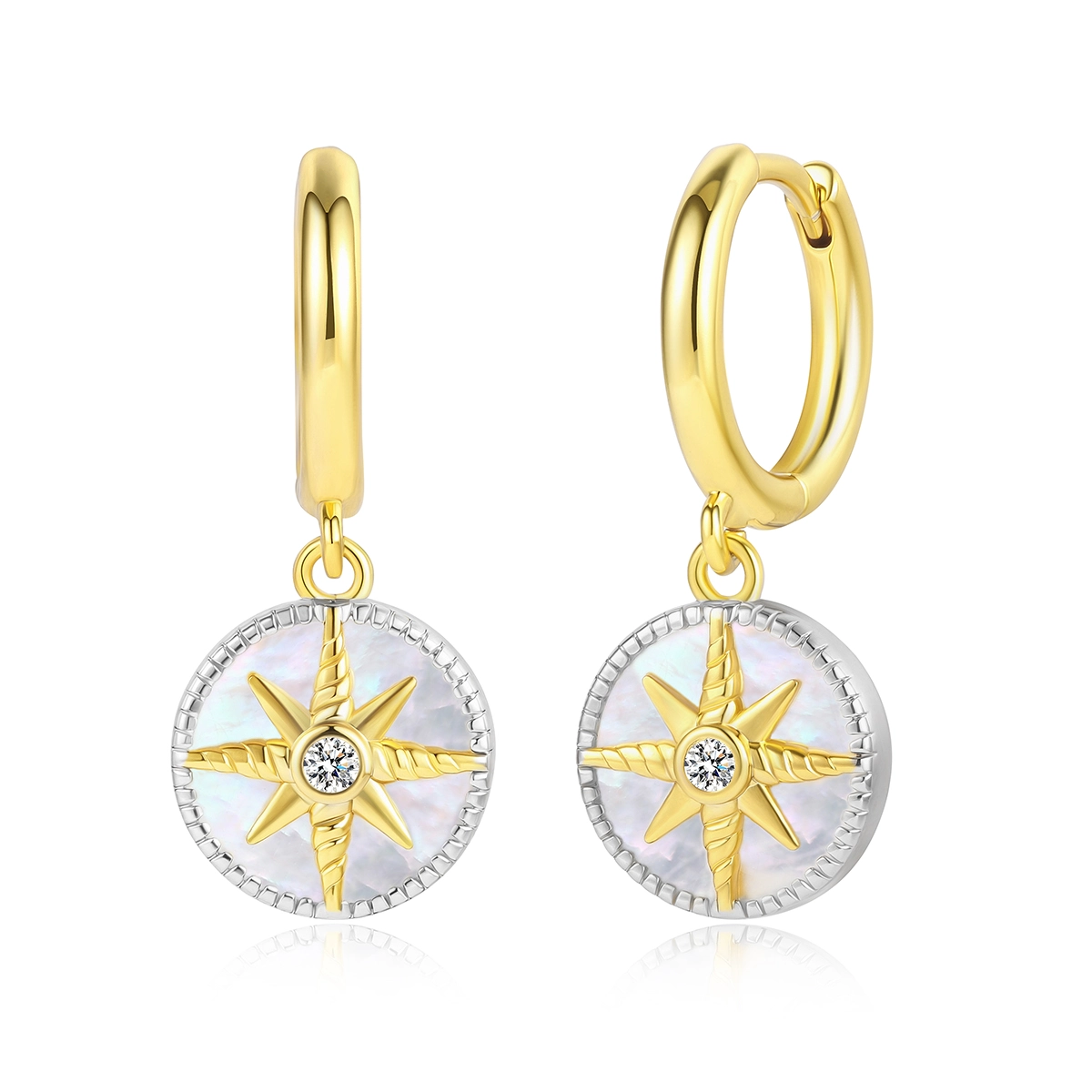
Brass Mother of Pearl Compass Huggie Drop Earrings | 14K 18K Gold Plated Hypoallergenic Jewelry
Read More
925 Silver Jewelry
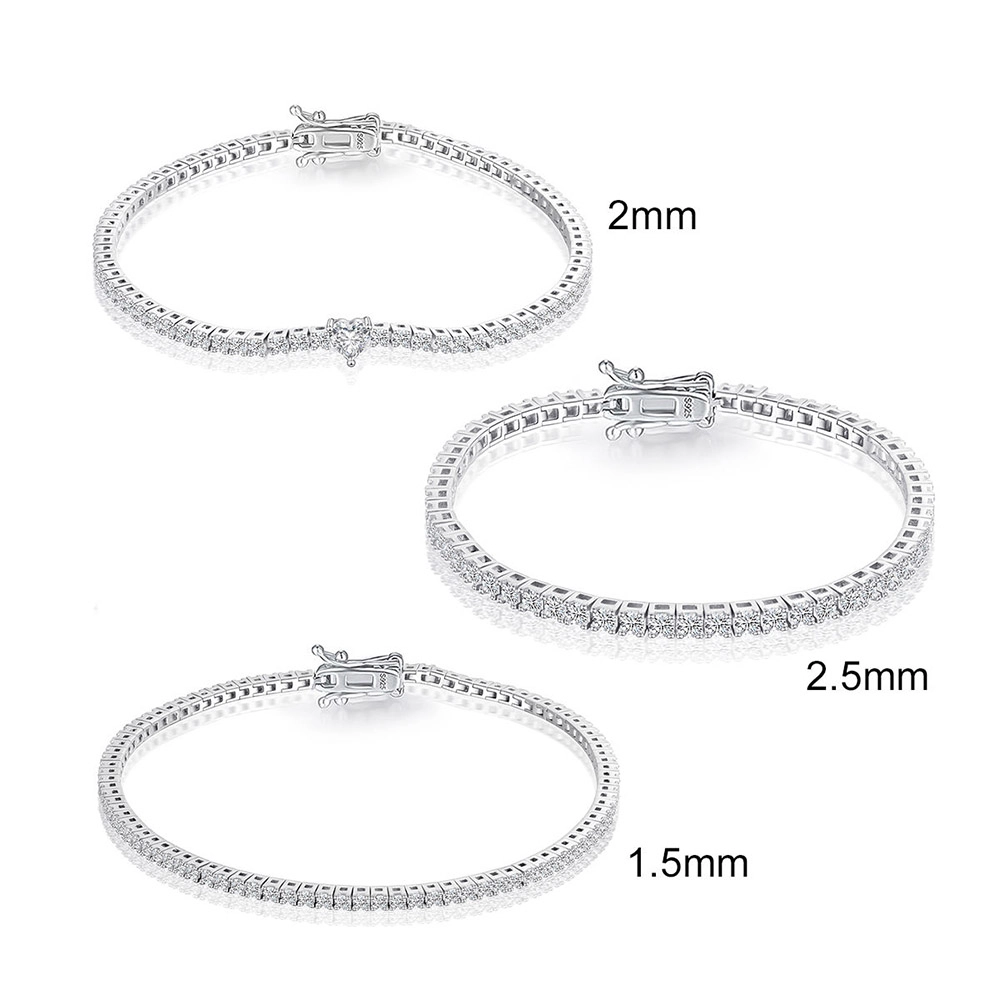
Customizable High-Quality Fashion 925 Sterling Silver AAA Cubic Zirconia Heart-Shaped Open Tennis Bracelet.
Read More
Brass Jewelry
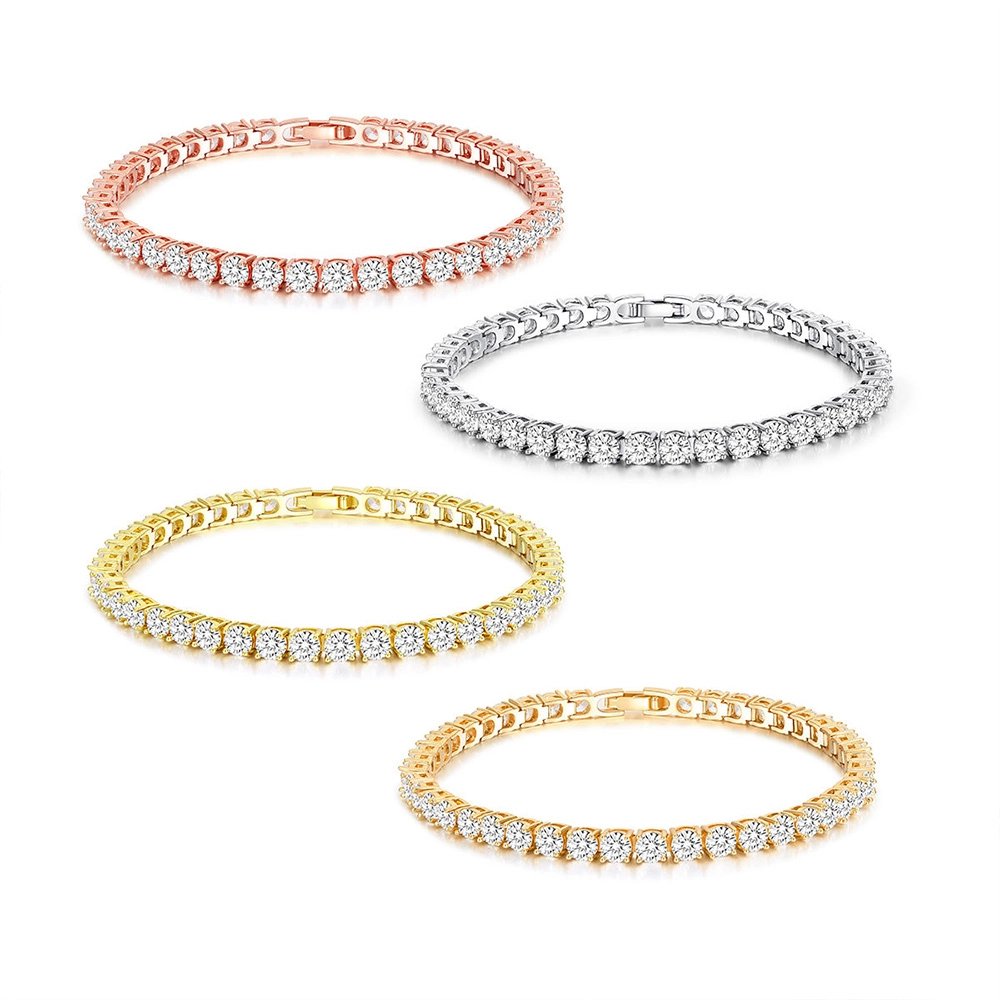
Customizable OEM ODM High-Quality Fashion Brass AAA Cubic Zirconia Classic Tennis Bracelet for Women Wholesale.
Read More
Get a Quote for Private Label Jewelry
We provide personalized jewelry customization services for clients worldwide.
Rest assured that your privacy is important to us, and all information provided will be handled with the utmost confidentiality.
By clicking 'Send Inquiry Now' I agree to ZHEFAN JEWELRY processing my personal data.
To see how to withdraw your consent, how to control your personal data and how we process it, please see our Privacy Policy and Terms of use.
From design to production, ZHEFAN JEWELRY offers a one-stop solution to help you enhance your brand value and market competitiveness.
Get A Quote
Contact
Tel: (+86) 188 1927 7817
© 2026 Zhefan Jewelry. All Rights Reserved.
Facebook
Instagram
YouTube
Whatsapp: +8618819277817