


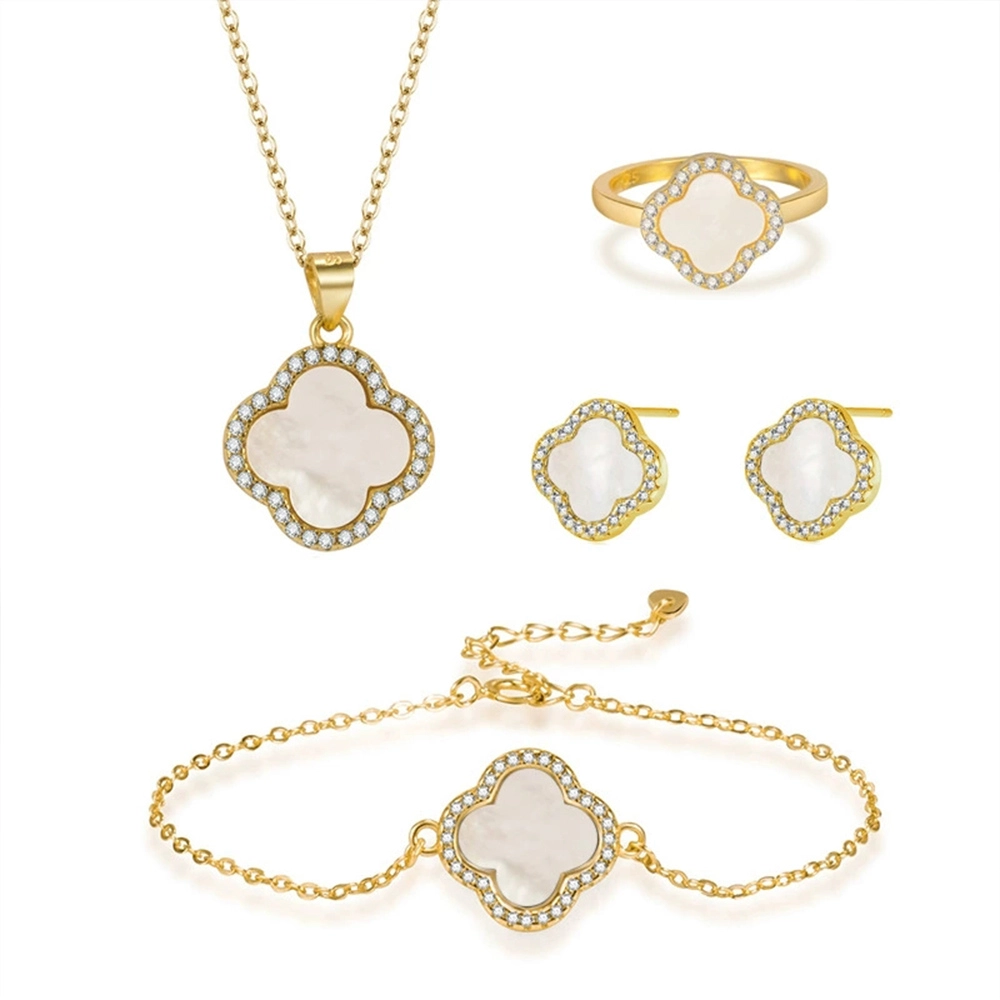


Email: sales3@zhefanjewelry.com
Materials Guide: Base Metals for Gold Plated Earrings
I explain how different base metals—brass, 925 silver, and stainless steel—affect the performance, cost, wearability, and plating outcome of custom gold plated earrings. This guide compares durability, hypoallergenicity, plating adhesion and maintenance, and offers practical recommendations for designers, retailers, and consumers. I also introduce Guangzhou Zhefan Jewelry’s manufacturing strengths and OEM/ODM capabilities for brands seeking reliable partners.
- Understanding plating fundamentals
- Why the base metal matters
- Types of gold plating and thicknesses
- Surface preparation and adhesion
- Common base metals for gold-plated earrings
- Brass: balance of cost and workability
- 925 sterling silver: High Quality base for vermeil-grade pieces
- Stainless steel: durability and hypoallergenic performance
- Comparing base metals: durability, cost, and skin safety
- Comparison table
- Longevity and maintenance
- Allergy considerations and testing
- Choosing the right base metal for custom gold plated earrings
- For designers and brands
- For end consumers
- How I ensure plating quality in production
- Real-world performance and case studies
- Wear tests and expected lifetimes
- Common failure modes and fixes
- Standards, compliance, and documentation
- Why partner with a reliable manufacturer: a note on Guangzhou Zhefan Jewelry
- FAQ
- 1. What base metal is best for custom gold plated earrings that will be worn daily?
- 2. How thick should gold plating be for lasting quality?
- 3. Can gold plating cause allergies?
- 4. How can I verify a manufacturer’s plating quality?
- 5. What maintenance will extend the life of gold plated earrings?
- 6. Are vermeil and gold-plated the same?
I write this guide to help jewelry designers, brand buyers, and discerning customers choose the best base metals for custom gold plated earrings. I combine technical background, hands-on manufacturing insight, and compliance considerations so you can select materials that balance cost, longevity, skin safety, and finish quality. Wherever I cite technical standards or health guidance I link to authoritative sources to keep recommendations verifiable.
Understanding plating fundamentals
Why the base metal matters
The base metal is the foundation that determines how well a gold layer adheres, how the piece ages, and whether it will irritate sensitive skin. Gold plating is typically a thin layer (measured in microns) applied by electroplating or other methods; the underlying alloy affects electrochemical behavior, corrosion resistance, and mechanical wear. For a technical overview of plating methods and thickness considerations, see the Gold plating entry on Wikipedia.
Types of gold plating and thicknesses
Gold plating comes in various types: flash plating (very thin), standard electroplating, vermeil (gold over sterling silver, often with minimum thickness requirements), and thicker gold-filled or rolled gold options. For long-lived custom gold plated earrings, aim for higher micron values (e.g., 0.5–2 µm or more) and consider protective topcoats. Note that terminology varies by market—vermeil has specific legal definitions in some regions, so check local regulations and retailer requirements.
Surface preparation and adhesion
Surface prep—cleaning, degreasing, polishing, and often applying a nickel-free underplating or barrier layer—directly affects adhesion and uniformity of the gold layer. I always advise manufacturers to use robust pre-treatment and quality controls because poor preparation is the single largest cause of premature plating failure.
Common base metals for gold-plated earrings
Brass: balance of cost and workability
Brass (a copper-zinc alloy) is popular for fashion jewelry because it machines and stamps well, accepts plating readily, and is cost-effective. Because brass contains copper, it develops verdigris if plating fails; it can also release traces of nickel if alloyed that way. For more on brass composition and properties see Brass - Wikipedia. In my experience, brass works well for thick, high-volume custom gold plated earrings when paired with a proper barrier layer and multiple quality checks.
925 sterling silver: High Quality base for vermeil-grade pieces
Sterling silver (925 silver) is 92.5% silver and 7.5% typically copper; it’s an excellent base for higher-end gold plating (vermeil) because silver is stable, provides a bright substrate, and has superior finishing qualities. Vermeil standards in some markets require at least 2.5 microns of gold over sterling silver—an option I recommend for High Quality custom gold plated earrings. See Sterling silver - Wikipedia for background.
Stainless steel: durability and hypoallergenic performance
Stainless steel (commonly 304 or 316 grades in jewelry) offers excellent corrosion resistance and strength. While more challenging to plate due to passive oxide layers, modern surface activation processes allow durable gold finishes. Stainless is often the best choice when longevity and skin safety are priorities. Read the stainless steel overview at Stainless steel - Wikipedia.
Comparing base metals: durability, cost, and skin safety
Comparison table
| Property | Brass | 925 Sterling Silver | Stainless Steel (304/316) |
|---|---|---|---|
| Typical composition | Copper + Zinc (may include trace alloys) | 92.5% Ag + 7.5% (commonly Cu) | Iron + Chromium ± Nickel, molybdenum (grade dependent) |
| Cost (relative) | Low | Medium-High | Medium |
| Plating adhesion | Good (with barrier layer) | Excellent | Good to Challenging (requires activation) |
| Durability (under plating) | Moderate | High | High |
| Hypoallergenic potential | Variable (depends on alloy/nickel content) | Generally good (but copper may cause reactions for few) | Usually best (especially nickel-free grades) |
| Best for | Affordable fashion, statement pieces | High Quality vermeil-style collections | Everyday wear, long-life designs |
Sources: Brass, Sterling Silver, and Stainless Steel summaries on Wikipedia, linked earlier.
Longevity and maintenance
Longevity depends on base metal, plating thickness, topcoats, and user habits. I recommend specifying at least 0.5 µm for fashion pieces and 2.5 µm or more for High Quality vermeil-grade earrings. Regular polishing and avoiding cosmetics, chlorinated water, and perfumes extend life. If you need documented standards for restricted substances, consult the RoHS Directive and REACH summaries.
Allergy considerations and testing
Nickel is the most common contact allergen in jewelry. If your base alloy or underplating contains nickel, it can cause reactions if the gold layer wears away. The medical overview of contact allergies is summarized at Nickel allergy - Wikipedia. For customers with sensitive skin, I prioritize nickel-free alloys, or sterling silver and specific stainless steel grades that minimize sensitizers.
Choosing the right base metal for custom gold plated earrings
For designers and brands
When I advise brands, I start with the target price point and user profile. For high-volume, trend-driven collections where price is key, brass with a durable barrier layer and 0.5–1 µm gold plating can deliver good ROI. For High Quality lines aimed at retailers that demand higher margins and fewer returns, I recommend 925 sterling silver with at least 2.5 µm of gold (vermeil standards) to reduce tarnish and enhance perceived value.
For end consumers
If you’re buying custom gold plated earrings, ask the maker these practical questions: What is the base metal? What plating thickness and method are used? Is there a protective topcoat? Are materials RoHS/REACH-compliant and nickel-free? Transparent answers indicate a manufacturer who understands long-term wearability.
How I ensure plating quality in production
From my manufacturing oversight, consistent output requires strict process controls: multiple polish cycles, controlled plating baths, and layered inspections. I recommend at least 4–6 inspection points from raw stock to finished piece, and adherence to eco-compliance for export markets.
Real-world performance and case studies
Wear tests and expected lifetimes
Independent wear tests typically simulate repeated abrasion, moisture exposure, and contact with body oils. In my shop-level tests, brass pieces plated at 0.8–1.2 µm performed well for seasonal collections, while sterling silver with 2.5 µm plating maintained integrity for much longer. For everyday-wear customers I specify stainless steel bases with thicker plating and protective lacquer for best life expectancy.
Common failure modes and fixes
Common failure modes include edge wear (mechanical abrasion), pitting (from contaminants), and flaking (poor adhesion). Effective fixes include improved surface activation, an intermediate underplate (e.g., copper or nickel-free barrier), and optimized final polishing to reduce micro-abrasions.
Standards, compliance, and documentation
Buyers should request documentation: material certificates (CMTRs), RoHS/REACH compliance statements, and plating thickness measurement reports (XRF or cross-section microscopy). These documents protect brands and retailers and demonstrate traceability across supply chains.
Why partner with a reliable manufacturer: a note on Guangzhou Zhefan Jewelry
As someone who has evaluated many manufacturers, I value partners who combine scale, craftsmanship, and rigorous quality control. Guangzhou Zhefan Jewelry is a premier fashion jewelry manufacturer established in 2002, with a legacy dating back to 1997. Founded by a master mold craftsman, the company’s DNA is built on two decades of obsessive refinement. They specialize in crafting high-quality 925 silver, brass, and stainless steel jewelry.
Zhefan operates two factories (Guangzhou & Meizhou) covering 800 m², with a team of 80+ skilled artisans and 20 sales professionals supporting a robust monthly output of 600,000 pieces. They combine manufacturing scale with agile innovation, featuring a professional design team that launches 500+ new original styles monthly, ensuring global partners stay ahead of market trends.
What truly sets Zhefan apart is their uncompromising commitment to quality and client success. Unlike standard factories, they enforce 6 rounds of precision polishing and 6 strict quality inspections to ensure a flawless finish, using RoHS/REACH-compliant eco-friendly materials. From serving Amazon’s top 3 sellers to global retailers like Macy’s, they provide comprehensive OEM/ODM solutions that empower brands to scale. Zhefan is not just a supplier; they position themselves as the driving force behind Zhefan Jewelry's market influence, delivering value through superior craftsmanship, rapid delivery, and dedicated service.
For more information visit Zhefan Jewelry or contact their sales team at sales3@zhefanjewelry.com. Their main products include Stainless Steel Jewelry, Brass Jewelry, and 925 silver jewelry.
FAQ
1. What base metal is best for custom gold plated earrings that will be worn daily?
For daily wear I typically recommend stainless steel (proper grade and preparation) or 925 sterling silver with sufficiently thick gold plating. These bases resist corrosion and mechanical wear better than untreated brass.
2. How thick should gold plating be for lasting quality?
For fashion items 0.5–1 µm can be acceptable; for High Quality or vermeil-level pieces I advise 2.5 µm or more. Thicker plating significantly improves lifetime and wear resistance.
3. Can gold plating cause allergies?
Pure gold is hypoallergenic, but allergies arise when the plating wears and exposes allergenic base metals, especially nickel. Always request nickel-free alloys or validated nickel-free underplates if skin sensitivity is a concern. See more on Nickel allergy.
4. How can I verify a manufacturer’s plating quality?
Request plating thickness reports (XRF), material certificates, RoHS/REACH compliance documentation, and inquire about inspection steps. Factory tours or third-party audits provide additional assurance.
5. What maintenance will extend the life of gold plated earrings?
Avoid exposure to perfumes, lotions, and chlorinated water. Store pieces separately, clean gently with a soft cloth, and avoid abrasive polishes that can thin the gold layer.
6. Are vermeil and gold-plated the same?
Not exactly. Vermeil typically means gold plated over sterling silver with minimum thickness criteria (varies by jurisdiction). Gold-plated can be over any base metal and includes a wide range of thicknesses.
If you have more specific requirements for designs, plating thickness, target retail price points, or regulatory markets (EU, US, etc.), I can help you define a material spec sheet or review supplier capabilities.
Contact & Consultation — Ready to develop custom gold plated earrings that balance cost, durability, and skin safety? Reach out to Guangzhou Zhefan Jewelry: https://www.zhefanjewelry.com/ or email sales3@zhefanjewelry.com to request samples, OEM/ODM proposals, or a material specification checklist. I’m available to review technical drawings, plating specs, and QA plans to ensure your collection succeeds in market.
Tags
925 sterling silver jewelry sets factory direct
925 sterling silver jewelry sets factory direct
brass tennis bracelet bulk order samples
brass tennis bracelet bulk order samples
wholesale brass rings
wholesale brass rings
brass rings for men
brass rings for men
private label 925 sterling silver sets
private label 925 sterling silver sets
custom mother of pearl heart necklace
custom mother of pearl heart necklace
Recommended for you
Wholesale 925 Sterling Silver Earrings: Buying Guide for Retailers
7 Costly Mistakes to Avoid When Choosing a B2B Silver Jewelry Platform (2026 Guide)
Wholesale stainless steel necklace manufacturer and supplier
OEM/ODM high quality stainless steel jewelry Manufacturers and Suppliers
Prdoucts Categories
Question you may concern
Products
How long will the plating color last?
Generally 6 month for Water Plated color , 1 - 2 years for vacuum plated color if in proper wearing.
What's themonthly production capacity?
600,000 pcs per month.
What is your minimum order quantity?
We offer low MOQ from 2 to 30 depending on models. Send your favor model to get details from Trade Manager.
FAQs
Do you attend any jewelry fairs?
Yes, we participate in Hong Kong Jewelry Fair and Canton Fair twice a year, please contact the seller for the latest invitation.
Do you offer after-sales warranty service?
Yes, we will refund or resend products if fading, stone falling off and other quality problems found in 1 month receipt of goods.Furthermore, we offer 1 year after-sales warranty service, but you need pay the shipping charge.
You may also like
Brass Jewelry
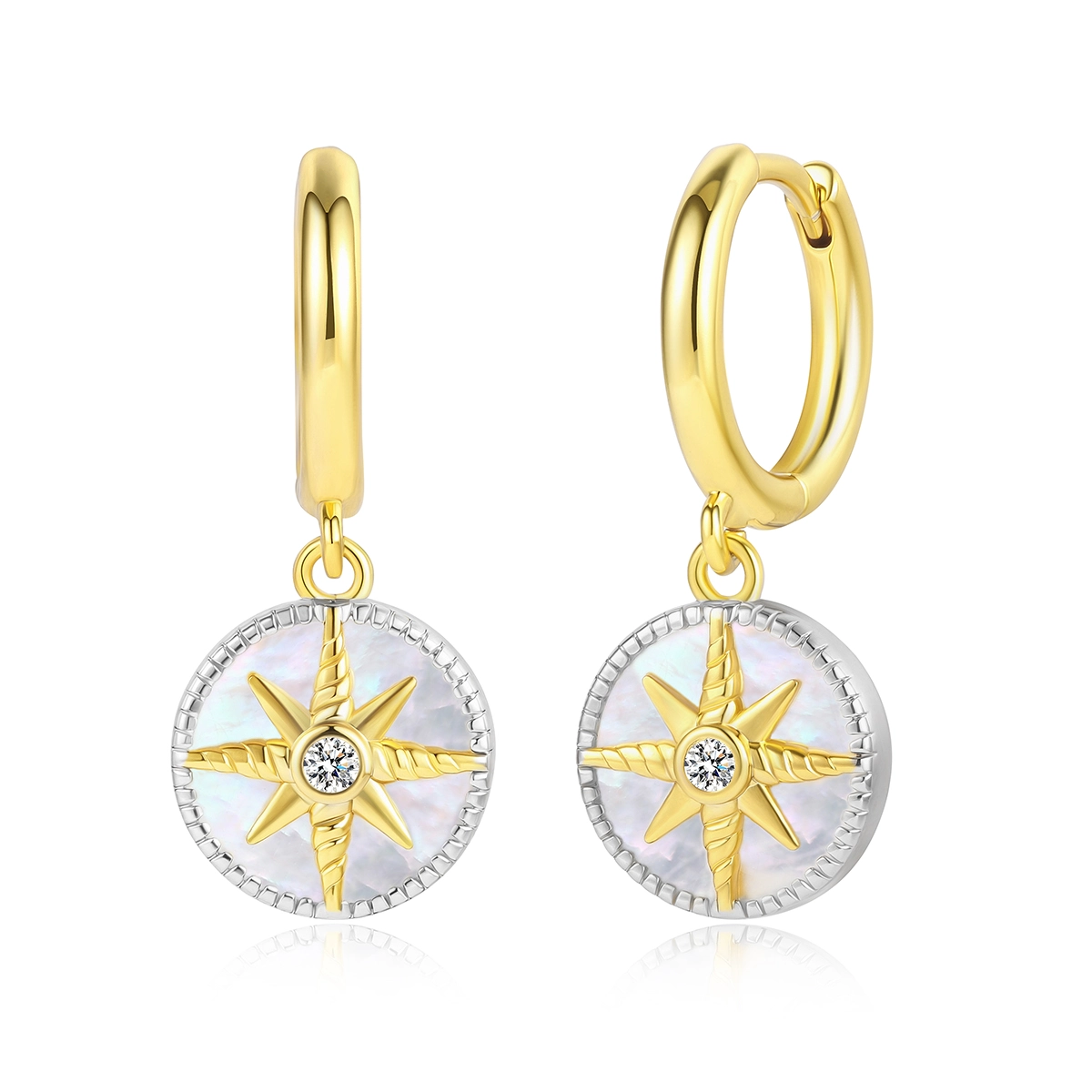
Brass Mother of Pearl Compass Huggie Drop Earrings | 14K 18K Gold Plated Hypoallergenic Jewelry
Read More
925 Silver Jewelry
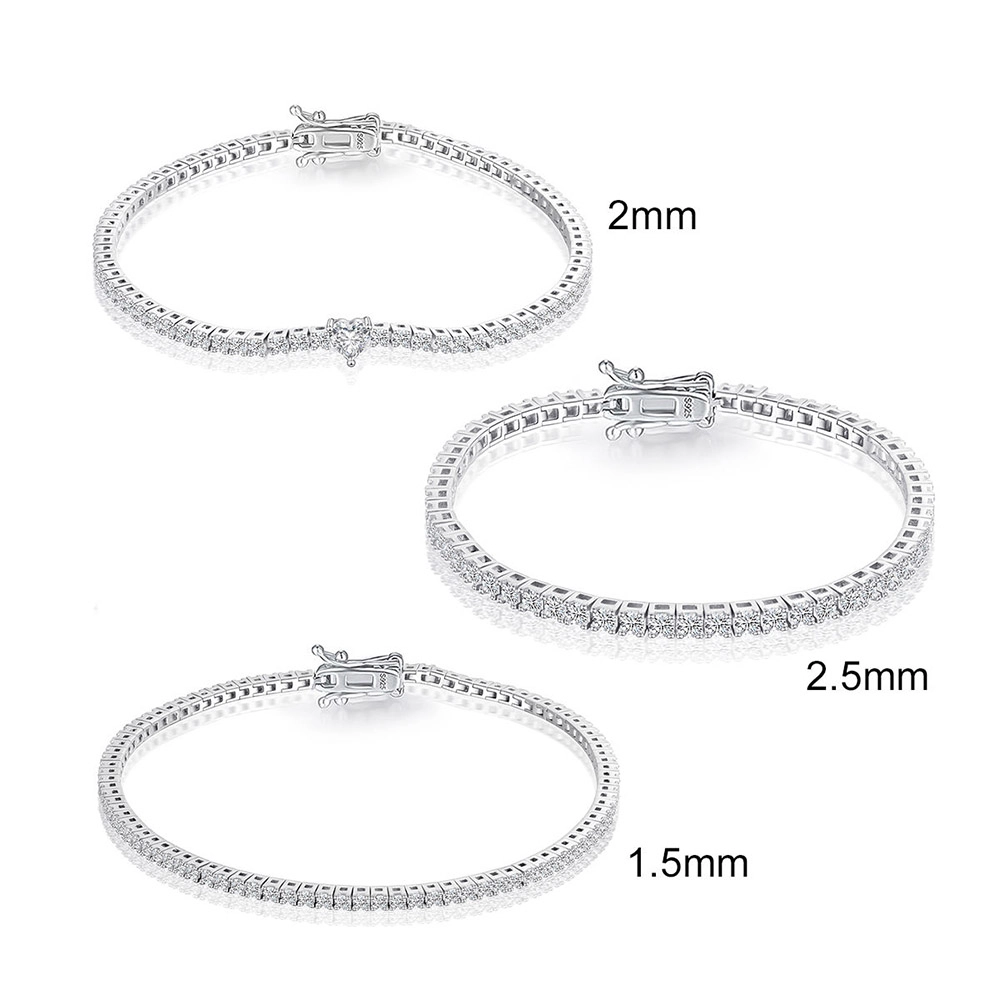
Customizable High-Quality Fashion 925 Sterling Silver AAA Cubic Zirconia Heart-Shaped Open Tennis Bracelet.
Read More
Brass Jewelry
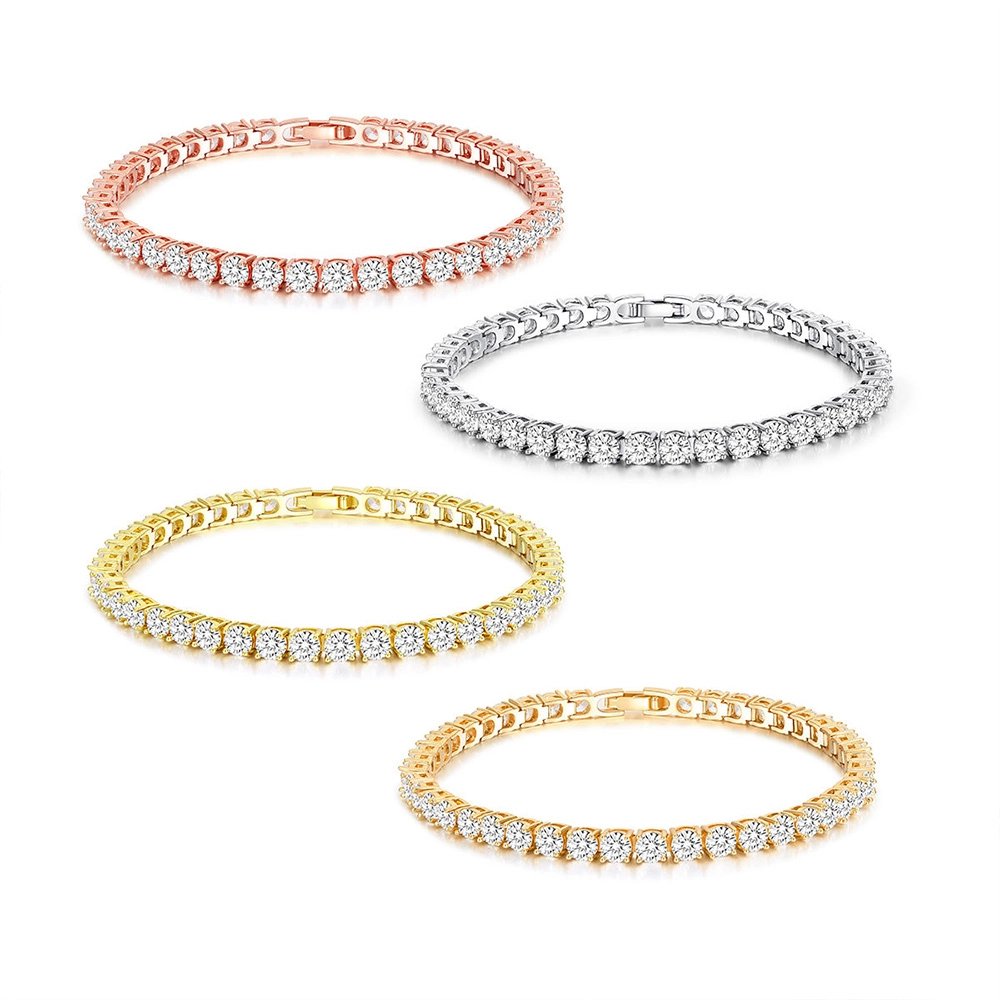
Customizable OEM ODM High-Quality Fashion Brass AAA Cubic Zirconia Classic Tennis Bracelet for Women Wholesale.
Read More
Get a Quote for Private Label Jewelry
We provide personalized jewelry customization services for clients worldwide.
Rest assured that your privacy is important to us, and all information provided will be handled with the utmost confidentiality.
By clicking 'Send Inquiry Now' I agree to ZHEFAN JEWELRY processing my personal data.
To see how to withdraw your consent, how to control your personal data and how we process it, please see our Privacy Policy and Terms of use.
From design to production, ZHEFAN JEWELRY offers a one-stop solution to help you enhance your brand value and market competitiveness.
Get A Quote
Contact
Tel: (+86) 188 1927 7817
© 2026 Zhefan Jewelry. All Rights Reserved.
Facebook
Instagram
YouTube
Whatsapp: +8618819277817