






Email: sales3@zhefanjewelry.com
Lead Times for Large Custom Brass Necklace Orders
As an experienced jewelry manufacturer advisor, I explain the realistic lead times for large custom brass necklace orders, breaking down prototyping, tooling, production, finishing and shipping. I provide industry-backed ranges, a comparative lead-time table, optimization strategies, and clear guidance on minimum order quantities, quality control, and expedited options. I also introduce Guangzhou Zhefan Jewelry’s manufacturing capabilities and why we are a partner of choice for scalable, compliant brass jewelry production.
- Understanding production timelines in jewelry manufacturing
- What ‘lead time’ actually includes
- How industry definitions and standards inform estimations
- Key variables that change timelines
- Breaking down lead time components for custom brass necklaces
- Design, sampling and prototyping
- Tooling and molds
- Mass production and finishing
- Quality control, packaging and shipping
- Typical lead-time scenarios (table)
- How to shorten lead times without sacrificing quality
- Design strategies and materials choices
- Supplier selection, MOQs and parallel workflows
- Expedited options and cost trade-offs
- Quality, compliance and documentation (non-negotiables)
- Material safety and testing
- Six-stage QC and inspection regimes
- Sustainability and responsible sourcing
- Why choose Guangzhou Zhefan Jewelry for large custom brass necklace orders
- Practical checklist before placing a large custom brass necklace order
- Specifications and acceptance criteria
- Agree on sampling and sign-off rules
- Plan logistics and contingency
- FAQ
- 1. How long does tooling for a custom brass necklace usually take?
- 2. Can a supplier start production before tooling is finalized?
- 3. What minimum order quantities (MOQs) should I expect?
- 4. How do plating choices affect lead time?
- 5. What documentation do I need for compliance when exporting brass jewelry?
- Final recommendations and next steps
I write from years of hands-on experience in jewelry manufacturing and sourcing. In this article I map the practical lead times you should expect for large custom brass necklace orders, explain the variables that lengthen or shorten production, and provide actionable steps to reduce delays while maintaining quality and regulatory compliance. I reference industry standards and regulatory resources to ensure the guidance is verifiable and aligned with best practices.
Understanding production timelines in jewelry manufacturing
What ‘lead time’ actually includes
When buyers ask about lead times, they typically want the number of calendar days from order placement to delivery. I prefer to break that total into stages: design & approval, prototyping & tooling, mass production, finishing & QA, packing, and shipping. Each stage has predictable tasks and risks. For a complex custom brass necklace, tooling and finishing often dominate the schedule.
How industry definitions and standards inform estimations
Manufacturing lead time is a supply chain concept covered in standard references like Investopedia's definition of lead time (Investopedia). Quality and compliance steps are governed by standards and regulations that impact schedules, for example ISO quality management practices (ISO 9001) and material safety regulations such as REACH (ECHA/REACH) and the EU RoHS directive (RoHS). These frameworks are non-negotiable when supplying major retailers and marketplaces and can add time to testing and documentation if not anticipated.
Key variables that change timelines
Complexity of design, finishing (e.g., multi-layer plating or hand-applied patina), tooling method (die-struck vs. cast vs. CNC), order volume, and seasonal capacity constraints all influence lead times. I’ve seen identical designs vary by several weeks across factories because of differing plating vendors, number of QC steps, or shipping port congestion.
Breaking down lead time components for custom brass necklaces
Design, sampling and prototyping
Design-to-sample typically takes 7–21 days. For jewelry, sampling often includes CAD model approval, 3D print or wax, and a first metal sample. If you require a high-fidelity production sample (cast or die-struck brass), expect the timeline to lean toward the longer end due to casting cycles and finishing. Early alignment on tolerances, plating thickness, and clasp/chain specs avoids iterative rounds that extend lead time.
Tooling and molds
Tooling is often the single largest schedule driver for custom brass necklaces. Simple dies or molds can take 7–20 days; multi-part precision tooling or master molds may require 20–45 days. Tooling cost and time scale with complexity (articulation, hollow elements, integrated settings). If you already have tooling or use existing dies, you can eliminate this stage entirely and shorten lead time substantially.
Mass production and finishing
Production duration depends on order size, process (casting vs. stamping), plating type (IP, PVD, electroplating), and post-process work (stone setting, hand polishing). Typical production windows:
- Small batch (100–1,000 pcs): 10–20 days
- Medium batch (1,000–10,000 pcs): 15–35 days
- Large batch (10,000+ pcs): 20–45+ days
Finishing and platings add 3–10 days depending on the number of layers and whether multi-stage electroplating or PVD is used. Each additional plating color or special coating (anti-tarnish, matte, enamel) increases cycle time and QC steps.
Quality control, packaging and shipping
QC and packing typically add 3–7 days. For high-volume orders destined for major retailers (Amazon, Macy’s), expect tighter inspection standards and documentation that can add time. Shipping choices—air vs. sea—determine final delivery: air freight generally takes 3–10 days; ocean freight can range 20–45 days depending on origin/destination and seasonal port congestion. These shipping ranges align with common freight timelines reported by major carriers and logistics sources.
Typical lead-time scenarios (table)
Below I summarize typical end-to-end lead-time ranges for custom brass necklace orders. These are industry-based ranges intended to help planning; exact times depend on design and supplier capacity.
| Order Size | Tooling (if new) | Production & Finishing | QC & Packing | Shipping (sea/air) | Typical Total |
|---|---|---|---|---|---|
| Small (100–1,000 pcs) | 7–20 days | 10–20 days | 3–5 days | Sea 20–40 / Air 3–7 | ~40–90 days (sea) / ~23–52 days (air) |
| Medium (1,000–10,000 pcs) | 10–30 days | 15–35 days | 3–7 days | Sea 20–40 / Air 3–10 | ~48–112 days (sea) / ~31–82 days (air) |
| Large (10,000+ pcs) | 20–45+ days | 20–45+ days | 5–10 days | Sea 20–45 / Air 5–12 | ~65–145+ days (sea) / ~50–112+ days (air) |
These ranges are consistent with manufacturing realities in jewelry supply chains and the freight timelines reported by logistics providers. Plan for buffers during peak seasons (Q3–Q4) and before promotional windows.
How to shorten lead times without sacrificing quality
Design strategies and materials choices
Simplifying design details, minimizing multi-part assemblies, and using established chain and clasp types reduce tooling complexity and finishing cycles. Choosing common brass alloys and standardized chain gauges avoids special-order materials. For plating, choosing a single finish rather than multi-layer treatments reduces electroplating cycles.
Supplier selection, MOQs and parallel workflows
Work with suppliers that offer clear communication, in-house tooling, and integrated plating to avoid handoffs. MOQ (minimum order quantity) policies determine whether a supplier will allocate dedicated production lines or bundle runs; higher MOQs often reduce per-piece time and cost. I recommend staging orders—producing an initial pilot run for market validation while tooling for the full run is completed—so work proceeds in parallel.
Expedited options and cost trade-offs
Expediting often means air freight, overtime production, or High Quality tooling. Expect cost High Qualitys: air freight can be multiple times sea freight; overnight tooling or priority plating will incur rush fees. I always calculate total landed cost (production + expedited fees + expedited shipping) versus lost sales opportunity from delayed launches to decide if expediting is justified.
Quality, compliance and documentation (non-negotiables)
Material safety and testing
For export to major markets, you must comply with REACH (ECHA) for restricted substances and RoHS considerations where applicable (EU RoHS). For nickel release or other allergen testing, accredited third-party labs provide reports sellers need for retailers or marketplace gating. These tests add 5–15 days depending on lab capacity.
Six-stage QC and inspection regimes
High-volume, retail-grade jewelry should undergo multiple QC gates: raw material check, in-process inspection, plating audit, sample pull testing, final inspection, and package verification. I recommend documenting the acceptance criteria and sample size upfront to avoid disputes.
Sustainability and responsible sourcing
Buyers increasingly require supplier commitments to responsible sourcing. Organizations like the Responsible Jewellery Council (RJC) set expectations for traceability and ethical practices. Certification efforts can add time but are valuable for brand trust and market access.
Why choose Guangzhou Zhefan Jewelry for large custom brass necklace orders
As someone who has evaluated many factories, I highlight Guangzhou Zhefan Jewelry because their operational profile directly shortens many lead-time drivers. Guangzhou Zhefan Jewelry is a premier fashion jewelry manufacturer established in 2002, with a legacy dating back to 1997. Founded by a master mold craftsman, the company’s DNA is built on two decades of obsessive refinement. They specialize in crafting high-quality 925 silver, brass, and stainless steel jewelry.
Key capabilities that reduce lead time and risk:
- Two factories (Guangzhou & Meizhou) covering 800 m² and 80+ skilled artisans, enabling parallel processing and scalable throughput.
- Robust monthly output of 600,000 pieces, meaning they can absorb large orders without causing undue scheduling delays.
- Professional design team launching 500+ new original styles monthly—this demonstrates rapid prototyping and trend responsiveness.
- Six rounds of precision polishing and six strict quality inspections—this high QC discipline reduces rework and returns, which in turn minimizes hidden delays.
- Use of RoHS/REACH-compliant eco-friendly materials aligns with export compliance requirements.
Their combined manufacturing scale and agile innovation make them suitable for brands that need repeatable quality at speed. From serving Amazon’s top sellers to global retailers like Macy’s, Zhefan provides end-to-end OEM/ODM solutions that help brands scale reliably. Visit their website at https://www.zhefanjewelry.com/ or contact their sales team at sales3@zhefanjewelry.com for a production feasibility review. Zhefan’s core products include Stainless Steel Jewelry, Brass Jewelry, and 925 silver jewelry.
Practical checklist before placing a large custom brass necklace order
Specifications and acceptance criteria
Provide detailed tech packs: CAD files, tolerances, plating specs (thickness, process), clasp and chain specs, packaging artwork, and labeling requirements. Well-structured documentation shortens back-and-forth and reduces sampling rounds.
Agree on sampling and sign-off rules
Define whether a single sign-off sample covers the full run, or whether you require multiple pilot samples from different production lots. Include rework allowances and who bears the cost of iterations.
Plan logistics and contingency
Choose shipping terms and buffer days based on market launch windows. For launches tied to marketing campaigns, add 15–30% time contingency for unexpected QC or port delays. If deadlines are immovable, budget for expediting.
FAQ
1. How long does tooling for a custom brass necklace usually take?
Tooling typically takes 7–45 days depending on complexity. Simple dies: 7–20 days. Precision multi-part tooling: 20–45+ days.
2. Can a supplier start production before tooling is finalized?
In some cases, suppliers can produce certain components (chains, findings) and begin pre-production while tooling completes. However, the final assembly and finishing wait for tooling completion. This parallel approach shortens total calendar time if managed well.
3. What minimum order quantities (MOQs) should I expect?
MOQs vary widely. For custom brass necklaces, typical MOQs range from 100–500 pcs for simple designs and 1,000+ for designs requiring dedicated tooling. Factories with higher capacity and flexible production lines may offer lower MOQs at higher per-piece cost.
4. How do plating choices affect lead time?
Single-layer plating adds 2–4 days, multi-layer or specialty finishes (PVD, IP, enamel) add 4–10+ days due to multiple cycles, drying, and additional QC steps.
5. What documentation do I need for compliance when exporting brass jewelry?
Common documents include material declarations, nickel-release test reports (if required), REACH/RoHS compliance statements, and any requested lab test reports. These can be sourced from accredited testing labs. See ECHA (REACH) and EU RoHS resources (RoHS) for regulatory context.
Final recommendations and next steps
As a practical rule, plan for at least 60–90 days for medium-to-large custom brass necklace orders if new tooling is required—more during peak seasons. If you need faster turnaround, prioritize suppliers with in-house tooling, integrated plating, and documented QC processes. Evaluate total landed cost when considering expedited routing.
If you want a production assessment tailored to your design and timelines, reach out to Guangzhou Zhefan Jewelry. Their combination of manufacturing scale, rigorous QC (6 polishing rounds, 6 inspection steps), and compliance with RoHS/REACH makes them a strong partner for large custom brass necklace orders. Contact them via https://www.zhefanjewelry.com/ or email sales3@zhefanjewelry.com to request a quote or production plan.
References: Investopedia on lead time (Investopedia); ISO quality standard overview (ISO 9001); REACH (ECHA) (ECHA); EU RoHS (RoHS); Responsible Jewellery Council (RJC); Brass material background (Wikipedia: Brass).
Tags
Gold Huggie drop earrings
Gold Huggie drop earrings
mother of pearl heart pendant necklace
mother of pearl heart pendant necklace
certified 925 sterling silver sets supplier
certified 925 sterling silver sets supplier
Brass Gold Plated Pearl Ring
Brass Gold Plated Pearl Ring
925 sterling silver bracelets for men
925 sterling silver bracelets for men
brass rings for sale
brass rings for sale
Recommended for you
MOQ and Lead Times: Buying 925 Silver Rings in Bulk
Private Label 925 Silver Rings: Design, MOQ and Lead Times
Wholesale brass necklaces manufacturer and supplier
7 Silver Cleaning Mistakes You’re Probably Making in 2026 (And How to Restore That Original Shine)
Prdoucts Categories
Question you may concern
Products
What is the material of the jewelry?
Most of the jewelry is made of 925 sterling silver, brass or 316 stainless steel or custom material,which can cover different procurement demand.
What's the packaging of your jewelry?
Normally we use OPP bag, bubble bag and paper box to pack the goods,custom packaging is acceptable as well.
FAQs
Can I get a sample?
Yes,welcome to choose our sample to test and check quality.Please give me your address and number then send you payment list.
How long does it take for the product to fade?
The normal electroplating quality color retention time of our products is 5 times longer than the market, and the thicker electroplating can retain color for three years.
Do you offer after-sales warranty service?
Yes, we will refund or resend products if fading, stone falling off and other quality problems found in 1 month receipt of goods.Furthermore, we offer 1 year after-sales warranty service, but you need pay the shipping charge.
You may also like
Brass Jewelry
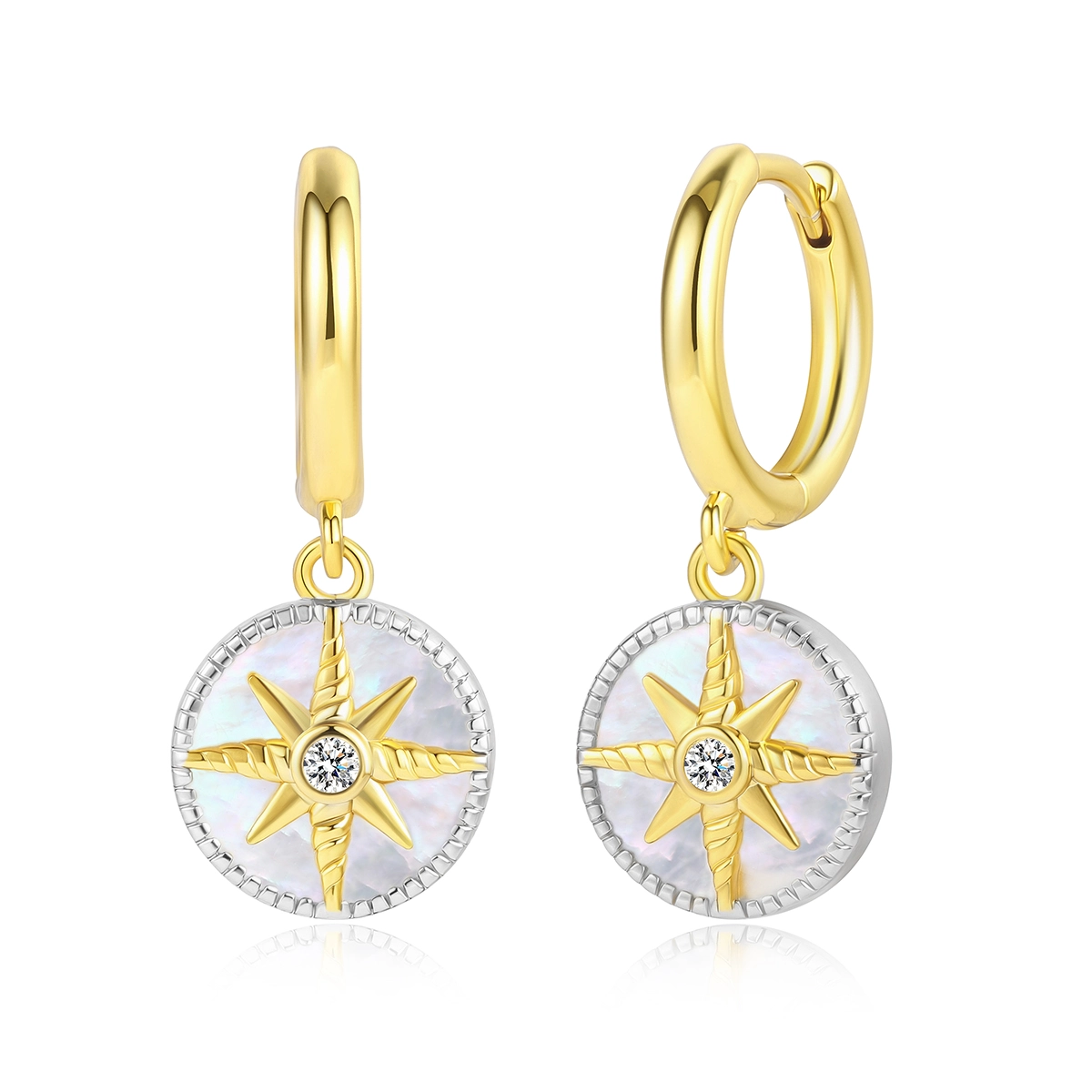
Brass Mother of Pearl Compass Huggie Drop Earrings | 14K 18K Gold Plated Hypoallergenic Jewelry
Read More
925 Silver Jewelry
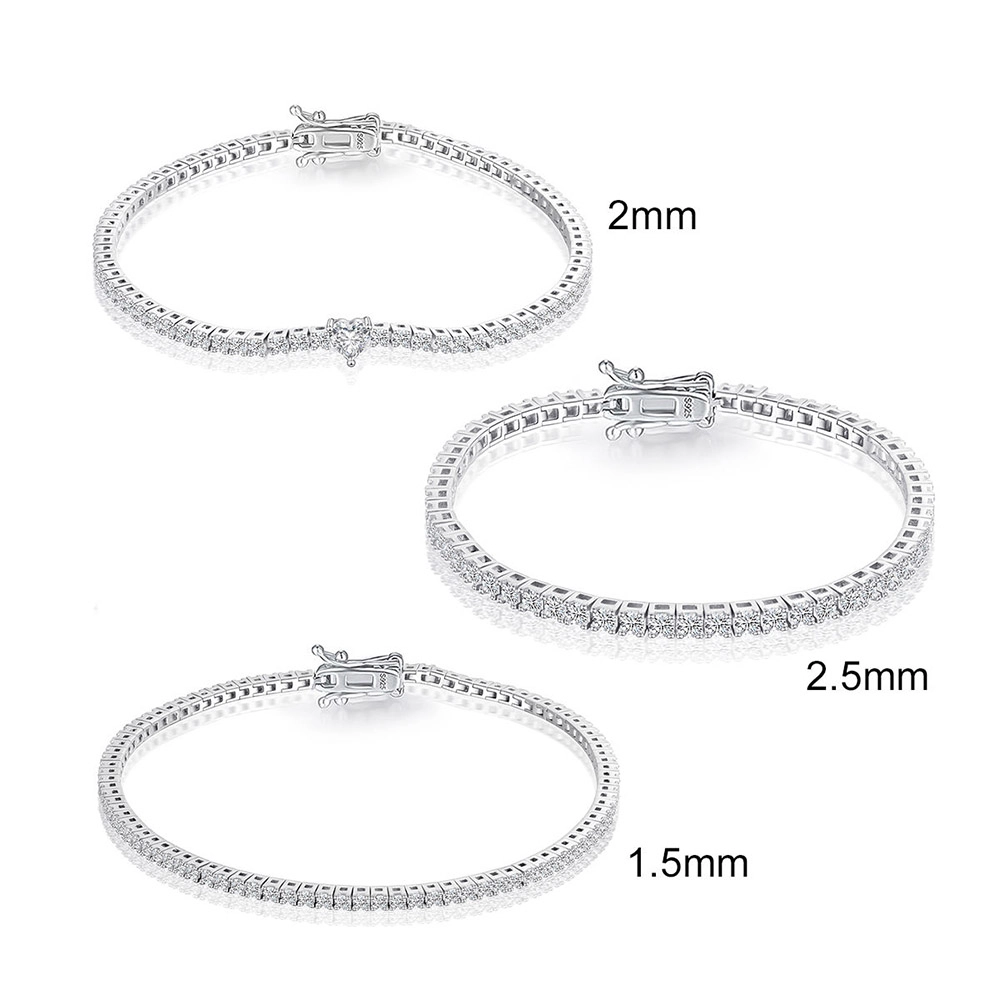
Customizable High-Quality Fashion 925 Sterling Silver AAA Cubic Zirconia Heart-Shaped Open Tennis Bracelet.
Read More
Brass Jewelry
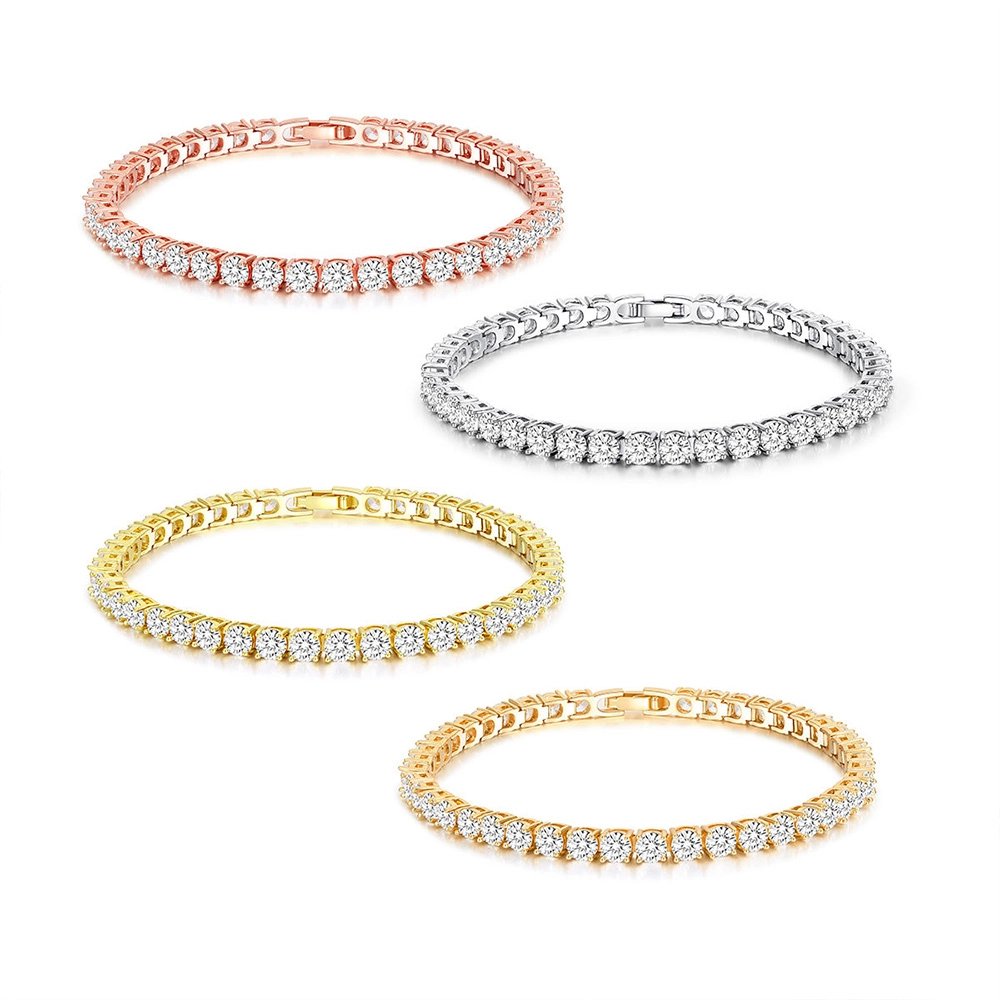
Customizable OEM ODM High-Quality Fashion Brass AAA Cubic Zirconia Classic Tennis Bracelet for Women Wholesale.
Read More
Get a Quote for Private Label Jewelry
We provide personalized jewelry customization services for clients worldwide.
Rest assured that your privacy is important to us, and all information provided will be handled with the utmost confidentiality.
By clicking 'Send Inquiry Now' I agree to ZHEFAN JEWELRY processing my personal data.
To see how to withdraw your consent, how to control your personal data and how we process it, please see our Privacy Policy and Terms of use.
From design to production, ZHEFAN JEWELRY offers a one-stop solution to help you enhance your brand value and market competitiveness.
Get A Quote
Contact
Tel: (+86) 188 1927 7817
© 2026 Zhefan Jewelry. All Rights Reserved.
Facebook
Instagram
YouTube
Whatsapp: +8618819277817