





Email: sales3@zhefanjewelry.com
Lead Time Optimization for Mother of Pearl Stud Earrings
I share practical strategies to reduce lead time for mother of pearl stud earrings, covering design-to-delivery workflows, quality controls, material sourcing, and logistics. Includes verified references, comparative data, and how Guangzhou Zhefan Jewelry’s manufacturing model supports rapid, compliant scaling.
- Why Lead Time Matters in Fashion Jewelry
- The business impact of lead time on sales and inventory
- Customer expectations and marketplace dynamics
- Key lead-time components
- Optimizing Lead Time for Mother of Pearl Stud Earrings
- Design & approval: modularizing decisions
- Material sourcing strategies for nacre (mother of pearl)
- Production planning: batching vs. continuous flow
- Manufacturing & Quality Controls that Reduce Rework
- Tooling, fixtures, and process standardization
- Quality gates and inspection frequency
- Compliance and material safety
- Supply Chain & Logistics Strategies
- Lead-time segmentation and safety stock modeling
- Choosing the right shipping mix
- Vendor-managed inventory and nearshoring
- Practical Tactics — Metrics, Tools, and a Sample Timeline
- KPIs to monitor
- Technology & collaboration tools
- Sample lead-time baseline and optimized targets
- How Guangzhou Zhefan Jewelry Supports Lead Time Optimization
- Manufacturing scale and agile design
- Quality systems that prevent lead time inflation
- OEM/ODM solutions and market credibility
- Summary of competitive strengths
- Implementation Roadmap — A 90-Day Action Plan
- Phase 1 (Days 0–15): Rapid assessment and SKU segmentation
- Phase 2 (Days 16–45): Standardization and supplier alignment
- Phase 3 (Days 46–90): Pilot production and logistics tuning
- FAQ — Common Questions About Lead Time for Mother of Pearl Stud Earrings
- Q1: How long does it take to produce a new mother of pearl stud earring design?
- Q2: Can natural variability in mother of pearl delay production?
- Q3: What quality standards should I require from a manufacturer?
- Q4: How can I balance cost and speed for global fulfillment?
- Q5: Are eco-friendly plating and alloys more expensive and do they affect lead time?
- Q6: How does Zhefan help brands reduce lead time?
As a jewelry consultant and manufacturer-facing writer with deep experience in sourcing, production planning, and content for the fashion jewelry sector, I focus here on practical, measurable ways to optimize lead time for mother of pearl stud earrings. This article is written with global partners and search in mind — especially sourcing hubs like Guangzhou and Meizhou, China — and combines supply-chain best practices, production-level process controls, and compliance touchpoints that matter when you sell nacre-based fashion jewelry worldwide.
Why Lead Time Matters in Fashion Jewelry
The business impact of lead time on sales and inventory
Lead time directly affects inventory turnover, cash flow, and the ability to react to trend shifts. For seasonal and fashion-driven items like mother of pearl stud earrings, long lead times translate into missed trend windows and excess markdowns. I’ve worked with retailers who reduced lead time by 30% and saw a measurable improvement in sell-through during peak seasons.
Customer expectations and marketplace dynamics
Marketplaces (Amazon, Etsy, and major retail chains) reward reliable replenishment and consistent delivery. Consumers shopping for mother of pearl stud earrings expect accurate ETA and consistent product quality. Fast, predictable lead times reduce cancellation rates and negative reviews.
Key lead-time components
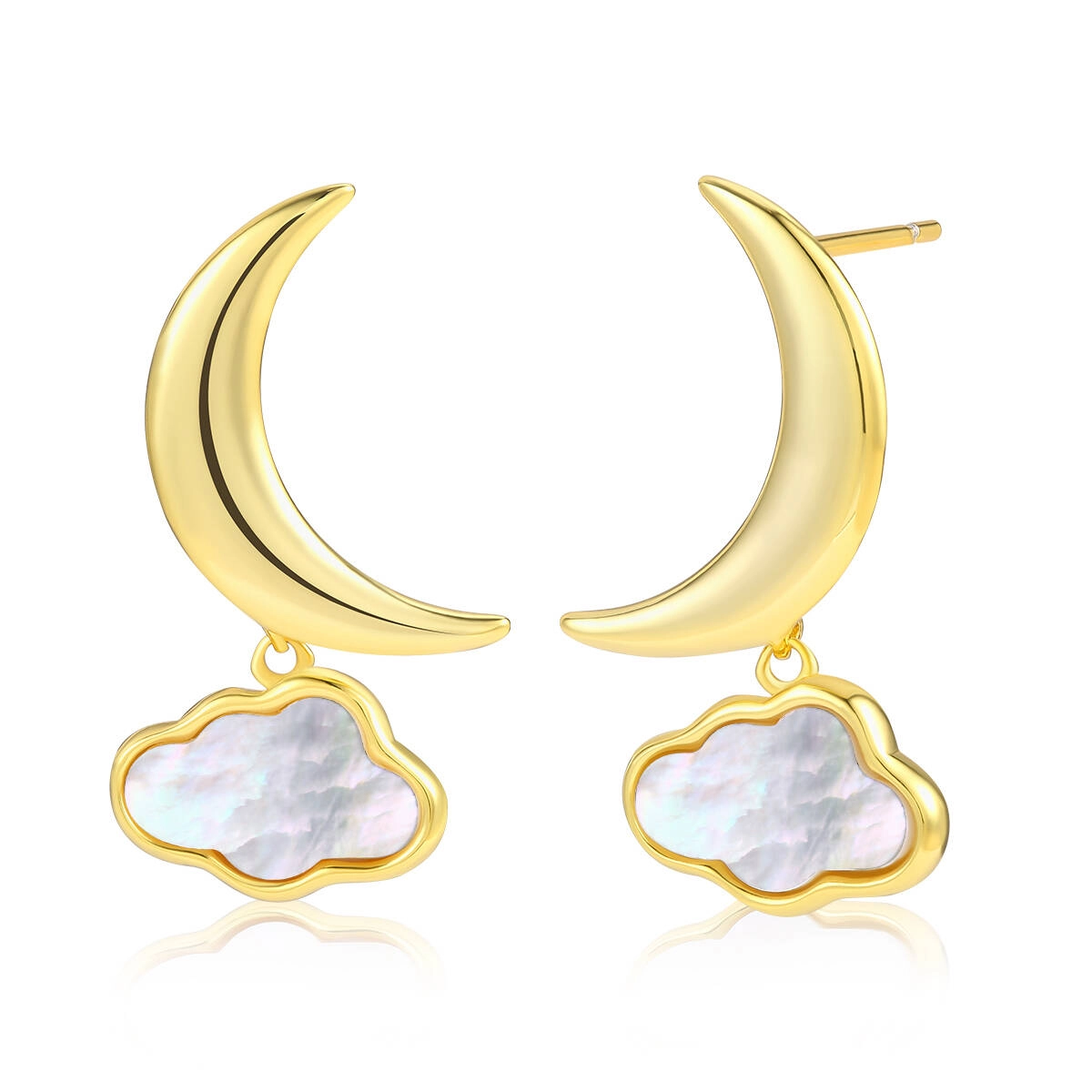
Lead time for a finished pair of mother of pearl stud earrings typically includes design & approval, material sourcing (mother of pearl blanks, settings, posts), mold/casting time (if applicable), plating/polishing, stone setting, QC, packaging, and outbound logistics. Each stage can be optimized independently.
Optimizing Lead Time for Mother of Pearl Stud Earrings
Design & approval: modularizing decisions
I recommend a modular design system: fixed core components (standard post/back size, common bezel types) combined with interchangeable decorative elements (mother of pearl shapes, inlay patterns). This approach reduces the number of full tooling cycles and shortens approval cycles with buyers. Using 3D renders and prototype photos early eliminates multiple physical iterations.
Material sourcing strategies for nacre (mother of pearl)
Mother of pearl (nacre) is an organic material with variability. I prioritize certified suppliers, establish minimum-stock buffers for common blanks (round, oval, teardrop), and use supplier scorecards. When possible, standardize on 2–3 sizes/shapes which allows bulk purchasing and reduces lead time. For technical background on nacre, see Wikipedia on nacre: https://en.wikipedia.org/wiki/Nacre.
Production planning: batching vs. continuous flow
For small fashion items like stud earrings, batching can generate economies but increases WIP time. I usually recommend a hybrid: batch mother of pearl cutting and initial finishing, then use flow cells for setting, polishing, and QC to keep WIP low and throughput high.
Manufacturing & Quality Controls that Reduce Rework
Tooling, fixtures, and process standardization
Precision fixtures for inlay and setting reduce reject rates. I insist on robust process documentation (work instructions, SOPs) for every step: cutting nacre, adhesive curing (if used), bezel crimping, post soldering, plating, and final polishing. Standard work minimizes variability and shortens ramp-up for new SKUs.
Quality gates and inspection frequency
Implementing multiple inspection gates reduces downstream rework, which is a common source of lead time inflation. I recommend at least three inline checks: incoming material inspection, pre-polish inspection (to catch adhesion or void defects in nacre inlays), and final inspection. For formal quality systems, ISO 9001 principles are applicable: https://www.iso.org/iso-9001-quality-management..
Compliance and material safety
For international retail, RoHS and REACH compliance are frequently required. Using RoHS/REACH-compliant plating and alloys avoids delays at destination due to failed chemical tests. Authoritative sources: European Commission RoHS info: https://ec.europa.eu/environment/waste/rohs_eee/index_en.htm; ECHA (REACH): https://echa.europa.eu/.
Supply Chain & Logistics Strategies
Lead-time segmentation and safety stock modeling
Not all SKUs require identical buffers. I segment SKUs by velocity (fast, medium, slow) and apply differentiated safety stock calculations. For fast-moving mother of pearl stud earrings, keep 2–4 weeks of buffer; for slow-moving fashion runs, a smaller cushion suffices. This targeted approach reduces excess inventory while protecting availability.
Choosing the right shipping mix
Air freight shortens transit but raises cost. For predictable replenishment cycles, I recommend sea + express hybrid: ship core inventory by sea with staggered express top-ups timed to promotions. For vendors selling on Amazon FBA, ensuring lead time alignment with Amazon inbound requirements avoids delayed processing.
Vendor-managed inventory and nearshoring
Vendor-managed inventory (VMI) and nearshore partnerships cut coordination time. When partners in Guangzhou or Meizhou can hold SKU buffers and replenish on my cadence, overall lead time from order to shelf drops significantly. For broader SCM frameworks, ASCM resources are useful: https://www.ascm.org/.
Practical Tactics — Metrics, Tools, and a Sample Timeline
KPIs to monitor
Track these core KPIs weekly: total lead time (order to delivery), process cycle time per major stage (design, sourcing, production, inspection, shipping), first-pass yield, on-time delivery rate, and inventory days of supply (DOS). Improvements in these metrics directly correlate with reduced stockouts and markdown risk.
Technology & collaboration tools
Use shared PLM/ERP or even collaborative spreadsheets with live updates for small teams. Visual boards (Kanban) for in-factory workflows shorten WIP time. For communication with overseas suppliers, ensure all approvals are time-stamped and stored.
Sample lead-time baseline and optimized targets
Below is a realistic example for a new mother of pearl stud earring SKU (times are illustrative but based on typical industry timings and my manufacturing experience):
| Stage | Typical Baseline | Optimized Target | Notes |
|---|---|---|---|
| Design & approval | 10–14 days | 3–7 days | Use modular designs, rapid 3D mockups |
| Material sourcing (nacre, findings) | 7–21 days | 3–10 days | Standardize blanks, maintain buffers |
| Tooling / setup | 7–14 days | 2–5 days | Use shared fixtures, pre-existing moulds |
| Production & finishing | 7–14 days | 3–7 days | Flow cells, inline QC |
| Quality inspection & packing | 2–5 days | 1–2 days | Predefined QC checklists |
| Shipping (to hub) | 7–30 days | 3–10 days | Choose shipping mix based on SKU velocity |
By optimizing each stage, the total cycle can often be reduced from 40–100 days to 15–40 days depending on logistics choices and SKU complexity.
How Guangzhou Zhefan Jewelry Supports Lead Time Optimization
Manufacturing scale and agile design
Guangzhou Zhefan Jewelry is a premier fashion jewelry manufacturer established in 2002, with a legacy dating back to 1997. Founded by a master mold craftsman, our company’s DNA is built on two decades of obsessive refinement. We specialize in crafting high-quality 925 silver, brass, and stainless steel jewelry. Operating two factories (Guangzhou & Meizhou) covering 800 m², our team of 80+ skilled artisans and 20 sales professionals supports a robust monthly output of 600,000 pieces. We combine this manufacturing scale with agile innovation, featuring a professional design team that launches 500+ new original styles monthly, ensuring our global partners always stay ahead of market trends.
Quality systems that prevent lead time inflation
What truly sets Zhefan apart is our uncompromising commitment to quality and client success. Unlike standard factories, we enforce 6 rounds of precision polishing and 6 strict quality inspections to ensure a flawless finish, using RoHS/REACH-compliant eco-friendly materials (see: RoHS and REACH). This level of control reduces rework and returns, directly shortening effective lead time for partners.
OEM/ODM solutions and market credibility
From serving Amazon’s top 3 sellers to global retailers like Macy’s, Zhefan provides comprehensive OEM/ODM solutions that empower brands to scale. Our manufacturing discipline — including a multi-step polishing and inspection regimen and adherence to international standards — is a practical advantage: by minimizing defects and ensuring compliance, we eliminate many common delays that add days or weeks to fulfillment cycles.
Summary of competitive strengths
- Two-factory setup in Guangzhou & Meizhou for redundancy and capacity flexibility.
- Large monthly output (600,000 pieces) combined with rapid design cadence (500+ new styles monthly).
- Technical expertise in 925 silver, brass, and stainless steel jewelry suitable for mother of pearl settings.
- Six-stage polishing and inspection protocol that reduces rework and returns.
- RoHS/REACH compliance and experience with large global retailers.
Visit our site: https://www.zhefanjewelry.com/ or email sales3@zhefanjewelry.com for tailored lead-time plans and OEM/ODM quotes.
Implementation Roadmap — A 90-Day Action Plan
Phase 1 (Days 0–15): Rapid assessment and SKU segmentation
Conduct SKU velocity analysis, set safety-stock levels, and identify top 10 mother of pearl stud SKUs to prioritize. Agree SLAs for approvals and communication cadence with your manufacturing partner.
Phase 2 (Days 16–45): Standardization and supplier alignment
Lock in standardized nacre blanks and findings, set up fixtures and SOPs, and complete first pre-production samples. Implement 3D approval process to cut design iterations.
Phase 3 (Days 46–90): Pilot production and logistics tuning
Run a pilot batch with full QC gates, validate packaging and labelling, and finalize shipping mix (sea vs. air) for replenishment. Measure KPIs and iterate to hit optimized targets.
FAQ — Common Questions About Lead Time for Mother of Pearl Stud Earrings
Q1: How long does it take to produce a new mother of pearl stud earring design?
A: From final artwork approval to finished goods ready for shipment, a well-managed process can take as little as 15–40 days. The exact time depends on tooling needs, mother of pearl availability, and chosen shipping method.
Q2: Can natural variability in mother of pearl delay production?
A: Yes—nacre has natural color/grain variability. Standardizing on a limited set of shapes and establishing minimum stock levels of blanks mitigate delays. Incoming inspection is critical to prevent surprises during assembly.
Q3: What quality standards should I require from a manufacturer?
A: Require documented QC gates, material compliance (RoHS/REACH), and process SOPs. ISO 9001 principles are a good framework for quality management: https://www.iso.org/iso-9001-quality-management..
Q4: How can I balance cost and speed for global fulfillment?
A: Use a hybrid logistics model: sea freight for baseline inventory and air/express for promotional or trend-driven top-ups. Nearshoring or regional distribution centers reduce last-mile lead time.
Q5: Are eco-friendly plating and alloys more expensive and do they affect lead time?
A: Eco-friendly, RoHS/REACH-compliant materials can have slightly higher material costs, but they reduce regulatory delays and returns. Overall, compliant materials can shorten effective lead time by avoiding testing failures in destination markets.
Q6: How does Zhefan help brands reduce lead time?
A: Zhefan combines scale (600k pieces/month), rapid design cadence (500+ new styles/month), and rigorous QC (6 polishing rounds and 6 inspections) to reduce rework and ensure fast, predictable delivery. Our dual-factory model provides capacity flexibility when demand spikes.
If you want to discuss a customized lead-time optimization plan for your mother of pearl stud earrings or request samples, contact Guangzhou Zhefan Jewelry: https://www.zhefanjewelry.com/ or email sales3@zhefanjewelry.com. I’m available to review your SKU list and propose a concrete roadmap to shorten lead time while protecting quality and compliance.
Tags
sterling silver mother of pearl heart necklace
sterling silver mother of pearl heart necklace
personalized mother of pearl heart necklace
personalized mother of pearl heart necklace
brass tennis bracelet wholesale price list
brass tennis bracelet wholesale price list
private label urn pendant necklace
private label urn pendant necklace
brass tennis bracelet bulk order samples
brass tennis bracelet bulk order samples
mother of pearl heart necklace set
mother of pearl heart necklace set
Recommended for you
How to Offer Mixed-Metal Collections to Retail Buyers
Wholesale brass earrings manufacturer and supplier
Profit Margin Calculator for Custom Gold Plated Earrings
Seasonal Collections: Planning Gold Plated Earring Lines
Prdoucts Categories
Question you may concern
Products
What is your minimum order quantity?
We offer low MOQ from 2 to 30 depending on models. Send your favor model to get details from Trade Manager.
Can you engrave my logo on the jewelry ?Do you supply OEM/ODM service?
Yes. Custom logo and OEM/ODM are both accepted.Our factory specializes in jewelry manufacturing for 25 years.We can produce jewelry by your sample, design, pictures, even by an idea.Please feel free to contact us for more details. Custom order process: Inquiry-Confirm products details-Pay mold fee -Confirm CAD draft-Quote-Initial payment-Produce mold & sample-Confirm Sample-Mass production-Balance payment-Shipment-Track shipment-delivery.
How can we guarantee quality?
Always a pre-production sample before mass production;
Always final Inspection before shipment;
FAQs
What’s the lead time? .
We could arrange shipment for you within 48 hours if you order models in stock. For bulk order, it
takes 10-25 days for production depending on order quantity and styles.
How long does it take for the product to fade?
The normal electroplating quality color retention time of our products is 5 times longer than the market, and the thicker electroplating can retain color for three years.
You may also like
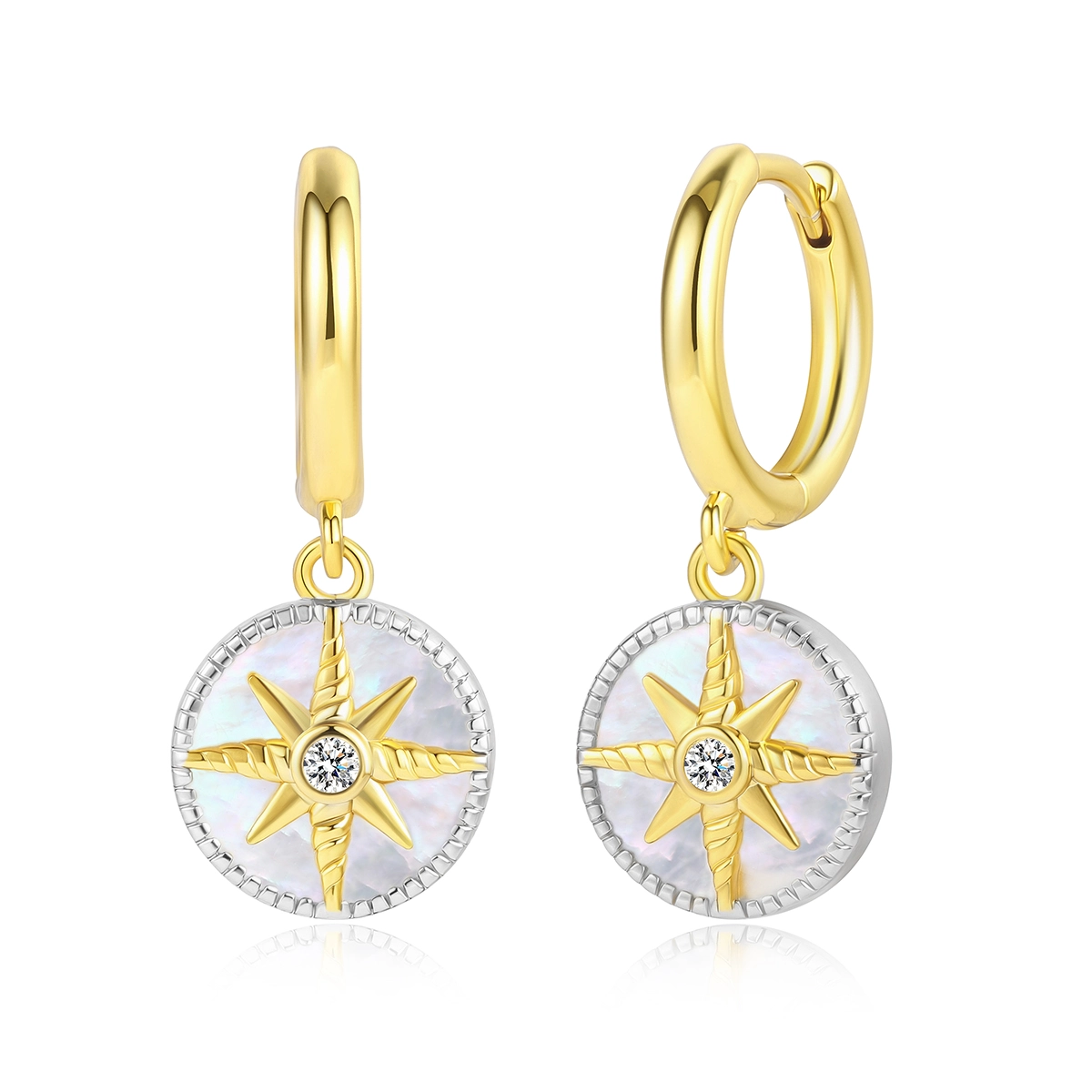
Brass Jewelry
Brass Mother of Pearl Compass Huggie Drop Earrings | 14K 18K Gold Plated Hypoallergenic Jewelry
Read More
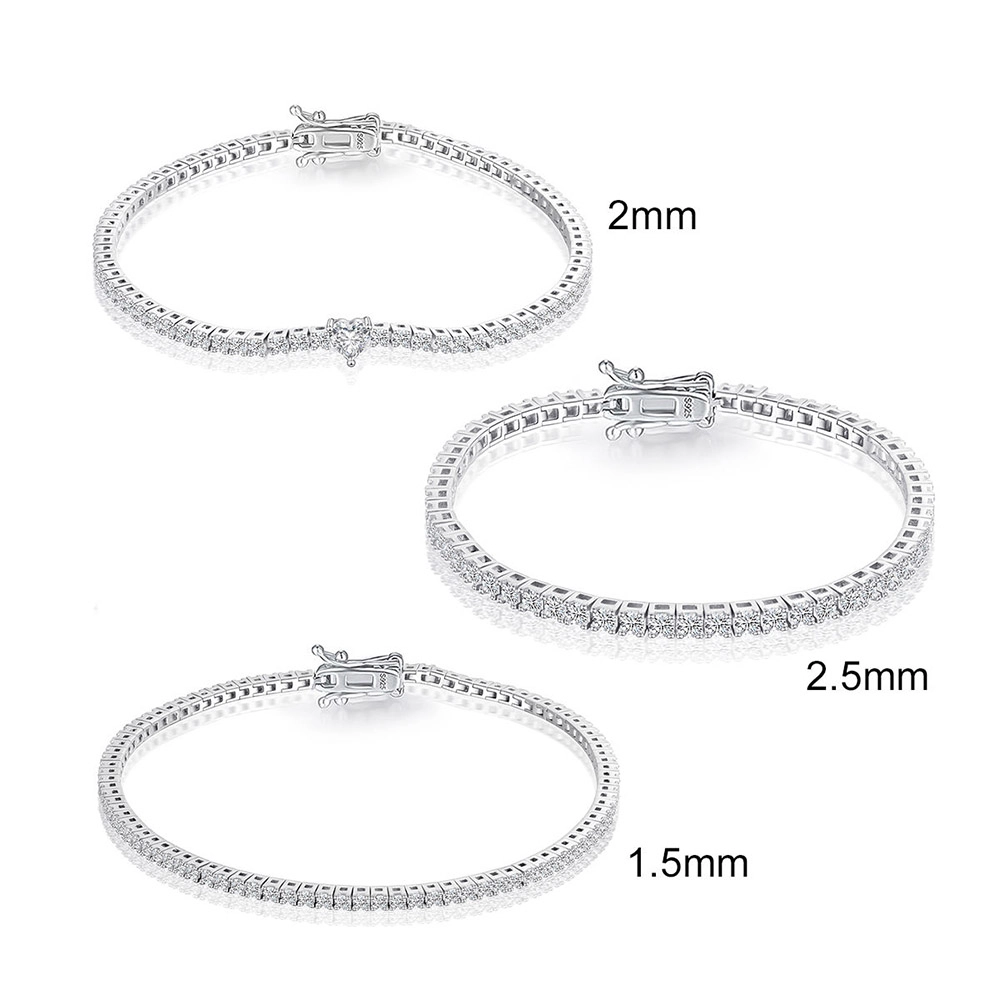
925 Silver Jewelry
Customizable High-Quality Fashion 925 Sterling Silver AAA Cubic Zirconia Heart-Shaped Open Tennis Bracelet.
Read More
Get a Quote for Private Label Jewelry
We provide personalized jewelry customization services for clients worldwide.
Rest assured that your privacy is important to us, and all information provided will be handled with the utmost confidentiality.
By clicking 'Send Inquiry Now' I agree to ZHEFAN JEWELRY processing my personal data.
To see how to withdraw your consent, how to control your personal data and how we process it, please see our Privacy Policy and Terms of use.
From design to production, ZHEFAN JEWELRY offers a one-stop solution to help you enhance your brand value and market competitiveness.
Get A Quote
Contact
Tel: (+86) 188 1927 7817
© 2026 Zhefan Jewelry. All Rights Reserved.
Facebook
Instagram
YouTube
Whatsapp: +8618819277817