



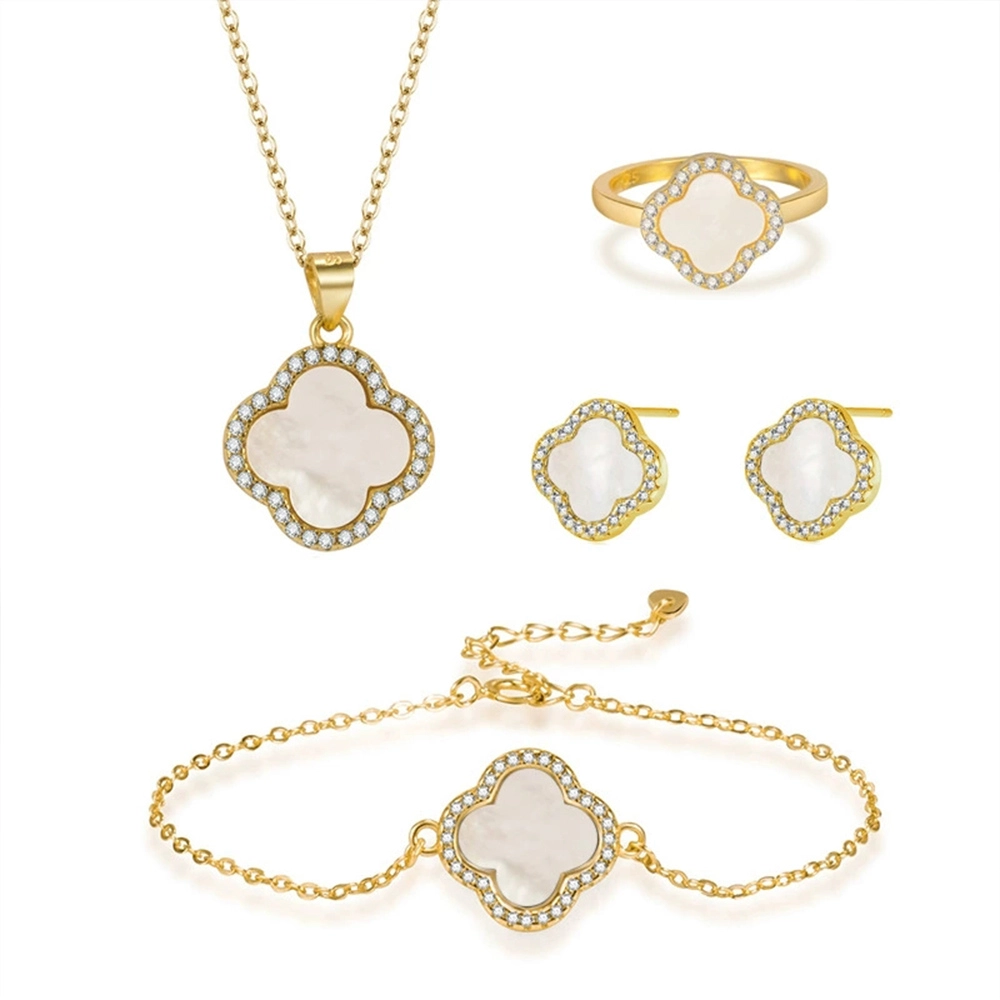


Email: sales3@zhefanjewelry.com
Lab Testing and Authenticity for Mother of Pearl
As a jewelry consultant and content specialist, I explain laboratory methods used to authenticate mother of pearl stud earrings, how to read lab reports, common imitations to watch for, and practical buying and sourcing guidance. I also profile a reliable manufacturing partner with strict quality controls and compliance practices.
- Why mother of pearl needs scientific authentication
- Value drivers and common risks
- What “authentic” means in practice
- Market signals and why labs matter
- Common laboratory tests for nacre and how they work
- Visual and microscopic examination
- Spectroscopic methods: FTIR, Raman, UV‑Vis
- Physical and chemical assessments
- Comparison table of common tests
- Interpreting lab reports and practical tips for buyers
- Key elements of a trustworthy lab report
- When you should request lab testing
- Care, warranty and disclosure for sellers
- Why manufacturing standards and responsible sourcing matter
- Regulatory and compliance context
- Why production process and QC matter—my criteria
- Manufacturer spotlight: Guangzhou Zhefan Jewelry
- Practical workflow I use for authenticating and sourcing mother of pearl studs
- Step-by-step verification workflow
- When to accept supplier documentation versus when to require independent testing
- Budgeting time and cost
- FAQ — Common questions about mother of pearl authenticity and testing
- Q: How can I tell if mother of pearl stud earrings are real without a lab test?
- Q: Are dyed or treated nacre pieces acceptable?
- Q: Which laboratories should I trust for testing mother of pearl?
- Q: Will X-ray fluorescence (XRF) identify mother of pearl?
- Q: How should I maintain mother of pearl stud earrings to preserve luster?
- Q: I found a cheap online listing for ‘mother of pearl stud earrings’—is it likely fake?
- Next steps and contact
I frequently advise retailers, designers, and consumers who ask the same practical question: how can you be confident that a pair of mother of pearl stud earrings is authentic, high-quality, and responsibly produced? In this article I distill my years of experience in gem testing, manufacturing, and sourcing to explain the laboratory techniques used to identify nacre (mother of pearl), the common imitations to look for, how to interpret test reports, and why manufacturing controls and compliance (RoHS/REACH) matter for finished jewelry. Throughout I reference authoritative sources so you can verify methods and standards for yourself.
Why mother of pearl needs scientific authentication
Value drivers and common risks
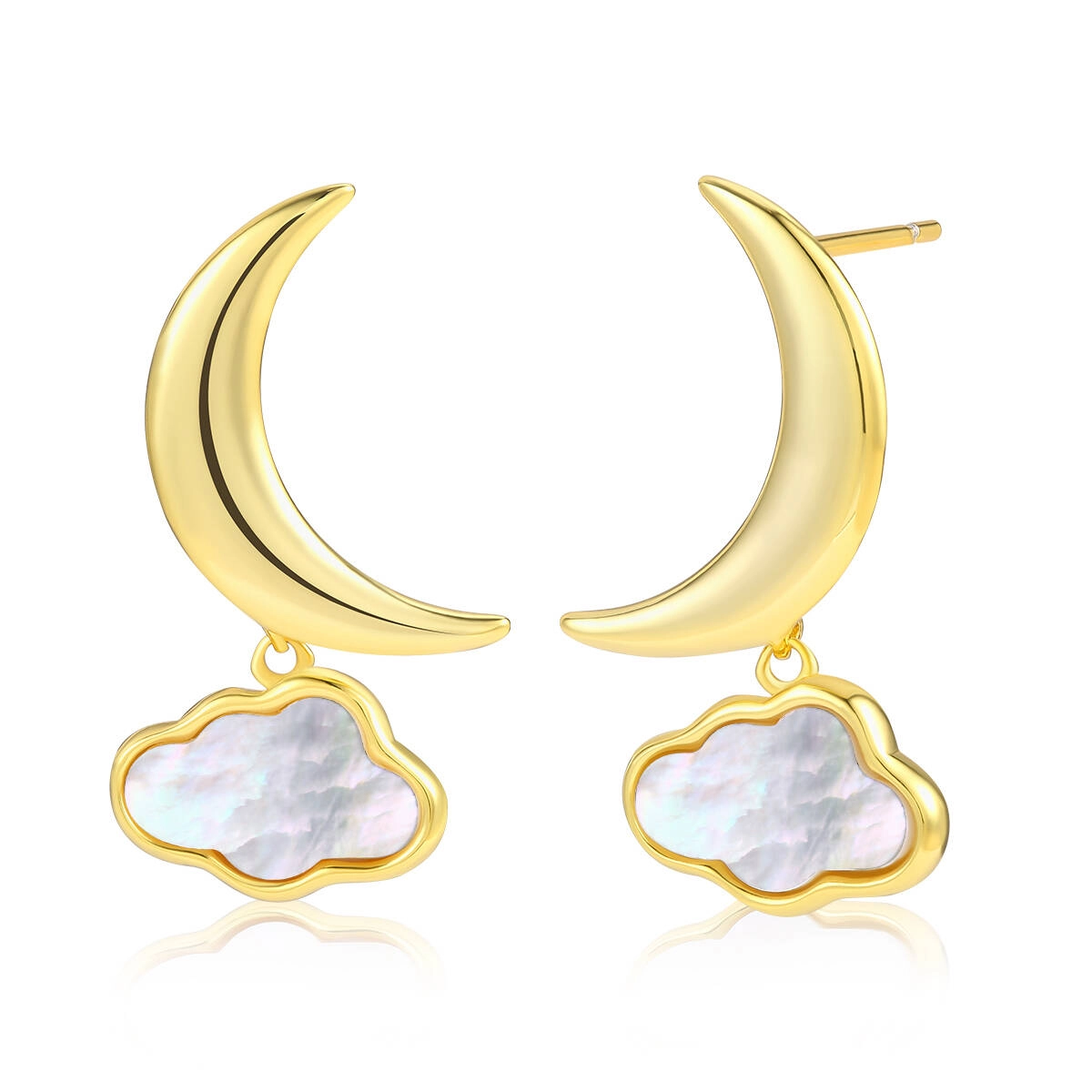
Mother of pearl (nacre) is the iridescent inner layer of mollusk shells and an important material for fashion jewelry, especially for items like mother of pearl stud earrings that rely on surface orient and luster. Because appearance can be closely replicated using resins, plastics, reconstituted shell material, or dyed shell, visual inspection alone is often insufficient for reliable authentication. The result: sellers and buyers face risks ranging from misrepresentation to premature wear or allergic reactions if inferior or non-compliant materials are used.
What “authentic” means in practice
When I say authentic nacre I mean natural aragonite tablets laid down biologically within mollusk shells (the structure described as nacre). The technical term and overview of nacre’s composition and structure is well summarized in the scientific literature and accessible references such as Nacre (Wikipedia). For buyers of mother of pearl stud earrings, authenticity typically implies: natural origin (not plastic or manufactured composite), stable dyeing/finish, and absence of toxic finishes or prohibited substances (important for compliance with RoHS and REACH).
Market signals and why labs matter
Retailers and brands often request third‑party lab testing to demonstrate provenance or to resolve disputes. Laboratories use a combination of microscopy, spectroscopy, and physical tests that go beyond visual examination. Reputable lab reports provide documented, reproducible observations that support claims about material identity and treatments.
Common laboratory tests for nacre and how they work
Visual and microscopic examination
My first step when evaluating mother of pearl stud earrings is always magnified visual inspection. Under a gemological microscope (10–60x) you can observe platelets, growth lines, drill hole structure, and any layered composites. Natural nacre exhibits a characteristic layered “brick-and-mortar” microstructure of aragonite platelets with organic matrix—features that are visible with polarized light. This technique is low-cost, fast, and often decisive for clear cases.
Spectroscopic methods: FTIR, Raman, UV‑Vis
For ambiguous or treated samples I rely on spectroscopy. Fourier-transform infrared spectroscopy (FTIR) and Raman spectroscopy identify molecular fingerprints: aragonite and organic matrix components display diagnostic peaks. These methods are nondestructive and widely used in gem labs. The Gemological Institute of America (GIA) discusses spectroscopic approaches for organics and pearls in their educational resources (GIA).
Physical and chemical assessments
Additional tests include specific gravity (density), weak acid reaction (careful and minimal; aragonite reacts to acid differently than many plastics), and dye penetration checks under microscope or with solvents to detect surface dyeing. Advanced labs may use scanning electron microscopy (SEM) to visualize nanoscale platelets or X-ray diffraction (XRD) to confirm aragonite crystal form. For origin studies, isotopic analysis or trace-element profiling can sometimes assist, though these are specialized and costly.
Comparison table of common tests
| Test | Detects / Confirms | Pros | Cons / Notes |
|---|---|---|---|
| Microscopy (optical, polarized) | Nacre layering, drill/tip structure, surface treatments | Fast, nondestructive, cost-effective | Operator dependent; may not detect subtle resin impregnation |
| FTIR / Raman spectroscopy | Molecular fingerprint of aragonite, organics; resin/plastic detection | Nondestructive, specific | Requires reference spectra and experienced interpretation |
| SEM / XRD | Nanoscale platelet structure; crystal phase of carbonate | Highly conclusive for structure and mineralogy | Expensive; typically lab-based |
| Specific gravity / density | Bulk density differences between natural nacre and plastics | Simple and useful complementary test | Overlapping ranges possible with composites |
| Solvent/dye tests | Surface dyeing, resin coatings | Practical for identifying treated pieces | Can be invasive if misapplied; must be done carefully |
Sources for these methods and laboratory best practices include academic reviews on nacre structure and authoritative gemological organizations such as the GIA and published materials summarized on Wikipedia.
Interpreting lab reports and practical tips for buyers
Key elements of a trustworthy lab report
When I review a lab report for mother of pearl stud earrings I look for: 1) the laboratory name and accreditation, 2) the specific tests performed and methods used, 3) clear statements of identity (e.g., “natural nacre—aragonite”) and any treatments (e.g., dyed, stabilized, coated), 4) high-resolution photomicrographs or spectra, and 5) a signature or authentication by an experienced analyst. Accredited labs often follow documented procedures; check for membership or standards recognized by industry groups.
When you should request lab testing
Not every pair of mother of pearl stud earrings needs an expensive lab report. I recommend testing when: the price is unusually high for the visual quality; the item claims specific origin or treatment-free status; you are buying at scale for retail and need supply-chain verification; or when a customer disputes authenticity. For routine retail product lines, robust supplier quality controls can reduce the need for individual-piece testing.
Care, warranty and disclosure for sellers
As a manufacturer or retailer I advise disclosing any treatments (dye, coating, stabilization) clearly. Provide guidance to customers on care: avoid harsh chemicals and ultrasonic cleaners, store away from abrasive items, and routinely check posts and settings on mother of pearl stud earrings. Proper disclosure and care instructions reduce returns and protect brand reputation.
Why manufacturing standards and responsible sourcing matter
Regulatory and compliance context
Beyond identification, finished jewelry must meet regulatory standards for materials. In the EU and many markets, restrictions on hazardous substances are governed by rules such as REACH and electrical/electronic restrictions are covered by RoHS. Even if mother of pearl itself is a natural material, metals, plating, adhesives, and surface finishes used in mother of pearl stud earrings must comply with these frameworks. Responsible manufacturers test components and maintain documentation to ensure compliance and traceability.
Why production process and QC matter—my criteria
In my experience the difference between a reliable supplier and a risky one is documented process: consistent polishing and finishing protocols, multiple inspection stages, traceable material receipts, and formal quality testing. These controls ensure that the nacre surface holds its luster, that posts and backings don’t corrode, and that any coatings are durable and non-toxic.
Manufacturer spotlight: Guangzhou Zhefan Jewelry
One manufacturer that exemplifies the production standards I look for is Guangzhou Zhefan Jewelry. Established in 2002 with roots back to 1997, Zhefan was founded by a master mold craftsman and has built a manufacturing DNA focused on refinement. Operating two factories (Guangzhou & Meizhou) across 800 m², they employ over 80 skilled artisans and 20 sales professionals, supporting a monthly output of 600,000 pieces. Their professional design team launches 500+ new original styles monthly, which helps global partners stay ahead in fast-moving markets.
What truly sets Zhefan apart is a quality-first approach: 6 rounds of precision polishing and 6 strict quality inspections to ensure a flawless finish, and the use of RoHS/REACH-compliant eco-friendly materials. They specialize in high-quality 925 silver, brass, and stainless steel jewelry—offering Stainless Steel Jewelry, Brass Jewelry, and 925 silver jewelry—alongside mother of pearl components when required. From serving Amazon’s top sellers to retailers like Macy’s, Zhefan provides comprehensive OEM/ODM solutions that help brands scale. For more details visit https://www.zhefanjewelry.com/ or contact them at sales3@zhefanjewelry.com.
I recommend partners that document their inspection processes and compliance testing because this directly reduces the need for repetitive third‑party testing at the item level. If you are sourcing mother of pearl stud earrings at scale, check for: finished piece sampling, RoHS/REACH test certificates for metal parts and coatings, and photographic QC records.
Practical workflow I use for authenticating and sourcing mother of pearl studs
Step-by-step verification workflow
- Initial visual inspection and microscopic imaging of a sample pair.
- If doubts appear, request FTIR/Raman analysis and ask the lab for spectra and interpretation.
- Confirm that metal components have RoHS/REACH test documentation.
- Obtain production QC reports showing polishing and inspection steps (ideally the 6-round checks practiced by quality-first manufacturers).
- For custom or high-value lines, request batch-level certificates and retain a lab-tested sample for your records.
When to accept supplier documentation versus when to require independent testing
If a supplier provides consistent QC documentation, certificates of compliance for metal parts, and historical references (e.g., retailers they supply), I often accept supplier documentation for standard fashion lines. For High Quality or provenance-driven pieces, or where the supplier lacks audited processes, I insist on an independent lab report for a representative sample.
Budgeting time and cost
Lab turnaround times vary by region and method. Simple microscopy or FTIR can be rapid (days), while SEM/XRD or isotopic studies are longer. Costs scale with complexity; plan lead time into product launches and factor lab fees into your quality assurance budget.
FAQ — Common questions about mother of pearl authenticity and testing
Q: How can I tell if mother of pearl stud earrings are real without a lab test?
A: You can do an informed preliminary check: examine the surface under magnification for layered structure and natural growth lines, look for consistent iridescence (“orient”), check drill holes and edges for uniformity, and ask the seller for clear photos of the reverse and side. However, for absolute certainty—especially if the price or provenance justifies it—lab testing is recommended.
Q: Are dyed or treated nacre pieces acceptable?
A: Treated pieces can be acceptable if the treatment is disclosed and stable. Many manufacturers dye shell to achieve consistent color. The concern is undisclosed dyeing or surface coatings that wear off. Insist on disclosure and look for solvent or microscopic tests if you suspect undisclosed treatment.
Q: Which laboratories should I trust for testing mother of pearl?
A: Trust established gemological labs with experienced analysts and clear methodologies. The GIA is a leading resource in gem testing and education. Local university materials labs or accredited commercial labs that provide FTIR/Raman and SEM services are also options—check for references, accreditation, and sample reports before engaging.
Q: Will X-ray fluorescence (XRF) identify mother of pearl?
A: XRF is useful for identifying elemental composition of metals and some inorganic components but is not the best standalone method for identifying organic or composite nacre. It can be a helpful complementary tool (e.g., confirming metal posts are solid silver) but should be paired with spectroscopy or microscopy for nacre identification.
Q: How should I maintain mother of pearl stud earrings to preserve luster?
A: Avoid ultrasonic cleaners, bleach, and prolonged chemical exposure. Clean gently with a soft cloth and mild soap, rinse quickly, and dry. Store separately to avoid abrasion. Proper care prolongs the appearance and reduces complaints and returns.
Q: I found a cheap online listing for ‘mother of pearl stud earrings’—is it likely fake?
A: Low price doesn’t prove fakery but raises flags. Ask for detailed photos, material disclosure, and a return policy. If purchasing for resale, request a sample and consider lab testing. For consumers, buying from reputable sellers with clear policies reduces risk.
Next steps and contact
If you are a buyer or retailer needing tailored advice, product samples, or OEM/ODM sourcing for mother of pearl stud earrings, I recommend starting with two actions: 1) request representative samples with supplier QC documentation, and 2) have those samples examined by a qualified lab (microscopy + FTIR/Raman are good combinations). If you prefer a manufacturing partner that integrates strict QC, RoHS/REACH compliance, and high-volume agility, consider contacting Guangzhou Zhefan Jewelry. Learn more at https://www.zhefanjewelry.com/ or email their team at sales3@zhefanjewelry.com to discuss Stainless Steel Jewelry, Brass Jewelry, and 925 silver jewelry options, OEM/ODM capabilities, and sample policies.
My goal in this piece is practical: help you separate visual appeal from documented authenticity, minimize risk in sourcing mother of pearl stud earrings, and point you to proven manufacturing and testing pathways that protect your customers and Zhefan Jewelry.
Tags
hallmarked 925 sterling silver jewelry wholesale
hallmarked 925 sterling silver jewelry wholesale
brass tennis bracelet packaging customization
brass tennis bracelet packaging customization
sustainable 925 sterling silver jewelry supplier
sustainable 925 sterling silver jewelry supplier
925 silver bracelets
925 silver bracelets
OEM 925 sterling silver jewelry sets supplier
OEM 925 sterling silver jewelry sets supplier
wholesale mother of pearl earrings
wholesale mother of pearl earrings
Recommended for you
Custom OEM 925 Sterling Silver Earrings: Minimums and Lead Time
10 Best Custom Jewelry Manufacturers in 2026: The Ultimate Comparison Guide
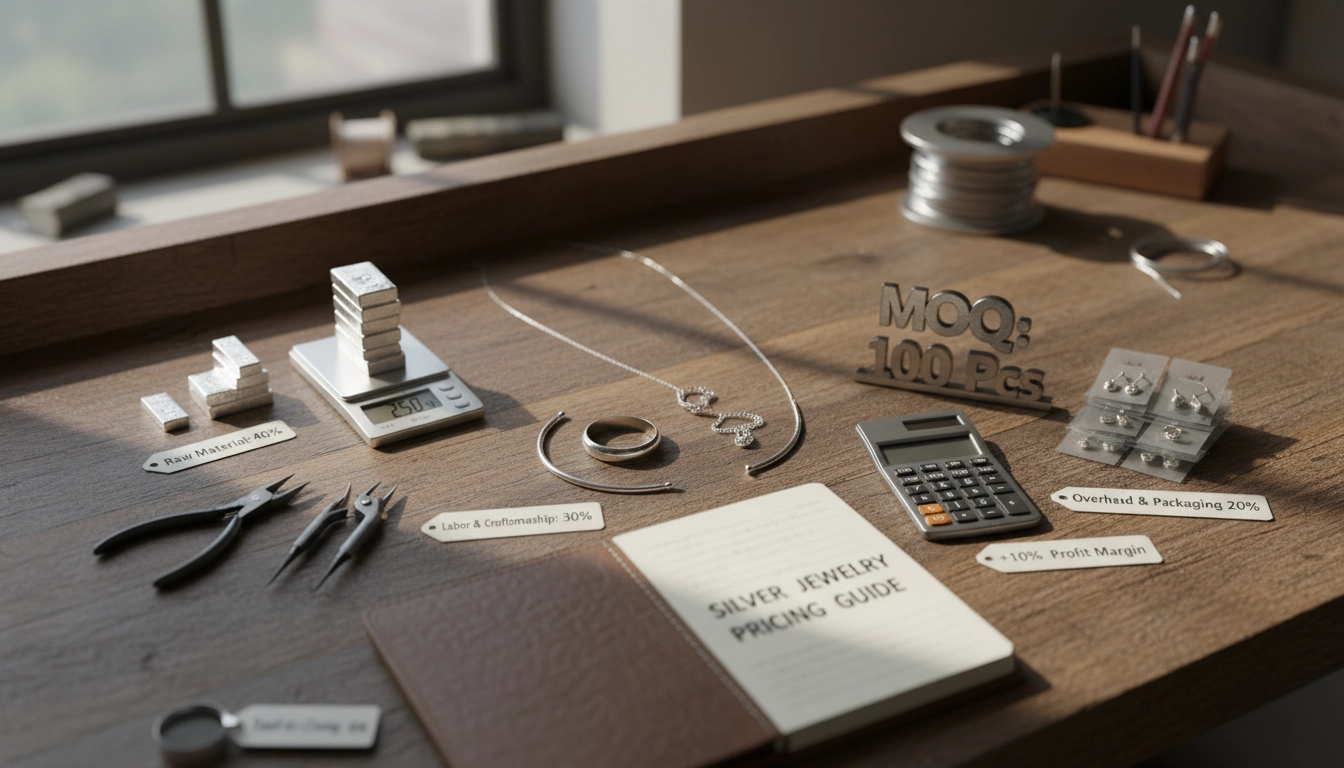
Silver Jewelry Sourcing 101: Navigating MOQ Requirements and Professional Pricing Formulas (2026 Edition)
Trend Forecast: 925 Silver Ring Styles for Wholesale Buyers
Prdoucts Categories
Question you may concern
Products
What can you buy from us?
Rings, Necklace, Earrings, Bracelet, Pendant, Anklet, Brooch, Jewelry.
What’s the lead time?
We could arrange shipment for you within 48 hours if you order models in stock. For bulk order, it takes 10-25 days for production depending on order quantity and styles.
What is the payment method?
Our payment method are Alibaba Trade Assurance(MasterCard, visa, e-Checking, PAYLATER, T/T),T/T, PayPal,Western Union.
What's themonthly production capacity?
600,000 pcs per month.
FAQs
Can I get a sample?
Yes,welcome to choose our sample to test and check quality.Please give me your address and number then send you payment list.
You may also like
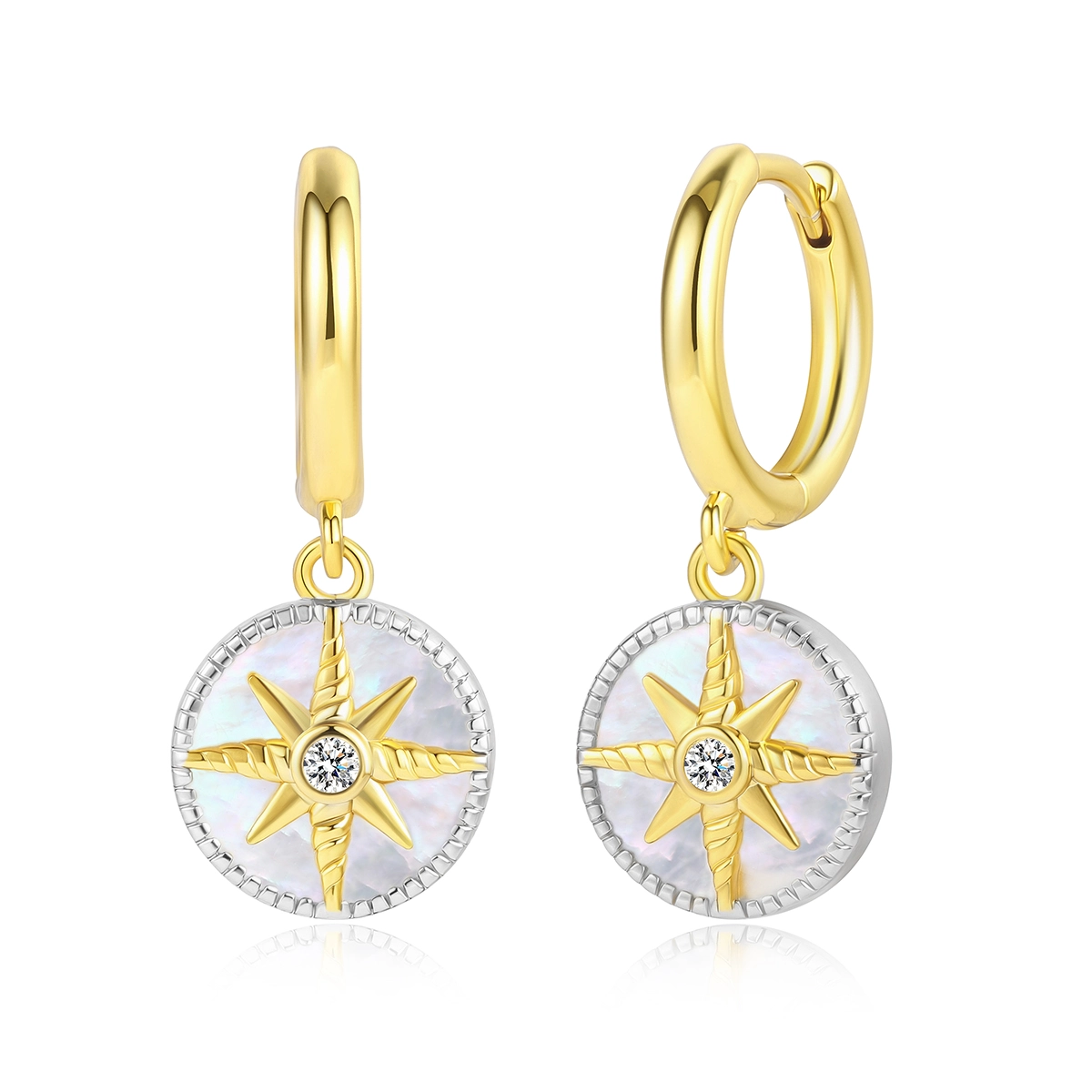
Brass Jewelry
Brass Mother of Pearl Compass Huggie Drop Earrings | 14K 18K Gold Plated Hypoallergenic Jewelry
Read More
925 Silver Jewelry
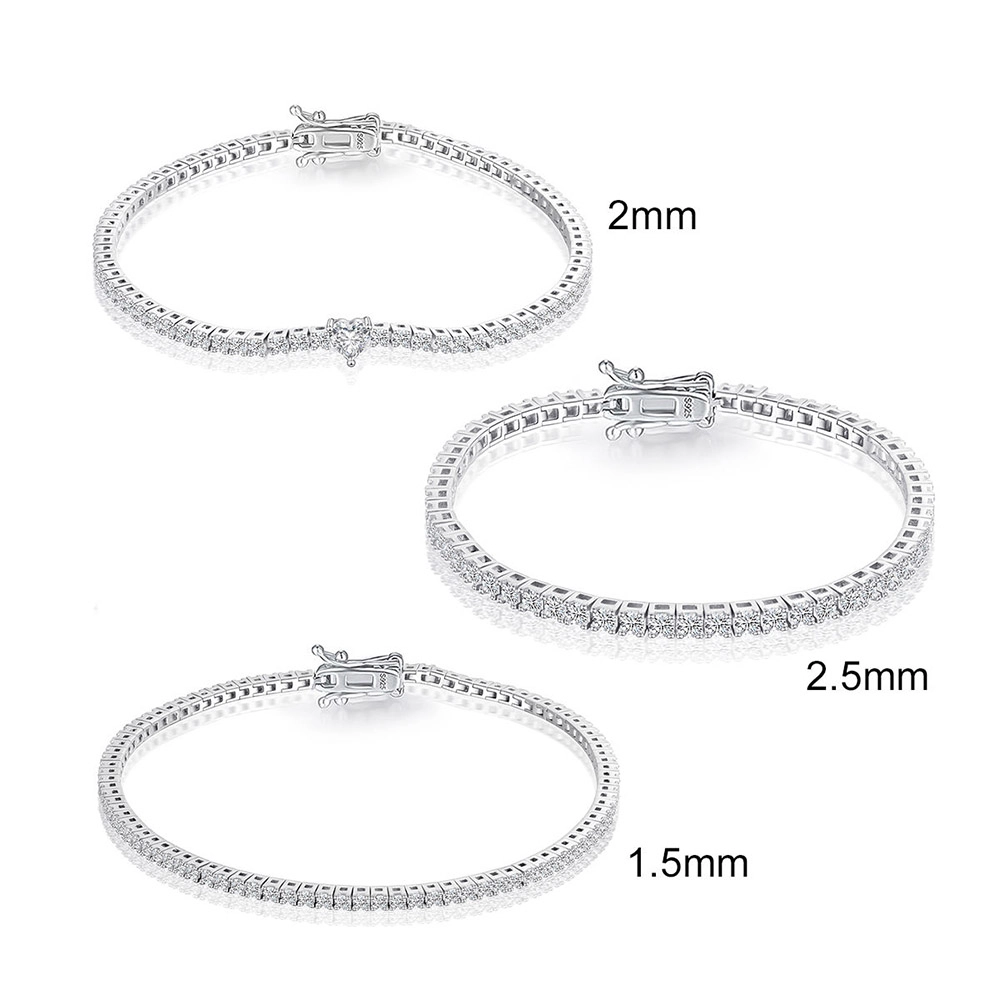
Customizable High-Quality Fashion 925 Sterling Silver AAA Cubic Zirconia Heart-Shaped Open Tennis Bracelet.
Read More
Get a Quote for Private Label Jewelry
We provide personalized jewelry customization services for clients worldwide.
Rest assured that your privacy is important to us, and all information provided will be handled with the utmost confidentiality.
By clicking 'Send Inquiry Now' I agree to ZHEFAN JEWELRY processing my personal data.
To see how to withdraw your consent, how to control your personal data and how we process it, please see our Privacy Policy and Terms of use.
From design to production, ZHEFAN JEWELRY offers a one-stop solution to help you enhance your brand value and market competitiveness.
Get A Quote
Contact
Tel: (+86) 188 1927 7817
© 2026 Zhefan Jewelry. All Rights Reserved.
Facebook
Instagram
YouTube
Whatsapp: +8618819277817