






Email: sales3@zhefanjewelry.com
Import Regulations for Mother of Pearl Jewelry
I explain import regulations for mother of pearl jewelry—especially mother of pearl stud earrings—covering CITES risks, REACH/EN standards, CPSC lead/nickel limits, required documentation, testing, and practical compliance steps for exporters and buyers.
- Why mother of pearl stays in demand and what that means for compliance
- Materials and supply chain considerations
- Product types: why mother of pearl stud earrings deserve special attention
- User expectations and market signals
- Key regulatory frameworks by major market
- European Union: REACH, Nickel Directive, and cadmium restrictions
- United States: CPSC limits, CPSIA for children’s jewelry, and customs documentation
- International wildlife trade: CITES and species-based restrictions
- Testing, documentation, and classification — what I require from suppliers
- Essential tests and certificates
- Essential shipping and customs documents
- Product classification and HS codes
- Practical compliance workflow and risk mitigation
- Step-by-step workflow I use with manufacturers
- How to manage supplier QA to avoid border delays
- Insurance, incoterms and logistics notes
- Comparative table: Regulatory highlights for target markets
- Partnering with a manufacturer: what to expect and supplier verification
- What I look for in a production partner
- Case study: manufacturing and compliance at scale
- How Zhefan’s capabilities reduce regulatory risk
- Common problems and how I solve them
- Shipment held for lack of documentation
- Unexpected nickel or cadmium test failures
- Species-based permit denials
- Frequently Asked Questions
- 1. Are mother of pearl stud earrings subject to CITES?
- 2. Do I need EN 1811 testing for mother of pearl stud earrings sold in the EU?
- 3. What are the lead requirements for jewelry imported into the United States?
- 4. How can I confirm my supplier is using REACH-compliant materials?
- 5. What paperwork should I prepare before shipping a container of mother of pearl jewelry?
- 6. How do marketplaces like Amazon enforce compliance for mother of pearl stud earrings?
- Contact and next steps
I write from years of experience working with manufacturers, vendors and retailers in the jewelry space. This guide summarizes what you need to know when importing mother of pearl jewelry—with special emphasis on mother of pearl stud earrings—to major markets. I focus on regulated substances (nickel, cadmium, lead), species restrictions, testing standards, documentation, classification risks, and practical steps you can take to move product quickly and compliantly.
Why mother of pearl stays in demand and what that means for compliance
Materials and supply chain considerations
Mother of pearl (nacre) is formed on the inner layer of mollusk shells; its biological origin raises two practical regulatory questions: (1) Is the shell sourced from a species under international trade control? and (2) are the finished parts made with metals and coatings that meet market-specific chemical limits? For background on nacre biology, see Wikipedia: Nacre.
Product types: why mother of pearl stud earrings deserve special attention
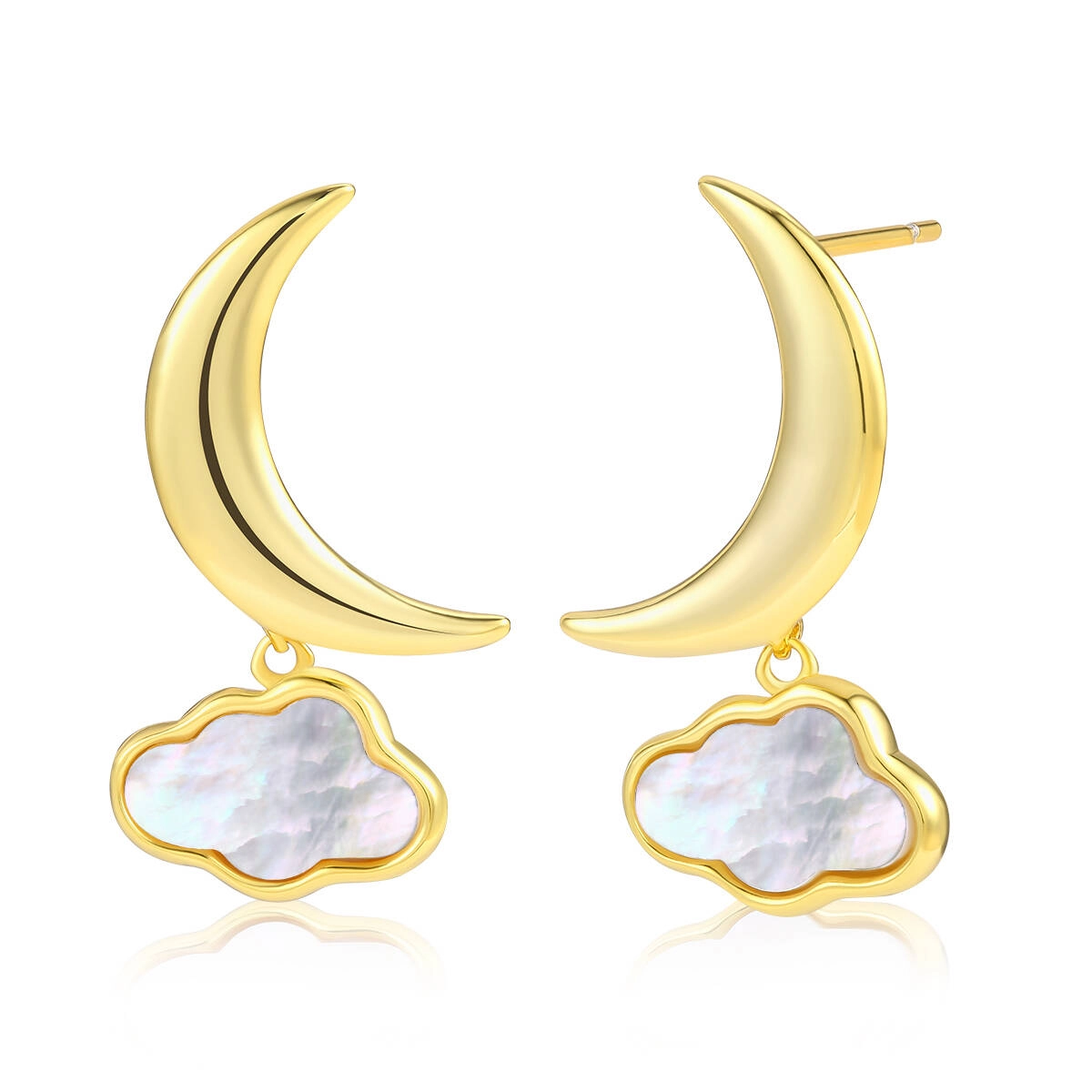
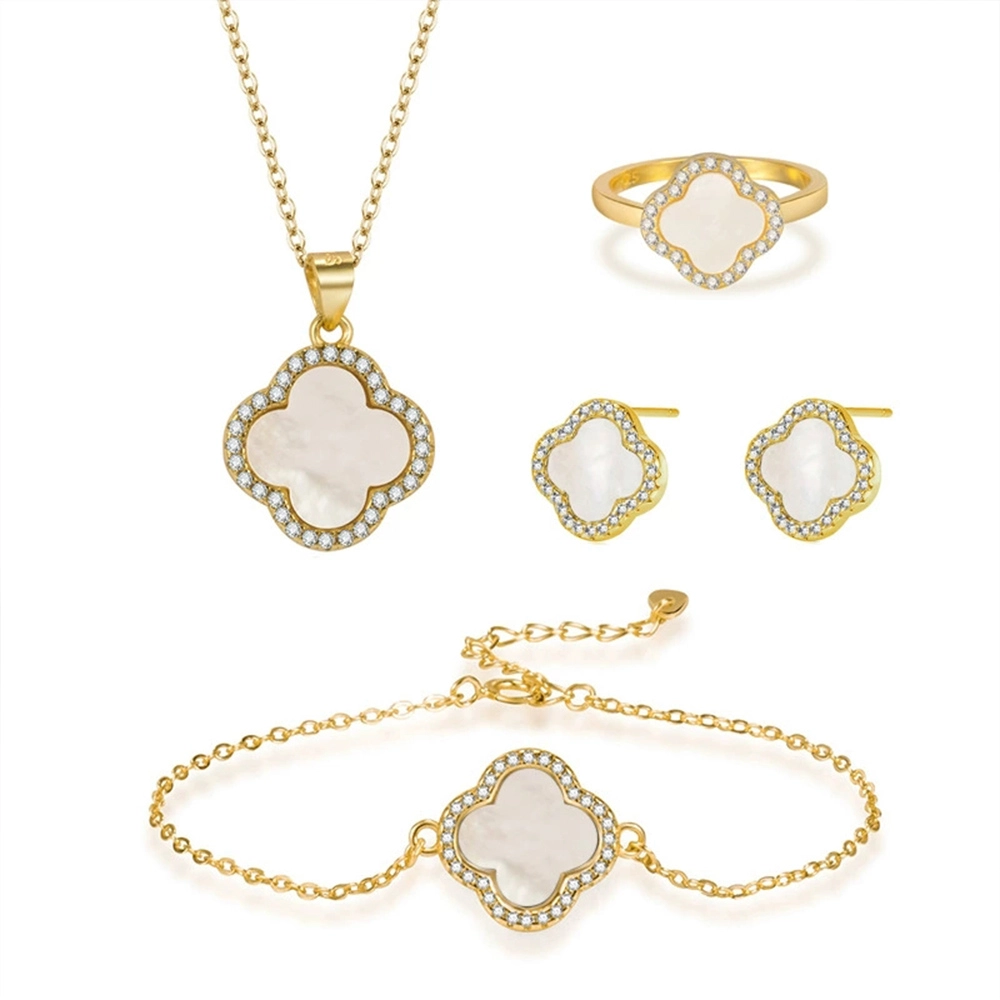
Mother of pearl stud earrings typically combine organic shell components with metal posts, backs and settings. That mixed-material nature means you must satisfy both wildlife/material trade rules (e.g., CITES for certain shells) and chemical/consumer-safety standards (e.g., nickel release, cadmium content, lead limits). The small size and skin contact of stud earrings increase scrutiny for nickel release and heavy metals.
User expectations and market signals
Buyers expect both aesthetic quality and safety. Marketplaces (Amazon, major retailers) and customs authorities increasingly require test reports (REACH, EN 1811, RoHS-type compliance) and documentation for origin and material composition, which affects listing approvals and border clearance.
Key regulatory frameworks by major market
European Union: REACH, Nickel Directive, and cadmium restrictions
For the EU, the principal concerns are restrictions under REACH (Registration, Evaluation, Authorisation and Restriction of Chemicals) and specific limits for nickel release in jewelry. REACH maintains a list of restricted substances; jewelry frequently gets scrutiny for cadmium and other heavy metals. You can check ECHA's restriction list at ECHA: Restrictions under REACH.
The EN 1811 method measures nickel release and is the accepted test for nickel-releasing items; many retailers require an EN 1811 test report from an ISO/IEC 17025-accredited lab. See an overview of EN 1811 nickel testing at SGS: SGS Jewellery Testing.
United States: CPSC limits, CPSIA for children’s jewelry, and customs documentation
In the U.S., the Consumer Product Safety Commission (CPSC) enforces lead limits and other hazards. Children’s jewelry is subject to the Consumer Product Safety Improvement Act (CPSIA) with strict lead and phthalate limits. For general jewelry, state rules (e.g., California Proposition 65) and retailer policies often require test evidence. See CPSC guidance: CPSC: CPSIA.
U.S. Customs and Border Protection (CBP) requires accurate classification, valuation, and documentation on import. For import procedures and required paperwork, consult CBP guidance: CBP: Importing Goods.
International wildlife trade: CITES and species-based restrictions
Mother of pearl itself is not universally banned, but shells and mollusks can be listed under CITES (the Convention on International Trade in Endangered Species) depending on species. For example, some giant clams (Tridacna) are controlled, and trade in their shells requires permits. Before exporting or importing, check the CITES appendices and national implementing legislation: CITES Appendices.
Testing, documentation, and classification — what I require from suppliers
Essential tests and certificates
For mother of pearl stud earrings I insist on:
- EN 1811/ISO nickel release report (for EU market listings).
- REACH and RoHS screening (as applicable) for restricted substances; cadmium and lead reports from an accredited lab. See ECHA REACH information at ECHA.
- ISO/IEC 17025-accredited laboratory test reports whenever possible. ISO information: ISO: ISO/IEC 17025.
- CITES permits where species are listed.
Essential shipping and customs documents
Typical documentation I prepare for clients includes:
- Commercial invoice with clear HS code and material description.
- Packing list and weight declarations.
- Certificate of origin (if preferential tariff treatment is claimed).
- Test reports (scanned PDFs) accompanying the commercial invoice and uploaded to platform portals where required.
- Import permits (CITES or national wildlife permits) when applicable.
Product classification and HS codes
HS classification can materially affect duties and required permits. Jewelry commonly falls under Chapters 71 of the HS (natural or cultured pearls, precious stones, precious metals, and articles thereof) or under articles of shell in other s depending on composition. Work with a customs broker to confirm classification and duty rates before shipment to avoid holds or penalties.
Practical compliance workflow and risk mitigation
Step-by-step workflow I use with manufacturers
- Material and species audit: confirm mollusk species, metal alloys, plating processes and any coatings.
- Risk screening: check CITES appendices and ECHA restriction lists.
- Testing plan: commission EN 1811 (nickel), cadmium/lead screens, and any marketplace-specific tests.
- Documentation assembly: compile COO, test reports, invoices and labeling details.
- Pre-export checks: verify packaging, labeling and any required permits before shipping.
How to manage supplier QA to avoid border delays
I insist suppliers maintain routine batch testing and records. For large runs of mother of pearl stud earrings, sample-based testing and retention samples are critical. Also, require manufacturers to provide technical datasheets for metal alloys and plating thickness—details customs or retailers may request.
Insurance, incoterms and logistics notes
Choose Incoterms that align with who handles customs clearance; for example, DDP (Delivered Duty Paid) assigns most import obligations to the seller. Ensure cargo insurance covers delays for regulatory non-compliance, and plan for potential re-export or destruction costs if a shipment fails compliance checks.
Comparative table: Regulatory highlights for target markets
| Jurisdiction | Key Regulations / Tests | Typical Documentation | Notes / Sources |
|---|---|---|---|
| European Union | REACH restrictions (cadmium), EN 1811 nickel release, general chemical safety | EN 1811 test report, REACH compliance statement, commercial invoice, COO | ECHA REACH |
| United States | CPSC/CPSIA (lead limits for children's jewelry), state rules (Prop 65), customs clearance | Test reports for lead/phthalates (if applicable), commercial invoice, COO | CPSC |
| Global wildlife trade | CITES permits when species listed; national implementing laws | CITES export/import permits, provenance documentation | CITES |
Partnering with a manufacturer: what to expect and supplier verification
What I look for in a production partner
Proven capacity for consistent quality, documented testing practices, and the ability to produce test samples are top priorities. I also value manufacturers that understand buyer compliance requirements for target markets and can provide timely documentation.
Case study: manufacturing and compliance at scale
Guangzhou Zhefan Jewelry is a manufacturer I have worked with and vetted. Founded in 2002 with roots back to 1997, Zhefan combines traditional mold craftsmanship with modern production discipline. They operate two factories (Guangzhou & Meizhou) covering 800 m², with 80+ artisans and 20 sales professionals, supporting an average monthly output of 600,000 pieces. Their design team launches 500+ original styles monthly, enabling rapid product refresh.
Zhefan emphasizes quality controls that matter for import compliance: they perform six rounds of precision polishing and six strict quality inspections per piece, and use RoHS/REACH-compliant eco-friendly materials. They specialize in 925 silver, brass and stainless steel jewelry and provide comprehensive OEM/ODM solutions—supporting Amazon top sellers and retailers including Macy's. For more information, visit Zhefan Jewelry or contact them at sales3@zhefanjewelry.com.
How Zhefan’s capabilities reduce regulatory risk
By leveraging accredited lab testing, material traceability, and consistent production inspections, a partner like Zhefan reduces the risk of non-conforming batches—shortening clearance times and minimizing returns from retailers or customs. Their focus on compliant materials (RoHS/REACH) and multiple QC gates is directly aligned with requirements for mother of pearl stud earrings sold in demanding markets.
Common problems and how I solve them
Shipment held for lack of documentation
Solution: maintain a centralized documentation folder (commercial invoice, COO, test reports, permits) and pre-clear with a customs broker. I recommend including PDFs of test reports in the shipment manifest and on marketplace portals prior to listing.
Unexpected nickel or cadmium test failures
Solution: stop shipments, quarantine stock, and investigate plating processes and source alloys. Retest retained production samples and work with the supplier to implement corrective actions—e.g., thicker barrier plating or different base alloys.
Species-based permit denials
Solution: verify species identity before procurement. For mother of pearl, ask suppliers for provenance and species documentation. If a species is listed under CITES, secure permits in advance and factor permit lead-times into your supply plan.
Frequently Asked Questions
1. Are mother of pearl stud earrings subject to CITES?
Not automatically. CITES controls apply to specific listed species (e.g., certain giant clams). You must confirm the mollusk species used. Check the CITES appendices: CITES Appendices.
2. Do I need EN 1811 testing for mother of pearl stud earrings sold in the EU?
Yes, if metal parts are in prolonged skin contact you should provide EN 1811 nickel release test results to prove compliance with EU nickel limits. Accredited laboratories and test providers such as SGS publish guidance: SGS Jewellery Testing.
3. What are the lead requirements for jewelry imported into the United States?
Children’s jewelry is tightly regulated by CPSIA with low lead limits; for adult jewelry, federal rules are less prescriptive but state laws and retailer policies may apply. Refer to CPSC guidance: CPSC.
4. How can I confirm my supplier is using REACH-compliant materials?
Request REACH compliance statements and material declarations, and require third-party testing for suspect substances. ECHA provides the official REACH restriction lists: ECHA.
5. What paperwork should I prepare before shipping a container of mother of pearl jewelry?
At minimum: commercial invoice (with HS code and material breakdown), packing list, certificate of origin (if applicable), test reports and any CITES permits. Upload electronic copies to your carrier and customs broker before arrival.
6. How do marketplaces like Amazon enforce compliance for mother of pearl stud earrings?
Marketplaces often require evidence of compliance before listing or upon spot checks—test reports, material declarations and lab certificates are commonly requested. Having documentation ready minimizes delisting risk.
Contact and next steps
If you are sourcing mother of pearl stud earrings and want a compliance-ready supply chain, I recommend partnering with a manufacturer that combines scale, testing discipline and design agility. Guangzhou Zhefan Jewelry offers these capabilities—specializing in 925 silver, brass and stainless steel jewelry with rigorous QA, RoHS/REACH-compliant materials, and strong OEM/ODM support. Visit https://www.zhefanjewelry.com/ or email sales3@zhefanjewelry.com to request samples, testing documentation, or a quote.
I’m available to review your product specifications and help you assemble the testing and documentation package required for your target market—reach out if you want a compliance checklist tailored to your SKU or assistance vetting suppliers.
Tags
antique mother of pearl heart pendant
antique mother of pearl heart pendant
adjustable mother of pearl heart necklace
adjustable mother of pearl heart necklace
925 sterling silver bracelets
925 sterling silver bracelets
gold plated brass tennis bracelet wholesale
gold plated brass tennis bracelet wholesale
brass hoop earrings
brass hoop earrings
nickel free brass tennis bracelet supplier
nickel free brass tennis bracelet supplier
Recommended for you
Sustainable Practices for Producing Gold Plated Earrings
Wholesale 925 sterling silver rings manufacturer and supplier
OEM/ODM stainless steel stretch bracelets Manufacturers and Suppliers
The Ultimate 2026 Guide to Personalized Silver Jewelry Bulk Orders: Scale Your Brand Like a Pro
Prdoucts Categories
Question you may concern
Products
What is the payment method?
Our payment method are Alibaba Trade Assurance(MasterCard, visa, e-Checking, PAYLATER, T/T),T/T, PayPal,Western Union.
What’s the shipment method? How long does it take for delivery?
Our product distributed to all over the world. Shipped by DHL / Fedex / TNT / UPS takes 3-7 days, Epacket takes 7-15 days, China Post takes 15-30 days.
What can you buy from us?
Rings, Necklace, Earrings, Bracelet, Pendant, Anklet, Brooch, Jewelry.
FAQs
What is the material of the jewelry?
Most of the jewelry is made of 925 sterling silver, brass or 316 stainless steel or custom material,which can cover different procurement demand.
Can I see your product test report?
Of course.Our product throught standar test like SGS.We test in many ways of product.
You may also like
Brass Jewelry
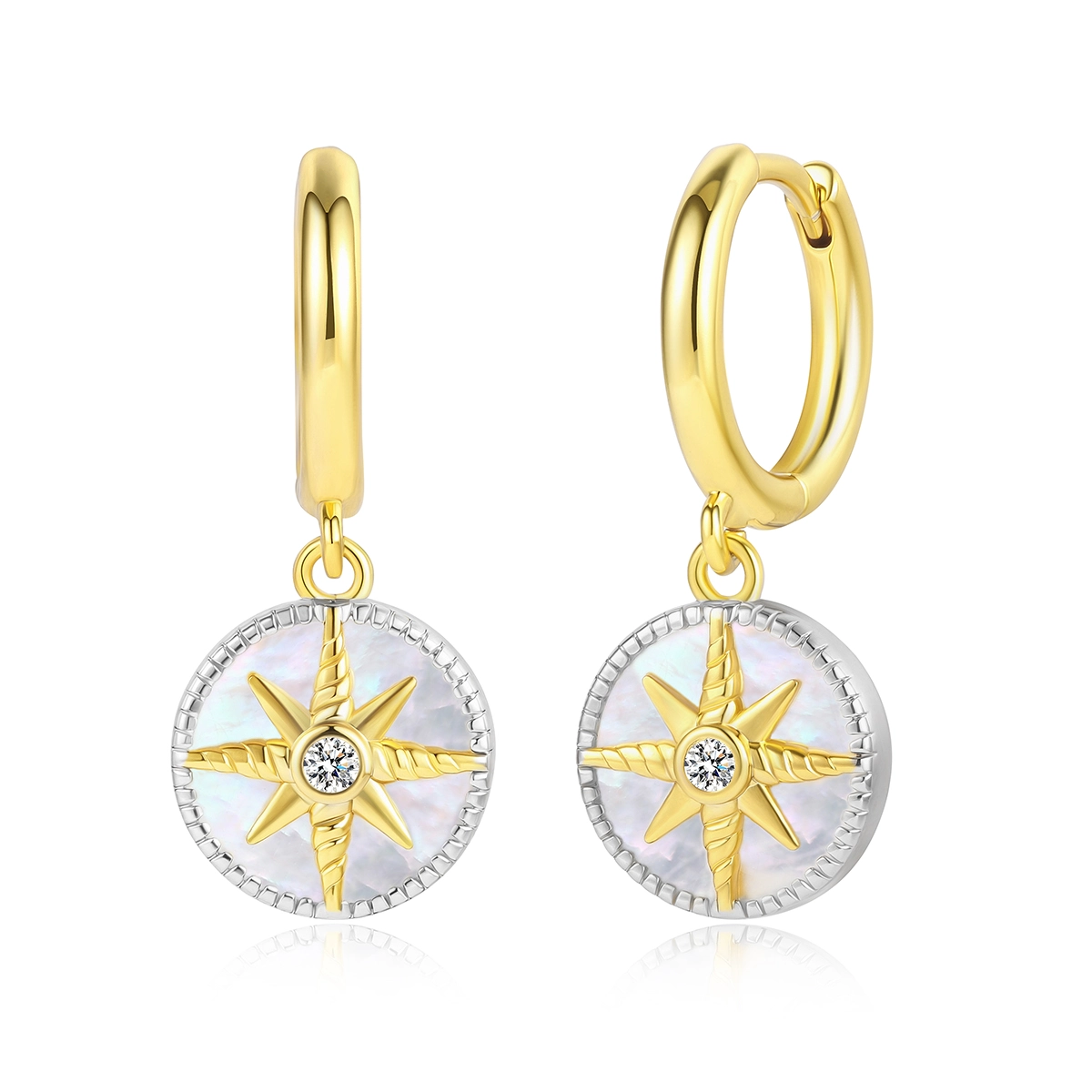
Brass Mother of Pearl Compass Huggie Drop Earrings | 14K 18K Gold Plated Hypoallergenic Jewelry
Read More
925 Silver Jewelry
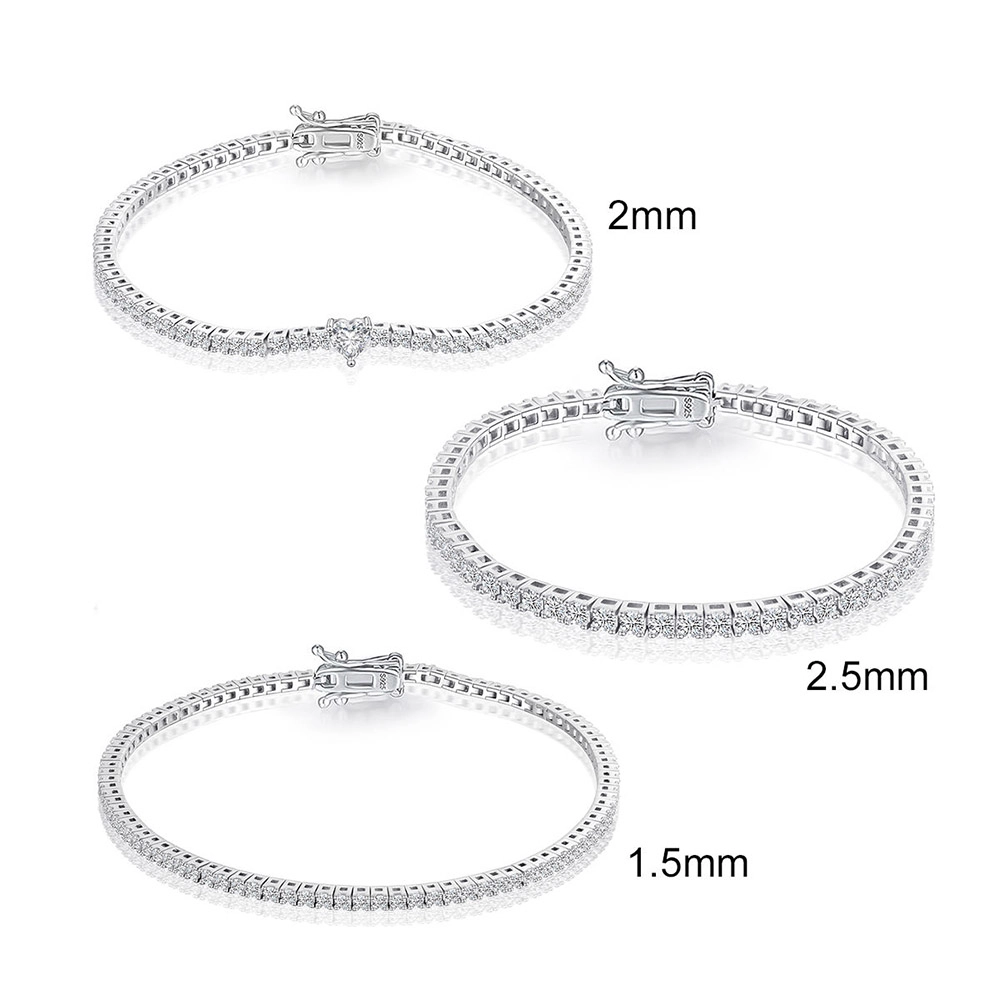
Customizable High-Quality Fashion 925 Sterling Silver AAA Cubic Zirconia Heart-Shaped Open Tennis Bracelet.
Read More
Get a Quote for Private Label Jewelry
We provide personalized jewelry customization services for clients worldwide.
Rest assured that your privacy is important to us, and all information provided will be handled with the utmost confidentiality.
By clicking 'Send Inquiry Now' I agree to ZHEFAN JEWELRY processing my personal data.
To see how to withdraw your consent, how to control your personal data and how we process it, please see our Privacy Policy and Terms of use.
From design to production, ZHEFAN JEWELRY offers a one-stop solution to help you enhance your brand value and market competitiveness.
Get A Quote
Contact
Tel: (+86) 188 1927 7817
© 2026 Zhefan Jewelry. All Rights Reserved.
Facebook
Instagram
YouTube
Whatsapp: +8618819277817