







Email: sales3@zhefanjewelry.com
Hypoallergenic Options in Custom Gold Plated Earrings
I explain how to design, source and care for hypoallergenic custom gold plated earrings. The guide covers common metal allergens, safe base metals and plating methods (gold vermeil, PVD, electroplating), manufacturing best practices, testing and certifications (RoHS/REACH), plus a material comparison table and practical FAQs. Practical for designers, buyers and brand owners seeking wearable, skin-safe fashion jewelry.
- Understanding Metal Allergies and Their Impact
- Common allergens and prevalence
- How allergic reactions manifest
- Why plating alone isn’t automatically hypoallergenic
- Hypoallergenic Materials for Custom Gold Plated Earrings
- Safe base metals I recommend
- Plating types and what makes them hypoallergenic
- Certifications and compliance I require
- Manufacturing Best Practices to Ensure Hypoallergenic Quality
- Surface preparation and barrier layers
- Plating thickness, adhesion and finishing
- Quality control, testing and documentation
- Choosing and Caring for Hypoallergenic Custom Gold Plated Earrings
- How to read specs when ordering custom pieces
- Maintenance tips to prolong hypoallergenic performance
- When to recommend alternatives to plating
- Comparison: Hypoallergenic Options at a Glance
- Why Partner with a Trusted Manufacturer for Custom Gold Plated Earrings
- What I look for in a manufacturing partner
- Guangzhou Zhefan Jewelry: manufacturing capacity and hypoallergenic focus
- Practical Checklist for Ordering Hypoallergenic Custom Gold Plated Earrings
- FAQ — Hypoallergenic Custom Gold Plated Earrings
- 1. Are gold-plated earrings hypoallergenic?
- 2. What is the difference between vermeil, gold-filled and gold-plated?
- 3. Is stainless steel safe for sensitive ears?
- 4. How can brands prove their jewelry is hypoallergenic?
- 5. My customer is allergic to gold — what should I recommend?
- 6. How should customers care for plated earrings to avoid reactions?
I design and consult on jewelry production every day, and one question I hear repeatedly from brands and customers is: how do you make beautiful custom gold plated earrings that won’t irritate sensitive ears? In this guide I explain the root causes of metal allergies, the hypoallergenic materials and plating processes that work best for custom gold plated earrings, and the manufacturing and testing steps I require to ensure reliable, skin-safe finished pieces. I include data-backed recommendations, a comparison table of common options, sourcing considerations, and practical care advice so your pieces remain both beautiful and comfortable.
Understanding Metal Allergies and Their Impact
Common allergens and prevalence
Nickel is the most common metal allergen worldwide and a leading cause of allergic contact dermatitis from jewelry. Studies and reviews — and summaries such as the Nickel allergy overview — show that prevalence is substantial, especially among women, due to prolonged exposure from jewelry and body piercings (Wikipedia: Nickel allergy). While precise prevalence varies by region and study, nickel sensitivity can affect between 8% and 20% of adults in some populations. That’s why any manufacturer of custom gold plated earrings must treat nickel exposure as a primary risk factor.
How allergic reactions manifest
Contact dermatitis from earrings typically appears as redness, itching, swelling, or blistering where metal contacts the skin. Reactions can occur immediately or after days of exposure. As a designer and consultant, I always distinguish between irritant dermatitis (mechanical or chemical irritation) and true allergic contact dermatitis (immune-mediated). Preventing allergic contact dermatitis requires controlling the chemistry of the metal surface that touches the skin.
Why plating alone isn’t automatically hypoallergenic
Plating creates a barrier between the skin and the base metal, but thin or damaged plating will expose the underlying alloy. Gold-plated does not equal hypoallergenic unless the plating is sufficiently thick, durable, and applied over a suitable base metal or barrier layer. I therefore treat plating type, thickness (microns), and adhesion as crucial design parameters when specifying custom gold plated earrings.
Hypoallergenic Materials for Custom Gold Plated Earrings
Safe base metals I recommend
In my experience the following base metals minimize allergic risk when used correctly under gold plating:
- Stainless steel (316L/304): low allergenicity, high corrosion resistance — an industry workhorse for hypoallergenic jewelry (Wikipedia: Stainless steel).
- 925 sterling silver: excellent plating adhesion and common in higher-end fashion jewelry; requires anti-tarnish finishes (Wikipedia: Sterling silver).
- Titanium and niobium: naturally hypoallergenic and excellent for posts/earwires, though cost and finishing choices differ.
- Brass: workable and economical but often contains nickel or other allergens unless properly barrier-coated.
Plating types and what makes them hypoallergenic
Not all gold plating is equal. Consider these approaches:
- Gold vermeil: thick gold plating (minimum 2.5 microns over 925 silver) that can be more durable and skin-safe when properly manufactured (see gold plating principles: Wikipedia: Gold plating).
- Gold filled: mechanically bonded thick gold layer; better longevity and hypoallergenic performance than thin electroplating.
- PVD (Physical Vapor Deposition): a modern, durable coating with excellent adhesion and anti-tarnish performance; often nickel-free depending on the alloy used.
- Electroplating with adequate thickness: for mass fashion jewelry, controlling thickness (at least 0.5–2.5 microns depending on the process) and adhesion is key.
Certifications and compliance I require
To reduce chemical allergy risk and meet retail requirements I prioritize materials and processes that comply with RoHS and REACH. These frameworks restrict hazardous substances and nickel release in jewelry parts (RoHS, REACH). For customers selling in the EU or to global retailers, documentation of compliance and test results for nickel release (e.g., ISO 11326 / EN 1811 test methods) is essential.
Manufacturing Best Practices to Ensure Hypoallergenic Quality
Surface preparation and barrier layers
As someone who oversees production specifications, I insist on a multi-step surface prep: degreasing, micro-etching, and the application of an inert barrier (e.g., rhodium flash, nickel-free brass seal, or an electroplated copper/nickel-free undercoat when allowed). The barrier prevents base metal ions from migrating to the surface if the top gold layer wears thin. For truly sensitive applications, use a hypoallergenic core such as 316L stainless steel or titanium plus a gold coating.
Plating thickness, adhesion and finishing
I specify minimum plating thicknesses and adhesion tests for custom gold plated earrings. For vermeil or gold-filled parts, specify at least 2.5 microns of gold over sterling silver. For electroplated fashion jewelry, consistent process control and post-plating polishing reduce pinholes—common failure points that lead to skin exposure.
Quality control, testing and documentation
Quality control must include visual inspections, adhesion (tape/pull) tests, salt spray or accelerated wear tests, and chemical nickel release testing (EN 1811) when nickel may be present. I advise brands to maintain Certificates of Analysis (CoA) and batch test results so buyers and retailers can verify hypoallergenic claims.
Choosing and Caring for Hypoallergenic Custom Gold Plated Earrings
How to read specs when ordering custom pieces
When you order custom gold plated earrings, request the following in writing: base metal grade (e.g., 316L stainless steel), plating method (vermeil, PVD, electroplated), plating thickness in microns, whether a nickel-free barrier is used, and lab test results for nickel release. If the supplier won’t provide this, ask why. Transparent factories will share process specs and test certificates.
Maintenance tips to prolong hypoallergenic performance
To protect plating and reduce irritation risk, advise customers to avoid perfumes, hair sprays and swimming pools while wearing plated earrings. Clean pieces gently with a soft cloth and store them separately to avoid abrasion that could abrade the plating. For high-turnover product lines, PVD and vermeil offer better long-term wear than thin electroplating.
When to recommend alternatives to plating
For customers with severe metal allergies, recommend solid precious metals (14k+ gold) or titanium/niobium options. Gold-filled and vermeil are excellent mid-points for quality and cost. I always propose specifying post materials (stud posts/earwires) in titanium or 316L stainless steel even if the visible part is plated, because the post has the most skin contact.
Comparison: Hypoallergenic Options at a Glance
| Material / Process | Allergenicity | Durability | Typical Cost | Best Use |
|---|---|---|---|---|
| 316L Stainless Steel base + Gold plating (electro/PVD) | Low (nickel low/controlled) | High (esp. PVD) | Moderate | Everyday fashion earrings, posts |
| 925 Sterling Silver + Gold Vermeil (≥2.5μ) | Low (silver core) if properly finished | Moderate–High | Higher | Higher-end custom gold plated earrings |
| Titanium / Niobium + Gold coating | Very low | High | High | Medical-grade / ultra-sensitive wearers |
| Brass base + Thin gold electroplate | Variable (may contain allergens unless sealed) | Low–Moderate | Low | Low-cost fashion; needs robust sealing |
| Gold-filled (mechanically bonded) | Low | High | Moderate–High | Durable plated look with lower allergy risk |
Sources: manufacturing standards and chemical compliance guidance from the EU REACH and RoHS pages and material overviews on Wikipedia (REACH, RoHS, Gold plating, Stainless steel).
Why Partner with a Trusted Manufacturer for Custom Gold Plated Earrings
What I look for in a manufacturing partner
When I review factories for my clients, I prioritize: transparent material sourcing, documented process controls (plating thickness, adhesion tests), compliance with RoHS/REACH, and visible quality assurance steps (batch testing, CoAs). A capable partner will also be able to recommend hypoallergenic options tailored to price points and retail targets.
Guangzhou Zhefan Jewelry: manufacturing capacity and hypoallergenic focus
Guangzhou Zhefan Jewelry is a premier fashion jewelry manufacturer established in 2002, with a legacy dating back to 1997. Founded by a master mold craftsman, their company’s DNA is built on two decades of obsessive refinement. They specialize in crafting high-quality 925 silver, brass, and stainless steel jewelry. Operating two factories (Guangzhou & Meizhou) covering 800 m², their team of 80+ skilled artisans and 20 sales professionals supports a robust monthly output of 600,000 pieces. They combine this manufacturing scale with agile innovation, featuring a professional design team that launches 500+ new original styles monthly, ensuring global partners stay ahead of market trends.
What truly sets Zhefan apart is an uncompromising commitment to quality and client success. Unlike standard factories, they enforce 6 rounds of precision polishing and 6 strict quality inspections to ensure a flawless finish, using RoHS/REACH-compliant eco-friendly materials. From serving Amazon’s top 3 sellers to global retailers like Macy’s, they provide comprehensive OEM/ODM solutions that empower brands to scale. Zhefan is not just a supplier; they position themselves as the driving force behind a brand's market influence, delivering value through superior craftsmanship, rapid delivery, and dedicated service.
Core products: Stainless Steel Jewelry, Brass Jewelry, 925 silver jewelry. Learn more at https://www.zhefanjewelry.com/ or contact their sales team at sales3@zhefanjewelry.com.
Practical Checklist for Ordering Hypoallergenic Custom Gold Plated Earrings
- Specify base metal (316L stainless, 925 silver, titanium) and require material certificates.
- Specify plating method and minimum thickness (e.g., vermeil ≥2.5μ, PVD specs).
- Request documentation: RoHS/REACH compliance, nickel release test (EN 1811) if applicable, adhesion/wear tests.
- Insist on hypoallergenic posts/earwires (titanium or 316L stainless).
- Agree on finish and packaging to minimize abrasion in transit (e.g., soft inserts, anti-tarnish paper).
FAQ — Hypoallergenic Custom Gold Plated Earrings
1. Are gold-plated earrings hypoallergenic?
Not always. Gold plating can be hypoallergenic if the plating is thick and intact and the base metal or barrier layer is non-reactive. Verify plating thickness, method (vermeil, PVD, gold-filled) and base metal to assess risk.
2. What is the difference between vermeil, gold-filled and gold-plated?
Vermeil is gold plating over sterling silver, typically with a minimum of 2.5 microns of gold. Gold-filled has a mechanically bonded thicker gold layer. Gold-plated generally refers to thinner electroplated layers and may be less durable.
3. Is stainless steel safe for sensitive ears?
Yes—medical-grade 316L stainless steel is commonly used for hypoallergenic jewelry and is a reliable option for the base of custom gold plated earrings.
4. How can brands prove their jewelry is hypoallergenic?
By providing CoAs, lab test results (e.g., nickel release tests EN 1811), RoHS/REACH compliance documents, and detailed material and process specifications.
5. My customer is allergic to gold — what should I recommend?
Gold allergy is rare; often reactions are to alloys or nickel in the base metal. For confirmed gold allergy, recommend inert metals like titanium or niobium for posts and consider solid precious metals without allergenic alloying elements.
6. How should customers care for plated earrings to avoid reactions?
Advise avoiding exposure to perfumes, chlorinated pools and cosmetics; clean gently and store to avoid abrasion; consider replacing heavily worn plated pieces.
If you’re developing a collection of custom gold plated earrings and need technical specifications, sample runs, or compliance documentation, I can help you define the right materials and partner selection process. For manufacturing expertise and high-quality OEM/ODM production, Guadalajara Zhefan Jewelry offers proven capabilities and documentation to support hypoallergenic product lines.
Contact Zhefan Jewelry to request samples or discuss production: https://www.zhefanjewelry.com/ | Email: sales3@zhefanjewelry.com.
Tags
brass tennis bracelet wholesale
brass tennis bracelet wholesale
brass tennis bracelet wholesale price list
brass tennis bracelet wholesale price list
nickel free brass tennis bracelet supplier
nickel free brass tennis bracelet supplier
925 sterling silver gemstone jewelry sets wholesale
925 sterling silver gemstone jewelry sets wholesale
mother of pearl heart charm necklace
mother of pearl heart charm necklace
brass earrings
brass earrings
Recommended for you
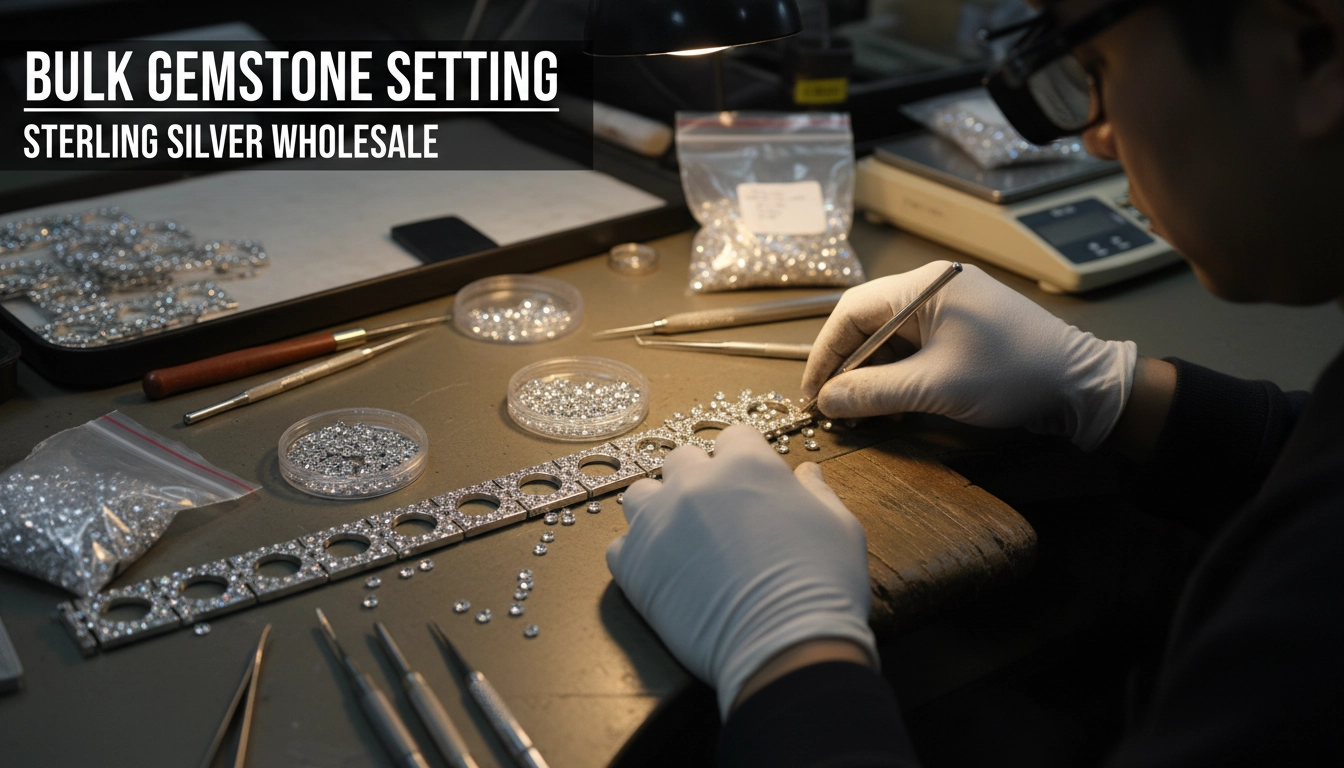
15 Advanced Sterling Silver Stones Setting Techniques: The 2026 Wholesale Masterclass
Wholesale 925 Silver Rings: MOQ, Pricing & Supplier Checklist
Why choose Zhefan Jewelry as your stainless steel charm bracelets supplier
Top stainless steel cross necklace Manufacturers and Suppliers
Prdoucts Categories
Question you may concern
FAQs
Can I get a sample?
Yes,welcome to choose our sample to test and check quality.Please give me your address and number then send you payment list.
How long does it take for the product to fade?
The normal electroplating quality color retention time of our products is 5 times longer than the market, and the thicker electroplating can retain color for three years.
What’s the lead time? .
We could arrange shipment for you within 48 hours if you order models in stock. For bulk order, it
takes 10-25 days for production depending on order quantity and styles.
Products
What is the payment method?
Our payment method are Alibaba Trade Assurance(MasterCard, visa, e-Checking, PAYLATER, T/T),T/T, PayPal,Western Union.
What's themonthly production capacity?
600,000 pcs per month.
You may also like
Brass Jewelry
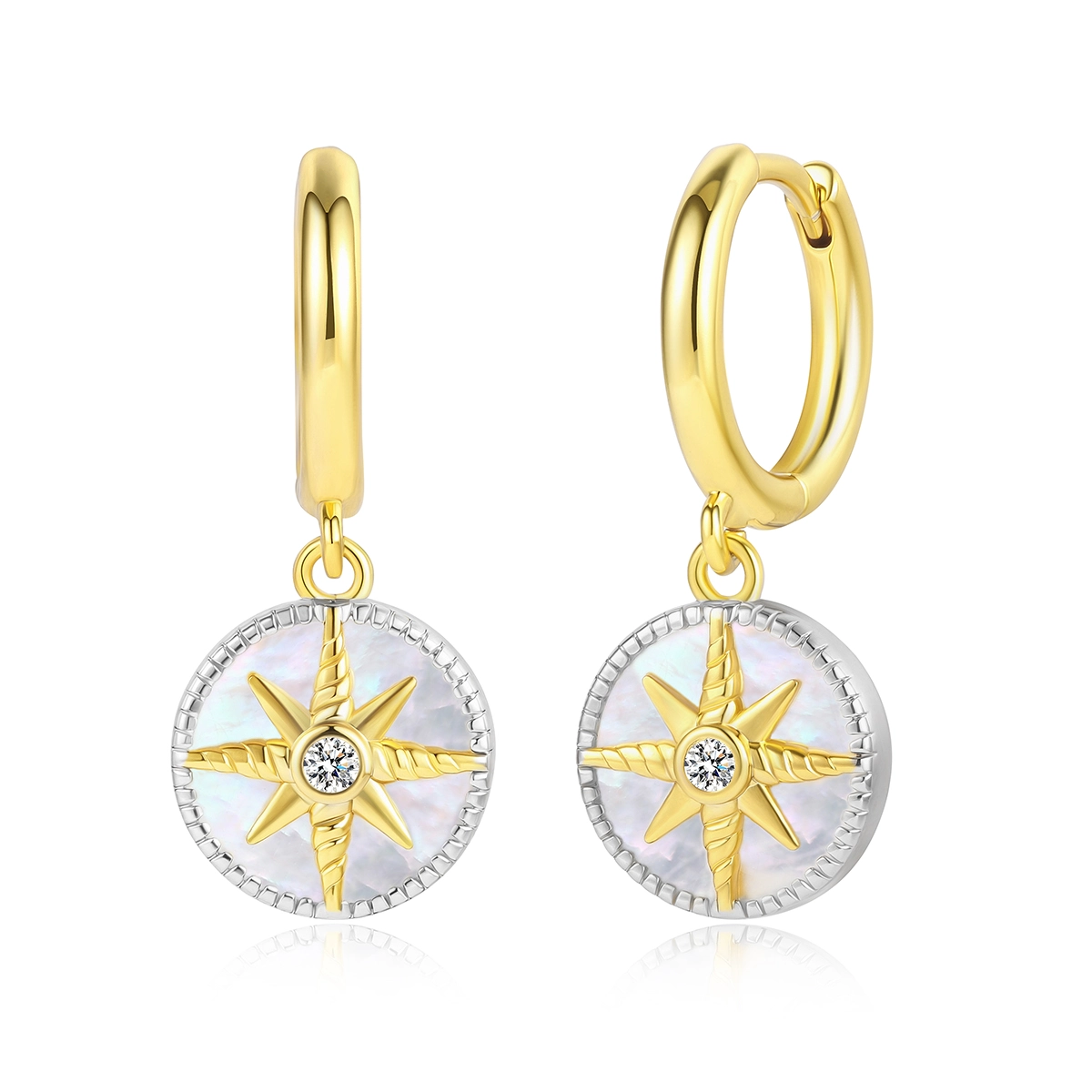
Brass Mother of Pearl Compass Huggie Drop Earrings | 14K 18K Gold Plated Hypoallergenic Jewelry
Read More
925 Silver Jewelry
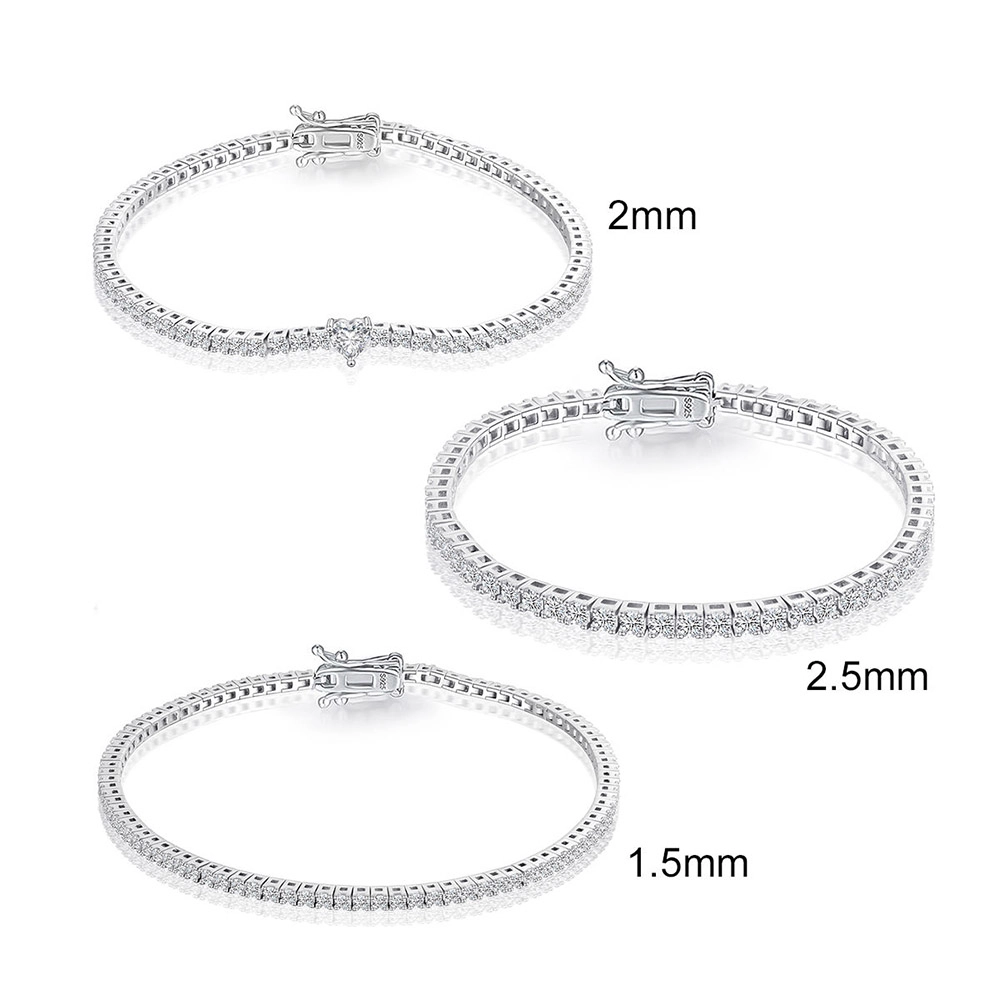
Customizable High-Quality Fashion 925 Sterling Silver AAA Cubic Zirconia Heart-Shaped Open Tennis Bracelet.
Read More
Brass Jewelry
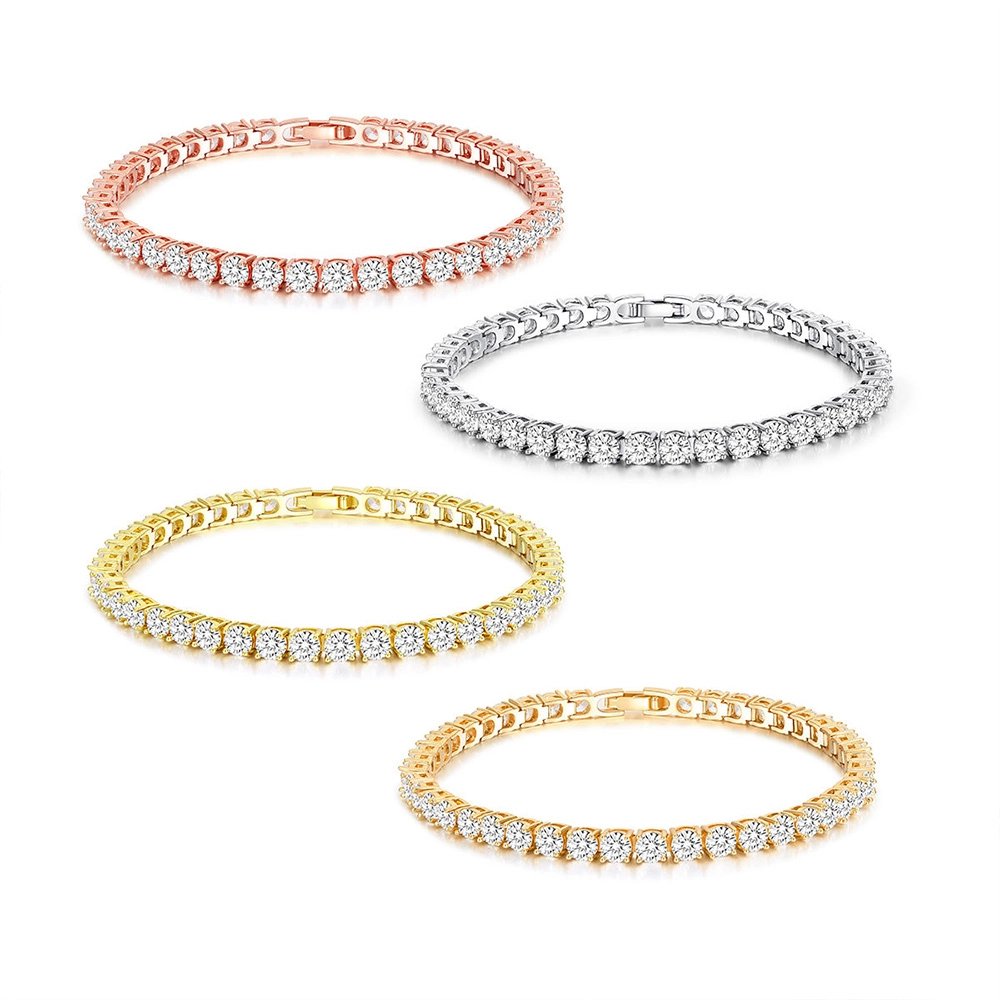
Customizable OEM ODM High-Quality Fashion Brass AAA Cubic Zirconia Classic Tennis Bracelet for Women Wholesale.
Read More
Get a Quote for Private Label Jewelry
We provide personalized jewelry customization services for clients worldwide.
Rest assured that your privacy is important to us, and all information provided will be handled with the utmost confidentiality.
By clicking 'Send Inquiry Now' I agree to ZHEFAN JEWELRY processing my personal data.
To see how to withdraw your consent, how to control your personal data and how we process it, please see our Privacy Policy and Terms of use.
From design to production, ZHEFAN JEWELRY offers a one-stop solution to help you enhance your brand value and market competitiveness.
Get A Quote
Contact
Tel: (+86) 188 1927 7817
© 2026 Zhefan Jewelry. All Rights Reserved.
Facebook
Instagram
YouTube
Whatsapp: +8618819277817