






Email: sales3@zhefanjewelry.com
How to Source Eco-Friendly Silver Jewelry Wholesale: 7 Secrets to Triple Your Sustainable Margins in 2026
Discover the 7 essential secrets to sourcing eco-friendly silver jewelry wholesale in 2026. Learn how to verify recycled 925 sterling silver, demand RJC certifications, ensure ethical labor practices, and leverage the eco-premium to dramatically increase your profit margins.
- What is Eco-Friendly Silver Jewelry Wholesale?
- Key Takeaways: Sustainable Sourcing at a Glance
- Secret 1: Verify 'EcoSilver' and Recycled 925 Metal Origin
- Secret 2: Demand RJC Certification and Supply Chain Transparency
- Secret 3: Spot Red Flags to Avoid 'Greenwashed' Suppliers
- Secret 4: Audit Manufacturing Chemicals and Waste Management
- Secret 5: Ensure Ethical Labor and Fair Wage Practices
- Secret 6: Require Carbon-Neutral Shipping and Zero-Plastic Packaging
- Secret 7: Market the 'Eco-Premium' to Triple Your Margins
- Expert Tips & Common Sourcing Mistakes for 2026+
- Conclusion
- What is the difference between regular and eco-friendly silver jewelry?
- How can I verify a wholesale jewelry supplier is truly sustainable?
- Is recycled 925 sterling silver the same quality as mined silver?
- What does RJC certified mean in wholesale jewelry sourcing?
- Can selling eco-friendly silver jewelry increase my profit margins?
- What are the biggest red flags of greenwashing in jewelry wholesale?
- Where can I find reliable sustainable silver jewelry manufacturers?
- How do eco-friendly jewelry packaging and shipping impact costs?
What is Eco-Friendly Silver Jewelry Wholesale?
Eco-friendly silver jewelry wholesale is the practice of bulk-purchasing items made from recycled or ethically mined silver, processed using environmentally safe methods and fair labor, to meet consumer sustainability demands while reducing the ecological footprint of your retail brand.
Transitioning to sustainable sourcing is no longer just a trend; it is a fundamental shift in how the global jewelry market operates. When jewelers and retailers opt for eco-friendly wholesale models, they actively participate in an ethical framework that values the planet just as much as profits. Sourcing correctly requires diligence, but the rewards for your brand reputation are immense.
- Reduces Mining Dependency: Choosing sustainable silver minimizes the need for destructive virgin mining practices, which are notorious for soil erosion, habitat destruction, and water contamination.
- Closed-Loop Manufacturing: It involves partnering with forward-thinking suppliers who prioritize closed-loop manufacturing systems, ensuring that scrap metals are continually repurposed and waste is minimized.
- Market Differentiation: This approach provides retail brands with a powerful, marketable differentiator in an increasingly crowded ethical fashion space, allowing them to attract a fiercely loyal customer base.
Key Takeaways: Sustainable Sourcing at a Glance
Sustainable sourcing at a glance involves prioritizing recycled 925 sterling silver wholesale networks, demanding strict third-party verifications like RJC certification, ensuring fair wages and safe chemicals, and leveraging supply chain transparency to command premium retail prices.
Before diving into the specific secrets of ethical procurement, it is crucial to establish the foundational pillars that will guide your purchasing decisions. Every vendor relationship must be evaluated through the lens of verifiable sustainability.
- Prioritize EcoSilver: Always opt for recycled 925 sterling silver over newly mined materials to drastically reduce your brand's carbon footprint.
- Demand Verification: Work exclusively with RJC certified jewelry manufacturers to guarantee compliance with international labor and environmental laws.
- Focus on Authenticity: Authentic ethical sourcing encompasses fair wages, non-toxic manufacturing chemicals, and zero-plastic, eco-conscious packaging.
- Command Premiums: Leveraging total transparency in your supply chain is the ultimate key to achieving superior sustainable jewelry profit margins.
Secret 1: Verify 'EcoSilver' and Recycled 925 Metal Origin
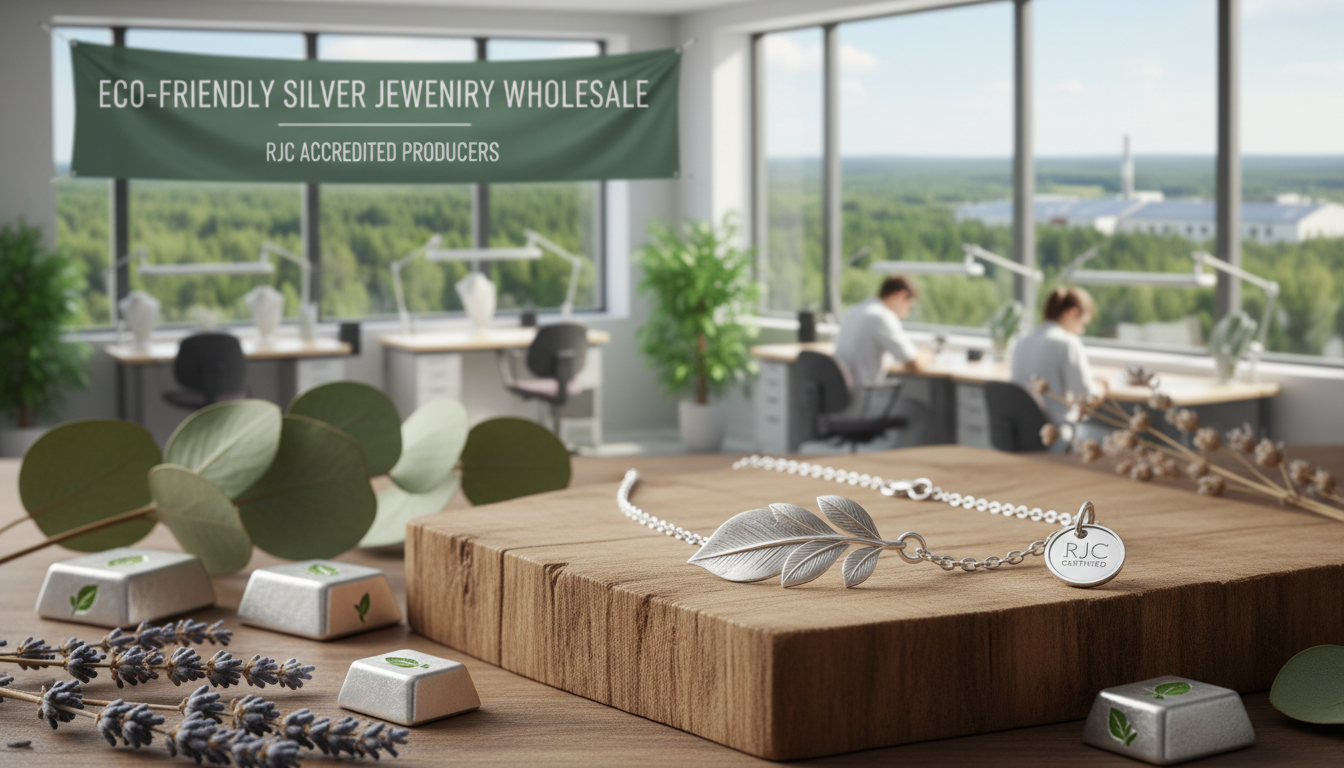
Verifying the origin of EcoSilver means ensuring your supplier can provide documentation proving their recycled 925 sterling silver wholesale products are recovered from scrap jewelry, electronics, or medical equipment rather than extracted from virgin mines.
The term "EcoSilver" is often thrown around casually in marketing materials, but true verification requires a deep dive into your supplier's refining process. Recycled silver must be meticulously traced back to its secondary source to guarantee its eco-friendly status and prevent environmental degradation.
- Chemical Equivalence: Recycled sterling silver is chemically identical to newly mined silver, maintaining the exact same 925 quality, structural integrity, and durability standards. As highlighted by Wikipedia, silver-containing waste from electronics and medical tools must be properly recycled to protect the environment, creating a rich and vital source for secondary silver processing.
- Rigorous Documentation: Always ask wholesalers for explicit origin documentation, material data sheets, and refining certificates that transparently map the metal's journey from scrap to final product.
- Elevating Brand Trust: Highlighting verified EcoSilver in your product descriptions, along with its origin story, instantly elevates brand trust and perceived value in the eyes of discerning, modern consumers.
Secret 2: Demand RJC Certification and Supply Chain Transparency
Demanding RJC certification guarantees that your wholesale partners have been independently audited and comply with the strictest global standards for human rights, labor laws, environmental impact, and ethical mining practices.
Transparency is the bedrock of any successful ethical silver supply chain. Without independent, third-party audits, a supplier's sustainability claims are merely unverified promises that can expose your brand to severe reputational damage.
- The Global Gold Standard: The Responsible Jewellery Council sets the definitive global benchmark for environmental and ethical responsibility across the entire watch and jewelry trade.
- Verify Active Status: Only partner with RJC certified jewelry manufacturers who hold active, verifiable Code of Practices (COP) certifications. Do not hesitate to search the official RJC database to confirm their membership status before signing any contracts.
- Crafting a Mine-to-Market Story: A fully transparent supply chain empowers you to tell a compelling, authentic narrative that deeply resonates with eco-conscious buyers who want to know exactly who made their jewelry and how it was produced.
Secret 3: Spot Red Flags to Avoid 'Greenwashed' Suppliers
Spotting red flags requires critically evaluating vague buzzwords like "earth-friendly" and demanding specific audit reports, material safety data sheets, and refining details to ensure effective anti-greenwashing jewelry sourcing.
Greenwashing is rampant in the wholesale jewelry industry. Suppliers often disguise conventional manufacturing under the veneer of sustainability to attract eco-conscious buyers without making the necessary operational changes. You must be vigilant.
- Vague Terminology: Beware of suppliers using unregulated terms like "green," "natural," or "conscious" without providing concrete, third-party proof to back up their claims.
- Suspiciously Low Prices: Watch out for unusually low wholesale prices. Authentic sustainable manufacturing requires fair living wages and responsible waste management protocols, which naturally affect the base cost of goods.
- Lack of Answers: If a supplier becomes defensive or cannot definitively answer detailed questions about their metal origin, chemical usage, or refining partners, walk away immediately.
Secret 4: Audit Manufacturing Chemicals and Waste Management
Auditing manufacturing chemicals involves ensuring your wholesale partner strictly avoids toxic substances during the refining, polishing, and plating processes while maintaining robust wastewater treatment facilities to protect local ecosystems.
A truly sustainable piece of jewelry is defined not just by the recycled nature of its metal, but by the environmental impact of its entire creation process. Toxic byproducts from jewelry manufacturing can devastate local communities if not handled correctly.
- Beyond the Metal: Sustainable jewelry isn't just about the silver itself; it is about managing the entire chemical footprint of the production line, from casting to final polishing.
- Safe Wear: Ensure your wholesale partner guarantees lead-free, cadmium-free, and nickel-free manufacturing. This protects both the environment during production and your customers from allergic reactions during wear.
- Wastewater Treatment: Directly inquire about their factory wastewater facilities to confirm that harmful byproducts and heavy metals are not being illegally dumped into local water supplies.
Secret 5: Ensure Ethical Labor and Fair Wage Practices
Ensuring ethical labor means verifying that your wholesale partner provides safe working conditions, fair living wages, and strict anti-child labor policies at all of their international manufacturing facilities.
Environmental sustainability is inherently tied to human sustainability. An ethical silver supply chain cannot exist if the artisans crafting the pieces are exploited, underpaid, or forced to work in hazardous environments.
- Human Rights First: True sustainability always encompasses human rights and community welfare. A clean environment means nothing if the local workforce is suffering.
- Transparency Requests: Request total transparency regarding factory working hours, worker safety protocols, labor union access, and age verification policies.
- Customer Loyalty: Brands that can definitively prove their jewelry is crafted by fairly treated, respected artisans experience significantly higher customer loyalty and long-term brand advocacy.
Secret 6: Require Carbon-Neutral Shipping and Zero-Plastic Packaging
Requiring carbon-neutral shipping and zero-plastic packaging ensures that the eco-friendly integrity of your jewelry is maintained from the overseas factory floor all the way to your domestic retail warehouse.
Bulk shipping and excessive plastic wrapping can quickly negate the environmental benefits of using recycled silver. To maintain true integrity, your operational logistics must mirror your product sourcing standards.
- Downstream Waste: Negotiate for biodegradable, recycled, or completely plastic-free wholesale packaging to drastically reduce downstream waste in your own warehouse.
- Offset Programs: Partner with logistics companies and wholesalers who actively calculate and offset their carbon footprint during international freight and shipping.
- End-to-End Sustainability: A truly authentic sustainable brand considers the logistics, packaging, and delivery mechanisms to be just as important as the jewelry itself.
Secret 7: Market the 'Eco-Premium' to Triple Your Margins
Marketing the 'eco-premium' means strategically leveraging the documented ethical journey of your silver to justify higher retail pricing, transitioning your brand from competing on price to competing on core values.
The modern consumer landscape has fundamentally shifted. Shoppers are increasingly voting with their wallets, prioritizing brands that actively demonstrate a commitment to social and environmental responsibility, and they are willing to pay for that peace of mind.
- High Consumer Demand: Consumers in 2026 are willing to pay up to 30-50% more for products with proven, verifiable sustainability credentials, as corroborated by consumer willingness to pay studies published by Veylinx and McKinsey.
- Value-Based Competition: Use your robust sustainability data to transition away from the race-to-the-bottom pricing model. When you sell an ethos and a clean conscience rather than just a product, price becomes a secondary concern.
- Boosting Profitability: By clearly communicating your eco-friendly sourcing on product pages, email campaigns, and social media, you can multiply your sustainable jewelry profit margins while maintaining incredibly high conversion rates.
Expert Tips & Common Sourcing Mistakes for 2026+
Navigating the 2026 wholesale landscape requires building long-term contracts with small-batch sustainable manufacturers to lock in favorable pricing against the rising costs of recycled silver and upcoming global compliance regulations.
Staying ahead of the curve means anticipating market shifts before they happen. As the demand for sustainable materials skyrockets, securing reliable vendors will become your most valuable business asset.
- Expert Tip: Secure your supply chain early. Building long-term contracts helps hedge against raw material price fluctuations in the highly volatile recycled metals market.
- Common Mistake: Treating sustainability as a temporary marketing gimmick rather than the core identity of your jewelry brand is a critical error that modern consumers will easily see through.
- Future Trend: Prepare for the implementation of digital product passports (DPPs) which will track the exact origin, carbon footprint, and labor history of every recycled silver piece by the end of 2026.
Conclusion
Sourcing eco-friendly silver jewelry wholesale requires diligent vetting of metal origins, RJC certifications, and fair labor practices to build a resilient, profitable, and truly ethical supply chain.
The jewelry industry is undergoing a massive transformation. Brands that refuse to adapt to the new ethical standards will inevitably be left behind, while those that embrace transparency will thrive. By refusing to compromise on your values, you build trust with a demographic that values integrity above all else.
- Diligent Vetting: Always verify metal origins and demand third-party audits to protect your brand from greenwashing.
- Resilient Supply Chains: By implementing these 7 secrets, you establish a powerful brand that easily justifies premium retail pricing.
- Margin Growth: Ethical sourcing is not just good for the planet; it is the definitive path to tripling your financial margins in 2026.
Contact us today to optimize your sustainable jewelry sourcing strategy.
What is the difference between regular and eco-friendly silver jewelry?
Regular silver is often newly mined, a process that can cause significant habitat destruction and carbon emissions. Eco-friendly silver primarily relies on recycled metals (like 925 EcoSilver) and is manufactured using safe chemicals and fair labor practices, minimizing environmental impact.
How can I verify a wholesale jewelry supplier is truly sustainable?
Look for recognized third-party certifications, such as the Responsible Jewellery Council (RJC) certification. Ask for specific details about their waste management, metal origins, and audits of their factory labor conditions.
Is recycled 925 sterling silver the same quality as mined silver?
Yes, recycled 925 sterling silver is chemically identical to newly mined silver. It undergoes a rigorous refining process to remove impurities, ensuring it meets the exact same durability and visual quality standards.
What does RJC certified mean in wholesale jewelry sourcing?
RJC stands for the Responsible Jewellery Council. An RJC certification means the wholesaler has been independently audited and complies with strict global standards for human rights, labor rights, environmental impact, and mining practices.
Can selling eco-friendly silver jewelry increase my profit margins?
Absolutely. Modern consumers increasingly seek out purpose-driven brands. By marketing the verifiable sustainability and ethical production of your jewelry, you can charge an 'eco-premium,' often leading to higher overall profit margins despite slightly higher wholesale costs.
What are the biggest red flags of greenwashing in jewelry wholesale?
A major red flag is using terms like 'earth-friendly' without providing transparent supply chain data or third-party certifications. Refusal to disclose where the silver is refined or evasive answers regarding factory working conditions also indicate greenwashing.
Where can I find reliable sustainable silver jewelry manufacturers?
You can find them through certified databases like the RJC member directory or specialized ethical trade shows. Networking within sustainable fashion communities and partnering with specialized eco-conscious wholesale directories are also effective strategies.
How do eco-friendly jewelry packaging and shipping impact costs?
While zero-plastic or biodegradable packaging may have a slightly higher upfront cost, it drastically improves brand perception and unboxing experiences. Carbon-neutral shipping offsets are often marginal in cost but provide a significant marketing advantage that justifies retail price increases.
Tags
funeral urn pendant bulk supplier
funeral urn pendant bulk supplier
brass tennis bracelet supplier
brass tennis bracelet supplier
mop heart necklace
mop heart necklace
sustainable 925 sterling silver jewelry supplier
sustainable 925 sterling silver jewelry supplier
925 sterling silver mens bracelets
925 sterling silver mens bracelets
rose gold brass tennis bracelet bulk
rose gold brass tennis bracelet bulk
Recommended for you
Supplier Checklist: Quality Standards for 925 Sterling Silver Earrings
Custom OEM 925 Sterling Silver Earrings: Minimums and Lead Time
Why choose Zhefan Jewelry as your stainless steel ring jewelry supplier
Bulk Pricing Trends for 925 Silver Necklaces in 2026
Prdoucts Categories
Question you may concern
FAQs
Can I see your product test report?
Of course.Our product throught standar test like SGS.We test in many ways of product.
Can I get a sample?
Yes,welcome to choose our sample to test and check quality.Please give me your address and number then send you payment list.
Products
What’s the shipment method? How long does it take for delivery?
Our product distributed to all over the world. Shipped by DHL / Fedex / TNT / UPS takes 3-7 days, Epacket takes 7-15 days, China Post takes 15-30 days.
What is your minimum order quantity?
We offer low MOQ from 2 to 30 depending on models. Send your favor model to get details from Trade Manager.
What is the payment method?
Our payment method are Alibaba Trade Assurance(MasterCard, visa, e-Checking, PAYLATER, T/T),T/T, PayPal,Western Union.
You may also like
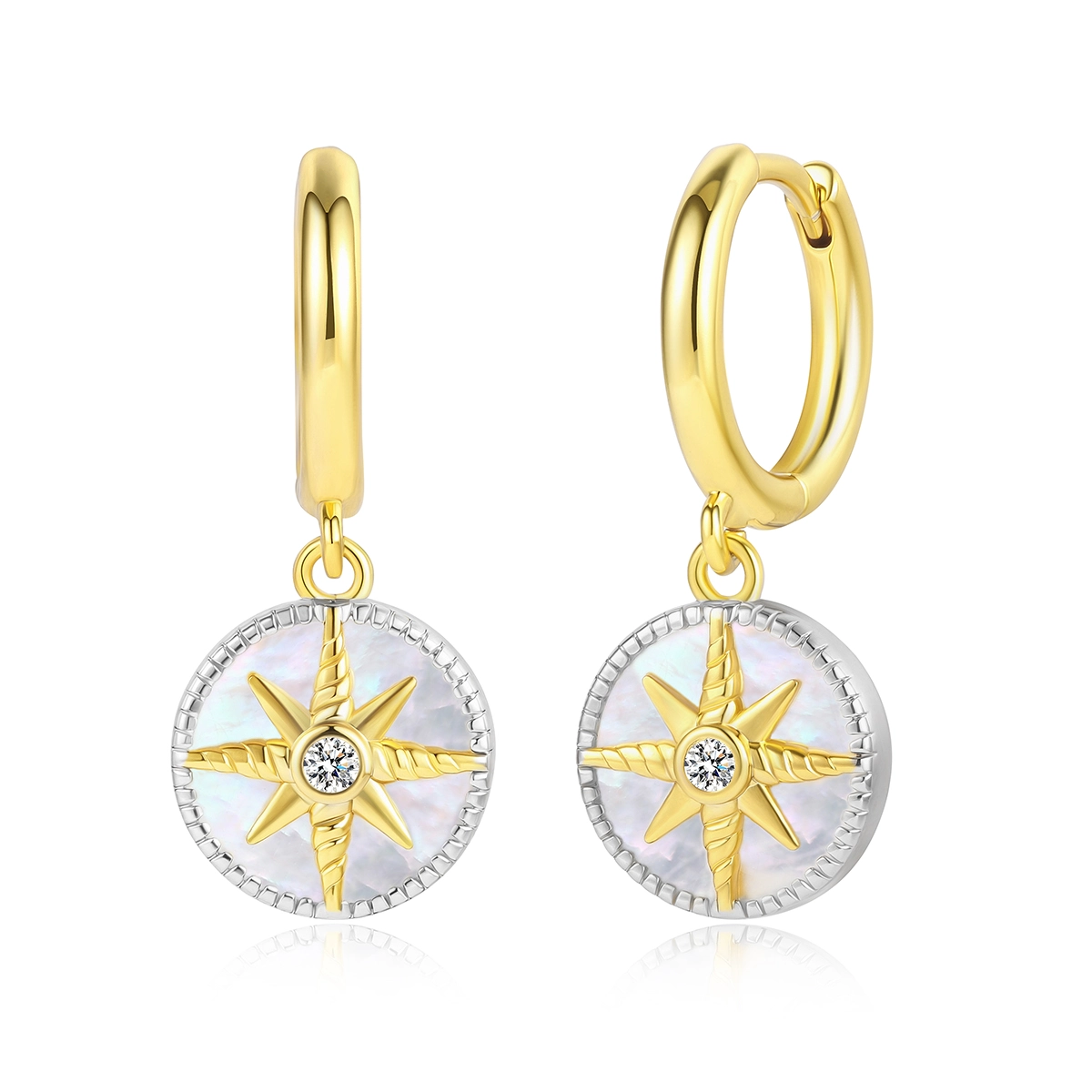
Brass Jewelry
Brass Mother of Pearl Compass Huggie Drop Earrings | 14K 18K Gold Plated Hypoallergenic Jewelry
Read More
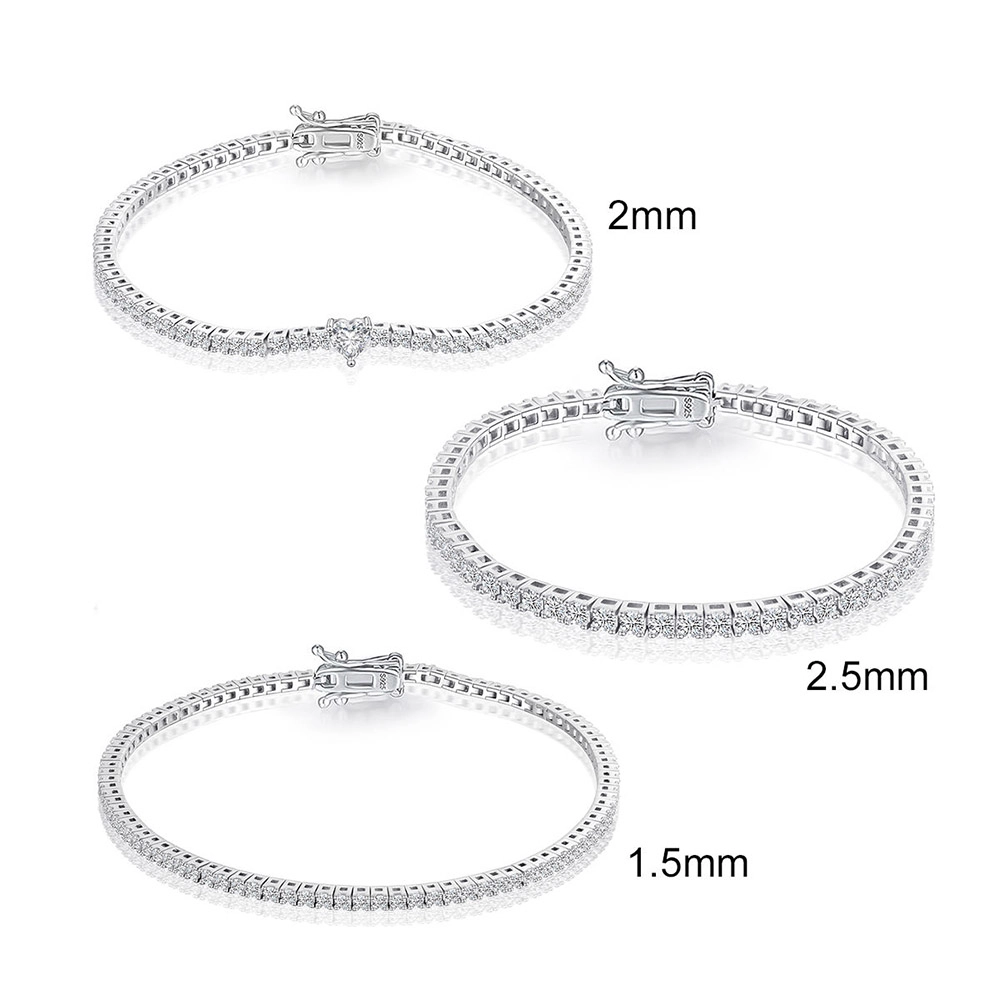
925 Silver Jewelry
Customizable High-Quality Fashion 925 Sterling Silver AAA Cubic Zirconia Heart-Shaped Open Tennis Bracelet.
Read More
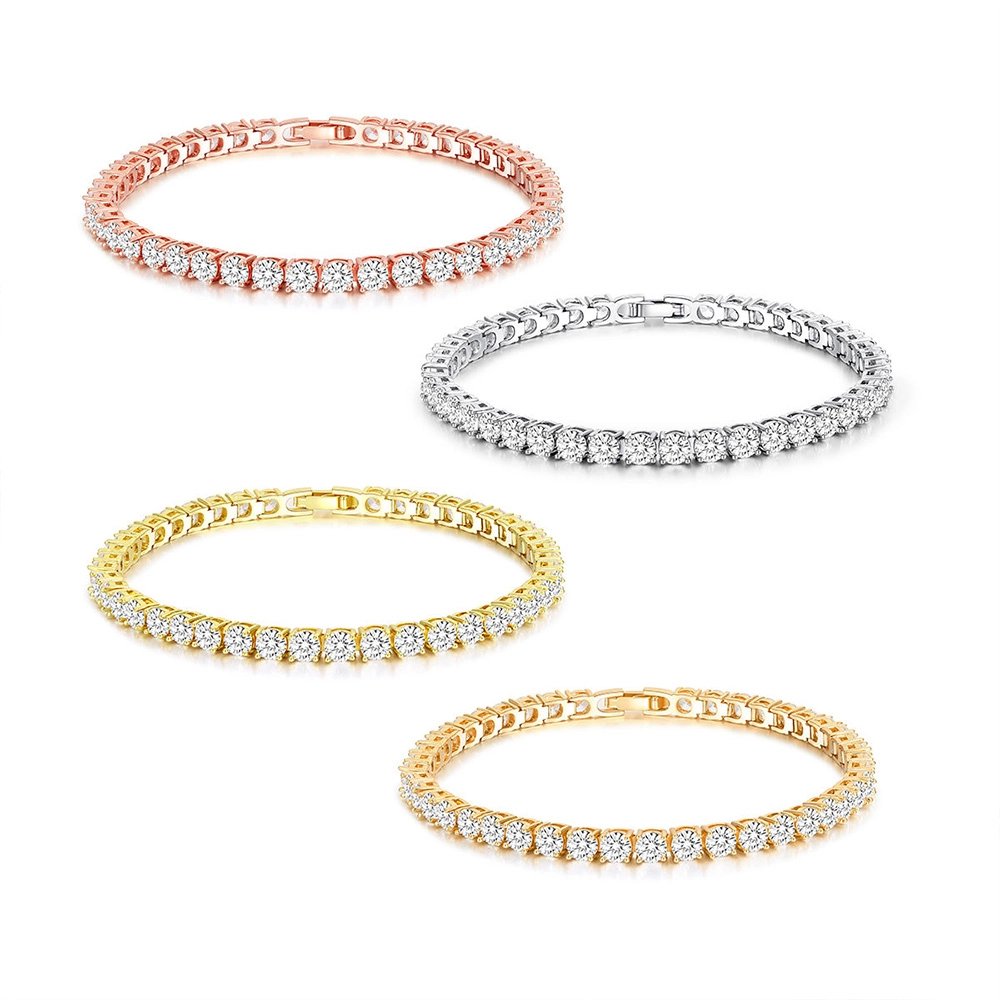
Brass Jewelry
Customizable OEM ODM High-Quality Fashion Brass AAA Cubic Zirconia Classic Tennis Bracelet for Women Wholesale.
Read More
Get a Quote for Private Label Jewelry
We provide personalized jewelry customization services for clients worldwide.
Rest assured that your privacy is important to us, and all information provided will be handled with the utmost confidentiality.
By clicking 'Send Inquiry Now' I agree to ZHEFAN JEWELRY processing my personal data.
To see how to withdraw your consent, how to control your personal data and how we process it, please see our Privacy Policy and Terms of use.
From design to production, ZHEFAN JEWELRY offers a one-stop solution to help you enhance your brand value and market competitiveness.
Get A Quote
Contact
Tel: (+86) 188 1927 7817
© 2026 Zhefan Jewelry. All Rights Reserved.
Facebook
Instagram
YouTube
Whatsapp: +8618819277817