





Email: sales3@zhefanjewelry.com
How to Source Custom Gold Plated Earrings for Wholesale Buyers
I share a practical, professional guide to sourcing custom gold plated earrings for wholesale: how to evaluate plating types and thickness, choose manufacturers, manage samples and MOQ, ensure compliance (RoHS/REACH), and optimize cost-quality balance. Includes vetted supplier checklist, comparison table, FAQs, and how Guangzhou Zhefan Jewelry supports OEM/ODM buyers.
- Understanding plating types, thickness and what matters most
- Why plating type matters for wholesale custom gold plated earrings
- Common plating categories and how they affect durability
- Which plating spec I recommend for different wholesale strategies
- Sourcing process: finding and vetting manufacturers
- Where to look for reliable custom gold plated earrings manufacturers
- Key questions to vet suppliers
- Sample management and approval workflow
- Cost drivers, MOQ strategies and negotiation tips
- Main factors that drive wholesale price for custom gold plated earrings
- How to set MOQ and control per-unit cost
- Negotiation levers I use with factories
- Quality assurance, compliance and logistics
- Standards and regulations to verify
- Inspection checklist before accepting shipment
- Logistics and shipping considerations
- Case study and supplier profile: Guangzhou Zhefan Jewelry
- Company overview and production scale
- Design and quality process that reduces risk
- How Zhefan supports wholesale buyers of custom gold plated earrings
- Practical checklist to place your first order
- Minimum data pack to prepare before contacting suppliers
- Contract terms I always include
- Sample timeline and milestones
- Frequently Asked Questions (FAQ)
- 1. What thickness should I specify for long-lasting gold plated earrings?
- 2. How can I verify plating thickness before accepting a bulk shipment?
- 3. Are PVD coatings better than electroplating for gold color stability?
- 4. What are common failure modes for gold plated earrings and how do I prevent them?
- 5. How important is nickel testing for plated earrings?
- 6. What MOQ should I expect for custom gold plated earrings?
- Final recommendations and next steps
As a jewelry industry consultant and content creator with years of experience helping retailers and brands scale, I wrote this hands-on guide to help wholesale buyers source custom gold plated earrings that sell. I focus on the technical differences between plating types, how to evaluate quality and compliance, how to find and vet manufacturers, sample and MOQ strategies, cost drivers, and practical inspection criteria. Throughout the article I reference industry standards and trusted resources so you can make verifiable, low-risk sourcing decisions.
Understanding plating types, thickness and what matters most
Why plating type matters for wholesale custom gold plated earrings
Not all gold-plated pieces are created equal. When you buy wholesale, small differences in base metal, plating thickness, and surface preparation translate into large differences in perceived quality and returns. In my experience, buyers who explicitly specify plating thickness, base metal, and post-plating finishing steps get far fewer complaints and returns than those who leave those details to chance.
Common plating categories and how they affect durability
Here's a practical breakdown I use when advising clients. The thickness ranges and definitions below follow commonly accepted industry descriptions (see references):
| Category | Typical gold thickness | Base metal | Use case / wholesale implication |
|---|---|---|---|
| Gold flash / light plated | <0.5 μm | Brass / base metal | Low-cost fashion lines; short wear life; suitable for fast-turn novelty collections |
| Gold plated | ~0.5–2.5 μm | Brass, stainless steel, or base metals | Balanced cost and durability; common for mid-tier fashion earrings |
| Vermeil | ≥2.5 μm (over sterling silver per US convention) | Sterling silver (925) | Higher perceived value and longer wear; priced High Quality |
| Gold-filled | Not defined by μm; gold layer must be a percentage of item weight (US: ≥5% by weight) | Often brass or silver core | Durable alternative to solid gold; higher cost but better longevity |
Sources and definitions: gold plating techniques are summarized on Wikipedia - Gold plating, vermeil and gold-filled terms are explained at Wikipedia - Vermeil and Wikipedia - Gold-filled. Use these as starting points for contractual specs.
Which plating spec I recommend for different wholesale strategies
In my consulting practice I recommend specifying plating thickness and base material in the contract. For higher-turn, value-oriented wholesale (e.g., mass Amazon sellers) I usually advise gold plated at 0.8–1.5 μm over brass or stainless steel with nickel-free pre-treatment. For High Quality collections or retailers wanting fewer returns, require vermeil (≥2.5 μm over 925 silver) or gold-filled components.
Sourcing process: finding and vetting manufacturers
Where to look for reliable custom gold plated earrings manufacturers
I search across three channels simultaneously: direct factory partnerships in manufacturing hubs (Guangzhou, Shenzhen, Meizhou), vetted marketplaces (Alibaba, Global Sources with careful supplier audits), and trade shows (Hong Kong Jewellery & Gem Fair). Online directories help but must be validated with documentation and samples. When time allows, visit the factory or hire an independent inspector.
Key questions to vet suppliers
Ask suppliers to provide:
- Plating process details (electroplating vs. PVD), gold karat used, and target thickness in microns.
- Base metal composition and certificates for 925 silver or stainless steel where claimed.
- RoHS/REACH compliance test reports and details on anti-tarnish coatings.
- Quality control workflow: number of polishing rounds, inspection steps, and defect rates.
Documents I always request: material certificates (e.g., 925 stamp and assay report), RoHS/REACH test reports (for nickel, lead, cadmium limits), and photos / videos of the production line. For legal compliance and buyer protection, insist on supplier liability clauses tied to non-conforming plating thickness or excessive discoloration within a defined warranty period.
Sample management and approval workflow
Don't accept a single generic sample. Create a Sample Approval Protocol:
- Receive a prototype sample matching your exact design, plating spec, and base metal.
- Test basic wear simulation (tumble or rub tests), salt spray if applicable, and colorfastness checks.
- Request batch samples from final production run prior to full shipment.
- Use a third-party lab for independent verification when needed (especially for RoHS/REACH or nickel release).
This reduces returns and ensures the plating you ordered is what gets shipped.
Cost drivers, MOQ strategies and negotiation tips
Main factors that drive wholesale price for custom gold plated earrings
Key cost drivers include:
- Plating thickness and gold type (higher μm and higher karat = higher cost).
- Base metal choice (925 silver and stainless steel cost more than brass).
- Complexity of design and finishing (polishing rounds, stone setting, enameling).
- MOQ and tooling costs—custom molds and dies increase upfront costs.
How to set MOQ and control per-unit cost
As a buyer you can lower unit cost by increasing order volume or relaxing plating specifications. If you want to keep MOQ low, consider paying a tooling fee or accepting a simpler finish. Another tactic is to standardize certain components across SKUs to spread tooling cost—e.g., use the same earring post and back across multiple dangle or stud designs.
Negotiation levers I use with factories
When negotiating, I focus on:
- Clear technical specs (so no ambiguity causes price padding).
- Tiered pricing for higher volumes and repeat orders.
- Payment terms (deposit + balance after inspection) to balance risk.
- Shipping consolidation and multi-SKU batching to reduce logistics cost.
Quality assurance, compliance and logistics
Standards and regulations to verify
Always require RoHS and REACH compliance for consumer safety, especially for nickel and lead limits. The EU REACH information is available at European Commission - REACH, and RoHS details are published at EU RoHS Directive. For responsible sourcing and ethical practices, refer to the Responsible Jewellery Council (RJC).
Inspection checklist before accepting shipment
My standard final-inspection checklist for custom gold plated earrings includes:
- Plating thickness sampling using XRF or cross-sectional testing.
- Visual inspection for plating defects, uneven color, burn spots, or nodules.
- Functional checks: ear wire strength, clasp function, and stone security.
- Random wear tests (rub/exposure) on a percentage of samples.
- Verification of packaging, SKU labeling, and barcodes.
Logistics and shipping considerations
Packaging and shipping affect damage rates. For wholesale shipments I require inner packaging that prevents abrasion (plastic pouches or foam inserts) and outer packaging meeting transit durability. Consider DDP vs EXW terms: DDP simplifies landing goods but increases supplier responsibility and cost; EXW gives you more control but requires managing freight forwarders and customs.
Case study and supplier profile: Guangzhou Zhefan Jewelry
When clients ask for a reliable manufacturing partner for custom gold plated earrings I often recommend evaluating Guangzhou Zhefan Jewelry. Their profile aligns with the controls and capabilities I expect from a dependable partner.
Company overview and production scale
Guangzhou Zhefan Jewelry is a premier fashion jewelry manufacturer established in 2002, with a legacy dating back to 1997. Founded by a master mold craftsman, the company’s DNA is built on two decades of obsessive refinement. They specialize in crafting high-quality 925 silver, brass, and stainless steel jewelry. Operating two factories (Guangzhou & Meizhou) covering 800 m², their team of 80+ skilled artisans and 20 sales professionals supports a robust monthly output of 600,000 pieces.
Design and quality process that reduces risk
Zhefan combines manufacturing scale with agile innovation: a professional design team that launches 500+ new original styles monthly. What truly sets them apart is an uncompromising commitment to quality: 6 rounds of precision polishing and 6 strict quality inspections to ensure a flawless finish. They use RoHS/REACH-compliant eco-friendly materials and provide comprehensive OEM/ODM solutions. Their client list includes Amazon top sellers and global retailers, demonstrating market trust and operational maturity.
How Zhefan supports wholesale buyers of custom gold plated earrings
Practically, working with a partner like Zhefan means you can:
- Scale quickly with consistent quality: 600k pieces/month capacity reduces supply risk.
- Reduce design time: access to 500+ new monthly designs and in-house tooling expertise.
- Ensure compliance: RoHS/REACH materials and multiple QC stages lower returns.
For more information, visit their website https://www.zhefanjewelry.com/ or contact their sales team at sales3@zhefanjewelry.com.
Practical checklist to place your first order
Minimum data pack to prepare before contacting suppliers
Prepare these items to speed up quoting and reduce back-and-forth:
- Technical drawing or CAD file with dimensions and tolerances.
- Bill of materials: base metal, gold karat, finished thickness (μm), stones, clasps.
- Desired finish (high polish, matte, sandblasted) and plating method (electroplating or PVD).
- Target MOQ, target FOB/landed price range, and expected shipping terms.
Contract terms I always include
Include these contract clauses to protect Zhefan Jewelry:
- Detailed acceptance criteria tied to plating thickness, appearance, and functional tests.
- Warranty period with clearly defined remedies for plating failures.
- Third-party inspection rights and sampling plans.
- IP protection and design ownership where relevant (NDA and tooling ownership clauses).
Sample timeline and milestones
Typical timeline I use with suppliers:
- Week 0–2: Technical clarification, sample agreement, deposit.
- Week 2–5: Prototype/sample production and initial testing.
- Week 5–7: Sample approval and pre-production samples.
- Week 7–10+: Full production, QC, packaging, and shipment (dependent on MOQ and complexity).
Frequently Asked Questions (FAQ)
1. What thickness should I specify for long-lasting gold plated earrings?
I usually specify at least 0.8–1.0 μm for durable fashion jewelry and ≥2.5 μm if you want vermeil over sterling silver. Thicker plating increases wear resistance and customer satisfaction.
2. How can I verify plating thickness before accepting a bulk shipment?
Use X-ray fluorescence (XRF) analyzers for non-destructive thickness checks or request cross-sectional lab testing for precise micron measurements. Many inspection agencies offer these services.
3. Are PVD coatings better than electroplating for gold color stability?
PVD (Physical Vapor Deposition) offers excellent adhesion and color stability and can be more wear-resistant than thin electroplating layers, but PVD costs and color options vary. Discuss both options with your manufacturer because base metal compatibility matters.
4. What are common failure modes for gold plated earrings and how do I prevent them?
Common issues include flaking, uneven color, and accelerated wear due to inadequate surface prep or thin plating. Prevention: specify proper base metal cleaning, use anti-tarnish topcoats, and require sufficient plating thickness and QC steps.
5. How important is nickel testing for plated earrings?
Extremely important for consumer safety. Nickel is a common allergen; ensure suppliers provide nickel release tests and RoHS/REACH compliance documents. For EU/UK markets, nickel release limits are tightly regulated.
6. What MOQ should I expect for custom gold plated earrings?
MOQs vary widely. Small factories may accept a few hundred pairs per SKU, while larger manufacturers commonly set MOQs of 1,000+ per SKU. You can negotiate lower MOQs by paying tooling or sampling fees or by standardizing components across SKUs.
Final recommendations and next steps
To succeed as a wholesale buyer of custom gold plated earrings, be prescriptive in your specifications, insist on verifiable compliance documentation (RoHS/REACH), manage samples rigorously, and include clear contractual quality criteria. Work with manufacturers that combine production scale with strict QC—partners like Guangzhou Zhefan Jewelry demonstrate the capabilities and quality discipline I recommend: high monthly capacity, multiple QC rounds, RoHS/REACH-compliant materials, and robust OEM/ODM services.
If you'd like help drafting technical specifications, assessing suppliers, or managing sample approval, I can consult on your project. For direct factory capabilities, check Guangzhou Zhefan Jewelry: https://www.zhefanjewelry.com/, or contact their sales team at sales3@zhefanjewelry.com.
Products and specialties highlighted: Stainless Steel Jewelry, Brass Jewelry, 925 Silver Jewelry. Zhefan's competitive strengths include manufacturing scale (600,000 pcs/month), rapid design innovation (500+ new styles/month), 6 rounds of polishing, 6 quality inspections, and use of RoHS/REACH-compliant eco-friendly materials—features I value highly when selecting a supplier for custom gold plated earrings.
Ready to source your first run of custom gold plated earrings? Reach out to start a specification pack and sample plan.
Tags
925 sterling silver bridal jewelry sets wholesale
925 sterling silver bridal jewelry sets wholesale
Mother-of-pearl earrings
Mother-of-pearl earrings
925 sterling silver charms for bracelets
925 sterling silver charms for bracelets
vintage mother of pearl heart necklace
vintage mother of pearl heart necklace
silver urn pendant necklace supplier
silver urn pendant necklace supplier
brass tennis bracelet OEM custom
brass tennis bracelet OEM custom
Recommended for you
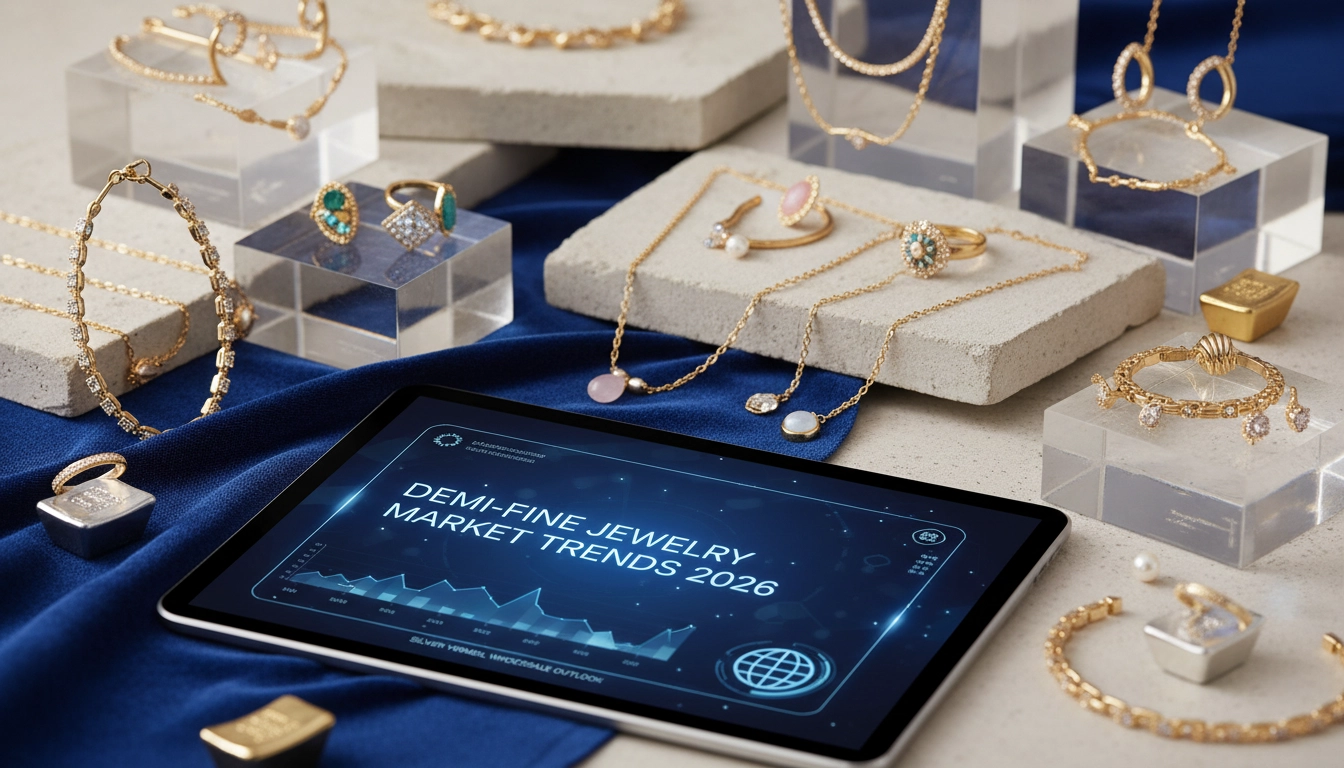
The Ultimate 2026 Silver Vermeil Jewelry Wholesale Guide: Sourcing, Pricing, and Profit Secrets
Top 10 925 sterling silver huggie earrings Manufacturers and Supplier Brands in China
OEM vs ODM: Which Custom Jewelry Option Fits Your Brand?
Bulk Pricing Strategies for 925 Sterling Silver Rings
Prdoucts Categories
Question you may concern
Products
What services can we provide?
Accepted Delivery Terms: FOB, CIF, EXW, Express Delivery;
Accepted Payment Currency: USD, EUR, JPY, CAD, AUD, HKD, GBP, CNY, CHF;
Accepted Payment Type: T/T, L/C, MoneyGram, Credit Card, PayPal, Western Union, Cash, Escrow;
Language Spoken: English, Chinese, Spanish, Japanese, Portuguese, German, Arabic, French, Russian, Korean, Hindi, Italian.
How long will the plating color last?
Generally 6 month for Water Plated color , 1 - 2 years for vacuum plated color if in proper wearing.
What can you buy from us?
Rings, Necklace, Earrings, Bracelet, Pendant, Anklet, Brooch, Jewelry.
FAQs
Can I have your product catalog?
Yes, please leave us a message what style jewelry catalog you need.
What is the material of the jewelry?
Most of the jewelry is made of 925 sterling silver, brass or 316 stainless steel or custom material,which can cover different procurement demand.
You may also like
Brass Jewelry
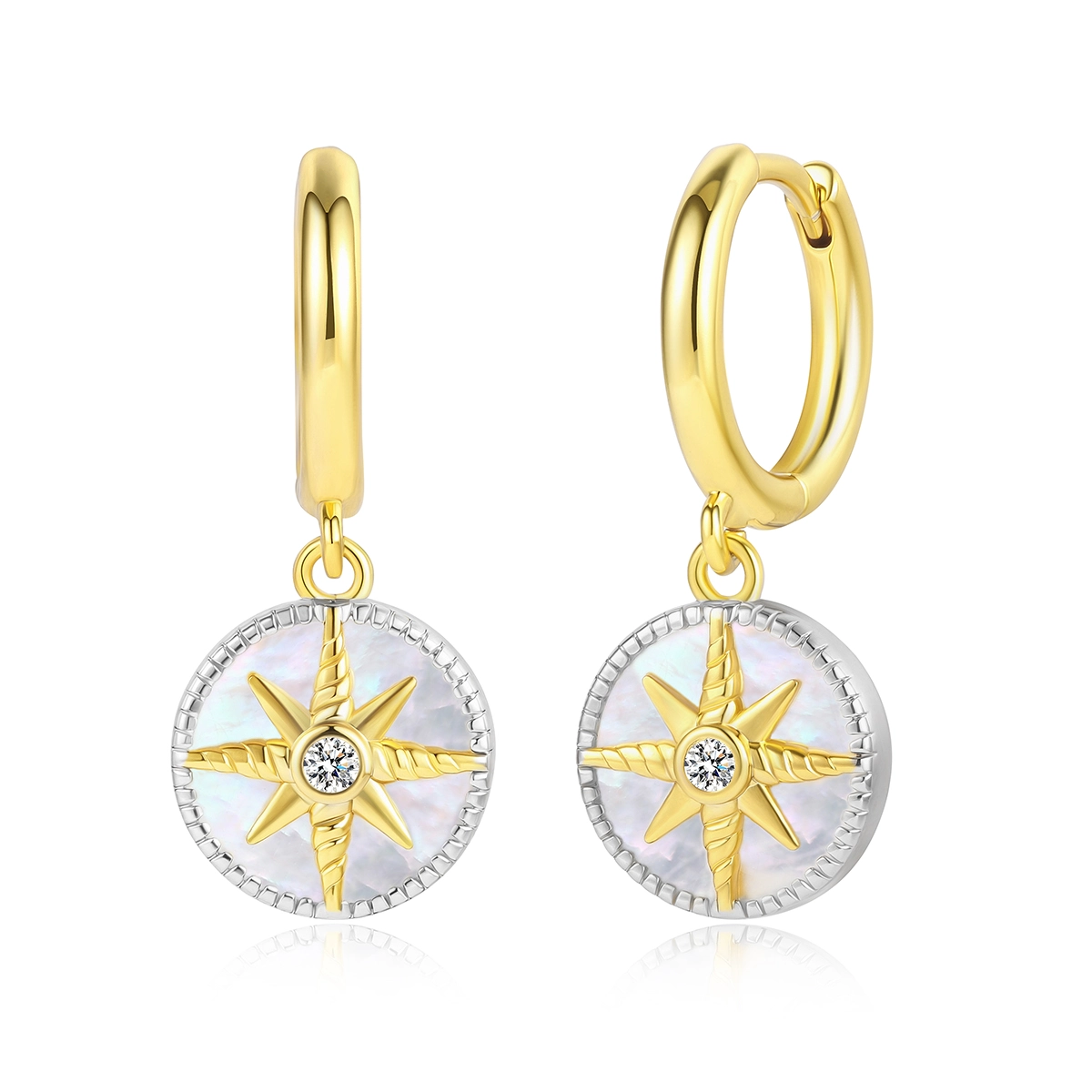
Brass Mother of Pearl Compass Huggie Drop Earrings | 14K 18K Gold Plated Hypoallergenic Jewelry
Read More
925 Silver Jewelry
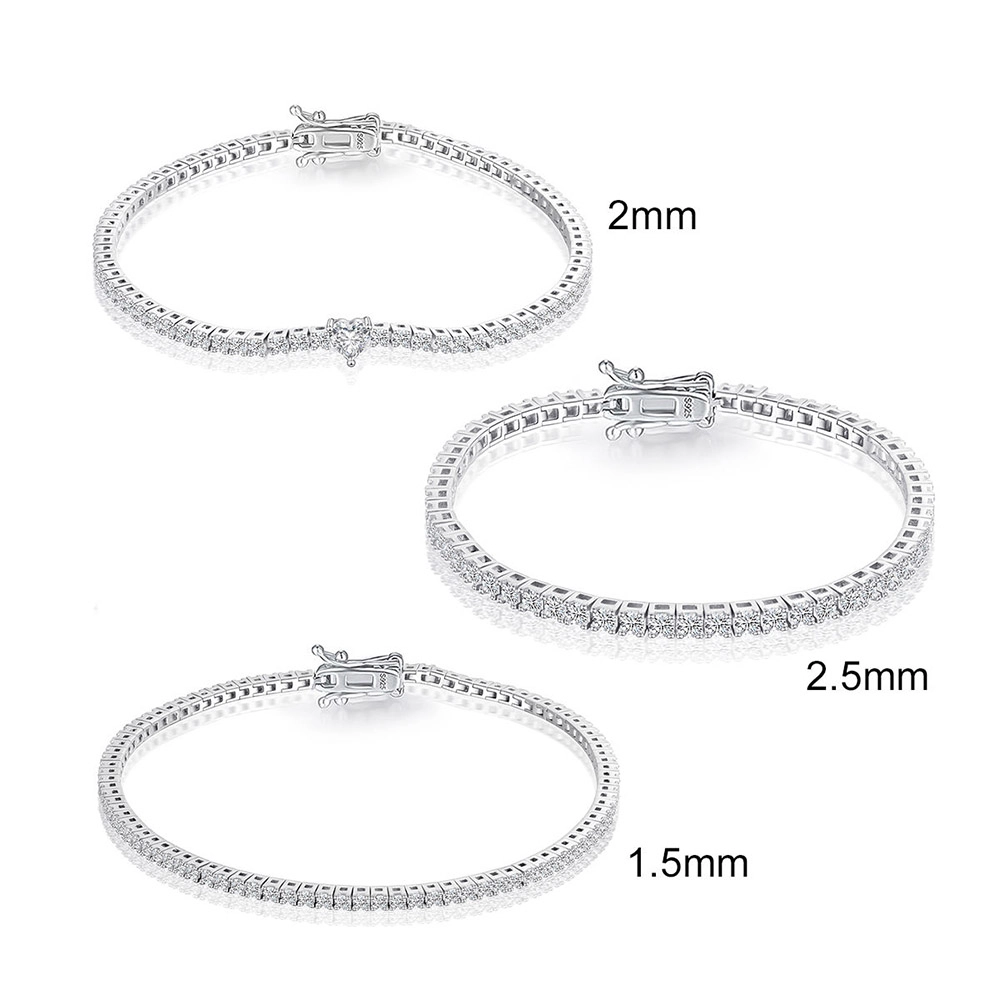
Customizable High-Quality Fashion 925 Sterling Silver AAA Cubic Zirconia Heart-Shaped Open Tennis Bracelet.
Read More
Brass Jewelry
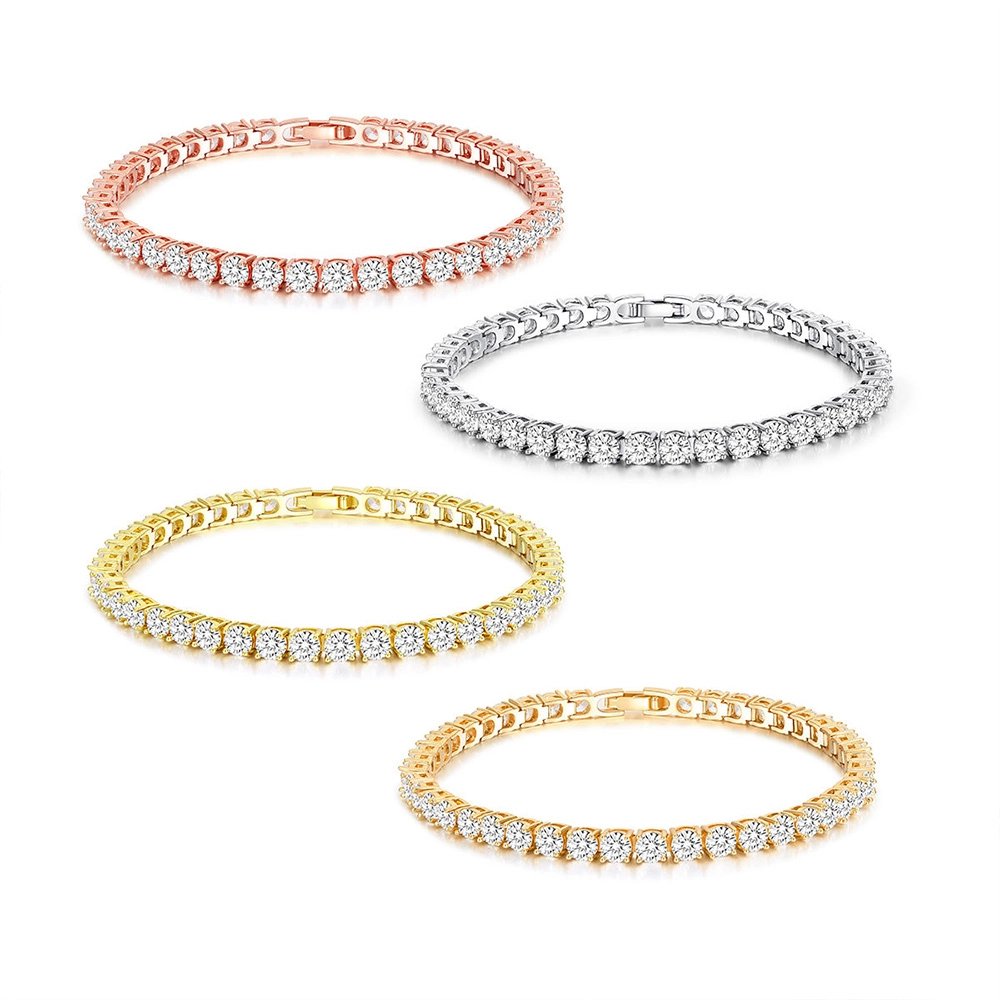
Customizable OEM ODM High-Quality Fashion Brass AAA Cubic Zirconia Classic Tennis Bracelet for Women Wholesale.
Read More
Get a Quote for Private Label Jewelry
We provide personalized jewelry customization services for clients worldwide.
Rest assured that your privacy is important to us, and all information provided will be handled with the utmost confidentiality.
By clicking 'Send Inquiry Now' I agree to ZHEFAN JEWELRY processing my personal data.
To see how to withdraw your consent, how to control your personal data and how we process it, please see our Privacy Policy and Terms of use.
From design to production, ZHEFAN JEWELRY offers a one-stop solution to help you enhance your brand value and market competitiveness.
Get A Quote
Contact
Tel: (+86) 188 1927 7817
© 2026 Zhefan Jewelry. All Rights Reserved.
Facebook
Instagram
YouTube
Whatsapp: +8618819277817