




Email: sales3@zhefanjewelry.com
How to Choose the Best Sustainable Sterling Silver Supplier: The Ultimate 2026 Checklist
A comprehensive 2026 guide and checklist for jewelry brands to find, vet, and partner with genuinely sustainable sterling silver suppliers, focusing on recycled and Fairmined metals.
- What Is a Sustainable Sterling Silver Supplier?
- Key Takeaways: Quick Summary
- Why Ethical Sourcing Matters for Your Jewelry Brand
- Recycled Silver vs. Fairmined Silver: Which is Better?
- The Ultimate 2026 Vetting Checklist: Step-by-Step
- Expert Tips: Common Mistakes and Greenwashing Red Flags
- Future Trends: What to Expect in 2026 and Beyond
- Conclusion
- Is recycled sterling silver as good as regular silver?
- What is EcoSilver?
- How can I tell if a silver supplier is truly sustainable?
- What is Chain of Custody in jewelry making?
- Does sustainable sterling silver cost more?
- What does RJC certification mean for silver suppliers?
- Why is traditional silver mining bad for the environment?
- Where can I find ethical silver wholesalers?
What Is a Sustainable Sterling Silver Supplier?
A sustainable sterling silver supplier is a wholesale provider that sources its metals strictly through 100 percent recycled channels or ethically managed Fairmined operations. These suppliers maintain rigorous third-party certifications to guarantee minimal environmental impact, ethical labor practices, and full traceability.
When securing recycled 925 silver wholesale for your collections, it is crucial to understand that true sustainability extends beyond just the environmental impact. The modern definition encompasses the entire lifecycle of the precious metal. By partnering with these forward-thinking providers, jewelry brands ensure their raw materials do not contribute to the ecological destruction, toxic runoff, and human rights abuses historically associated with traditional silver mining. Sustainable suppliers operate with radical transparency, utilizing closed-loop manufacturing systems and heavily audited supply chains to deliver premium-grade silver that matches the chemical purity of newly mined metals without the devastating ecological cost.
Here are the core features of a legitimate sustainable supplier:
- 100 Percent Recycled or Fairmined Sources: They rely entirely on post-consumer waste, industrial silver scrap, or ethically certified small-scale mining.
- Third-Party Verification: They hold active credentials from respected governing bodies.
- Transparent Supply Chains: They provide clear, unbroken documentation tracing the metal from its origin to the final product.
- Eco-Friendly Refining: They utilize water recycling, energy-efficient machinery, and zero-waste policies during the refining process.
Key Takeaways: Quick Summary
The key takeaways for choosing an ethical supplier involve prioritizing verifiable third-party certifications, understanding material differences, demanding strict traceability, and preparing for future compliance standards. Reviewing these fundamentals ensures your jewelry brand avoids greenwashing and builds long-term consumer trust.
To effectively navigate the shifting landscape of sustainable jewelry manufacturing, keep these actionable principles in mind:
- Always demand verifiable third-party certifications like SCS Global Services or the Responsible Jewellery Council (RJC).
- Understand the functional difference between 100 percent recycled silver and Fairmined silver to align with your brand values.
- Request transparent Chain of Custody (CoC) documentation to prevent falling victim to greenwashing.
- Prepare for stricter 2026 global compliance and traceability standards in the international jewelry trade.
Why Ethical Sourcing Matters for Your Jewelry Brand
Ethical sourcing matters because modern consumers demand high transparency and eco-friendly practices from their chosen jewelry brands. Sourcing sustainably drastically reduces your company carbon footprint, minimizes global mining waste, and protects your business against severe reputational and financial damage.
The transition toward ethical jewelry manufacturing metals is no longer a niche marketing angle; it is an industry-wide imperative. Today consumers—particularly Millennials and Gen Z—actively research the ethical footprint of the brands they support. If a jewelry company cannot prove the origin of its materials, it risks losing market share to more transparent competitors.
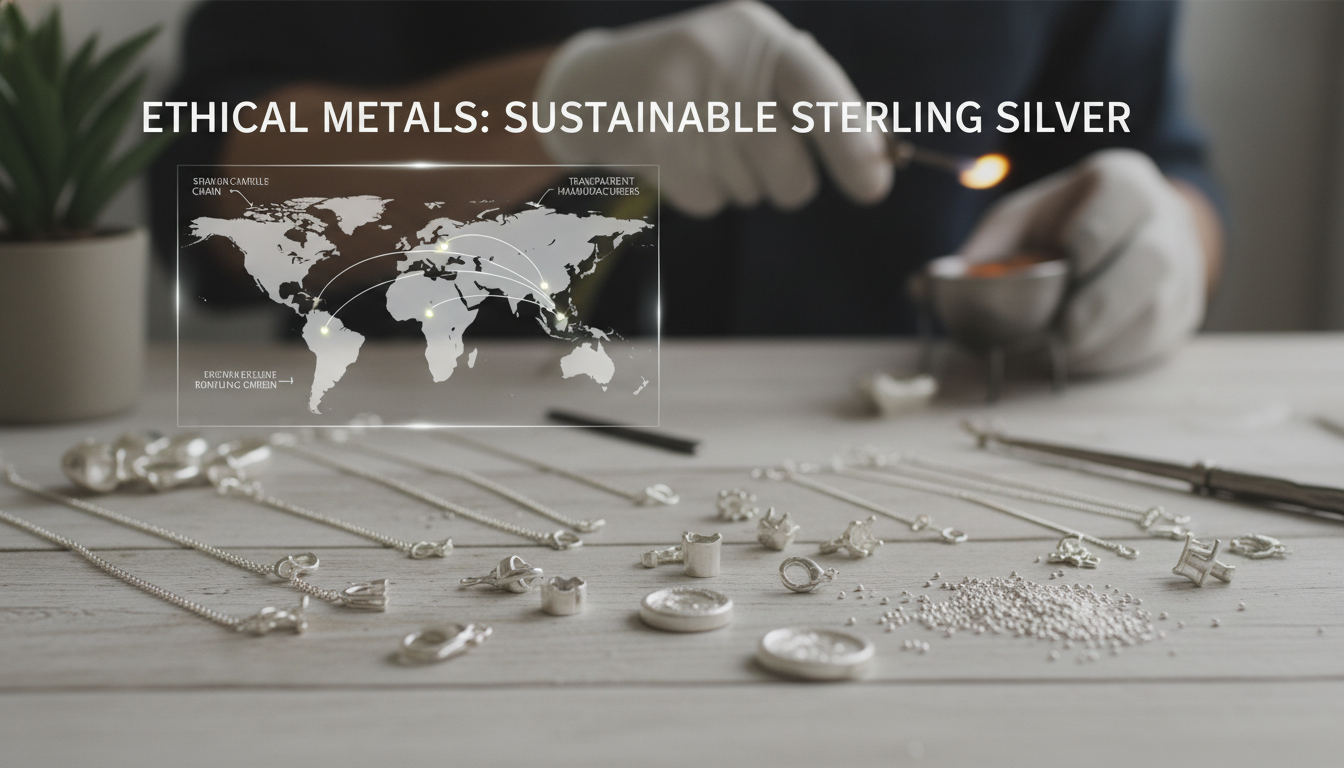
Furthermore, traditional silver mining exacts a heavy toll on the planet. It frequently involves deforestation, massive water consumption, and the use of toxic chemicals like cyanide and mercury, which contaminate local ecosystems. By opting for sustainable metals, you directly combat these environmental crises.
The primary business benefits of ethical sourcing include:
- Brand Loyalty and Trust: Transparent sourcing builds a deeper emotional connection with conscientious consumers.
- Risk Mitigation: Partnering with ethical refineries shields your brand from the PR disasters associated with human rights violations in undocumented mines.
- Future-Proofing: As global governments tighten environmental regulations, sustainable brands will avoid the supply chain disruptions facing traditional jewelers.
Recycled Silver vs. Fairmined Silver: Which is Better?
Neither is inherently better; recycled silver completely eliminates new mining to save energy, whereas Fairmined silver supports artisanal small-scale miners by guaranteeing fair wages. Your choice ultimately depends on whether your brand prioritizes zero-mining circularity or positive social impact.
When vetting materials, it is vital to understand the distinct advantages of both pathways.
Recycled Silver utilizes existing above-ground metals—such as discarded electronics, old jewelry, and industrial byproducts—to create new sterling silver. This closed-loop system is highly energy-efficient and prevents further depletion of the earth natural resources. It is the ideal choice for brands focused strictly on minimizing their carbon footprint and achieving a circular economy.
Fairmined Silver, on the other hand, actively supports Artisanal and Small-Scale Miners (ASM). While it does involve extracting new metal from the earth, it is heavily regulated to ensure safe ecological practices and fair economic compensation. Partnering with certified Fairmined silver suppliers ensures that marginalized mining communities receive a living wage, healthcare, and infrastructure investments, and this impact extends beyond the immediate influence on the lives of certified miners to foster continuous community development, as reported by Fairmined.
Here is a quick comparison to guide your decision:
- Environmental Impact: Recycled silver offers zero new mining and lower carbon emissions. Fairmined silver involves low-impact, chemical-free mining.
- Social Impact: Recycled silver has minimal direct social impact. Fairmined silver provides massive socio-economic upliftment for vulnerable mining communities.
- Cost: Recycled silver is usually priced competitively with standard silver. Fairmined silver carries a premium to fund community development initiatives.
The Ultimate 2026 Vetting Checklist: Step-by-Step
The ultimate 2026 vetting checklist requires you to request active third-party certifications, scrutinize Chain of Custody documentation, ask about zero-waste manufacturing goals, and check for transparent public reporting. Following these exact steps guarantees your raw materials are genuinely sustainable.
Securing SCS certified sterling silver or RJC-approved metals requires a systematic vetting process. Do not rely on a supplier verbal assurances. Instead, use this comprehensive checklist to evaluate potential wholesale partners:
- Step 1: Request and verify active third-party certifications. Ensure the supplier holds legitimate, up-to-date credentials from recognized authorities like SCS Global Services or the Responsible Jewellery Council (RJC).
- Step 2: Scrutinize their Chain of Custody (CoC) documentation. A reliable supplier must provide paperwork that tracks the raw materials from their ethical origin point directly to your workshop, leaving no gaps for unverified metals to enter the supply line.
- Step 3: Ask about the refinery zero-waste manufacturing goals. Inquire about their water recycling capabilities, renewable energy usage, and how they handle chemical byproducts during the refining process.
- Step 4: Check for transparent public reporting. Sustainable suppliers proudly publish annual sustainability metrics, labor ethics reports, and third-party audit results on their official websites.
Expert Tips: Common Mistakes and Greenwashing Red Flags
Common greenwashing red flags include suppliers who use vague eco-friendly terms without documentation, refuse to disclose specific refining facilities, or ignore labor ethics. The biggest mistake is accepting these marketing claims without verifying certifications directly on the issuing organization official website.
Greenwashing—the practice of making false or misleading claims about the environmental benefits of a product—is a significant problem in the jewelry industry. As a brand owner, you must remain vigilant to protect your reputation and your customers. Third-party certification provides the definitive proof required to ensure that recycled content claims are accurate, as reported by SCS Global Services.
To avoid falling into the greenwashing trap, watch out for these critical red flags:
- Mistake: Accepting Vague Marketing Terms: Terms like eco-friendly or green mean nothing without verifiable documentation. Always demand proof.
- Red Flag: Lack of Disclosure: Suppliers who refuse to disclose the specific origins, refining facilities, or alloying processes of their metal are likely hiding unethical practices.
- Mistake: Ignoring Labor Ethics: Focusing entirely on the environmental aspect while ignoring labor ethics and human rights in the supply chain is a massive oversight. True sustainability encompasses both the planet and its people.
- Expert Tip: Verify Independently: Always cross-reference a supplier certification directly on the issuing organization official directory to guarantee its validity.
Future Trends: What to Expect in 2026 and Beyond
In 2026, the jewelry industry can expect stricter global government regulations on precious metal traceability, the rise of blockchain technology for supply chain transparency, and advanced energy-efficient silver refining processes that drastically reduce greenhouse gas emissions across the board.
As we move deeper into the decade, the standards for ethical jewelry manufacturing are evolving rapidly. The integration of strict sustainability standards is rapidly becoming the major driving force of change in jewelry manufacturing, enabling comprehensive ethical, social, and environmental practices globally, as reported by the Responsible Jewellery Council.
Key trends shaping the future of sustainable silver include:
- Stricter Global Regulations: Governments in the EU and North America are introducing rigorous import standards that require mandatory traceability for all precious metals, pushing the industry toward total transparency.
- Blockchain and Digital Product Passports: The integration of blockchain technology is creating immutable digital ledgers for jewelry supply chains. This allows consumers to scan a QR code and trace their silver ring back to the exact recycling facility or ethical mine.
- Advanced Refining Processes: New metallurgical technologies are drastically reducing the energy required to melt and refine silver, paving the way for carbon-neutral jewelry manufacturing.
Conclusion
Choosing a sustainable sterling silver supplier requires diligent vetting, a clear understanding of recognized certifications, and a steadfast commitment to transparent sourcing. By implementing this comprehensive checklist, your jewelry brand can confidently transition to ethical metals and meet consumer demands.
The journey toward ethical jewelry manufacturing is an ongoing process of improvement and education. By demanding verified recycled or Fairmined silver, you are not only elevating the quality and integrity of your brand, but you are also actively participating in a global movement to protect the environment and uphold human rights. As 2026 approaches, prioritizing these sustainable practices will be the defining factor that separates industry leaders from those left behind.
Contact us today to optimize your ethical jewelry manufacturing metals strategy.
Is recycled sterling silver as good as regular silver?
Yes, recycled sterling silver shares the exact same chemical composition, purity, and durability as newly mined 925 silver. Because precious metals can be melted down and refined infinitely without degrading, recycled silver offers premium quality alongside its environmental benefits.
What is EcoSilver?
EcoSilver is a recognized industry term for 100 percent recycled sterling silver that offers a sustainable, traceable alternative to traditional mined silver without compromising quality. It is widely used by eco-conscious jewelers looking to reduce their environmental impact.
How can I tell if a silver supplier is truly sustainable?
Look for active, verifiable third-party certifications from recognized organizations like the Responsible Jewellery Council (RJC) and SCS Global Services. A genuinely sustainable supplier will also provide transparent Chain of Custody documentation and publish their environmental and labor audits.
What is Chain of Custody in jewelry making?
Chain of Custody is the documented, unbroken trail that proves a precious metal journey from the ethical mine or recycling facility directly to the final supplier. It is the primary mechanism used to ensure that unverified or conflict metals do not enter the sustainable supply chain.
Does sustainable sterling silver cost more?
Generally, recycled sterling silver is priced competitively with standard silver, though Fairmined silver may carry a slight premium due to community investments. This small premium for Fairmined metals goes directly toward funding socio-economic development, fair wages, and ecological restoration in mining communities.
What does RJC certification mean for silver suppliers?
RJC certification ensures that the supplier adheres to strict ethical, human rights, social, and environmental standards throughout their entire operation. It is one of the most rigorous and globally recognized frameworks for responsible business practices in the jewelry and watch industry.
Why is traditional silver mining bad for the environment?
Traditional silver mining often leads to severe environmental degradation, including deforestation, toxic chemical runoff, heavy water usage, and high carbon emissions. The use of cyanide and mercury in unregulated mines can permanently destroy local ecosystems and contaminate groundwater.
Where can I find ethical silver wholesalers?
Ethical silver wholesalers can be found through industry sustainability directories, ethical metalsmith organizations, and by verifying SCS-certified metal refineries. Networking at responsible jewelry conferences and consulting the official member lists of the RJC and Fairmined initiatives are also excellent starting points.
Tags
925 sterling silver CZ jewelry sets wholesale
925 sterling silver CZ jewelry sets wholesale
engraved urn pendant necklace OEM
engraved urn pendant necklace OEM
925 sterling silver bracelets
925 sterling silver bracelets
brass tennis bracelet OEM custom
brass tennis bracelet OEM custom
925 sterling silver men's jewelry sets wholesale
925 sterling silver men's jewelry sets wholesale
double chamber urn pendant OEM
double chamber urn pendant OEM
Recommended for you
Trend Forecast: 925 Silver Ring Styles for Wholesale Buyers
Private Label 925 Silver Rings: Branding and Packaging Tips
Why choose Zhefan Jewelry as your stainless steel ring jewelry supplier
Top custom bangle bracelets Manufacturers and Suppliers
Prdoucts Categories
Question you may concern
Products
What can you buy from us?
Rings, Necklace, Earrings, Bracelet, Pendant, Anklet, Brooch, Jewelry.
Can you engrave my logo on the jewelry ?Do you supply OEM/ODM service?
Yes. Custom logo and OEM/ODM are both accepted.Our factory specializes in jewelry manufacturing for 25 years.We can produce jewelry by your sample, design, pictures, even by an idea.Please feel free to contact us for more details. Custom order process: Inquiry-Confirm products details-Pay mold fee -Confirm CAD draft-Quote-Initial payment-Produce mold & sample-Confirm Sample-Mass production-Balance payment-Shipment-Track shipment-delivery.
Do you offer after-sales warranty service?
Yes, we will refund or resend products if fading, stone falling off and other quality problems found in 1 month receipt of goods. Furthermore, we offer 1 year after-sales warranty service, but you need pay the shipping charge.
FAQs
Can I get a sample?
Yes,welcome to choose our sample to test and check quality.Please give me your address and number then send you payment list.
What’s the shipment method?How long does it take for delivery?
Our product distributed to all over the world. Shipped by DHL/Fedex/ TNT/UPS takes 3-7 days,Epacket takes 7-15 days, China Post takes 15-30 days.
You may also like
Brass Jewelry
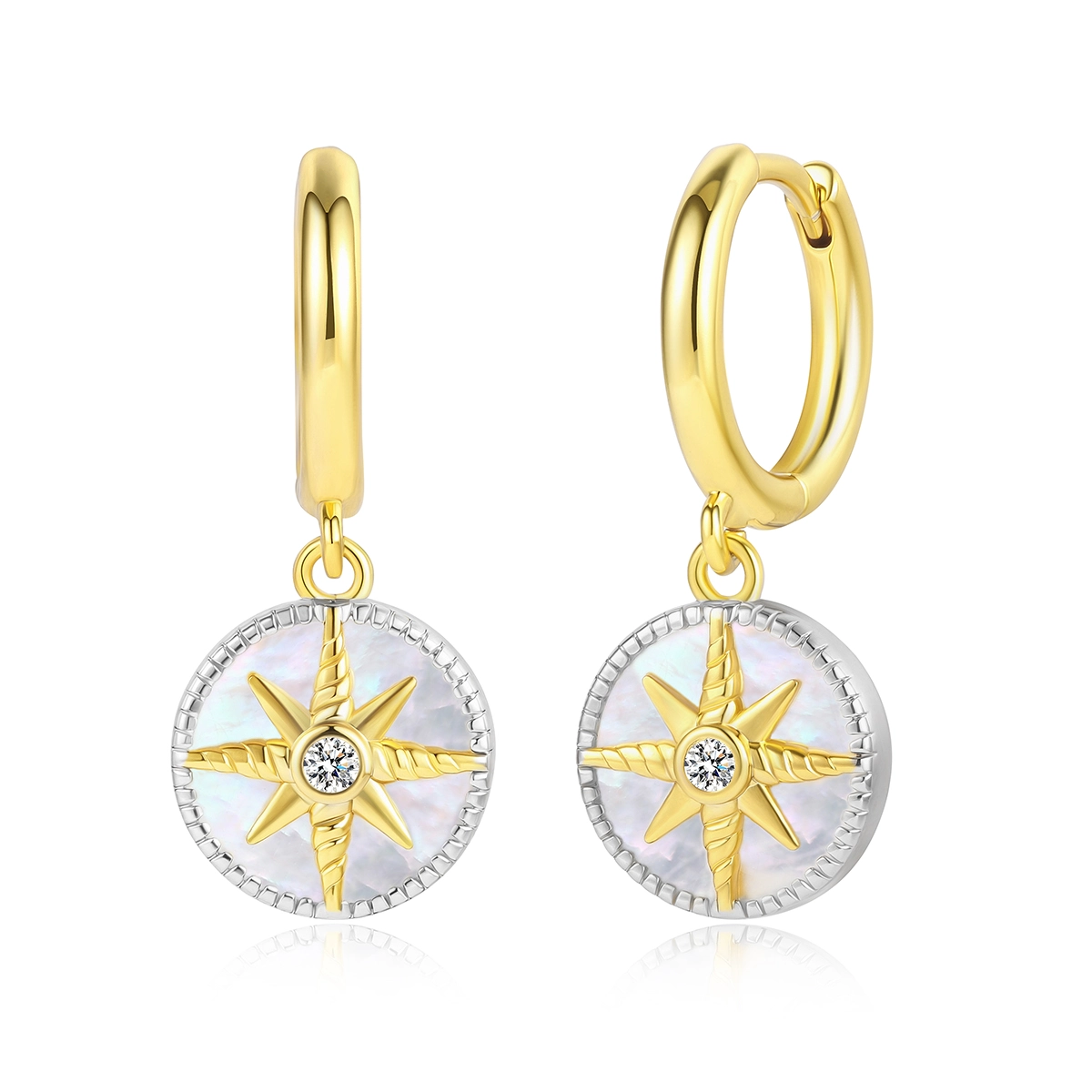
Brass Mother of Pearl Compass Huggie Drop Earrings | 14K 18K Gold Plated Hypoallergenic Jewelry
Read More
925 Silver Jewelry
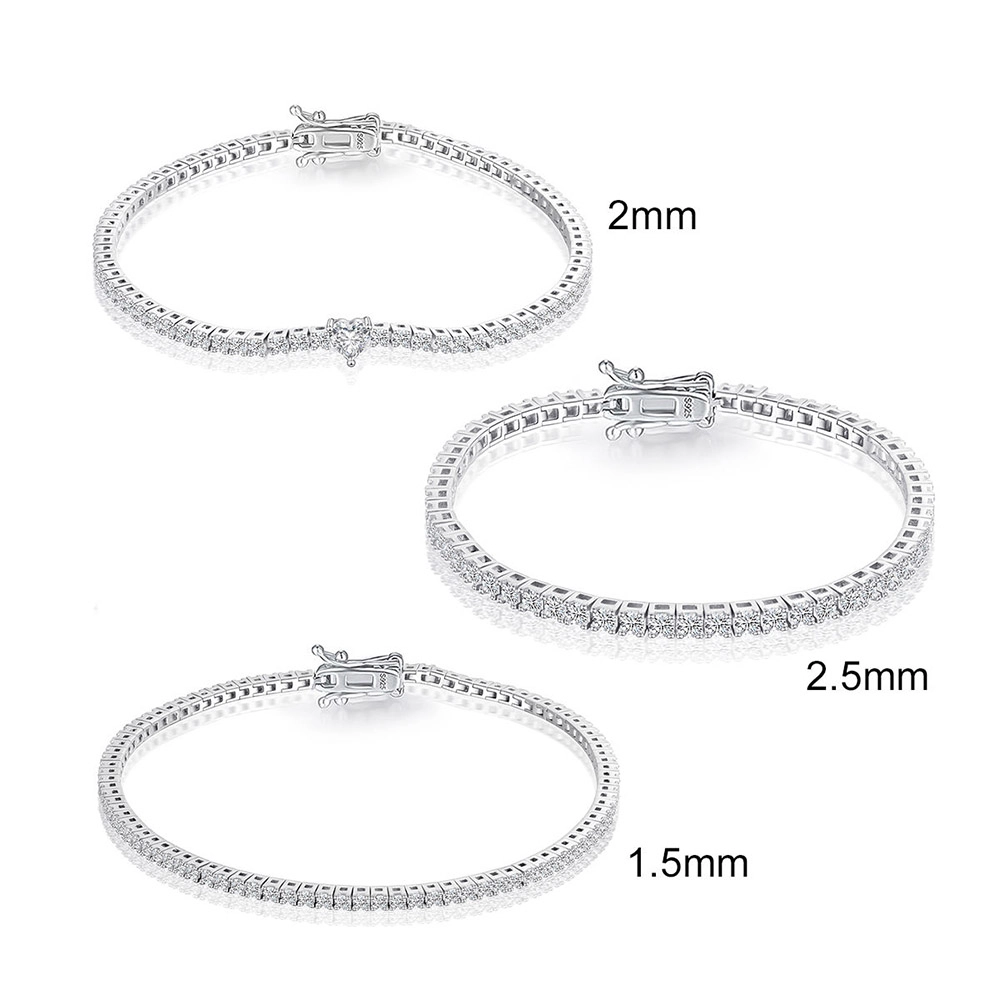
Customizable High-Quality Fashion 925 Sterling Silver AAA Cubic Zirconia Heart-Shaped Open Tennis Bracelet.
Read More
Brass Jewelry
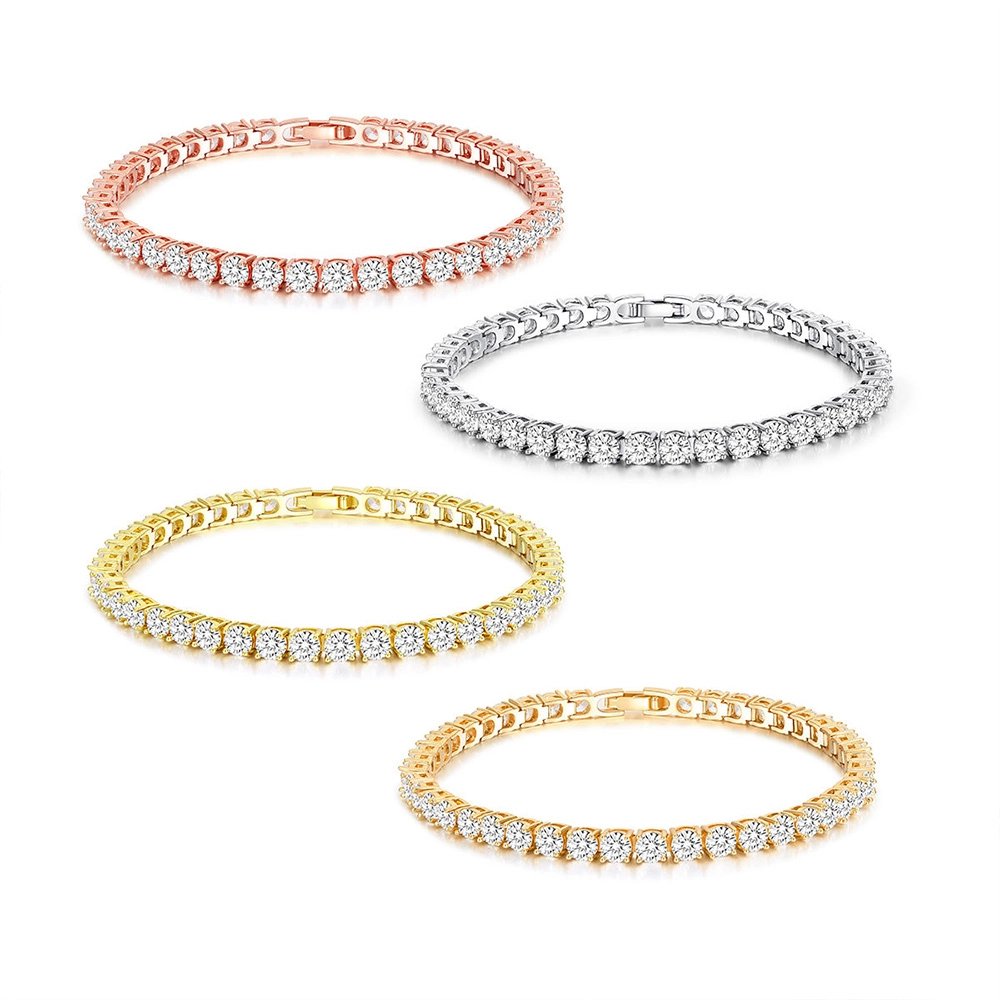
Customizable OEM ODM High-Quality Fashion Brass AAA Cubic Zirconia Classic Tennis Bracelet for Women Wholesale.
Read More
Get a Quote for Private Label Jewelry
We provide personalized jewelry customization services for clients worldwide.
Rest assured that your privacy is important to us, and all information provided will be handled with the utmost confidentiality.
By clicking 'Send Inquiry Now' I agree to ZHEFAN JEWELRY processing my personal data.
To see how to withdraw your consent, how to control your personal data and how we process it, please see our Privacy Policy and Terms of use.
From design to production, ZHEFAN JEWELRY offers a one-stop solution to help you enhance your brand value and market competitiveness.
Get A Quote
Contact
Tel: (+86) 188 1927 7817
© 2026 Zhefan Jewelry. All Rights Reserved.
Facebook
Instagram
YouTube
Whatsapp: +8618819277817