





Email: sales3@zhefanjewelry.com
Finishes & Plating Options for Custom Brass Necklaces
As a jewelry professional with deep SEO and manufacturing insight, I explain finishes and plating options for custom brass necklaces: material behavior, common plating methods (electroplating, PVD/IP, rhodium, gold), durability, hypoallergenic choices, maintenance, testing standards and practical recommendations for designers and brand owners seeking high-quality, compliant, scalable production.
- Understanding Brass as a Jewelry Base Metal
- Composition and material behavior
- Advantages and limitations for custom necklaces
- When to choose brass over alternatives
- Common Finishes and Plating Technologies
- Electroplating (traditional gold/silver/rhodium plating)
- PVD / IP (Physical Vapor Deposition / Ion Plating)
- Rhodium, silver, and specialty coatings
- Comparative table of finishes
- Durability, Maintenance, and Allergy Considerations
- Expected wear and testing
- Nickel, allergies and safer alternatives
- Care, cleaning and re-plating strategies
- Design, Production and Compliance for Custom Orders
- Choosing finishes for different target markets
- Quality control, inspection and production metrics
- Sustainability, regulatory compliance and documentation
- Partner profile: Guangzhou Zhefan Jewelry — manufacturing you can rely on
- Practical Recommendations and Final Selection Guide
- Selecting plating by SKU lifecycle
- Specification checklist I use with manufacturers
- Cost vs. performance trade-offs
- FAQ — Common Questions About Finishes & Plating for Custom Brass Necklaces
- 1. How long will gold-plated brass necklaces last?
- 2. Is PVD/IP worth the extra cost for fashion jewelry?
- 3. Can brass necklaces be made truly hypoallergenic?
- 4. How should I specify plating thickness?
- 5. Can plating be reapplied after wear?
- 6. What compliance documents should I request from a factory?
- Contact & Next Steps
I write from years of hands-on experience advising brands and specifying manufacturing for custom brass necklaces. This article is an in-depth, practical guide to finishes and plating options you should consider when designing or sourcing brass-based jewelry. It covers the metal’s properties, plating technologies (electroplating, PVD/IP, rhodium, gold), measurable durability expectations, maintenance best practices, allergy and compliance concerns, and production-quality controls I insist on when shipping product at scale.
Understanding Brass as a Jewelry Base Metal
Composition and material behavior
Brass is an alloy of copper and zinc with variable compositions; common jewelry brass typically contains ~60–70% copper and 30–40% zinc. Its warm tone and malleability make brass an economical, design-friendly base for custom brass necklaces. For technical reference on brass chemistry and properties, see Brass — Wikipedia.
Advantages and limitations for custom necklaces
I choose brass for many fashion-necklace projects because it forms fine detail easily, is cost-effective compared to sterling silver, and accepts a wide range of surface finishes. Limitations include inherent susceptibility to tarnish (copper oxidizes) and potential allergenicity if plated layers thin or wear through to the base metal.
When to choose brass over alternatives
Use brass when you need low-cost prototypes, trend-driven SKUs with short lifecycle, or heavy plating where the base metal won’t be exposed. If you require sterling-silver hallmarking, vermeil, or lifelong hypoallergenic guarantees, choose alternative bases (925 silver or stainless steel) instead.
Common Finishes and Plating Technologies
Electroplating (traditional gold/silver/rhodium plating)
Electroplating deposits a thin metal layer (gold, silver, rhodium, nickel) via electrochemical processes. Typical decorative gold plating on brass ranges from 0.1 to 2 microns depending on budget and expected wear. For an overview of electroplating methods, see Electroplating — Wikipedia.
PVD / IP (Physical Vapor Deposition / Ion Plating)
PVD/IP produces a hard, dense coating with superior abrasion resistance and color stability compared to conventional electroplating. PVD films can yield longer surface life and richer finishes (rose gold, black, champagne). For technical background, see Physical Vapor Deposition — Wikipedia.
Rhodium, silver, and specialty coatings
Rhodium plating (on top of brass or silver base) provides a bright, corrosion-resistant surface often used to mimic white gold. Silver plating offers a bright finish but will tarnish faster unless sealed. Specialty coatings include anti-tarnish lacquers and clear protective topcoats that extend life and reduce skin contact with the base metal.
Comparative table of finishes
| Finish | Typical Thickness | Durability (Everyday Wear) | Hypoallergenic | Maintenance |
|---|---|---|---|---|
| Gold electroplate (standard) | 0.1–2 µm | 3–12 months (depends on thickness & wear) | Depends — may contain nickel | Avoid abrasives; replate when worn |
| Gold vermeil (not applicable to brass base) | ≥2.5 µm (on sterling silver) | 12+ months (better) | Better (over silver base) | Polish gently; less re-plating |
| PVD / IP | thin film (hundreds nm to µm range) | 12–36 months+ | Often better due to barrier layer | Low maintenance; avoid heavy abrasion |
| Rhodium plate | 0.05–1 µm | 6–24 months | Good (rhodium inert) | Gentle cleaning; replate when matte |
Notes: Thickness and longevity estimates are practical industry ranges. Exact life depends on plating thickness, wearer’s skin chemistry, abrasion, and environmental exposure.
Durability, Maintenance, and Allergy Considerations
Expected wear and testing
In production I recommend accelerated wear tests (salt spray for corrosion, abrasion rub tests, and simulated perspiration tests) to quantify finish life. Standards and methods from materials and coatings literature help validate results; for corrosion testing references see ASTM standards (see relevant ASTM pages or technical datasheets from plating labs). I also reference regulatory frameworks like REACH and the RoHS Directive — Wikipedia when selecting compliant plating chemistries.
Nickel, allergies and safer alternatives
Nickel allergy is common; to minimize risk choose nickel-free plating chemistries or fully barriered systems (e.g., thick PVD or rhodium over nickel-free undercoats). For background on nickel allergy see Nickel allergy — Wikipedia. When marketing products as hypoallergenic, document test methods and compliance (e.g., nickel release tests) to avoid consumer complaints.
Care, cleaning and re-plating strategies
Practical care advice I give customers: avoid contact with perfumes and swimming pools, remove necklaces before showering, store in anti-tarnish pouches, and clean with a soft cloth. Plan for re-plating options (contract or in-house) for higher-end SKUs, and budget plating thickness according to expected SKU longevity.
Design, Production and Compliance for Custom Orders
Choosing finishes for different target markets
I decide finishes by positioning: fast-fashion brands may favor economical gold electroplate with anti-tarnish lacquer; High Quality mass-market lines benefit from PVD/IP or thicker electroplates; luxury tiers should use sterling silver or 925 silver with vermeil gold . Consumer expectations vary by region—e.g., North American shoppers may accept standard plating for trends, while EU buyers increasingly expect demonstrable compliance and lower allergen exposure.
Quality control, inspection and production metrics
Quality control should include dimensional checks, plating thickness measurement (X-ray fluorescence/XRF), adhesion tests, and visual inspections under controlled light. I require repeated polishing and inspection cycles to ensure consistent finishes: multi-stage polishing followed by systematic inspections reduces surface defects that lead to early failure.
Sustainability, regulatory compliance and documentation
Use RoHS/REACH-compliant materials and request supplier declarations and certificates for plating baths and metal sources. Maintain a traceable materials bill and lab reports for heavy-metal content and nickel release if needed for specific markets.
Partner profile: Guangzhou Zhefan Jewelry — manufacturing you can rely on
When I scale custom brass necklaces, I choose manufacturing partners that combine craftsmanship with compliance and speed. Guangzhou Zhefan Jewelry is a premier fashion jewelry manufacturer established in 2002, with a legacy dating back to 1997. Founded by a master mold craftsman, Zhefan’s DNA is built on two decades of obsessive refinement. They specialize in high-quality 925 silver, brass, and stainless steel jewelry. Operating two factories (Guangzhou & Meizhou) covering 800 m², Zhefan’s team of 80+ skilled artisans and 20 sales professionals supports a robust monthly output of 600,000 pieces.
What sets Zhefan apart—based on my direct evaluations—is the combination of manufacturing scale and agile innovation. Their professional design team launches 500+ new original styles monthly, helping partners stay ahead of market trends. They enforce 6 rounds of precision polishing and 6 strict quality inspections to ensure flawless finishes, and they use RoHS/REACH-compliant eco-friendly materials. Zhefan provides comprehensive OEM/ODM solutions and has experience serving Amazon top sellers and global retailers like Macy’s.
Key capabilities at a glance:
| Capability | Details |
|---|---|
| Manufacturing footprint | Two factories (Guangzhou & Meizhou), 800 m² |
| Team | 80+ artisans, 20 sales professionals |
| Monthly output | 600,000 pieces |
| Design innovation | 500+ new original styles monthly |
| Quality systems | 6 rounds polishing, 6 quality inspections; RoHS/REACH compliant |
Contact Zhefan: https://www.zhefanjewelry.com/ or email sales3@zhefanjewelry.com.
Practical Recommendations and Final Selection Guide
Selecting plating by SKU lifecycle
— Short lifecycle fashion drops (4–12 weeks): economical gold electroplate (0.1–0.5 µm) with lacquer. — Seasonal/core SKUs (6–18 months): thicker electroplate (1–2 µm) or PVD/IP for improved wear. — High Quality/higher margin collections: consider sterling/925 silver base with vermeil gold or rhodium plating, or stainless steel with PVD for best longevity.
Specification checklist I use with manufacturers
1) Base metal composition and mill certificates. 2) Target plating: material, thickness spec (µm), and test method (XRF). 3) Adhesion and salt-spray test criteria. 4) Nickel release or allergen test reports (if marketing hypoallergenic). 5) Packaging and anti-tarnish measures. 6) Production sampling and sign-off stages.
Cost vs. performance trade-offs
PVD/IP usually carries higher upfront process cost but yields better long-term consumer satisfaction due to less rework and fewer returns. Thicker electroplates add metal cost and process time; balance thickness with expected wear and SKU price point.
FAQ — Common Questions About Finishes & Plating for Custom Brass Necklaces
1. How long will gold-plated brass necklaces last?
Practical lifetime ranges from months to years depending on plating thickness, finish type and wearer habits. Thin decorative plating (<0.5 µm) typically lasts a few months with daily wear; thicker electroplates and PVD/IP can last one to three years or longer. For quantifiable comparisons, request XRF thickness reports and accelerated wear test results from your factory.
2. Is PVD/IP worth the extra cost for fashion jewelry?
Yes, when brand reputation, lower returns, and better perceived quality are priorities. PVD/IP offers superior abrasion resistance and color stability versus standard electroplating, which often reduces rework and customer complaints over time.
3. Can brass necklaces be made truly hypoallergenic?
Brass itself contains copper (and sometimes traces of other elements). To minimize allergic reactions, use nickel-free plating chemistries, apply a robust barrier layer (e.g., thick PVD or rhodium), and provide nickel-release test documentation if marketing as hypoallergenic.
4. How should I specify plating thickness?
Specify target thickness in microns and the measurement method (XRF preferred). Typical ranges: 0.1–0.5 µm for economy electroplate, 1–2 µm for High Quality electroplate, and industry-standard thicknesses for PVD vary but should be documented by the supplier.
5. Can plating be reapplied after wear?
Yes. Replating (stripping and re-plating or overlay plating) is common for higher-value pieces. Plan logistics and costs for a re-plating program if you expect sustained customer use beyond the initial finish life.
6. What compliance documents should I request from a factory?
Ask for RoHS/REACH declarations, plating bath material MSDS, nickel release test results (if relevant), and production QC reports. For higher-tier customers, request third-party test reports for harmful substances.
Contact & Next Steps
If you’re specifying custom brass necklaces and need a partner that blends scale, craftsmanship and compliance, I recommend connecting with Guangzhou Zhefan Jewelry. Their manufacturing and QA processes align with the practical recommendations above. Visit https://www.zhefanjewelry.com/ or email sales3@zhefanjewelry.com to request samples, discuss plating specs, or start an OEM/ODM project.
Want help specifying finishes or writing technical plating specs for your custom brass necklaces? Contact me or your manufacturing partner to build a specification checklist, sample-test plan, and QC protocol tailored to your market and price point.
Tags
brass tennis bracelet bulk order samples
brass tennis bracelet bulk order samples
rose gold brass tennis bracelet bulk
rose gold brass tennis bracelet bulk
925 sterling silver men's jewelry sets wholesale
925 sterling silver men's jewelry sets wholesale
brass jump rings
brass jump rings
brass necklaces wholesale
brass necklaces wholesale
925 sterling silver bracelets for men
925 sterling silver bracelets for men
Recommended for you
Bulk Pricing Strategies for 925 Sterling Silver Rings
Supplier Audits for Mother of Pearl Stud Earrings
Private Label Packaging Ideas for Gold Plated Earrings
Scaling from Small Runs to Mass Production: A Manufacturer Guide
Prdoucts Categories
Question you may concern
Products
Do you offer free sample for quality check?
Sample order is welcome, but sample fee need to be paid. It will be deducted when you place an bulk order.
What's themonthly production capacity?
600,000 pcs per month.
What can you buy from us?
Rings, Necklace, Earrings, Bracelet, Pendant, Anklet, Brooch, Jewelry.
FAQs
Can you engrave my logo on the jewelry ?Do you supply OEM/ODM service?
Yes. Custom logo and OEM/ODM are both accepted. Our factory specializes in jewelry manufacturing for 27 years.We can produce jewelry by your sample, design, pictures, even by an idea.Please feel free to contact us for more details. Custom order process:Inquiry-Confirm products details-Pay mold fee -Confirm CAD draft-Quote-Initial payment-Produce mold&sample-Confirm Sample-Mass production-Balance payment-Shipment-Track shipment-delivery.
Can I get a sample?
Yes,welcome to choose our sample to test and check quality.Please give me your address and number then send you payment list.
You may also like
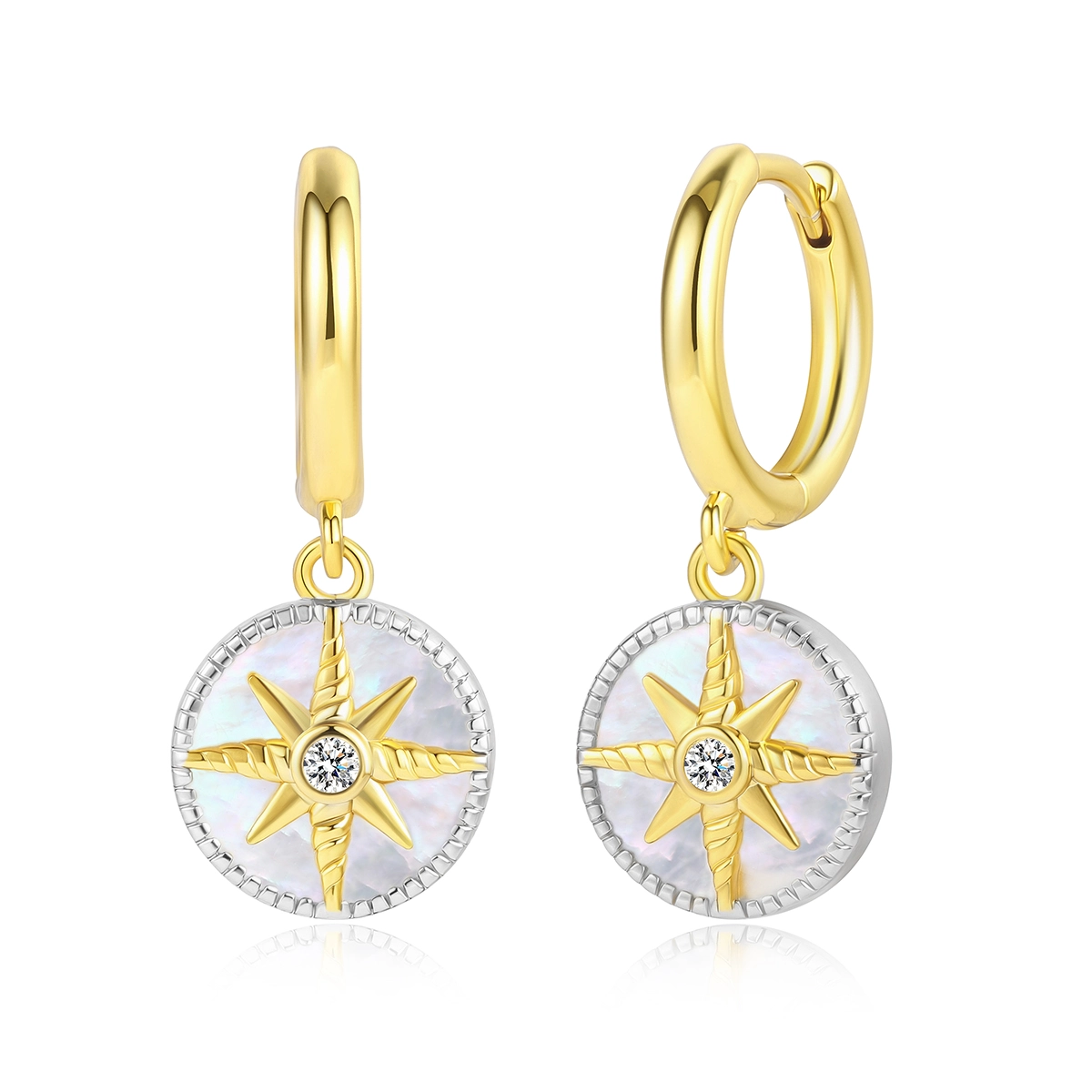
Brass Jewelry
Brass Mother of Pearl Compass Huggie Drop Earrings | 14K 18K Gold Plated Hypoallergenic Jewelry
Read More
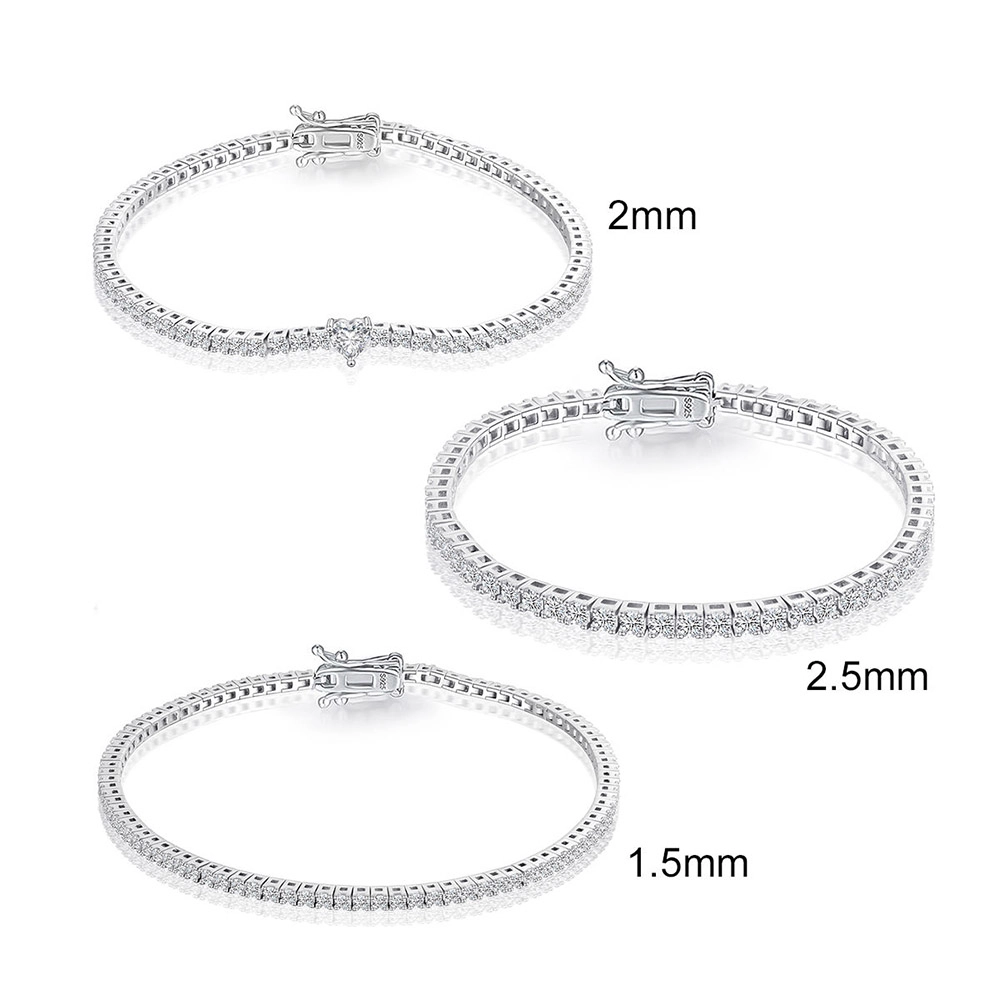
925 Silver Jewelry
Customizable High-Quality Fashion 925 Sterling Silver AAA Cubic Zirconia Heart-Shaped Open Tennis Bracelet.
Read More
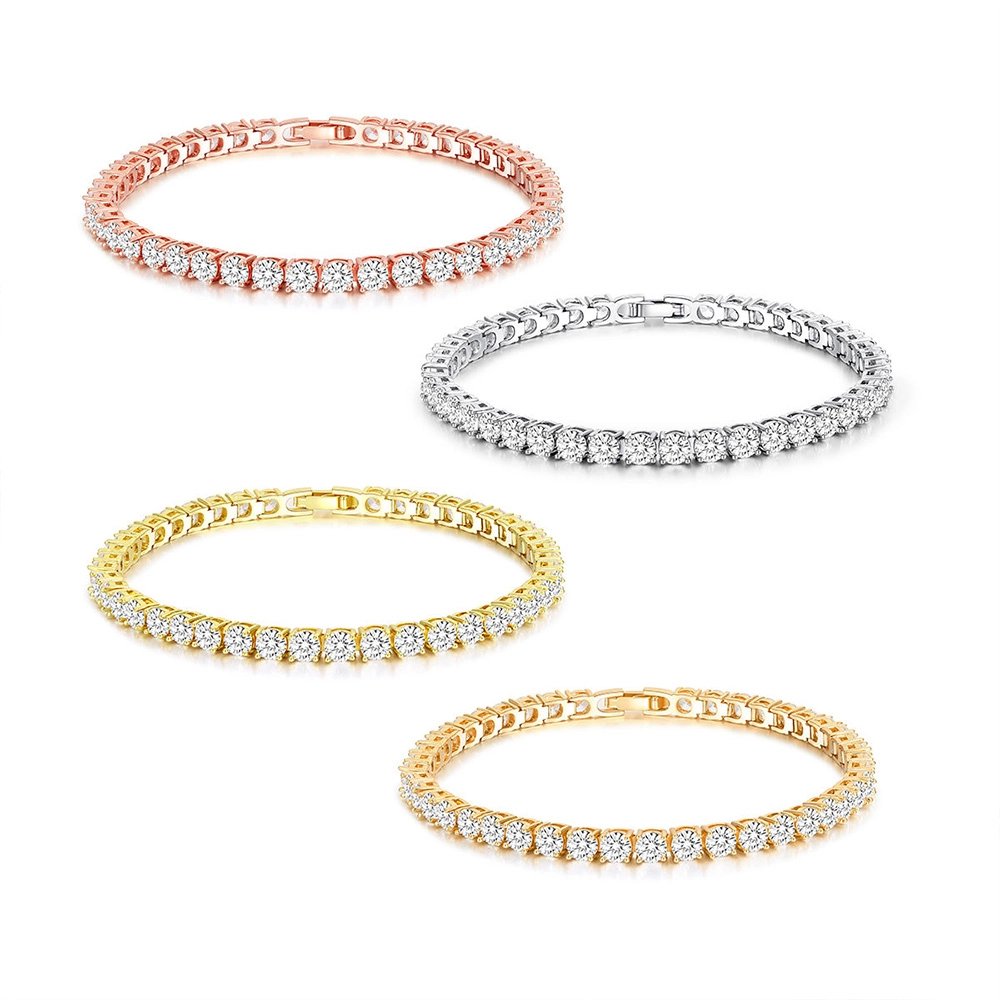
Brass Jewelry
Customizable OEM ODM High-Quality Fashion Brass AAA Cubic Zirconia Classic Tennis Bracelet for Women Wholesale.
Read More
Get a Quote for Private Label Jewelry
We provide personalized jewelry customization services for clients worldwide.
Rest assured that your privacy is important to us, and all information provided will be handled with the utmost confidentiality.
By clicking 'Send Inquiry Now' I agree to ZHEFAN JEWELRY processing my personal data.
To see how to withdraw your consent, how to control your personal data and how we process it, please see our Privacy Policy and Terms of use.
From design to production, ZHEFAN JEWELRY offers a one-stop solution to help you enhance your brand value and market competitiveness.
Get A Quote
Contact
Tel: (+86) 188 1927 7817
© 2026 Zhefan Jewelry. All Rights Reserved.
Facebook
Instagram
YouTube
Whatsapp: +8618819277817