




Email: sales3@zhefanjewelry.com
Ethical Sourcing and Sustainability for 925 Silver Necklaces
I explain how ethical sourcing and sustainable practices apply to 925 silver necklaces, covering standards, materials choices, manufacturing practices, traceability, and actionable steps for brands and consumers. I also introduce Guangzhou Zhefan Jewelry’s capabilities and commitment to quality and eco-compliance.
- Understanding Ethical Sourcing in Jewelry
- What does “ethical sourcing” mean for jewelry?
- Why ethical sourcing matters (business and consumer perspectives)
- Standards, certifications, and verifiable claims
- Sustainability Challenges Specific to 925 Silver Necklaces
- Materials and alloying: composition and implications
- Mining vs recycling: resource impacts and traceability
- Tarnish, longevity, and end-of-life considerations
- Practical Steps for Brands and Consumers
- Supplier due diligence and traceability protocols
- Design and manufacturing choices that reduce footprint
- Care, repair, and circularity: consumer-facing programs
- Comparing Primary vs Recycled Silver
- Why Choose Guangzhou Zhefan Jewelry — Responsible Manufacturing at Scale
- Who we are and our manufacturing DNA
- Quality control, environmental compliance, and innovation
- How we work with brands—OEM/ODM and sustainability collaboration
- Actionable Checklist (What I implement with clients)
- Frequently Asked Questions (FAQ)
- 1. What is a 925 silver necklace?
- 2. Is recycled silver truly more sustainable than mined silver?
- 3. How can I verify that a 925 silver necklace is ethically sourced?
- 4. How should I care for my 925 silver necklace to maximize longevity?
- 5. Can manufacturers make a 925 silver necklace without harmful chemicals?
- 6. How do warranties and repair services affect sustainability?
- Contact & Next Steps
Ethical Sourcing and Sustainability for 925 Silver Necklaces
I have spent decades working with silver—designing, sourcing, and producing 925 silver necklace collections—and I know that ethical sourcing and sustainability are no longer optional. They are central to brand trust, regulatory compliance, and long-term profitability. This article explains what ethical sourcing means for a 925 silver necklace, the practical steps manufacturers and brands should take, and how consumers can make informed choices. I draw on industry standards, lifecycle thinking, and real-world manufacturing practices to give actionable guidance you can verify via referenced authorities.
Understanding Ethical Sourcing in Jewelry
What does “ethical sourcing” mean for jewelry?
Ethical sourcing means the materials, processes, and people behind a piece of jewelry meet clearly defined environmental, social, and governance (ESG) criteria. For a 925 silver necklace, this includes traceable supply chains for silver and alloy metals, responsible mining or recycling, compliance with chemical and waste regulations, and respect for worker health, safety, and fair labor. The Responsible Jewellery Council (RJC) provides robust standards for the jewelry supply chain and is an accepted framework for assessing ethical performance (Responsible Jewellery Council – Standard).
Why ethical sourcing matters (business and consumer perspectives)
Consumers increasingly demand transparency. Ethical sourcing reduces legal and reputational risks (e.g., non-compliance with REACH or RoHS), improves long-term supply stability, and supports High Quality positioning. From a brand perspective, demonstrating traceability and environmental responsibility directly impacts conversion rates and retention. Regulators also expect due diligence: the European REACH regulation addresses chemical safety in products (ECHA – REACH), and RoHS limits hazardous substances in certain contexts (EU RoHS).
Standards, certifications, and verifiable claims
When I evaluate suppliers, I look for independent verification: RJC certification, ISO 14001 for environmental management (ISO 14001), and documented material safety data sheets (MSDS) that align with REACH. For recycled materials, chain-of-custody documentation and third-party assays are essential. Wikipedia’s overview of sterling silver is a useful quick reference for material definitions and composition (Sterling silver - Wikipedia).
Sustainability Challenges Specific to 925 Silver Necklaces
Materials and alloying: composition and implications
By definition, a 925 silver necklace (also called sterling silver) is 92.5% silver alloyed typically with copper. That alloying improves strength but introduces corrosion and allergen considerations. Sourcing the alloying metal responsibly is as important as sourcing the silver itself; copper mining carries environmental and social impacts similar to other base metals. Every design decision (chain thickness, plating choices, solder types) changes the sustainability profile and the recyclability of the final product.
Mining vs recycling: resource impacts and traceability
Primary mined silver has clear environmental and social risks—water use, habitat disruption, and labor issues—that are well documented by conservation and environmental organizations (WWF – Mining initiative). Recycled silver reduces the need for new mining and can improve traceability, but it requires proper certification and testing to ensure purity and safety. Practically, I advise brands to prefer validated recycled sources where feasible and to require chain-of-custody documentation when claiming recycled content.
Tarnish, longevity, and end-of-life considerations
925 silver tarnishes over time due to reactions with sulfur compounds. Longevity is a key sustainability factor: a well-made necklace that can be cleaned, repaired, and eventually recycled is more sustainable than a low-cost piece with a short lifespan. Design for repair, clear care instructions, and take-back programs extend product life and reduce environmental impact.
Practical Steps for Brands and Consumers
Supplier due diligence and traceability protocols
From my experience, effective due diligence includes: supplier audits, material certificates (assaying), compliance checks (REACH/RoHS), and social audits for labor practices. Implement a supplier scorecard that tracks RJC status, environmental management systems (e.g., ISO 14001), and whether silver is recycled. If you source mined silver, insist on mine-level transparency and documented mitigation measures.
Design and manufacturing choices that reduce footprint
I recommend prioritizing designs that maximize material efficiency: hollow or open-link chain structures reduce silver usage without compromising perceived value. Avoid unnecessary mixed materials that complicate recycling. When plating is required (e.g., to control tarnish), choose platings and processes compliant with environmental rules and ensure proper waste management in the factory.
Care, repair, and circularity: consumer-facing programs
To improve the lifecycle of a 925 silver necklace, provide clear care instructions, offer repair services, and implement take-back or recycling programs. These initiatives protect brand reputation and align with regulations and consumer expectations for circularity. When I run product lines, offering affordable repair kits and a trade-in program increases customer lifetime value and reduces raw-material demand.
Comparing Primary vs Recycled Silver
| Aspect | Primary (Mined) Silver | Recycled Silver |
|---|---|---|
| Environmental Impact | Higher potential impacts (habitat disruption, water use, tailings). Documented by environmental groups (WWF). | Lower lifecycle footprint when collected and processed responsibly; reduces need for new extraction. |
| Traceability | Variable—depends on mine transparency and auditing; RJC can help standardize. | High potential traceability if chain-of-custody is maintained and third-party verified. |
| Cost & Supply | Subject to commodity markets and geopolitical factors; large-scale mining remains the primary supply. | Costs can be competitive; availability depends on collection systems and refining capacity. |
| Social Risks | Higher in jurisdictions with weak labor and environmental enforcement. | Lower, but labor conditions at recycling facilities must be audited. |
Data sources and context: industry overviews from the Responsible Jewellery Council and environmental assessments are available at the RJC site (RJC) and environmental perspectives at WWF (WWF – Mining). For silver production statistics and trends, the US Geological Survey provides authoritative production summaries (USGS – Silver).
Why Choose Guangzhou Zhefan Jewelry — Responsible Manufacturing at Scale
Who we are and our manufacturing DNA
As someone who partners with manufacturers regularly, I recognize when a factory blends craftsmanship, scale, and responsible practices. Guangzhou Zhefan Jewelry is a premier fashion jewelry manufacturer established in 2002, with roots back to 1997. Founded by a master mold craftsman, Zhefan’s DNA is two decades of obsessive refinement. We specialize in high-quality 925 silver, brass, and stainless steel jewelry, operating two factories (Guangzhou & Meizhou) covering 800 m², supported by 80+ skilled artisans and 20 sales professionals. Our monthly output of 600,000 pieces reflects both capacity and reliability.
Quality control, environmental compliance, and innovation
Zhefan’s competitive edge is technical rigor: six rounds of precision polishing and six strict quality inspections ensure a flawless finish. We use RoHS/REACH-compliant eco-friendly materials and maintain strict material control in production lines. Our professional design team launches 500+ new original styles monthly, enabling rapid trend response without sacrificing quality. This combination of scale, QC, and product innovation is rare in the industry.
How we work with brands—OEM/ODM and sustainability collaboration
We are not just a supplier; we are a partner. From Amazon top sellers to global retailers like Macy’s, Zhefan provides full OEM/ODM services—design, prototyping, sampling, production, and QC. For brands seeking ethical sourcing, we assist with supplier documentation, material assays, and compliance reports to support claims. If you need to build sustainable 925 silver necklace collections that meet market and regulatory expectations, our manufacturing and compliance workflows are designed to scale Zhefan Jewelry responsibly.
Actionable Checklist (What I implement with clients)
- Require assays and chain-of-custody for all silver deliveries.
- Prefer recycled silver when cost and supply allow; document percentage in product claims.
- Audit plating and finishing workflows for waste control and chemical compliance (REACH/RoHS).
- Design for repair and provide clear consumer-care guides to extend product life.
- Implement take-back or recycling partnerships to close the material loop.
Frequently Asked Questions (FAQ)
1. What is a 925 silver necklace?
A 925 silver necklace (sterling silver) contains 92.5% silver and 7.5% other metals—usually copper—to improve strength and durability. You can read more about sterling silver on Wikipedia (Sterling silver - Wikipedia).
2. Is recycled silver truly more sustainable than mined silver?
Generally yes: recycled silver reduces demand for new extraction, lowering environmental impacts like habitat disturbance and waste. However, recycled silver must be certified and traceable—otherwise the sustainability claim is weaker. Documentation and third-party verification matter.
3. How can I verify that a 925 silver necklace is ethically sourced?
Ask the brand for chain-of-custody documentation, assay reports, supplier audits, and any RJC or ISO certifications. Check materials safety documentation for REACH/RoHS compliance if you sell in regulated markets.
4. How should I care for my 925 silver necklace to maximize longevity?
Avoid prolonged exposure to sulfurous environments (e.g., certain cosmetics), store in anti-tarnish pouches, clean gently with appropriate cloths, and seek professional repair rather than replacement. Brands should provide care instructions to customers to enhance product life.
5. Can manufacturers make a 925 silver necklace without harmful chemicals?
Yes—modern finishing processes can meet REACH and RoHS requirements. Factories should manage plating baths, effluents, and waste through proper treatment, and use certified, compliant materials.
6. How do warranties and repair services affect sustainability?
Offering repairs and reasonable warranties incentivizes repair over replacement, which materially reduces environmental impact. I recommend brands implement affordable repair services and spare-part availability.
Contact & Next Steps
If you’re a brand or retailer looking to develop or scale an ethically sourced 925 silver necklace line, I recommend starting with supplier documentation and a small audited pilot run. Guangzhou Zhefan Jewelry can support full OEM/ODM development with robust quality controls and compliance support. Contact Zhefan to discuss capabilities, request samples, or set up a factory audit:
- Website: https://www.zhefanjewelry.com/
- Email: sales3@zhefanjewelry.com
I am available to consult on sourcing strategy, supplier audits, and product lifecycle improvements to help you deliver beautiful, responsible 925 silver necklaces that customers trust.
Tags
925 sterling silver bracelets for men
925 sterling silver bracelets for men
bulk 925 silver pendant and earring sets
bulk 925 silver pendant and earring sets
brass tennis bracelet factory direct
brass tennis bracelet factory direct
brass tennis bracelet supplier
brass tennis bracelet supplier
brass tennis bracelet MOQ and pricing
brass tennis bracelet MOQ and pricing
brass tennis bracelet private label
brass tennis bracelet private label
Recommended for you
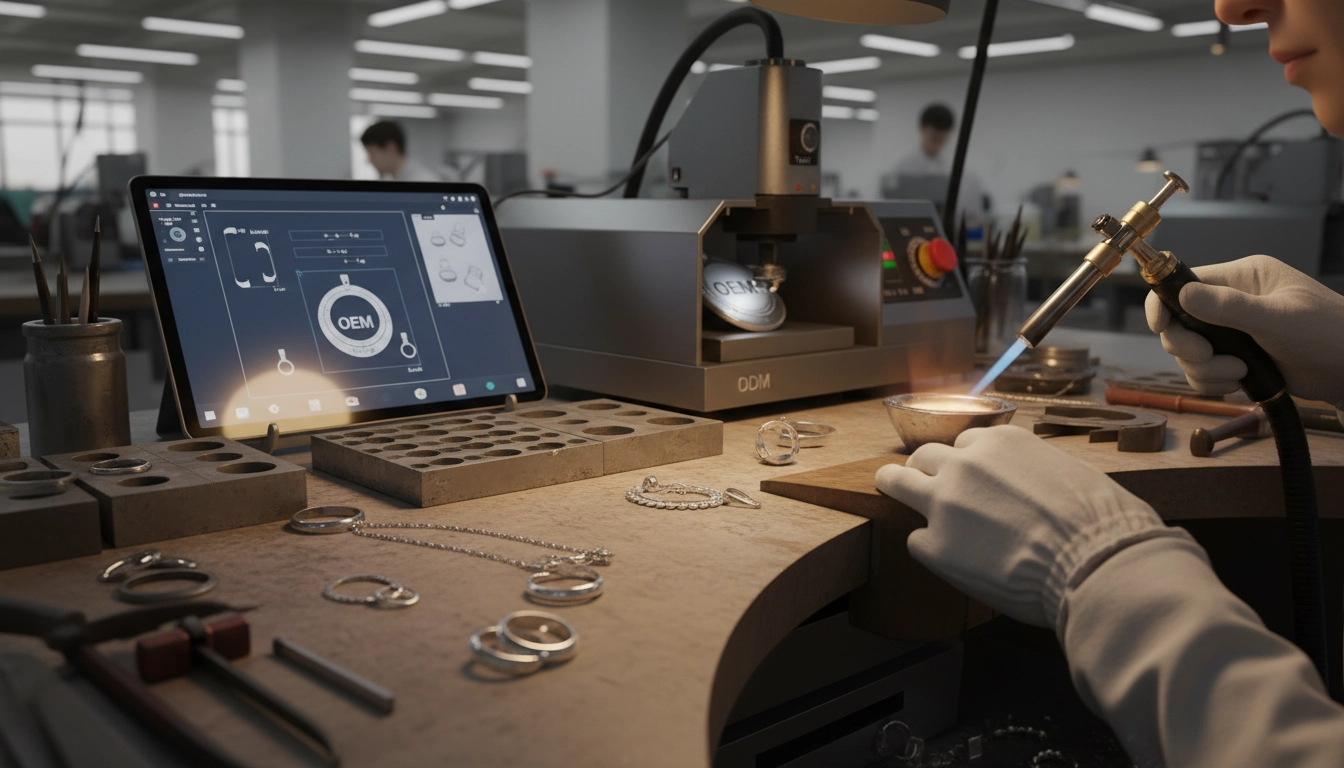
7 Costly Mistakes to Avoid When Partnering with a Silver Jewelry OEM/ODM Manufacturer in 2026
Wholesale brass bracelets manufacturer and supplier
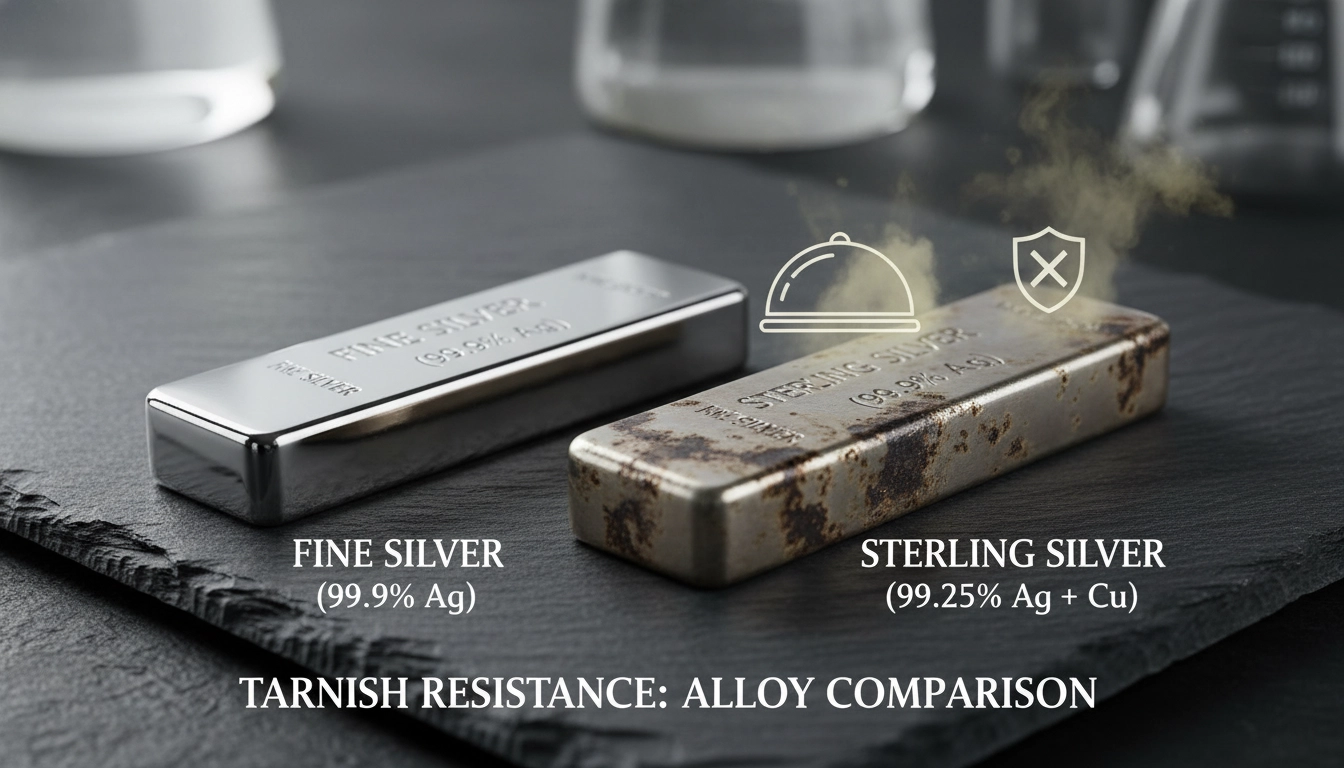
Sterling Silver vs. Fine Silver: 11 Critical Differences Every Buyer Must Know (2026 Edition)
Top 10 stainless steel bridal rings Manufacturers and Supplier Brands in China
Prdoucts Categories
Question you may concern
FAQs
Do you do customer design?
Do you do customer design? Yes,we are good at this way.Most of our customer do their customize.And we have cooperate with them when they are new brand, but now they become the top sell on Amazon, more than 32,000 five star comment.
Do you offer after-sales warranty service?
Yes, we will refund or resend products if fading, stone falling off and other quality problems found in 1 month receipt of goods.Furthermore, we offer 1 year after-sales warranty service, but you need pay the shipping charge.
Products
How long will the plating color last?
Generally 6 month for Water Plated color , 1 - 2 years for vacuum plated color if in proper wearing.
Do you offer after-sales warranty service?
Yes, we will refund or resend products if fading, stone falling off and other quality problems found in 1 month receipt of goods. Furthermore, we offer 1 year after-sales warranty service, but you need pay the shipping charge.
How can we guarantee quality?
Always a pre-production sample before mass production;
Always final Inspection before shipment;
You may also like
Brass Jewelry
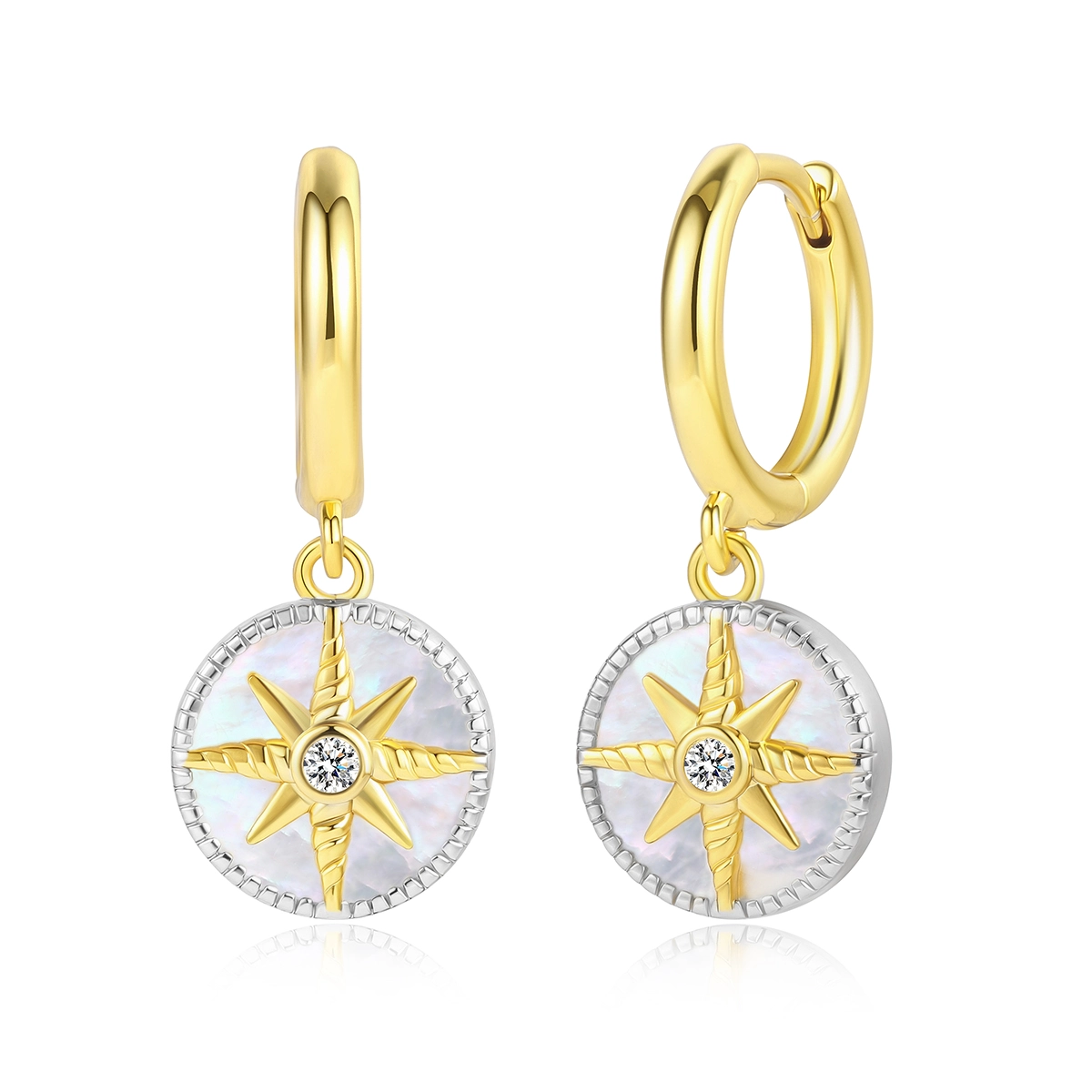
Brass Mother of Pearl Compass Huggie Drop Earrings | 14K 18K Gold Plated Hypoallergenic Jewelry
Read More
925 Silver Jewelry
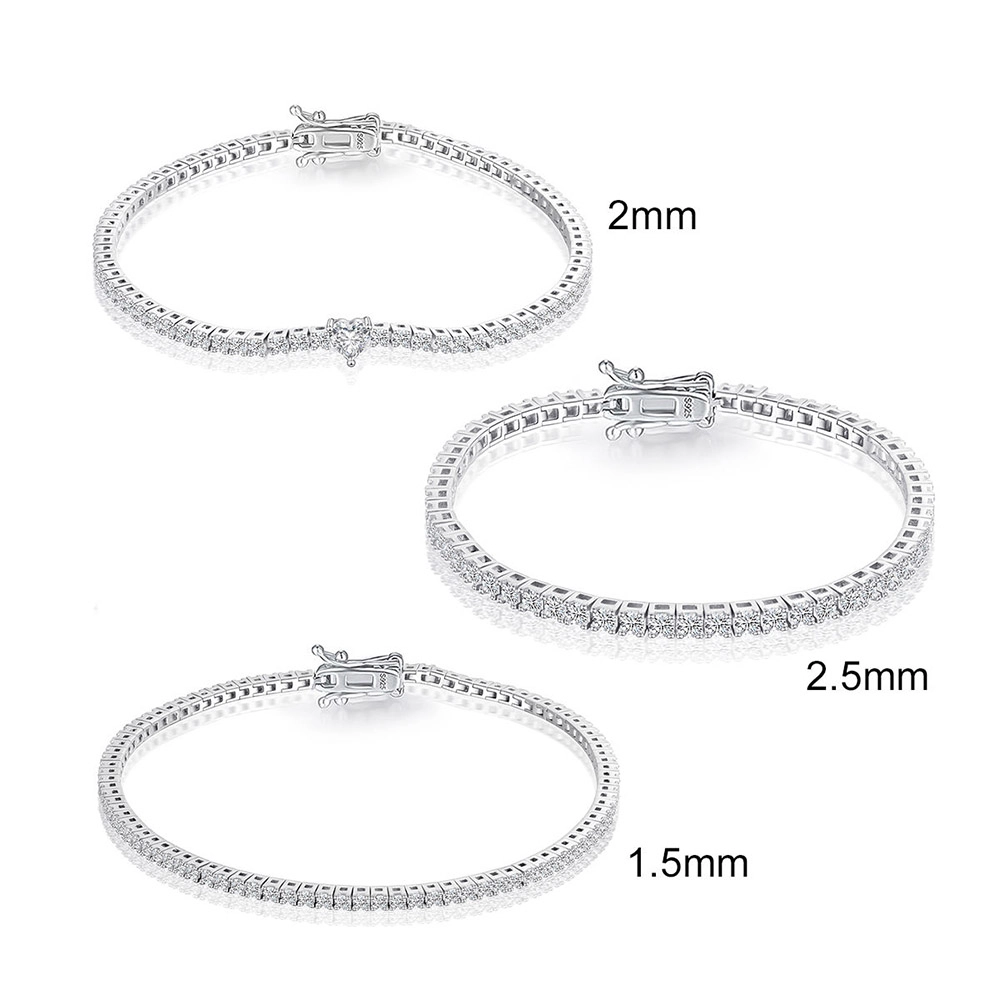
Customizable High-Quality Fashion 925 Sterling Silver AAA Cubic Zirconia Heart-Shaped Open Tennis Bracelet.
Read More
Brass Jewelry
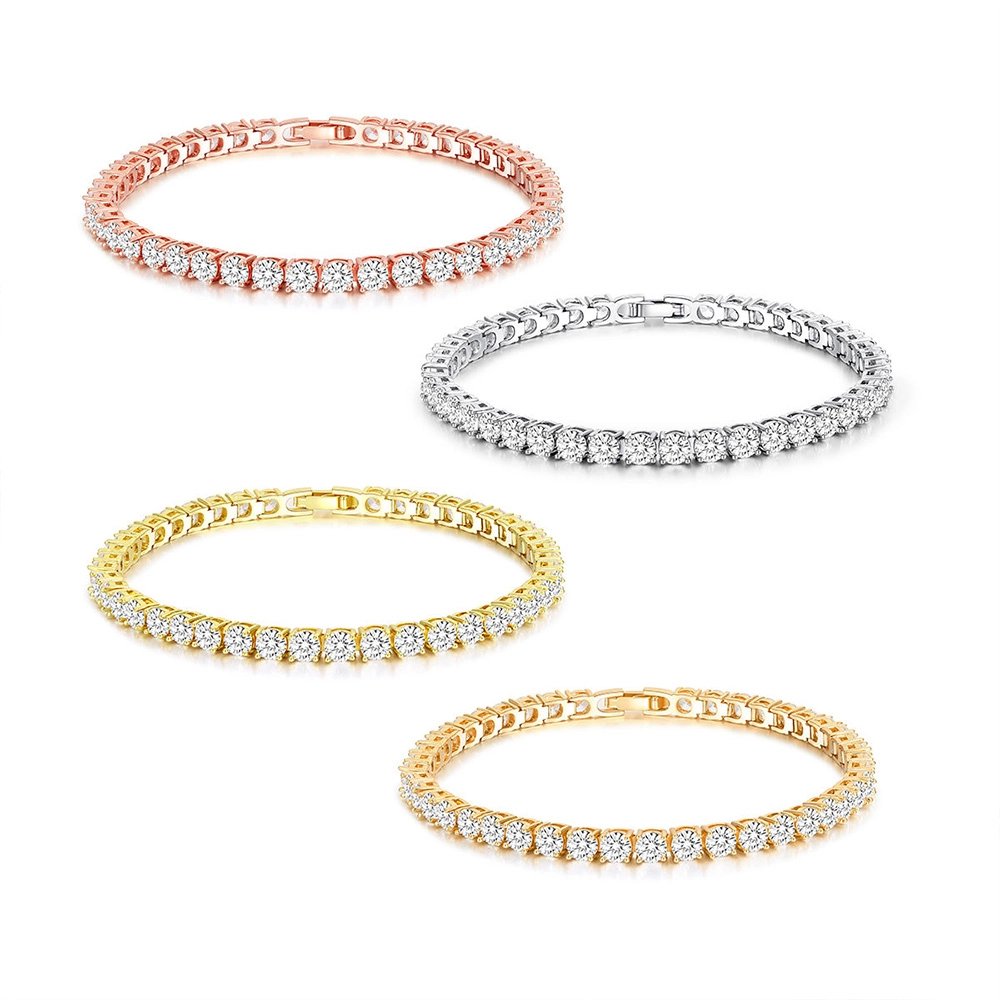
Customizable OEM ODM High-Quality Fashion Brass AAA Cubic Zirconia Classic Tennis Bracelet for Women Wholesale.
Read More
Get a Quote for Private Label Jewelry
We provide personalized jewelry customization services for clients worldwide.
Rest assured that your privacy is important to us, and all information provided will be handled with the utmost confidentiality.
By clicking 'Send Inquiry Now' I agree to ZHEFAN JEWELRY processing my personal data.
To see how to withdraw your consent, how to control your personal data and how we process it, please see our Privacy Policy and Terms of use.
From design to production, ZHEFAN JEWELRY offers a one-stop solution to help you enhance your brand value and market competitiveness.
Get A Quote
Contact
Tel: (+86) 188 1927 7817
© 2026 Zhefan Jewelry. All Rights Reserved.
Facebook
Instagram
YouTube
Whatsapp: +8618819277817