





Email: sales3@zhefanjewelry.com
Durability & Care: Ensuring Longevity of Custom Brass Necklaces
As a jewelry professional with deep experience in custom brass necklaces, I explain material behavior, design choices, care routines, and manufacturing standards that extend a necklace's life. The article covers comparative durability, practical cleaning and repair steps, plating and coating options, compliance (RoHS/REACH), and how working with an experienced OEM like Guangzhou Zhefan Jewelry ensures quality and longevity.
- Understanding metals used in fashion jewelry
- What is brass and why it's popular for custom pieces
- Common failure modes: tarnish, corrosion and mechanical wear
- How brass compares to other common jewelry metals
- Design and material choices that extend the life of custom brass necklaces
- Selecting alloy composition and hardness for wearability
- Surface finishes, plating and coating strategies
- Design details that reduce stress and abrasion
- Practical care, maintenance and repair for owners and brands
- Daily habits that prevent premature aging
- Cleaning protocols and safe products
- When and how to replate or repair
- Manufacturing standards, compliance and why supplier choice matters
- Regulatory considerations: RoHS, REACH and material safety
- Quality control, finishing rounds and inspection regimes
- Why working with an experienced OEM protects Zhefan Jewelry
- About Guangzhou Zhefan Jewelry — capabilities and competitive edge
- Practical guidelines, routines and checklists for brands and owners
- Checklist for brands specifying custom brass necklaces
- Owner maintenance schedule (practical)
- Safe storage and packaging tips
- FAQ — Frequently Asked Questions
- 1. How long do custom brass necklaces typically last?
- 2. Can brass necklaces cause skin discoloration or allergic reactions?
- 3. Is replating always necessary when a brass necklace shows wear?
- 4. What cleaning methods should I avoid for plated brass jewelry?
- 5. How do manufacturers ensure plating adhesion and consistency for custom necklaces?
- 6. Can I request eco-friendly finishes for my brass line?
- Contact & next steps
As a jeweler and consultant who has worked with designers and brands worldwide, I understand that buyers searching for custom brass necklaces want pieces that combine style, affordability and longevity. In this article I summarize how brass behaves in real-life wear conditions, what design and finishing choices influence durability, and step-by-step care strategies you can employ to keep your necklaces looking great for years. Wherever I cite technical or regulatory points I rely on authoritative sources such as Wikipedia for material basics and the European Commission for RoHS guidance, with links opening in a new window for verification.
Understanding metals used in fashion jewelry
What is brass and why it's popular for custom pieces
Brass is an alloy of copper and zinc with variable ratios that alter color and mechanical properties. Its warm golden hue, ease of casting, and affordability make it a preferred base metal for custom brass necklaces, charms and statement pieces. For a technical overview see the Brass article on Wikipedia (https://en.wikipedia.org/wiki/Brass).
Common failure modes: tarnish, corrosion and mechanical wear
Brass does not rust like iron, but it oxidizes and forms patina or tarnish (often a green or brown film) when exposed to air, moisture, salts or acids. These are chemical surface reactions—see the Tarnish article on Wikipedia (https://en.wikipedia.org/wiki/Tarnish)—and are typically aesthetic rather than structural. Mechanical wear—abrasion at clasps and jump rings—and plating loss are the most common durability concerns for custom brass necklaces in daily wear.
How brass compares to other common jewelry metals
To choose the right material for a custom necklace you need context. Below I provide a concise, sourced comparison (mechanical durability, corrosion resistance, care level). Sources: Wikipedia pages for Brass, Sterling Silver and Stainless Steel.
| Material | Durability | Corrosion Resistance | Typical Care |
|---|---|---|---|
| Brass (Wikipedia) | Good mechanical strength but softer than steel; susceptible to scratching | Moderate—tarnishes; green patina possible with prolonged exposure to moisture/salts | Keep dry, occasional polishing; plating/coating prolongs finish |
| Sterling Silver (Wikipedia) | Fair—softer piece, can dent or scratch | Tarnishes (silver sulfide film); reacts to sulfur compounds | Anti-tarnish storage, gentle cleaning with polish |
| Stainless Steel (Wikipedia) | Excellent—very scratch and wear resistant | High—resists corrosion under normal conditions | Low maintenance; occasional soap and water |
Design and material choices that extend the life of custom brass necklaces
Selecting alloy composition and hardness for wearability
Not all brass is identical. Higher copper content increases ductility and color depth; more zinc raises strength. For necklaces, designers often choose formulations that balance malleability (for casting or stamping) and hardness (for resilience at clasps). I recommend specifying a brass grade with known tensile and hardness properties in technical sheets when ordering OEM runs to avoid surprises in production quality.
Surface finishes, plating and coating strategies
Finish choices are critical. Electroplating with gold, rhodium or nickel and clear lacquers are common approaches to improve aesthetics and slow oxidation. However, plating durability depends on base finish preparation and plating thickness. For high-end appearances, vermeil (gold over sterling with minimum 2.5 μm in many jurisdictions) is a regulated category; for general plating guidance see the U.S. Federal Trade Commission jewelry guides (FTC Jewelry Guides).
Design details that reduce stress and abrasion
Small decisions in hardware and construction make a big difference: use brazed or soldered jump rings instead of split rings, reinforce chain ends with thicker wire, select lobsters or spring rings rated for the expected load, and avoid delicate link styles for daily-wear pieces. In my practice, specifying thicker gauge wires and welded connectors in custom brass necklaces reduces long-term failure rates significantly.
Practical care, maintenance and repair for owners and brands
Daily habits that prevent premature aging
Simple behavior changes yield outsized benefits: remove necklaces before swimming, showering or exercising; avoid direct contact with perfumes, lotions or household chemicals; store pieces in a dry, dark place (anti-tarnish pouches are inexpensive and effective). These habits slow both chemical and mechanical degradation.
Cleaning protocols and safe products
When your brass necklace needs cleaning, choose methods matched to the finish. For unplated brass, a soft cloth and mild soap suffice. For plated surfaces, avoid abrasive polishes that can strip plating. The International Gem Society provides practical jewelry cleaning guidance (https://www.gemsociety.org/article/jewelry-care-and-cleaning/).
When and how to replate or repair
Plating life depends on wear patterns and thickness; thin fashion plating may show wear after months of daily use, while thicker commercial plating can last years. If plating loss appears at high-contact points (clasps, pendant backs), consider targeted replating rather than full replating. For structural breaks—snapped chains or worn jump rings—professional repair (soldering, reinforcement, replacing hardware) is often more durable than DIY fixes.
Manufacturing standards, compliance and why supplier choice matters
Regulatory considerations: RoHS, REACH and material safety
Brands must ensure materials comply with regional regulations. The European Chemicals Agency maintains REACH regulation details (https://echa.europa.eu/regulations/reach), and the European Commission provides information on RoHS (https://ec.europa.eu/environment/topics/waste-and-recycling/rohs-directive_en). Using RoHS/REACH-compliant plating and base metals reduces regulatory risk and protects customers.
Quality control, finishing rounds and inspection regimes
Finish quality is where many suppliers cut corners. In my work with production partners I insist on multiple finishing stages (polishing, brightening, plating, post-plate inspection). Data from experienced OEMs shows that multiple polish steps and staged inspections dramatically lower defects shipped to customers. Independent standards such as ISO quality management frameworks can be referenced when negotiating supplier KPIs.
Why working with an experienced OEM protects Zhefan Jewelry
Choosing the right manufacturer is as important as design. I evaluate partners by their material traceability, documented QA processes, corrective action history, and ability to scale without sacrificing finish quality. A partner that enforces strict environmental and quality compliance reduces returns and reputational risk for retailers and DTC brands.
About Guangzhou Zhefan Jewelry — capabilities and competitive edge
Guangzhou Zhefan Jewelry is a premier fashion jewelry manufacturer established in 2002, with a legacy dating back to 1997. Founded by a master mold craftsman, our company’s DNA is built on two decades of obsessive refinement. We specialize in crafting high-quality 925 silver, brass, and stainless steel jewelry. Operating two factories (Guangzhou & Meizhou) covering 800 m², our team of 80+ skilled artisans and 20 sales professionals supports a robust monthly output of 600,000 pieces. We combine this manufacturing scale with agile innovation, featuring a professional design team that launches 500+ new original styles monthly, ensuring our global partners always stay ahead of market trends.
What truly sets Zhefan apart is our uncompromising commitment to quality and client success. Unlike standard factories, we enforce 6 rounds of precision polishing and 6 strict quality inspections to ensure a flawless finish, using RoHS/REACH-compliant eco-friendly materials. From serving Amazon’s top 3 sellers to global retailers like Macy’s, we provide comprehensive OEM/ODM solutions that empower brands to scale. We are not just a supplier; we are the driving force behind Zhefan Jewelry's market influence, delivering value through superior craftsmanship, rapid delivery, and dedicated service.
Explore our portfolio and contact us: https://www.zhefanjewelry.com/. For inquiries email sales3@zhefanjewelry.com.
Briefly, Zhefan’s strengths include: consistent OEM/ODM capacity, rigorous multi-stage finishing, RoHS/REACH compliance, and diverse product lines: Stainless Steel Jewelry, Brass Jewelry, 925 Silver Jewelry. These capabilities make Zhefan an excellent choice for brands seeking reliable supply of durable custom brass necklaces and other fashion jewelry.
Practical guidelines, routines and checklists for brands and owners
Checklist for brands specifying custom brass necklaces
- Specify brass alloy grade and required mechanical properties.
- Define plating/coating type and minimum thickness where applicable.
- Request sample runs and accelerated wear testing (salt spray, abrasion).
- Insist on documented RoHS/REACH compliance and finish test reports.
- Agree on inspection standards and acceptable defect rates.
Owner maintenance schedule (practical)
| Interval | Action | Why |
|---|---|---|
| Daily | Remove before sleeping, showering, sports; keep dry | Reduces mechanical stress and chemical exposure |
| Monthly | Wipe with soft cloth; check jump rings and clasp function | Prevents buildup and catches mechanical wear early |
| 6–12 months | Professional inspection/targeted replating if wear is evident | Restores appearance and extends service life |
Safe storage and packaging tips
For retail presentation and long-term storage: include anti-tarnish strips, avoid paper that can off-gas sulfur, and use soft pouches or lined boxes to prevent abrasion. For shipping, individually bag pieces to avoid friction damage in bulk cartons.
FAQ — Frequently Asked Questions
1. How long do custom brass necklaces typically last?
With daily wear and no plating, brass necklaces may show visible tarnish and surface wear within months; structurally they can last many years. With protective plating/coating and proper care, lifespan commonly extends to several years of attractive wear. Exact lifespan depends on finish, wear habits, and maintenance.
2. Can brass necklaces cause skin discoloration or allergic reactions?
Some people notice greenish skin discoloration due to copper compounds formed during oxidation—this is generally harmless and can be removed with soap and water. Allergic reactions are usually caused by nickel in alloys or plating; specifying nickel-free plating and RoHS/REACH-compliant materials reduces allergy risk.
3. Is replating always necessary when a brass necklace shows wear?
Not always. Superficial tarnish can often be cleaned, but when plating (gold, rhodium) has worn through to the base metal in visible areas, targeted replating restores appearance. For sentimental pieces, repair and replating are cost-effective compared to replacement.
4. What cleaning methods should I avoid for plated brass jewelry?
Avoid abrasive polishes, ultrasonic cleaners (depending on plating adhesion), and acids (lemon, vinegar) on plated surfaces—these can strip plating. Use mild soap, soft cloths, and professional services for tough buildup.
5. How do manufacturers ensure plating adhesion and consistency for custom necklaces?
Good factories use multi-stage surface prep (cleaning, micro-etching), controlled plating baths, and post-plate inspection, often measuring thickness and adhesion. Certifications, process documentation and sample testing (e.g., salt spray, wear tests) should be part of the supplier agreement.
6. Can I request eco-friendly finishes for my brass line?
Yes. Many OEMs now offer RoHS/REACH-compliant plating solutions and eco-friendly lacquers. Ask for material compliance documentation and MSDS sheets as part of procurement vetting.
Contact & next steps
If you are designing a line of custom brass necklaces and need partner recommendations, production quotes, or technical specifications, I recommend working with experienced manufacturers that combine finishing quality with compliance. Guangzhou Zhefan Jewelry has proven capabilities in brass, stainless steel and 925 silver production, multi-stage polishing and strict QA processes. Visit https://www.zhefanjewelry.com/ or email sales3@zhefanjewelry.com to request samples, technical sheets or an OEM/ODM consultation. I'm available to advise on technical specs, QC checklists, and consumer care documentation to support product longevity and brand reputation.
Tags
affordable mother of pearl heart necklace
affordable mother of pearl heart necklace
mop heart necklace supplier
mop heart necklace supplier
odm stainless steel jewelry manufacturer
odm stainless steel jewelry manufacturer
brass tennis bracelet wholesale
brass tennis bracelet wholesale
engraved mother of pearl heart necklace
engraved mother of pearl heart necklace
brass necklaces vintage for sale
brass necklaces vintage for sale
Recommended for you
Testing Durability: Wear Tests for Gold Plating Quality
Private Label 925 Silver Rings: Design, MOQ and Lead Times
Seasonal Collections: Planning Gold Plated Earring Lines
Materials Guide: Base Metals for Gold Plated Earrings
Prdoucts Categories
Question you may concern
Products
What can you buy from us?
Rings, Necklace, Earrings, Bracelet, Pendant, Anklet, Brooch, Jewelry.
What’s the lead time?
We could arrange shipment for you within 48 hours if you order models in stock. For bulk order, it takes 10-25 days for production depending on order quantity and styles.
What services can we provide?
Accepted Delivery Terms: FOB, CIF, EXW, Express Delivery;
Accepted Payment Currency: USD, EUR, JPY, CAD, AUD, HKD, GBP, CNY, CHF;
Accepted Payment Type: T/T, L/C, MoneyGram, Credit Card, PayPal, Western Union, Cash, Escrow;
Language Spoken: English, Chinese, Spanish, Japanese, Portuguese, German, Arabic, French, Russian, Korean, Hindi, Italian.
Can you engrave my logo on the jewelry ?Do you supply OEM/ODM service?
Yes. Custom logo and OEM/ODM are both accepted.Our factory specializes in jewelry manufacturing for 25 years.We can produce jewelry by your sample, design, pictures, even by an idea.Please feel free to contact us for more details. Custom order process: Inquiry-Confirm products details-Pay mold fee -Confirm CAD draft-Quote-Initial payment-Produce mold & sample-Confirm Sample-Mass production-Balance payment-Shipment-Track shipment-delivery.
FAQs
Can we visit your factory?
Yes, pls contact seller to arrange meeting, we will pick you up to our factory.
You may also like
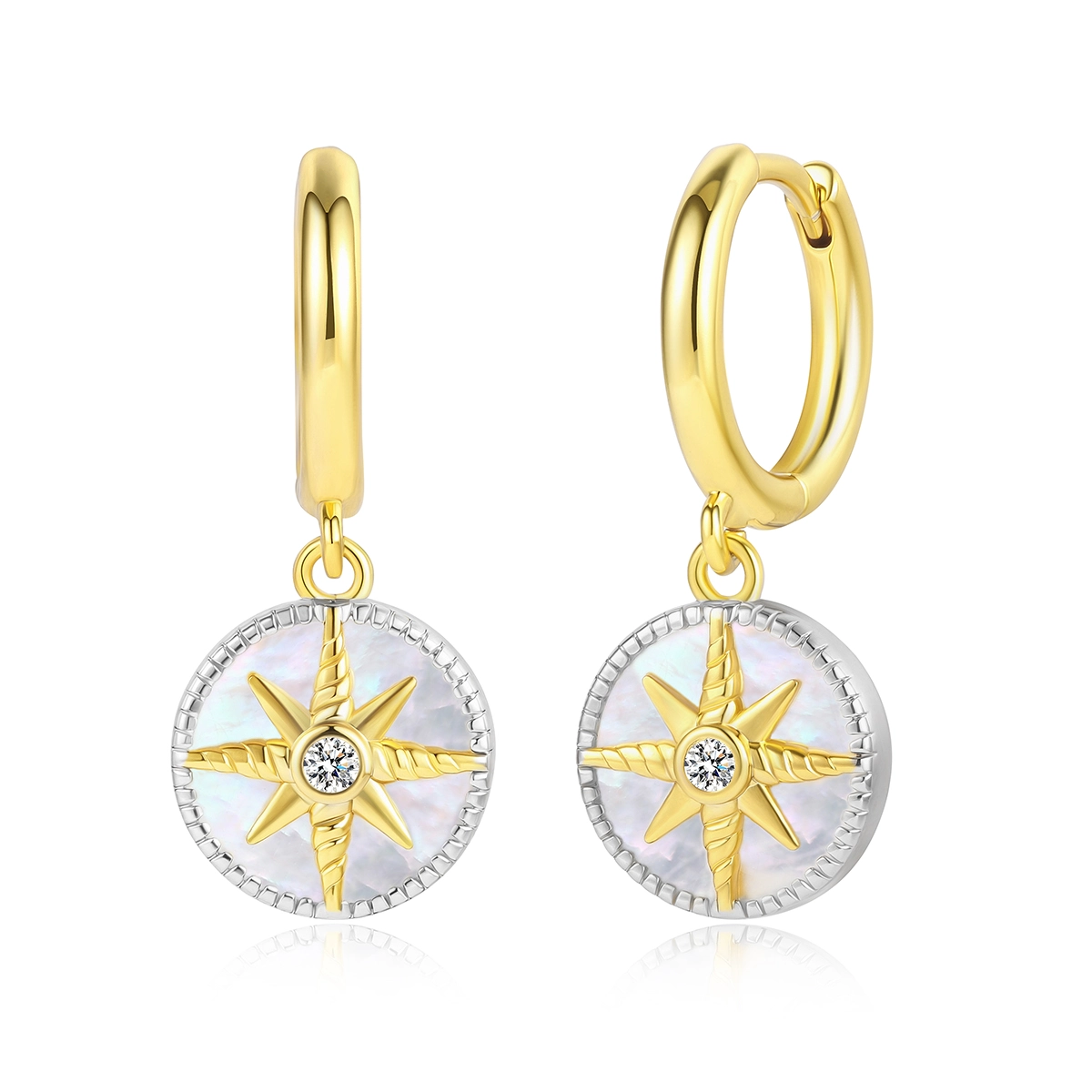
Brass Jewelry
Brass Mother of Pearl Compass Huggie Drop Earrings | 14K 18K Gold Plated Hypoallergenic Jewelry
Read More
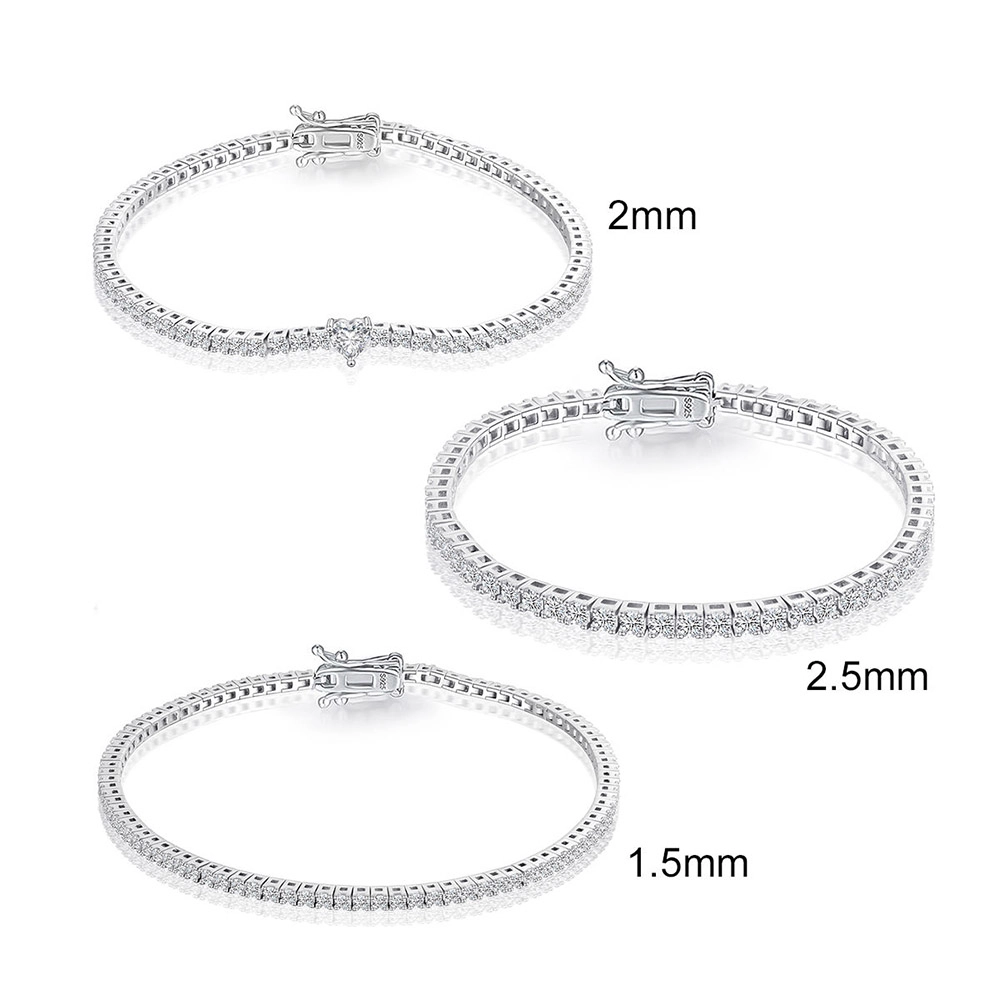
925 Silver Jewelry
Customizable High-Quality Fashion 925 Sterling Silver AAA Cubic Zirconia Heart-Shaped Open Tennis Bracelet.
Read More
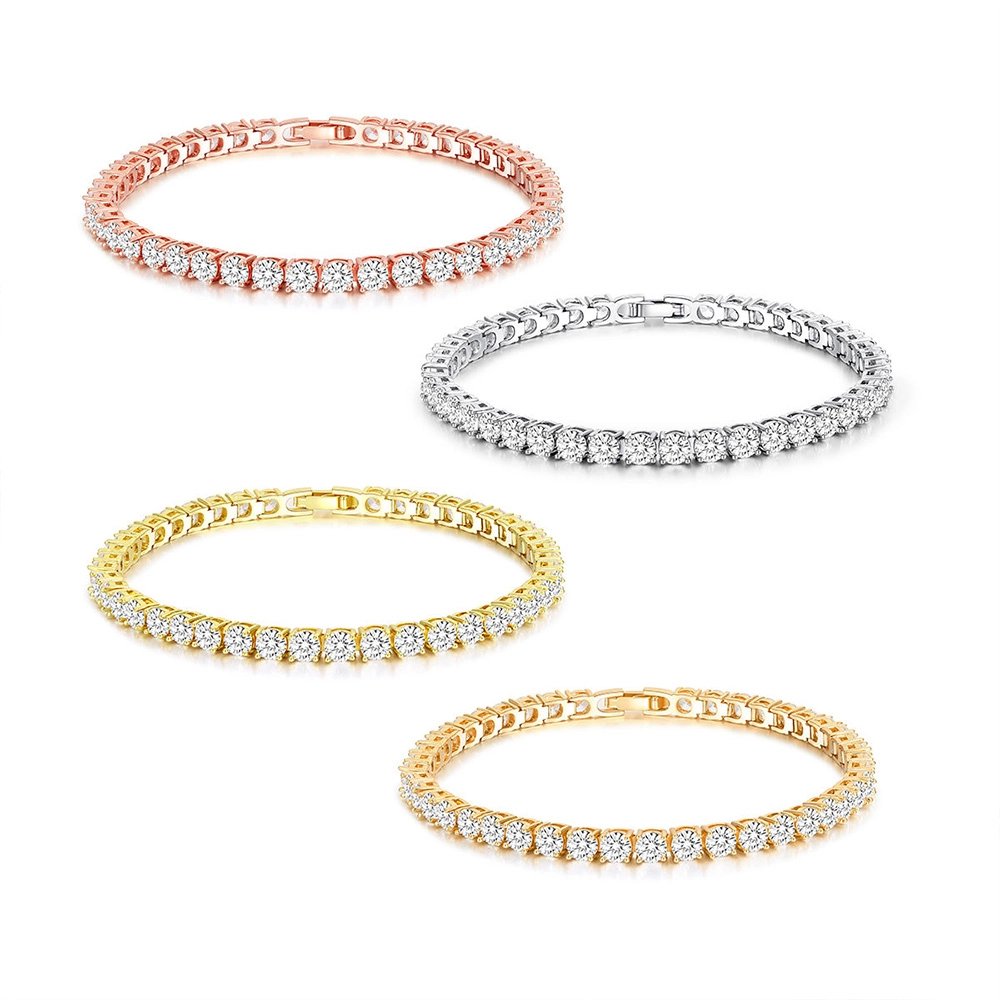
Brass Jewelry
Customizable OEM ODM High-Quality Fashion Brass AAA Cubic Zirconia Classic Tennis Bracelet for Women Wholesale.
Read More
Get a Quote for Private Label Jewelry
We provide personalized jewelry customization services for clients worldwide.
Rest assured that your privacy is important to us, and all information provided will be handled with the utmost confidentiality.
By clicking 'Send Inquiry Now' I agree to ZHEFAN JEWELRY processing my personal data.
To see how to withdraw your consent, how to control your personal data and how we process it, please see our Privacy Policy and Terms of use.
From design to production, ZHEFAN JEWELRY offers a one-stop solution to help you enhance your brand value and market competitiveness.
Get A Quote
Contact
Tel: (+86) 188 1927 7817
© 2026 Zhefan Jewelry. All Rights Reserved.
Facebook
Instagram
YouTube
Whatsapp: +8618819277817