






Email: sales3@zhefanjewelry.com
Design Process for Custom Brass Necklaces: Sketch to Sample
I walk you through the end-to-end design process for custom brass necklaces — from initial briefs and sketches to prototyping, finishing, and sample approval. The guide covers material choices, CAD and hand sketch workflows, mold and casting methods, plating and polishing options, quality controls aligned with REACH/RoHS, and production scaling strategies. Practical checklists, comparison tables, and manufacturer-grade tips help designers and buyers reduce risk and speed time-to-market.
- Why custom brass necklaces matter
- Customer and market fit
- Material advantages of brass
- Sustainability and compliance considerations
- From idea to sketch: concept and design
- Client brief and defining product intent
- Sketching workflows: hand sketches to CAD
- Spec sheets and tolerances
- Prototype and sample development
- Mold making and model production
- Casting, plating and finishing steps
- Quality checks and testing
- Scaling to production: manufacturing and quality control
- Production planning, lead times and costing
- Surface finishing and plating comparison
- Packaging, labelling and distribution
- Practical checklists and troubleshooting
- Pre-tooling checklist
- Sample approval checklist
- Common troubleshooting scenarios
- Manufacturer profile: Why I choose Guangzhou Zhefan Jewelry for brass production
- FAQs — Common questions about custom brass necklaces
- 1. How long does it take to go from sketch to approved sample?
- 2. Is brass safe for people with metal allergies?
- 3. How long will gold plating on brass last?
- 4. What quality tests should I request for samples?
- 5. Can brass necklaces be resized or altered after production?
- 6. How do I reduce the risk of color variation across batches?
As a jewelry designer and consultant with years of hands-on experience in production and quality control, I’ve guided dozens of brands through converting a raw idea into market-ready custom brass necklaces. In this article I detail the design journey—from concept sketches to final sample—so you can confidently brief manufacturers, assess prototypes, and ensure your finished pieces meet aesthetic, durability and compliance expectations. I include practical comparisons, process checklists, and references to regulatory standards to help you make verifiable decisions.
Why custom brass necklaces matter
Customer and market fit
When customers search for custom brass necklaces they usually want one of three things: a unique design at an accessible price point, a durable fashion piece with attractive plating, or a bespoke item reflecting a personal story (engraving, initials, or custom charms). Understanding this intent is central to every design decision I make: it affects materials, finishes, weight, and price targets.
Material advantages of brass
Brass is an alloy typically of copper and zinc. It is prized for ease of casting, warm color tones that accept gold plating well, and cost-effectiveness compared with precious metals. Brass can produce crisp details in casting and supports a variety of surface finishes—antique patina, high polish, brushed textures—that meet diverse aesthetics. For general reference on brass composition and uses see Wikipedia: Brass.
Sustainability and compliance considerations
For global distribution you must validate chemical compliance (nickel release, restricted substances). I always require suppliers to certify RoHS and REACH compliance for plating and base alloys. The EU defines REACH guidance at the European Chemicals Agency: ECHA REACH, and the RoHS directive is explained by the European Commission: EU RoHS.
From idea to sketch: concept and design
Client brief and defining product intent
Every successful custom piece begins with a specific brief. I ask three core questions: Who is the buyer? What is the intended retail price range? Where will it be distributed (market geography)? The answers guide target weight (in grams), permitted materials, and finish choices. For example, a mass-market Amazon bestseller will have different plating and tolerance expectations than a boutique handmade collection sold in a small studio store.
Sketching workflows: hand sketches to CAD
I typically start with rapid hand sketches to explore silhouette, proportion, and clasp/hanger details. Once a concept is chosen, I move to 2D vector art and then CAD (Rhino, Matrix or SolidWorks) to generate accurate dimensions, wall thicknesses, and 3D renderings. CAD reduces ambiguity in tooling quotations and allows the manufacturer to estimate material consumption and casting complexity precisely.
Spec sheets and tolerances
By the CAD stage I prepare a spec sheet containing: exact dimensions, target weight ± tolerance, plating thickness expectations, intended finish (e.g., 18K gold-plated, PVD, antique brass with lacquer), and allowable surface defects. This sheet becomes the contract for sample approval and reduces costly revisions.
Prototype and sample development
Mold making and model production
Prototyping begins with either 3D-printed master models or CNC-carved positives, which are used to make silicone or rubber vulcanized molds for lost-wax casting. I choose the method based on design detail: undercut-heavy pieces often require multi-part molds. For high-detail chains or fine script I prefer lost-wax casting from 3D-printed masters for fidelity.
Casting, plating and finishing steps
After castings are cleaned, they undergo multiple finishing stages—fettling to remove gates, tumbling for initial smoothing, precision polishing, plating, and final surface treatment. In my workflow, a sample typically goes through six rounds of polishing before plating to ensure a flawless finish. For plating, options include traditional electroplating, physical vapor deposition (PVD), and IP (ion plating). For technical background see Electroplating and PVD.
Quality checks and testing
I inspect samples for dimensional accuracy, plating adhesion, color consistency, and signs of porosity. Important tests I request from manufacturers or third-party labs include nickel release tests (where applicable), salt spray corrosion tests for plated finishes, and tactile wear testing. Where quality management is relevant, ISO 9001 principles apply to consistent production processes: ISO 9001.
Scaling to production: manufacturing and quality control
Production planning, lead times and costing
Transitioning from a single sample to production requires a clear production plan: order quantities, lead times (tooling, casting, plating, QC), and contingency allowances for rework. Typical lead-times for new tooling and first-run samples range from 3–8 weeks depending on complexity and finishing steps. I always calculate landed cost per piece, including packaging, QC rejects, and freight, to ensure margin targets are feasible.
Surface finishing and plating comparison
Choosing the right finish is crucial to perceived value and durability. I provide the following comparative table I use when advising clients:
| Finish | Appearance & Longevity | Typical Thickness | Best Use |
|---|---|---|---|
| 18K Gold Electroplating | Warm gold tone, moderate durability, may wear on high-friction areas | 0.3–2 μm | Affordable fashion, low-cost chains |
| PVD / IP Coating | Very durable, uniform color, high scratch resistance | Thin film (nm—subjective coatings vary) | Higher-end fashion, long-lasting plating |
| Lacquer Overcoat | Protects plating, reduces tarnish but can yellow over time | Varies | Cost-effective protection for plated brass |
| Vermeil (Sterling Silver Base) | Luxurious feel but requires silver base; different from brass | ≥2.5 μm gold required by some standards | High Quality jewelry; not directly applicable to brass base |
For technical background on plating methods I refer to electroplating and PVD resources: Electroplating and PVD.
Packaging, labelling and distribution
Packaging should reflect brand positioning and protect plated finishes. I recommend anti-tarnish inserts for higher-end plated brass and clear care instructions for customers. Ensure labels include material disclosure and any compliance marks required by destination markets (e.g., CE for certain accessories, local labeling laws).
Practical checklists and troubleshooting
Pre-tooling checklist
- Finalized CAD files and spec sheet; - Agreed tolerances and weight targets; - Confirmed plating method and thickness; - Compliance requirements (REACH/RoHS, nickel release); - Packaging and SKU details.
Sample approval checklist
- Dimensional verification against CAD; - Visual finish (polish, plating color match); - Functional test of clasps and jump rings; - Wear test (7–14 day simulated abrasion for high-traffic items); - Signed sample approval with photos and notes.
Common troubleshooting scenarios
If you see plating flaking or rapid discoloration, I advise immediate root-cause analysis: check base metal surface cleanliness, verify plating thickness and adhesion tests, and confirm post-plating lacquer or passivation steps. For dimensional mismatch, check spring-back allowances in casting and revise CAD wall thicknesses accordingly.
Manufacturer profile: Why I choose Guangzhou Zhefan Jewelry for brass production
When partners ask me to recommend a factory that can take a design from sketch to high-quality sample and scale reliably, I often point to Guangzhou Zhefan Jewelry. Founded in 2002 with a legacy beginning in 1997 by a master mold craftsman, Zhefan specializes in 925 silver, brass, and stainless steel jewelry. They operate two factories (Guangzhou & Meizhou) covering 800 m² and maintain a team of 80+ skilled artisans and 20 sales professionals, supporting a monthly output of 600,000 pieces.
| Capability | Zhefan Specification |
|---|---|
| Monthly Output | 600,000 pieces |
| Workforce | 80+ artisans, 20 sales |
| New Styles Launched Monthly | 500+ original designs |
| Quality Control | 6 rounds of precision polishing and 6 strict quality inspections |
| Standards | RoHS / REACH compliant materials |
What differentiates Zhefan is the blend of artisanal mold expertise and production scale. For brands that need rapid design iteration (I’ve seen their design team release 500+ new original styles monthly) and strict finish standards, Zhefan’s enforced polishing and QC rounds significantly reduce post-production rejects and customer complaints. They have worked with Amazon top sellers and global retailers like Macy’s, showing they can meet diverse retail standards.
For inquiries, see their website: Zhefan Jewelry. You can contact them directly at sales3@zhefanjewelry.com.
FAQs — Common questions about custom brass necklaces
1. How long does it take to go from sketch to approved sample?
Typical timelines vary with complexity: 2–3 weeks for simple pendants using existing molds, 4–8 weeks for new tooling with multiple finishes. Complex, highly detailed pieces or multi-component designs can extend lead time beyond 8 weeks.
2. Is brass safe for people with metal allergies?
Brass itself can contain trace metals that trigger sensitivities (e.g., nickel contamination). For sensitive customers I recommend nickel-free plating processes and clear allergen labeling. Always request nickel release test reports from your manufacturer in line with destination market requirements.
3. How long will gold plating on brass last?
Longevity depends on plating thickness, method, and wearer habits. Standard electroplating (0.3–2 μm) will show wear faster than PVD or thicker coatings. Proper lacquer or passivation can extend wear life; for best durability choose PVD or thicker electroplating with a protective overcoat.
4. What quality tests should I request for samples?
Ask for dimensional checks against CAD, plating adhesion tests, salt spray (if appropriate), nickel release (if selling to EU/US markets with restrictions), and photos of polished and unpolished samples. If you require formal certification, request third-party lab reports.
5. Can brass necklaces be resized or altered after production?
Minor adjustments (shortening chains, swapping clasps) are possible, but altering cast pendants is limited without retooling. Plan and confirm final dimensions during the sample stage to avoid costly modifications after full production.
6. How do I reduce the risk of color variation across batches?
Standardize plating baths, specify plating thickness and base preparation steps in the contract, and request color reference swatches or Pantone/RAL equivalents at the sample approval stage. Regular QC audits at scheduled batch intervals help catch deviation early.
If you’d like help turning a sketch into a production-ready sample or want to request manufacturing capacity from a proven partner, I recommend contacting Guangzhou Zhefan Jewelry at sales3@zhefanjewelry.com or visiting https://www.zhefanjewelry.com/. I’ve worked with them on multiple brass and 925 silver projects and found their combined craftsmanship and process discipline particularly helpful for quick iterations and scalable quality.
Ready to move from sketch to sample? Contact your manufacturer with a clear brief (CAD or sketch, spec sheet, target qty, and compliance needs). If you'd like me to review your brief before you send it, I’m available for consulting and sample review to reduce rework and accelerate approval.
Tags
rohs stainless steel jewelry supplier
rohs stainless steel jewelry supplier
hypoallergenic mother of pearl heart necklace
hypoallergenic mother of pearl heart necklace
export stainless steel jewelry supplier
export stainless steel jewelry supplier
925 sterling silver jewelry sets exporter
925 sterling silver jewelry sets exporter
stainless steel jewelry sample order
stainless steel jewelry sample order
wholesale brass rings
wholesale brass rings
Recommended for you
Bulk Pricing Strategies for Mother of Pearl Stud Earrings
Ethical Sourcing and Sustainability for 925 Silver Necklaces
Top custom rings engagement Manufacturers and Suppliers
Finishes & Plating Options for Custom Brass Necklaces
Prdoucts Categories
Question you may concern
FAQs
Can I have your product catalog?
Yes, please leave us a message what style jewelry catalog you need.
Products
What is the material of the jewelry?
Most of the jewelry is made of 925 sterling silver, brass or 316 stainless steel or custom material,which can cover different procurement demand.
What’s the shipment method? How long does it take for delivery?
Our product distributed to all over the world. Shipped by DHL / Fedex / TNT / UPS takes 3-7 days, Epacket takes 7-15 days, China Post takes 15-30 days.
Can you engrave my logo on the jewelry ?Do you supply OEM/ODM service?
Yes. Custom logo and OEM/ODM are both accepted.Our factory specializes in jewelry manufacturing for 25 years.We can produce jewelry by your sample, design, pictures, even by an idea.Please feel free to contact us for more details. Custom order process: Inquiry-Confirm products details-Pay mold fee -Confirm CAD draft-Quote-Initial payment-Produce mold & sample-Confirm Sample-Mass production-Balance payment-Shipment-Track shipment-delivery.
What can you buy from us?
Rings, Necklace, Earrings, Bracelet, Pendant, Anklet, Brooch, Jewelry.
You may also like
Brass Jewelry
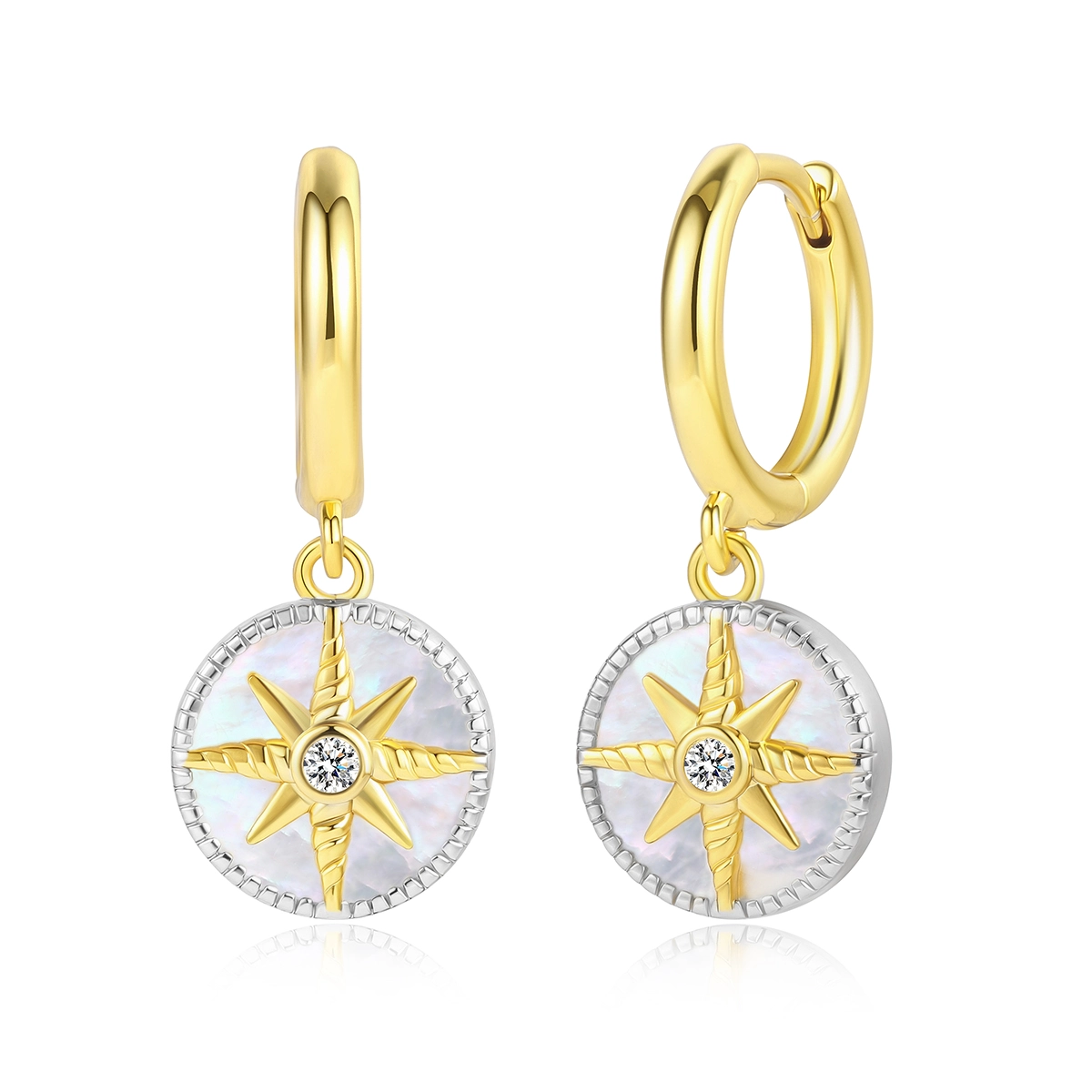
Brass Mother of Pearl Compass Huggie Drop Earrings | 14K 18K Gold Plated Hypoallergenic Jewelry
Read More
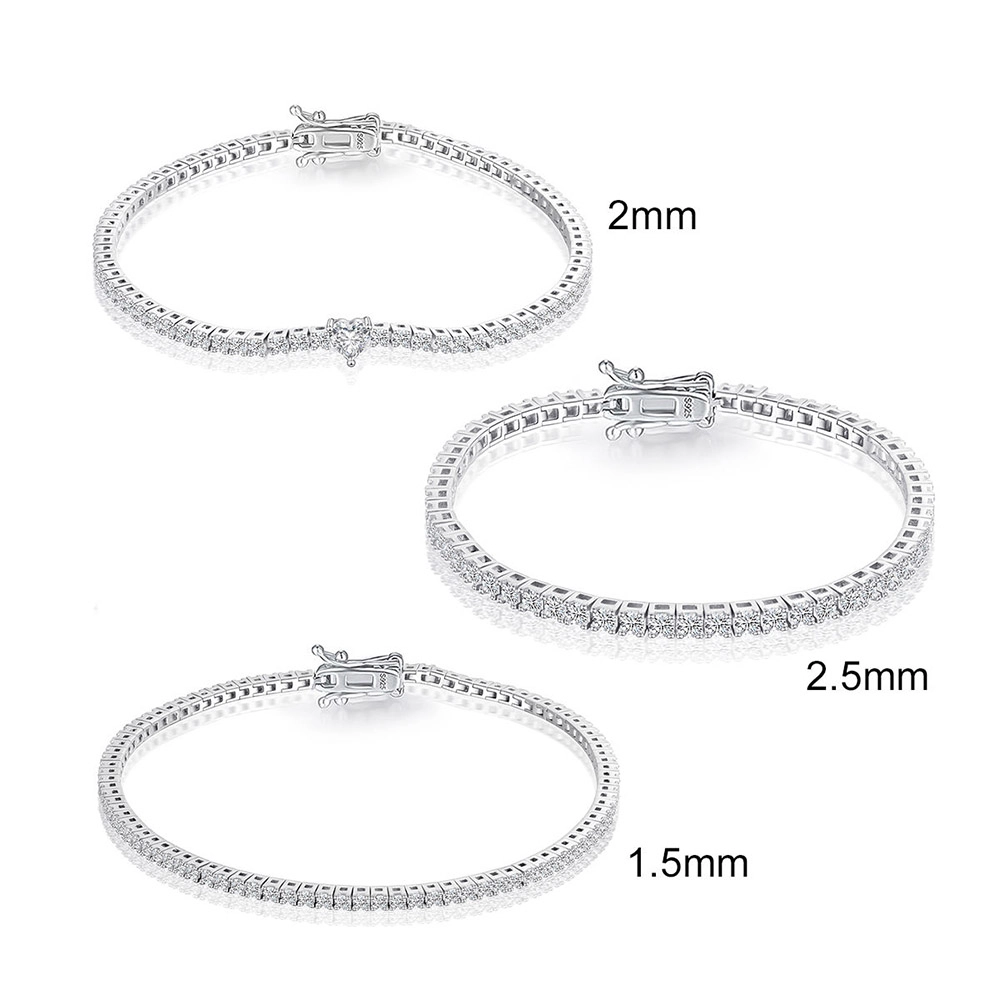
925 Silver Jewelry
Customizable High-Quality Fashion 925 Sterling Silver AAA Cubic Zirconia Heart-Shaped Open Tennis Bracelet.
Read More
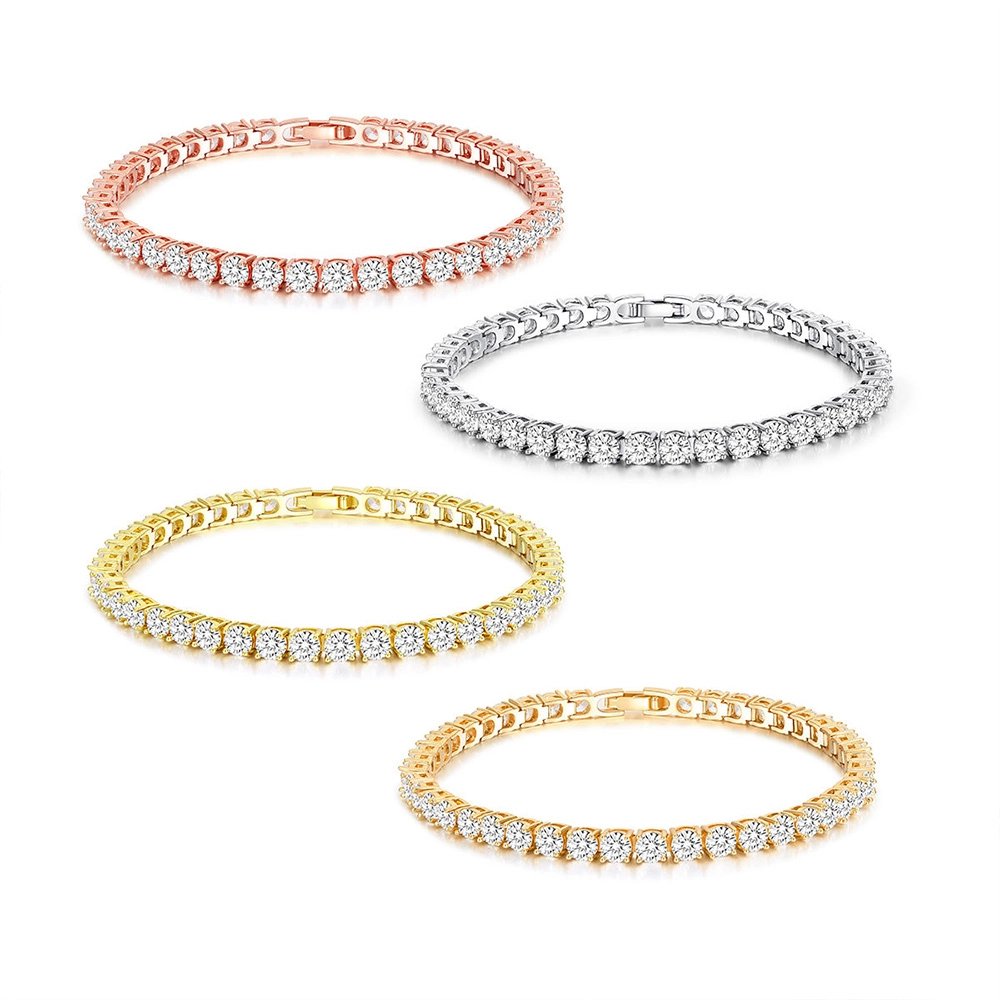
Brass Jewelry
Customizable OEM ODM High-Quality Fashion Brass AAA Cubic Zirconia Classic Tennis Bracelet for Women Wholesale.
Read More
Get a Quote for Private Label Jewelry
We provide personalized jewelry customization services for clients worldwide.
Rest assured that your privacy is important to us, and all information provided will be handled with the utmost confidentiality.
By clicking 'Send Inquiry Now' I agree to ZHEFAN JEWELRY processing my personal data.
To see how to withdraw your consent, how to control your personal data and how we process it, please see our Privacy Policy and Terms of use.
From design to production, ZHEFAN JEWELRY offers a one-stop solution to help you enhance your brand value and market competitiveness.
Get A Quote
Contact
Tel: (+86) 188 1927 7817
© 2026 Zhefan Jewelry. All Rights Reserved.
Facebook
Instagram
YouTube
Whatsapp: +8618819277817