



Email: sales3@zhefanjewelry.com
Custom stainless steel rosary necklace Manufacturers and Suppliers
Guangzhou-based custom stainless steel rosary necklace manufacturers and suppliers deliver durable, hypoallergenic religious jewelry with OEM/ODM flexibility. Learn material choices (316L vs 304 vs 925), production workflows, compliance (RoHS/REACH), quality controls, MOQ, lead times and how to vet partners for Amazon, retail and private-label brands.
- Why Brands Choose Stainless Steel for Rosary Necklaces
- Material advantages for religious jewelry
- Common stainless grades: 304 vs 316L
- Balance of cost, durability and finish
- Custom Manufacturing & OEM/ODM Services for Stainless Steel Rosary Necklaces
- Design, prototyping and tooling
- Finishing: polishing, plating and surface treatments
- Packaging, labeling and private-label capabilities
- Quality, Compliance and Sustainability
- Material safety: RoHS and REACH compliance
- Six-step polishing and multi-tier QC explained
- Responsible sourcing and industry standards
- Choosing a Manufacturer & Supplier: What to Ask
- MOQ, lead times and production capacity
- Sample policy, prototypes and approval workflow
- Pricing, payment terms and after-sales support
- FAQ — Common buyer questions
- Conclusion and next steps
- Quick comparison: 316L vs 304 vs 925 Sterling Silver
Local manufacturing snapshot for : Guangzhou Zhefan Jewelry operates manufacturing in Guangzhou and Meizhou, China, supplying custom stainless steel rosary necklaces worldwide. If you search for stainless steel rosary necklace manufacturer near Guangzhou or China, this article explains material options, manufacturing steps, compliance (RoHS/REACH), MOQ and lead times to help buyers choose the right partner for OEM/ODM projects.
Why Brands Choose Stainless Steel for Rosary Necklaces
Material advantages for religious jewelry
Stainless steel has become a favored material for rosary necklaces because it combines strength, corrosion resistance, affordability and hypoallergenic properties when the correct grade is used. Unlike base metal alloys prone to tarnish, stainless steels maintain finish integrity after repeated wear. For rosary beads and chains where contact with skin and sweat is constant, a rust-free, low-maintenance material matters to both retailers and end consumers.
Common stainless grades: 304 vs 316L
Two grades dominate jewelry production:
- 304 stainless steel — general-purpose austenitic stainless that is strong and cost-effective; suitable for many fashion pieces.
- 316L stainless steel — often called marine-grade; it contains molybdenum which improves corrosion resistance, especially against chlorides and seawater, and it's widely used for higher-quality jewelry and pieces that require long-term wearability.
316L is generally recommended for rosary necklaces intended for prolonged skin contact or for markets with humid climates. For technical background on stainless steel and its corrosion resistance, see the Stainless steel overview on Wikipedia: https://en.wikipedia.org/wiki/Stainless_steel.
Balance of cost, durability and finish
Compared with 925 sterling silver, stainless steel is typically more durable and less expensive, making it ideal for large-volume retail channels like Amazon or department stores. Brands targeting a luxury positioning or those wanting traditional silver patina may still select 925 silver, but stainless steel offers better scalability for private-label production with lower return and defect rates.
Custom Manufacturing & OEM/ODM Services for Stainless Steel Rosary Necklaces
Design, prototyping and tooling
For custom rosary necklaces, the process usually begins with concept sketches and CAD models. Rapid prototyping (CNC or 3D-printed patterns) verifies bead sizes, crucifix proportions and chain thickness. Tooling for die casting or stamping, and custom molds for bead shapes, are created once the design is approved. Professional manufacturers provide DFM (design for manufacturing) suggestions to optimize cost and wearability.
Finishing: polishing, plating and surface treatments
Finishing determines perceived value. High-quality suppliers enforce multi-stage polishing to remove tooling marks, followed by optional PVD or electroplated coatings for color and enhanced scratch resistance. For example, Guangzhou Zhefan Jewelry performs six rounds of precision polishing and six strict quality inspections to ensure a flawless finish and consistent surface appearance. PVD coatings are commonly used to achieve gold-tone or black finishes with better adhesion and wear resistance than conventional plating.
Packaging, labeling and private-label capabilities
OEM/ODM suppliers can deliver turnkey solutions: jewelry cards, boxes, anti-tarnish pouches, UPC/ASIN-ready labeling and polybagging. For brands selling on Amazon or retail chains, packaging must comply with retailer requirements and branding standards. Experienced manufacturers offer flexible MOQ tiers and can customize packaging artwork for seasonal or promotional launches.
Quality, Compliance and Sustainability
Material safety: RoHS and REACH compliance
Regulatory compliance is essential for global distribution. RoHS limits hazardous substances in electrical and electronic equipment but also signals a broader compliance posture; many manufacturers follow RoHS principles for jewelry materials. REACH (Registration, Evaluation, Authorisation and Restriction of Chemicals) governs chemical safety in the EU and affects jewelry imports. Learn more at the European Chemicals Agency: https://echa.europa.eu/regulations/reach/overview and the EU RoHS information page: https://ec.europa.eu/environment/waste/rohs_eee/index_en.htm.
Six-step polishing and multi-tier QC explained
High-volume suppliers adopt staged quality checks across the production flow: incoming material inspection, in-process checks (after forming and plating), dimensional verification, finishing inspection, assembly verification, and final shipment audit. These inspections catch defects like plating flaking, chain weak points, or bead inconsistencies before units leave the factory, reducing returns and chargebacks for retailers.
Responsible sourcing and industry standards
Brands increasingly expect traceability and social responsibility. Look for manufacturers that can demonstrate ethical sourcing and certifications from bodies such as the Responsible Jewellery Council: https://www.responsiblejewellery.com/ or that follow documented environmental policies. Suppliers who use RoHS/REACH-compliant materials and eco-friendly processes reduce legal and reputational risks for international buyers.
Choosing a Manufacturer & Supplier: What to Ask
MOQ, lead times and production capacity
Clarify minimum order quantities (MOQs) for custom runs, tooling costs, and lead times for samples and mass production. A mature supplier will state clear metrics: Guangzhou Zhefan Jewelry operates two factories totaling 800 m² with 80+ artisans and a monthly output of 600,000 pieces — metrics that demonstrate capacity for both starter orders and large-scale replenishment. Ask about production cadence for new styles; Zhefan’s design team launches over 500 new original styles monthly, showing strong design throughput for market-driven assortments.
Sample policy, prototypes and approval workflow
Ask whether the supplier provides pre-production samples, the number of revision cycles included, and how long sample approval takes. Typical workflows include a RS sample (rough sample), a PP sample (pre-production), and a PPM/FP sample (first production sample) before bulk run sign-off. Confirm whether samples are charged and how credits are applied to the final order.
Pricing, payment terms and after-sales support
Get clear quotations including unit price at various tiers, tooling amortization, shipping EXW/FOB/CIF options and payment terms (T/T, L/C, or milestone-based). Strong manufacturers provide aftermarket support including replacement policies for defects discovered within warranty and assistance with customs documentation for international logistics.
FAQ — Common buyer questions
Q: Is stainless steel rosary jewelry hypoallergenic?
A: High-quality 316L stainless steel is often hypoallergenic for most wearers because it resists nickel release; however, highly nickel-sensitive individuals may still react. Confirm nickel-release testing if you target sensitive-skin markets.
Q: How do I choose between plating and PVD?
A: PVD provides a harder, more wear-resistant coating and better longevity for colored finishes. Traditional electroplating is economical for short-term fashion runs but can show wear sooner.
Q: What finishes are popular for rosary necklaces?
A: Popular finishes include polished silver-tone (mirror), brushed matte, black PVD (gunmetal), and gold-tone PVD. Bead textures (smooth, faceted) and crucifix engravings also drive buyer appeal.
Conclusion and next steps
Choosing the right custom stainless steel rosary necklace manufacturer means balancing material choice (316L for durability vs 304 for cost), finishing techniques (PVD vs plating), compliance (RoHS/REACH) and supplier capabilities (design, tooling, QC). Work with a partner that documents quality procedures, provides realistic lead times and supports OEM/ODM design iterations.
Guangzhou Zhefan Jewelry is an example of a partner that combines scale and craftsmanship: established in 2002 with roots back to 1997, two factories (Guangzhou and Meizhou), a team of 80+ artisans and 20 sales professionals, monthly output of 600,000 pieces, 6 rounds of precision polishing and 6 strict quality inspections, RoHS/REACH-compliant materials, and a strong OEM/ODM service record, including work for Amazon top sellers and Macy’s. Visit the company site: https://www.zhefanjewelry.com/ or contact sales at sales3@zhefanjewelry.com.
Quick comparison: 316L vs 304 vs 925 Sterling Silver
| Property | 316L Stainless Steel | 304 Stainless Steel | 925 Sterling Silver |
|---|---|---|---|
| Corrosion resistance | High (better with molybdenum) | Moderate | Low (tarnishes without plating) |
| Hypoallergenic | Generally good | Good for many users | Good but may require plating for finish |
| Finish options | PVD, polishing, brushing | Polishing, brushing | Polishing, rhodium plating |
| Cost (typical) | Moderate | Lower | Higher |
| Best use | High Quality durable rosaries | Cost-sensitive runs | Luxury/heritage pieces |
For more reading on rosary history and significance, see the Rosary page on Wikipedia: https://en.wikipedia.org/wiki/Rosary.
If you are ready to develop private-label stainless steel rosary necklaces with rigorous QC, rapid design iteration and global compliance, contact Guangzhou Zhefan Jewelry at sales3@zhefanjewelry.com for a tailored proposal and sample plan.
Tags
stainless steel urn pendant wholesale
stainless steel urn pendant wholesale
wholesale mother of pearl heart necklace
wholesale mother of pearl heart necklace
sustainable mother of pearl heart necklace
sustainable mother of pearl heart necklace
sterling silver bracelets 925
sterling silver bracelets 925
cremation urn pendant wholesale
cremation urn pendant wholesale
stainless steel men's jewelry bulk
stainless steel men's jewelry bulk
Recommended for you
Plating and Finishing Options for Custom Jewelry Buyers
Seasonal Demand Trends for Mother of Pearl Stud Earrings
Beyond 925: 7 Cutting-Edge Silver Jewelry Manufacturers Disrupting the Industry in 2026
Selecting Metal Settings for Mother of Pearl Stud Earrings
Prdoucts Categories
Question you may concern
Products
Do you offer free sample for quality check?
Sample order is welcome, but sample fee need to be paid. It will be deducted when you place an bulk order.
What is the material of the jewelry?
Most of the jewelry is made of 925 sterling silver, brass or 316 stainless steel or custom material,which can cover different procurement demand.
What's the packaging of your jewelry?
Normally we use OPP bag, bubble bag and paper box to pack the goods,custom packaging is acceptable as well.
What's themonthly production capacity?
600,000 pcs per month.
FAQs
Can we visit your factory?
Yes, pls contact seller to arrange meeting, we will pick you up to our factory.
You may also like
Brass Jewelry
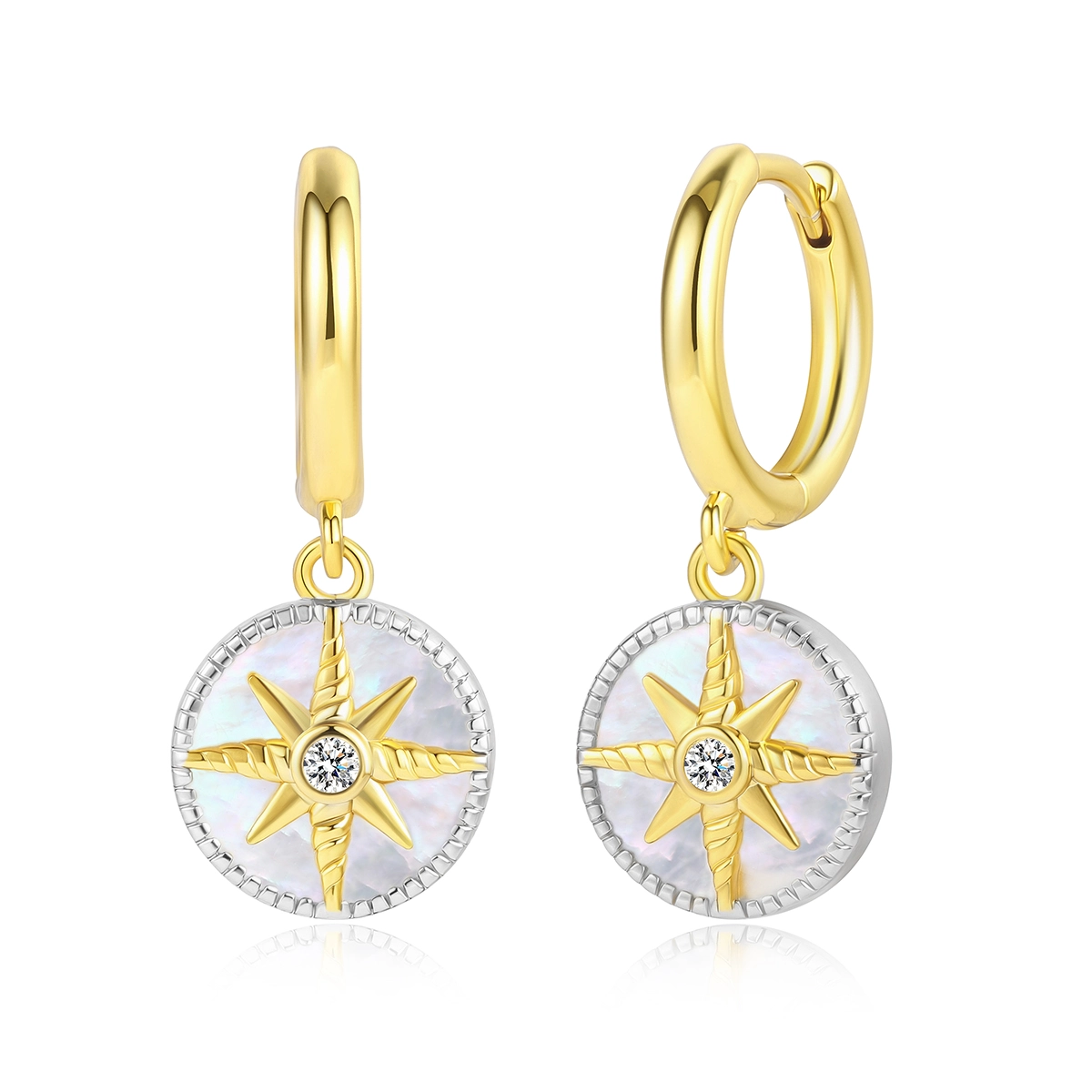
Brass Mother of Pearl Compass Huggie Drop Earrings | 14K 18K Gold Plated Hypoallergenic Jewelry
Read More
925 Silver Jewelry
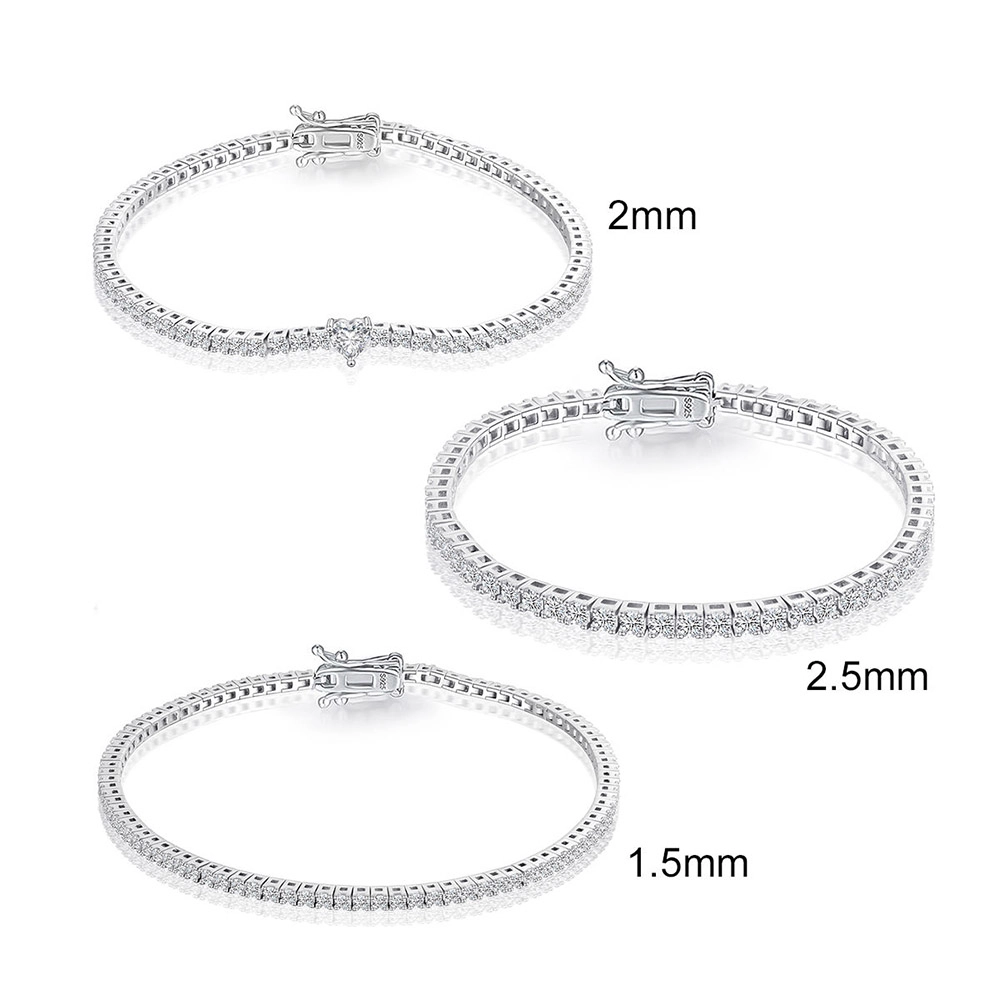
Customizable High-Quality Fashion 925 Sterling Silver AAA Cubic Zirconia Heart-Shaped Open Tennis Bracelet.
Read More
Brass Jewelry
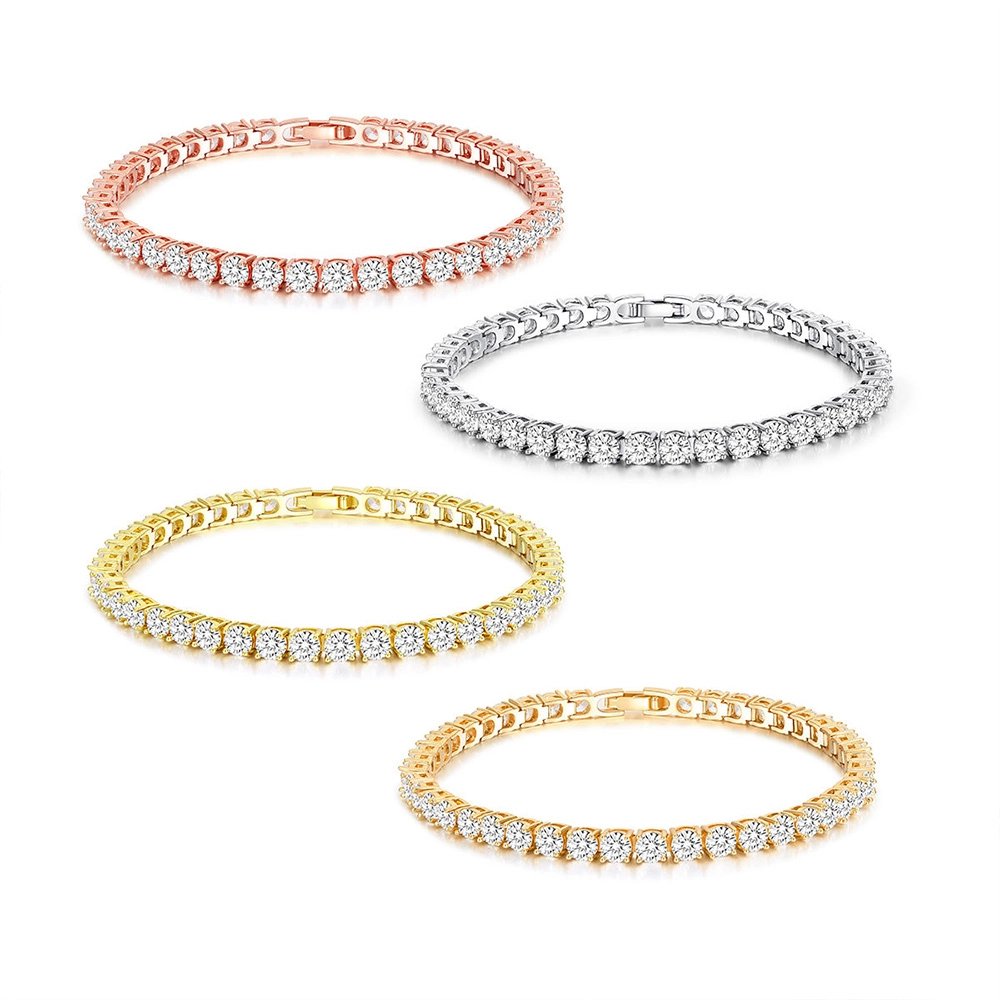
Customizable OEM ODM High-Quality Fashion Brass AAA Cubic Zirconia Classic Tennis Bracelet for Women Wholesale.
Read More
Get a Quote for Private Label Jewelry
We provide personalized jewelry customization services for clients worldwide.
Rest assured that your privacy is important to us, and all information provided will be handled with the utmost confidentiality.
By clicking 'Send Inquiry Now' I agree to ZHEFAN JEWELRY processing my personal data.
To see how to withdraw your consent, how to control your personal data and how we process it, please see our Privacy Policy and Terms of use.
From design to production, ZHEFAN JEWELRY offers a one-stop solution to help you enhance your brand value and market competitiveness.
Get A Quote
Contact
Tel: (+86) 188 1927 7817
© 2026 Zhefan Jewelry. All Rights Reserved.
Facebook
Instagram
YouTube
Whatsapp: +8618819277817