



Email: sales3@zhefanjewelry.com
Custom silver 925 chain necklace Manufacturers and Suppliers
Guangzhou Zhefan Jewelry is a China-based manufacturer specializing in custom silver 925 chain necklaces, producing 600,000 pieces monthly with strict 6-step polishing and 6 inspections. This guide explains material differences, selection criteria for manufacturers, production workflows, compliance (RoHS/REACH), pricing drivers, and sourcing strategies to help brands choose the right silver 925 chain necklace supplier.
- Why Material Choice Matters for Jewelry
- What does 925 mean and why it matters?
- How material affects wearability and longevity
- Compliance and consumer trust
- How to Choose Custom Silver 925 Chain Necklace Manufacturers and Suppliers
- Quality control: beyond a sample
- Certifications, testing, and traceability
- Production capacity, lead times and flexibility
- Design, Prototyping and Production Workflow for Silver 925 Chain Necklaces
- From design to prototype: molds and model making
- Finishing: polishing, plating and protective coatings
- Packaging, labeling and retailer requirements
- Pricing, MOQ and Sourcing Strategies
- Key cost drivers for silver 925 chain necklaces
- Minimum order quantities (MOQ) and sampling policies
- Comparing materials: 925 silver vs brass vs stainless steel
- Real-world Considerations: Scaling, Quality and Market Placement
- Balancing design innovation and manufacturing feasibility
- Quality metrics to track with suppliers
- Sustainability and material sourcing
- FAQs — Common Questions About Silver 925 Chain Necklaces
- How long does a custom 925 silver chain necklace take to produce?
- Can a manufacturer rhodium-plate a sterling silver chain?
- What sample and inspection documents should I request?
- Conclusion
- Contact & Next Steps
Guangzhou Zhefan Jewelry (Guangzhou & Meizhou) operates as a regional manufacturing hub for custom silver 925 chain necklace production, combining large-scale capacity with design agility. Located in Guangdong Province and supported by a seasoned team of 80+ artisans and 20 sales professionals, Zhefan delivers OEM/ODM solutions—using RoHS/REACH-compliant materials and six rounds of precision polishing plus six quality inspections—to brands and retailers worldwide.
Why Material Choice Matters for Jewelry
What does 925 mean and why it matters?
925 (sterling silver) denotes 92.5% pure silver alloyed primarily with copper for strength and durability. Sterling silver delivers the bright luster consumers expect in necklaces while remaining workable for detailed chain links and clasps. For a technical overview, see Sterling silver — Wikipedia.
How material affects wearability and longevity
Material choice impacts tarnishing, strength, hypoallergenic performance, weight, and finish options. Sterling silver is prized for its sheen and ease of polishing but will oxidize over time unless plated or coated. Stainless steel (316L) resists corrosion better and is often chosen for affordable, durable chains. Brass offers low cost and ease of plating but may cause skin reactions in some customers unless properly plated and sealed.
Compliance and consumer trust
Compliance matters for export and retail acceptance. Reputable manufacturers use RoHS- and REACH-compliant materials to limit hazardous substances. For REACH and regulatory context, see the European Chemicals Agency (ECHA); for RoHS guidance, consult the EU RoHS portal here. Certifications and material declarations are essential when selling to marketplaces or large retailers.
How to Choose Custom Silver 925 Chain Necklace Manufacturers and Suppliers
Quality control: beyond a sample
Ask suppliers to document their QC processes. Leading manufacturers perform multiple polishing and inspection stages—Zhefan enforces 6 rounds of precision polishing and 6 strict quality checks—to ensure consistent finish, link integrity, and clasp reliability. Request inspection photos, process flow charts, and factory tour videos for verification.
Certifications, testing, and traceability
Look for material test reports (XRF for silver content), compliance certificates (RoHS/REACH), and factory quality management systems, e.g., ISO 9001. Having traceable test reports and batch-level documentation reduces risk when selling in regulated markets or through major retailers. For ISO context, see ISO 9001 — Quality Management.
Production capacity, lead times and flexibility
Evaluate monthly capacity and new-style development cadence. Zhefan’s combined factories (800 m²) deliver up to 600,000 pieces/month and launch 500+ original styles monthly—useful metrics when you plan seasonal assortments or Amazon/retailer replenishment. Confirm tooling lead times, sample production windows, and peak-season capacity constraints.
Design, Prototyping and Production Workflow for Silver 925 Chain Necklaces
From design to prototype: molds and model making
Good suppliers have in-house mold and model expertise. Founders with mold-making backgrounds (as at Zhefan) ensure prototypes reflect final production tolerances, critical for chain types requiring precise link geometry (e.g., wheat, Figaro, rope). Expect CAD-to-wax or CAD-to-3D-print workflows with rapid iteration for custom link designs.
Finishing: polishing, plating and protective coatings
Finish determines perceived value. Common finishes include high-polish, satin, and antique/oxidized looks. Polishing cycles (multiple rounds) reduce surface defects; electroplating (e.g., rhodium over silver) controls tarnishing and adds hypoallergenic properties. Protective lacquer coatings can reduce maintenance for end customers.
Packaging, labeling and retailer requirements
Manufacturers should support tailored packaging—branded boxes, anti-tarnish pouches, UPC/labels—and meet retailer packaging specs. For international shipping, proper packing minimizes damage and cosmetic defects that harm perceived quality.
Pricing, MOQ and Sourcing Strategies
Key cost drivers for silver 925 chain necklaces
Costs are driven by raw material (silver spot price), complexity of chain links, finishing steps (plating/rhodium), tooling investment, labor intensity, and compliance testing. Silver market prices fluctuate; for budget planning, monitor commodity indexes and include a margin for metal price swings.
Minimum order quantities (MOQ) and sampling policies
MOQs vary by supplier, design complexity, and production method. Many manufacturers offer low-MOQ prototyping or small production runs for new brands but set higher MOQs for special finishes. Negotiate sample fees and sample turnaround times—prefer partners who deduct sample costs from first production runs.
Comparing materials: 925 silver vs brass vs stainless steel
Below is a concise comparison to help choose the best material for your silver 925 chain necklace line:
| Material | Typical Use | Durability & Corrosion | Hypoallergenic | Cost |
|---|---|---|---|---|
| Sterling Silver (925) | High Quality chains, fine-finish necklaces | Moderate; tarnishes over time but polishes well | Generally good; watch nickel contamination | Higher (dependent on silver prices) |
| Brass (plated) | Fashion jewelry, bold plated looks | Lower; plating needed to prevent corrosion | Variable; may cause reactions without plating | Lower |
| Stainless Steel (316L) | Durable, hypoallergenic chains, men's jewelry | High resistance to corrosion | High (good for sensitive skin) | Moderate |
Choose sterling silver when you're targeting High Quality positioning and are prepared to communicate care instructions to end customers (e.g., avoid chemicals, store in anti-tarnish pouches).
Real-world Considerations: Scaling, Quality and Market Placement
Balancing design innovation and manufacturing feasibility
Fast trend cycles require a supplier who can translate original designs into production quickly. Zhefan’s design team launches 500+ new original styles monthly—meaning they can help brands test and scale trending chain profiles rapidly while maintaining manufacturing tolerances.
Quality metrics to track with suppliers
Use defect rate (% of pieces failing visual or mechanical QC), on-time delivery rate, and returns rate (for marketplace sales) to measure supplier performance. Request a sample production run and track these KPIs before committing to large orders.
Sustainability and material sourcing
Sustainable sourcing and transparent supply chains are increasingly important for buyers. Verify recycled silver options, responsible procurement policies, and waste disposal practices. Being able to demonstrate compliance with environmental standards builds trust with retailers and end customers.
FAQs — Common Questions About Silver 925 Chain Necklaces
How long does a custom 925 silver chain necklace take to produce?
Timelines vary by complexity. Typical lead times: 7–14 days for a prototype, 20–45 days for mass production depending on volume, finishing, and seasonality. Rush options may be available at a High Quality.
Can a manufacturer rhodium-plate a sterling silver chain?
Yes. Rhodium plating over sterling silver is common to reduce tarnish and increase brightness. Confirm plating thickness and adhesion tests to ensure durability.
What sample and inspection documents should I request?
Request material test reports (XRF for silver content), production photos, pre-shipment inspection (PSI) reports, and certificates of compliance (RoHS/REACH). Factory audits and third-party inspections add confidence when scaling.
Conclusion
Choosing the right custom silver 925 chain necklace manufacturer requires evaluating material expertise, QC systems, compliance credentials, design-to-production speed, and capacity. Partnering with an experienced manufacturer—such as Guangzhou Zhefan Jewelry, which combines two factories, in-house mold craftsmanship, high-volume output (600,000 pieces/month), 80+ artisans, and a robust QA process—lets brands scale with confidence while delivering High Quality sterling silver chain necklaces to market.
Contact & Next Steps
If you’re evaluating suppliers for custom silver 925 chain necklaces, request a capability pack, sample policy, and compliance documents upfront. To discuss OEM/ODM options, email Guangzhou Zhefan Jewelry at sales3@zhefanjewelry.com or visit https://www.zhefanjewelry.com/.
References:
- Sterling silver — Wikipedia
- European Chemicals Agency (ECHA) — REACH
- EU RoHS Information
- ISO 9001 — Quality Management
Note: This guide follows current industry practices and regulatory frameworks; always request up-to-date certificates and test reports from any prospective supplier.
Tags
bulk 925 silver pendant and earring sets
bulk 925 silver pendant and earring sets
stainless steel jewelry export company
stainless steel jewelry export company
oem mother of pearl heart necklace
oem mother of pearl heart necklace
silver 925 bracelets
silver 925 bracelets
custom urn necklace manufacturer
custom urn necklace manufacturer
brass stud earrings
brass stud earrings
Recommended for you
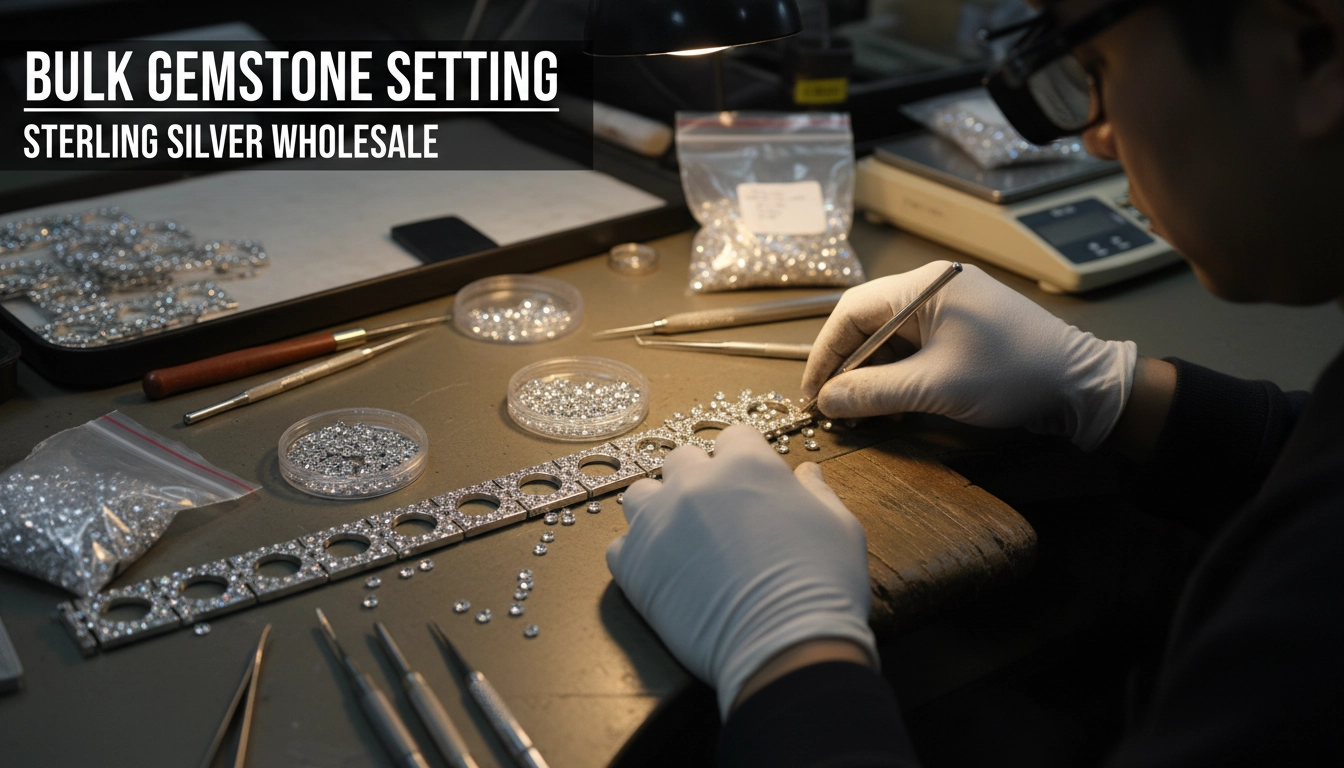
15 Advanced Sterling Silver Stones Setting Techniques: The 2026 Wholesale Masterclass
Case Studies: Successful Brand Collaborations with Manufacturers
Top 10 mens bracelets silver 925 Manufacturers and Supplier Brands in China
Top stainless steel bracelets for men Manufacturers and Suppliers
Prdoucts Categories
Question you may concern
Products
Can you engrave my logo on the jewelry ?Do you supply OEM/ODM service?
Yes. Custom logo and OEM/ODM are both accepted.Our factory specializes in jewelry manufacturing for 25 years.We can produce jewelry by your sample, design, pictures, even by an idea.Please feel free to contact us for more details. Custom order process: Inquiry-Confirm products details-Pay mold fee -Confirm CAD draft-Quote-Initial payment-Produce mold & sample-Confirm Sample-Mass production-Balance payment-Shipment-Track shipment-delivery.
What is your minimum order quantity?
We offer low MOQ from 2 to 30 depending on models. Send your favor model to get details from Trade Manager.
Do you offer free sample for quality check?
Sample order is welcome, but sample fee need to be paid. It will be deducted when you place an bulk order.
FAQs
Do you do customer design?
Do you do customer design? Yes,we are good at this way.Most of our customer do their customize.And we have cooperate with them when they are new brand, but now they become the top sell on Amazon, more than 32,000 five star comment.
Do you attend any jewelry fairs?
Yes, we participate in Hong Kong Jewelry Fair and Canton Fair twice a year, please contact the seller for the latest invitation.
You may also like
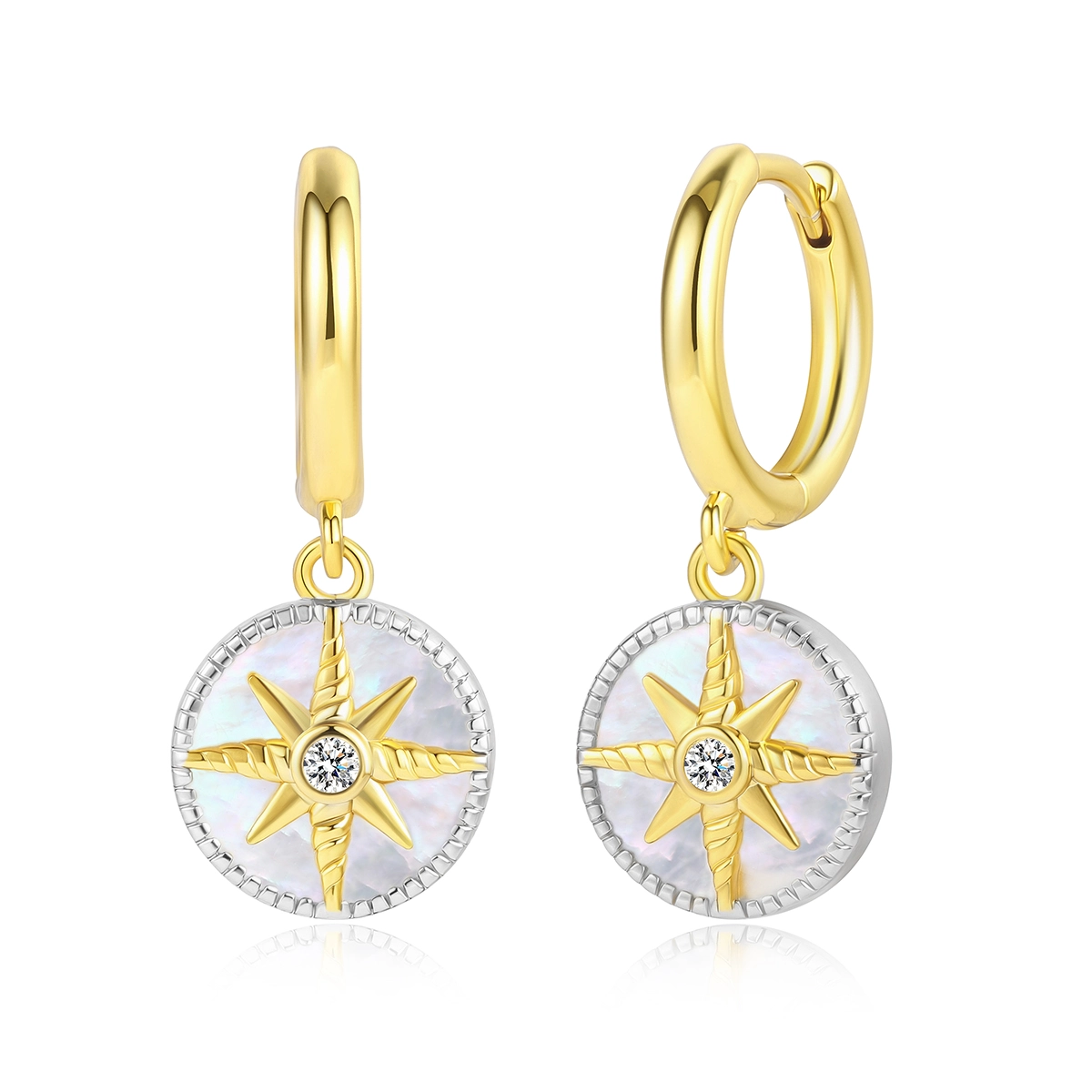
Brass Jewelry
Brass Mother of Pearl Compass Huggie Drop Earrings | 14K 18K Gold Plated Hypoallergenic Jewelry
Read More
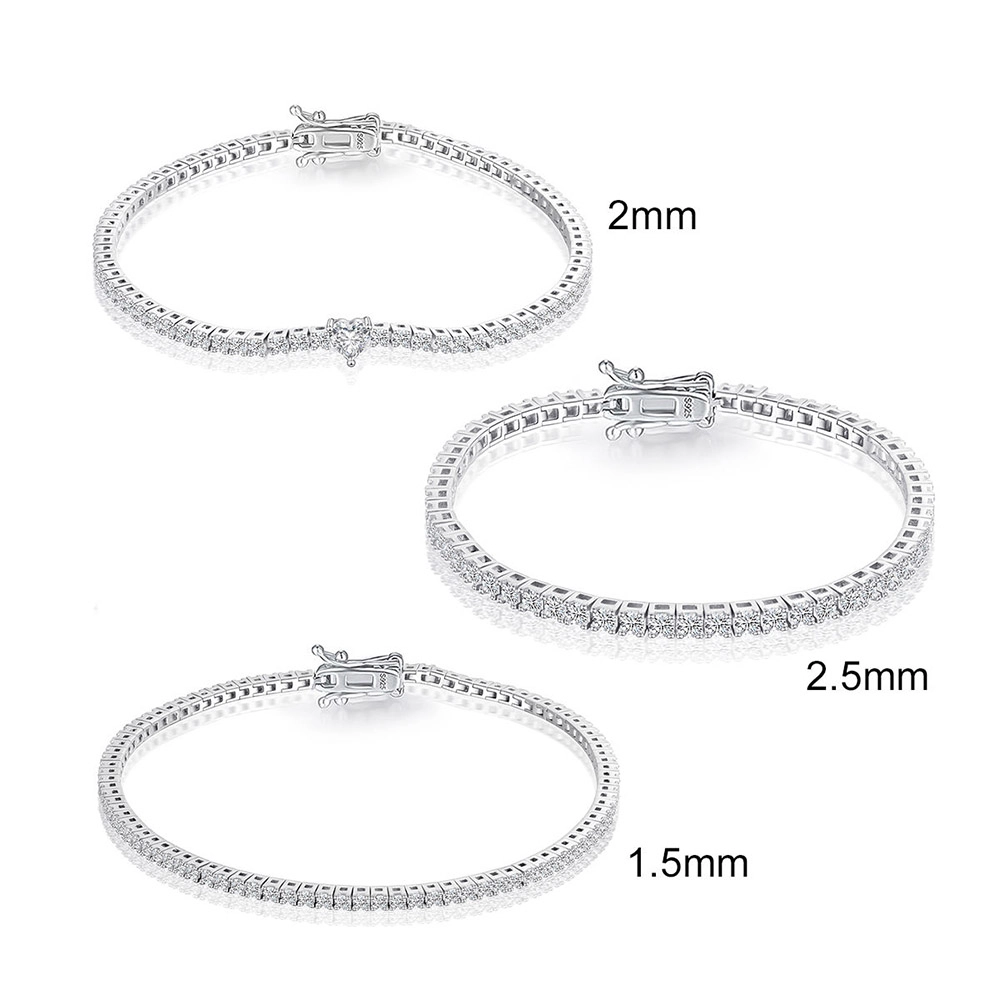
925 Silver Jewelry
Customizable High-Quality Fashion 925 Sterling Silver AAA Cubic Zirconia Heart-Shaped Open Tennis Bracelet.
Read More
Brass Jewelry
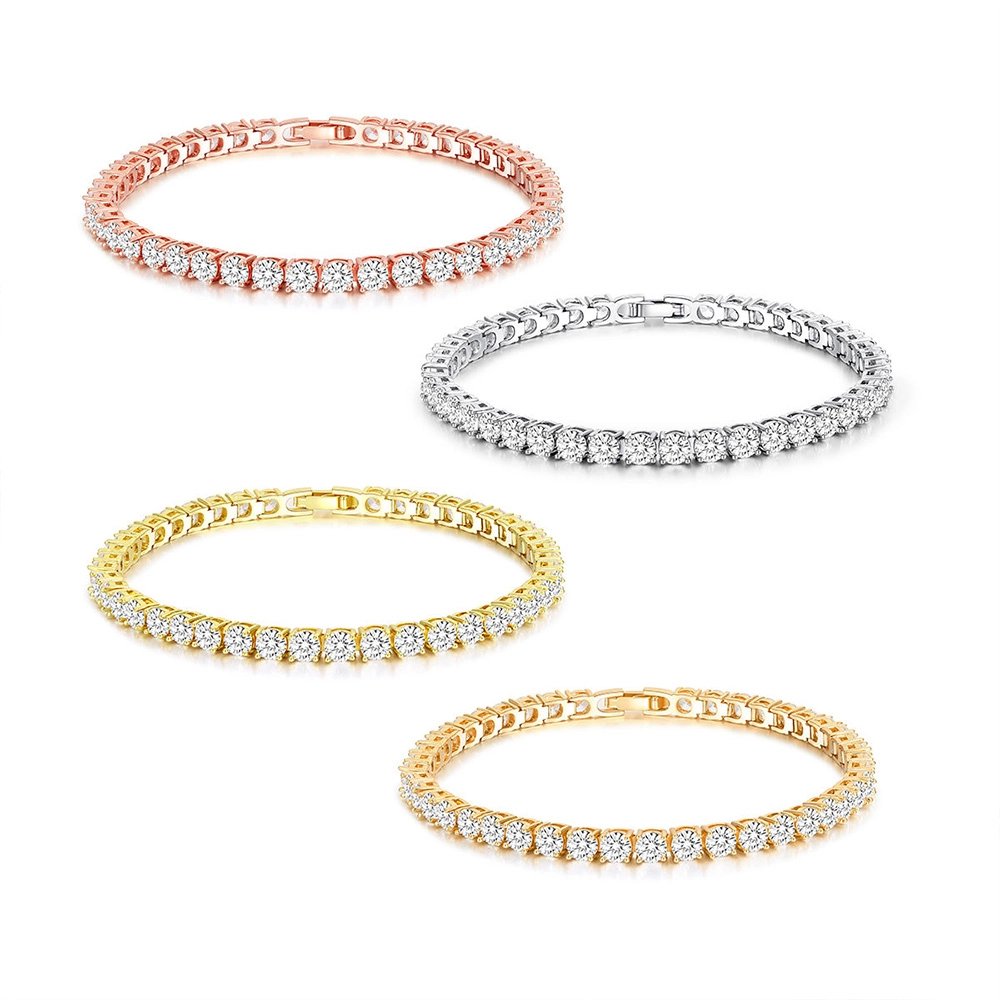
Customizable OEM ODM High-Quality Fashion Brass AAA Cubic Zirconia Classic Tennis Bracelet for Women Wholesale.
Read More
Get a Quote for Private Label Jewelry
We provide personalized jewelry customization services for clients worldwide.
Rest assured that your privacy is important to us, and all information provided will be handled with the utmost confidentiality.
By clicking 'Send Inquiry Now' I agree to ZHEFAN JEWELRY processing my personal data.
To see how to withdraw your consent, how to control your personal data and how we process it, please see our Privacy Policy and Terms of use.
From design to production, ZHEFAN JEWELRY offers a one-stop solution to help you enhance your brand value and market competitiveness.
Get A Quote
Contact
Tel: (+86) 188 1927 7817
© 2026 Zhefan Jewelry. All Rights Reserved.
Facebook
Instagram
YouTube
Whatsapp: +8618819277817