




Email: sales3@zhefanjewelry.com
Custom OEM 925 Sterling Silver Earrings: Minimums and Lead Time
As a jewelry industry consultant with years of OEM experience in Guangzhou, I explain practical MOQs and realistic lead times for custom 925 sterling silver earrings. I cover factors that influence minimums, sample vs mass production schedules, quality and compliance (REACH/RoHS/ISO), cost drivers, and concrete strategies to lower MOQ and speed time-to-market. I also introduce Guangzhou Zhefan Jewelry’s OEM capabilities and contact details for brands seeking reliable partners.
- Why 925 Sterling Silver Remains the Industry Standard
- The composition and durability of sterling silver
- Why consumers and brands prefer 925 for earrings and necklaces
- Care, tarnish and finish choices
- Custom OEM Minimum Order Quantities (MOQs) for 925 Sterling Silver Earrings
- Typical MOQ ranges and what they mean
- Factors that most influence MOQ
- Practical strategies to lower MOQ
- Lead Time: From Sample to Shipment
- Typical lead times explained
- How samples and approvals extend timelines
- Expedited production and logistical levers
- Quality, Compliance and Cost Considerations
- Quality control and international standards
- How inspection rounds and finishing affect cost and lead time
- Cost drivers and pricing transparency
- Partner Spotlight: Guangzhou Zhefan Jewelry (OEM Capabilities & Advantages)
- How Zhefan supports smaller MOQs and faster lead times
- Proof points and use cases
- Final Recommendations: Launching Cost-Effective Sterling Silver Earring Lines
- Checklist before you place an OEM order
- When to prioritize speed vs cost
- How the 925 silver necklace plays into assortments
- FAQ — Common Questions About MOQs and Lead Times for 925 Sterling Silver Earrings
- 1. What is the minimum order for custom 925 sterling silver earrings?
- 2. How long does it take to get a sample?
- 3. Can I order fewer than the factory MOQ?
- 4. What compliance tests should I require for export?
- 5. How can I speed up production without sacrificing quality?
- 6. How are prices affected by adding stones or special plating?
- 7. Do I need ISO certification to work with a manufacturer?
Summary for indexing: Based in Guangzhou and Meizhou, China, I work directly with manufacturers and brands to deliver custom OEM 925 sterling silver earrings. This article explains realistic minimum order quantities (MOQs) and lead times for samples and bulk production, highlights compliance concerns (REACH/RoHS/ISO), and offers practical tactics to minimize costs and speed delivery. If you sell 925 silver necklace sets or matching sterling silver earring lines on platforms like Amazon or wholesale channels, these guidelines reflect current industry practice and verification sources.
Why 925 Sterling Silver Remains the Industry Standard
The composition and durability of sterling silver
I always start with the material facts: sterling silver (commonly called 925 silver) is 92.5% pure silver alloyed with other metals—typically copper—to improve hardness and wear resistance. This definition is documented in industry references such as Wikipedia - Sterling silver. Understanding the alloy composition helps explain why 925 sterling is preferred for both earrings and 925 silver necklace products: it balances intrinsic value, workability for fine detail, and consumer expectations for quality.
Why consumers and brands prefer 925 for earrings and necklaces
From a brand perspective I see three drivers: perceived value, hypoallergenic performance (when properly alloyed and finished), and finish quality (polish, rhodium plating, or antiquing). Many shoppers searching for a 925 silver necklace expect matching earring collections in a similar material quality—this affects product positioning, pricing, and MOQ decisions when ordering OEM runs.
Care, tarnish and finish choices
Sterling silver oxidizes (tarnishes) naturally due to copper reacting with sulfur compounds in air. That’s a feature for some designs but a problem for others. Choices like rhodium plating or anti-tarnish coatings change production steps and minimums because they add process stages and testing requirements—something I factor into every MOQ and lead-time estimate.
Custom OEM Minimum Order Quantities (MOQs) for 925 Sterling Silver Earrings
Typical MOQ ranges and what they mean
From my direct OEM work, typical MOQ ranges vary widely depending on factory capabilities, tooling needs, and part complexity. The table below summarizes industry-typical MOQs and the realistic expectations brands should set (these are industry-observed ranges based on manufacturing practices in Guangzhou/China and my consulting experience):
| Production Stage | Typical MOQ (pairs) | Notes |
|---|---|---|
| Prototype / Handmade sample | 1–5 | One-offs often hand-finished; useful for approvals before tooling |
| Small batch (no custom tooling) | 20–200 | Existing mold or simple designs; small runs for Amazon/private labels |
| Standard OEM batch (new mold or basic tooling) | 200–1,000 | Most common starting point for brands launching a collection |
| Full production (complex tooling, stones, plating) | 1,000–5,000+ | Complex designs with stones, multi-step plating, or patent molds |
These ranges are not absolute; they reflect typical practice. Smaller MOQs are possible with a factory willing to mix orders or offset costs across SKUs—but expect higher per-piece prices.
Factors that most influence MOQ
When I quote MOQs I always consider:
- Tooling needs (molds and dies increase fixed costs)
- Design complexity (stone setting, multi-part assemblies)
- Surface finishes (rhodium plating, black rhodium, antiquing)
- Hallmarking and assay requirements for export markets
- Secondary operations (quality inspections, polishing stages)
Practical strategies to lower MOQ
I regularly advise emerging brands to reduce MOQ by:
- Choosing existing molds or modifying a current design instead of commissioning new tooling
- Splitting colorways or plating options to spread minimums across SKUs
- Using shared-run production where multiple small brands co-manufacture in a single batch
- Paying for partial tooling amortization if you plan repeat orders
Lead Time: From Sample to Shipment
Typical lead times explained
Lead time expectations should be separated into sample lead time (approval stage) and mass production lead time. In my experience, realistic timelines are:
| Stage | Typical Time | What affects timing |
|---|---|---|
| Handmade / prototype sample | 3–14 days | Design detail, availability of components |
| Tooling & mold making | 7–21 days | Complexity of mold, EDM or CNC lead times |
| Mass production (small batch) | 15–30 days | Order size, plating, stone setting |
| Mass production (large/complex) | 30–60 days | Multi-step finishes, inspection rounds, shipping slot |
These lead times assume normal factory capacity. Peak seasons (e.g., before Christmas or Valentine’s) can add 2–4 weeks. I always build buffer time for customs clearance, especially for plated or gem-set earrings that may require additional testing.
How samples and approvals extend timelines
A typical approval loop includes prototype → client review → modification → final sample approval. Each loop can add 3–7 days depending on shipping (express vs standard) and how many revisions are needed. Many brands reduce time-to-market by approving high-resolution images and video for design sign-off, then keeping 1 final physical sample for final compliance or retail listing photos.
Expedited production and logistical levers
To speed a launch I have employed:
- Priority tooling (additional cost for expedited mold creation)
- Air freight for samples or initial small shipments (higher cost but faster)
- Staggered shipping (ship a portion of the order first to meet demand)
Quality, Compliance and Cost Considerations
Quality control and international standards
Quality is non-negotiable for me. I expect factories to implement formal QC processes and quality management systems such as ISO 9001 principles even if not certified—these frameworks ensure repeatability. For chemical compliance, the EU’s REACH regulation and RoHS restrictions matter when selling in EU/UK markets; consult ECHA - REACH and EU RoHS for guidance. For US markets, check the CPSC lead guidance when children's jewelry or lead content is a concern.
How inspection rounds and finishing affect cost and lead time
In my OEM projects, each added finishing step (e.g., 6 rounds of precision polishing or multiple plating passes) increases labor and inspection time. A robust QC workflow usually includes incoming material checks, in-process inspections, and a final inspection. The industry-best practice I follow is multiple polishing passes and staged inspection to avoid rework—this is particularly relevant if you plan to market matching items like a 925 silver necklace and earrings set where finish uniformity is critical.
Cost drivers and pricing transparency
Key cost drivers include raw silver price (market-linked), labor for hand-finishing, plating materials (rhodium is costly), stone setting, and packaging. I recommend contractual clarity on scrap rates, mixing of alloys, and who bears plating rework costs. Transparent per-piece pricing models with tiered discounts at different MOQs help brands forecast and manage cash flow.
Partner Spotlight: Guangzhou Zhefan Jewelry (OEM Capabilities & Advantages)
Guangzhou Zhefan Jewelry is a premier fashion jewelry manufacturer established in 2002, with a legacy dating back to 1997. Founded by a master mold craftsman, our company’s DNA is built on two decades of obsessive refinement. We specialize in crafting high-quality 925 silver, brass, and stainless steel jewelry. Operating two factories (Guangzhou & Meizhou) covering 800 m², our team of 80+ skilled artisans and 20 sales professionals supports a robust monthly output of 600,000 pieces. We combine this manufacturing scale with agile innovation, featuring a professional design team that launches 500+ new original styles monthly, ensuring our global partners always stay ahead of market trends.
What truly sets Zhefan apart is our uncompromising commitment to quality and client success. Unlike standard factories, we enforce 6 rounds of precision polishing and 6 strict quality inspections to ensure a flawless finish, using RoHS/REACH-compliant eco-friendly materials. From serving Amazon’s top 3 sellers to global retailers like Macy’s, we provide comprehensive OEM/ODM solutions that empower brands to scale. We are not just a supplier; we are the driving force behind Zhefan Jewelry's market influence, delivering value through superior craftsmanship, rapid delivery, and dedicated service.
Our website: https://www.zhefanjewelry.com/
Our Email: sales3@zhefanjewelry.com
Zhefan Jewelry优势和主营产品: Stainless Steel Jewelry,Stainless Steel Jewelry,Brass Jewelry,Brass Jewelry,925 silver jewelry,925 silver jewelry。
How Zhefan supports smaller MOQs and faster lead times
In my collaborations with Zhefan, I've seen them support smaller MOQs by offering shared tooling pools, mixing SKUs, and flexible packaging options. Their dual-factory setup in Guangzhou & Meizhou allows load balancing to shorten lead times during peak seasons. These practical capabilities let brands list products such as a 925 silver necklace with matching earrings faster and with consistent quality.
Proof points and use cases
Zhefan’s track record includes supplying Amazon top sellers and established retailers. When I advise clients, I highlight their repeated use of professional design iterations (500+ new styles monthly) combined with rigorous inspection (6 QC rounds) as a differentiator that reduces post-sale returns and supports strong product reviews—critical when selling items like earring-and-necklace sets online.
Final Recommendations: Launching Cost-Effective Sterling Silver Earring Lines
Checklist before you place an OEM order
- Confirm alloy standard (925 hallmark and assay method for your target market)
- Decide finish and plating—rhodium vs unplated sterling
- Agree samples and approval timeline with contingencies
- Negotiate MOQ tiers and per-piece price at each tier
- Specify QC checkpoints and acceptable defect rates
When to prioritize speed vs cost
If you need to validate market demand quickly (e.g., test an influencer-driven launch), choose higher per-piece costs with lower MOQs and air freight. If you have proven demand and want margin, commit to tooling and higher MOQs to reduce unit cost. I always recommend a staged approach: prototype → small batch test → full production.
How the 925 silver necklace plays into assortments
When launching earrings, consider offering a matching 925 silver necklace—cross-sells increase average order value and improve conversion rates. Using the same material spec reduces complexity in sourcing and compliance documentation, and offers customers the cohesive quality they expect from a High Quality silver collection.
FAQ — Common Questions About MOQs and Lead Times for 925 Sterling Silver Earrings
1. What is the minimum order for custom 925 sterling silver earrings?
Typical minimums range from 20 pairs for simple, existing-mold designs to 200–1,000 pairs when new tooling is required. You can sometimes get single prototypes (1–5 pieces) for approval before committing to production.
2. How long does it take to get a sample?
Prototype or handmade samples typically take 3–14 days. If you need a cast sample from a new mold, add tooling time (7–21 days). Express options can shorten these timelines at additional cost.
3. Can I order fewer than the factory MOQ?
Yes—by paying higher per-piece prices, sharing tooling costs, mixing orders with other SKUs, or working with a manufacturer that aggregates small brands. Expect higher unit costs and possibly longer lead times for consolidated runs.
4. What compliance tests should I require for export?
Minimum checks should include alloy verification (925 hallmark), heavy metal screening for lead and nickel (per your target market), and documentation that finishes and plating comply with REACH/RoHS when selling to EU markets. For US markets, consult CPSC guidance.
5. How can I speed up production without sacrificing quality?
Pre-approve a production-ready CAD or photo-realistic render, choose fewer finishes, pick existing molds, and prioritize factories with parallel capacity (multiple workshops). Paying for priority tooling and air-freighting initial quantities helps too.
6. How are prices affected by adding stones or special plating?
Stone setting, especially with natural gemstones, increases labor and inspection needs—expect higher per-piece costs and slightly longer lead times. Multi-layer or thick rhodium plating also raises material costs and process time.
7. Do I need ISO certification to work with a manufacturer?
ISO 9001 certification is a strong quality indicator but not mandatory. What matters more is documented QC workflow, traceability, and chemical compliance (REACH/RoHS) for export markets. You can require third-party inspections if certification is absent.
If you have more specific requirements—such as matching a particular 925 silver necklace design or launching a coordination set—contact me or my production partner below for a tailored quote and timeline.
Contact & Next Steps
If you’re ready to explore OEM options, request samples, or get a price breakdown for MOQs and lead times, reach out to Guangzhou Zhefan Jewelry: https://www.zhefanjewelry.com/ or email sales3@zhefanjewelry.com. I can also help evaluate quotes and production plans to make sure your 925 silver necklace and earring assortments launch on time and on budget.
Tags
men 925 silver bracelets
men 925 silver bracelets
mens brass rings
mens brass rings
sustainable 925 sterling silver jewelry supplier
sustainable 925 sterling silver jewelry supplier
brass rings jewelry
brass rings jewelry
silver urn pendant necklace supplier
silver urn pendant necklace supplier
brass knuckle rings women
brass knuckle rings women
Recommended for you
Everything You Need to Know About custom charms for bracelets
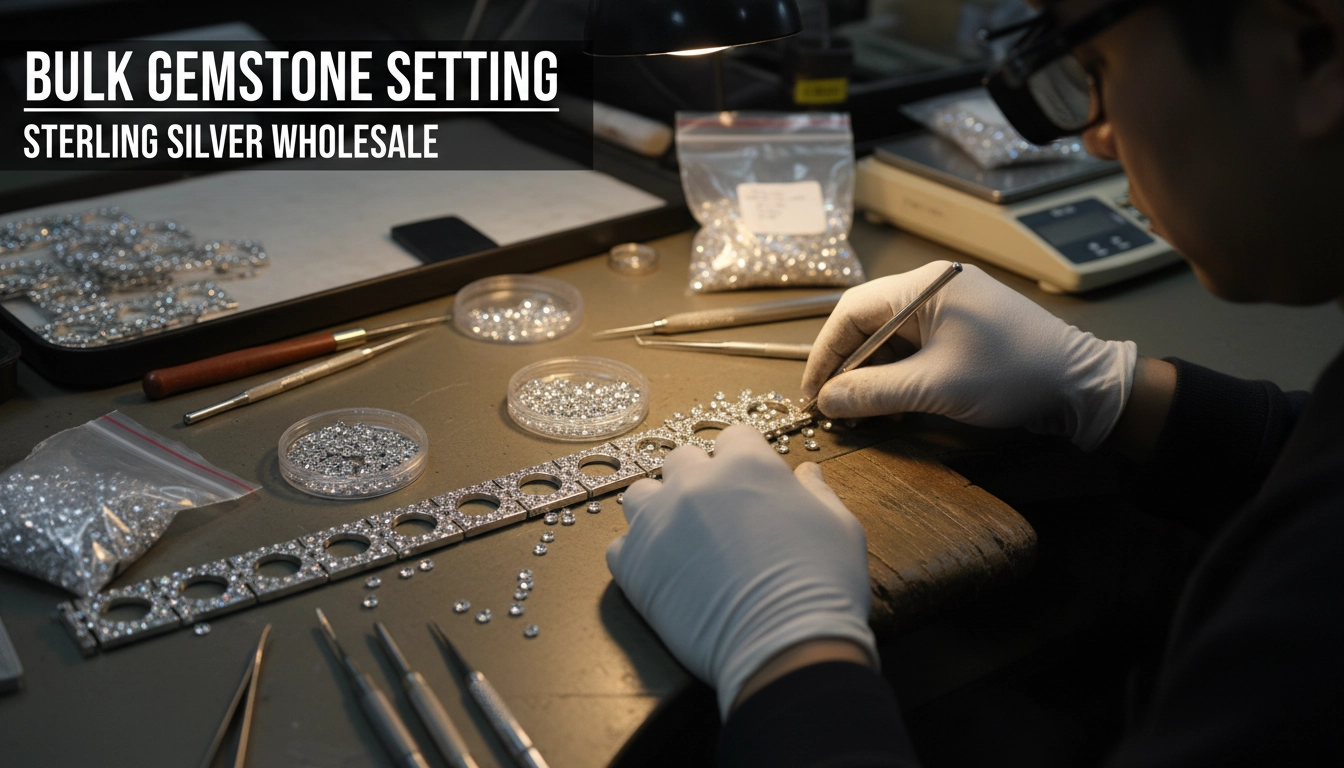
15 Advanced Sterling Silver Stones Setting Techniques: The 2026 Wholesale Masterclass
Custom earrings 925 sterling silver Manufacturers and Suppliers
Wholesale stainless steel jewelry set manufacturer and supplier
Prdoucts Categories
Question you may concern
FAQs
Can you engrave my logo on the jewelry ?Do you supply OEM/ODM service?
Yes. Custom logo and OEM/ODM are both accepted. Our factory specializes in jewelry manufacturing for 27 years.We can produce jewelry by your sample, design, pictures, even by an idea.Please feel free to contact us for more details. Custom order process:Inquiry-Confirm products details-Pay mold fee -Confirm CAD draft-Quote-Initial payment-Produce mold&sample-Confirm Sample-Mass production-Balance payment-Shipment-Track shipment-delivery.
What’s the shipment method?How long does it take for delivery?
Our product distributed to all over the world. Shipped by DHL/Fedex/ TNT/UPS takes 3-7 days,Epacket takes 7-15 days, China Post takes 15-30 days.
What is the material of the jewelry?
Most of the jewelry is made of 925 sterling silver, brass or 316 stainless steel or custom material,which can cover different procurement demand.
Can I have your product catalog?
Yes, please leave us a message what style jewelry catalog you need.
Products
What’s the lead time?
We could arrange shipment for you within 48 hours if you order models in stock. For bulk order, it takes 10-25 days for production depending on order quantity and styles.
You may also like
Brass Jewelry
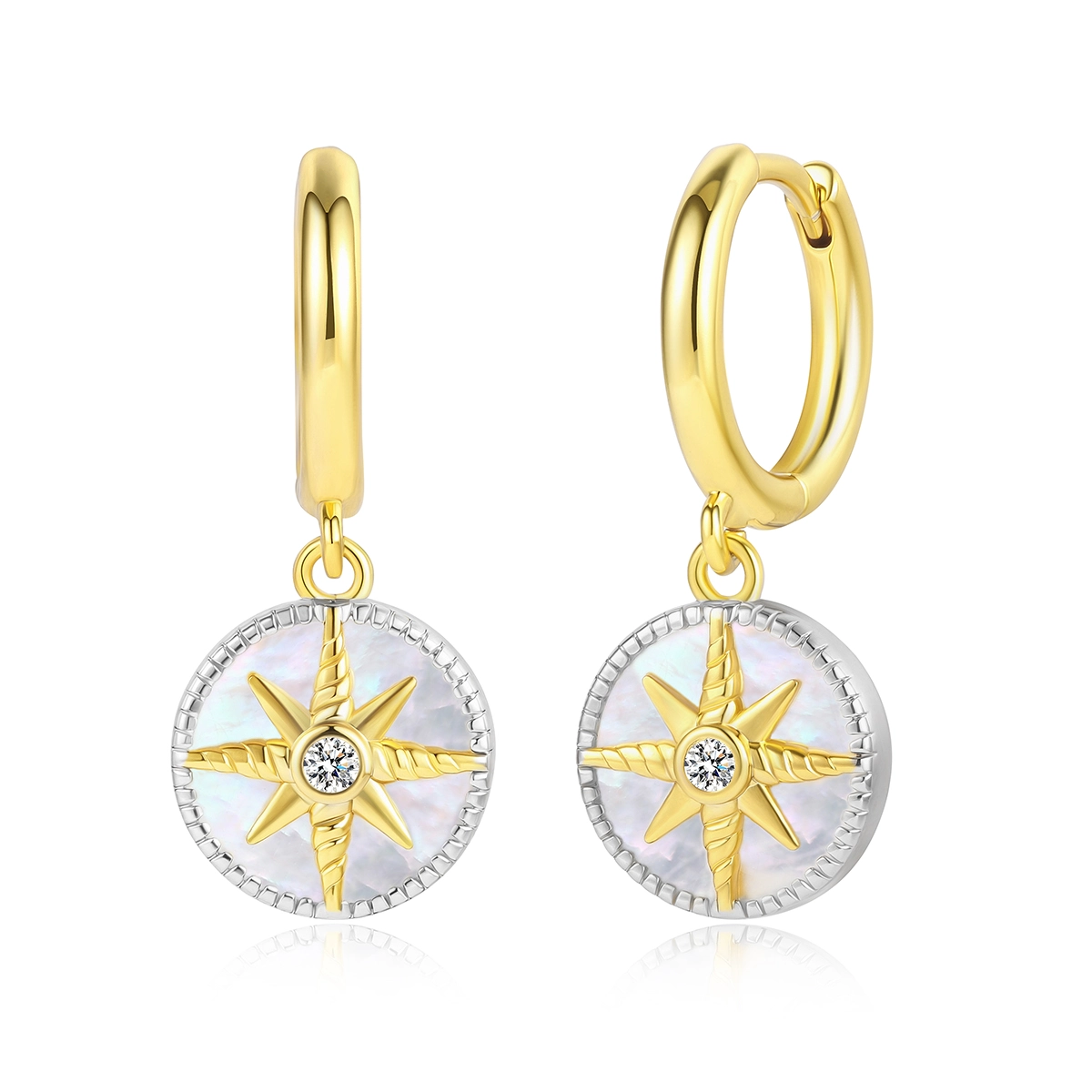
Brass Mother of Pearl Compass Huggie Drop Earrings | 14K 18K Gold Plated Hypoallergenic Jewelry
Read More
925 Silver Jewelry
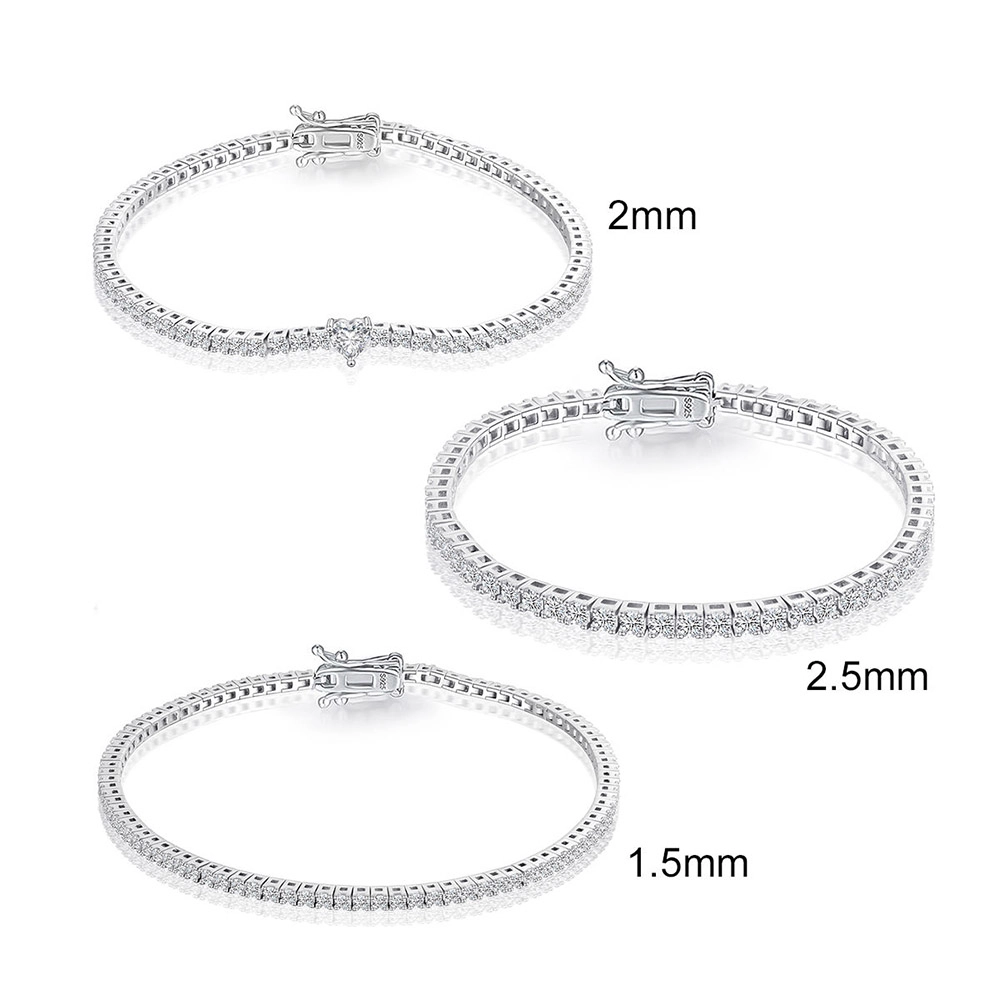
Customizable High-Quality Fashion 925 Sterling Silver AAA Cubic Zirconia Heart-Shaped Open Tennis Bracelet.
Read More
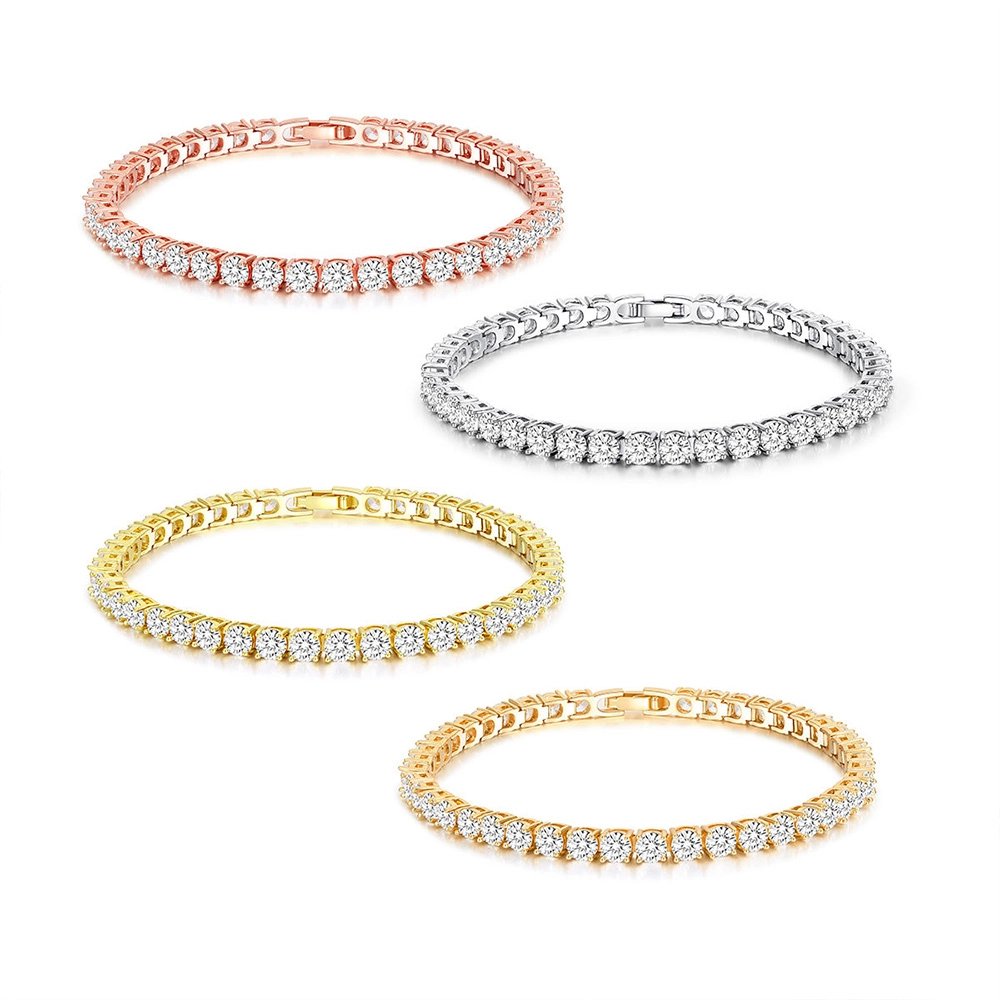
Brass Jewelry
Customizable OEM ODM High-Quality Fashion Brass AAA Cubic Zirconia Classic Tennis Bracelet for Women Wholesale.
Read More
Get a Quote for Private Label Jewelry
We provide personalized jewelry customization services for clients worldwide.
Rest assured that your privacy is important to us, and all information provided will be handled with the utmost confidentiality.
By clicking 'Send Inquiry Now' I agree to ZHEFAN JEWELRY processing my personal data.
To see how to withdraw your consent, how to control your personal data and how we process it, please see our Privacy Policy and Terms of use.
From design to production, ZHEFAN JEWELRY offers a one-stop solution to help you enhance your brand value and market competitiveness.
Get A Quote
Contact
Tel: (+86) 188 1927 7817
© 2026 Zhefan Jewelry. All Rights Reserved.
Facebook
Instagram
YouTube
Whatsapp: +8618819277817