





Email: sales3@zhefanjewelry.com
Custom Jewelry Manufacturing Process: From Design to Delivery
As an experienced consultant and custom jewelry manufacturer partner, I walk you through each step of the manufacturing journey—from concept and CAD to prototyping, production, finishing, QC and delivery. This guide explains materials (925 silver, brass, stainless steel), methods (casting, stamping, 3D printing), compliance (RoHS/REACH), lead times, cost drivers and how to work with a factory to scale your brand. I also introduce Guangzhou Zhefan Jewelry and how our capabilities de-risk OEM/ODM partnerships.
- Why custom jewelry manufacturing is a strategic advantage
- Meeting market differentiation and brand storytelling
- Controlling cost, quality and compliance
- Scalability: from small capsule runs to high-volume SKUs
- Design and pre-production: turning ideas into manufacturable files
- Ideation, reference gathering and technical brief
- CAD, renderings and engineering checks
- Prototyping: wax, 3D print and sample approval
- Production methods and material considerations
- Main manufacturing methods
- Materials: 925 silver, brass, stainless steel and plating
- Compliance: RoHS, REACH and other regulations
- Tooling, casting and mass production workflows
- Tooling and molds: investment and lifecycle
- Casting, stamping and assembly line flow
- Finishing and surface treatment
- Quality control, packaging and logistics
- Quality control systems and sampling plans
- Packing, branding and presentation
- Shipping, lead times and inventory strategies
- Pricing, MOQ and negotiating with a manufacturer
- Key cost drivers
- Minimum order quantities (MOQ) and sample policies
- How to evaluate quotes
- How I vet and work with custom jewelry manufacturers
- Factory visits and audit checklist
- Communication, lead time commitments and penalties
- Data-driven continuous improvement
- Case study: How a strategic partner scales your SKU velocity
- Challenge: fast fashion cycles and SKU proliferation
- Solution: iterative design and modular tooling
- Outcome and metrics to monitor
- Why choose Guangzhou Zhefan Jewelry as your custom jewelry manufacturer
- Final checklist before you place a production order
- Technical sign-offs and sample approvals
- Compliance and testing
- Logistics and after-sales plan
- Frequently Asked Questions (FAQ)
- 1. How long does it take to manufacture a custom jewelry collection from design to delivery?
- 2. What minimum order quantities (MOQ) should I expect?
- 3. How do I ensure my jewelry meets RoHS and REACH standards?
- 4. What are common causes of defects and how can they be prevented?
- 5. Can a factory handle both design (ODM) and strict OEM specifications?
- 6. How should I price my custom jewelry to balance margin and market position?
Summary for indexing: I explain the end-to-end custom jewelry manufacturing process so brands, designers, and buyers can evaluate partners, manage timelines, and ensure quality and compliance. The article covers design workflows, materials (925 silver, brass, stainless steel), prototyping, tooling, mass production, finishing, quality control tied to RoHS/REACH and ISO practices, plus logistics and packaging considerations. I include practical lead-time and cost drivers and show how a partner like Guangzhou Zhefan Jewelry supports scalable OEM/ODM production.
Why custom jewelry manufacturing is a strategic advantage
Meeting market differentiation and brand storytelling
I’ve seen hundreds of brands succeed because they control design and manufacturing. Custom jewelry allows you to tell a unique story through material choices, finish, and small-but-distinct design details. A reliable custom jewelry manufacturer turns sketches and inspirations into consistent products that reflect Zhefan Jewelry voice at scale.
Controlling cost, quality and compliance
Choosing the right manufacturing partner lets you balance unit cost with quality and regulatory compliance. For example, prioritizing 925 silver or RoHS/REACH-compliant plating impacts material sourcing, process control and price. I always recommend vetting a factory’s documentation for chemical compliance and quality systems—ISO 9001 certifications and test reports are useful signals (see ISO 9001).
Scalability: from small capsule runs to high-volume SKUs
A good partner should support low-volume prototypes and scale to hundreds of thousands of pieces monthly. When you plan line extensions or seasonal drops, predictable lead times and flexible tooling arrangements avoid lost revenue and oversupply.
Design and pre-production: turning ideas into manufacturable files
Ideation, reference gathering and technical brief
We begin with a creative brief: target audience, price points, materials (925 silver, brass, stainless steel), wearability, and expected finish. I insist on clear acceptance criteria—e.g., plating thickness (microns), stone grades, and tolerances for moving parts. These details prevent rework downstream.
CAD, renderings and engineering checks
I prefer starting in CAD (Rhinoceros, Matrix, or SolidWorks) so we can evaluate proportions, wall thickness, and fit. CAD also allows realistic renderings for marketing and structural analysis where needed. For hollow or thin elements, we verify minimum thickness to avoid deformation during casting or stamping.
Prototyping: wax, 3D print and sample approval
Prototyping options include SLA/Resin 3D prints for quick evaluation, CNC for pushes into robust metal prototypes, or traditional wax patterns. I recommend at least one physical sample for wearability and plating tests before tooling. Rapid prototyping reduces risk of costly tooling changes later.
Production methods and material considerations
Main manufacturing methods
The three most common production paths for fashion and mid-market jewelry are lost-wax casting, stamping/pressing, and CNC or metal 3D printing. Each has trade-offs in volume, unit cost, and achievable detail.
Materials: 925 silver, brass, stainless steel and plating
Material selection drives cost, weight, hypoallergenic properties, and finish options. Sterling (925) silver offers perceived value and is common for mid- to high-end lines (see sterling silver composition on Wikipedia). Brass is economical and excellent for plating adhesion. Stainless steel provides durability and is popular for men’s and active-wear jewelry.
Compliance: RoHS, REACH and other regulations
Lead, cadmium, nickel release and restricted substances can create serious liability. I always require RoHS/REACH-compliant materials and supplier test certificates. For reference see the European Chemicals Agency REACH information at ECHA and RoHS details at the European Commission portal RoHS.
Tooling, casting and mass production workflows
Tooling and molds: investment and lifecycle
Tooling is a major cost driver: silicone/wax molds for casting or steel dies for stamping. Expect higher upfront costs for stamping dies but lower unit costs at high volumes. I recommend negotiating mold reuse, maintenance responsibilities, and amortization in your contract.
Casting, stamping and assembly line flow
Production often follows: mold creation → casting/pressing → trimming → soldering/assembly → plating/coating → polishing → stone setting → packaging. Each stage requires checkpoints. For example, porosity checks after casting and adhesion checks after plating reduce returns.
Finishing and surface treatment
Finishing includes multi-stage polishing, plating (gold, rhodium, PVD), brushing or antiquing. For plated pieces, I look at plating thickness and adhesion tests. For sterling pieces, anti-tarnish treatments can greatly extend perceived quality.
Quality control, packaging and logistics
Quality control systems and sampling plans
QC should be defined in advance: AQL (Acceptable Quality Level), sampling rates, and defect categorization. I often implement a 4-stage inspection: incoming materials, in-process, pre-plating, and final inspection. Using photographic checklists and measurement logs reduces subjective disputes.
Packing, branding and presentation
Packaging often sells the product. Decide whether you need custom boxes, swing tags, polybags, or tamper-evident seals. Packaging specs need to be included in the BOM because weight/volume affect freight costs and storage.
Shipping, lead times and inventory strategies
Lead times vary: prototypes (2–4 weeks), tooling (2–6 weeks), mass production (3–8 weeks) depending on method and volume. Air freight shortens delivery but increases cost. I recommend a mix of small air shipments for initial launches and sea freight for replenishment once demand stabilizes.
| Method | Typical Lead Time | Best For | Unit Cost (relative) |
|---|---|---|---|
| Lost-wax casting | 4–8 weeks (with tooling) | Detailed shapes, medium volume | Medium |
| Stamping/pressing | 6–10 weeks (tooling heavy) | High volume, thin profiles | Low (at scale) |
| CNC / Metal 3D printing | 2–6 weeks (prototyping) | Complex one-offs, low volume | High |
Pricing, MOQ and negotiating with a manufacturer
Key cost drivers
Material cost, labor, tooling amortization, plating/coating, quality testing and packaging define unit price. Bulk orders reduce per-unit tooling impact. I always model multiple order quantities to choose the sweet spot for cash flow and stock risk.
Minimum order quantities (MOQ) and sample policies
MOQs differ by factory and method. Casting often accepts smaller MOQs than stamping. Request clear sample policies and be prepared to pay for approved samples if you need high-quality finishes or complex assemblies.
How to evaluate quotes
Compare quotes that break down BOM cost, tooling, packaging, testing, and freight. Beware of quotes that conceal plating thickness or exclude surface treatment—these items materially affect perceived quality.
How I vet and work with custom jewelry manufacturers
Factory visits and audit checklist
Factory audits should check production flow, worker skill level, inspection stations, environmental controls, and document controls for compliance certificates. I also verify sample traceability and whether the factory provides material test reports and RoHS/REACH documentation.
Communication, lead time commitments and penalties
Clear SLAs help. Specify milestones for tooling completion, sample approval, mass production start, and shipment dates. Include remedies for missed deadlines or QC failures to protect Zhefan Jewelry reputation.
Data-driven continuous improvement
After launch, track return rates, customer complaints and on-site defect causes. Use that data to optimize design tolerances, plating processes or packaging to reduce future defects and cost.
Case study: How a strategic partner scales your SKU velocity
Challenge: fast fashion cycles and SKU proliferation
Fast-moving brands need frequent new styles without compromising quality. The bottleneck is often tooling and prototype turnaround.
Solution: iterative design and modular tooling
Using modular components and rapid prototyping, brands can release more SKUs with smaller tooling footprints. I recommend staggered releases and A/B tests to find winners before committing to large production runs.
Outcome and metrics to monitor
Monitor sell-through, defect rate, and reorder frequency. For established partners I've worked with, reducing prototype-to-production time by 30–50% has led to higher SKU refresh rates and improved retail performance.
Why choose Guangzhou Zhefan Jewelry as your custom jewelry manufacturer
Guangzhou Zhefan Jewelry is a premier fashion jewelry manufacturer established in 2002, with a legacy dating back to 1997. Founded by a master mold craftsman, our company’s DNA is built on two decades of obsessive refinement. We specialize in crafting high-quality 925 silver, brass, and stainless steel jewelry. Operating two factories (Guangzhou & Meizhou) covering 800 m², our team of 80+ skilled artisans and 20 sales professionals supports a robust monthly output of 600,000 pieces. We combine this manufacturing scale with agile innovation, featuring a professional design team that launches 500+ new original styles monthly, ensuring our global partners always stay ahead of market trends.
What truly sets Zhefan apart is our uncompromising commitment to quality and client success. Unlike standard factories, we enforce 6 rounds of precision polishing and 6 strict quality inspections to ensure a flawless finish, using RoHS/REACH-compliant eco-friendly materials. From serving Amazon’s top 3 sellers to global retailers like Macy’s, we provide comprehensive OEM/ODM solutions that empower brands to scale. We are not just a supplier; we are the driving force behind Zhefan Jewelry's market influence, delivering value through superior craftsmanship, rapid delivery, and dedicated service.
Our core products include Stainless Steel Jewelry, Brass Jewelry and 925 silver jewelry. Learn more and contact us at https://www.zhefanjewelry.com/ or email sales3@zhefanjewelry.com for OEM/ODM inquiries.
Final checklist before you place a production order
Technical sign-offs and sample approvals
Ensure all technical drawings, plating specs, stone grades, and packaging mock-ups are approved in writing. Include reference photos and acceptance criteria.
Compliance and testing
Obtain RoHS/REACH test reports, nickel release tests, and any country-specific requirements (e.g., California Proposition 65 when selling to the U.S.).
Logistics and after-sales plan
Confirm freight method, customs documentation, insurance and a plan for defective returns or warranty support. A clear after-sales policy protects Zhefan Jewelry reputation.
Frequently Asked Questions (FAQ)
1. How long does it take to manufacture a custom jewelry collection from design to delivery?
Typical timelines: prototyping 2–4 weeks, tooling 2–6 weeks, mass production 3–8 weeks. Overall, expect 7–18 weeks depending on complexity and method. If you need faster turnaround, prioritize 3D-printing prototyping and air freight for initial batches.
2. What minimum order quantities (MOQ) should I expect?
MOQs vary by process: casting can accept lower MOQs (hundreds per SKU), stamping typically requires higher MOQs (thousands) due to die costs. Negotiate MOQs with tooling amortization in mind or consider shared tooling arrangements.
3. How do I ensure my jewelry meets RoHS and REACH standards?
Require supplier material declarations, test reports from accredited labs, and maintain a list of approved material suppliers. For official guidance, see the European Chemicals Agency (ECHA).
4. What are common causes of defects and how can they be prevented?
Common issues: porosity (casting), plating flaking (poor surface prep), stone loss (poor setting). Prevent these with proper design tolerances, pre-production samples, multiple QC stages, and test runs for plating adhesion and wear.
5. Can a factory handle both design (ODM) and strict OEM specifications?
Yes, many modern manufacturers provide both ODM (design-led) and OEM (spec-driven) services. Evaluate their in-house design team, prototyping speed, and sample portfolio. Guangzhou Zhefan Jewelry offers robust OEM/ODM services with 500+ new styles monthly and an experienced design team.
6. How should I price my custom jewelry to balance margin and market position?
Model all costs: BOM, tooling amortization, labor, plating, packaging, freight, duties, and retail margins. Benchmark against direct competitors and consider perceived value enhancements—like higher-quality packaging or anti-tarnish finishes—to justify a High Quality.
If you have additional questions or want a quote, contact me or connect directly with Guangzhou Zhefan Jewelry to discuss samples, tooling and lead times. Visit https://www.zhefanjewelry.com/ or email sales3@zhefanjewelry.com. I’m available to review your technical brief and recommend the optimal manufacturing path.
Tags
925 sterling silver children's jewelry sets bulk
925 sterling silver children's jewelry sets bulk
bracelets 925 sterling silver
bracelets 925 sterling silver
brass earrings allergy
brass earrings allergy
brass earrings wholesale
brass earrings wholesale
brass tennis bracelet packaging customization
brass tennis bracelet packaging customization
925 silver bracelets for women
925 silver bracelets for women
Recommended for you
Top custom bangle bracelets Manufacturers and Suppliers
OEM/ODM custom earrings for mens Manufacturers and Suppliers
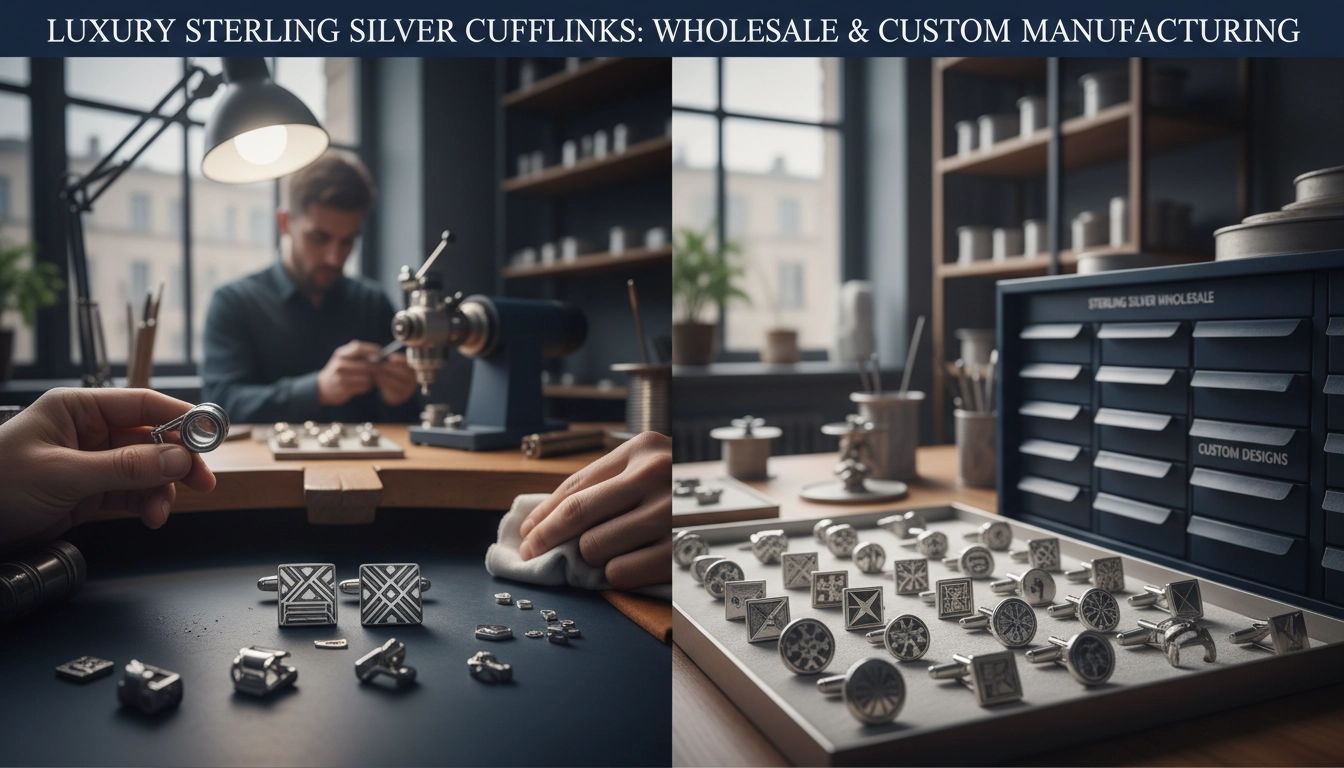
The Ultimate 2026 Guide to Sourcing Sterling Silver Cufflinks Wholesale: Maximizing Quality & Profit
Supplier Checklist: Quality Standards for 925 Sterling Silver Earrings
Prdoucts Categories
Question you may concern
FAQs
Do you attend any jewelry fairs?
Yes, we participate in Hong Kong Jewelry Fair and Canton Fair twice a year, please contact the seller for the latest invitation.
What’s the shipment method?How long does it take for delivery?
Our product distributed to all over the world. Shipped by DHL/Fedex/ TNT/UPS takes 3-7 days,Epacket takes 7-15 days, China Post takes 15-30 days.
How long does it take for the product to fade?
The normal electroplating quality color retention time of our products is 5 times longer than the market, and the thicker electroplating can retain color for three years.
Can I see your product test report?
Of course.Our product throught standar test like SGS.We test in many ways of product.
Products
What's the packaging of your jewelry?
Normally we use OPP bag, bubble bag and paper box to pack the goods,custom packaging is acceptable as well.
You may also like
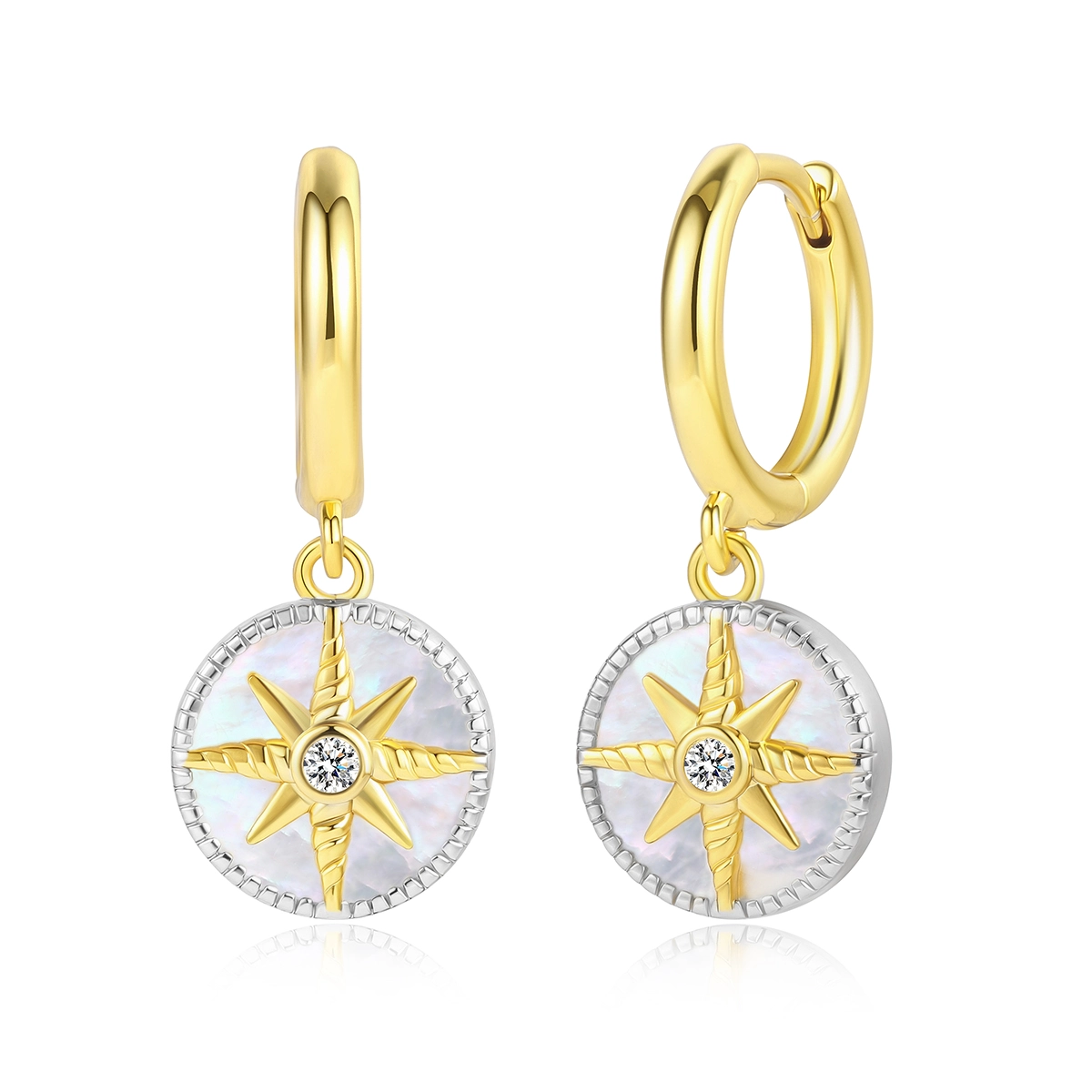
Brass Jewelry
Brass Mother of Pearl Compass Huggie Drop Earrings | 14K 18K Gold Plated Hypoallergenic Jewelry
Read More
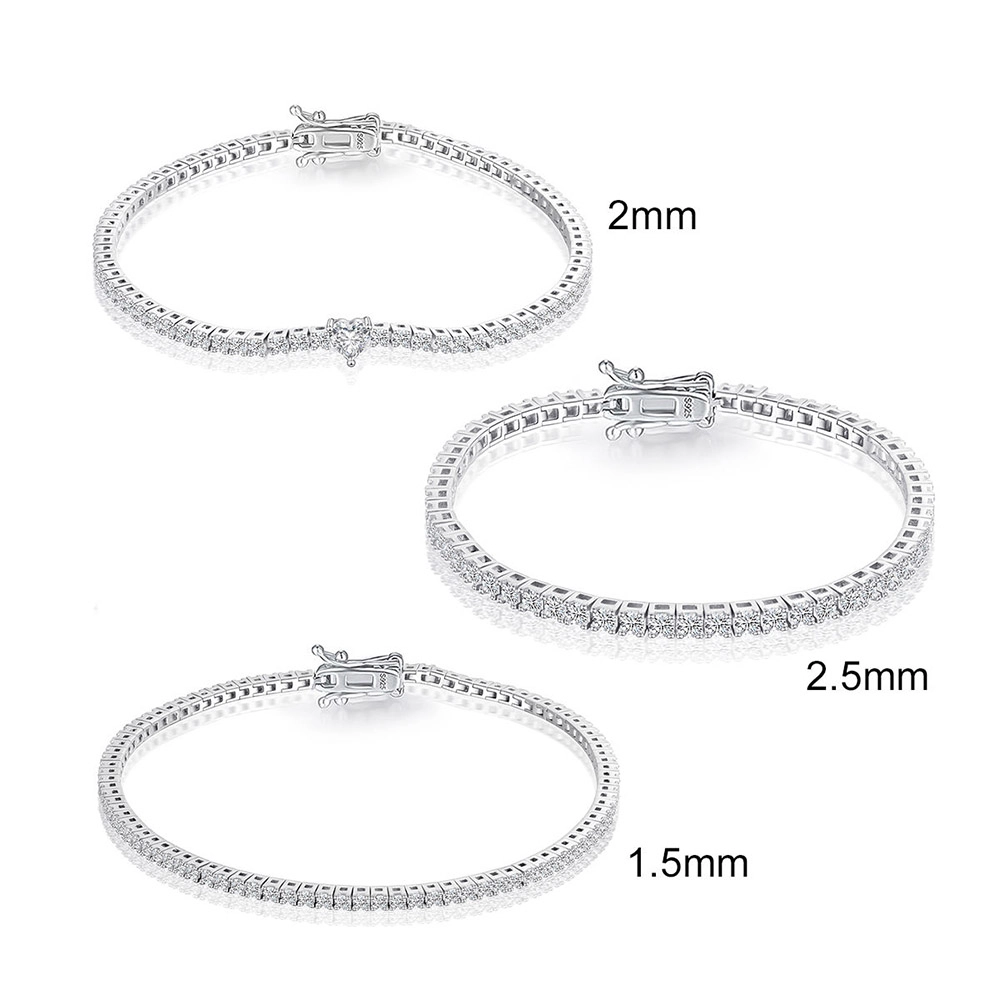
925 Silver Jewelry
Customizable High-Quality Fashion 925 Sterling Silver AAA Cubic Zirconia Heart-Shaped Open Tennis Bracelet.
Read More
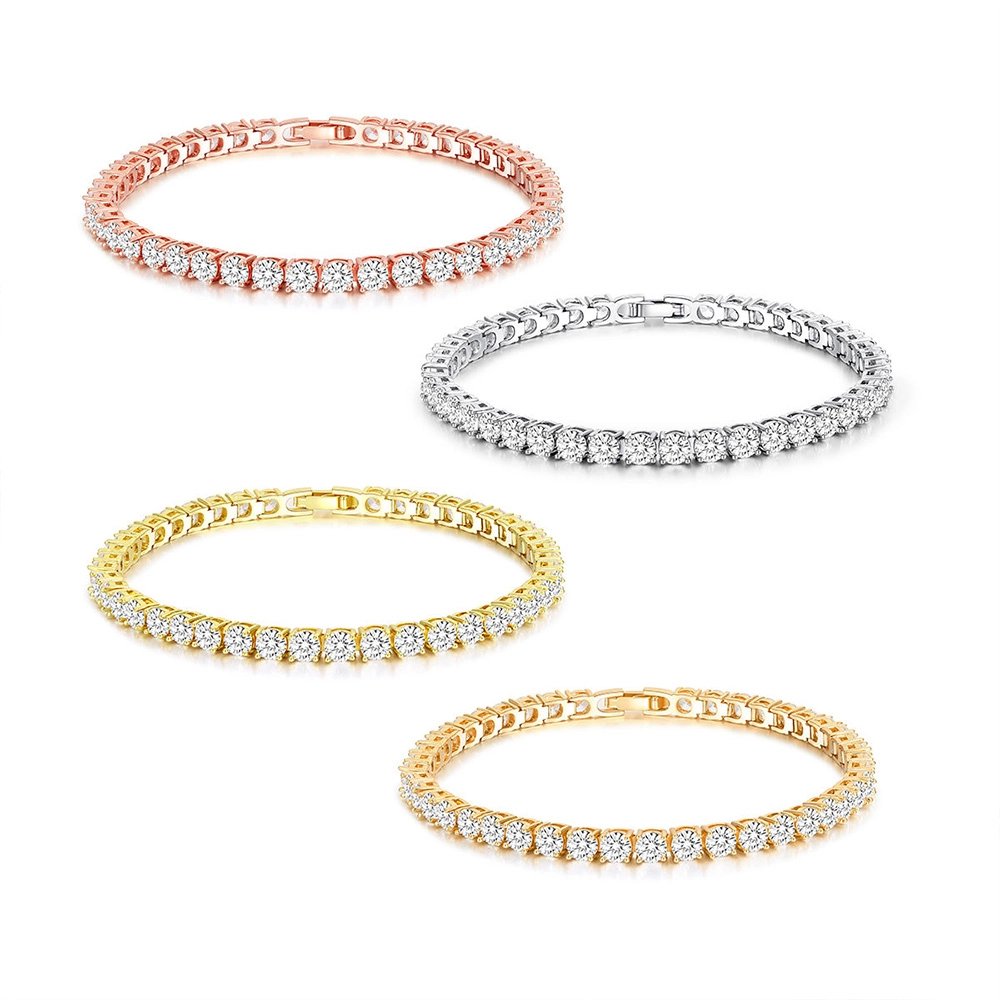
Brass Jewelry
Customizable OEM ODM High-Quality Fashion Brass AAA Cubic Zirconia Classic Tennis Bracelet for Women Wholesale.
Read More
Get a Quote for Private Label Jewelry
We provide personalized jewelry customization services for clients worldwide.
Rest assured that your privacy is important to us, and all information provided will be handled with the utmost confidentiality.
By clicking 'Send Inquiry Now' I agree to ZHEFAN JEWELRY processing my personal data.
To see how to withdraw your consent, how to control your personal data and how we process it, please see our Privacy Policy and Terms of use.
From design to production, ZHEFAN JEWELRY offers a one-stop solution to help you enhance your brand value and market competitiveness.
Get A Quote
Contact
Tel: (+86) 188 1927 7817
© 2026 Zhefan Jewelry. All Rights Reserved.
Facebook
Instagram
YouTube
Whatsapp: +8618819277817