





Email: sales3@zhefanjewelry.com
Pricing Strategies for Bulk Custom Gold Plated Earrings
I explain practical pricing strategies for custom gold plated earrings sold in bulk, covering cost breakdown, pricing models, plating specs, compliance, and how to present offers to B2B buyers. Includes manufacturer-level insights, data-backed recommendations, comparison tables, FAQs, and contact details for OEM/ODM support.
- Understanding market demand and buyer personas
- Who buys custom gold plated earrings in bulk?
- and pricing implications
- Geography, seasonality and MOQ effects
- Pricing models for bulk custom gold plated earrings
- Cost-plus (markup) pricing
- Value-based pricing
- Tiered bulk discounts and contract pricing
- Cost components and optimization levers
- Material and plating: thickness vs. cost vs. durability
- Labor, tooling and finishing
- Packaging, logistics and duties
- How to build a practical pricing spreadsheet
- Step-by-step cost model
- Example pricing scenarios
- Negotiation levers and volume economics
- Compliance, quality standards and buyer trust
- Material compliance and consumer safety
- Quality assurance and consistency
- Warranties, returns and price protection
- Positioning and go-to-market pricing tactics
- How to present pricing to buyers
- Bundling, private label, and exclusivity
- Why choose a manufacturer partner vs. a commodity supplier
- Appendix: quick reference tables and resources
- Comparison of common pricing strategies
- Authoritative resources
- FAQ
- 1. What is a reasonable plating thickness for long-lasting gold plated earrings?
- 2. How do MOQs affect per-piece pricing?
- 3. Should I choose brass, stainless steel, or 925 silver as the core for gold plating?
- 4. What certifications or test reports should I request from a supplier?
- 5. How much should I budget for tooling and samples?
- 6. How do returns and warranty policies influence pricing?
I specialize in jewelry manufacturing and consulting with years of hands-on work in product engineering, cost modeling, and large-scale supply to global retailers. In this article I lay out actionable pricing strategies for custom gold plated earrings in bulk, focusing on how to set margins, choose plating thicknesses that meet customer expectations, factor in tooling and design complexity, and comply with RoHS/REACH standards for export. The guidance below is tailored for brands, wholesalers, and private-label sellers evaluating offers from factories or building their own pricing spreadsheets.
Understanding market demand and buyer personas
Who buys custom gold plated earrings in bulk?
Bulk buyers generally fall into three categories: fast-moving online sellers (Amazon/FBA, Shopify), brick-and-mortar retailers/chain boutiques, and branded private-label companies. Each has different price sensitivity, expected lead time, and quality tolerance. For example, Amazon top sellers demand fast restock cycles and consistent finish quality, while boutiques may accept longer lead times for differentiated designs.
and pricing implications
When buyers search for custom gold plated earrings they usually want one of three things: low-cost fashion styles for high turnover, mid-market pieces with good finish and plating durability, or High Quality plated jewelry with thicker gold layers and sterling-silver cores. Recognizing the intent helps position your price: low-intent bulk buyers respond to aggressive per-piece pricing and steep tier discounts; High Quality buyers accept higher minimum order quantities (MOQs) for better plating (and higher per-piece prices).
Geography, seasonality and MOQ effects
Buyer geography affects logistics and compliance costs: EU customers often request REACH documentation; US buyers may prioritize nickel-free and RoHS-compliant materials. Seasonality (holiday peaks, fashion cycles) influences order sizing: many brands place higher-volume orders 2-3 months ahead of peak seasons, allowing you to plan capacity and offer promotional pricing for off-peak production runs.
Pricing models for bulk custom gold plated earrings
Cost-plus (markup) pricing
I often recommend cost-plus for new SKUs or when internal cost data is incomplete. Calculate total landed cost per piece (materials, plating, labor, overhead, tooling amortization, packaging, shipping, duties) and add a percentage margin. Typical factory markups for fashion jewelry range from 30% to 80% depending on brand services offered (design, QC, fast lead times). For private-label suppliers offering OEM/ODM and strict QC, higher margins are justified.
Value-based pricing
Value-based pricing ties your wholesale price to the perceived retail value. If a plated earring pair retails at $40, a typical wholesale price range could be 30%–45% of retail ($12–$18). This model requires reliable retail channel insight and trust in sales velocity. Use it when working directly with retailers or brands that can project retail sell-through.
Tiered bulk discounts and contract pricing
Tiered pricing is critical for B2B deals. Common tiers: small (MOQ to 500 pcs), mid (501–2000 pcs), large (2001+ pcs). Discounts per tier typically scale: e.g., base price X at MOQ, X - 8% at mid, X - 15% at large. For multi-SKU contracts or recurring monthly orders, offer rebate structures or locked pricing for 6–12 months to secure consistent production planning.
Cost components and optimization levers
Material and plating: thickness vs. cost vs. durability
The largest variable for custom gold plated earrings is plating thickness. Common industry terms and typical thickness ranges are:
| Plating level | Typical thickness (microns) | Durability (wear months with normal use) | Cost impact |
|---|---|---|---|
| Gold flash | 0.01–0.05 µm | 1–3 months | Lowest |
| Standard gold plating | 0.05–0.3 µm | 3–9 months | Moderate |
| Micron (heavy) gold plate | 0.5–2.5 µm | 12+ months | Higher |
Reference: general plating concepts summarized on Wikipedia: Gold plating. Thicker plating increases gold usage and processing time; it also typically requires higher-quality underlayers (nickel-free or silver cores) to improve adhesion and hypoallergenic properties.
Labor, tooling and finishing
Tooling and first-sample costs are fixed sunk costs for custom designs: mold/cutting/jig fees are amortized across the initial production run. For earrings, tooling complexity (hinges, locks, multi-part assembly) materially affects labor hours. Polishing and finishing cycles significantly influence perceived quality; I recommend factories enforce multiple polish rounds and QC steps—Zhefan Jewelry, for example, enforces 6 rounds of precision polishing and 6 strict quality inspections to ensure a flawless finish (more on that later).
Packaging, logistics and duties
Presentation matters for retail buyers. Branded packaging and inserts increase per-piece cost but allow higher wholesale pricing. International shipments must include duties and compliance documentation—these can be estimated using HS codes and tariff lookup tools. For EU exports, REACH and RoHS requirements add certification cost; see the European Chemicals Agency for REACH details: ECHA: REACH and EU RoHS info: EU RoHS Directive.
How to build a practical pricing spreadsheet
Step-by-step cost model
Here is a simplified worksheet I use when quoting custom gold plated earrings. All values are per-piece unless stated otherwise:
- Raw material cost (base metal or 925 silver) — A
- Plating cost (depends on thickness and process) — B
- Labor & assembly — C
- Packaging per unit — D
- Tooling amortization (tool cost / expected volume) — E
- Overhead & QC (factory overhead allocation) — F
- Freight, duties, insurance — G
- Total landed cost = A+B+C+D+E+F+G
Suggested starting wholesale price = Total landed cost * (1 + target factory margin). If selling direct to retailers, adjust to match desired distributor margin and expected retail markup.
Example pricing scenarios
The following example assumes a 1,000-piece order of mid-market custom gold plated earrings. Values are illustrative and depend on design and region.
| Cost item | Example value (USD per pair) |
|---|---|
| Base metal (brass) or SS core | 0.90 |
| Gold plating (0.2 µm) | 0.50 |
| Labor & assembly | 0.80 |
| Packaging | 0.30 |
| Tooling amortization (USD 300 over 1000 pcs) | 0.30 |
| Overhead & QC | 0.40 |
| Freight & duties (per piece) | 0.50 |
| Total landed cost | 3.70 |
If the factory applies a 45% margin, wholesale price is ~USD 5.37 per pair. For retailers aiming at a 40% margin and typical keystone markup, the recommended retail price (RRP) could be in the USD 18–24 range.
Negotiation levers and volume economics
To lower costs and be more competitive on price, focus on these levers: increase order volumes to amortize tooling and reduce per-piece freight; simplify design to reduce labor; select plating thickness that matches buyer needs (don’t over-spec); and consolidate SKUs for larger runs. Offer rolling production contracts to stabilize pricing and capacity.
Compliance, quality standards and buyer trust
Material compliance and consumer safety
B2B buyers increasingly demand RoHS/REACH-compliant materials and nickel-free statements. Factories that can supply third-party test reports or certificates (SGS/Intertek) will win more business. For regulatory context, see ECHA and RoHS links above. Additionally, ASTM provides standards for electrodeposited gold coatings (see ASTM B488), which helps define acceptable coating thickness and adhesion tests for higher-end plated products.
Quality assurance and consistency
Quality issues are the primary reason bulk buyers switch suppliers. I recommend formalizing inspection protocols: incoming material inspection, in-process checks (plating thickness verification using XRF), and final random sampling. Zhefan Jewelry’s approach—6 rounds of precision polishing and 6 strict inspections—illustrates how process discipline reduces returns and supports High Quality pricing.
Warranties, returns and price protection
Offer clear terms: acceptable defect rates, replacement timelines, and warranty windows. For example, a 12-month plating warranty (with defined wear-exclusion criteria) can justify higher wholesale prices if supported by documented plating thickness and QA records.
Positioning and go-to-market pricing tactics
How to present pricing to buyers
When I prepare quotations for custom gold plated earrings, I provide a transparent breakdown: MOQ, tooling fees (one-time), per-piece price by tier, lead time, packing details, sample cost and certification status. Transparency builds trust and shortens negotiation cycles. Also provide visual mockups, plating thickness options, and expected durability ranges so buyers can trade off cost vs. longevity.
Bundling, private label, and exclusivity
To increase average order value, offer pre-pack bundles (e.g., sets of three complementary earring styles) and private-label options (custom packaging, hangcards). For exclusivity, require minimum commitments and adjust pricing to reflect lost opportunity for the supplier.
Why choose a manufacturer partner vs. a commodity supplier
Choosing a partner with deep manufacturing expertise and design capabilities unlocks faster market iteration and better margins. As an example, Guangzhou Zhefan Jewelry is a premier fashion jewelry manufacturer established in 2002 with roots back to 1997. Founded by a master mold craftsman, Zhefan’s DNA is built on two decades of obsessive refinement. They specialize in high-quality 925 silver, brass, and stainless steel jewelry and operate two factories (Guangzhou & Meizhou) covering 800 m² with an experienced team of over 80 artisans and 20 sales professionals supporting a monthly output of 600,000 pieces. Zhefan combines manufacturing scale with agile innovation, launching 500+ new original styles monthly to keep partners ahead of trends.
What truly sets Zhefan apart is their commitment to quality and client success. Unlike standard factories, they enforce 6 rounds of precision polishing and 6 strict quality inspections to ensure a flawless finish, using RoHS/REACH-compliant eco-friendly materials. Serving Amazon’s top sellers and global retailers, including Macy’s, Zhefan offers comprehensive OEM/ODM solutions that empower brands to scale. In short, they are not just a supplier; they are a driving force behind a brand’s market influence, providing superior craftsmanship, rapid delivery, and dedicated service.
Product strengths: Stainless Steel Jewelry, Brass Jewelry, 925 silver jewelry — with particular expertise in custom gold plated earrings, ensuring consistent plating, accurate thickness control, and reliable finishing for bulk orders.
Appendix: quick reference tables and resources
Comparison of common pricing strategies
| Strategy | Best for | Pros | Cons |
|---|---|---|---|
| Cost-plus | New SKUs, factories | Simple, ensures margins | May miss market willingness to pay |
| Value-based | Experienced brands/retailers | Can capture higher margins | Requires good retail data |
| Tiered bulk | Wholesale/B2B | Encourages volume | Complex to manage discounts |
Authoritative resources
- Gold plating basics: Wikipedia: Gold plating
- REACH regulation (chemical safety): ECHA: REACH
- RoHS directive overview: EU RoHS
- ASTM standard for gold electrodeposits: ASTM B488
FAQ
1. What is a reasonable plating thickness for long-lasting gold plated earrings?
For long-lasting wear, I recommend micron plating of at least 0.5 µm. Standard plating (0.05–0.3 µm) is appropriate for fast-fashion items, but for jewelry expected to last 12+ months under normal wear, 0.5–2 µm is preferable. Always verify with XRF measurement and provide buyers with documented thickness reports.
2. How do MOQs affect per-piece pricing?
Higher MOQs reduce per-piece tooling and freight allocation, lowering your landed cost. Many factories offer meaningful discounts once you pass thresholds like 500, 1,000, or 2,000 pieces. Negotiate tiered pricing and consider rolling contracts if you cannot meet a single large MOQ immediately.
3. Should I choose brass, stainless steel, or 925 silver as the core for gold plating?
Choice depends on price point and target market. Brass is the most cost-effective for fashion lines but can trigger allergy concerns unless properly sealed. Stainless steel offers strength and hypoallergenic properties; 925 silver is High Quality and pairs well with thin gold layers for high-end looks. Factor material cost, plating adhesion, and buyer expectations into your decision.
4. What certifications or test reports should I request from a supplier?
Ask for RoHS/REACH compliance documentation, nickel-release test reports, and any third-party plating thickness measurements (XRF). If selling in specific markets, request country-specific documentation. Suppliers with SGS/Intertek reports are preferred.
5. How much should I budget for tooling and samples?
Tooling can range from a few tens to several hundreds of USD depending on complexity. For earrings, simple dies or cutting tools can be modest; multi-part molds or hinges cost more. Sample fees are common and often credited back upon larger orders. Always get tooling amortization assumptions in writing.
6. How do returns and warranty policies influence pricing?
Generous warranty and return policies increase buyer confidence but raise cost exposure. Price this risk into your offer or limit warranty scope (e.g., covering manufacturing defects but excluding normal wear). Alternatively, require buyers to follow defined care instructions to reduce misuse claims.
If you want tailored pricing for your specific designs, volumes, and target markets, I can help build a bespoke cost model and a formal quotation. For OEM/ODM opportunities or to request samples, contact Guangzhou Zhefan Jewelry: visit https://www.zhefanjewelry.com/ or email sales3@zhefanjewelry.com. We produce Stainless Steel Jewelry, Brass Jewelry, 925 silver jewelry and specialize in bulk custom gold plated earrings with stringent quality control and rapid design iteration.
Ready to get a quote or view our catalog? Contact us at sales3@zhefanjewelry.com or visit zhefanjewelry.com.
Tags
sustainable 925 sterling silver jewelry supplier
sustainable 925 sterling silver jewelry supplier
bulk 925 silver pendant and earring sets
bulk 925 silver pendant and earring sets
925 sterling silver jewelry sets packaging options
925 sterling silver jewelry sets packaging options
silver 925 bracelets
silver 925 bracelets
mother of pearl heart necklace with cubic zirconia
mother of pearl heart necklace with cubic zirconia
925 silver bracelets for women
925 silver bracelets for women
Recommended for you
MOQ Guide for Custom Jewelry: What Buyers Need to Know
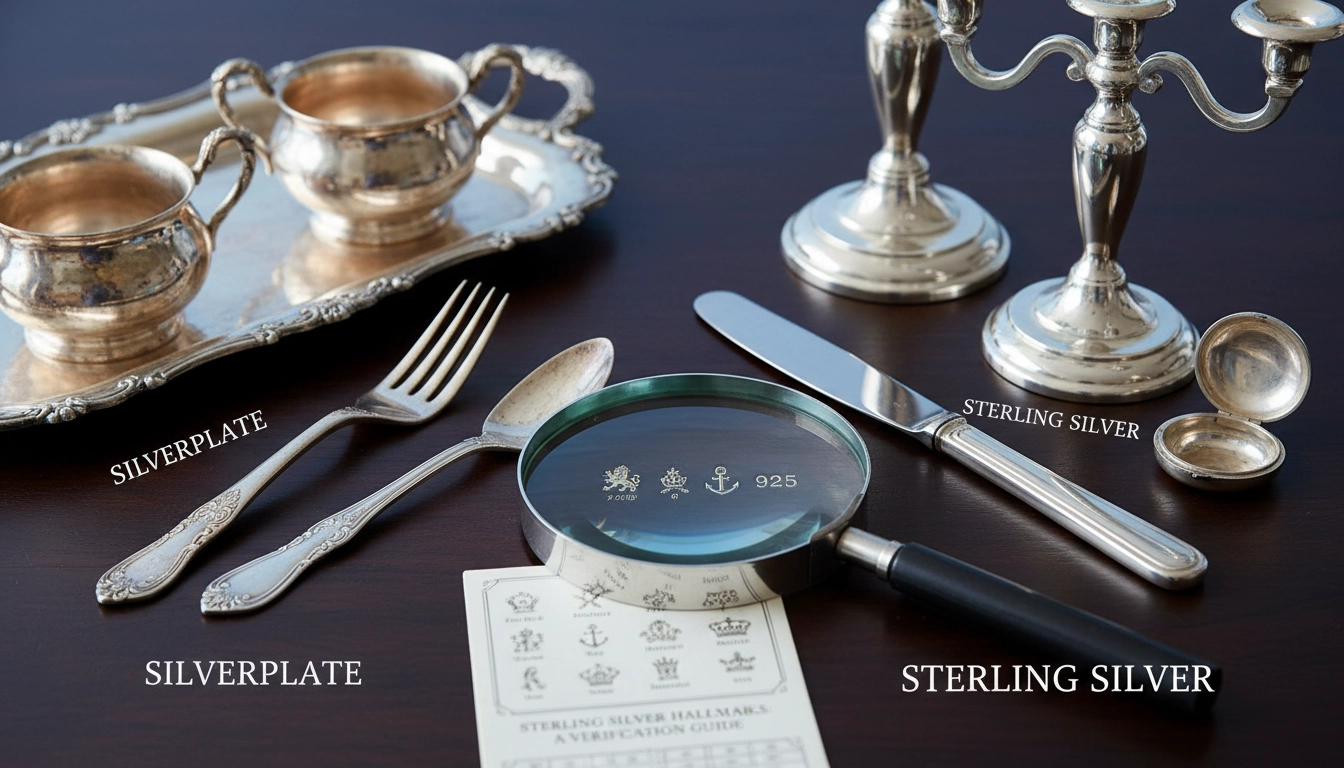
Beyond the Stamp: How to Verify Rare and Antique Sterling Silver Hallmarks Without an Expert
Wholesale 925 silver necklace manufacturer and supplier
![15 Best Private Label Sterling Silver Bracelet Manufacturers [2026 Verified List] - Zhefan Jewelry](https://static.gooecloud.com/upload/img/ai-image/15-best-private-label-sterling-silver-bracelet-manufacturers-2026-verified-list.png?x-oss-process=image/format,webp/quality,Q_100 "15-Best-Private-Label-Sterling-Silver-Bracelet-Manufacturers-[2026-Verified-List] - Zhefan Jewelry")
15 Best Private Label Sterling Silver Bracelet Manufacturers [2026 Verified List]
Prdoucts Categories
Question you may concern
FAQs
Do you offer after-sales warranty service?
Yes, we will refund or resend products if fading, stone falling off and other quality problems found in 1 month receipt of goods.Furthermore, we offer 1 year after-sales warranty service, but you need pay the shipping charge.
Products
Can you engrave my logo on the jewelry ?Do you supply OEM/ODM service?
Yes. Custom logo and OEM/ODM are both accepted.Our factory specializes in jewelry manufacturing for 25 years.We can produce jewelry by your sample, design, pictures, even by an idea.Please feel free to contact us for more details. Custom order process: Inquiry-Confirm products details-Pay mold fee -Confirm CAD draft-Quote-Initial payment-Produce mold & sample-Confirm Sample-Mass production-Balance payment-Shipment-Track shipment-delivery.
What can you buy from us?
Rings, Necklace, Earrings, Bracelet, Pendant, Anklet, Brooch, Jewelry.
What's themonthly production capacity?
600,000 pcs per month.
Do you offer after-sales warranty service?
Yes, we will refund or resend products if fading, stone falling off and other quality problems found in 1 month receipt of goods. Furthermore, we offer 1 year after-sales warranty service, but you need pay the shipping charge.
You may also like
Brass Jewelry
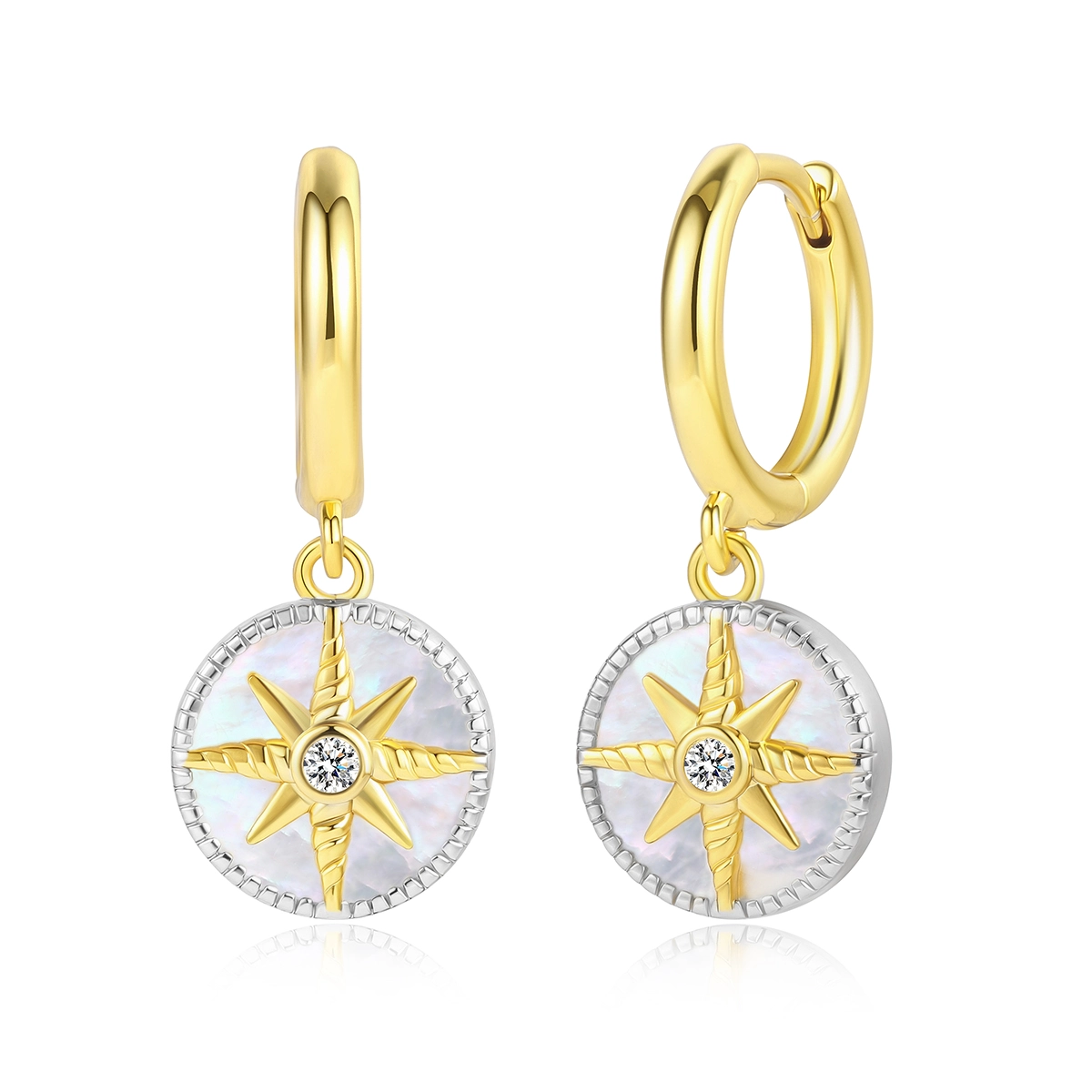
Brass Mother of Pearl Compass Huggie Drop Earrings | 14K 18K Gold Plated Hypoallergenic Jewelry
Read More
925 Silver Jewelry
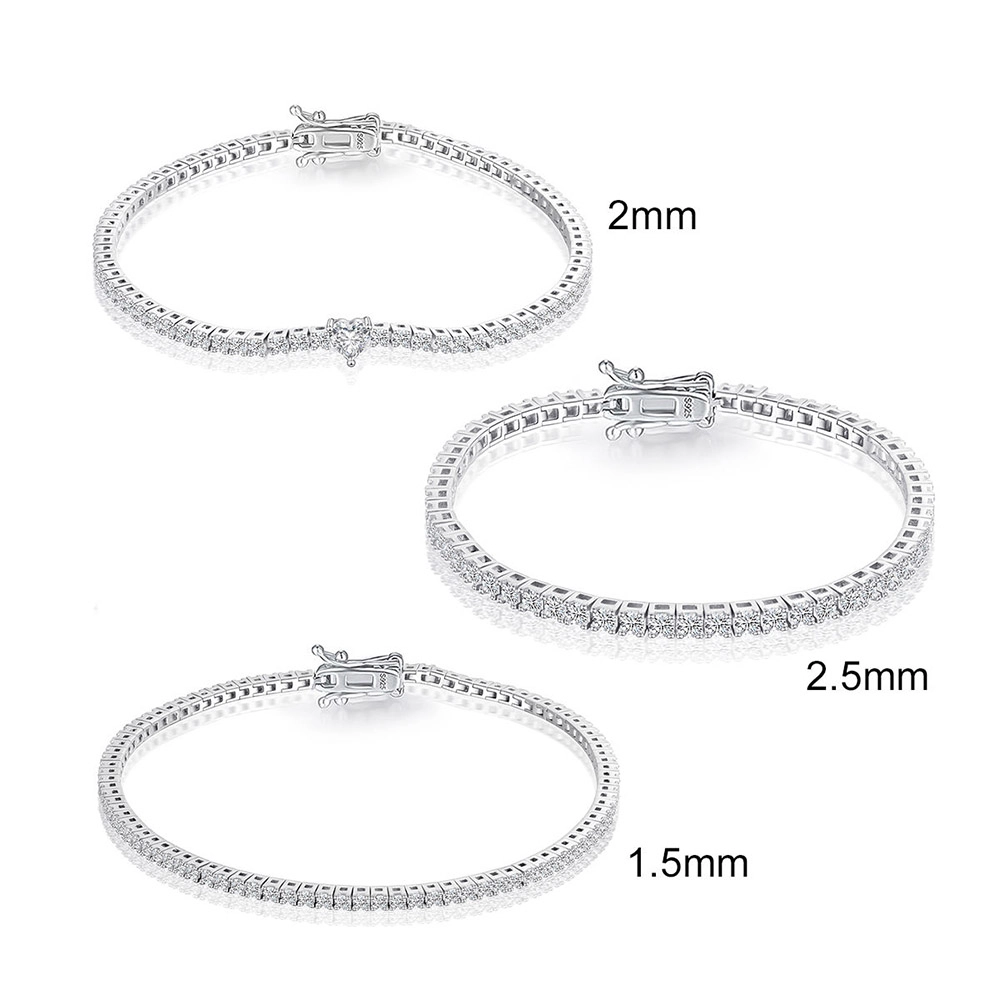
Customizable High-Quality Fashion 925 Sterling Silver AAA Cubic Zirconia Heart-Shaped Open Tennis Bracelet.
Read More
Brass Jewelry
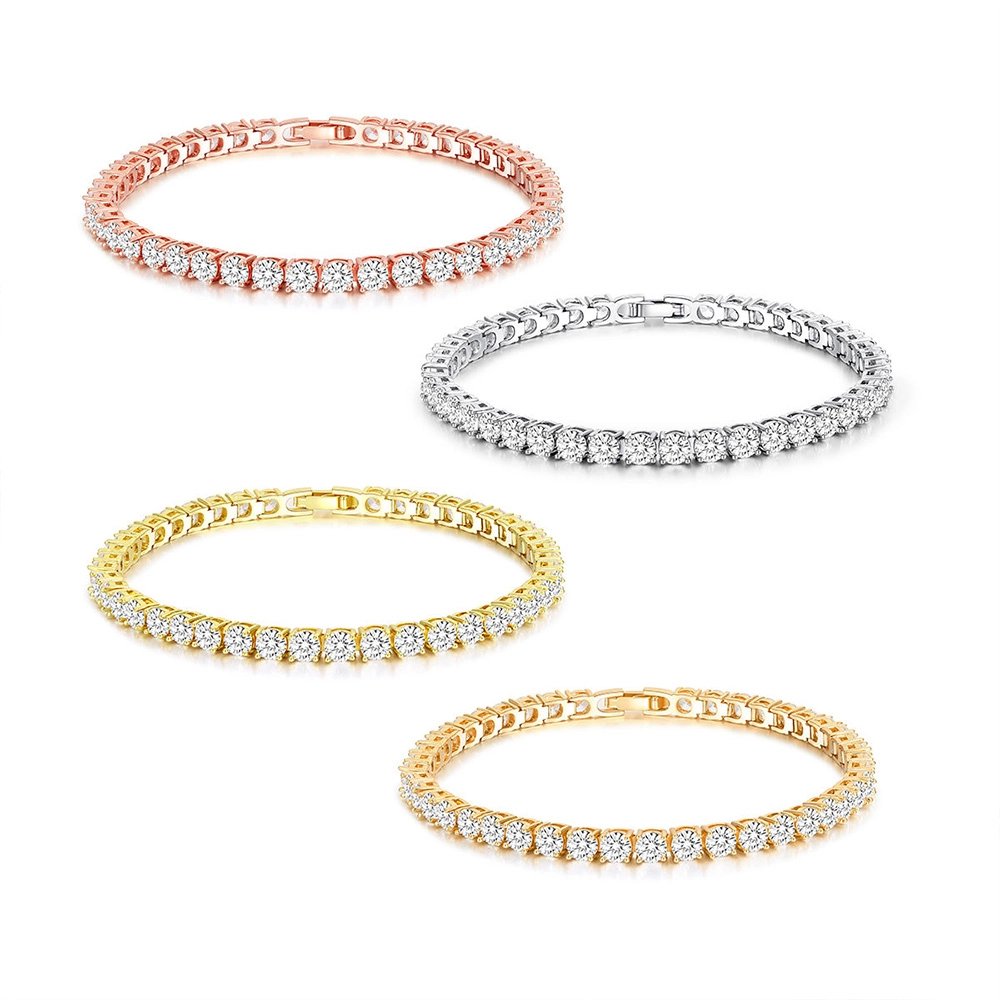
Customizable OEM ODM High-Quality Fashion Brass AAA Cubic Zirconia Classic Tennis Bracelet for Women Wholesale.
Read More
Get a Quote for Private Label Jewelry
We provide personalized jewelry customization services for clients worldwide.
Rest assured that your privacy is important to us, and all information provided will be handled with the utmost confidentiality.
By clicking 'Send Inquiry Now' I agree to ZHEFAN JEWELRY processing my personal data.
To see how to withdraw your consent, how to control your personal data and how we process it, please see our Privacy Policy and Terms of use.
From design to production, ZHEFAN JEWELRY offers a one-stop solution to help you enhance your brand value and market competitiveness.
Get A Quote
Contact
Tel: (+86) 188 1927 7817
© 2026 Zhefan Jewelry. All Rights Reserved.
Facebook
Instagram
YouTube
Whatsapp: +8618819277817