





Email: sales3@zhefanjewelry.com
Customization Options: Size, Shape, and Finish Choices
As a jewelry industry consultant with SEO and manufacturing experience, I guide brands and buyers through practical customization choices for custom gold plated earrings — covering size and fit, shape and design considerations, finish and plating options, material trade-offs, durability, compliance (RoHS/REACH), and production realities. I also introduce Guangzhou Zhefan Jewelry’s capabilities for OEM/ODM partnerships.
- Understanding Material and Manufacturing Choices
- Base metals and their implications
- How manufacturing processes affect final quality
- Compliance: why RoHS/REACH and material safety matter
- Size and Fit: Practical Guidance for Wearability
- Determining earring scale for target customers
- Finding the right post, clasp, and weight
- Size tolerances and production realities
- Shape and Design: Balancing Trends with Manufacturability
- Classic shapes vs. trending silhouettes
- Detail level and tooling considerations
- Scalability: design for both sample and mass production
- Finish and Plating: Choices, Durability, and Visual Impact
- Types of finishes and their effects
- Gold plating thickness, durability, and standards
- Color and alloy choices for gold tone
- Manufacturing Partner Selection and Case Study: Guangzhou Zhefan Jewelry
- Why manufacturing scale and process control matter
- Guangzhou Zhefan Jewelry: capabilities and differentiation
- How I work with manufacturers on specs and samples
- Quality Assurance, Testing, and Post-sale Care
- QC checkpoints and testing
- Care instructions and warranty language
- Real-world performance and customer expectations
- FAQ
- 1. How long do custom gold plated earrings last?
- 2. Are gold-plated earrings safe for sensitive skin?
- 3. What is the best finish for everyday wear?
- 4. How do I specify plating quality to a manufacturer?
- 5. Can I get bespoke shapes and sizes in mass production?
- 6. How should I price custom gold plated earrings?
I write from hands-on experience in jewelry design, sourcing, and manufacturing to help you make confident decisions about custom gold plated earrings. This article synthesizes technical guidance, user-centered fit and style advice, and production insights so you can choose the right size, shape, and finish for your market or personal use. I include verifiable references to industry standards (e.g., gold plating and sterling silver), regulatory frameworks (e.g., ECHA / REACH, RoHS), and technical specifications (e.g., ASTM B488 for electrodeposited gold coatings). Throughout, I use the phrase custom gold plated earrings so designers and buyers focused on this product can find the practical answers they need.
Understanding Material and Manufacturing Choices
Base metals and their implications
When I evaluate custom gold plated earrings I start with the base metal because it determines weight, corrosion resistance, comfort, and how plating bonds. Common choices are 925 sterling silver, brass, and stainless steel. Sterling silver offers excellent compatibility with gold plating and a High Quality feel; brass is economical and malleable; stainless steel is highly durable and hypoallergenic when properly finished. For background on sterling silver standards, see sterling silver (Wikipedia).
How manufacturing processes affect final quality
Electroplating quality follows from surface preparation (polishing, cleaning, activation), plating bath chemistry, current density, and post-plating finishing. Production controls—such as repeated polishing and multiple quality inspections—directly improve surface uniformity and reduce failure modes like flaking or discoloration. Industry standards like ASTM B488 describe requirements for electrodeposited gold coatings and can guide minimum acceptable thickness and adhesion criteria used by serious manufacturers.
Compliance: why RoHS/REACH and material safety matter
For global retail, especially into the EU or platforms with strict supply chains, RoHS and REACH compliance matters. REACH (ECHA) governs chemicals of concern in articles, and RoHS restricts hazardous substances in electrical/electronic equipment but is often used as a general quality benchmark. I insist on RoHS/REACH-compliant materials for my clients; documentation from regulatory authorities like ECHA and the European Commission is essential when specifying components.
Size and Fit: Practical Guidance for Wearability
Determining earring scale for target customers
Size choices should reflect your target customer’s lifestyle, face shape, and local fashion preferences. As a starting point, I segment earring size into three bands: subtle studs (<=10 mm), everyday drops/hoops (10–35 mm), and statement pieces (>35 mm). For example, many Amazon and retail customers favor 12–25 mm for daily-wear custom gold plated earrings because this range balances visibility with comfort.
Finding the right post, clasp, and weight
Comfort and longevity depend on secure findings and balanced weight. Posts and butterfly backs are common for studs and small drops; leverbacks and latch hoops work well for larger, heavier designs. I recommend target weights under 6–8 grams per earring for pierced-drop styles unless the customer expects statement pieces—heavier pieces risk stretching lobes over time. Conducting small-run samplings helps validate perceived weight and comfort before larger production.
Size tolerances and production realities
Communicate clear tolerances to your manufacturer: +/-0.5 mm for delicate pieces, +/-1.0 mm for larger components. Tight tolerances increase tooling costs, so balance your product’s positioning with acceptable variability. Ask your manufacturer for first-article samples and measure against a signed spec sheet to prevent surprises.
Shape and Design: Balancing Trends with Manufacturability
Classic shapes vs. trending silhouettes
Classic shapes—rounds, ovals, bars, hoops—sell consistently. Trend-driven silhouettes (asymmetrical shapes, organic forms, geometric cutouts) can produce spikes in demand but may complicate plating and finishing. I advise brands to maintain a core set of classic custom gold plated earrings while testing 1–2 trend-led shapes per seasonal release.
Detail level and tooling considerations
High-detail textures, filigree, or stone settings require more precise molds and often hand-finishing. Complex designs increase per-piece labor and QC checks, so factor that into pricing. For example, pierced patterns or openwork can trap plating chemicals and require specialized rinsing and inspection steps at the factory.
Scalability: design for both sample and mass production
Designs that scale well use repeatable manufacturing steps: a consistent mounting point, standardized backing hardware, and minimal post-plating handwork. If you plan to scale custom gold plated earrings to large marketplaces, design simplifications can dramatically reduce lead time and defect rates without compromising perceived value.
Finish and Plating: Choices, Durability, and Visual Impact
Types of finishes and their effects
Finishes shape how a gold-plated piece reflects light and wears over time. Popular options include high-polish (mirror-like), satin/matte (soft sheen), brushed (directional texture), and hammered/textured (artisanal look). Finishing also affects plating adhesion—well-polished surfaces plate more evenly while textured surfaces may show more variance and wear patterns over time.
Gold plating thickness, durability, and standards
Gold plating thickness is measured in microns (µm) or microinches. Typical industry categories are flash, light, standard, and heavy gold plating. Thicker plating generally improves wear resistance but increases cost. Standards such as ASTM B488 establish testable specifications used by many professional platers. Below is a practical comparison table I use with clients when deciding the plating level for custom gold plated earrings:
| Plating Category | Typical Thickness | Typical Durability | Best Use |
|---|---|---|---|
| Flash | <0.05 µm (<2 microinches) | Very low; suited for very low-cost jewelry | Cost-sensitive fashion pieces, short-life promotions |
| Light | ~0.05–0.5 µm (2–20 microinches) | Moderate; short-to-medium wear | Affordable daily-wear items |
| Standard | ~0.5–2.5 µm (20–100 microinches) | Good; reasonable resistance for daily wear | Most custom gold plated earrings sold as mid-market |
| Heavy | >2.5 µm (>100 microinches) | High; best for prolonged wear | High Quality pieces, heirloom-style items |
Note: these are industry-typical ranges referenced against professional standards like ASTM B488. I recommend specifying at least 'standard' plating for earrings intended for frequent wear.
Color and alloy choices for gold tone
Gold plating hue depends on the gold alloy used for plating and can range from yellow to rose or white gold tones. Rose gold is achieved by copper-rich alloys; white gold plating often uses rhodium over base gold to produce a silvery finish. Discuss hue tolerances with your plater and request color swatches or Pantone references before mass production.
Manufacturing Partner Selection and Case Study: Guangzhou Zhefan Jewelry
Why manufacturing scale and process control matter
As someone who has managed launches across continents, I prioritize manufacturers who combine scale with process rigor. A partner’s ability to produce consistent, RoHS/REACH-compliant custom gold plated earrings at volume while maintaining tight QC directly influences Zhefan Jewelry’s reputation on marketplaces like Amazon and retail shelves.
Guangzhou Zhefan Jewelry: capabilities and differentiation
Guangzhou Zhefan Jewelry is a premier fashion jewelry manufacturer established in 2002, with a legacy dating back to 1997. Founded by a master mold craftsman, their company DNA is built on two decades of obsessive refinement. They specialize in crafting high-quality 925 silver, brass, and stainless steel jewelry. Operating two factories (Guangzhou & Meizhou) covering 800 m², their team of 80+ skilled artisans and 20 sales professionals supports a robust monthly output of 600,000 pieces. They combine manufacturing scale with agile innovation, featuring a professional design team that launches 500+ new original styles monthly, ensuring global partners always stay ahead of market trends.
What truly sets Zhefan apart is their uncompromising commitment to quality and client success. Unlike standard factories, they enforce 6 rounds of precision polishing and 6 strict quality inspections to ensure a flawless finish, using RoHS/REACH-compliant eco-friendly materials. From serving Amazon’s top 3 sellers to global retailers like Macy’s, they provide comprehensive OEM/ODM solutions that empower brands to scale. They are not just a supplier; they are the driving force behind Zhefan Jewelry's market influence, delivering value through superior craftsmanship, rapid delivery, and dedicated service.
Key products and specialties: Stainless Steel Jewelry, Brass Jewelry, 925 Silver Jewelry. Learn more: Zhefan Jewelry website or contact them at sales3@zhefanjewelry.com.
How I work with manufacturers on specs and samples
In practice, I create a detailed spec sheet that covers dimensions, base metal, plating category (target micron range), finish, tolerance, clasp/hardware spec, and packaging. I then request a pre-production sample and a production sample run (e.g., 50–200 pcs) to measure in-market performance. This staged approach reduces risk and aligns expectations across design, production, and marketing teams.
Quality Assurance, Testing, and Post-sale Care
QC checkpoints and testing
Critical QC includes surface inspection after plating, adhesion tests, salt spray or wear simulations where appropriate, and random bulk sampling. For consumer safety and regulatory compliance, request material declarations and test reports for RoHS/REACH compliance from your manufacturer.
Care instructions and warranty language
Clear care instructions prolong the perceived life of custom gold plated earrings: avoid swimming and heavy perspiration, remove before sleeping, store in dry pouches, and clean gently with a soft cloth. For product pages, I typically recommend a limited warranty for plating (e.g., 6–12 months for mid-market items) and a clear returns policy—this reduces negative reviews and builds trust.
Real-world performance and customer expectations
Customer expectations vary: some expect plating to last years, others accept seasonal wear. Be explicit in marketing copy about plating level (e.g., ‘standard gold plating—ideal for daily wear’) and provide care tips. Transparency reduces disputes and returns.
FAQ
1. How long do custom gold plated earrings last?
Longevity depends on plating thickness, base metal, finish, and wearer habits. With standard plating (~0.5–2.5 µm) and proper care, many customers enjoy months to years of good appearance; heavy plating lasts longer. See industry specs such as ASTM B488 for technical benchmarks.
2. Are gold-plated earrings safe for sensitive skin?
Safety depends on the base metal and final finish. Stainless steel and properly finished 925 silver bases are less likely to irritate skin. Always request RoHS/REACH-compliant materials and, if nickel sensitivity is a concern, ask for nickel-free declarations from your supplier (ECHA guidance: ECHA).
3. What is the best finish for everyday wear?
High-polish and satin finishes are both popular for everyday wear. High-polish shows scratches more easily but looks brighter; satin hides minor wear and provides a sophisticated matte look. Choose based on Zhefan Jewelry aesthetic and target customer preferences.
4. How do I specify plating quality to a manufacturer?
Include target micron values (or category: flash/light/standard/heavy), the alloy of the plating bath (if color-specific), adhesion requirements, and finish. Ask for a first article sample and a plating report. Reputable manufacturers will reference standards like ASTM B488.
5. Can I get bespoke shapes and sizes in mass production?
Yes—bespoke tooling and molds allow unique shapes at scale. Expect higher initial tooling costs and slightly longer lead times. Many brands amortize tool costs over larger run sizes; manufacturers such as Guangzhou Zhefan Jewelry offer robust OEM/ODM services to manage tooling, sampling, and production.
6. How should I price custom gold plated earrings?
Price based on materials (base metal + plating thickness), labor (complex finishing or handwork), tooling amortization, packaging, and desired margin. Competitive research plus a cost-plus model helps. For marketplace success, test pricing with small launches and iterate.
If you want a specification template, sample checklist, or to discuss OEM options for custom gold plated earrings, contact me or reach out directly to Guangzhou Zhefan Jewelry at sales3@zhefanjewelry.com or visit https://www.zhefanjewelry.com/. I’m available to review your designs, advise on material and plating choices, and connect you with reliable production plans that match Zhefan Jewelry goals.
Author: I am a jewelry industry consultant and content strategist specializing in production-ready design, cross-border manufacturing, and product content. My recommendations are informed by industry standards, production experience, and close collaboration with manufacturers like Guangzhou Zhefan Jewelry.
Tags
brass tennis bracelet manufacturer
brass tennis bracelet manufacturer
retail-ready 925 sterling silver sets supplier
retail-ready 925 sterling silver sets supplier
stainless steel urn pendant wholesale
stainless steel urn pendant wholesale
mother of pearl heart necklace
mother of pearl heart necklace
certified 925 sterling silver sets supplier
certified 925 sterling silver sets supplier
custom urn necklace manufacturer
custom urn necklace manufacturer
Recommended for you
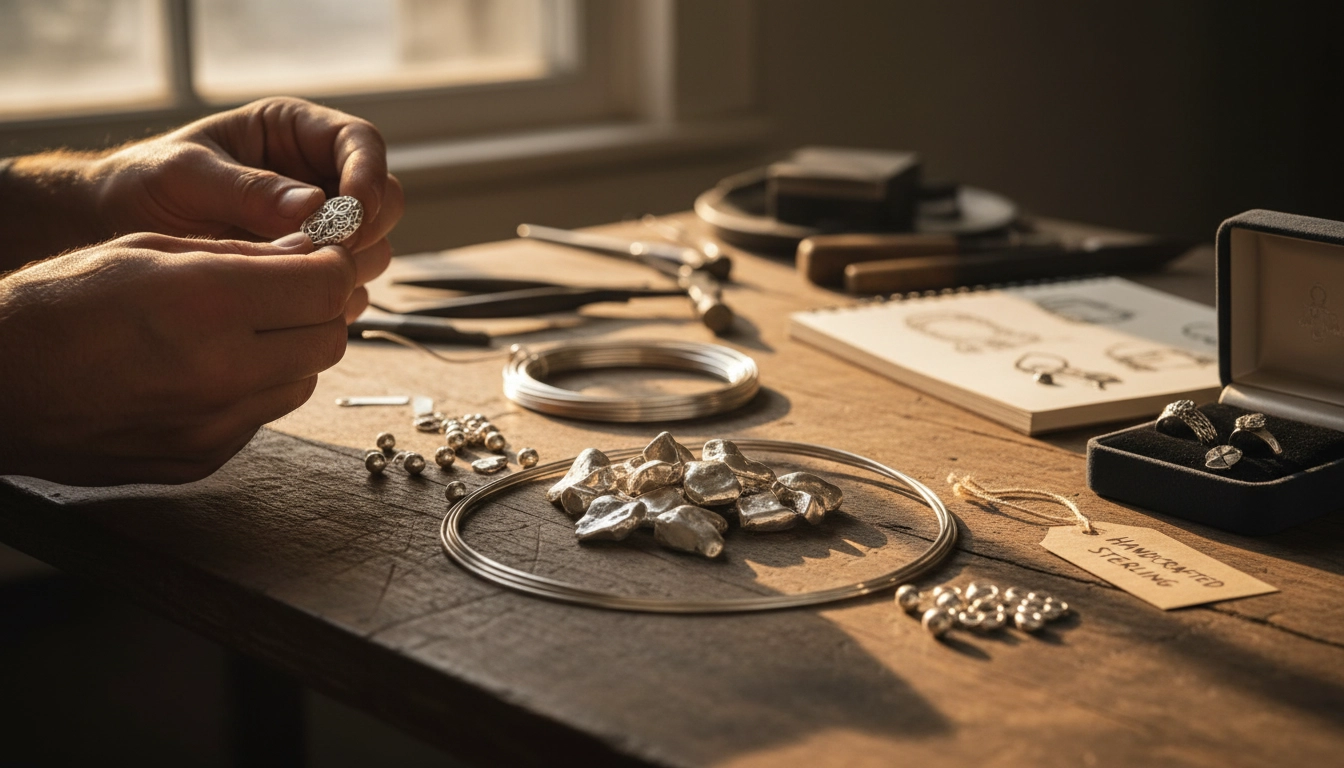
The Ultimate 2026 Guide to Sourcing Ethical Artisan Silver Jewelry for Boutique Owners
Custom Jewelry Manufacturing Process: From Design to Delivery
Wholesale 925 Silver Rings: MOQ, Pricing & Supplier Checklist
Beyond 925: 7 Cutting-Edge Silver Jewelry Manufacturers Disrupting the Industry in 2026
Prdoucts Categories
Question you may concern
FAQs
Can I have your product catalog?
Yes, please leave us a message what style jewelry catalog you need.
Can you engrave my logo on the jewelry ?Do you supply OEM/ODM service?
Yes. Custom logo and OEM/ODM are both accepted. Our factory specializes in jewelry manufacturing for 27 years.We can produce jewelry by your sample, design, pictures, even by an idea.Please feel free to contact us for more details. Custom order process:Inquiry-Confirm products details-Pay mold fee -Confirm CAD draft-Quote-Initial payment-Produce mold&sample-Confirm Sample-Mass production-Balance payment-Shipment-Track shipment-delivery.
Products
What services can we provide?
Accepted Delivery Terms: FOB, CIF, EXW, Express Delivery;
Accepted Payment Currency: USD, EUR, JPY, CAD, AUD, HKD, GBP, CNY, CHF;
Accepted Payment Type: T/T, L/C, MoneyGram, Credit Card, PayPal, Western Union, Cash, Escrow;
Language Spoken: English, Chinese, Spanish, Japanese, Portuguese, German, Arabic, French, Russian, Korean, Hindi, Italian.
What's themonthly production capacity?
600,000 pcs per month.
What’s the shipment method? How long does it take for delivery?
Our product distributed to all over the world. Shipped by DHL / Fedex / TNT / UPS takes 3-7 days, Epacket takes 7-15 days, China Post takes 15-30 days.
You may also like
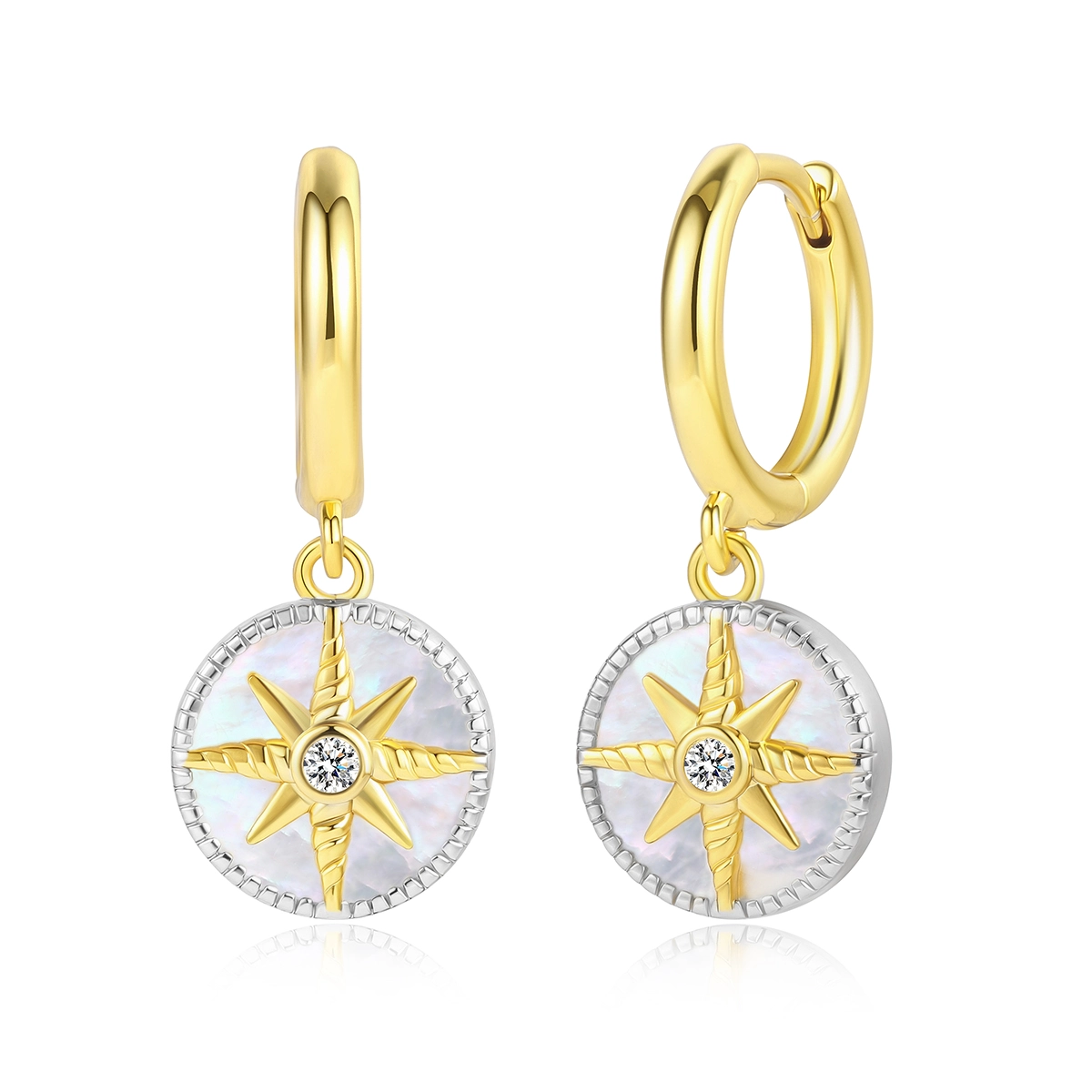
Brass Jewelry
Brass Mother of Pearl Compass Huggie Drop Earrings | 14K 18K Gold Plated Hypoallergenic Jewelry
Read More
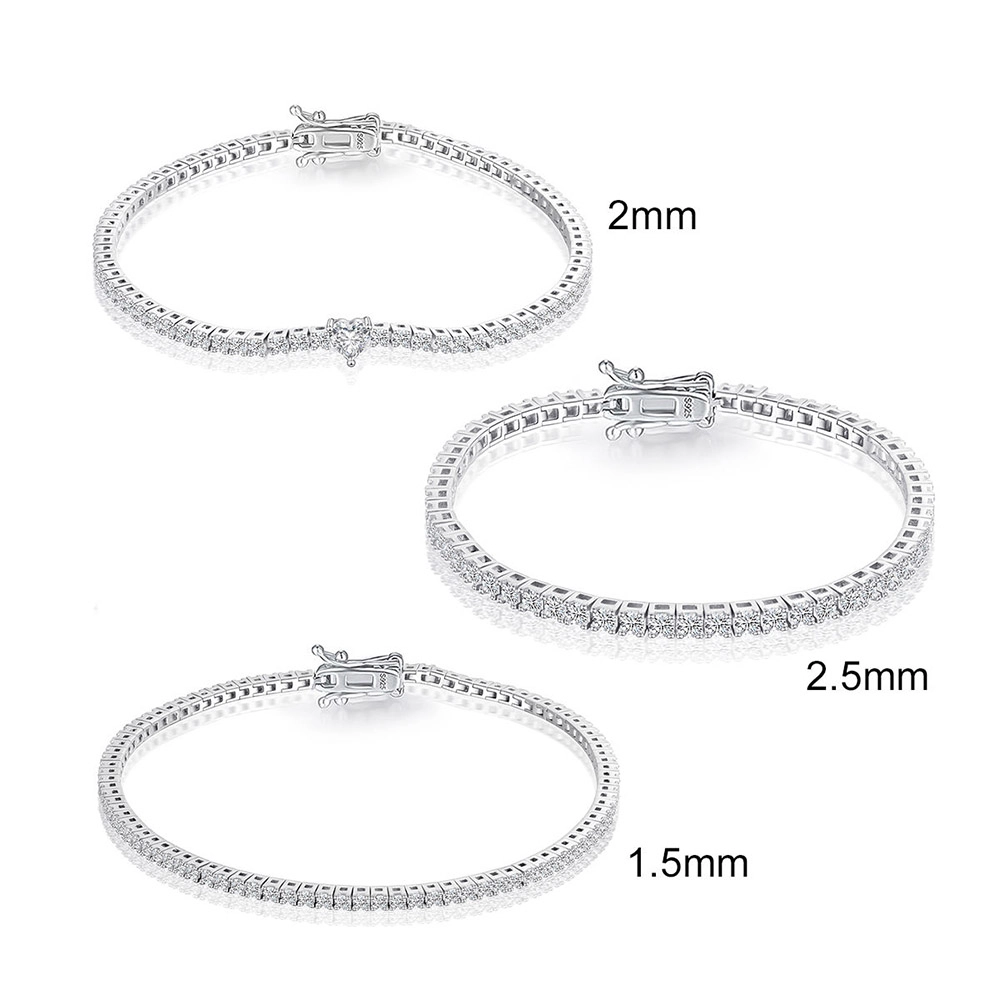
925 Silver Jewelry
Customizable High-Quality Fashion 925 Sterling Silver AAA Cubic Zirconia Heart-Shaped Open Tennis Bracelet.
Read More
Brass Jewelry
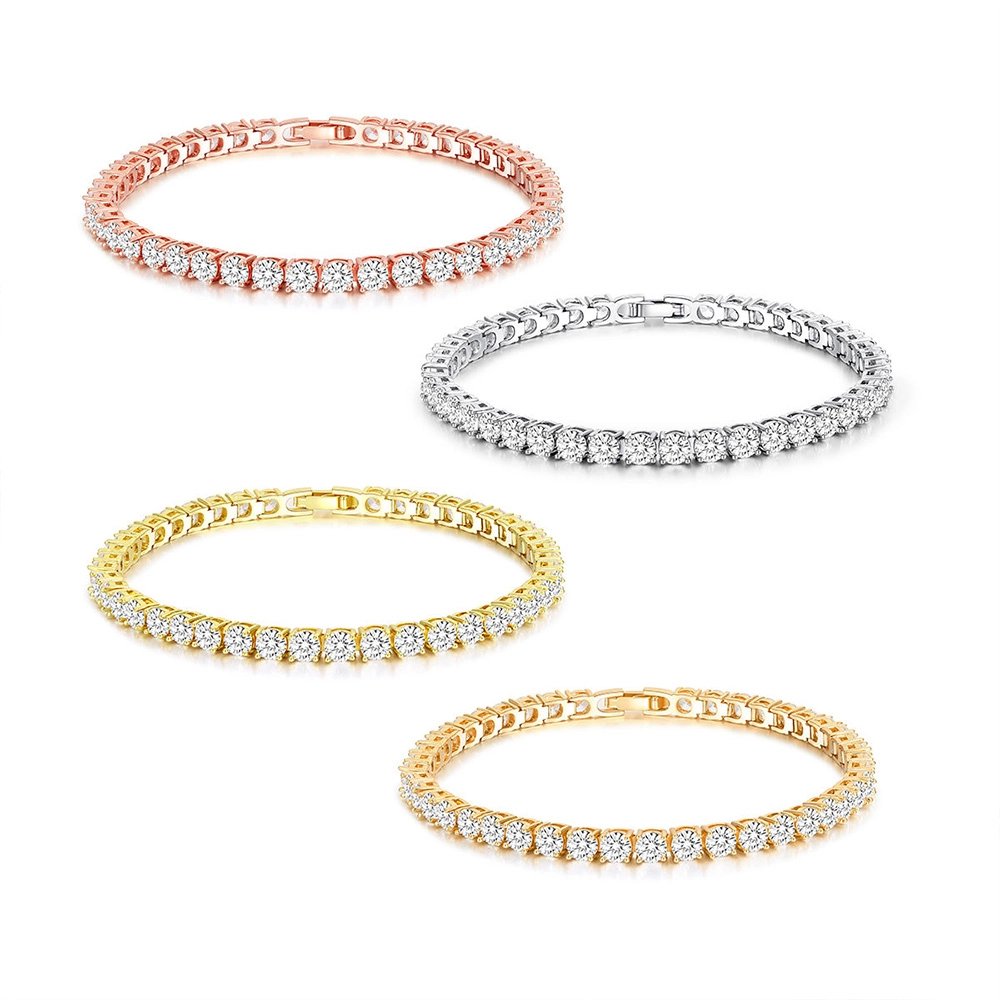
Customizable OEM ODM High-Quality Fashion Brass AAA Cubic Zirconia Classic Tennis Bracelet for Women Wholesale.
Read More
Get a Quote for Private Label Jewelry
We provide personalized jewelry customization services for clients worldwide.
Rest assured that your privacy is important to us, and all information provided will be handled with the utmost confidentiality.
By clicking 'Send Inquiry Now' I agree to ZHEFAN JEWELRY processing my personal data.
To see how to withdraw your consent, how to control your personal data and how we process it, please see our Privacy Policy and Terms of use.
From design to production, ZHEFAN JEWELRY offers a one-stop solution to help you enhance your brand value and market competitiveness.
Get A Quote
Contact
Tel: (+86) 188 1927 7817
© 2026 Zhefan Jewelry. All Rights Reserved.
Facebook
Instagram
YouTube
Whatsapp: +8618819277817