



Email: sales3@zhefanjewelry.com
Everything You Need to Know About custom charms for bracelets
A practical, expert guide to custom charms for bracelets—materials, design, manufacturing, quality standards, cost factors, and how to work with an OEM/ODM partner like Guangzhou Zhefan Jewelry to scale your brand.
- Why custom charms matter for modern jewelry brands
- Personalization is a growth driver
- Branding and margin opportunities
- How demand shapes product strategy
- Materials, finishes and durability: choosing the right option
- Common materials for custom charms
- Finishes and plating choices
- Compliance and safety—what to check
- Designing custom charms: from concept to sample
- Design brief checklist
- Prototyping and tooling
- Quality checkpoints before mass production
- Manufacturing, costs and scaling with an OEM/ODM partner
- Cost drivers explained
- Comparing in-house vs. outsourcing manufacturing
- Why Guangzhou Zhefan Jewelry is a strategic partner
- Logistics, lead times and fulfillment best practices
- Typical timelines
- Packing and retail-ready options
- Quality control and inspection options
- Pricing examples and a sourcing checklist
- Sample price ranges (illustrative)
- Sourcing checklist for buyers
- Conclusion
- Frequently Asked Questions (FAQ)
- How much does a custom charm cost?
- What is a safe plating option for durability?
- How can I protect my custom charm designs?
- Where can I find reliable suppliers?
- References
Summary for : This article provides a comprehensive, location-agnostic guide to custom charms for bracelets—covering materials (925 silver, brass, stainless steel), production workflows (molding, polishing, plating), compliance (RoHS/REACH), quality controls, pricing drivers, and sourcing strategies for brands seeking reliable OEM/ODM partners. Practical checklists and comparison data help buyers, designers, and e-commerce sellers evaluate suppliers and reduce time-to-market.
Why custom charms matter for modern jewelry brands
Personalization is a growth driver
Personalized jewelry—especially custom charm bracelets—remains one of the strongest growth categories in fashion accessories because it taps into emotional purchasing. Customers buy charms to celebrate events, identities, and milestones, which increases repeat purchase rate and average order value for merchants. Offering custom charms for bracelets enables brands to upsell and differentiate on marketplaces like Amazon and Shopify stores.
Branding and margin opportunities
Compared with mass-produced costume jewelry, custom charms for bracelets offer higher perceived value and allow for branding (logos, engraved messages, unique shapes). With tailored designs and High Quality finishes, retailers can charge higher margins while still controlling unit costs through strategic manufacturing partnerships and batch planning.
How demand shapes product strategy
Successful sellers design modular collections (base bracelet + interchangeable charms) to encourage repeat purchases. This product architecture is ideal for subscription models, seasonal releases, and limited-edition collaborations—each increasing lifetime customer value.
Materials, finishes and durability: choosing the right option
Common materials for custom charms
The three most common and cost-effective materials for custom charms for bracelets are 925 sterling silver, brass, and stainless steel (commonly 316L). Each has distinct advantages depending on the target market:
| Material | Composition | Durability | Tarnish / Maintenance | Hypoallergenic | Best for |
|---|---|---|---|---|---|
| 925 Sterling Silver | 92.5% silver + 7.5% other metals (usually copper) | Moderate — soft but repairable | Tarnishes over time; needs polishing | Generally good; watch alloy metals | High Quality artisan charms, engraved keepsakes |
| Brass | Copper + zinc (sometimes trace alloys) | Moderate — malleable | Patinas/tarnishes; plating recommended | May cause reactions for sensitive users | Cost-effective fashion charms with plating |
| Stainless Steel (316L) | Iron + chromium + nickel/molybdenum | High — corrosion resistant | Low maintenance; resists tarnish | Generally hypoallergenic when low nickel release | Durable everyday wear charms |
Finishes and plating choices
Popular finishes include high-polish, satin, matte, black rhodium, gold plating (PVD/ion plating), and vintage oxidized finishes. For longevity and compliance, many manufacturers now use PVD (Physical Vapor Deposition) or IP (Ion Plating), which deliver better wear resistance than traditional electroplating.
Compliance and safety—what to check
Ensure materials and surface treatments comply with regional standards like REACH and the EU RoHS directives for restricted substances. Responsible sourcing certifications and audits (e.g., Responsible Jewellery Council) add credibility when selling to major retailers.
Designing custom charms: from concept to sample
Design brief checklist
A concise design brief saves time and cost. Include: target material, size (mm), weight, level of detail, engraving/marking, intended finish, expected monthly order quantity, target price per unit, and delivery lead times. Also provide reference images or vector artwork (SVG/AI) and color references for enamel or stones.
Prototyping and tooling
Typical production steps for custom charms for bracelets:
- Concept sketches and 3D CAD modeling
- 3D printing or wax carving to create master pattern
- Silicone or metal mold creation for casting (for volume)
- Die-stamping or CNC for flat charms
- Sample finishing, plating, and QA
Tooling costs vary by complexity. Simple molds for small charms may start at a few hundred dollars; intricate multi-part molds can cost more. Working with a manufacturer that iterates quickly reduces wasted tooling cycles.
Quality checkpoints before mass production
Insist on checks for: dimensional accuracy, weight consistency, plating thickness, engraving legibility, enamel adhesion, and functional checks (jump ring strength, clasp compatibility). Guangzhou Zhefan Jewelry enforces 6 rounds of precision polishing and 6 strict quality inspections to ensure a flawless finish—practices you should mirror with your supplier.
Manufacturing, costs and scaling with an OEM/ODM partner
Cost drivers explained
Key factors that determine unit cost for custom charms for bracelets include:
- Material choice and weight (sterling silver is more expensive than brass or stainless steel)
- Finish type (PVD/IP and multi-step plating increase cost)
- Complexity and number of components
- Order quantity and batch size (larger runs lower unit cost)
- Tooling and mold amortization
- Testing, certification, and packaging requirements
Comparing in-house vs. outsourcing manufacturing
Working with an experienced OEM/ODM partner avoids capital expense for tooling and staff. Outsourcing can accelerate time-to-market and lower per-unit cost at scale. Compare partners on capabilities (casting, CNC, polishing, plating), quality systems, compliance track record, and communication speed.
Why Guangzhou Zhefan Jewelry is a strategic partner
Guangzhou Zhefan Jewelry (est. 2002; legacy since 1997) operates two factories (Guangzhou & Meizhou) totaling 800 m² with 80+ skilled artisans and 20 sales professionals, supporting a monthly output of 600,000 pieces. Zhefan specializes in high-quality 925 silver, brass, and stainless steel jewelry and launches 500+ new original styles monthly through a professional design team. Their process-driven approach—6 rounds of polishing and 6 quality inspections—plus use of RoHS/REACH compliant materials makes them an ideal OEM/ODM partner for brands from Amazon sellers to global retailers like Macy's.
Logistics, lead times and fulfillment best practices
Typical timelines
Estimated timelines (these may vary by complexity):
- Design & CAD revisions: 3–7 days
- Prototype/sample production: 7–14 days
- Tooling and pilot run: 2–4 weeks
- Mass production: 2–6 weeks depending on order size and finishing
- Shipping (air): 3–7 days; (sea): 20–40 days
Packing and retail-ready options
Consider slip-resistant inserts, branded hang tags, custom boxes, and polybagging with desiccants. For marketplace sellers, include UPC/GTIN labeling and any required compliance documentation. Batch barcodes and lot numbers help with traceability and returns handling.
Quality control and inspection options
Inspection options include first-article inspection (FAI), inline checks during production, and pre-shipment inspection (PSI). Third-party inspection companies can provide unbiased reports; however, a supplier with strong internal QC processes and photo/video updates can reduce the need for frequent third-party checks.
Pricing examples and a sourcing checklist
Sample price ranges (illustrative)
Below are rough per-unit price ranges (USD) for custom charms for bracelets. Actual prices will vary by design, tooling amortization and order quantity.
| Material | Low MOQ (pcs) | Unit price (small run) | Unit price (large run) |
|---|---|---|---|
| Brass (plated) | 100–500 | $0.50–$3.00 | $0.20–$1.00 |
| Stainless Steel (316L) | 100–500 | $1.50–$5.00 | $0.80–$2.50 |
| 925 Sterling Silver | 50–200 | $5.00–$20.00 | $3.00–$10.00 |
Sourcing checklist for buyers
- Define material, finish, and target price.
- Request MOQ, lead times, tooling costs and payment terms in writing.
- Ask for samples and photos of production runs.
- Verify RoHS/REACH and any requested certifications.
- Confirm QC process and allowable defect rate.
- Get packaging and labeling options and costs.
- Agree on warranty, returns and IP protection (NDA if needed).
Conclusion
Custom charms for bracelets are a powerful way to build brand identity, increase customer loyalty, and improve margins. Choosing the right material, finish, manufacturing partner, and quality controls is essential to delivering a product that resonates with customers and stands up to wear. Partnering with an experienced OEM/ODM—one that enforces strict QC, uses eco-compliant materials, and supports rapid design iteration—lets you scale quickly while protecting brand reputation.
Frequently Asked Questions (FAQ)
How much does a custom charm cost?
Costs vary widely depending on material, weight, complexity, and order quantity. Expect brass plated charms to start under $1 at high volumes, stainless steel in the low dollars, and 925 silver to cost several dollars per piece in smaller runs. Tooling and finishing can add to upfront costs.
What is a safe plating option for durability?
PVD or ion plating (IP) are top choices for durable, wear-resistant color finishes. When paired with proper surface prep and sufficient thickness, PVD/IP coatings outperform traditional electroplating in scratch and wear resistance.
How can I protect my custom charm designs?
Use non-disclosure agreements (NDAs) before sharing detailed CAD. For logos and artwork, consider trademark registration in your target markets. Work with suppliers that acknowledge IP protection and restrict production to contract terms.
Where can I find reliable suppliers?
Look for manufacturers with transparent processes, factory photos/video, QC reports, and compliance documentation. Partners like Guangzhou Zhefan Jewelry combine manufacturing scale, design capability, and strict QC processes—making them suitable for brands at different growth stages. Learn more at zhefanjewelry.com or email sales3@zhefanjewelry.com.
References
- Charm bracelet — Wikipedia
- Understanding REACH — European Chemicals Agency (ECHA)
- RoHS Directive — European Commission
- Responsible Jewellery Council — RJC
- Jewelers of America — Industry resources
Contact Guangzhou Zhefan Jewelry to discuss your custom charm project and get a sample quote: sales3@zhefanjewelry.com.
Tags
stainless steel jewelry sourcing agent
stainless steel jewelry sourcing agent
brass necklaces
brass necklaces
vintage style brass tennis bracelet wholesale
vintage style brass tennis bracelet wholesale
925 sterling silver mens bracelets
925 sterling silver mens bracelets
private label stainless steel jewelry
private label stainless steel jewelry
mother of pearl heart necklace set
mother of pearl heart necklace set
Recommended for you
Hypoallergenic Options in Custom Gold Plated Earrings
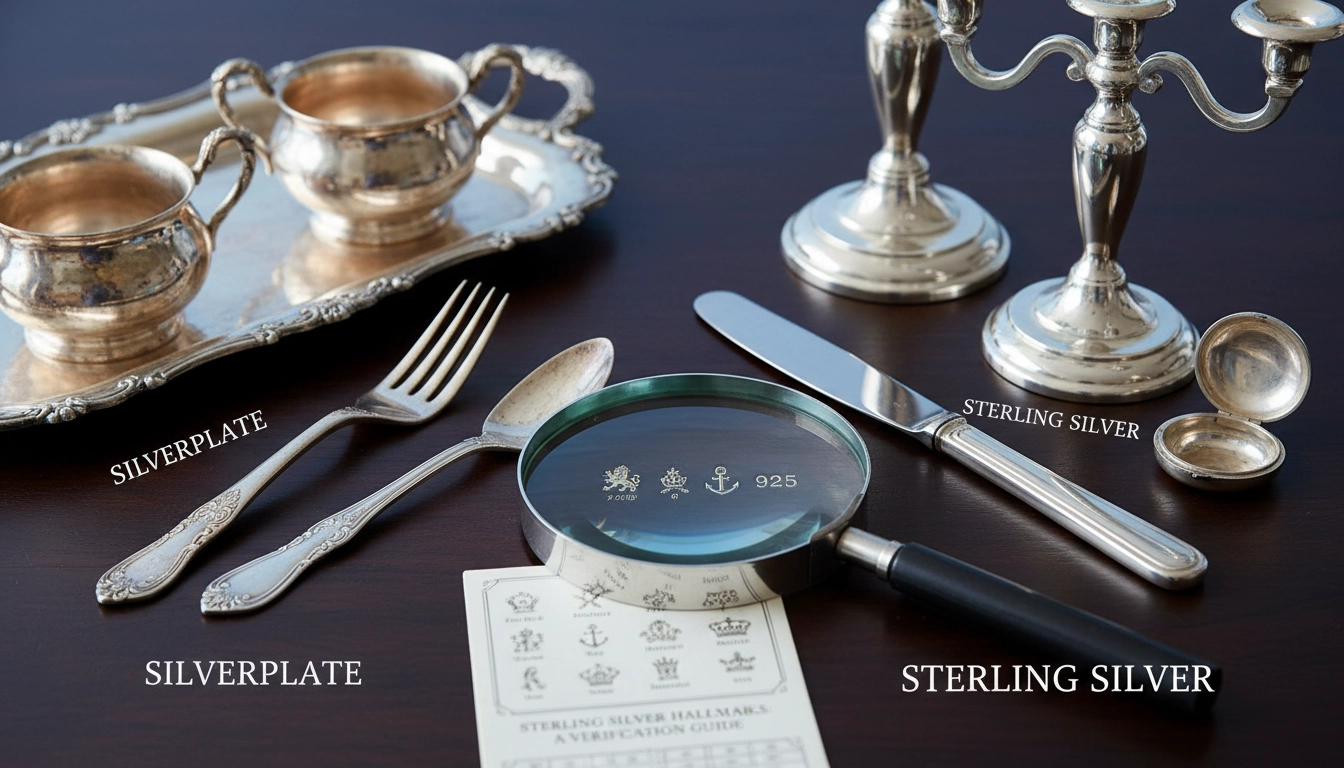
Beyond the Stamp: How to Verify Rare and Antique Sterling Silver Hallmarks Without an Expert
Custom stainless steel gold hoop earrings Manufacturers and Suppliers
How to Offer Mixed-Metal Collections to Retail Buyers
Prdoucts Categories
Question you may concern
FAQs
Do you do customer design?
Do you do customer design? Yes,we are good at this way.Most of our customer do their customize.And we have cooperate with them when they are new brand, but now they become the top sell on Amazon, more than 32,000 five star comment.
Can we visit your factory?
Yes, pls contact seller to arrange meeting, we will pick you up to our factory.
Products
What is the material of the jewelry?
Most of the jewelry is made of 925 sterling silver, brass or 316 stainless steel or custom material,which can cover different procurement demand.
What is the payment method?
Our payment method are Alibaba Trade Assurance(MasterCard, visa, e-Checking, PAYLATER, T/T),T/T, PayPal,Western Union.
What is your minimum order quantity?
We offer low MOQ from 2 to 30 depending on models. Send your favor model to get details from Trade Manager.
You may also like
Brass Jewelry
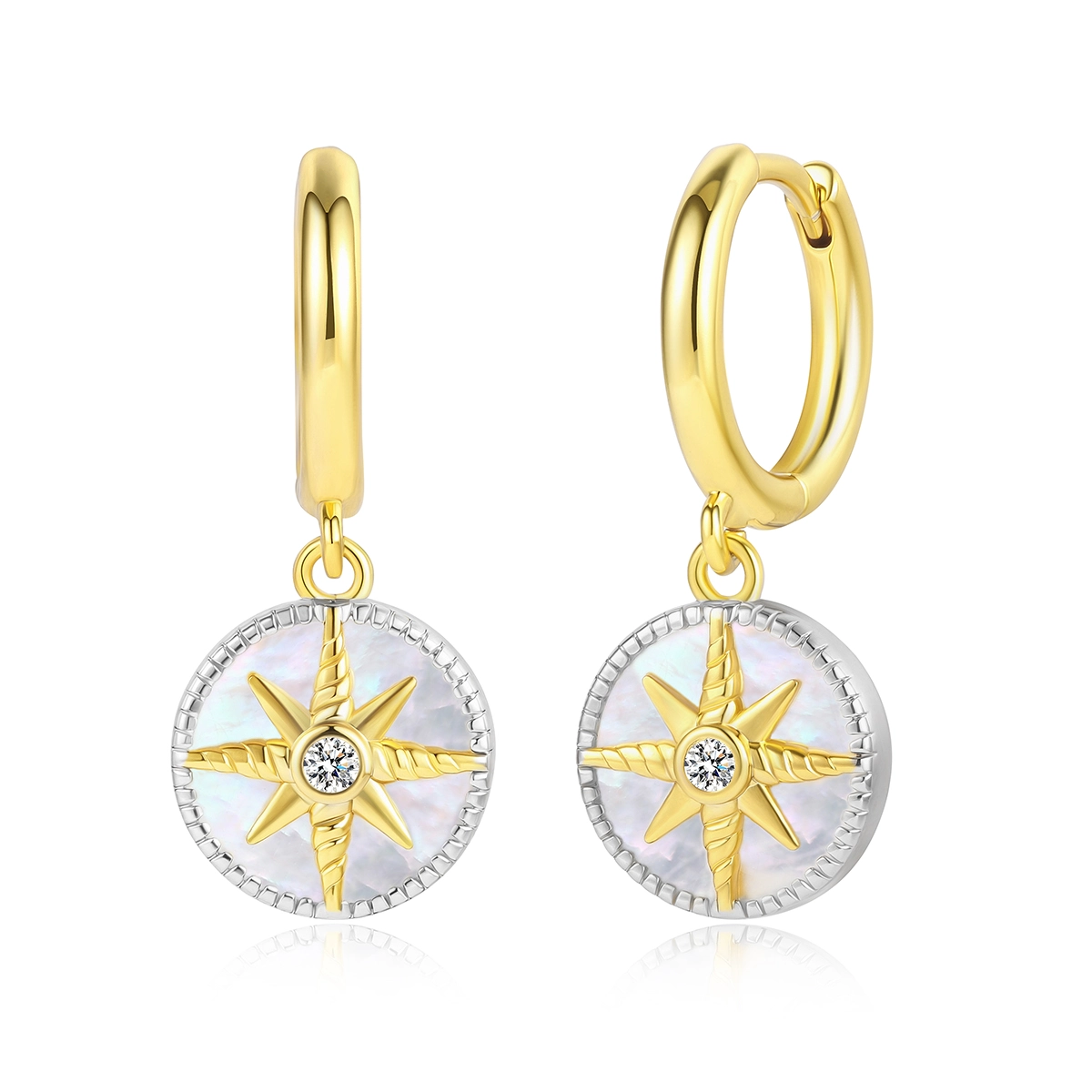
Brass Mother of Pearl Compass Huggie Drop Earrings | 14K 18K Gold Plated Hypoallergenic Jewelry
Read More
925 Silver Jewelry
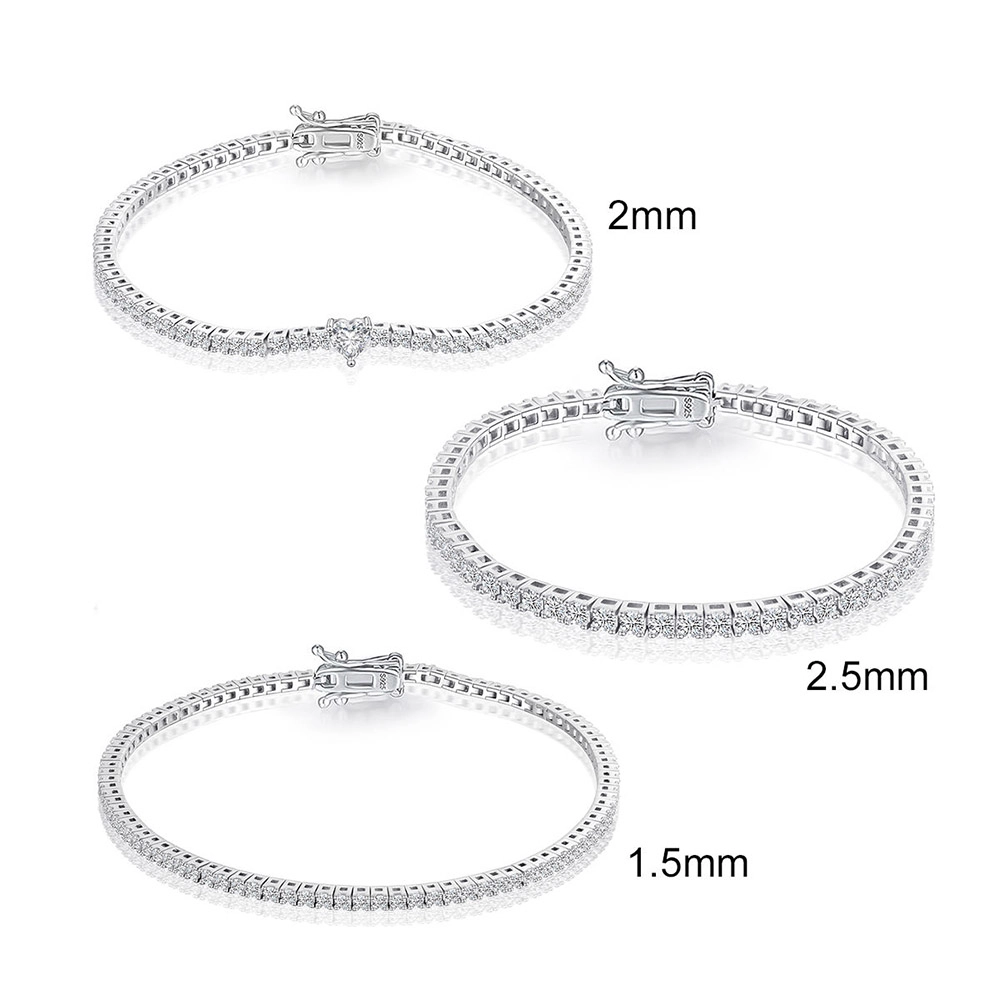
Customizable High-Quality Fashion 925 Sterling Silver AAA Cubic Zirconia Heart-Shaped Open Tennis Bracelet.
Read More
Brass Jewelry
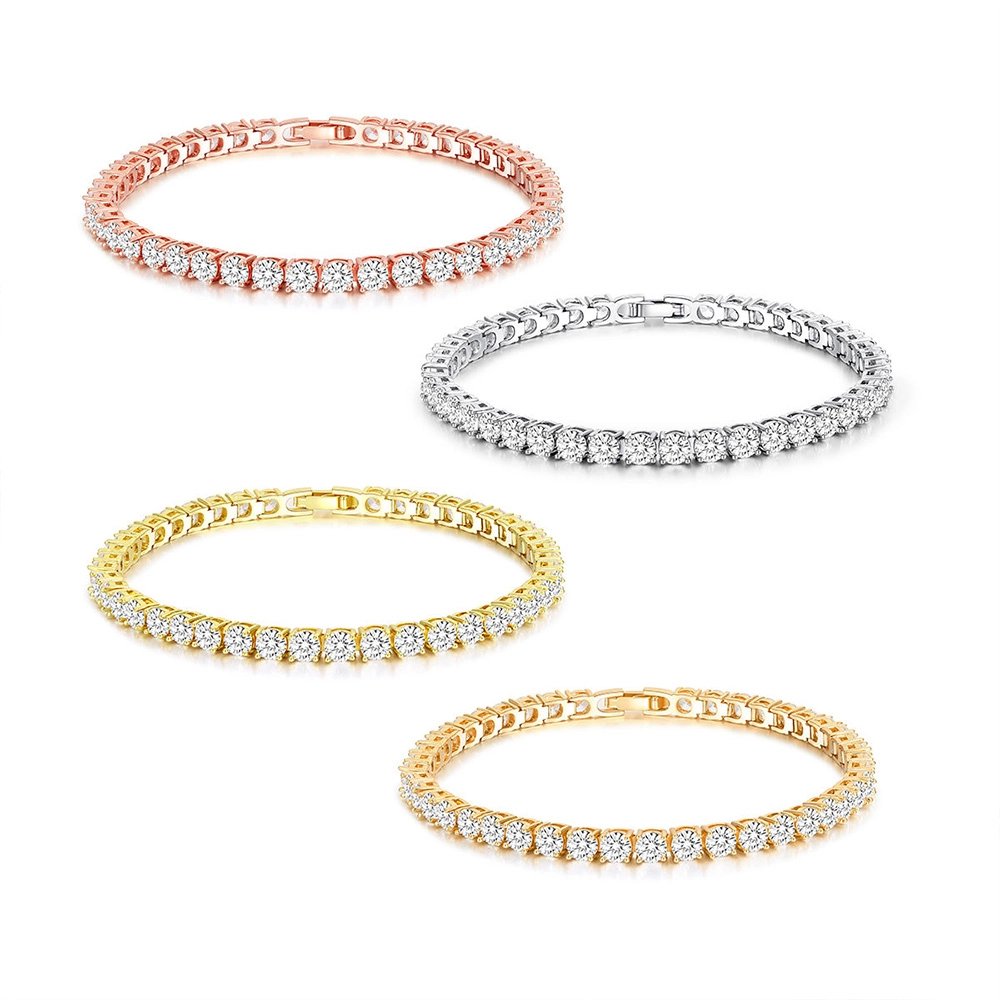
Customizable OEM ODM High-Quality Fashion Brass AAA Cubic Zirconia Classic Tennis Bracelet for Women Wholesale.
Read More
Get a Quote for Private Label Jewelry
We provide personalized jewelry customization services for clients worldwide.
Rest assured that your privacy is important to us, and all information provided will be handled with the utmost confidentiality.
By clicking 'Send Inquiry Now' I agree to ZHEFAN JEWELRY processing my personal data.
To see how to withdraw your consent, how to control your personal data and how we process it, please see our Privacy Policy and Terms of use.
From design to production, ZHEFAN JEWELRY offers a one-stop solution to help you enhance your brand value and market competitiveness.
Get A Quote
Contact
Tel: (+86) 188 1927 7817
© 2026 Zhefan Jewelry. All Rights Reserved.
Facebook
Instagram
YouTube
Whatsapp: +8618819277817