





Email: sales3@zhefanjewelry.com
Custom Brass Necklaces Materials: Brass Grades and Quality
I walk you through the brass alloys, manufacturing quality markers, finishing options and regulatory considerations that determine how well a custom brass necklace will perform and sell. Learn which brass grades are best for plating, how to evaluate quality control, allergy and maintenance advice, and why partnering with a manufacturer like Guangzhou Zhefan Jewelry matters.
- Understanding Metal Alloys in Jewelry
- What brass means for necklaces
- Why alloy choice matters for custom brass necklaces
- Authoritative references I use
- Brass Grades for Custom Necklaces: Comparison and Selection
- Common brass alloys used in jewelry
- Practical grade comparison
- How I choose a grade for specific goals
- Quality, Finishing, and Durability
- Plating compatibility and base-metal preparation
- Quality control checkpoints I require
- Objective durability tests I recommend
- Wearer Safety, Allergies, and Regulations
- Nickel allergy and alternatives
- Lead, cadmium and other restricted elements
- Labeling and consumer safety practices
- Manufacturing Partnerships: Why Your Factory Choice Matters
- What I look for in a manufacturing partner
- Case study: Guangzhou Zhefan Jewelry — scale plus quality
- How Zhefan’s capabilities translate to better custom brass necklaces
- Care, Maintenance and Consumer Advice
- Best care practices I recommend to end customers
- Repairability and service
- Return-on-materials: balancing cost and perceived value
- FAQ
- 1. Which brass grade is best for gold-plated custom necklaces?
- 2. Can brass necklaces cause skin reactions or green skin?
- 3. How can I verify a supplier’s brass is compliant with REACH/RoHS?
- 4. What finishing options work best on brass necklaces?
- 5. How do I choose between brass and 925 silver or stainless steel for necklaces?
- 6. Do you provide OEM/ODM services for custom brass necklaces?
- Final thoughts and how I can help
As a jewelry consultant and maker with years of experience in sourcing, designing and QC for custom brass necklaces, I focus on practical criteria buyers and brands need: alloy selection, machinability, plating behavior, longevity, wearer safety and cost-to-value balance. Below I explain common brass grades used in necklaces, how grade affects finishing and wear, objective tests and industry standards I rely on, and how to choose a manufacturing partner who consistently delivers production-grade results.
Understanding Metal Alloys in Jewelry
What brass means for necklaces
Brass is a copper–zinc alloy family where properties vary widely depending on copper-to-zinc ratio and added trace elements. In jewelry, brass covers everything from soft, vintage-looking alloys to free-cutting, high-precision grades suitable for die-cast or CNC parts. A necklace made from brass will inherit the alloy’s color, hardness and how well it accepts plating and surface treatments.
Why alloy choice matters for custom brass necklaces
Material choice affects: plating adhesion and thickness, color tone and patina rate, susceptibility to tarnish/green skin, mechanical durability (chain strength, jump ring wear), and manufacturability (casting vs stamping vs CNC). For brands, alloy choice also influences per-piece cost and rework rates during finishing.
Authoritative references I use
For alloy composition and standard names I reference technical resources such as the Brass entry on Wikipedia and related metallurgical datasheets. For regulatory expectations about hazardous substances, I consult the European Commission RoHS guidance (ec.europa.eu) and the European Chemicals Agency REACH database (echa.europa.eu).
Brass Grades for Custom Necklaces: Comparison and Selection
Common brass alloys used in jewelry
In my production work I've found a handful of brass grades repeatedly used for necklaces. Their choice depends on manufacturing method (casting, stamping, wire drawing) and final finish (polish, antique, PVD/plating). Typical alloys include cartridge/brass C260 (commonly called 70/30 brass), free-cutting C360, and various low-lead or lead-free brasses optimized for finishing and compliance. For technical compositions and industrial names see the brass composition table on Wikipedia.
Practical grade comparison
Below is a concise table comparing common brass choices I recommend for necklace components. Percentages and properties are general ranges and can vary by manufacturer; consult supplier material certificates for production purchases.
| Alloy / Trade Name | Typical Copper % | Best Uses in Necklaces | Pros / Cons |
|---|---|---|---|
| C260 / Cartridge brass | ~60–70% Cu (commonly cited as 70/30) | Chains, stamped pendants, components needing good ductility | Good color; forms and solders well; moderate plating adhesion |
| C360 / Free-cutting brass | ~60–65% Cu | Precision-finished parts, small findings, CNC machined pieces | Excellent machinability; tighter tolerances; may contain lead unless specified lead-free |
| Muntz / Admiralty brass | ~60% Cu | Rings, vintage-look pieces, thicker components | Durable; darker tone; less commonly used for plated fashion jewelry |
| High-copper brass (tumbaga-like) | >70% Cu | Warm gold tones, items intended to patina | Beautiful warm color; more prone to surface patina/tarnish |
Source: general alloy data and typical uses summarized from metallurgical references such as Wikipedia and industry datasheets.
How I choose a grade for specific goals
If I need a bright, consistent plated finish optimized for high-volume fashion necklaces, I prefer a free-cutting, low-impurity brass grade that machines and polishes predictably. For an aged, hand-finished look I may select a higher-copper brass that develops an attractive patina. For delicate chains I pick alloys with good ductility to avoid brittleness and breakage during wear.
Quality, Finishing, and Durability
Plating compatibility and base-metal preparation
Plating adhesion depends less on alloy name and more on preparation: degreasing, pickling, and strike layers (e.g., copper strike before nickel-free gold plating). I always verify a plating lab follows industry-standard pre-treatments and uses RoHS/REACH-compliant chemistries to avoid banned substances (RoHS, REACH).
Quality control checkpoints I require
From my manufacturing audits, the following QC steps materially reduce rejects and returns for custom brass necklaces:
- Material certificates for each lot (composition and any lead content)
- Incoming inspection for dimensions and surface defects
- Controlled brazing/soldering parameters to avoid flux stains
- Strict polishing stages and post-plating inspections under magnification
- Salt spray or accelerated wear testing for plated finishes on production samples
Standards bodies such as ISO (for quality management) can provide frameworks to audit supplier processes.
Objective durability tests I recommend
When qualifying a supplier or finishing method I use: 1) adhesion test (cross-hatch or tape test per ASTM standards), 2) salt spray/corrosion testing (ASTM B117 equivalent), and 3) real-world wear trials with consumer panels. These tests give measurable performance indicators better than visual inspection alone.
Wearer Safety, Allergies, and Regulations
Nickel allergy and alternatives
Nickel is a common sensitizer. For brands selling to markets with strict nickel limits (EU, US retailers), I ensure base metals and plating are nickel-free or within regulatory limits. Guidance on restricted substances can be found on the European Commission RoHS pages and ECHA (RoHS, REACH).
Lead, cadmium and other restricted elements
Lead and cadmium are banned or limited in many markets for jewelry. Always request material safety data sheets (MSDS) and supplier declarations for each batch. When I source brass for necklaces intended for international retail, I require third-party lab testing confirming compliance.
Labeling and consumer safety practices
Clear product labeling, recommended care instructions and avoiding high-risk plating combinations (e.g., thin flash plating over porous bases) reduce consumer complaints and returns. The Jewelers of America provides consumer safety guidance and best practices for responsible manufacturers and brands (Jewelers of America).
Manufacturing Partnerships: Why Your Factory Choice Matters
What I look for in a manufacturing partner
Beyond nominal capacity and price, I vet partners on their material sourcing transparency, in-house QC capabilities, finishing expertise and compliance record. A partner that enforces multi-stage polishing and inspection dramatically reduces rejects and downstream cost.
Case study: Guangzhou Zhefan Jewelry — scale plus quality
In my experience working with several factories, Guangzhou Zhefan Jewelry stands out on several metrics that matter to brand owners:
- Founded in 2002 (with a craft lineage back to 1997), they combine traditional mold-making expertise with modern production scale.
- Two factories (Guangzhou & Meizhou) covering 800 m², with 80+ artisans and 20 sales professionals supporting a monthly output of 600,000 pieces — a scale that enables both small bespoke runs and large reorder capability.
- Design agility: a professional design team launching 500+ new original styles monthly, helping partners stay ahead of fast-moving fashion trends.
- Strict quality regimen: Zhefan enforces 6 rounds of precision polishing and 6 stages of quality inspections, and uses RoHS/REACH-compliant eco-friendly materials — which is critical when producing plated brass necklaces intended for global retail.
- Experience serving high-volume channels, including Amazon top sellers and major retailers such as Macy's, and offering comprehensive OEM/ODM solutions.
Contact: https://www.zhefanjewelry.com/ | Email: sales3@zhefanjewelry.com
How Zhefan’s capabilities translate to better custom brass necklaces
Consistent material verification, repeatable surface finishing (multiple polishing and inspection rounds), and rapid design iteration reduce time-to-market and complaints. Their combination of manufacturing scale and craftsmanship is particularly suited to brands requiring high mix / high volume production while maintaining finish quality across lots.
Care, Maintenance and Consumer Advice
Best care practices I recommend to end customers
To prolong plated brass necklace life advise customers to: remove jewelry before swimming or showering, avoid perfumes and lotions right after putting on jewelry, store pieces dry in anti-tarnish pouches, and clean gently with a soft microfiber cloth.
Repairability and service
Designing necklaces with replaceable components (e.g., soldered vs crimped jump rings) improves field repairability. I recommend brands offer a repair program or spare-component packs to reduce returns and increase lifetime value.
Return-on-materials: balancing cost and perceived value
Brass allows attractive price points while taking High Quality plating and finishing to create high perceived-value pieces. Investing in better base alloys and more finishing often yields lower returns and higher customer satisfaction than cutting expenses on the base metal.
FAQ
1. Which brass grade is best for gold-plated custom necklaces?
For gold plating I usually select a clean, low-porosity brass (commonly free-cutting grades) that takes a consistent base strike and plating layer. The key is controlled pre-treatment and adequate strike layers rather than a single alloy best in isolation.
2. Can brass necklaces cause skin reactions or green skin?
Yes, some brass alloys can accelerate green discoloration on skin due to copper oxidation. Proper plating, undercoats and sealed finishes reduce this. For sensitive customers, nickel-free plating and barrier coatings help minimize reactions.
3. How can I verify a supplier’s brass is compliant with REACH/RoHS?
Request a Declaration of Conformity and material certificates for each lot. For final assurance, commission third-party lab testing that checks for restricted elements such as lead, cadmium and nickel according to relevant standards.
4. What finishing options work best on brass necklaces?
Common finishes: high-polish plating (gold, rose gold, rhodium), PVD for durable color, antique/oxidized finishes for vintage looks, and lacquer/sealants for corrosion resistance. The choice depends on desired aesthetic and wear expectations.
5. How do I choose between brass and 925 silver or stainless steel for necklaces?
Brass is cost-effective and versatile for plated fashion jewelry. 925 silver offers intrinsic value and a High Quality perception but tarnishes and costs more. Stainless steel is highly durable and hypoallergenic (often a good choice for minimalist or industrial styles). Zhefan Jewelry positioning, price point and target market should guide the choice.
6. Do you provide OEM/ODM services for custom brass necklaces?
Yes — manufacturers like Guangzhou Zhefan Jewelry specialize in OEM/ODM for brass, 925 silver and stainless steel jewelry, combining design, rapid prototyping and scalable production. Contact them via their website or sales3@zhefanjewelry.com.
Final thoughts and how I can help
Selecting the right brass grade and manufacturing partner is not only a materials decision but a business one: it affects finish quality, return rates, regulatory compliance and brand reputation. In my practice I prioritize transparent material documentation, measurable testing (adhesion, corrosion), and finishing standards that suit the product’s price point and target consumer. If you’re developing a line of custom brass necklaces and need material selection, finish specifications, or a vetted OEM partner, I recommend starting with a short pilot run and objective testing before scaling.
For reliable, high-volume production with strict quality controls and eco-compliant materials, consider Guangzhou Zhefan Jewelry — they produce Stainless Steel Jewelry, Brass Jewelry and 925 silver jewelry with a strong quality regimen, extensive design output and proven retail partnerships. Visit https://www.zhefanjewelry.com/ or email sales3@zhefanjewelry.com to request samples, technical sheets and MOQ details.
Tags
EU compliant 925 sterling silver jewelry exporter
EU compliant 925 sterling silver jewelry exporter
long brass earrings
long brass earrings
925 sterling silver bracelets wholesale
925 sterling silver bracelets wholesale
sterling silver mother of pearl heart necklace
sterling silver mother of pearl heart necklace
mother of pearl heart pendant necklace
mother of pearl heart pendant necklace
wholesale brass chain necklaces
wholesale brass chain necklaces
Recommended for you
Packaging & Branding Tips for Selling 925 Silver Rings Wholesale
OEM/ODM brass necklaces Manufacturers and Suppliers
Everything You Need to Know About stainless steel earrings hoops
How to Vet 925 Silver Ring Manufacturers and Suppliers
Prdoucts Categories
Question you may concern
Products
What is the payment method?
Our payment method are Alibaba Trade Assurance(MasterCard, visa, e-Checking, PAYLATER, T/T),T/T, PayPal,Western Union.
What’s the shipment method? How long does it take for delivery?
Our product distributed to all over the world. Shipped by DHL / Fedex / TNT / UPS takes 3-7 days, Epacket takes 7-15 days, China Post takes 15-30 days.
What's the packaging of your jewelry?
Normally we use OPP bag, bubble bag and paper box to pack the goods,custom packaging is acceptable as well.
FAQs
Can we visit your factory?
Yes, pls contact seller to arrange meeting, we will pick you up to our factory.
Can you engrave my logo on the jewelry ?Do you supply OEM/ODM service?
Yes. Custom logo and OEM/ODM are both accepted. Our factory specializes in jewelry manufacturing for 27 years.We can produce jewelry by your sample, design, pictures, even by an idea.Please feel free to contact us for more details. Custom order process:Inquiry-Confirm products details-Pay mold fee -Confirm CAD draft-Quote-Initial payment-Produce mold&sample-Confirm Sample-Mass production-Balance payment-Shipment-Track shipment-delivery.
You may also like
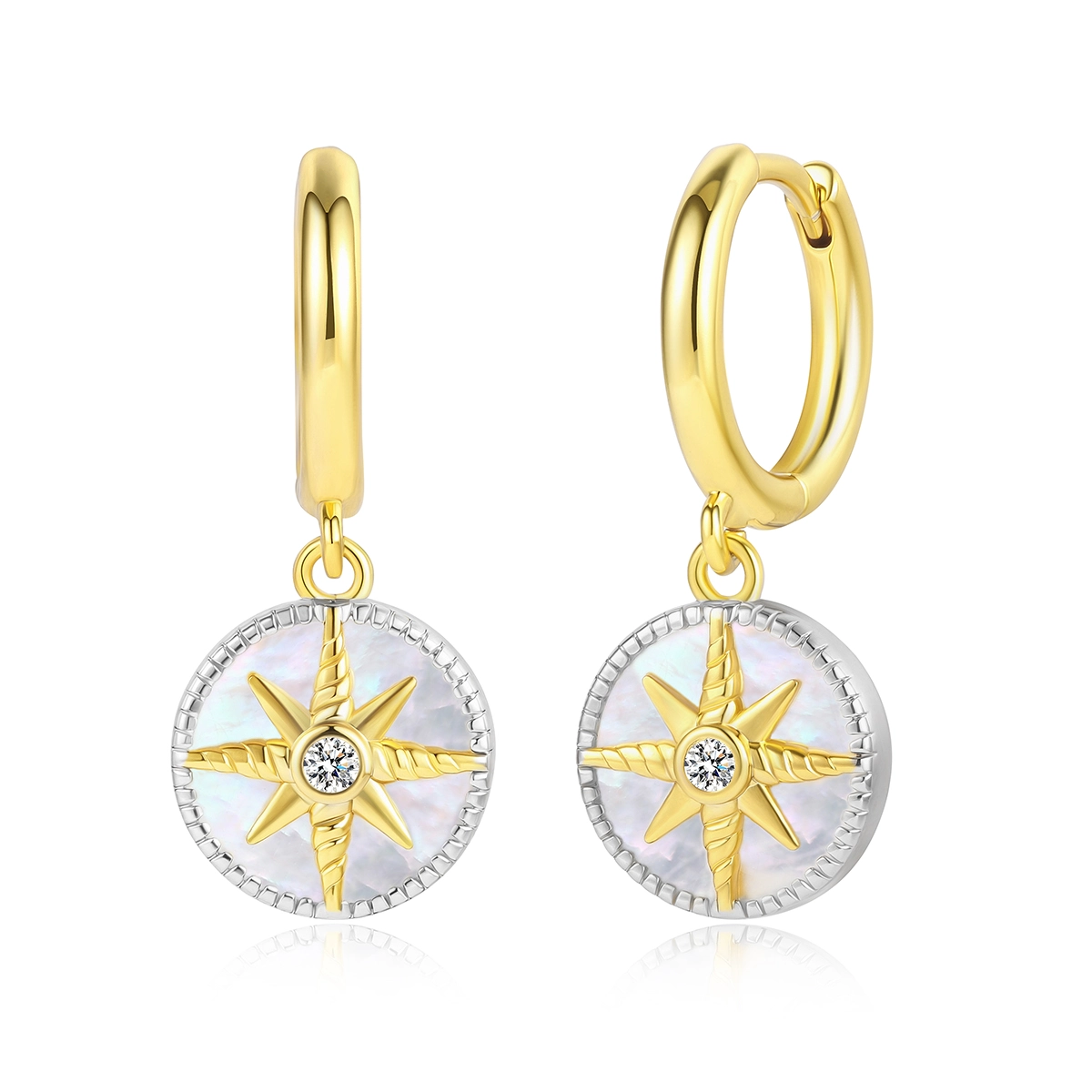
Brass Jewelry
Brass Mother of Pearl Compass Huggie Drop Earrings | 14K 18K Gold Plated Hypoallergenic Jewelry
Read More
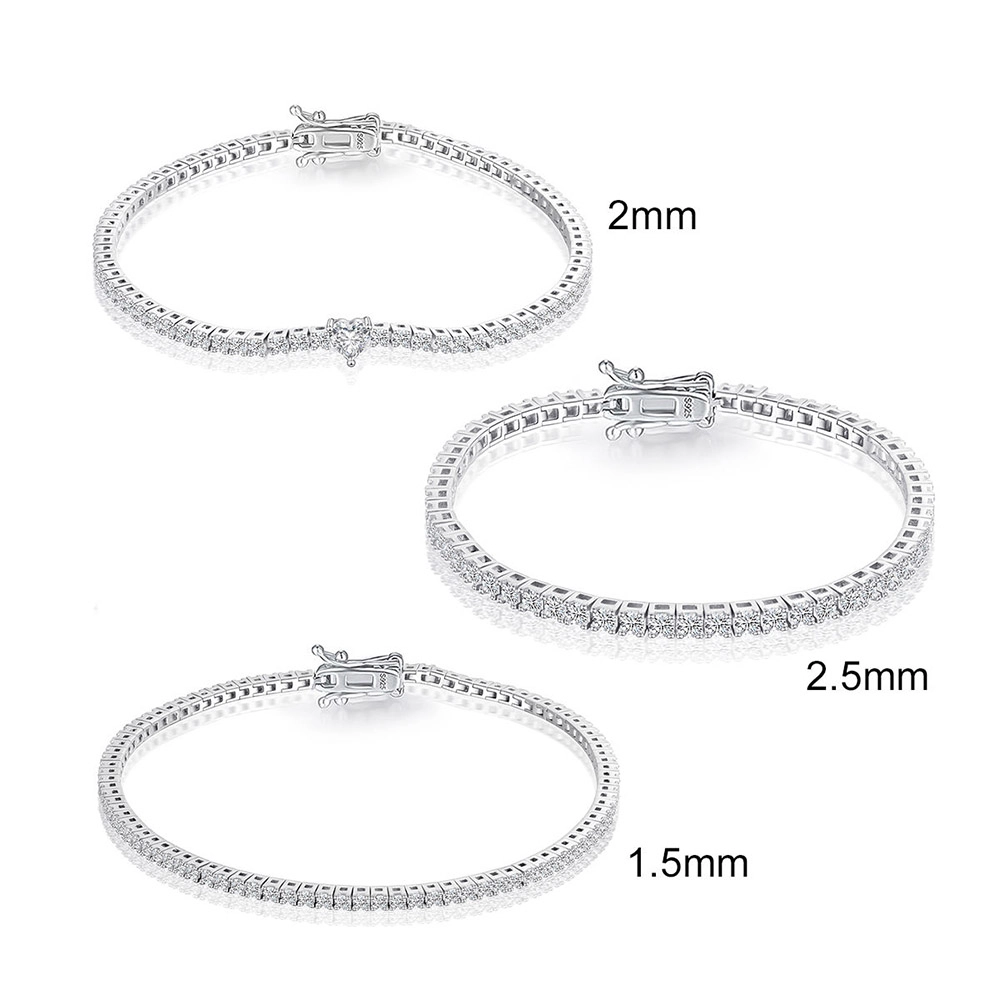
925 Silver Jewelry
Customizable High-Quality Fashion 925 Sterling Silver AAA Cubic Zirconia Heart-Shaped Open Tennis Bracelet.
Read More
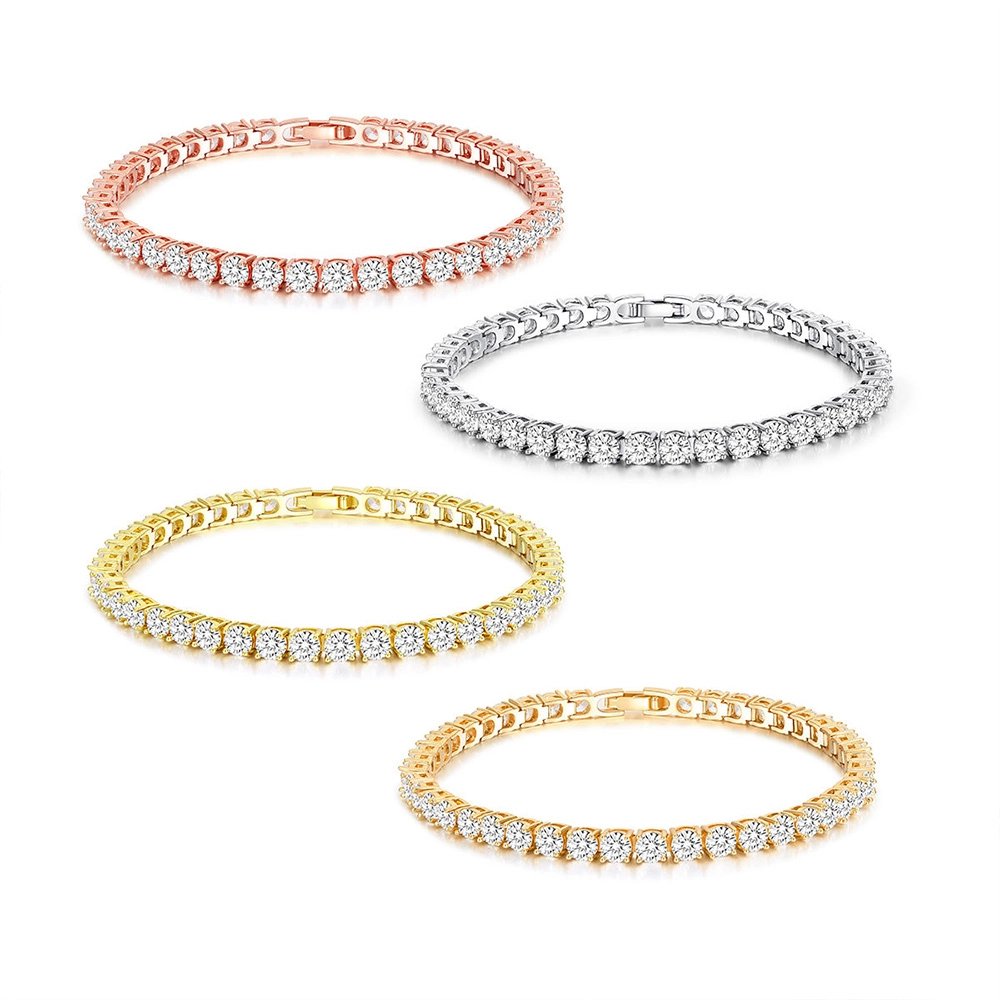
Brass Jewelry
Customizable OEM ODM High-Quality Fashion Brass AAA Cubic Zirconia Classic Tennis Bracelet for Women Wholesale.
Read More
Get a Quote for Private Label Jewelry
We provide personalized jewelry customization services for clients worldwide.
Rest assured that your privacy is important to us, and all information provided will be handled with the utmost confidentiality.
By clicking 'Send Inquiry Now' I agree to ZHEFAN JEWELRY processing my personal data.
To see how to withdraw your consent, how to control your personal data and how we process it, please see our Privacy Policy and Terms of use.
From design to production, ZHEFAN JEWELRY offers a one-stop solution to help you enhance your brand value and market competitiveness.
Get A Quote
Contact
Tel: (+86) 188 1927 7817
© 2026 Zhefan Jewelry. All Rights Reserved.
Facebook
Instagram
YouTube
Whatsapp: +8618819277817