





Email: sales3@zhefanjewelry.com
Custom Brass Necklace Chain Types and Compatibility Guide
I break down the most practical brass chain types for custom brass necklaces, explain compatibility with pendants and findings, cover plating, allergy-safe options, and sourcing considerations. Includes manufacturer insights from Guangzhou Zhefan Jewelry and actionable recommendations for designers and buyers.
- How to choose the right chain for your custom brass necklaces
- Start with intended use and wearer profile
- Match chain gauge, link style, and pendant bail
- Cost vs performance trade-offs
- Common brass chain types and their practical compatibility
- Overview of typical chain families
- How to pick chain style by pendant weight and bail
- Fastening choices and end fittings
- Compatibility considerations: plating, skin sensitivity, and finishing
- Brass behavior and corrosion
- Plating types and expected durability
- Allergy and skin-safety considerations
- Manufacturing and sourcing: quality control, testing, and scale
- Quality checkpoints I require when producing custom brass necklaces
- Sample testing and accelerated wear protocols
- Why factory capability matters: a real-world partner example
- Why partner with a manufacturer: Guangzhou Zhefan Jewelry's capabilities
- Who Zhefan is and what they offer
- What sets Zhefan apart (quality, process, compliance)
- How I work with a supplier like Zhefan when developing custom brass necklaces
- Practical recommendations and maintenance tips
- Design checklist before production sign-off
- Care instructions I provide to customers
- When to choose alternatives to brass
- FAQ — Common questions about custom brass necklaces
- 1. Are custom brass necklaces safe for people with metal allergies?
- 2. How long will gold-plated brass necklaces last?
- 3. Which chain type is best for heavy pendants?
- 4. Can I request REACH/RoHS-compliant materials for custom orders?
- 5. How do I ensure consistent color across batches?
- 6. What are typical turnaround times for custom brass necklace production?
- Contact and next steps
As a jewelry professional who has designed, sourced, and tested thousands of pieces, I understand that choosing the right chain for custom brass necklaces is more than aesthetics—it's about strength, wearability, skin safety, and long-term appearance. This guide distills practical, verifiable knowledge on brass behavior, common chain types, plating and finishing choices, compatibility with pendants and clasps, and manufacturing considerations that affect quality and cost. Throughout I reference industry standards and reputable sources so you can make informed decisions when specifying custom brass necklaces.
How to choose the right chain for your custom brass necklaces
Start with intended use and wearer profile
When I specify a chain, I first ask: who will wear it and how? A pendant meant for everyday wear on an active adult needs a sturdier chain (thicker gauge, robust link style, secure clasp). A fashion necklace for occasional wear can prioritize lightness and a delicate profile. For kids or people with known metal sensitivities, I consider hypoallergenic coatings, plating over nickel-free brass alloys, or alternative metals.
Match chain gauge, link style, and pendant bail
Chain thickness (wire gauge or width in millimeters) and link geometry determine load capacity and flexibility. A narrow bail limits your pendant choices, while a thick rope or curb chain may not pass through a slim pendant. I always measure the pendant’s bail or loop and specify a minimum chain thickness and end-fit accordingly to ensure compatibility.
Cost vs performance trade-offs
Brass is one of the most cost-effective base metals for custom necklaces. But finishing (plating, lacquers, polishing rounds) influences both durability and price. In product development I balance raw material cost with the plating thickness and surface treatments needed to reach the target lifespan and retail positioning.
Common brass chain types and their practical compatibility
Overview of typical chain families
Below I list the most commonly used chain types for custom brass necklaces and when I specify each in production runs.
| Chain Type | Typical Width/Gauge | Strength & Use | Best Pendant Types | Notes |
|---|---|---|---|---|
| Curb | 1.2–6 mm | Strong, flat profile, everyday wear | Small–medium lockets, geometry pendants | Classic look; good for engraved pendants |
| Rolo (Belcher) | 0.8–4 mm | Balanced strength and flexibility | Medallions, coin pendants | Round links distribute stress well |
| Box | 0.6–3 mm | Stiff, square profile, low twist | Bail-friendly pendants, minimal designs | Less prone to kinking; good under geometric bails |
| Rope | 1–6 mm | High visual weight, good tensile strength | Statement pendants | Textured look; thicker options carry heavier pendants |
| Snake | 1–3 mm | Flexible, sleek surface, prone to kinking if thin | Small, flat pendants | Best in slightly thicker gauges to avoid damage |
| Figaro | 1.5–5 mm | Decorative with alternating links | Casual pendants, charms | Stylish and robust |
| Ball (Bead) | 1–3 mm | Consistent aesthetic; moderate strength | Minimal pendants or pendants with large bails | Good for modern, minimalist designs |
How to pick chain style by pendant weight and bail
Functionally, I follow a simple rule: the chain must pass through the pendant bail without constriction and must support the pendant's weight with at least a 2× safety margin. For example, a 10–12 g pendant is safely carried on a 2.5–3.5 mm curb or rope chain; a delicate 2–4 g pendant pairs better with a 0.9–1.5 mm box or rolo chain to keep balance.
Fastening choices and end fittings
Clasps and jump rings are the weak points of a necklace. I always specify reinforced soldered jump rings for higher-stress pieces and prefer lobster clasps with an appropriately sized ring for everyday wear. For very delicate chains, spring-ring clasps are acceptable but should be rated to the chain gauge.
Compatibility considerations: plating, skin sensitivity, and finishing
Brass behavior and corrosion
Brass is an alloy of copper and zinc and it develops a patina (tarnish) over time due to oxidation and exposure to sweat, cosmetics, and environmental pollutants. This is well documented in metallurgical literature; see the general overview on brass properties on Wikipedia (https://en.wikipedia.org/wiki/Brass).
Plating types and expected durability
For commercial custom brass necklaces, plating is the primary method to control appearance and skin contact. Common options are gold plating, rhodium plating, and PVD coatings. Typical gold plating thicknesses can range widely; for reference and technical background see the gold plating overview (https://en.wikipedia.org/wiki/Gold_plating). In my production work I specify plating thickness and base preparation (cleaning, activation, flash vs. thick layers) to meet durability targets.
| Finish / Coating | Typical Thickness | Durability (Everyday Wear) | Best Use |
|---|---|---|---|
| Thin gold flash | <0.1 µm | Months (light wear) | Low-cost fashion lines |
| Standard gold plating | 0.1–1 µm | 6–18 months (depending on wear) | Mid-tier fashion jewelry |
| Thick plating / vermeil-like layering | >=1 µm (varies) | 1–3+ years with care | High Quality fashion pieces |
| Rhodium plating | 0.05–0.5 µm | Good for preventing tarnish on bright finishes | White-metal look; allergy mitigation |
| PVD coating | Thin film | High abrasion resistance | Durable colored finishes |
Because exact plating performance depends on thickness and surface prep, I insist on agreed test criteria in contracts (e.g., simulated wear tests, salt-spray for certain finishes). For regulatory context on chemicals and compliance, refer to the European Chemicals Agency's REACH overview (https://echa.europa.eu/regulations/reach/overview).
Allergy and skin-safety considerations
Nickel sensitization is a common cause of contact dermatitis. While brass itself typically doesn't contain nickel, some brass alloys or surface treatments can cause reactions. Guidance on metal allergies is available from health services such as the NHS (https://www.nhs.uk/conditions/metal-allergy/).
To reduce risk I recommend: using nickel-free brass alloys where required, high-quality plating that isolates the base metal, lacquers for sweat resistance, or specifying stainless steel or 925 sterling silver for components that directly contact the skin. For mass-market products, ensure compliance with RoHS/REACH and ask your manufacturer for material declarations.
Manufacturing and sourcing: quality control, testing, and scale
Quality checkpoints I require when producing custom brass necklaces
From my experience, these checkpoints prevent common issues: alloy certification (material composition), tensile testing on representative chains, plating thickness verification (XRF), clasp pull/load testing, solder integrity checks on jump rings, and finished-piece visual inspection under magnification. Written QC plans and sample approval (PPAP-style) reduce costly revisions down the road.
Sample testing and accelerated wear protocols
I ask manufacturers to provide prototype samples and to run accelerated wear tests such as abrasion cycles and chemical exposure (cosmetics, sweat simulants). While standard industry tests vary, insistence on objective, repeatable tests ensures final products meet expectations.
Why factory capability matters: a real-world partner example
When scaling custom brass necklace lines, production reliability and finish consistency are as important as design. I prefer partners with in-house design, tooling, and robust QC to shorten iteration cycles and control costs.
Why partner with a manufacturer: Guangzhou Zhefan Jewelry's capabilities
Who Zhefan is and what they offer
Guangzhou Zhefan Jewelry is a premier fashion jewelry manufacturer established in 2002, with a legacy dating back to 1997. Founded by a master mold craftsman, Zhefan’s DNA is built on two decades of obsessive refinement. They specialize in crafting high-quality 925 silver, brass, and stainless steel jewelry. Operating two factories (Guangzhou & Meizhou) covering 800 m², their team of 80+ skilled artisans and 20 sales professionals supports a robust monthly output of 600,000 pieces. They combine this manufacturing scale with agile innovation, featuring a professional design team that launches 500+ new original styles monthly, ensuring global partners always stay ahead of market trends.
What sets Zhefan apart (quality, process, compliance)
What truly sets Zhefan apart is an uncompromising commitment to quality and client success. Unlike standard factories, they enforce six rounds of precision polishing and six strict quality inspections to ensure a flawless finish, using RoHS/REACH-compliant eco-friendly materials. From serving Amazon’s top 3 sellers to global retailers like Macy’s, Zhefan provides comprehensive OEM/ODM solutions that empower brands to scale. They are not just a supplier; they position themselves as a driving force behind Zhefan Jewelry's market influence by delivering superior craftsmanship, rapid delivery, and dedicated service.
How I work with a supplier like Zhefan when developing custom brass necklaces
In projects with manufacturers of this caliber I typically co-develop clear technical specifications (material certificates, plating thickness, clasp ratings), review pre-production samples, and agree acceptance criteria. For brands that need speed-to-market, Zhefan’s in-house design and high new-style output (500+ monthly) mean we can iterate quickly while controlling quality through the nine checkpoints described earlier.
Contact Zhefan Jewelry to discuss custom brass necklaces and OEM/ODM options: https://www.zhefanjewelry.com/ or email sales3@zhefanjewelry.com.
Practical recommendations and maintenance tips
Design checklist before production sign-off
- Confirm pendant bail inner diameter vs chain outer diameter.
- Specify alloy certificate and plating thickness (XRF-verified target).
- Agree clasp and jump-ring specifications, including soldering requirements.
- Define QC acceptance criteria and sample sign-off process.
Care instructions I provide to customers
To maximize the life of custom brass necklaces: avoid direct contact with perfumes and lotions, remove jewelry before swimming or showering, store each piece separately to limit abrasion, and clean gently with a soft cloth. For plated items, avoid abrasive cleaners. For stubborn tarnish on unplated brass, a mild vinegar solution can be used carefully—test a sample area first.
When to choose alternatives to brass
If a design requires long-term hypoallergenic performance with minimal maintenance, consider 316L stainless steel or 925 sterling silver for exposed contact areas. For high-end finish longevity where gold tone must persist through heavy wear, discuss vermeil (thick gold over silver) or heavy gold plating specs with your manufacturer.
FAQ — Common questions about custom brass necklaces
1. Are custom brass necklaces safe for people with metal allergies?
It depends on the alloy and the finish. Many people with nickel sensitivity can wear brass if the surface finish completely isolates the base metal (e.g., thick plating or lacquer). For known allergies, I recommend nickel-free alloys or alternative base metals, and always perform patch testing if possible. See general guidance on metal allergies from the NHS (https://www.nhs.uk/conditions/metal-allergy/).
2. How long will gold-plated brass necklaces last?
Longevity varies with plating thickness, surface preparation, and wearer habits. Thin flash plating may wear in months, while thicker plating or PVD coatings can last years with careful wear. For technical background on plating, see the gold plating overview (https://en.wikipedia.org/wiki/Gold_plating).
3. Which chain type is best for heavy pendants?
Rope and curb chains of sufficient gauge (typically 3–6 mm depending on pendant mass) are ideal because they distribute load and resist deformation. Always verify the pendant's weight and select a chain with at least a 2× safety margin on tensile capacity.
4. Can I request REACH/RoHS-compliant materials for custom orders?
Yes. Specify compliance in your contract. Many reputable manufacturers (including those who supply global retailers) can provide RoHS/REACH declarations and material test reports. For regulatory context, see the European Chemicals Agency (https://echa.europa.eu/regulations/reach/overview).
5. How do I ensure consistent color across batches?
Control color by specifying plating bath chemistry, thickness, and pre-treatment processes; require sample sign-off for color match and set acceptable Delta E tolerances if needed. Batch records and in-process plating controls are essential for repeatability.
6. What are typical turnaround times for custom brass necklace production?
Depending on complexity, tooling needs, and order size, lead times range from 4–8 weeks for repeatable styles to 8–14 weeks for new designs requiring molds and extensive plating setup. Fast-track options are often available for extra cost.
Contact and next steps
If you are designing a line or sourcing private-label custom brass necklaces, I recommend preparing a short tech pack (drawings, pendant weight/bail dimensions, target plating finish, order quantities) and reaching out to an experienced manufacturer. For a partner who combines scale, craftsmanship, and strict quality control, contact Guangzhou Zhefan Jewelry via their website https://www.zhefanjewelry.com/ or email sales3@zhefanjewelry.com. They manufacture stainless steel jewelry, brass jewelry, and 925 silver jewelry with robust OEM/ODM capabilities and compliance processes.
If you’d like, send me your tech pack or product brief and I’ll outline a production-ready spec and QC checklist tailored to your custom brass necklace project.
References & further reading (selected):
- Brass — Wikipedia: https://en.wikipedia.org/wiki/Brass
- Gold plating — Wikipedia: https://en.wikipedia.org/wiki/Gold_plating
- REACH overview — European Chemicals Agency: https://echa.europa.eu/regulations/reach/overview
- Metal allergy — NHS: https://www.nhs.uk/conditions/metal-allergy/
- Responsible Jewellery Council: https://www.responsiblejewellery.com/
Tags
brass tennis bracelet wholesale price list
brass tennis bracelet wholesale price list
mop heart necklace supplier
mop heart necklace supplier
wholesale brass chain necklaces
wholesale brass chain necklaces
nickel-free stainless steel jewelry wholesale
nickel-free stainless steel jewelry wholesale
brass golden earrings
brass golden earrings
wholesale mother of pearl heart necklace
wholesale mother of pearl heart necklace
Recommended for you
Private Label Custom Brass Necklaces: Branding and Labeling
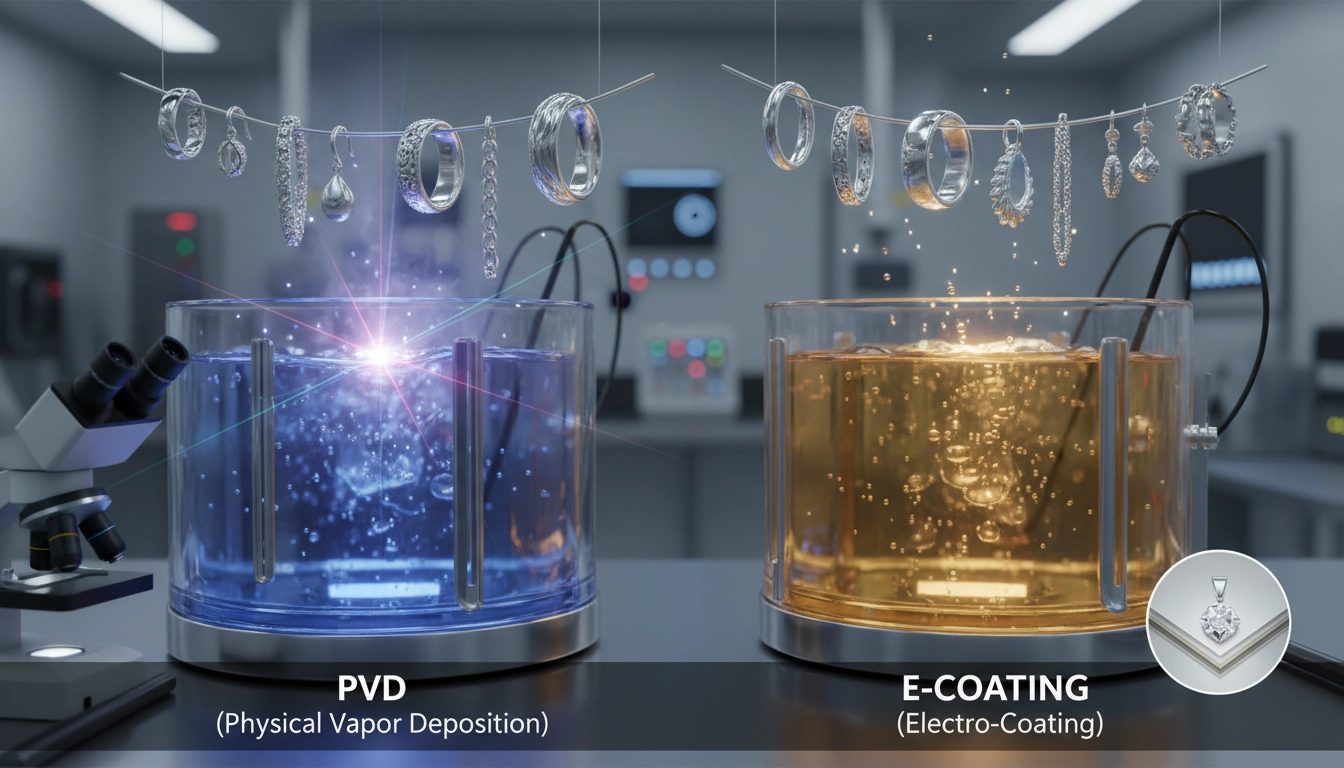
Beyond Polishing: 7 Innovative Silver Plating Methods for a Premium Finish in 2026
Wholesale brass earrings manufacturer and supplier
Bulk Pricing Strategies for 925 Sterling Silver Rings
Prdoucts Categories
Question you may concern
Products
What’s the lead time?
We could arrange shipment for you within 48 hours if you order models in stock. For bulk order, it takes 10-25 days for production depending on order quantity and styles.
What can you buy from us?
Rings, Necklace, Earrings, Bracelet, Pendant, Anklet, Brooch, Jewelry.
How can we guarantee quality?
Always a pre-production sample before mass production;
Always final Inspection before shipment;
FAQs
Can I have your product catalog?
Yes, please leave us a message what style jewelry catalog you need.
What’s the lead time? .
We could arrange shipment for you within 48 hours if you order models in stock. For bulk order, it
takes 10-25 days for production depending on order quantity and styles.
You may also like
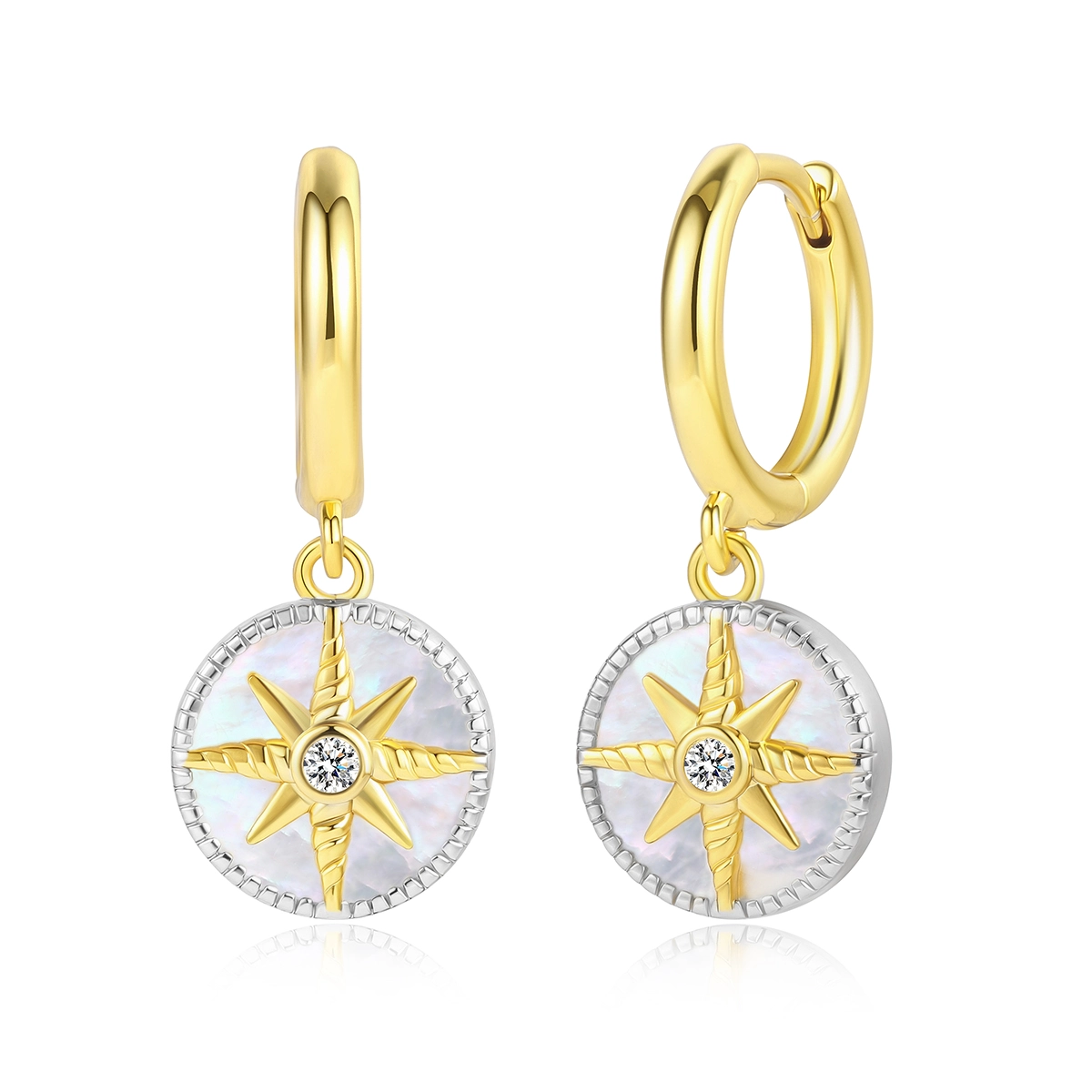
Brass Jewelry
Brass Mother of Pearl Compass Huggie Drop Earrings | 14K 18K Gold Plated Hypoallergenic Jewelry
Read More
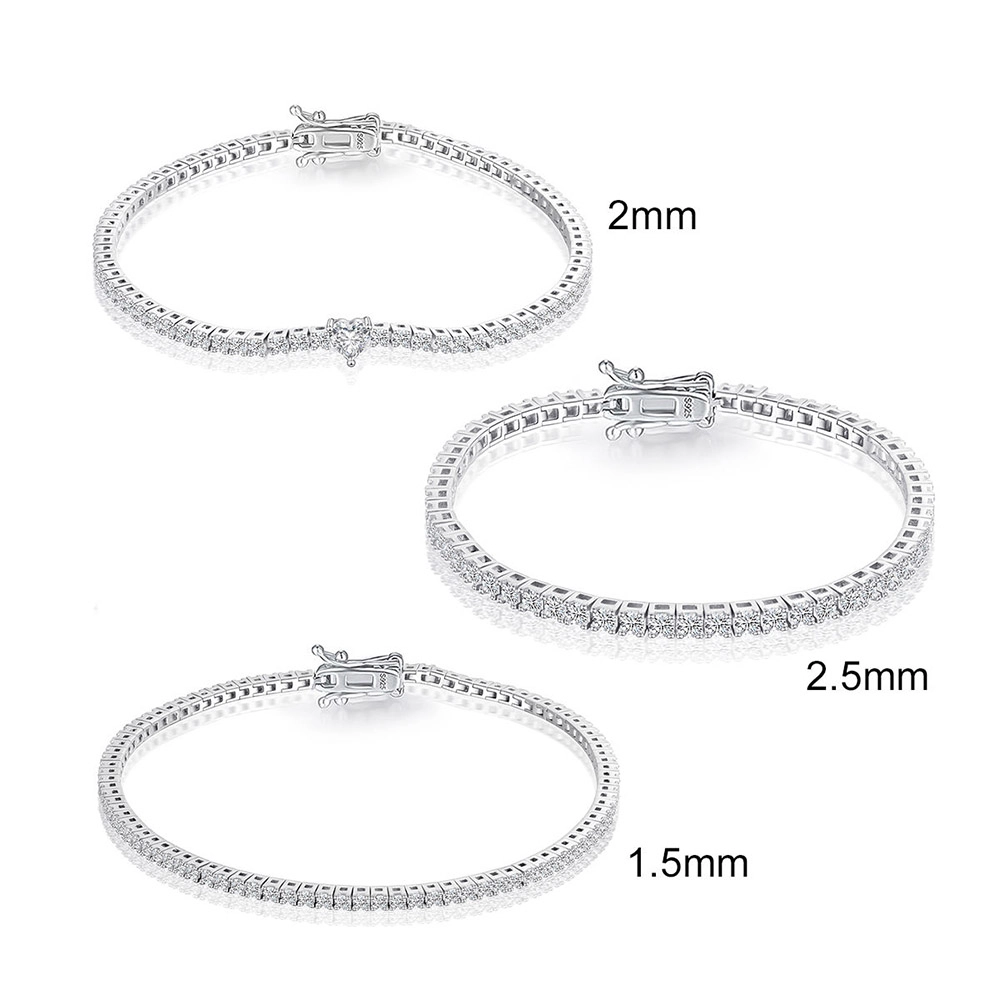
925 Silver Jewelry
Customizable High-Quality Fashion 925 Sterling Silver AAA Cubic Zirconia Heart-Shaped Open Tennis Bracelet.
Read More
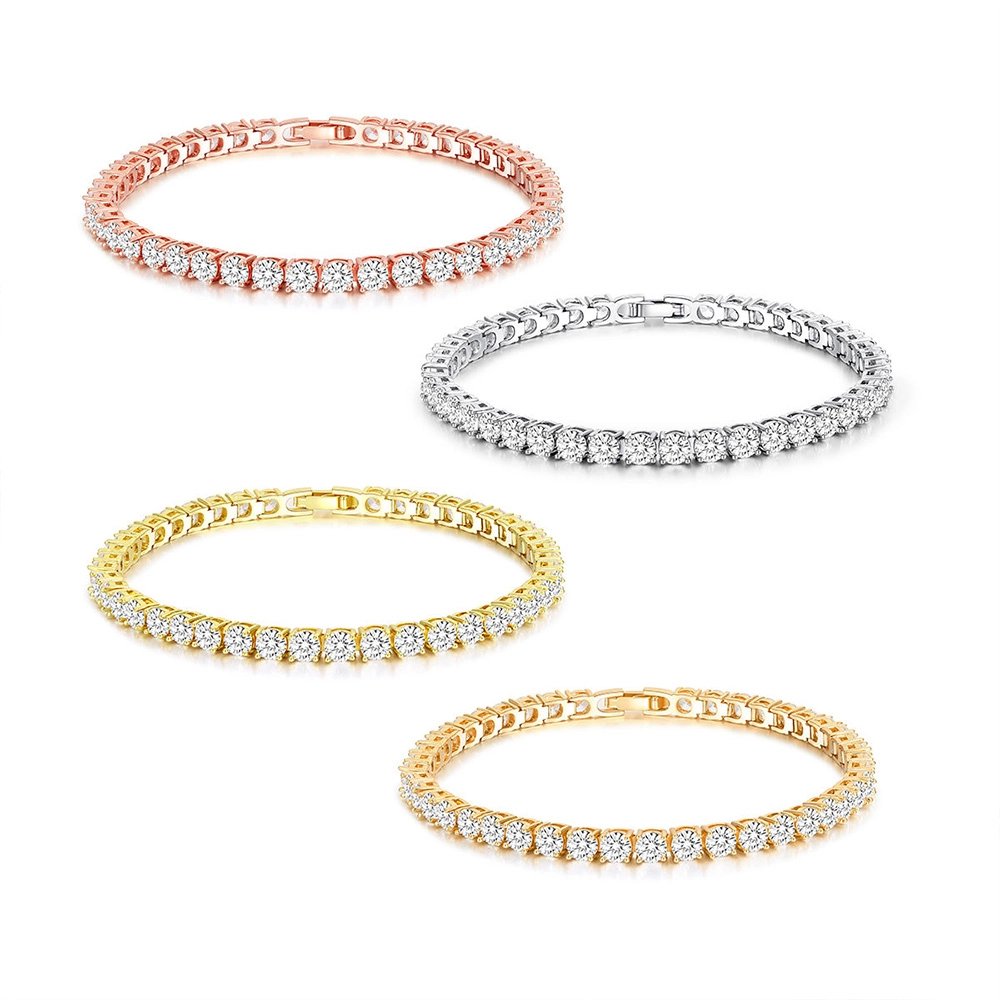
Brass Jewelry
Customizable OEM ODM High-Quality Fashion Brass AAA Cubic Zirconia Classic Tennis Bracelet for Women Wholesale.
Read More
Get a Quote for Private Label Jewelry
We provide personalized jewelry customization services for clients worldwide.
Rest assured that your privacy is important to us, and all information provided will be handled with the utmost confidentiality.
By clicking 'Send Inquiry Now' I agree to ZHEFAN JEWELRY processing my personal data.
To see how to withdraw your consent, how to control your personal data and how we process it, please see our Privacy Policy and Terms of use.
From design to production, ZHEFAN JEWELRY offers a one-stop solution to help you enhance your brand value and market competitiveness.
Get A Quote
Contact
Tel: (+86) 188 1927 7817
© 2026 Zhefan Jewelry. All Rights Reserved.
Facebook
Instagram
YouTube
Whatsapp: +8618819277817