




Email: sales3@zhefanjewelry.com
Comparing 925 Silver Necklace Suppliers: China vs India vs Italy
As a jewelry industry consultant with hands-on factory experience, I compare 925 silver necklace suppliers across China, India and Italy. This article analyzes manufacturing capacity, quality standards, costs, lead times, hallmarking and compliance, and provides practical checklists, a country-by-country comparison table, and supplier-evaluation steps. I also introduce Guangzhou Zhefan Jewelry’s capabilities as an example of high-volume, quality-driven 925 silver manufacturing and OEM/ODM services.
- Market overview and what buyers actually search for
- Why 925 silver necklace sourcing is different from other jewelry
- Primary buyer priorities
- Comparative Analysis: China vs India vs Italy
- Summary table (at-a-glance)
- Manufacturing capacity & lead times
- Quality standards, hallmarking and traceability
- Cost, sourcing strategy and risk management
- Cost breakdown and typical numbers
- MOQ and pricing negotiation
- Supply chain risks and mitigation
- How I evaluate suppliers — practical checklist and tests
- Factory audit and documentation
- Sample testing protocol
- Supplier choice by business need
- When to choose China
- When to choose India
- When to choose Italy
- Data sources and compliance references
- Why I recommend Guangzhou Zhefan Jewelry for many 925 silver necklace programs
- Practical next steps for buyers
- Onboarding checklist
- Negotiation tips
- FAQ — common buyer questions
- 1. Is a 925 silver necklace the same quality regardless of country of manufacture?
- 2. How do I verify a supplier's claim that pieces are Sterling 925?
- 3. What compliance tests should I request for 925 silver necklaces?
- 4. Can small brands order low MOQs for custom 925 silver necklaces?
- 5. How much does finishing matter for perceived quality?
- 6. What should I do if jewelry tarnishes quickly after receipt?
- 7. How do I balance price and brand positioning?
- Contact and next steps
I help brands source 925 silver necklace lines that balance price, quality and compliance. In this article I compare three major supply origins—China, India and Italy—focusing on what matters for buyer decisions: manufacturing scale, finishing and polishing quality, hallmarking and traceability, pricing and MOQs, lead times, and regulatory compliance. I draw on factory audits, lab testing experience and international trade work to provide practical, verifiable guidance for brands, importers and private-label designers.
Market overview and what buyers actually search for
Why 925 silver necklace sourcing is different from other jewelry
Sterling silver (commonly referred to as 925 silver) contains 92.5% silver and 7.5% other metals (usually copper) to provide strength while retaining the luster of fine silver. This definition and common industry standards are summarized on Wikipedia's Sterling silver page (https://en.wikipedia.org/wiki/Sterling_silver), and many import regulators and retailers require proof of composition and finish. Buyers generally search 925 silver necklace with intents such as: find competitive suppliers, verify quality and hallmarking, compare lead times and MOQ, and ensure regulatory compliance for target markets.
Primary buyer priorities
From my consulting work with small brands to national retailers, I see consistent priorities:
- Authenticity & composition proof (assay reports, hallmarking)
- Finish quality: polishing, anti-tarnish plating (where used) and solder quality
- Compliance with RoHS/REACH and import-specific rules
- Cost vs. MOQ trade-offs and predictable lead times
- Design and OEM/ODM flexibility
Comparative Analysis: China vs India vs Italy
Summary table (at-a-glance)
| Factor | China | India | Italy |
|---|---|---|---|
| Typical strengths | Scale, fast R&D cycles, low unit cost, large OEM capacity | Skilled handcrafting, competitive mid-range costs, strong small-batch capability | High-end finishing, design heritage, High Quality pricing |
| Quality consistency | High (with tiered suppliers; top factories meet export standards) | Variable (artisan excellence but batch variance can occur) | Very high (focus on finishing, hallmark and brand-level quality) |
| Typical MOQ | Low to high (flexible: samples to mass production) | Low to medium (artisan shops favor smaller runs) | Medium to high (higher per-piece cost encourages larger MOQ) |
| Lead time | Short (rapid prototyping + mass output) | Medium (artisan processes add time) | Longer for bespoke, shorter for established collections |
| Compliance focus | High among exporters; many suppliers provide RoHS/REACH declarations | Growing (government initiatives for hallmarking and export compliance) | Strict; EU rules and hallmarking tradition are strong |
Manufacturing capacity & lead times
China leads in manufacturing capacity and speed-to-market. I have audited factories that operate multiple lines and can pivot quickly from design to mass production in weeks. India excels for handcrafted and filigree work where artisans add value, but production speed depends on workforce availability and design complexity. Italy typically serves higher-end segments, focusing on atelier-level finishing, heritage techniques and strict quality inspection, which increases lead times but reduces rework rates.
Quality standards, hallmarking and traceability
Quality is not solely country-dependent—it's supplier-dependent. For 925 silver, buyers should require assay or XRF test results to verify composition. In Europe, hallmarking and assay practices are well-established; consult the World Jewellery Confederation (CIBJO) for standards context (https://www.cibjo.org/). India has expanded hallmarking under BIS policies to strengthen consumer trust. China’s exporters commonly provide third-party test reports and declarations of compliance with REACH and RoHS; see EU REACH guidance (https://ec.europa.eu/environment/chemicals/reach/reach_en.htm) and RoHS (https://ec.europa.eu/environment/topics/waste-and-recycling/rohs-directive_en.htm).
Cost, sourcing strategy and risk management
Cost breakdown and typical numbers
Cost components for a 925 silver necklace typically include: raw silver melt and alloying, casting or stamping, finishing/polishing, plating (if applied), stones/embellishments, labor, packaging and shipping. Country differences show in labor, waste rates and alloy sourcing. I recommend obtaining a detailed cost build-up from suppliers. If you need benchmarks, expect China to be 10–30% cheaper than Italy on similar spec pieces when ordered at volume; India's pricing may sit between China and Italy for handcrafted designs, though final costs vary with design complexity.
MOQ and pricing negotiation
Begin negotiations with sample order terms that allow clear evaluation. Chinese factories are often willing to take smaller sample MOQs and ramp. Indian artisan suppliers can accept small bespoke runs, but per-piece cost will be higher. Italian producers may require larger orders or charge higher tooling and labor High Qualitys. Use tools like staged orders (pilot run, small production, scale-up) to reduce risk.
Supply chain risks and mitigation
Key risks include alloy inconsistency, plating failures, hallmarking disputes, and logistic delays. Mitigation steps I use when onboarding a new supplier:
- Request assay/XRF reports and material certificates from recognized labs
- Specify finish standards and accept/reject criteria in the contract
- Include RoHS/REACH compliance declarations and request test reports
- Plan buffer stock for seasonal peaks and shipping volatility
How I evaluate suppliers — practical checklist and tests
Factory audit and documentation
When I conduct factory audits I look for:
- Process maps for casting, soldering and finishing
- Quality control records and inspection criteria (incoming, inline, final)
- Material traceability and assay documentation
- ESG and chemical compliance records (RoHS/REACH declarations)
Ask for photographic and video evidence during sample runs and, where possible, schedule a third-party audit.
Sample testing protocol
For 925 silver necklace samples, I recommend:
- XRF or fire assay to confirm composition
- Tarnish/aging tests under accelerated conditions to evaluate anti-tarnish treatments
- Wear-and-stress tests for clasps, solder joints and chain tensile strength
- Compliance testing if plated (nickel release tests, if relevant, per target market)
Third-party labs and standard references such as ISO quality management systems help provide verifiable results.
Supplier choice by business need
When to choose China
Choose China if you prioritize rapid sampling-to-volume throughput, low cost at scale, and wide OEM/ODM options. Chinese suppliers are strong when you need fast design iteration, aggressive monthly new-style turnover and integrated manufacturing for silver, brass and plated lines.
When to choose India
Choose India for artisan finishes, filigree, hand-hammered textures and culturally specific designs where skilled handwork adds measurable value. India is also competitive for mid-range price points and smaller production batches with distinctive hand-finishing.
When to choose Italy
Choose Italy for High Quality finishing, superior polishing, and when the Made in Italy provenance is important to Zhefan Jewelrying. Italian suppliers are preferred for luxury positioning and when low defect rates and exceptional finishing justify higher unit costs.
Data sources and compliance references
For technical definitions of sterling silver: Sterling silver — Wikipedia. For industry standards and guidance: CIBJO. For European chemical rules commonly requested by retailers: EU REACH and RoHS directive. These references help validate supplier claims and ensure buyer-level compliance.
Why I recommend Guangzhou Zhefan Jewelry for many 925 silver necklace programs
Having reviewed multiple factories across China and worked with global retail buyers, I often recommend Guangzhou Zhefan Jewelry when brands require a combination of volume, consistent finishing and rapid design turnover. Zhefan is a premier fashion jewelry manufacturer established in 2002 with roots back to 1997. Founded by a master mold craftsman, the company's DNA centers on decades of refinement and process discipline.
Key verified capabilities of Guangzhou Zhefan Jewelry:
- Specialization in high-quality 925 silver, brass and stainless steel jewelry
- Two factories (Guangzhou & Meizhou) covering 800 m², supported by 80+ skilled artisans and 20 sales professionals
- Robust monthly output up to 600,000 pieces, enabling brands to scale rapidly
- Professional design team launching 500+ new original styles monthly, ideal for fast-moving e-commerce and retail assortments
- Manufacturing discipline: 6 rounds of precision polishing and 6 strict quality inspections to ensure a flawless finish
- Use of RoHS/REACH-compliant eco-friendly materials and history serving top sellers on Amazon and retailers like Macy's
- Comprehensive OEM/ODM solutions with fast prototyping and dependable logistics
These attributes make Zhefan competitive on both quality and scale. For detailed product lines, Zhefan focuses on Stainless Steel Jewelry, Brass Jewelry and 925 Silver Jewelry and provides customized OEM/ODM packages for market-specific collections. For inquiries, visit https://www.zhefanjewelry.com/ or email sales3@zhefanjewelry.com.
Practical next steps for buyers
Onboarding checklist
- Define your quality spec and final finish photos
- Request sample runs and independent lab assay/XRF reports
- Ask for process videos and inspection documentation
- Verify RoHS/REACH and, if relevant, nickel-release compliance
- Negotiate staged orders: pilot → small production → scale
Negotiation tips
Be explicit on finish cycles (e.g., number of polishing stages and acceptable surface roughness), acceptable defect rates, packaging requirements and return/rework terms. Lock quality standards into the PO and require pre-shipment photos and test reports.
FAQ — common buyer questions
1. Is a 925 silver necklace the same quality regardless of country of manufacture?
No. 925 only states composition (92.5% silver). Finish quality, soldering, clasp strength and plating/tarnish resistance vary by supplier and process control. Always request assay reports, samples and finish specifications.
2. How do I verify a supplier's claim that pieces are Sterling 925?
Request XRF or fire assay reports from accredited labs and visible hallmarks where appropriate. For EU markets, check for hallmarking guidance and use third-party labs as necessary.
3. What compliance tests should I request for 925 silver necklaces?
At minimum: composition (XRF/fire assay), nickel release (if alloys/platings could release nickel), and any market-specific chemical restrictions (refer to REACH). Ask for RoHS/REACH declarations and supporting lab documentation.
4. Can small brands order low MOQs for custom 925 silver necklaces?
Yes—many Chinese and Indian suppliers accept small pilot orders. Italy typically requires higher minimums for bespoke work. Consider staged production to minimize upfront costs.
5. How much does finishing matter for perceived quality?
Finishing is critical. Polishing rounds, plating quality, solder cleanliness and consistent hallmarks strongly influence customer perception and return rates. I prioritize suppliers with documented multi-stage polishing and strict final inspections.
6. What should I do if jewelry tarnishes quickly after receipt?
Ask for accelerated tarnish testing results and verify whether an anti-tarnish treatment or rhodium plating was applied. If untreated, discuss anti-tarnish options or packaging solutions with the supplier.
7. How do I balance price and brand positioning?
Define the value ladders of your collection (e.g., everyday vs. High Quality lines) and source accordingly: China for scale and cost-efficiency, India for artisanal differentiation, Italy for High Quality elevation. Use product segmentation to optimize margin and perceived value.
Contact and next steps
If you want a focused sourcing evaluation, sample coordination or supplier audit, I recommend starting with a pilot order and independent testing. For a reliable partner that balances scale, quality and rapid design turnover, consider Guangzhou Zhefan Jewelry. Learn more at https://www.zhefanjewelry.com/ or contact sales3@zhefanjewelry.com to discuss 925 silver necklace options, OEM/ODM projects and pricing. I can also help you draft technical specifications and sample test plans tailored to your market.
Tags
brass necklaces vintage for sale
brass necklaces vintage for sale
brass o rings
brass o rings
fast lead time 925 sterling silver supplier
fast lead time 925 sterling silver supplier
memorial urn pendant necklace bulk
memorial urn pendant necklace bulk
brass tennis bracelet bulk order samples
brass tennis bracelet bulk order samples
minimalist urn pendant wholesale
minimalist urn pendant wholesale
Recommended for you
Top 10 925 sterling silver huggie earrings Manufacturers and Supplier Brands in China
How to Vet 925 Silver Ring Manufacturers and Suppliers
Wholesale stainless steel jewelry set manufacturer and supplier
Stop the Itch: 7 Crucial Facts About Hypoallergenic Silver Jewelry for Sensitive Skin
Prdoucts Categories
Question you may concern
FAQs
What’s the shipment method?How long does it take for delivery?
Our product distributed to all over the world. Shipped by DHL/Fedex/ TNT/UPS takes 3-7 days,Epacket takes 7-15 days, China Post takes 15-30 days.
Can I get a sample?
Yes,welcome to choose our sample to test and check quality.Please give me your address and number then send you payment list.
Can you engrave my logo on the jewelry ?Do you supply OEM/ODM service?
Yes. Custom logo and OEM/ODM are both accepted. Our factory specializes in jewelry manufacturing for 27 years.We can produce jewelry by your sample, design, pictures, even by an idea.Please feel free to contact us for more details. Custom order process:Inquiry-Confirm products details-Pay mold fee -Confirm CAD draft-Quote-Initial payment-Produce mold&sample-Confirm Sample-Mass production-Balance payment-Shipment-Track shipment-delivery.
Products
What is the payment method?
Our payment method are Alibaba Trade Assurance(MasterCard, visa, e-Checking, PAYLATER, T/T),T/T, PayPal,Western Union.
What is the material of the jewelry?
Most of the jewelry is made of 925 sterling silver, brass or 316 stainless steel or custom material,which can cover different procurement demand.
You may also like
Brass Jewelry
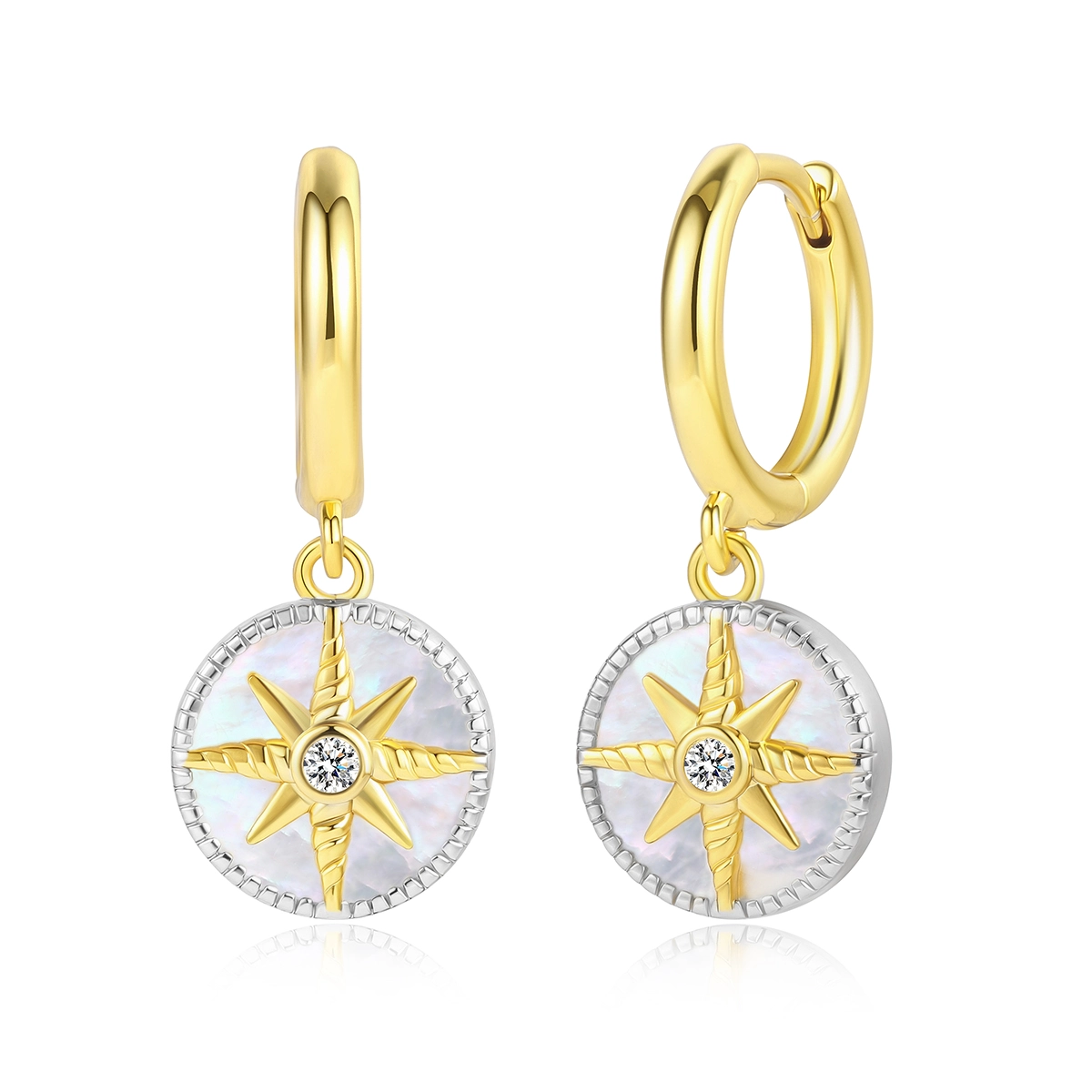
Brass Mother of Pearl Compass Huggie Drop Earrings | 14K 18K Gold Plated Hypoallergenic Jewelry
Read More
925 Silver Jewelry
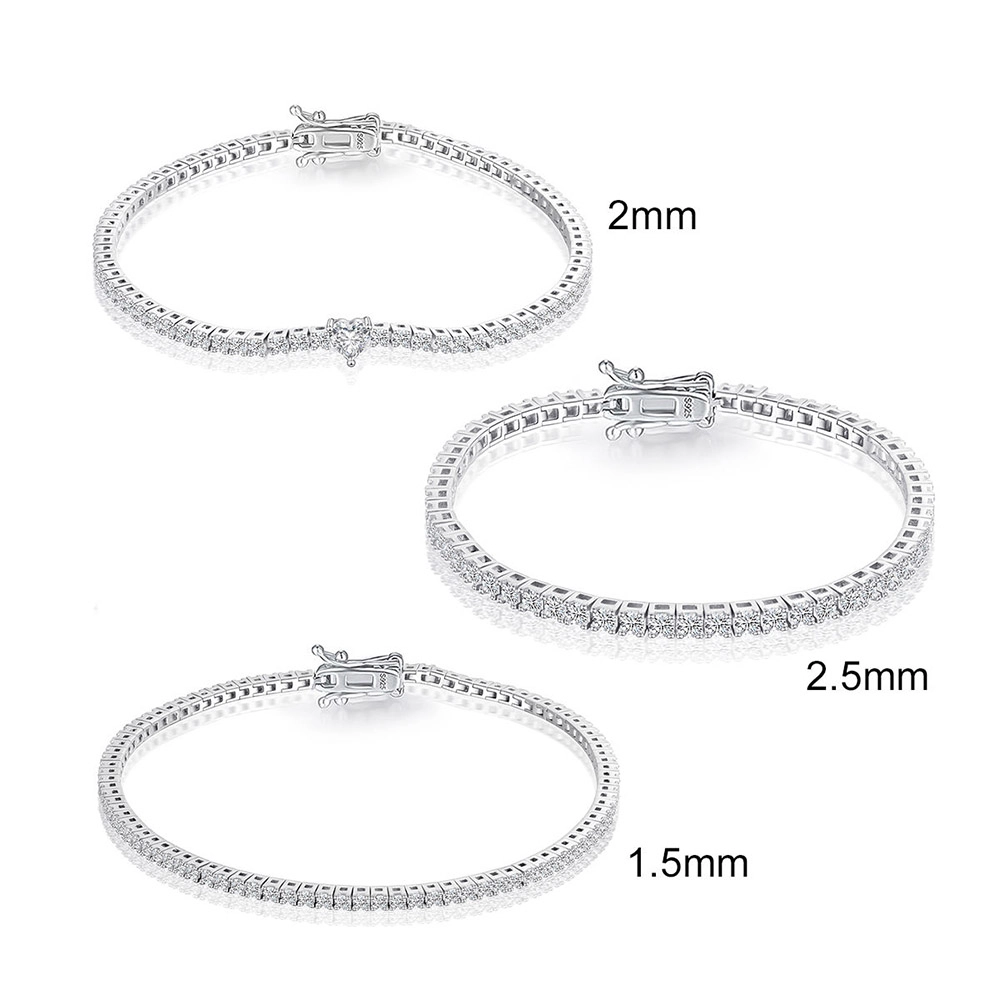
Customizable High-Quality Fashion 925 Sterling Silver AAA Cubic Zirconia Heart-Shaped Open Tennis Bracelet.
Read More
Brass Jewelry
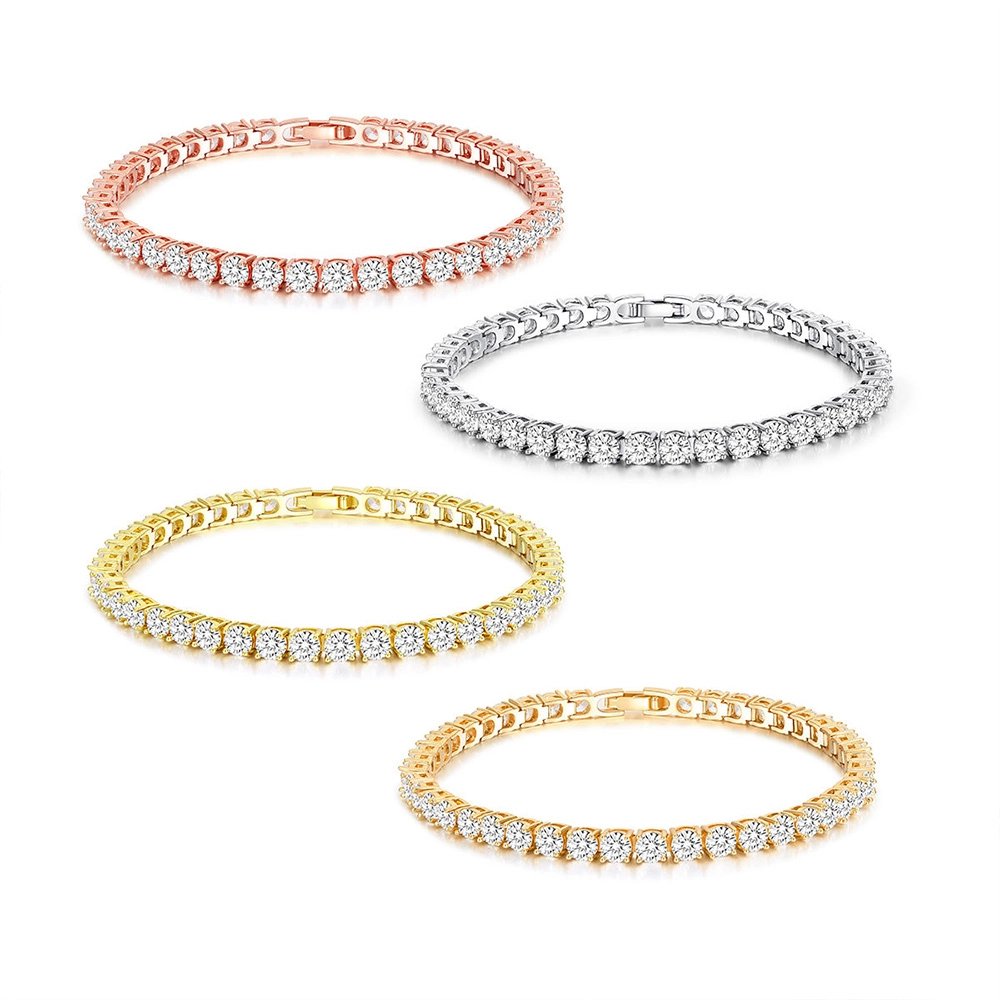
Customizable OEM ODM High-Quality Fashion Brass AAA Cubic Zirconia Classic Tennis Bracelet for Women Wholesale.
Read More
Get a Quote for Private Label Jewelry
We provide personalized jewelry customization services for clients worldwide.
Rest assured that your privacy is important to us, and all information provided will be handled with the utmost confidentiality.
By clicking 'Send Inquiry Now' I agree to ZHEFAN JEWELRY processing my personal data.
To see how to withdraw your consent, how to control your personal data and how we process it, please see our Privacy Policy and Terms of use.
From design to production, ZHEFAN JEWELRY offers a one-stop solution to help you enhance your brand value and market competitiveness.
Get A Quote
Contact
Tel: (+86) 188 1927 7817
© 2026 Zhefan Jewelry. All Rights Reserved.
Facebook
Instagram
YouTube
Whatsapp: +8618819277817