





Email: sales3@zhefanjewelry.com
Color Plating Trends: Rose, Yellow, and White Gold Options
As a jewelry industry consultant and writer, I analyze current color plating trends—rose, yellow, and white gold—focusing on materials, plating technologies (electroplating vs. PVD), durability, hypoallergenic concerns, and specifications buyers should request when ordering custom gold plated earrings. I also explain practical care, design-market fit, and manufacturing standards, and introduce Guangzhou Zhefan Jewelry’s capabilities for OEM/ODM partners.
- Why color plating matters for fashion jewelry
- Perception, price point, and positioning
- Functional and chemical considerations
- Market signals and consumer demand
- Understanding plating technologies and their implications
- Electroplating: the industry staple
- Physical Vapor Deposition (PVD): durability and color control
- Rhodium plating for white gold finishes
- Practical comparison: rose, yellow, and white gold plating
- Recommended plating specs for different product tiers
- Design and retail strategy for custom gold plated earrings
- Match plating choice to target customer and price point
- Communicating specifications to consumers
- Quality control checkpoints I enforce
- Health, compliance, and environmental considerations
- Allergy and skin-safety considerations
- Regulatory compliance and testing
- Sustainability and responsible sourcing
- How I specify custom gold plated earrings for clients (practical checklist)
- Essential specs to provide your manufacturer
- Maintenance instructions to include with product
- Manufacturing partner profile: Guangzhou Zhefan Jewelry
- FAQs — common questions about color plating for earrings
- 1. How long will gold plating on earrings last?
- 2. Are rose gold plated earrings hypoallergenic?
- 3. Should I choose PVD or electroplating for my collection?
- 4. What specifications should I request from a manufacturer for custom gold plated earrings?
- 5. How do I care for plated earrings to maximize longevity?
- 6. Can I mix rose, yellow, and white plating within a single design?
As a jewelry professional with years of hands-on experience in manufacturing and design, I see color plating decisions—rose, yellow, or white gold—not as merely aesthetic choices but as technical specifications that determine wear-life, perceived value, and brand trust. In this article I provide a practical, evidence-based guide to color plating trends for custom gold plated earrings, covering materials, plating processes, durability metrics, consumer preferences, and the exact specs you should ask for when placing an order.
Why color plating matters for fashion jewelry
Perception, price point, and positioning
Color defines perception. Rose gold communicates warmth and a contemporary vintage vibe, yellow gold signals classic luxury, and white gold (usually achieved via rhodium plating) offers a clean, high-end look that pairs well with diamonds and modern designs. For brands offering custom gold plated earrings, deciding on a plating color early in the design process helps shape positioning—from fast-fashion affordable collections to higher-margin vermeil-style lines.
Functional and chemical considerations
Different plating colors are achieved through distinct chemistries or coatings. Rose gold tones require copper-rich alloys or rose-toned plating solutions; white gold is often a base alloy plated with rhodium to achieve brightness and scratch resistance; yellow gold plating uses gold alloys of specific karat and color. Those chemical differences influence oxidation behavior, allergen risk (copper/nickel content), and how the finish ages over time.
Market signals and consumer demand
Across global markets I track, demand shifts slowly: rose gold surged in the 2010s and remains popular among younger demographics, while white gold/rhodium finishes dominate bridal-related and High Quality segments. Customization—engraving, mixed-metal treatments, and color-blocking—has increased the need for reliable plating specs for custom gold plated earrings.
Understanding plating technologies and their implications
Electroplating: the industry staple
Electroplating deposits a thin metal layer (gold, rhodium, etc.) via an electrolytic bath. It's cost-effective and widely used for custom gold plated earrings. Thickness typically ranges from sub-micron fashion plating to several microns for vermeil specifications. For reference, vermeil (gold over sterling silver) typically requires at least 2.5 µm of gold plating as commonly cited in trade guidance; see the Vermeil overview for more context.
Physical Vapor Deposition (PVD): durability and color control
PVD applies a thin film in a vacuum chamber and can produce highly durable, consistent finishes including gold-toned coatings without using thick gold deposits. PVD often resists abrasion better than traditional electroplating and is increasingly used for fashion and performance jewelry where longevity is a priority. You can read more about the process on the PVD page.
Rhodium plating for white gold finishes
White gold jewelry is usually finished with a thin rhodium plate to increase brightness and scratch resistance. Rhodium is a member of the platinum group and provides a very white, reflective surface, but it will wear and need re-plating periodically depending on thickness and wear patterns. See Rhodium for properties and uses.
Practical comparison: rose, yellow, and white gold plating
Below is a practical comparison table I use when advising clients on custom gold plated earrings. The table summarizes composition, visual traits, typical plating choices, maintenance, and compatibility with base metals.
| Feature | Rose Gold | Yellow Gold | White Gold (Rhodium) |
|---|---|---|---|
| Typical composition | Gold + higher copper content or rose-toned plating alloy | Gold alloy similar to classic yellow tone | Gold alloy often plated with rhodium |
| Common base metals | Brass, 925 silver, stainless steel | Brass, 925 silver, stainless steel | 925 silver, brass, stainless steel (with rhodium topcoat) |
| Durability (typical plating) | Moderate; copper can oxidize and darken over time | Moderate; classic wear patina | High initial brightness; rhodium wears and requires re-plating |
| Hypoallergenic notes | Copper content may irritate sensitive skin; use nickel-free alloys | Allergy risk depends on alloy (avoid nickel) | Rhodium topcoat is hypoallergenic; underlying alloy matters |
| Maintenance | Gentle cleaning; avoid chlorine and perfumes | Gentle cleaning; occasional re-plating recommended | Rhodium re-plating every 6–24 months depending on wear |
Sources: process descriptions adapted from Gold plating and Vermeil references. For regulatory and chemical compliance context see the European Chemicals Agency ECHA (REACH) and the EU RoHS guidance RoHS.
Recommended plating specs for different product tiers
When specifying custom gold plated earrings I recommend clear tiered specs so both brand and factory share expectations:
| Tier | Base metal | Plating | Typical thickness | Expected lifespan (typical wear) |
|---|---|---|---|---|
| Fashion | Brass / stainless steel | Gold electroplate or PVD | 0.05–0.5 µm | 3–12 months |
| High Quality / Vermeil-style | 925 sterling silver | Gold electroplate (2.5+ µm) or PVD | 2.5–5 µm | 1–5 years |
| High-end plated | 925 silver / stainless steel | Thick gold plating or PVD + protective clear coat | 5+ µm or optimized PVD | 3+ years |
Note: vermeil definitions and common trade practices suggest a minimum of 2.5 µm of gold over sterling silver for High Quality plated goods; reference: Vermeil. Actual lifespan depends on wear habits, exposure to chemicals (chlorine, cosmetics), and maintenance.
Design and retail strategy for custom gold plated earrings
Match plating choice to target customer and price point
For fast-moving, trend-driven collections aimed at younger shoppers, rose gold electroplate on brass or stainless steel offers an attractive margin while matching fashion trends. For branded lines that command higher price points and improved longevity, specify 925 silver bases with at least 2.5 µm of gold plating (vermeil) or PVD with a protective topcoat.
Communicating specifications to consumers
Transparency builds trust. Listing specs like base metal, plating method (electroplate vs PVD), gold color/karat, plating thickness (microns), and care instructions reduces returns and increases perceived value—critical for marketplaces and retail partners.
Quality control checkpoints I enforce
In production I insist on: (1) material certificates for base metals and plating baths; (2) thickness verification (XRF testing or microsectioning for critical SKUs); (3) adhesion and accelerated wear tests; (4) multiple visual QC passes. These steps reduce downstream warranty claims and protect brand reputation.
Health, compliance, and environmental considerations
Allergy and skin-safety considerations
Avoid nickel-bearing alloys for skin-contact parts; nickel is a common allergen. Where possible, choose nickel-free brass alloys, 925 silver, or stainless steels (316L) and use a thick enough plating to minimize base-metal exposure. Rhodium coatings are generally hypoallergenic but the layer must be continuous.
Regulatory compliance and testing
Manufacturers and brands must consider chemical regulations such as REACH and RoHS restrictions, depending on the market. Third-party testing for heavy metals (lead, cadmium) and labelling compliance (e.g., vermeil definitions) should be part of product launch checklists.
Sustainability and responsible sourcing
Consumers increasingly ask about environmental and social responsibility. Using RoHS/REACH-compliant materials, responsible suppliers, and transparent production processes are differentiators. Industry groups like the Responsible Jewellery Council provide frameworks for responsible sourcing and messaging.
How I specify custom gold plated earrings for clients (practical checklist)
Essential specs to provide your manufacturer
- Base metal (e.g., 925 sterling silver, brass with specific alloy code, 316L stainless steel)
- Plating color and karat (e.g., 14K yellow gold tone, rose gold tone)
- Plating method (electroplating vs PVD vs rhodium topcoat) and required thickness in µm
- Tolerance for color variation (Pantone or physical sample)
- Environmental and compliance requirements (RoHS/REACH, nickel-free)
- Quality control: number of polish/pass cycles, inspection acceptance criteria
Maintenance instructions to include with product
Include simple user care: avoid swimming with plated earrings, remove before sleep, store in a dry pouch, clean with a soft cloth, avoid abrasive cleaners and perfume contact. For rhodium-plated white finishes, advise customers about potential re-plating intervals.
Manufacturing partner profile: Guangzhou Zhefan Jewelry
When clients ask me for reliable production partners for custom gold plated earrings, I recommend factories with both technical control and design agility. One such partner I work with is Guangzhou Zhefan Jewelry. Founded in 2002 with craft roots tracing back to 1997, Zhefan blends master-mold craftsmanship with modern manufacturing practices.
Why Zhefan is a good fit for brands:
- Scale & capacity: Two factories (Guangzhou & Meizhou) covering 800 m², 80+ artisans, and a monthly output of 600,000 pieces—useful for rapid scaling of seasonal collections.
- Design & innovation: A professional design team launching 500+ new original styles monthly enables rapid trend-response, ideal for companies needing continuous new SKUs.
- Quality systems: Zhefan enforces 6 rounds of precision polishing and 6 strict quality inspections, striving for consistent finishes on plated pieces, and uses RoHS/REACH-compliant materials to meet regulatory expectations.
- Product range: Specializes in high-quality 925 silver, brass, and stainless steel jewelry including Stainless Steel Jewelry, Brass Jewelry, and 925 silver jewelry—suitable bases for differing plating tiers.
- Trusted client references: Experience serving Amazon top sellers and global retailers demonstrates the factory’s ability to meet marketplace standards and volumes.
Contact and more information: https://www.zhefanjewelry.com/ or email sales3@zhefanjewelry.com. I encourage brands seeking OEM/ODM solutions for custom gold plated earrings to request material certificates, plating thickness reports, and sample production runs before committing to large orders.
FAQs — common questions about color plating for earrings
1. How long will gold plating on earrings last?
It depends on plating thickness, method, and wear habits. Fashion electroplate at sub-micron thickness might last a few months; vermeil (2.5 µm over sterling silver) can last 1–5 years with good care; PVD or thick plating with protective coatings can last multiple years under normal wear.
2. Are rose gold plated earrings hypoallergenic?
Rose gold tones often rely on copper in the alloy; if the base metal or underlying alloy contains nickel, there's a risk for allergic reactions. Request nickel-free alloys and sufficient plating thickness to minimize exposure if your customers have sensitive skin.
3. Should I choose PVD or electroplating for my collection?
Choose electroplating for cost-effectiveness and when a true gold layer is required (e.g., vermeil). Choose PVD for superior abrasion resistance and color consistency, especially for high-wear fashion pieces. Your choice should reflect desired lifespan, budget, and regulatory needs.
4. What specifications should I request from a manufacturer for custom gold plated earrings?
Request: base metal details (alloy grade), plating method, plating thickness in microns, karat/color, adhesion/wear test results, RoHS/REACH compliance, and sample approval processes.
5. How do I care for plated earrings to maximize longevity?
Avoid chlorine, saltwater, and perfumes; store in a dry, soft pouch; clean with a gentle microfiber cloth; remove before showering or exercising. For rhodium-plated pieces, periodic re-plating restores brightness.
6. Can I mix rose, yellow, and white plating within a single design?
Yes—mixed-metal designs are popular. Coordinate plating processes (e.g., base metal compatibility and plating thickness for each color) to ensure consistent adhesion and longevity. Consider a prototype run to check color harmony and wear behavior.
If you want help specifying manufacturing-ready documents or sample specs for custom gold plated earrings, I can assist in drafting technical packs and QC checklists tailored to your market. For production partnerships, consider contacting Guangzhou Zhefan Jewelry to explore OEM/ODM options and request samples: https://www.zhefanjewelry.com/ or email sales3@zhefanjewelry.com.
My experience has taught me that clear specifications, appropriate plating technology, and transparent communication with your manufacturer are the keys to launching successful, durable, and desirable custom gold plated earrings. If you'd like, I can prepare a sample specification sheet for your next collection—contact me and we’ll get started.
Tags
brass tennis bracelet manufacturer
brass tennis bracelet manufacturer
private label urn pendant necklace
private label urn pendant necklace
brass rings wholesale
brass rings wholesale
wholesale mother of pearl heart necklace
wholesale mother of pearl heart necklace
brass tennis bracelet wholesale
brass tennis bracelet wholesale
men 925 silver bracelets
men 925 silver bracelets
Recommended for you
Packaging Solutions: Branded Boxes and Bulk Shipping Tips
OEM/ODM stainless steel rosary necklace Manufacturers and Suppliers
![15 Best Private Label Sterling Silver Bracelet Manufacturers [2026 Verified List] - Zhefan Jewelry](https://static.gooecloud.com/upload/img/ai-image/15-best-private-label-sterling-silver-bracelet-manufacturers-2026-verified-list.png?x-oss-process=image/format,webp/quality,Q_100 "15-Best-Private-Label-Sterling-Silver-Bracelet-Manufacturers-[2026-Verified-List] - Zhefan Jewelry")
15 Best Private Label Sterling Silver Bracelet Manufacturers [2026 Verified List]
10 Best Custom Jewelry Manufacturers in 2026: The Ultimate Comparison Guide
Prdoucts Categories
Question you may concern
Products
Do you offer after-sales warranty service?
Yes, we will refund or resend products if fading, stone falling off and other quality problems found in 1 month receipt of goods. Furthermore, we offer 1 year after-sales warranty service, but you need pay the shipping charge.
What is the material of the jewelry?
Most of the jewelry is made of 925 sterling silver, brass or 316 stainless steel or custom material,which can cover different procurement demand.
What services can we provide?
Accepted Delivery Terms: FOB, CIF, EXW, Express Delivery;
Accepted Payment Currency: USD, EUR, JPY, CAD, AUD, HKD, GBP, CNY, CHF;
Accepted Payment Type: T/T, L/C, MoneyGram, Credit Card, PayPal, Western Union, Cash, Escrow;
Language Spoken: English, Chinese, Spanish, Japanese, Portuguese, German, Arabic, French, Russian, Korean, Hindi, Italian.
FAQs
What’s the shipment method?How long does it take for delivery?
Our product distributed to all over the world. Shipped by DHL/Fedex/ TNT/UPS takes 3-7 days,Epacket takes 7-15 days, China Post takes 15-30 days.
Can I see your product test report?
Of course.Our product throught standar test like SGS.We test in many ways of product.
You may also like
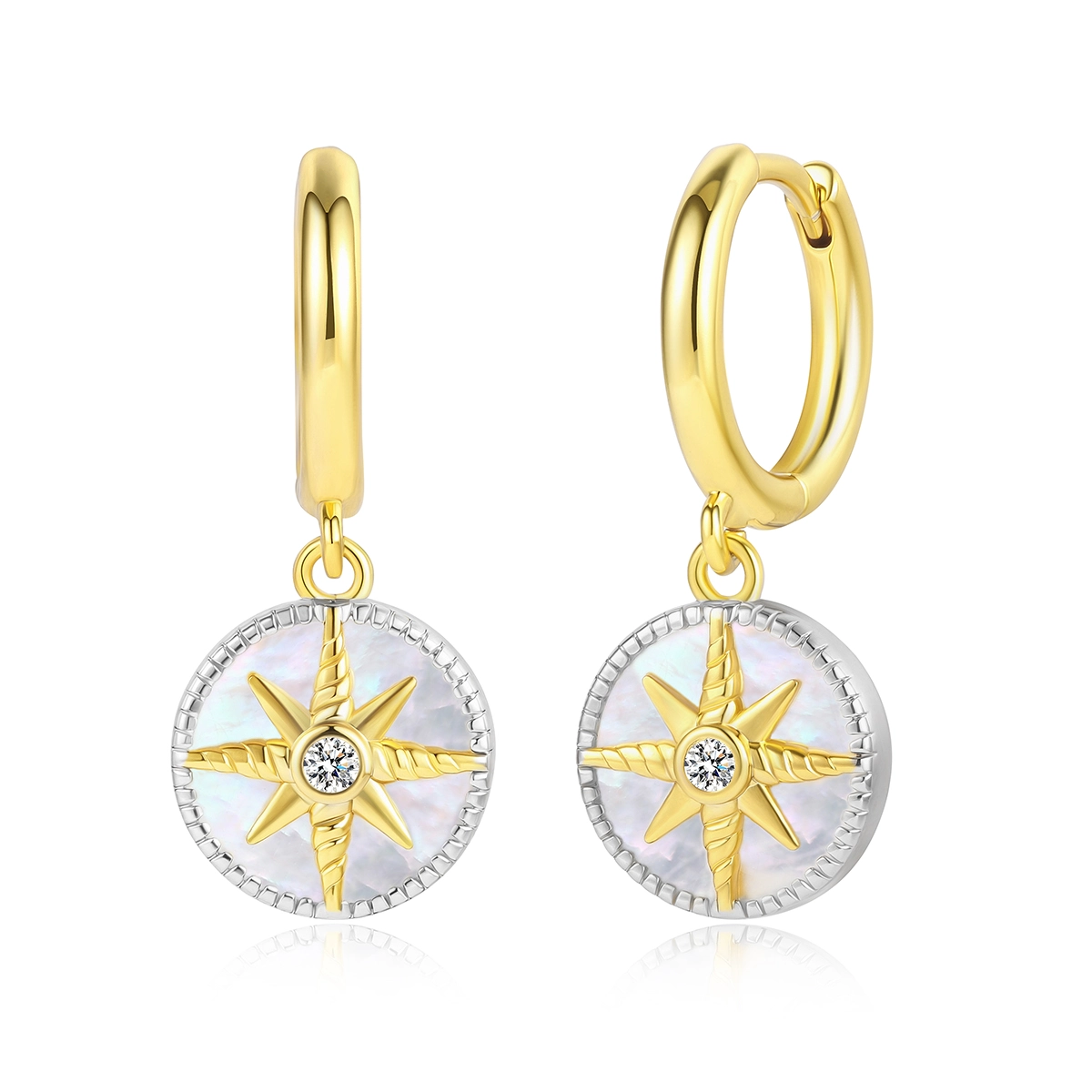
Brass Jewelry
Brass Mother of Pearl Compass Huggie Drop Earrings | 14K 18K Gold Plated Hypoallergenic Jewelry
Read More
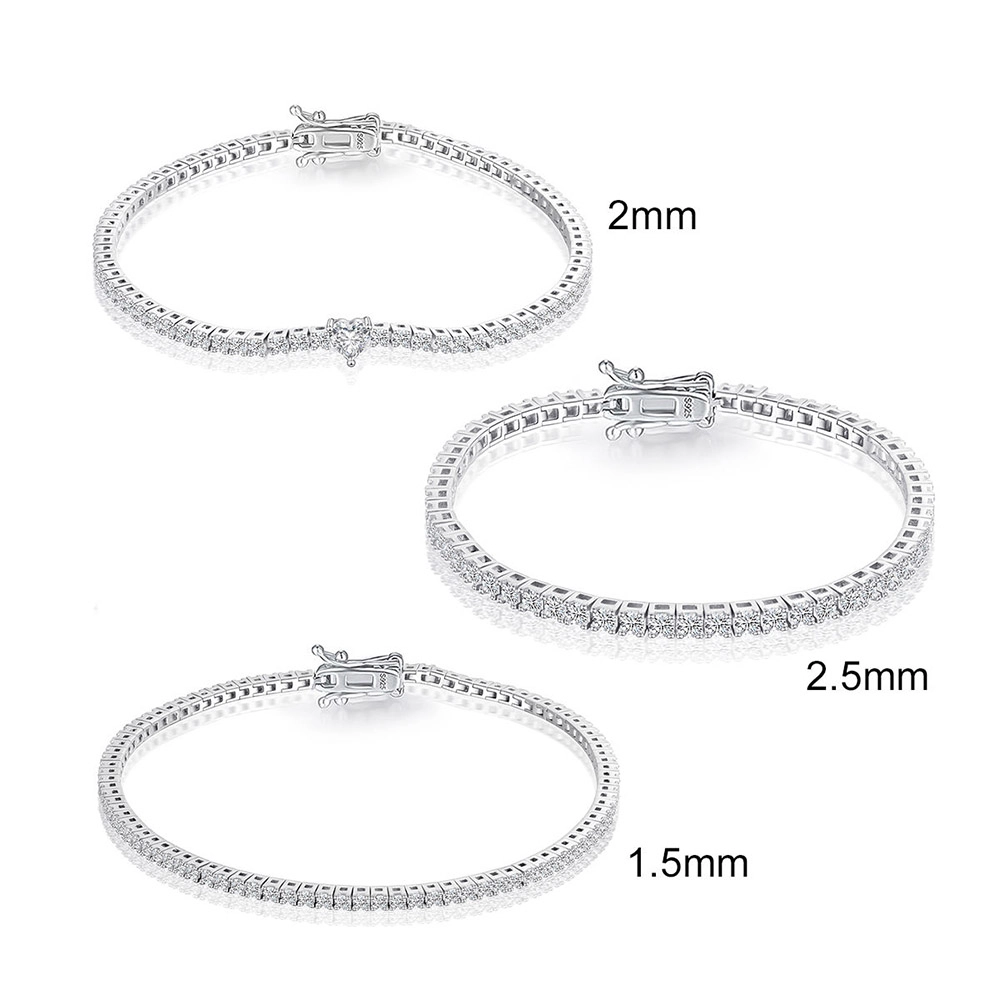
925 Silver Jewelry
Customizable High-Quality Fashion 925 Sterling Silver AAA Cubic Zirconia Heart-Shaped Open Tennis Bracelet.
Read More
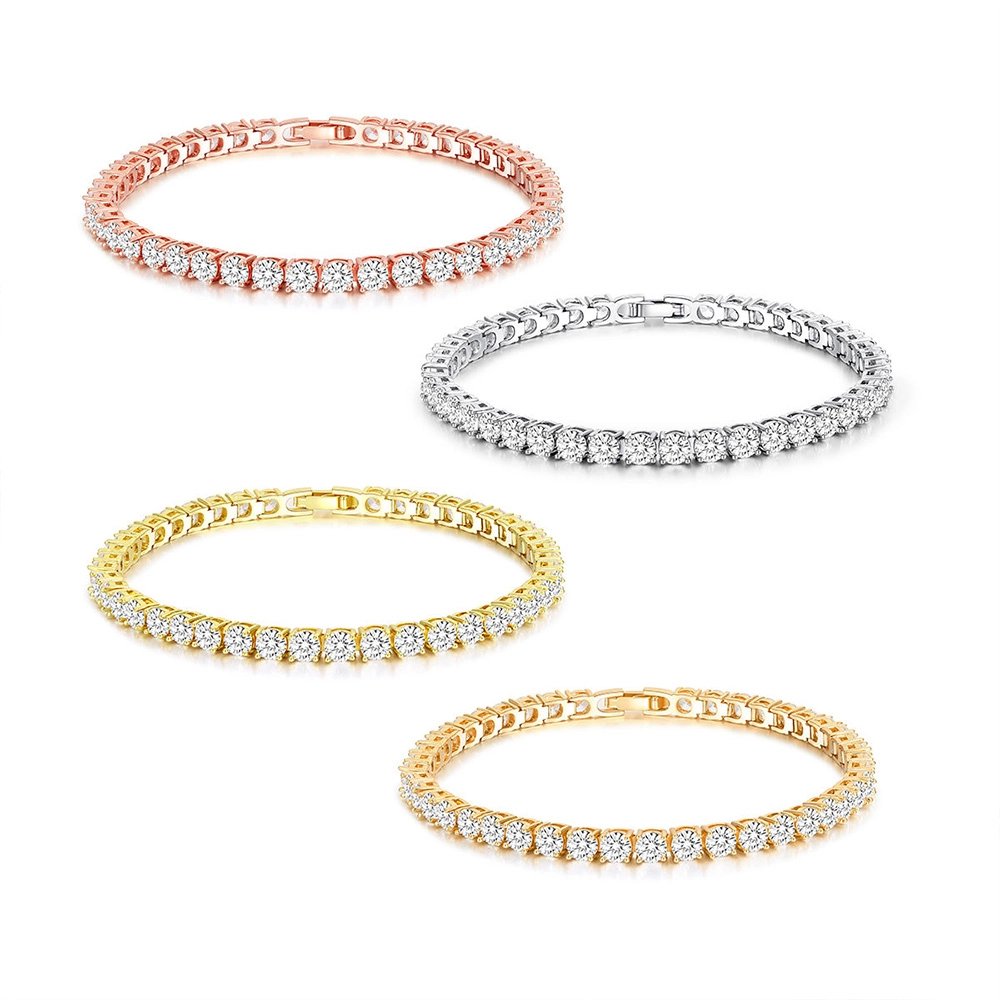
Brass Jewelry
Customizable OEM ODM High-Quality Fashion Brass AAA Cubic Zirconia Classic Tennis Bracelet for Women Wholesale.
Read More
Get a Quote for Private Label Jewelry
We provide personalized jewelry customization services for clients worldwide.
Rest assured that your privacy is important to us, and all information provided will be handled with the utmost confidentiality.
By clicking 'Send Inquiry Now' I agree to ZHEFAN JEWELRY processing my personal data.
To see how to withdraw your consent, how to control your personal data and how we process it, please see our Privacy Policy and Terms of use.
From design to production, ZHEFAN JEWELRY offers a one-stop solution to help you enhance your brand value and market competitiveness.
Get A Quote
Contact
Tel: (+86) 188 1927 7817
© 2026 Zhefan Jewelry. All Rights Reserved.
Facebook
Instagram
YouTube
Whatsapp: +8618819277817