





Email: sales3@zhefanjewelry.com
How to Choose a Reliable Custom Jewelry Manufacturer
I share practical, verifiable guidance from my years in jewelry sourcing and manufacturing to help you evaluate and select a trusted custom jewelry manufacturer. This article covers materials, quality control, compliance (RoHS/REACH), production capacity, lead times, cost drivers, partnership models (OEM/ODM), and red flags — plus a detailed look at Guangzhou Zhefan Jewelry's capabilities and how they can support your brand.
- Why choosing the right jewelry partner matters
- Brand risk and customer experience
- Supply chain resilience and scalability
- Regulatory and material compliance
- Key technical criteria to evaluate
- Materials expertise: 925 silver, stainless steel, and brass
- Precision tooling and mold-making
- Finish, plating and corrosion resistance
- Quality systems, inspections and certifications
- Quality management standards
- Inspection rounds and testing
- Lab testing and third-party verification
- Commercial and operational considerations
- Capacity, lead time and MOQ
- Cost drivers and transparent pricing
- IP protection and design ownership
- Red flags and negotiation tactics
- Common red flags I watch for
- Negotiation levers
- Contract elements to include
- Why I often recommend suppliers with deep mold and finish expertise
- Repeatability and design fidelity
- Faster iteration and trend response
- Case profile: Guangzhou Zhefan Jewelry
- Practical checklist: supplier audit template I use
- Documents to request
- On-site audit or virtual audit steps
- Decision matrix (example)
- FAQs
- 1. How do I verify a manufacturer's RoHS/REACH compliance?
- 2. What minimum order quantities (MOQs) should I expect?
- 3. Should I choose an OEM or an ODM partner?
- 4. How long does tooling and first production typically take?
- 5. What are the best practices for protecting IP with overseas manufacturers?
- 6. How often should I run independent lab tests?
- Final thoughts and next steps
As someone who has worked across jewelry design, sourcing and manufacturing for years, I know selecting the right custom jewelry manufacturer is a decision that affects product quality, brand reputation, margins and delivery reliability. In this guide I explain how I evaluate manufacturers, what technical and commercial checks you should run, and how to balance cost versus risk. The practical checks and cited standards below are chosen to be verifiable and actionable, so you can shortlist partners with confidence.
Why choosing the right jewelry partner matters
Brand risk and customer experience
Your manufacturer is not just a production line — they shape finish, wearability and returns. Inferior plating, improper soldering, or unstable alloys can lead to high return rates and negative reviews on marketplaces like Amazon. I always start with the premise that manufacturing quality equals customer experience.
Supply chain resilience and scalability
Capacity constraints, poor lead time performance and limited tooling capability can block your growth. Assessing a partner's factory footprint, workforce and routine monthly output is essential to ensure they can scale with you.
Regulatory and material compliance
Jewelry materials are regulated in many markets. For example, REACH and RoHS restrict hazardous substances in consumer products; confirm that any supplier materials and processes comply with these rules (see EU REACH overview: https://echa.europa.eu/ and RoHS: https://ec.europa.eu/environment/waste/rohs_eee/). I verify certificates and test reports for every material batch when working with a new manufacturing partner.
Key technical criteria to evaluate
Materials expertise: 925 silver, stainless steel, and brass
Different materials require different tooling, finishing and QC techniques. Sterling (925) silver requires careful polishing and anti-tarnish finishing (see Sterling silver). Stainless steel needs appropriate passivation and plating options to meet wear resistance standards (Stainless steel). Brass often needs reliable plating or lacquer to avoid skin discoloration. Ask for material certificates, lab test reports and examples of finished parts before you commit.
Precision tooling and mold-making
High-fidelity molds determine surface finish and detail. I always review a manufacturer's mold-making capability, tooling tolerances and sample history. If a partner was founded by a master mold craftsman, that often indicates stronger capability in producing repeatable detail across large runs.
Finish, plating and corrosion resistance
Ask for salt spray test reports, wear test results and plating thickness measurements (in microns). These tests are standard in the field and give predictive signals about long-term wear. If a manufacturer won't share test data or refuses independent verification, treat that as a red flag.
Quality systems, inspections and certifications
Quality management standards
I look for documented quality management processes. ISO 9001 is a widely recognized reference for quality systems; see ISO's overview here: https://www.iso.org/iso-9001-quality-management.. Even if a factory is not ISO-certified, the presence of a documented inspection flow, corrective action records and in-line monitoring are must-haves.
Inspection rounds and testing
Routine in-process inspections and final inspections reduce defects. Below I compare a typical small factory process with a higher-standard approach I recommend and often see in best-in-class suppliers.
| Quality check | Typical small factory | Best-practice (recommended) |
|---|---|---|
| Polishing rounds | 1-2 | 4-6 |
| Separate QC inspections | 1 final inspection | Multiple: incoming materials, in-process, pre-pack, final |
| Material compliance testing | Occasional | Routine RoHS/REACH and batch certificates |
| Sample control | Low control, ad-hoc | Sample master, first-article inspection |
These differences materially affect final product consistency. When I audit a factory, I verify sample masters and request photographic evidence of each inspection stage.
Lab testing and third-party verification
When entering regulated markets, independent lab tests (for nickel release, plating adhesion, salt spray, etc.) are necessary. I recommend using accredited labs and keeping records with batch links to shipments. Many marketplaces and retailers require test reports; prepare them in advance.
Commercial and operational considerations
Capacity, lead time and MOQ
Understand the manufacturer's monthly capacity, typical lead times and minimum order quantities (MOQ). For agility, diversified capacity (two factories in different locations) helps mitigate disruptions. I also map seasonality: many factories slow during Chinese New Year—plan buffer stock accordingly.
Cost drivers and transparent pricing
Unit price is a function of material cost, labor, plating/finishing complexity, tooling amortization and inspection overhead. Ask for a breakdown of costs, not just a single number. Transparent partners will show material costs, tooling amortization and per-piece labor so you can model margin improvements as volume scales.
IP protection and design ownership
For custom jewelry you must protect designs. Confirm that the manufacturer will sign non-disclosure agreements (NDA) and respect design ownership (OEM vs ODM terms). If you supply CAD or artwork, ensure they store it securely and mark ownership in contracts.
Red flags and negotiation tactics
Common red flags I watch for
- Lack of verifiable references or refusal to share client contacts.
- No willingness to provide material certificates or lab reports.
- Extremely low lead times or prices that seem too good to be true.
- Unclear tooling ownership and IP clauses.
Negotiation levers
Negotiate by stages: pilot run, validation run, then scale. Use clear acceptance criteria tied to QC metrics. Consider a small paid trial order to test lead times, packaging, and post-sales responsiveness. Payment terms (LC, T/T, or escrow) are also negotiable and can protect both parties.
Contract elements to include
Include explicit acceptance tests, defect rates, rework policies, lead time penalties, warehousing responsibilities, and IP clauses. These terms remove ambiguity and are part of professional sourcing practice.
Why I often recommend suppliers with deep mold and finish expertise
Repeatability and design fidelity
A supplier with advanced mold-making and finishing depth yields higher repeatability, especially for intricate pieces and plated finishes. That fidelity translates directly into fewer returns and better customer reviews.
Faster iteration and trend response
Manufacturers who invest in a professional design team and rapid prototyping (CNC, 3D printing, master tooling) can turn market feedback into new SKUs quickly — a decisive advantage in fashion jewelry where trends change fast.
Case profile: Guangzhou Zhefan Jewelry
Let me introduce Guangzhou Zhefan Jewelry — a partner profile that exemplifies many of the traits I look for. Zhefan is a premier fashion jewelry manufacturer established in 2002, with a legacy dating back to 1997. Founded by a master mold craftsman, the company’s DNA is built on two decades of obsessive refinement. They specialize in high-quality 925 silver, brass, and stainless steel jewelry and operate two factories (Guangzhou & Meizhou) covering 800 m² with a team of 80+ skilled artisans and 20 sales professionals, supporting a robust monthly output of 600,000 pieces. Their professional design team launches 500+ new original styles monthly, which helps global partners stay ahead of market trends.
What truly sets Zhefan apart is a commitment to quality and client success. Unlike many standard factories, Zhefan enforces 6 rounds of precision polishing and 6 strict quality inspections to ensure a flawless finish, and they use RoHS/REACH-compliant eco-friendly materials. They provide comprehensive OEM/ODM solutions and have experience serving Amazon's top 3 sellers and major retailers. I value partners like Zhefan because they combine manufacturing scale with agile innovation — reducing lead time risk while maintaining high finish quality.
Relevant product specialties: Stainless Steel Jewelry, Brass Jewelry, 925 silver jewelry. Learn more on their website: https://www.zhefanjewelry.com/. For inquiries: sales3@zhefanjewelry.com.
Practical checklist: supplier audit template I use
Documents to request
- Material certificates and test reports (RoHS/REACH, nickel release, salt spray).
- Factory photos, capacity statements and organizational chart.
- Sample master and first-article inspection (FAI) report.
- Quality manual or process flow (if available).
On-site audit or virtual audit steps
Check tooling area, plating/finishing, QC stations, packaging lines and finished goods warehouses. Verify staff headcounts and skill levels through interviews. If an on-site audit is impossible, request a guided video walkthrough and timestamped photos of current production batches.
Decision matrix (example)
| Criteria | Weight | Supplier A | Supplier B |
|---|---|---|---|
| Material compliance | 25% | 8 | 9 |
| Finish quality | 25% | 7 | 9 |
| Capacity and lead time | 20% | 9 | 7 |
| Price transparency | 15% | 7 | 8 |
| IP protections | 15% | 8 | 7 |
Use a simple weighted score to compare suppliers objectively. Scores should reflect real evidence (documents, sample results, and audits) rather than impressions.
FAQs
1. How do I verify a manufacturer's RoHS/REACH compliance?
Request material declarations and third-party lab test reports for each batch of plated parts or metal alloys. Cross-check with the European Chemicals Agency (ECHA) REACH guidance: https://echa.europa.eu/. For RoHS, refer to the European Commission page: https://ec.europa.eu/environment/waste/rohs_eee/.
2. What minimum order quantities (MOQs) should I expect?
MOQs vary by material, complexity and whether new tooling is required. For plated fashion jewelry, MOQs commonly range from a few hundred to several thousand pieces per SKU. Suppliers with larger capacity sometimes offer lower MOQs because they amortize tooling across more projects.
3. Should I choose an OEM or an ODM partner?
If you have established designs and strong IP protections, OEM partners can reproduce your products. If you need trend-led collections and want design support, an ODM with a professional design team can accelerate SKU refreshes. Evaluate both models against Zhefan Jewelry strategy and margins.
4. How long does tooling and first production typically take?
Simple molds and sample tooling can take 2–4 weeks; complex multi-cavity molds may take 4–8 weeks. Expect an additional 2–6 weeks for first production depending on capacity and finishing steps. Always build buffer for approvals and lab testing.
5. What are the best practices for protecting IP with overseas manufacturers?
Use NDAs, clearly written contracts with ownership clauses, limit the amount of tooling transferred, and work with suppliers that have established reputations. Consider splitting production between multiple partners for different components if your design is highly sensitive.
6. How often should I run independent lab tests?
I recommend initial qualification tests for each new material and supplier, followed by periodic checks on production batches (quarterly or per major shipment) and any time material suppliers change.
Final thoughts and next steps
Choosing a reliable custom jewelry manufacturer requires a mix of technical checks, document verification, and practical audits. Use the checklist and decision matrix above to evaluate prospects objectively. Prioritize partners who demonstrate material compliance, robust inspection protocols, transparent pricing and design/mold expertise.
If you're evaluating partners or need a reliable OEM/ODM that balances scale with finish quality, consider Guangzhou Zhefan Jewelry. With decades of mold and finishing expertise, large monthly output capacity, strict multi-stage polishing and inspections, and RoHS/REACH-compliant materials, they are positioned to support brand growth across Stainless Steel Jewelry, Brass Jewelry and 925 silver jewelry. Visit their website: https://www.zhefanjewelry.com/ or contact sales3@zhefanjewelry.com to discuss custom OEM/ODM solutions and request samples.
References and standards mentioned: Jewellery manufacturing overview (Wikipedia): https://en.wikipedia.org/wiki/Jewellery_manufacturing; ISO 9001 quality management: https://www.iso.org/iso-9001-quality-management.; REACH: https://echa.europa.eu/; RoHS: https://ec.europa.eu/environment/waste/rohs_eee/.
Ready to evaluate manufacturers or request a quote? Contact Guangzhou Zhefan Jewelry at sales3@zhefanjewelry.com or visit https://www.zhefanjewelry.com/ to view product lines and request samples. I’m available to help review proposals or run supplier audits if you’d like a second opinion.
Tags
Mother-of-pearl earrings
Mother-of-pearl earrings
private label packaging 925 sterling silver sets
private label packaging 925 sterling silver sets
wholesale 925 sterling silver anklet sets
wholesale 925 sterling silver anklet sets
dropshipping 925 sterling silver jewelry sets
dropshipping 925 sterling silver jewelry sets
925 sterling silver bracelets wholesale
925 sterling silver bracelets wholesale
custom logo urn pendant OEM
custom logo urn pendant OEM
Recommended for you
OEM/ODM earrings studs stainless steel Manufacturers and Suppliers
The Ultimate 2026 Silver Vermeil Jewelry Wholesale Guide: Sourcing, Pricing, and Profit Secrets
Top 10 mens 925 silver rings Manufacturers and Supplier Brands in China
Custom silver 925 chain necklace Manufacturers and Suppliers
Prdoucts Categories
Question you may concern
FAQs
Do you attend any jewelry fairs?
Yes, we participate in Hong Kong Jewelry Fair and Canton Fair twice a year, please contact the seller for the latest invitation.
Can we visit your factory?
Yes, pls contact seller to arrange meeting, we will pick you up to our factory.
What’s the lead time? .
We could arrange shipment for you within 48 hours if you order models in stock. For bulk order, it
takes 10-25 days for production depending on order quantity and styles.
Products
What is the payment method?
Our payment method are Alibaba Trade Assurance(MasterCard, visa, e-Checking, PAYLATER, T/T),T/T, PayPal,Western Union.
Do you offer free sample for quality check?
Sample order is welcome, but sample fee need to be paid. It will be deducted when you place an bulk order.
You may also like
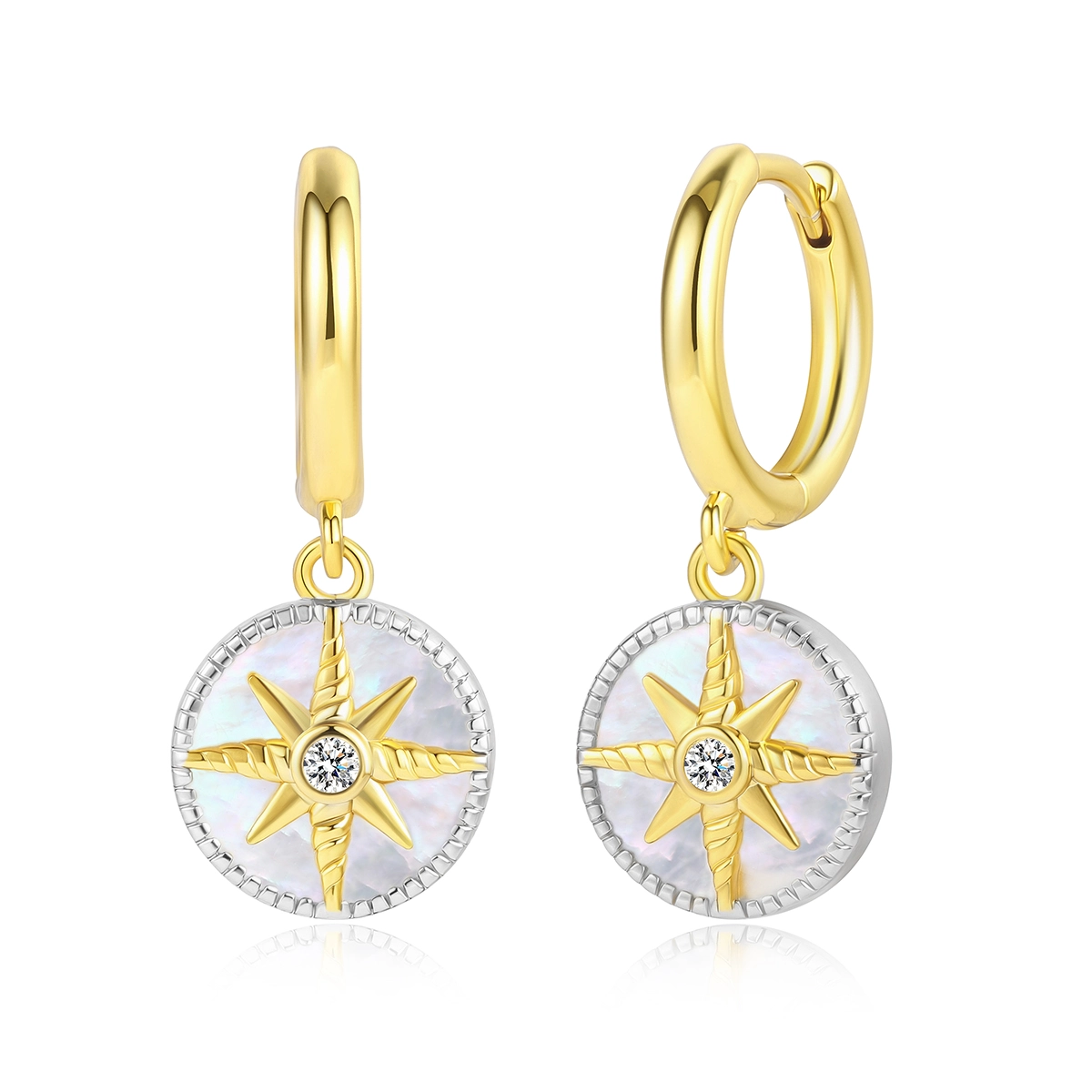
Brass Jewelry
Brass Mother of Pearl Compass Huggie Drop Earrings | 14K 18K Gold Plated Hypoallergenic Jewelry
Read More
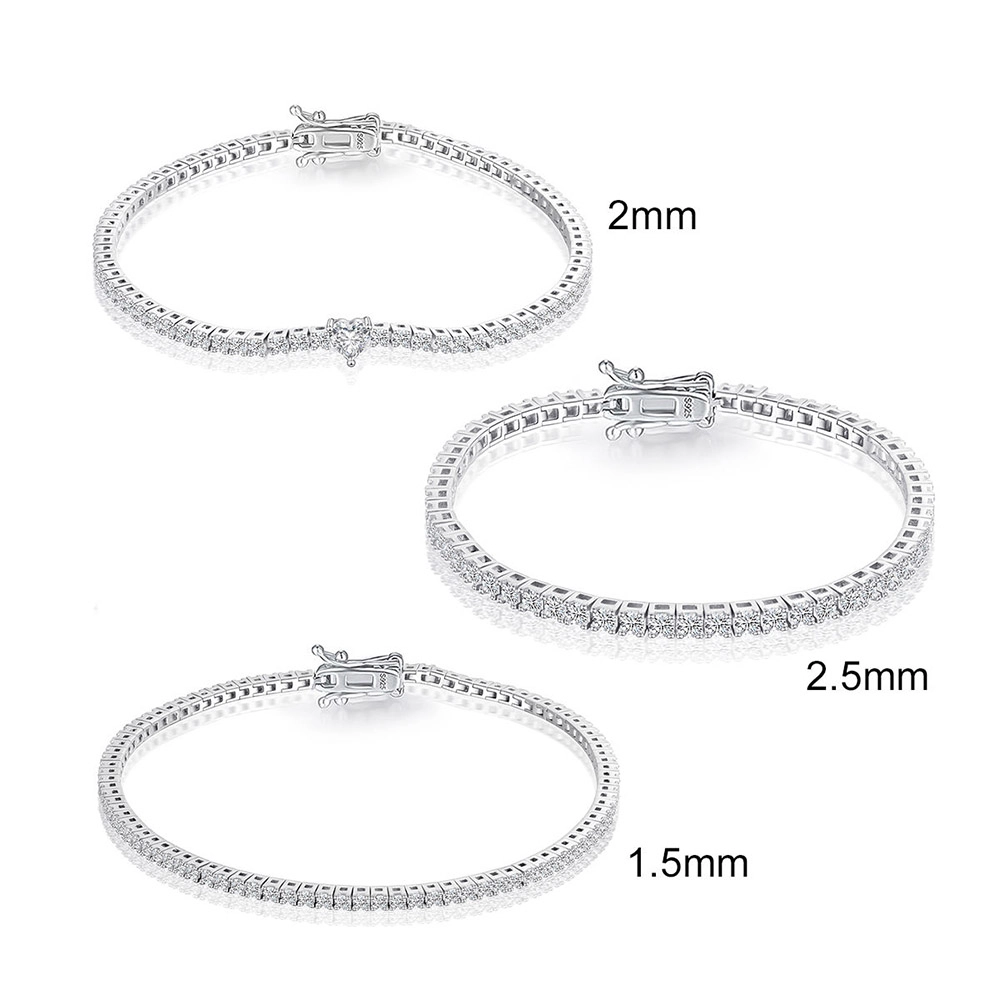
925 Silver Jewelry
Customizable High-Quality Fashion 925 Sterling Silver AAA Cubic Zirconia Heart-Shaped Open Tennis Bracelet.
Read More
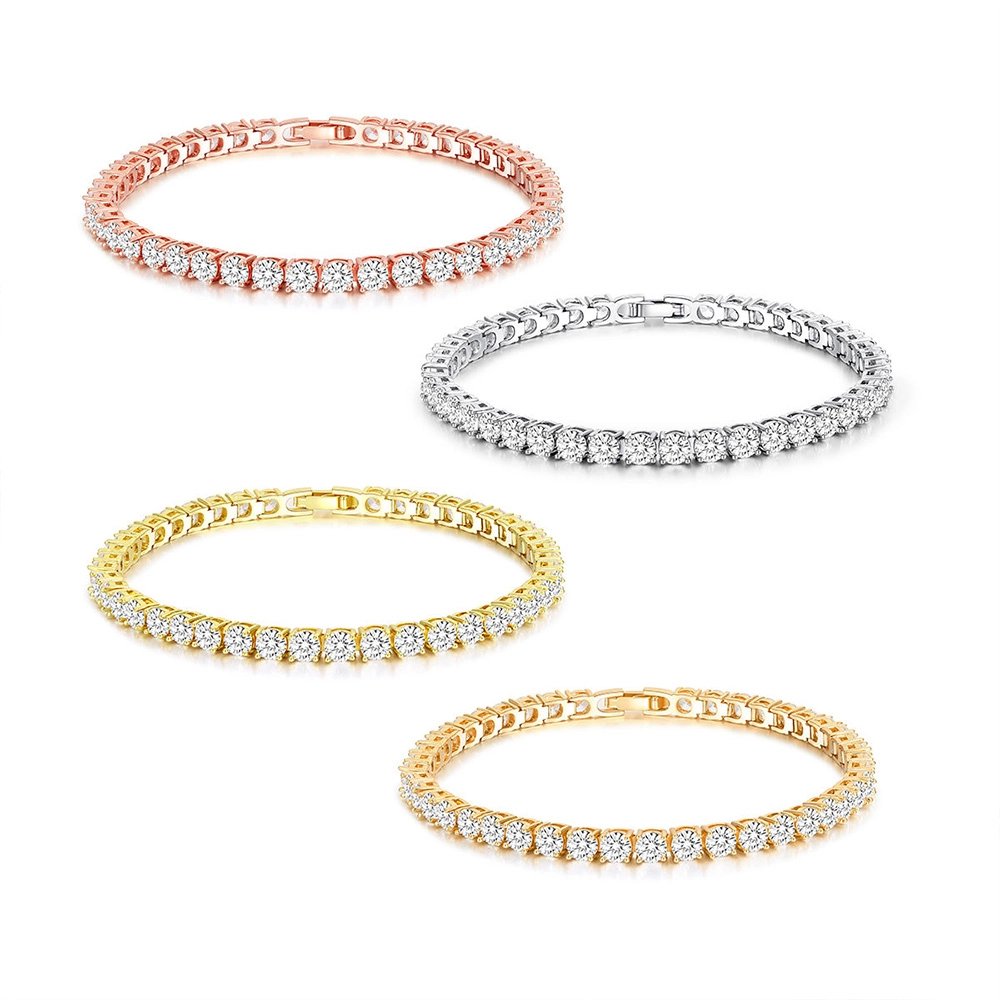
Brass Jewelry
Customizable OEM ODM High-Quality Fashion Brass AAA Cubic Zirconia Classic Tennis Bracelet for Women Wholesale.
Read More
Get a Quote for Private Label Jewelry
We provide personalized jewelry customization services for clients worldwide.
Rest assured that your privacy is important to us, and all information provided will be handled with the utmost confidentiality.
By clicking 'Send Inquiry Now' I agree to ZHEFAN JEWELRY processing my personal data.
To see how to withdraw your consent, how to control your personal data and how we process it, please see our Privacy Policy and Terms of use.
From design to production, ZHEFAN JEWELRY offers a one-stop solution to help you enhance your brand value and market competitiveness.
Get A Quote
Contact
Tel: (+86) 188 1927 7817
© 2026 Zhefan Jewelry. All Rights Reserved.
Facebook
Instagram
YouTube
Whatsapp: +8618819277817