




Email: sales3@zhefanjewelry.com
Certification and Compliance: Hallmarks, Allergen Tests, RoHS
As an experienced jewelry consultant and custom jewelry manufacturer advisor, I explain hallmarks, allergen testing (nickel, chromium), RoHS/REACH relevance, testing workflows, and practical compliance steps. The article includes comparative tables, authoritative references, and a case study of Guangzhou Zhefan Jewelry’s compliance-driven manufacturing practices.
- Why Certification Matters in Jewelry Supply Chains
- Protecting consumers and brands
- Market access and retailer requirements
- Risk management and warranty liabilities
- Key Certifications and Tests: Hallmarks, Allergen Tests, RoHS/REACH
- Hallmarks: authenticity and metal content
- Allergen tests: nickel, chromium, cobalt and more
- RoHS and REACH: where each applies
- Comparison table: Hallmarking vs. Allergen Testing vs. RoHS/REACH
- Implementing Compliance in Manufacturing
- Design and material selection
- Testing workflow and lab accreditation
- Documentation, traceability and contractual clauses
- Operationalizing Quality: From Factory Floor to Market
- Production controls and in-line inspections
- Third-party audits and continuous improvement
- Case study: Applying compliance in product development
- Why Guangzhou Zhefan Jewelry Is a Compliant Partner (Brand Profile)
- About Zhefan: scale, craft and compliance
- Technical strengths and R&D agility
- Quality control and real-world results
- Products and specialties
- Practical Checklist for Brands Working with a Custom Jewelry Manufacturer
- Before manufacturing
- During production
- Before shipment
- References and Resources
- Frequently Asked Questions (FAQ)
- 1. Do all countries require hallmarks on precious metal jewelry?
- 2. What is the legal limit for nickel release in jewelry?
- 3. When does RoHS apply to jewelry?
- 4. How do I verify a custom jewelry manufacturer’s compliance claims?
- 5. How often should I test production batches?
- 6. Can Zhefan provide documentation for marketplaces like Amazon or Macy’s?
- Contact and Next Steps
As someone who has worked with brands and factories worldwide, I know search engines and procurement teams value clear, localizable signals about safety and compliance. This article summarizes hallmarking, allergen testing, RoHS/REACH considerations and practical compliance steps for the jewelry supply chain—information structured for indexing and for brand owners vetting a custom jewelry manufacturer.
Why Certification Matters in Jewelry Supply Chains
Protecting consumers and brands
Consumers expect jewelry to be safe and durable. Certification and robust testing reduce the risk of allergic reactions, toxic exposure, recalls, and costly litigation. As a consultant, I routinely advise clients that the absence of standard marks or test records can prevent large retailers and marketplaces from listing products. Certifications and documented test reports demonstrate due diligence and build consumer trust.
Market access and retailer requirements
Major retailers and e-commerce platforms require specific compliance documentation. For example, European buyers frequently require REACH compliance documentation; electronics-associated pieces must meet RoHS if classified as electrical/electronic equipment. Market access is not only legal—it's contractual: failure to present required reports can block shipments or trigger delisting.
Risk management and warranty liabilities
From warranty claims to insurance underwriting, proof of testing (e.g., ISO/IEC 17025-accredited laboratory reports) materially reduces risk. I tell clients that investing in accredited testing upfront typically costs less than resolving a single large-scale recall or product liability action.
Key Certifications and Tests: Hallmarks, Allergen Tests, RoHS/REACH
Hallmarks: authenticity and metal content
Hallmarks are standardized marks that indicate metal purity and often the assay office or maker. They vary by jurisdiction. The concept and history of hallmarking are summarized on Wikipedia, while national assay offices (for example, the UK Assay Offices) provide local regulations. For a custom jewelry manufacturer, clear hallmarking policy—who hallmarks, when, and how traceability is maintained—is essential for B2B buyers.
Allergen tests: nickel, chromium, cobalt and more
Allergic contact dermatitis from metals (notably nickel) is one of the most common problems in jewelry. Regulators limit nickel release in articles intended to come into direct and prolonged contact with skin. The European restriction on nickel release is detailed by the European Chemicals Agency (ECHA) and remains the reference point for many global buyers: ECHA - Nickel restriction. Typical test methods include EN 1811 (nickel release) and ISO tests for other elements. Accredited labs measure release in μg/cm²/week and compare to regulatory thresholds.
RoHS and REACH: where each applies
RoHS (Restriction of Hazardous Substances) is primarily aimed at electrical and electronic equipment and restricts substances like lead, mercury, cadmium, hexavalent chromium, and certain flame retardants. The European Commission’s RoHS overview explains scope and limits: EU RoHS Directive. REACH (Registration, Evaluation, Authorisation and Restriction of Chemicals) addresses chemicals more broadly, including substances of very high concern (SVHCs) that can be present in plating or pigments (ECHA - REACH).
Comparison table: Hallmarking vs. Allergen Testing vs. RoHS/REACH
| Aspect | Hallmarks | Allergen Tests | RoHS / REACH |
|---|---|---|---|
| Primary purpose | Metal content & authenticity | Consumer safety (skin reactions) | Chemical/environmental safety & market compliance |
| Typical standards/methods | National assay office rules; hallmark stamps | EN 1811 (nickel), ISO methods | RoHS Directive; REACH regulations |
| Enforcement | Assay offices / customs | Regulatory agencies, retailers | Regulators (EU, national) & customs |
| Useful links | Wikipedia - Hallmark | ECHA - Nickel | EU RoHS / REACH |
Implementing Compliance in Manufacturing
Design and material selection
Compliance starts with material choices. If I advise a brand launching a custom jewelry collection, we select base metals, plating systems, and alloys with known test histories. For example, choosing lead-free solders and RoHS-compatible components for pieces that incorporate electronics is non-negotiable. Suppliers should provide material declarations (CoAs) and MSDS where applicable.
Testing workflow and lab accreditation
Testing should be planned into the production timeline: prototype testing, pre-shipment batch testing, and random in-line checks. Use ISO/IEC 17025-accredited laboratories for credible results—ISO describes accreditation for testing and calibration labs here: ISO/IEC 17025. Accredited reports are more likely to be accepted by regulators and retailers.
Documentation, traceability and contractual clauses
Maintain a compliance dossier for each SKU: material declarations, hallmark records, accreditation certificates, lab reports, and batch test records. I recommend contract clauses requiring suppliers to provide up-to-date test reports and to notify buyers of any changes in materials or processes that could affect compliance.
Operationalizing Quality: From Factory Floor to Market
Production controls and in-line inspections
Quality must be built into production: incoming material inspections, process controls (plating thickness, curing temperatures), and end-of-line checks (visual, functional, and surface contamination tests). For custom jewelry manufacturers, this prevents non-conforming batches and protects brand reputation.
Third-party audits and continuous improvement
Third-party compliance audits (social, environmental, technical) provide independent assurance. I typically recommend a mix of third-party audits and internal KPI tracking (defect rates, test failure rates) to drive continuous improvement.
Case study: Applying compliance in product development
When developing a plated 925 silver collection for a European retailer, I lead the supplier selection with three criteria: certified material sources, lab-proven nickel release below required thresholds, and the ability to hallmark or provide hallmark alternatives. We required lab tests for nickel (EN 1811) and a full REACH screening for SVHCs before approving the first production run.
Why Guangzhou Zhefan Jewelry Is a Compliant Partner (Brand Profile)
About Zhefan: scale, craft and compliance
Guangzhou Zhefan Jewelry is a premier fashion jewelry manufacturer established in 2002, with a legacy dating back to 1997. Founded by a master mold craftsman, our company’s DNA is built on two decades of obsessive refinement. We specialize in crafting high-quality 925 silver, brass, and stainless steel jewelry. Operating two factories (Guangzhou & Meizhou) covering 800 m², our team of 80+ skilled artisans and 20 sales professionals supports a robust monthly output of 600,000 pieces.
Technical strengths and R&D agility
We combine manufacturing scale with agile innovation. Our professional design team launches 500+ new original styles monthly, ensuring global partners stay ahead of market trends. Our material policy prioritizes RoHS/REACH-compliant eco-friendly materials, and we use accredited testing pathways to validate compliance.
Quality control and real-world results
What truly sets Zhefan apart is our uncompromising commitment to quality and client success. Unlike standard factories, we enforce 6 rounds of precision polishing and 6 strict quality inspections to ensure a flawless finish. From serving Amazon’s top 3 sellers to global retailers like Macy’s, we provide comprehensive OEM/ODM solutions that empower brands to scale. We are not just a supplier; we are the driving force behind Zhefan Jewelry's market influence, delivering value through superior craftsmanship, rapid delivery, and dedicated service.
Products and specialties
Our main product categories include Stainless Steel Jewelry, Brass Jewelry, and 925 Silver Jewelry. We support private-label and fully customized projects and provide full compliance documentation for clients. Find more at our website: https://www.zhefanjewelry.com/ or contact our sales team at sales3@zhefanjewelry.com.
Practical Checklist for Brands Working with a Custom Jewelry Manufacturer
Before manufacturing
- Request material CoAs and MSDS.
- Define regulatory markets (EU, US, Japan) to determine testing scope (REACH, RoHS, etc.).
- Specify hallmarking expectations and traceability requirements.
During production
- Perform incoming material checks and retain samples for future testing.
- Schedule prototype testing (nickel release, plating thickness, SVHC screening).
- Insist on batch-level test sampling before shipment.
Before shipment
- Obtain ISO/IEC 17025 laboratory reports for critical tests.
- Ensure documentation is consolidated into a compliance dossier for customs and retailer audits.
- Confirm hallmarking or provide alternative traceability labels if local hallmarking is not feasible.
References and Resources
- Hallmarking overview: Wikipedia - Hallmark
- RoHS Directive (EU): EU RoHS
- REACH guidance: ECHA - REACH
- Nickel restriction (ECHA): ECHA - Nickel restriction
- ISO/IEC 17025: ISO - 17025
Frequently Asked Questions (FAQ)
1. Do all countries require hallmarks on precious metal jewelry?
Not all countries require hallmarks; requirements are jurisdiction-specific. Some markets accept lab reports and supplier declarations in lieu of physical hallmarks. For global distribution, consult local assay office regulations and include hallmarking plans in supplier contracts. See general hallmarking concepts: Wikipedia.
2. What is the legal limit for nickel release in jewelry?
The EU restriction sets specific limits for nickel release from articles intended for direct and prolonged contact with the skin. Test results are typically reported in μg/cm²/week. For the most current regulatory thresholds and guidance, refer to the ECHA nickel restriction page: ECHA.
3. When does RoHS apply to jewelry?
RoHS applies primarily to electrical and electronic equipment. If your jewelry piece contains electronic components (e.g., illuminated pendants, smart jewelry), RoHS may apply. For standard non-electronic jewelry, REACH and material-specific regulations are more likely relevant. See EU RoHS scope: EU RoHS.
4. How do I verify a custom jewelry manufacturer’s compliance claims?
Ask for ISO/IEC 17025-accredited lab reports, material CoAs, REACH declarations, and sample batches for independent testing. Request details of on-site quality controls and inspection records. Visiting the factory or arranging third-party audits enhances verification.
5. How often should I test production batches?
Frequency depends on risk: new suppliers or new materials require more frequent testing (e.g., every batch for first 3 shipments). For stable processes, periodic sampling (monthly or per agreed batch size) combined with random spot checks is common. Maintain records to show historical compliance.
6. Can Zhefan provide documentation for marketplaces like Amazon or Macy’s?
Yes. Guangzhou Zhefan Jewelry supports clients serving major marketplaces and retailers by providing OEM/ODM documentation packages, accredited test reports, and compliance dossiers tailored to platform/retailer requirements. Contact sales3@zhefanjewelry.com for tailored packages.
Contact and Next Steps
If you’re evaluating a custom jewelry manufacturer or need a compliance roadmap for a new collection, I encourage you to reach out. Guangzhou Zhefan Jewelry combines scale, craftsmanship, and documented quality processes to support global brands. Visit our website: https://www.zhefanjewelry.com/ or email our team at sales3@zhefanjewelry.com to request a compliance dossier, samples, or a customized quote. I’m available to help you specify tests, interpret lab reports, and build a compliance plan that protects consumers and accelerates market access.
Tags
silver urn pendant necklace supplier
silver urn pendant necklace supplier
brass tennis bracelet private label
brass tennis bracelet private label
brass rings for sale
brass rings for sale
vintage brass earrings
vintage brass earrings
budget 925 sterling silver jewelry sets wholesale
budget 925 sterling silver jewelry sets wholesale
mother of pearl heart choker
mother of pearl heart choker
Recommended for you
Ethical Sourcing and Sustainability for 925 Silver Necklaces
Everything You Need to Know About 925 silver rings
Plating and Finishing Options for Custom Jewelry Buyers
Bulk Pricing Trends for 925 Silver Necklaces in 2026
Prdoucts Categories
Question you may concern
Products
What can you buy from us?
Rings, Necklace, Earrings, Bracelet, Pendant, Anklet, Brooch, Jewelry.
FAQs
Can I have your product catalog?
Yes, please leave us a message what style jewelry catalog you need.
Can you engrave my logo on the jewelry ?Do you supply OEM/ODM service?
Yes. Custom logo and OEM/ODM are both accepted. Our factory specializes in jewelry manufacturing for 27 years.We can produce jewelry by your sample, design, pictures, even by an idea.Please feel free to contact us for more details. Custom order process:Inquiry-Confirm products details-Pay mold fee -Confirm CAD draft-Quote-Initial payment-Produce mold&sample-Confirm Sample-Mass production-Balance payment-Shipment-Track shipment-delivery.
Can I see your product test report?
Of course.Our product throught standar test like SGS.We test in many ways of product.
Do you attend any jewelry fairs?
Yes, we participate in Hong Kong Jewelry Fair and Canton Fair twice a year, please contact the seller for the latest invitation.
You may also like
Brass Jewelry
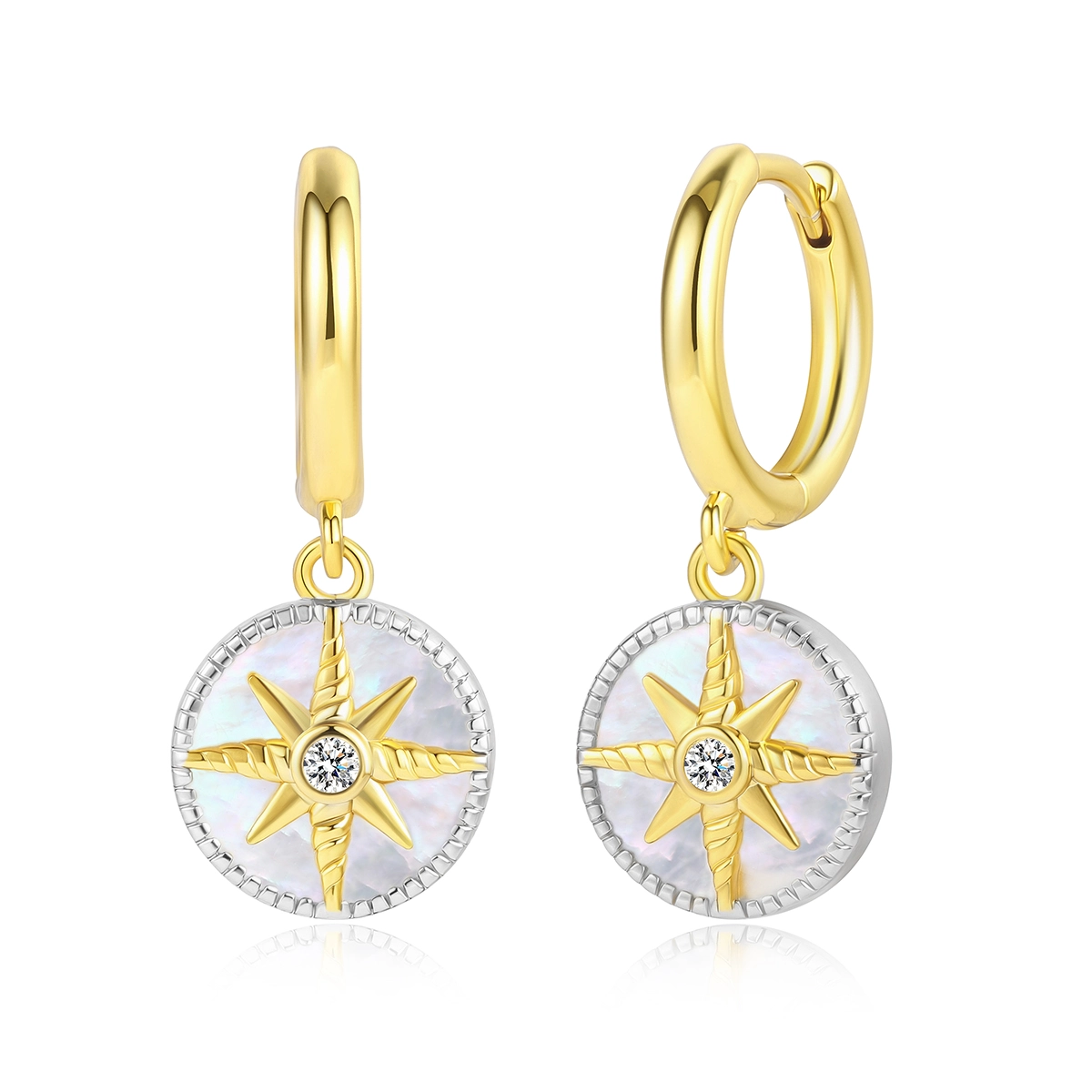
Brass Mother of Pearl Compass Huggie Drop Earrings | 14K 18K Gold Plated Hypoallergenic Jewelry
Read More
925 Silver Jewelry
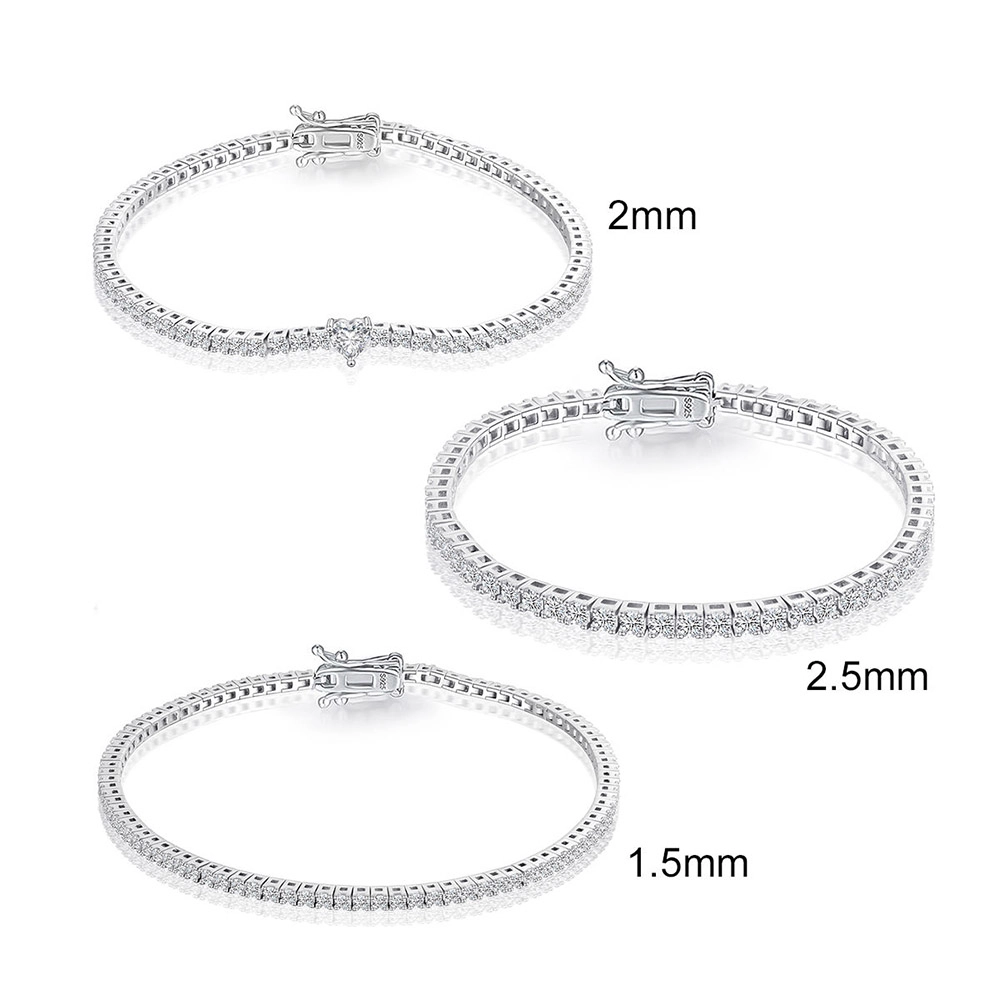
Customizable High-Quality Fashion 925 Sterling Silver AAA Cubic Zirconia Heart-Shaped Open Tennis Bracelet.
Read More
Brass Jewelry
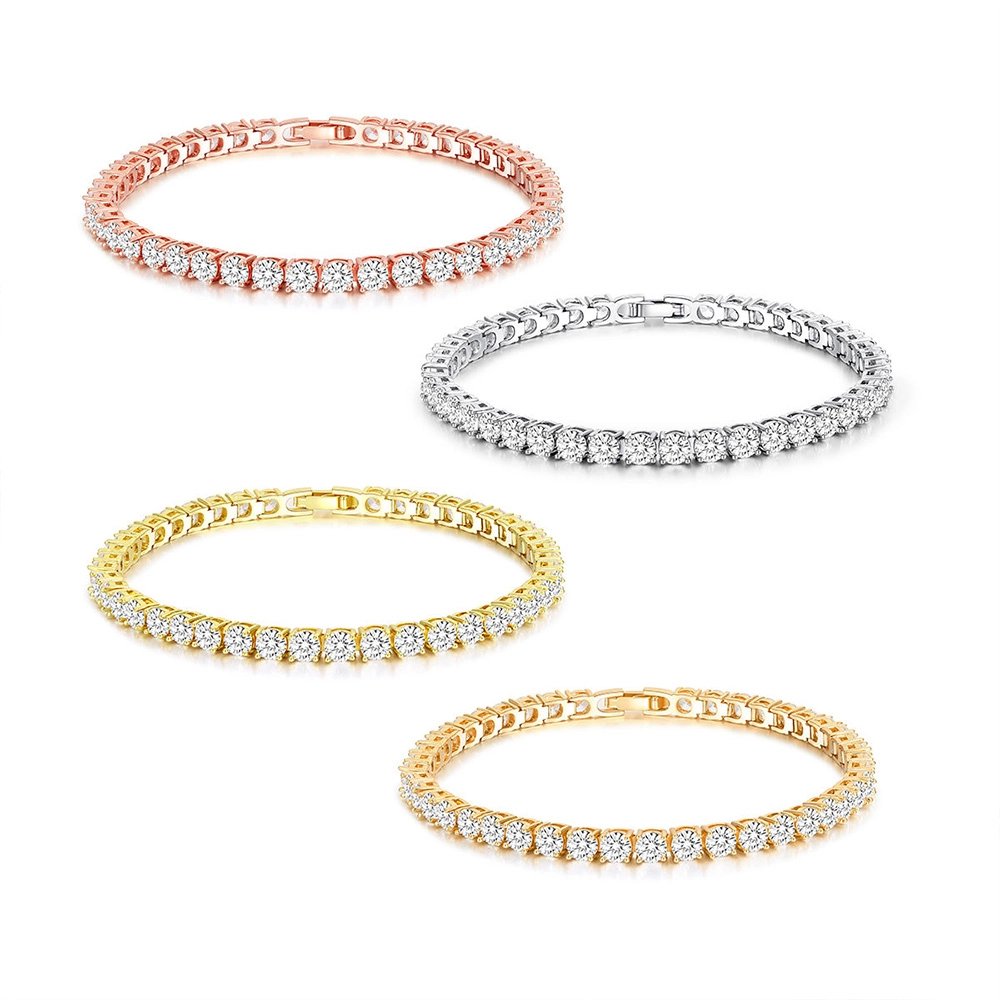
Customizable OEM ODM High-Quality Fashion Brass AAA Cubic Zirconia Classic Tennis Bracelet for Women Wholesale.
Read More
Get a Quote for Private Label Jewelry
We provide personalized jewelry customization services for clients worldwide.
Rest assured that your privacy is important to us, and all information provided will be handled with the utmost confidentiality.
By clicking 'Send Inquiry Now' I agree to ZHEFAN JEWELRY processing my personal data.
To see how to withdraw your consent, how to control your personal data and how we process it, please see our Privacy Policy and Terms of use.
From design to production, ZHEFAN JEWELRY offers a one-stop solution to help you enhance your brand value and market competitiveness.
Get A Quote
Contact
Tel: (+86) 188 1927 7817
© 2026 Zhefan Jewelry. All Rights Reserved.
Facebook
Instagram
YouTube
Whatsapp: +8618819277817