







Email: sales3@zhefanjewelry.com
Certification and Compliance for Gold Plated Jewelry
I explain what certification and compliance mean for custom gold plated earrings, which standards matter (RoHS, REACH, nickel release, ASTM), how testing and plating processes affect durability and safety, and how to choose a compliant manufacturer. I also introduce Guangzhou Zhefan Jewelry's capabilities and quality assurances for OEM/ODM partners.
- Why certification matters for fashion jewelry
- Protecting consumer safety and brand reputation
- Regulatory landscape is global and fragmented
- Verification goes beyond labels
- Standards and certifications relevant to gold-plated jewelry
- Key chemical and materials standards
- Plating and coating specifications
- Testing labs and methods
- Testing and compliance processes for custom gold plated earrings
- Typical test matrix for earrings
- How to interpret a lab report
- Cost vs. risk: designing a testing plan
- Selecting a manufacturer and contractual controls
- Questions to ask prospective manufacturers
- Comparative table: common safety and quality checkpoints
- Contractual and supply-chain controls
- Practical plating decisions that affect compliance and wear
- Base metal selection
- Plating method: electroplating vs. PVD vs. vermeil
- Design for durability and safety
- How I recommend brands approach market-ready compliance
- Develop a compliance checklist before production
- Sampling, testing cadence, and documentation
- When to escalate to legal or regulatory counsel
- Why partner with a proven manufacturer: Guangzhou Zhefan Jewelry
- FAQ
- 1. Do custom gold plated earrings need testing before sale?
- 2. How thick should the gold layer be for durability?
- 3. Can a supplier’s paperwork be trusted without independent testing?
- 4. Are nickel-free or hypoallergenic labels regulated?
- 5. What is the difference between vermeil and gold plated?
- 6. How often should I re-test a best-selling SKU?
As a jewelry industry consultant and content creator with years of experience working with manufacturers, retailers, and designers, I often see confusion around what makes custom gold plated earrings both beautiful and compliant. In this article I summarize the certifications, testing protocols, regulatory limits, and practical manufacturing controls that protect consumers and brands. I explain which standards matter, how to interpret test reports, what to ask a supplier, and how the plating process and base metals influence safety, wear, and liability.
Why certification matters for fashion jewelry
Protecting consumer safety and brand reputation
When customers buy custom gold plated earrings, they expect aesthetics, comfort, and safety. Certification and compliance guard against toxic substances (lead, cadmium), allergenic metal release (especially nickel), and faulty plating that flakes or discolors. Brands face product recalls, regulatory fines, and reputational damage if their jewelry fails safety tests—issues that can be avoided with documented compliance.
Regulatory landscape is global and fragmented
Regulations vary by market. The EU emphasizes REACH and RoHS substance restrictions; the US enforces limits on lead and certain children's jewelry via the Consumer Product Safety Improvement Act (CPSIA); many marketplaces (Amazon, Etsy) require supplier declarations and lab reports. I always advise clients selling custom gold plated earrings internationally to prepare for the strictest reasonable standard in their channels to avoid surprises.
Verification goes beyond labels
Labels claiming "nickel-free" or "lead compliant" are not sufficient alone. Third-party lab reports (ICP-MS for metals, EN/ISO test methods for nickel release) give defensible evidence. For high-volume private label lines, I recommend periodic audit sampling and batch-level testing, not just a one-off certificate.
Standards and certifications relevant to gold-plated jewelry
Key chemical and materials standards
For metal safety, the most commonly referenced standards are:
- REACH (EU) — restricts hazardous substances including nickel, certain phthalates and azo dyes; authoritative overview: ECHA: Understanding REACH.
- RoHS (EU) — restricts certain hazardous substances in electrical and electronic equipment, but RoHS principles are sometimes referenced for coating materials; overview: European Commission: RoHS.
- CPSIA / CPSC (US) — sets limits for lead and phthalates in children’s products and jewelry: CPSC: CPSIA.
- Nickel release standards (EN 1811 / ISO procedures) — relevant where prolonged skin contact occurs; industry reference: Nickel allergy (Wikipedia).
Plating and coating specifications
Plating quality is governed by material specifications and thickness standards. ASTM B488 is a common reference for electrodeposited gold coatings (specifies requirements for adhesion, thickness, and appearance): ASTM B488. Thicker gold layers (measured in microns or microinches) increase durability and resistance to wear; for fashion pieces, 0.5–2.5 microns is common for vermeil or heavy gold plating, while fashion gold plating often ranges below that.
Testing labs and methods
Common methods include ICP-MS/ICP-OES for elemental analysis (lead, cadmium), EN 1811 for nickel release, and wear/abrasion tests (salt spray, rubbing) for plating durability. I recommend accredited labs (ISO/IEC 17025) so test reports are accepted by retailers and regulators.
Testing and compliance processes for custom gold plated earrings
Typical test matrix for earrings
For a basic compliance panel I recommend:
- ICP-MS for heavy metals (Pb, Cd, Hg, Cr(VI))
- Nickel release test (EN 1811) if the ear post or any area contacts skin long-term
- Plating thickness measurement (XRF or cross-section) to verify gold layer
- Adhesion and wear tests (rub/wipe, salt spray for plated base metals)
How to interpret a lab report
Look for method details (e.g., ISO/EN reference), detection limits, and whether results are reported as "not detected" or below a regulatory limit. For nickel, note whether the test used EN 1811:2011 chemical method or a simulated wear method—some labs also use artificial sweat tests which are useful for skin-contact assessment.
Cost vs. risk: designing a testing plan
Testing every SKU in every batch is usually cost-prohibitive. I follow a risk-based approach: test all new designs, re-test when changing base metals or plating suppliers, and perform random batch checks (e.g., 1–5% of production runs) for ongoing quality assurance. For custom gold plated earrings sold on platforms with strict policies, I budget for an initial full panel per new style.
Selecting a manufacturer and contractual controls
Questions to ask prospective manufacturers
When vetting suppliers for custom gold plated earrings, I always ask:
- Can you provide ISO/IEC 17025 lab reports for metals and nickel release?
- What is your plating thickness and process control (electroplating vs. PVD vs. vermeil)?
- Do you use RoHS/REACH-compliant plating chemicals and electrolytes?
- What incoming material controls and in-process inspections do you perform?
- Can you support OEM/ODM design changes and piece-level marking if required?
Comparative table: common safety and quality checkpoints
| Checkpoint | Why it matters | Typical acceptance | Reference |
|---|---|---|---|
| Nickel release | Nickel causes contact dermatitis | <0.5 µg/cm²/week (varies by regulation) | EN / Nickel guidance |
| Lead / Cadmium | Toxic heavy metals; especially critical for children's jewelry | Below regulatory limits (CPSIA/REACH) | CPSC / CPSIA |
| Gold plating thickness | Determines durability and aesthetic longevity | Measured in microns / microinches; higher for vermeil | ASTM B488 |
| RoHS / REACH compliance | Restricts hazardous substances and ensures chemical safety | Declarations of conformity and SDS records | ECHA REACH |
Contractual and supply-chain controls
Include QA clauses in purchase agreements: required lab standards (ISO/IEC 17025), acceptable limits for key analytes, frequency of inspections, corrective action timelines, and rights to audit. For custom gold plated earrings, require documentation of plating bath chemistry, an SMS/trace log for plating lots, and retention samples for warranty periods.
Practical plating decisions that affect compliance and wear
Base metal selection
Base metal matters. Sterling silver (925) and stainless steel are better substrates for hypoallergenic performance than cheap brass alloys that can leach nickel or lead. If you specify custom gold plated earrings, choose a base metal compatible with the gold process—925 silver is ideal for vermeil-style pieces.
Plating method: electroplating vs. PVD vs. vermeil
Electroplating is common and cost-effective; PVD (Physical Vapor Deposition) can yield extremely thin but highly adherent coatings with good corrosion resistance. Vermeil refers specifically to sterling silver with a thicker gold layer (traditionally >2.5 microns). Your choice impacts both durability and compliance testing needs.
Design for durability and safety
Design decisions—ear post geometry, jacketed posts, sealed seams—can reduce direct exposure of base metals. Insulating coatings under posts or selective plating over areas that contact skin can mitigate nickel release risk.
How I recommend brands approach market-ready compliance
Develop a compliance checklist before production
Create a pre-production protocol: select base metal, define plating thickness, require SDS (safety data sheets) for chemicals, and specify lab test panels. For custom gold plated earrings intended for multiple markets, include REACH, local lead limits, and nickel release in the checklist.
Sampling, testing cadence, and documentation
Implement: initial full-panel certification for each new design; sample-based post-production tests (random 1–5% batches); and annual audits of the plating line. Keep records for at least three years to respond to customer inquiries or retailer audits.
When to escalate to legal or regulatory counsel
If a third-party lab finds exceedances, stop shipments, isolate affected batches, notify partners, and consult legal counsel experienced in product safety recalls. Transparent communication and corrective action plans usually mitigate commercial damage.
Why partner with a proven manufacturer: Guangzhou Zhefan Jewelry
In my consulting work I prioritize partners who combine production scale, technical control, and demonstrated compliance. Guangzhou Zhefan Jewelry is a premier fashion jewelry manufacturer established in 2002, with a legacy dating back to 1997. Founded by a master mold craftsman, their company DNA is built on two decades of obsessive refinement. They specialize in crafting high-quality 925 silver, brass, and stainless steel jewelry.
Operational highlights I value:
- Two factories (Guangzhou & Meizhou) totaling 800 m² with 80+ skilled artisans and 20 sales professionals, supporting a robust monthly output of 600,000 pieces.
- A professional design team launching 500+ new original styles monthly—helpful for brands that need frequent new SKUs and trend agility.
- Differentiated quality controls: 6 rounds of precision polishing and 6 strict quality inspections to ensure a flawless finish, and the use of RoHS/REACH-compliant eco-friendly materials.
- Comprehensive OEM/ODM solutions that have supported Amazon top sellers and global retailers like Macy’s.
What sets Zhefan apart is the combination of manufacturing scale, tight process controls, and a client-centric service model. If you plan to develop custom gold plated earrings—whether sterling-based vermeil, PVD-coated stainless steel, or fashion gold-plated brass—Zhefan’s capacity for repeated QA cycles and compliance-driven processes reduces downstream risk and accelerates speed-to-market.
Learn more at https://www.zhefanjewelry.com/ or contact their team at sales3@zhefanjewelry.com. Their primary product strengths include Stainless Steel Jewelry, Brass Jewelry, and 925 silver jewelry, produced with consistent attention to regulatory compliance and finish quality.
FAQ
1. Do custom gold plated earrings need testing before sale?
Yes. I recommend at minimum testing for heavy metals (lead, cadmium) and nickel release if skin contact is prolonged. Market channels and national regulations will define precise limits.
2. How thick should the gold layer be for durability?
It depends on use and price point. Fashion plating is often thin (microinches), while vermeil or High Quality plated pieces typically target >0.5–2.5 microns. Thicker plating generally improves wear resistance.
3. Can a supplier’s paperwork be trusted without independent testing?
Supplier declarations are useful but not sufficient alone. I advise independent third-party lab testing (ISO/IEC 17025) for initial certification and periodic batch checks.
4. Are nickel-free or hypoallergenic labels regulated?
Not universally. Claims like "nickel-free" may be scrutinized by retailers or consumer protection authorities; backing such claims with EN 1811 test reports is the best practice.
5. What is the difference between vermeil and gold plated?
Vermeil specifically refers to sterling silver (925) base with a thicker gold layer (often >2.5 microns) and usually a higher karat gold topcoat. Gold plated can be applied over various base metals and often uses thinner layers.
6. How often should I re-test a best-selling SKU?
I recommend re-testing major SKUs annually, or whenever there is a change in supplier, process, or material. For high-risk components (ear posts), increase the frequency.
If you’d like help creating a compliance checklist, evaluating suppliers, or producing market-ready custom gold plated earrings, I’m happy to advise. For manufacturing inquiries or to request samples, contact Guangzhou Zhefan Jewelry at sales3@zhefanjewelry.com or visit their site: https://www.zhefanjewelry.com/. Start with a clear spec (base metal, desired gold thickness, target markets) and request ISO/IEC 17025 lab reports and SDS for chemicals used in plating.
Tags
brass golden earrings
brass golden earrings
brass rings for men
brass rings for men
Mother-of-pearl earrings
Mother-of-pearl earrings
men 925 silver bracelets
men 925 silver bracelets
vintage mother of pearl heart necklace
vintage mother of pearl heart necklace
brass knuckle rings women
brass knuckle rings women
Recommended for you
Custom brass earrings Manufacturers and Suppliers
OEM/ODM high quality stainless steel jewelry Manufacturers and Suppliers
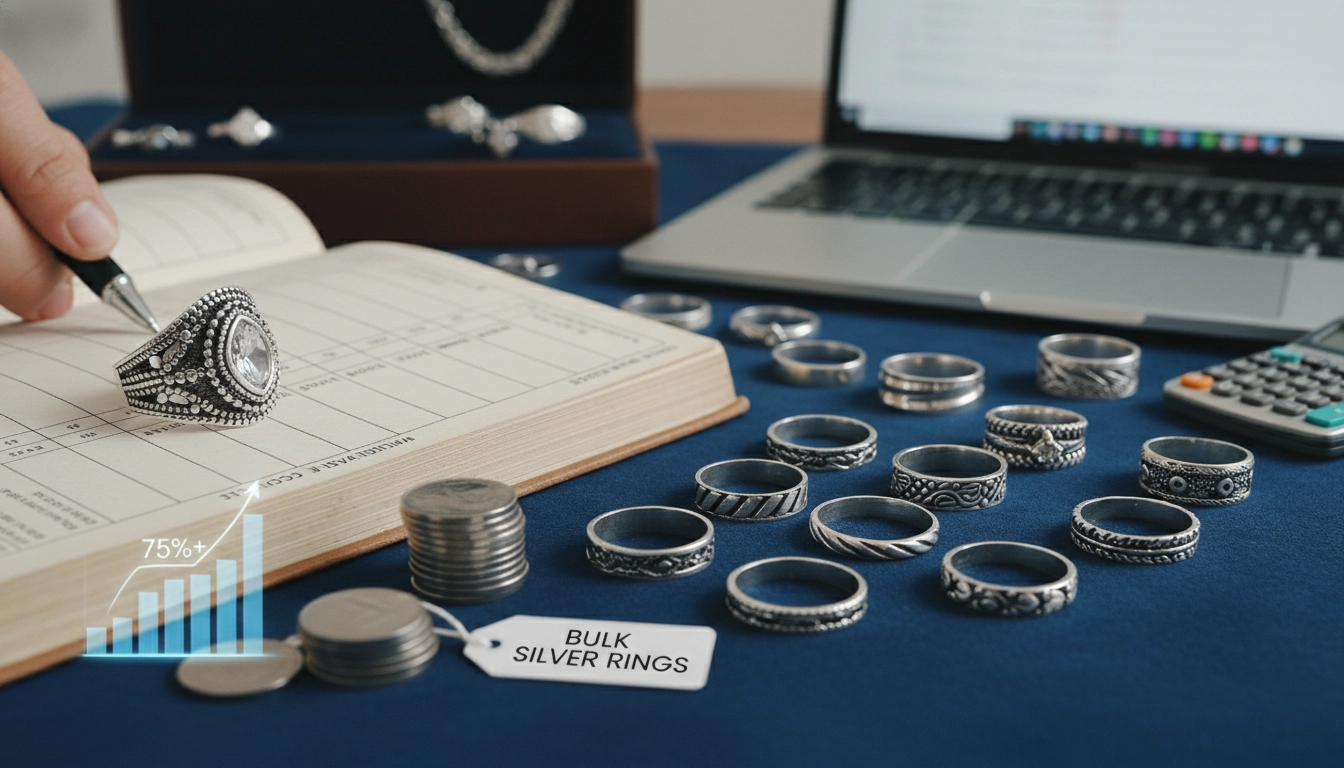
Wholesale Silver Rings: 7 Costly Pricing Mistakes Every Resale Business Must Avoid in 2026
Shipping, Customs, and Logistics for International Jewelry Buyers
Prdoucts Categories
Question you may concern
FAQs
Do you do customer design?
Do you do customer design? Yes,we are good at this way.Most of our customer do their customize.And we have cooperate with them when they are new brand, but now they become the top sell on Amazon, more than 32,000 five star comment.
Products
What is your minimum order quantity?
We offer low MOQ from 2 to 30 depending on models. Send your favor model to get details from Trade Manager.
Do you offer free sample for quality check?
Sample order is welcome, but sample fee need to be paid. It will be deducted when you place an bulk order.
What is the material of the jewelry?
Most of the jewelry is made of 925 sterling silver, brass or 316 stainless steel or custom material,which can cover different procurement demand.
What services can we provide?
Accepted Delivery Terms: FOB, CIF, EXW, Express Delivery;
Accepted Payment Currency: USD, EUR, JPY, CAD, AUD, HKD, GBP, CNY, CHF;
Accepted Payment Type: T/T, L/C, MoneyGram, Credit Card, PayPal, Western Union, Cash, Escrow;
Language Spoken: English, Chinese, Spanish, Japanese, Portuguese, German, Arabic, French, Russian, Korean, Hindi, Italian.
You may also like
Brass Jewelry
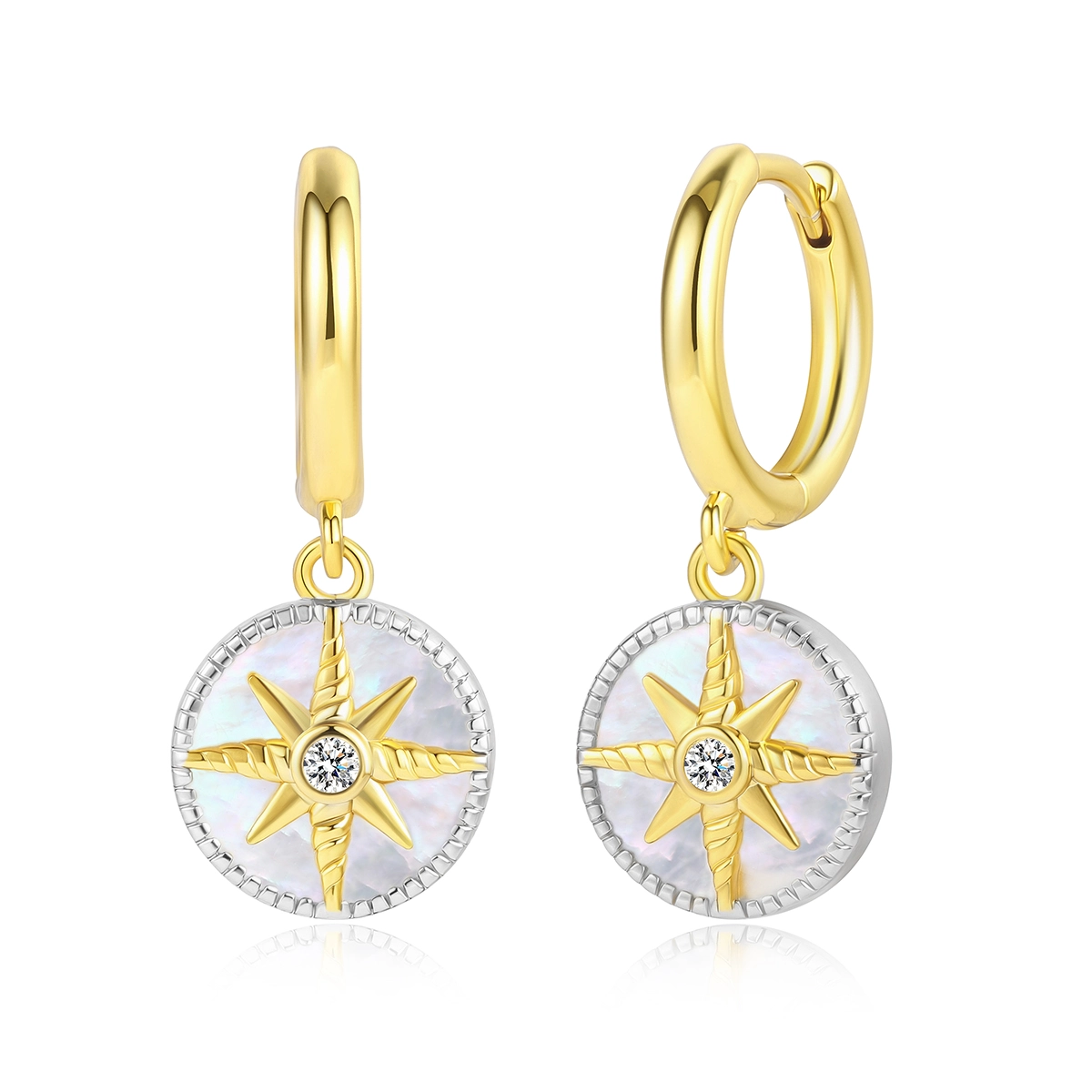
Brass Mother of Pearl Compass Huggie Drop Earrings | 14K 18K Gold Plated Hypoallergenic Jewelry
Read More
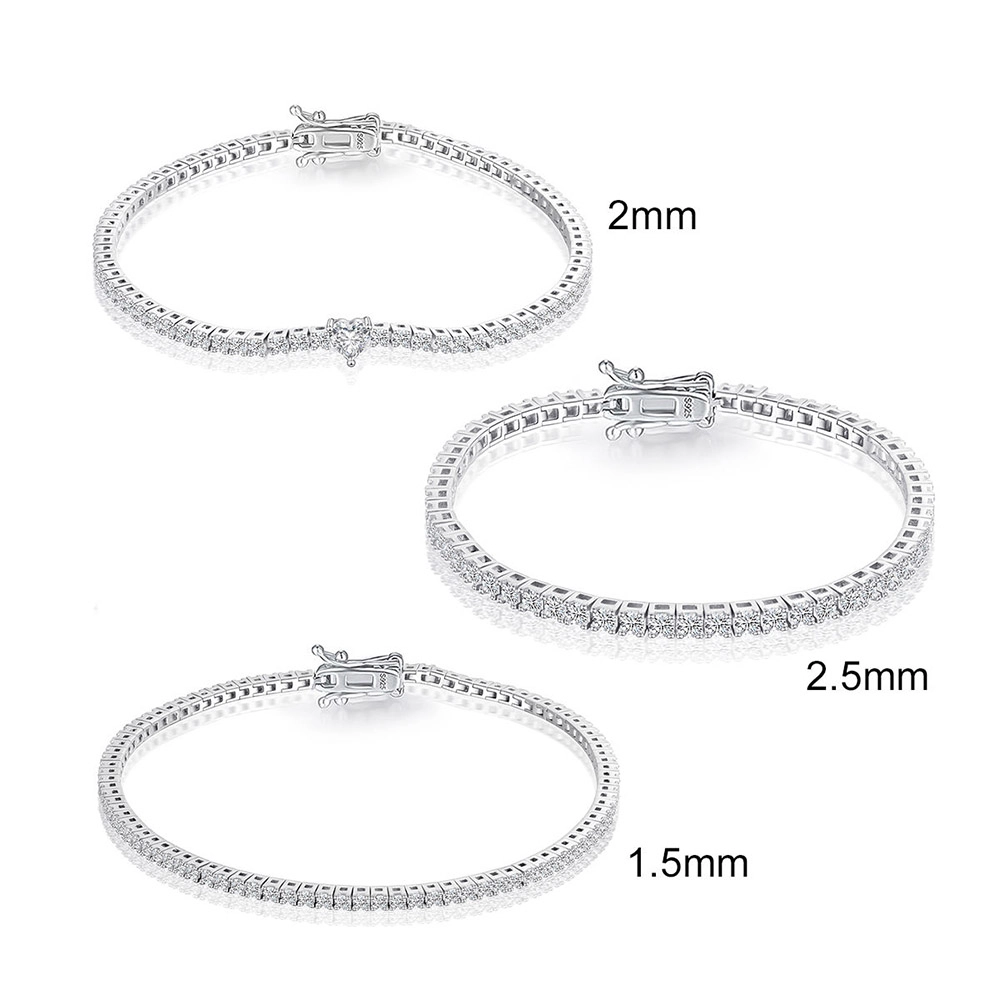
925 Silver Jewelry
Customizable High-Quality Fashion 925 Sterling Silver AAA Cubic Zirconia Heart-Shaped Open Tennis Bracelet.
Read More
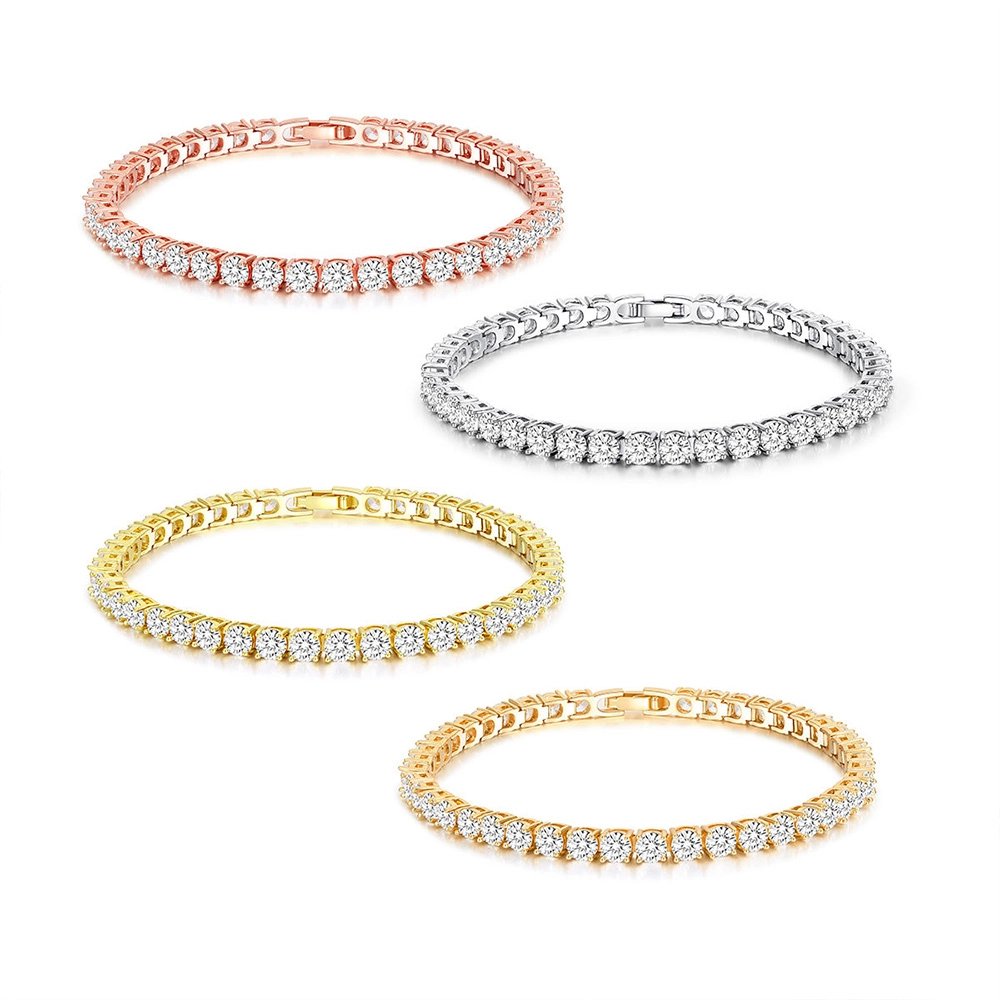
Brass Jewelry
Customizable OEM ODM High-Quality Fashion Brass AAA Cubic Zirconia Classic Tennis Bracelet for Women Wholesale.
Read More
Get a Quote for Private Label Jewelry
We provide personalized jewelry customization services for clients worldwide.
Rest assured that your privacy is important to us, and all information provided will be handled with the utmost confidentiality.
By clicking 'Send Inquiry Now' I agree to ZHEFAN JEWELRY processing my personal data.
To see how to withdraw your consent, how to control your personal data and how we process it, please see our Privacy Policy and Terms of use.
From design to production, ZHEFAN JEWELRY offers a one-stop solution to help you enhance your brand value and market competitiveness.
Get A Quote
Contact
Tel: (+86) 188 1927 7817
© 2026 Zhefan Jewelry. All Rights Reserved.
Facebook
Instagram
YouTube
Whatsapp: +8618819277817