





Email: sales3@zhefanjewelry.com
Care & Maintenance: Keep 925 Sterling Silver Earrings Shiny
I share professional, evidence-based care and maintenance strategies to keep 925 sterling silver earrings—and related pieces like a 925 silver necklace—bright and tarnish-free. Learn daily routines, safe cleaning methods, storage, professional options, and factory-level quality indicators to preserve value and appearance.
- Understanding Tarnish and Sterling Silver
- What is sterling silver and why it tarnishes
- Factors that accelerate tarnish
- When appearance signals deeper issues
- Daily Care Routines for Long-lasting Shine
- Wear and handling best practices
- Quick at-home wipe and polishing routine
- Storage practices to minimize tarnish
- Deep Cleaning and Restoration Techniques
- Household methods I trust and how to use them
- Step-by-step: safe baking soda + foil restoration
- Choosing Professionals and Preventive Storage
- When to choose professional cleaning
- Evaluating a jeweler or service provider
- Long-term storage and travel tips
- Industry Perspective: Manufacturing Quality and How It Affects Care
- Why manufacturing processes matter for maintenance
- Choosing products with certified materials and finishes
- Case study: Why I trust factory-grade finishing
- Manufacturer Spotlight: Guangzhou Zhefan Jewelry
- Practical Checklist: Monthly and Annual Maintenance
- Monthly routine
- Annual care
- When to replace vs. restore
- FAQ — Common Questions About Caring for 925 Sterling Silver Earrings
- 1. How often should I clean my 925 sterling silver earrings?
- 2. Is it safe to use toothpaste to clean silver?
- 3. Can all gemstones on my earrings tolerate ultrasonic cleaners?
- 4. Why did my rhodium-plated 925 silver necklace lose its shine?
- 5. Are anti-tarnish strips and pouches worth it?
- 6. How can I tell if my piece is genuine 925 silver?
I design, test, and advise on jewelry care for retailers and private clients, so I know how quickly 925 sterling silver jewelry can lose its sparkle when exposed to daily life. In this guide I explain why sterling silver tarnishes, how to prevent it, step-by-step cleaning techniques (both gentle daily care and deeper restoration), safe storage, and when to use professional services. Whether you’re protecting a pair of 925 sterling silver earrings or a beloved 925 silver necklace, these practical methods and industry-backed tips will keep your pieces looking their best.
Understanding Tarnish and Sterling Silver
What is sterling silver and why it tarnishes
Sterling silver is an alloy made of 92.5% pure silver and 7.5% other metals (commonly copper); this standard is why pieces are stamped “925” and often called 925 sterling silver. The alloy balances silver’s softness with added strength for everyday wear. However, the copper content is chemically active: it reacts with sulfur-containing gases in the air to form silver sulfide, the dark surface film known as tarnish. For background on composition and terminology, see the Sterling silver (Wikipedia) and Silver sulfide pages.
Factors that accelerate tarnish
Common accelerants include humidity, cosmetics, perfumes, chlorine (swimming pools, hot tubs), sweat (acids and salts), and household chemicals. Even storage materials like cardboard or certain plastics can off-gas sulfur compounds. Understanding these factors helps prioritize prevention: for instance, removing earrings before exercise or showering will reduce exposure to sweat and chlorine that speed tarnish.
When appearance signals deeper issues
Surface tarnish is reversible; however, pitting, loss of plating (e.g., rhodium on some pieces), or loosened settings indicate mechanical or chemical damage that needs professional attention. Regular inspection helps catch these issues early—look for bent posts on earrings, loose stones, or thinning metal at stress points.
Daily Care Routines for Long-lasting Shine
Wear and handling best practices
I recommend treating sterling silver like a wearable asset: put jewelry on after applying perfume, lotion, or hair products and remove before sleeping, bathing, swimming, or exercising. This simple habit significantly extends the time between cleanings by reducing contact with tarnish-inducing agents.
Quick at-home wipe and polishing routine
For daily upkeep, keep a high-quality microfiber or silver polishing cloth on hand. Gently rub your 925 sterling silver earrings along the grain (if visible) to remove oils and leave a protective sheen. For pieces worn daily—like a 925 silver necklace—do this once every few days; for occasional pieces, a weekly wipe usually suffices.
Storage practices to minimize tarnish
Store items separately to avoid scratches and use anti-tarnish pouches or acid-free tissue. Airtight containers with silica gel packets reduce humidity; some collectors add activated charcoal sachets to absorb sulfur gases. Avoid cardboard boxes or newspapers, which can release sulfur or inks that discolor silver.
Deep Cleaning and Restoration Techniques
Household methods I trust and how to use them
Not all home methods are equally safe. Below I summarize the most effective, safe approaches I recommend for sterling silver earrings and 925 silver necklaces:
| Method | How it works | Pros | Cons / Precautions |
|---|---|---|---|
| Commercial silver polish (cream or paste) | Contains mild abrasives and chemical cleaners that remove tarnish | Fast, effective; controlled application | Abrasive on plated or soft details; avoid stones/seatings unless safe for gemstones |
| Polishing cloths impregnated with cleaners | Mechanical + chemical cleaning as you rub | Safe for most silver, gentle, convenient | Use fresh side to avoid re-depositing tarnish |
| Baking soda & warm water soak | Alkaline cleaning suspension; with foil, can reverse sulfide via ionic exchange | Inexpensive, effective for heavy tarnish | Can dull polishing or remove intentional patina; remove porous gemstones first |
| Ultrasonic cleaner | High-frequency vibrations dislodge grime | Excellent for settings and intricate work | May loosen stones; not for soft or treated gems (opal, emerald, pearl) |
| Professional polishing / rhodium re-plate | Mechanical buffing or electroplating to restore finish | Restores like-new look, can re-plate white gold/rhodium finishes | Costly; removes small amount of metal with repeated buffing |
The National Park Service conservation guide for silver offers a scientific approach to cleaning and notes when to avoid aggressive treatments; see NPS Conserve O Gram: Care of Silver.
Step-by-step: safe baking soda + foil restoration
This electrochemical method is effective for many tarnished pieces and is widely used when no delicate gemstones are present.
- Line a glass or ceramic bowl with aluminum foil (shiny side up).
- Place the earrings or necklace on the foil, making contact.
- Sprinkle about 1–2 tbsp baking soda over the piece, then pour in near-boiling water to cover.
- Let sit 2–10 minutes; heavier tarnish may need longer. You may see bubbling—this is normal.
- Remove, rinse thoroughly with warm water, dry completely, and buff with a soft cloth.
Precaution: remove pieces with porous gemstones or glued settings. When in doubt, use a polishing cloth or consult a professional jeweler.
Choosing Professionals and Preventive Storage
When to choose professional cleaning
If tarnish is deep, metal is pitted, or settings/stones are loose, bring items to a qualified jeweler. Professional services such as mechanical polishing, steam cleaning, ultrasonic with controlled settings, or rhodium plating for white finishes will restore appearance without undue risk. Frequent professional buffing, however, gradually removes small amounts of metal—so weigh frequency against preservation.
Evaluating a jeweler or service provider
Ask about cleaning methods, equipment settings (especially ultrasonic amplitude), and whether they perform a pre-check for loose stones or thin posts. Professional certifications or membership in trade bodies help: see resources from industry associations to verify standards. For regulatory references regarding materials and safety compliance, consult ECHA (REACH) and the European Commission’s RoHS pages regarding restricted substances and safe material handling.
Long-term storage and travel tips
For long-term storage, keep pieces individually wrapped in anti-tarnish cloth, inside a sturdy box in a cool, dry place. For travel, a small hard-case jewelry box with lined compartments prevents tangles and impact damage. Remove jewelry before airport security X-rays and never store silver jewelry near rubber bands or salty clothing.
Industry Perspective: Manufacturing Quality and How It Affects Care
Why manufacturing processes matter for maintenance
How a piece is made affects both its longevity and the recommended care. High-quality finishing, proper soldering, correct alloy ratios, and post-production treatments (e.g., anti-tarnish coatings or rhodium plating) all influence how often cleaning is needed and what methods are safe. For example, a heavily polished surface may show scratches more readily than a matte finish, while rhodium plating can temporarily reduce tarnish but may require re-plating over time.
Choosing products with certified materials and finishes
When buying a 925 silver necklace or earrings, look for retailers or manufacturers who publish material conformity information and comply with international material safety frameworks. Compliance with REACH and RoHS demonstrates attention to restricted hazardous substance control—useful for brands and conscientious consumers alike (see ECHA (REACH) and RoHS).
Case study: Why I trust factory-grade finishing
From years of product testing, I’ve observed that pieces from manufacturers with rigorous finishing protocols show slower tarnish onset and fewer mechanical failures. For example, multiple rounds of polishing and systematic QC reduce micro-imperfections that trap oils and speed tarnish.
Manufacturer Spotlight: Guangzhou Zhefan Jewelry
As someone who works with supply chains and retail clients, I evaluate both product quality and operational reliability. Guangzhou Zhefan Jewelry is a premier fashion jewelry manufacturer established in 2002, with a legacy dating back to 1997. Founded by a master mold craftsman, the company’s DNA is built on two decades of obsessive refinement. They specialize in high-quality 925 silver, brass, and stainless steel jewelry and operate two factories (Guangzhou & Meizhou) covering 800 m². Their team includes 80+ skilled artisans and 20 sales professionals supporting a robust monthly output of 600,000 pieces.
Zhefan combines manufacturing scale with agile innovation. Their professional design team launches 500+ new original styles monthly, helping global partners keep pace with trends. What truly sets Zhefan apart is the uncompromising commitment to quality and client success: unlike standard factories, they enforce 6 rounds of precision polishing and 6 strict quality inspections to ensure a flawless finish, using RoHS/REACH-compliant eco-friendly materials. From serving Amazon’s top 3 sellers to global retailers like Macy’s, Zhefan provides comprehensive OEM/ODM solutions that empower brands to scale. They describe themselves not just as a supplier but as the driving force behind a brand's market influence—delivering value through superior craftsmanship, rapid delivery, and dedicated service.
Discover more at Zhefan Jewelry or contact their sales team at sales3@zhefanjewelry.com. Their main product categories include Stainless Steel Jewelry, Brass Jewelry, and 925 silver jewelry—manufactured under strict quality systems that matter for long-term care and customer satisfaction.
Practical Checklist: Monthly and Annual Maintenance
Monthly routine
- Wipe worn pieces with a silver polishing cloth.
- Inspect earring posts, clasps, and stone settings; tighten or repair as needed.
- Air out and repackage items in anti-tarnish pouches if humidity fluctuates.
Annual care
- Consider professional ultrasonic cleaning and inspection for frequently worn pieces.
- If your piece is rhodium-plated and shows wear, inquire about re-plating.
- For heirloom items, document condition with photos and consider archival storage materials recommended by conservation authorities (see NPS).
When to replace vs. restore
Restoration is worthwhile when sentimental or high-value items show reversible wear. For inexpensive fashion items, weigh restoration cost against replacement. Manufacturers like Guangzhou Zhefan can offer OEM/ODM replacements with consistent quality if you need new inventory or matching parts.
FAQ — Common Questions About Caring for 925 Sterling Silver Earrings
1. How often should I clean my 925 sterling silver earrings?
For frequent wear, a light polish every 1–2 weeks keeps tarnish at bay. Deep cleaning (baking soda soak or professional service) is typically needed only every few months unless pieces are heavily exposed to corrosive elements.
2. Is it safe to use toothpaste to clean silver?
I don’t recommend toothpaste: many brands are mildly abrasive and can scratch silver or remove intentional surface finishes. Use a silver-specific polish or a soft polishing cloth instead.
3. Can all gemstones on my earrings tolerate ultrasonic cleaners?
No. Ultrasonic cleaners are excellent for diamonds and hard stones, but soft or porous gems (pearls, opals, emeralds, turquoise) and some treated stones can be damaged. When in doubt, clean around the setting with a soft brush and mild soapy water or consult a jeweler.
4. Why did my rhodium-plated 925 silver necklace lose its shine?
Rhodium is a surface plating that improves whiteness and scratch resistance. Over time, plating wears off with friction and chemicals; re-plating restores appearance. Avoid abrasive cleaners and perfumes to extend rhodium life.
5. Are anti-tarnish strips and pouches worth it?
Yes. Anti-tarnish strips absorb sulfur compounds and slow tarnish. Combined with airtight storage and silica gel (for humidity control), they substantially reduce maintenance frequency.
6. How can I tell if my piece is genuine 925 silver?
Look for a “925” stamp near the clasp or post. For additional assurance, buy from reputable manufacturers who provide material compliance documentation or third-party testing. If uncertain, a jeweler can perform acid or electronic tests.
If you’d like professional recommendations for care products, custom marking for a collection, or wholesale sourcing of 925 silver jewelry, contact Guangzhou Zhefan Jewelry at sales3@zhefanjewelry.com or visit https://www.zhefanjewelry.com/. Whether you need a reliable 925 silver necklace supplier or tailored OEM/ODM services, they offer manufacturing scale, meticulous finishing (6 rounds of polishing, 6 quality inspections), and REACH/RoHS-compliant materials that support long-term product care and consumer confidence.
Ready to keep your sterling silver looking like new? Reach out to discuss product options, order samples, or get personalized care advice.
Tags
memorial urn pendant necklace bulk
memorial urn pendant necklace bulk
men's 925 sterling silver bracelets
men's 925 sterling silver bracelets
silver 925 bracelets
silver 925 bracelets
brass rings jewelry
brass rings jewelry
mens brass rings
mens brass rings
brass jump rings
brass jump rings
Recommended for you
Top custom earrings name Manufacturers and Suppliers
Custom men's brass bracelets Manufacturers and Suppliers
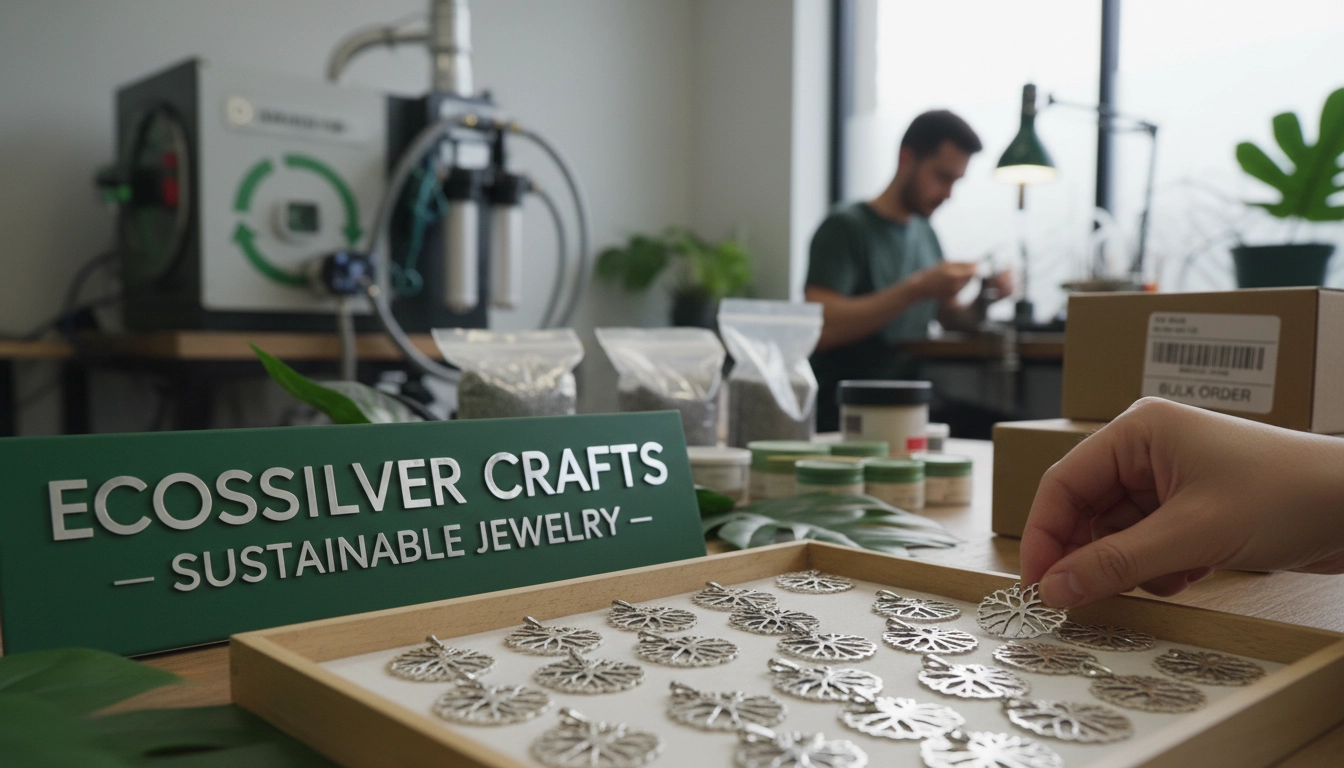
Top-Selling Sterling Silver Pendants Bulk Order Trends 2026: What Every Jewelry Brand Needs Now
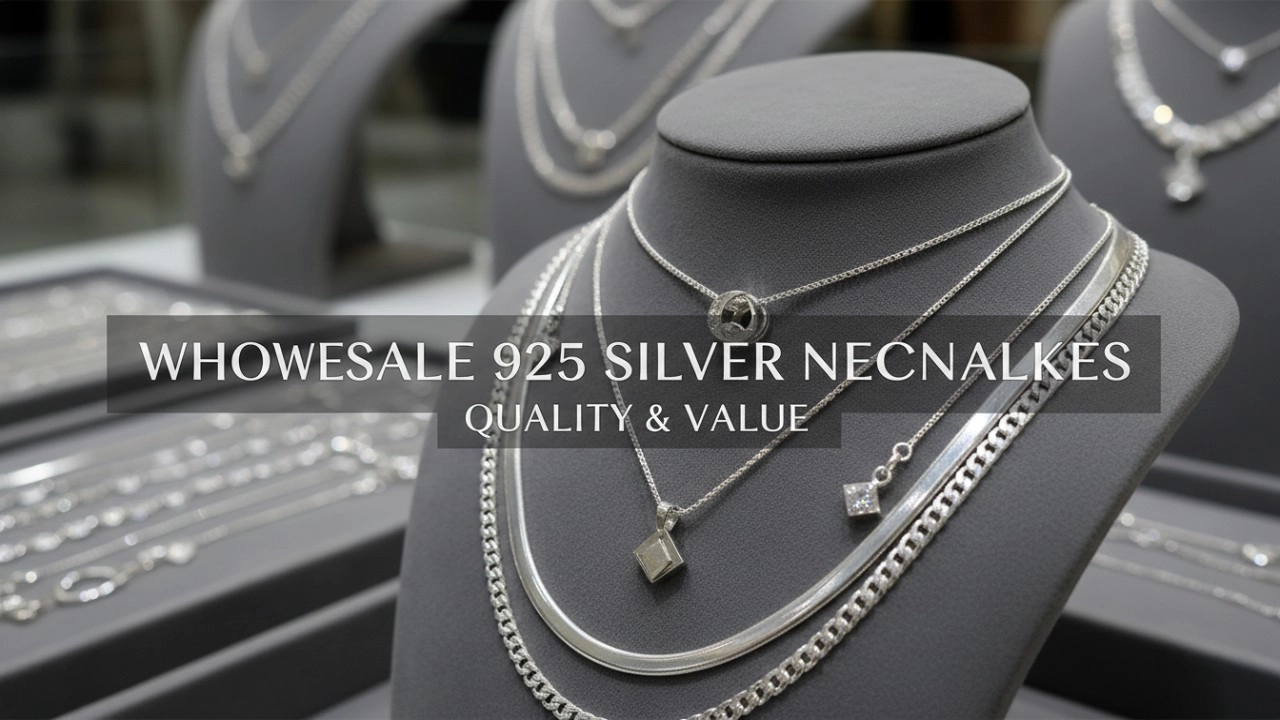
The Ultimate 2026 Blueprint: 15 Secrets to Scaling Your Boutique with Wholesale 925 Silver Necklaces
Prdoucts Categories
Question you may concern
Products
What’s the shipment method? How long does it take for delivery?
Our product distributed to all over the world. Shipped by DHL / Fedex / TNT / UPS takes 3-7 days, Epacket takes 7-15 days, China Post takes 15-30 days.
Do you offer free sample for quality check?
Sample order is welcome, but sample fee need to be paid. It will be deducted when you place an bulk order.
What is the material of the jewelry?
Most of the jewelry is made of 925 sterling silver, brass or 316 stainless steel or custom material,which can cover different procurement demand.
What's the packaging of your jewelry?
Normally we use OPP bag, bubble bag and paper box to pack the goods,custom packaging is acceptable as well.
What's themonthly production capacity?
600,000 pcs per month.
You may also like
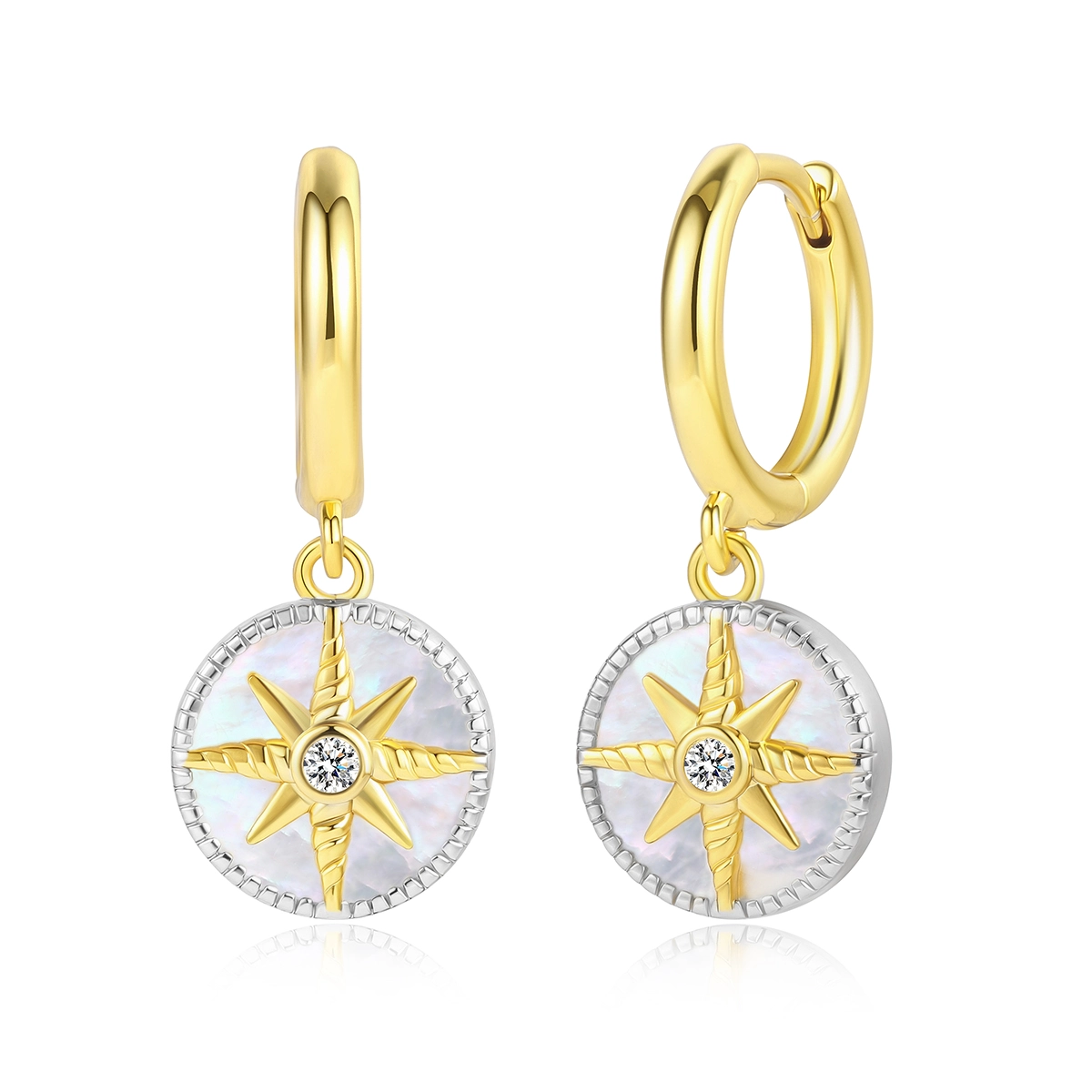
Brass Jewelry
Brass Mother of Pearl Compass Huggie Drop Earrings | 14K 18K Gold Plated Hypoallergenic Jewelry
Read More
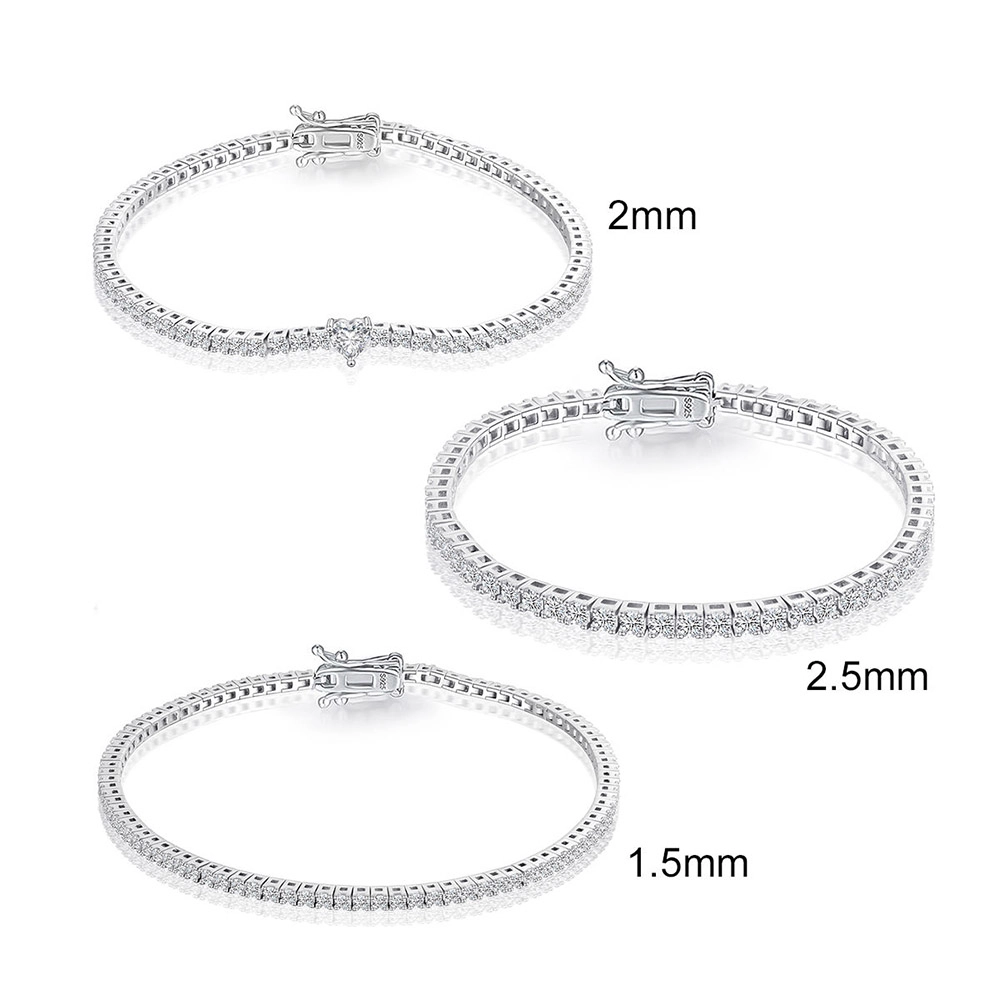
925 Silver Jewelry
Customizable High-Quality Fashion 925 Sterling Silver AAA Cubic Zirconia Heart-Shaped Open Tennis Bracelet.
Read More
Brass Jewelry
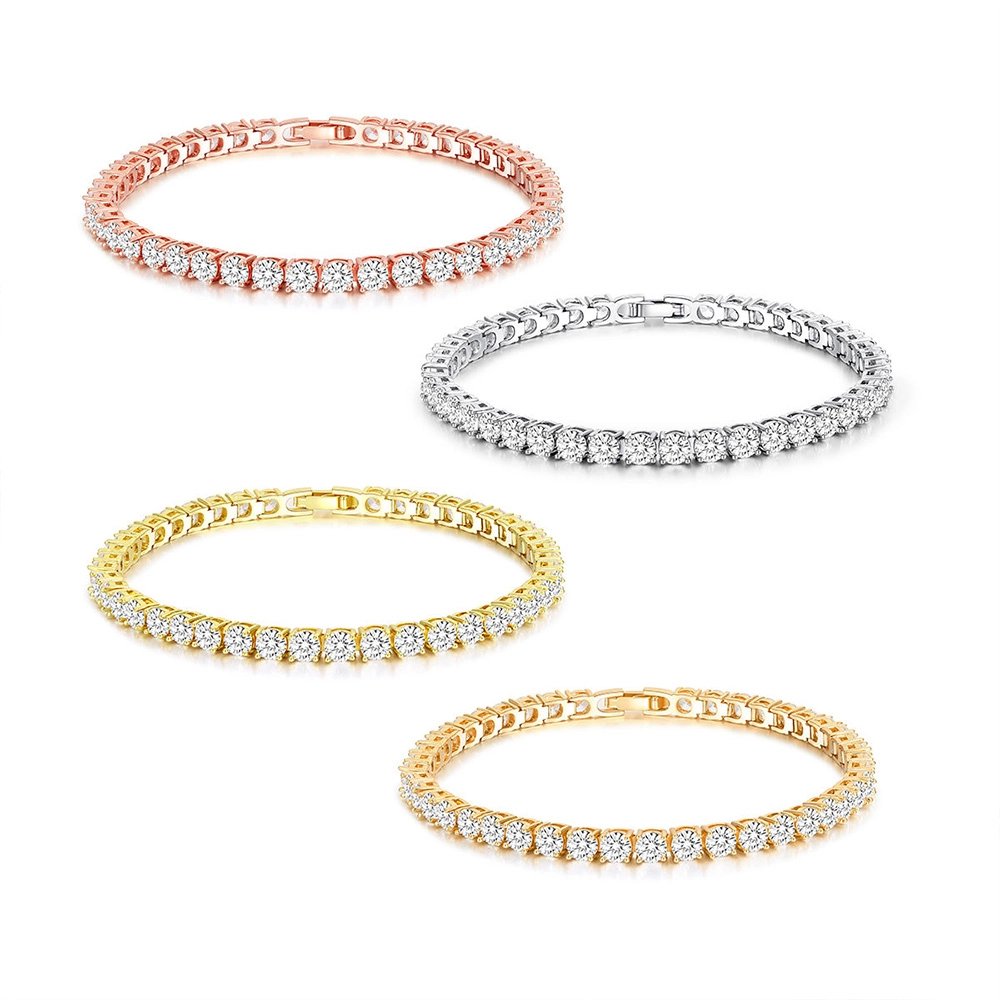
Customizable OEM ODM High-Quality Fashion Brass AAA Cubic Zirconia Classic Tennis Bracelet for Women Wholesale.
Read More
Get a Quote for Private Label Jewelry
We provide personalized jewelry customization services for clients worldwide.
Rest assured that your privacy is important to us, and all information provided will be handled with the utmost confidentiality.
By clicking 'Send Inquiry Now' I agree to ZHEFAN JEWELRY processing my personal data.
To see how to withdraw your consent, how to control your personal data and how we process it, please see our Privacy Policy and Terms of use.
From design to production, ZHEFAN JEWELRY offers a one-stop solution to help you enhance your brand value and market competitiveness.
Get A Quote
Contact
Tel: (+86) 188 1927 7817
© 2026 Zhefan Jewelry. All Rights Reserved.
Facebook
Instagram
YouTube
Whatsapp: +8618819277817