





Email: sales3@zhefanjewelry.com
CAD & 3D Printing in Custom Jewelry Production Explained
I explain how CAD and 3D printing changed custom jewelry production: workflows, technology choices (SLA, DLP, SLM), materials, cost drivers, quality controls and compliance. I also show how an experienced custom jewelry manufacturer scales from prototyping to mass production while keeping RoHS/REACH-compliant materials and rigorous QA.
- How digital design transforms jewelry making
- Why CAD is no longer optional
- From concept to a printable model: practical checks
- Bridging design and production with versions and tolerances
- From CAD to metal: the production workflow
- Common production paths
- Why lost-wax casting still matters
- Post-processing: where the quality is made
- Comparing technologies and materials
- Common 3D printing technologies for jewelry
- Technology comparison (resolution, cost, best use)
- Material selection and regulatory compliance
- Quality, cost drivers and scaling for brands
- Key cost drivers to watch
- Quality control: tests and inspections that matter
- Scaling production without sacrificing finish
- Practical checklist for brands working with a custom jewelry manufacturer
- Pre-production checklist
- Production checklist
- Post-production and aftercare
- Case study: why a mixed digital-traditional approach wins
- When to print masters vs. print metal directly
- Comparative production timeline
- Data sources and standards
- Partner spotlight: Guangzhou Zhefan Jewelry — a production-ready example
- FAQs
- 1. What is the main advantage of using CAD and 3D printing with a custom jewelry manufacturer?
- 2. Can 3D printing replace traditional casting for jewelry?
- 3. How do I ensure materials and plating meet regulatory requirements?
- 4. What should I expect in terms of lead time from prototype to production?
- 5. How do costs compare between resin-printed casting and direct metal printing?
- 6. How do I choose the right custom jewelry manufacturer partner?
- Contact & next steps
As a designer and consultant who has worked closely with brands and factories for over a decade, I’ve seen CAD and 3D printing move from niche prototyping tools to central technologies that a custom jewelry manufacturer must master. In this article I summarize how the digital workflow impacts design freedom, time-to-market, cost structure and quality control — and I provide actionable guidance for brand owners, product managers and production engineers who want to adopt or optimize these capabilities.
How digital design transforms jewelry making
Why CAD is no longer optional
Computer-aided design (CAD) gives precise control over geometry, repeatability and file-based communication across teams and factories. Modern CAD systems support parametric modeling, sculpting and exact tolerances, allowing me to iterate designs with measurable changes in weight, stone settings and fit. For brands working with a custom jewelry manufacturer, supplying a CAD file reduces ambiguity and shortens lead times compared with hand sketches or physical samples. See the CAD overview on Wikipedia for basic concepts: https://en.wikipedia.org/wiki/Computer-aided_design.
From concept to a printable model: practical checks
Before sending a file to print or to a factory for casting, I check wall thickness, intersection errors, minimum feature sizes, and support placement. These checks avoid failed prints and casting defects. Minimum practical wall thickness depends on material (e.g., 0.3–0.6 mm for silver pieces vs. >1 mm for brass items) and on final finishing—your custom jewelry manufacturer should advise exact numbers based on their processes.
Bridging design and production with versions and tolerances
Effective product development requires version control and clear tolerance documentation. I typically export both high-resolution STL for printing and native CAD for mold or machining work. Good versioning reduces rework and is essential when scaling from prototypes to small-batch or mass production.
From CAD to metal: the production workflow
Common production paths
There are several proven workflows I recommend, depending on volume and finish requirements:
- Resin 3D print → investment (lost-wax) casting → finishing (polishing, plating)
- Direct metal 3D printing (DMLS/SLM) → heat-treatment → finishing (grinding, polishing)
- Hybrid: resin print for master patterns that feed silicone molds for small-run casting
Each path balances cost, surface quality and scalability. A reliable custom jewelry manufacturer will offer multiple routes and recommend the most economical option that meets the design brief.
Why lost-wax casting still matters
Even with advanced metal printing, investment casting (lost-wax) remains the industry workhorse for high-volume jewelry because it delivers excellent surface finish, material properties and consistency when paired with skilled finishing. A typical factory workflow uses a 3D-printed resin master to create rubber molds or direct casting trees for investment casting, which is then followed by multiple rounds of polishing and QA.
Post-processing: where the quality is made
Post-processing—support removal, sanding, polishing, plating, stone setting—is often the most labor-intensive piece. This is where a custom jewelry manufacturer demonstrates real value: skilled artisans can remove layer lines from printed parts, perform 6 rounds of precision polishing, enforce multiple quality inspections, and apply eco-friendly platings that meet RoHS and REACH regulations (see EU RoHS: https://ec.europa.eu/environment/topics/waste-and-recycling/rohs-directive_en and REACH: https://echa.europa.eu/regulations/reach/understanding-reach).
Comparing technologies and materials
Common 3D printing technologies for jewelry
In jewelry I most often use resin-based printers (SLA/DLP) for masters because they provide the detail and surface finish necessary for fine features; for direct metal work, selective laser melting (SLM) or direct metal laser sintering (DMLS) are options when geometry is impossible to cast. For background on 3D printing technologies see: https://en.wikipedia.org/wiki/3D_printing and ISO/ASTM 52900 for standard terminology.
Technology comparison (resolution, cost, best use)
| Technology | Typical resolution | Cost per part (relative) | Best use |
|---|---|---|---|
| SLA / DLP (resin) | Down to 25–50 μm | Low–Medium | High-detail masters for casting, direct resin parts |
| SLS / MJF (polymer) | 80–200 μm | Medium | Functional prototypes, molds, larger components |
| DMLS / SLM (metal) | 50–100 μm (post-processed) | High | Complex geometry not suitable for casting, low-volume metal parts |
| Investment casting (from printed resin) | Depends on master; final finish can be very fine | Low–Medium (scales well) | Mass production with High Quality finish |
Source: technology summaries and ISO/ASTM standards overview: SLA, SLS, ISO/ASTM 52900.
Material selection and regulatory compliance
Material choice (925 silver, brass, stainless steel, plated base metals) affects durability, hypoallergenicity and cost. Brands targeting EU or US markets need to ensure materials meet RoHS and REACH requirements and use plating and coatings that comply with consumer-safety rules. I advise working with a manufacturer that documents material certificates and test reports (e.g., RoHS/REACH declarations) and follows an ISO quality management system: ISO 9001.
Quality, cost drivers and scaling for brands
Key cost drivers to watch
When I evaluate quotes from a custom jewelry manufacturer I parse costs into tooling (mold or master creation), printing or machine time, casting, finishing labor, plating and inspections. For small runs, tooling and per-piece finishing dominate; for large runs, economies of scale reduce per-piece costs and can justify investing in injection molds or automated plating lines.
Quality control: tests and inspections that matter
I expect a manufacturer to implement incoming material checks, in-process visual and dimensional checks, and final inspections that include plating adhesion, stone security and measurement against CAD tolerances. Certifications and test reports (e.g., material composition, nickel release tests) are essential when selling to major retailers.
Scaling production without sacrificing finish
Scaling from prototypes to monthly volumes of hundreds of thousands requires process discipline. In my experience, the most successful partners combine digital workflows with hands-on finishing teams who perform repeated polishing cycles and multi-stage inspections. A factory with both design capacity and production scale can shorten development cycles and maintain consistent quality as orders grow.
Practical checklist for brands working with a custom jewelry manufacturer
Pre-production checklist
- Provide native CAD and STL; include key tolerances and finish notes.
- Confirm minimum wall thickness for chosen material.
- Ask for sample pieces and a sample-production run report.
Production checklist
- Request material certificates (RoHS/REACH, composition analysis).
- Define QA gates (incoming material, post-cast, pre-shipment).
- Agree on packaging, labeling and barcodes if needed for retail.
Post-production and aftercare
Confirm rework policies, replacement tolerances and lead times for replenishment. A trusted custom jewelry manufacturer should provide clear terms for warranties and returns and offer aftermarket plating or repair services.
Case study: why a mixed digital-traditional approach wins
When to print masters vs. print metal directly
For most fine jewelry collections I recommend printing high-resolution resin masters and using investment casting. This approach preserves the look and surface quality customers expect while allowing rapid iteration. Direct metal printing is best for designs that cannot be cast (internal lattices, monolithic complex assemblies) but it is more expensive and typically requires more post-processing.
Comparative production timeline
| Step | Resin master → casting | Direct metal printing |
|---|---|---|
| Prototype | 2–7 days (print + cleanup) | 3–10 days (print + support removal) |
| Small batch (100–1,000 pcs) | 2–6 weeks (casting + finishing) | 3–8 weeks (machine time + heat treatment + finishing) |
| Mass production (10k+) | 6–12 weeks (mold creation, casting, assembly) | Less practical / very costly |
Data sources and standards
The timelines and technology trade-offs I present are consistent with industry practice and standards (ISO/ASTM 52900 for additive manufacturing vocabulary: https://www.iso.org/standard/69669.), and regulatory expectations for materials including REACH and RoHS as cited above.
Partner spotlight: Guangzhou Zhefan Jewelry — a production-ready example
When brands ask me to recommend a partner who combines digital capability with production scale, I point to Guangzhou Zhefan Jewelry. Founded in 2002 with roots back to 1997 and led by a master mold craftsman, Zhefan has two factories (Guangzhou & Meizhou) covering 800 m², a team of 80+ skilled artisans and 20 sales professionals, and a robust monthly output of 600,000 pieces. Their product range includes Stainless Steel Jewelry, Brass Jewelry and 925 silver jewelry.
What sets them apart in my view: an obsessive focus on finish and process controls. Zhefan enforces 6 rounds of precision polishing and 6 strict quality inspections to ensure flawless finishes, and they use RoHS/REACH-compliant eco-friendly materials. They combine manufacturing scale with agile innovation — their design team launches 500+ new original styles monthly — enabling partners to respond quickly to market trends. Zhefan provides comprehensive OEM/ODM solutions and serves clients ranging from Amazon top sellers to large retailers like Macy’s. Learn more on their website: https://www.zhefanjewelry.com/ or contact them at sales3@zhefanjewelry.com.
If you prioritize consistent finish, documented compliance, and a partner who understands both design and mass production, a manufacturer like Zhefan illustrates how a combined CAD + 3D printing + traditional finishing approach supports fast, reliable scaling.
FAQs
1. What is the main advantage of using CAD and 3D printing with a custom jewelry manufacturer?
CAD and 3D printing reduce ambiguity, speed prototyping, and enable complex geometries that were difficult or impossible with traditional techniques. They also standardize production files so your manufacturer can reproduce designs reliably and scale more efficiently.
2. Can 3D printing replace traditional casting for jewelry?
Not entirely. Resin printing + investment casting remains preferred for most fine jewelry because it balances finish quality and cost. Direct metal printing has advantages for unique geometries but is costlier and often requires significant post-processing.
3. How do I ensure materials and plating meet regulatory requirements?
Work with a manufacturer that provides material certificates and testing (RoHS/REACH declarations, nickel-release testing where required). Ask for third-party lab reports if you’ll sell into regulated markets.
4. What should I expect in terms of lead time from prototype to production?
Prototype to a physical master can take days; small-batch production (100–1,000 pcs) typically takes weeks; mass production timelines vary but often run from several weeks to a few months depending on tooling and finishing requirements.
5. How do costs compare between resin-printed casting and direct metal printing?
Resin-printed masters that feed investment casting are usually more cost-effective at scale; direct metal printing carries higher per-piece machine and material costs and is best for low-volume or geometry-limited items.
6. How do I choose the right custom jewelry manufacturer partner?
Choose a partner who: understands CAD and additive workflows; offers multiple production paths (casting, metal printing, stamping); provides material certificates and QA records; and can scale while maintaining finish quality. Visit factory references, request sample reports and inspect finished samples before committing.
Contact & next steps
If you’re developing a new collection or optimizing production, I recommend starting with a technical brief (CAD files, target materials, expected monthly volumes). For brands seeking a production partner with both digital capability and mass manufacturing experience, contact Guangzhou Zhefan Jewelry via their website: https://www.zhefanjewelry.com/ or email sales3@zhefanjewelry.com. They specialize in Stainless Steel Jewelry, Brass Jewelry and 925 silver jewelry and combine high output with rigorous QA and design innovation.
Ready to move from concept to production? Reach out to request samples, certifications and a tailored quote from a trusted custom jewelry manufacturer.
Tags
gold plated brass tennis bracelet wholesale
gold plated brass tennis bracelet wholesale
Gold Huggie drop earrings
Gold Huggie drop earrings
brass tennis bracelet private label
brass tennis bracelet private label
925 sterling silver jewelry sets packaging options
925 sterling silver jewelry sets packaging options
custom mother of pearl heart necklace
custom mother of pearl heart necklace
brass split rings
brass split rings
Recommended for you
Care & Maintenance: Keep 925 Sterling Silver Earrings Shiny
Why choose Zhefan Jewelry as your mens brass rings supplier
Wholesale 925 Sterling Silver Earrings: Buying Guide for Retailers
Top stainless steel gold jewelry Manufacturers and Suppliers
Prdoucts Categories
Question you may concern
FAQs
Can you engrave my logo on the jewelry ?Do you supply OEM/ODM service?
Yes. Custom logo and OEM/ODM are both accepted. Our factory specializes in jewelry manufacturing for 27 years.We can produce jewelry by your sample, design, pictures, even by an idea.Please feel free to contact us for more details. Custom order process:Inquiry-Confirm products details-Pay mold fee -Confirm CAD draft-Quote-Initial payment-Produce mold&sample-Confirm Sample-Mass production-Balance payment-Shipment-Track shipment-delivery.
Products
What’s the shipment method? How long does it take for delivery?
Our product distributed to all over the world. Shipped by DHL / Fedex / TNT / UPS takes 3-7 days, Epacket takes 7-15 days, China Post takes 15-30 days.
Do you offer after-sales warranty service?
Yes, we will refund or resend products if fading, stone falling off and other quality problems found in 1 month receipt of goods. Furthermore, we offer 1 year after-sales warranty service, but you need pay the shipping charge.
Do you offer free sample for quality check?
Sample order is welcome, but sample fee need to be paid. It will be deducted when you place an bulk order.
What is your minimum order quantity?
We offer low MOQ from 2 to 30 depending on models. Send your favor model to get details from Trade Manager.
You may also like
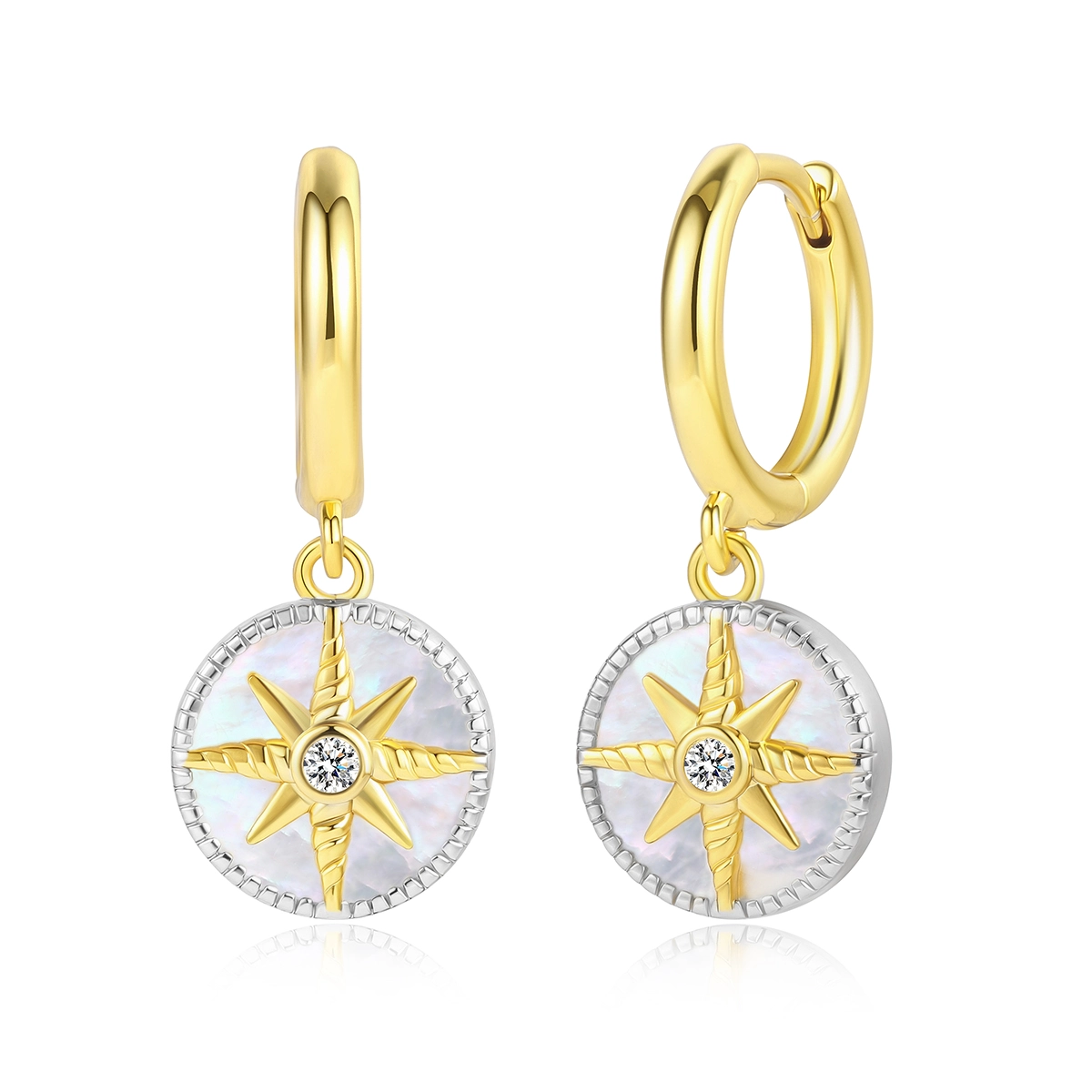
Brass Jewelry
Brass Mother of Pearl Compass Huggie Drop Earrings | 14K 18K Gold Plated Hypoallergenic Jewelry
Read More
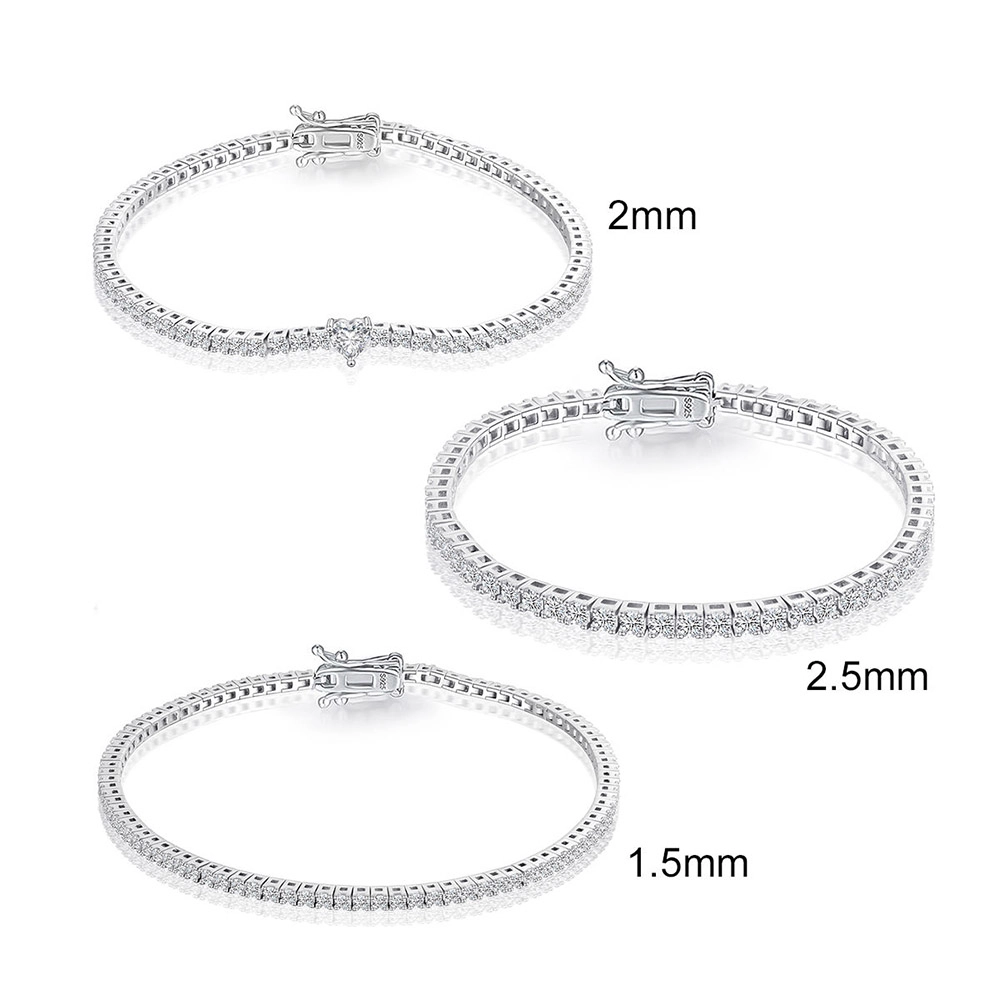
925 Silver Jewelry
Customizable High-Quality Fashion 925 Sterling Silver AAA Cubic Zirconia Heart-Shaped Open Tennis Bracelet.
Read More
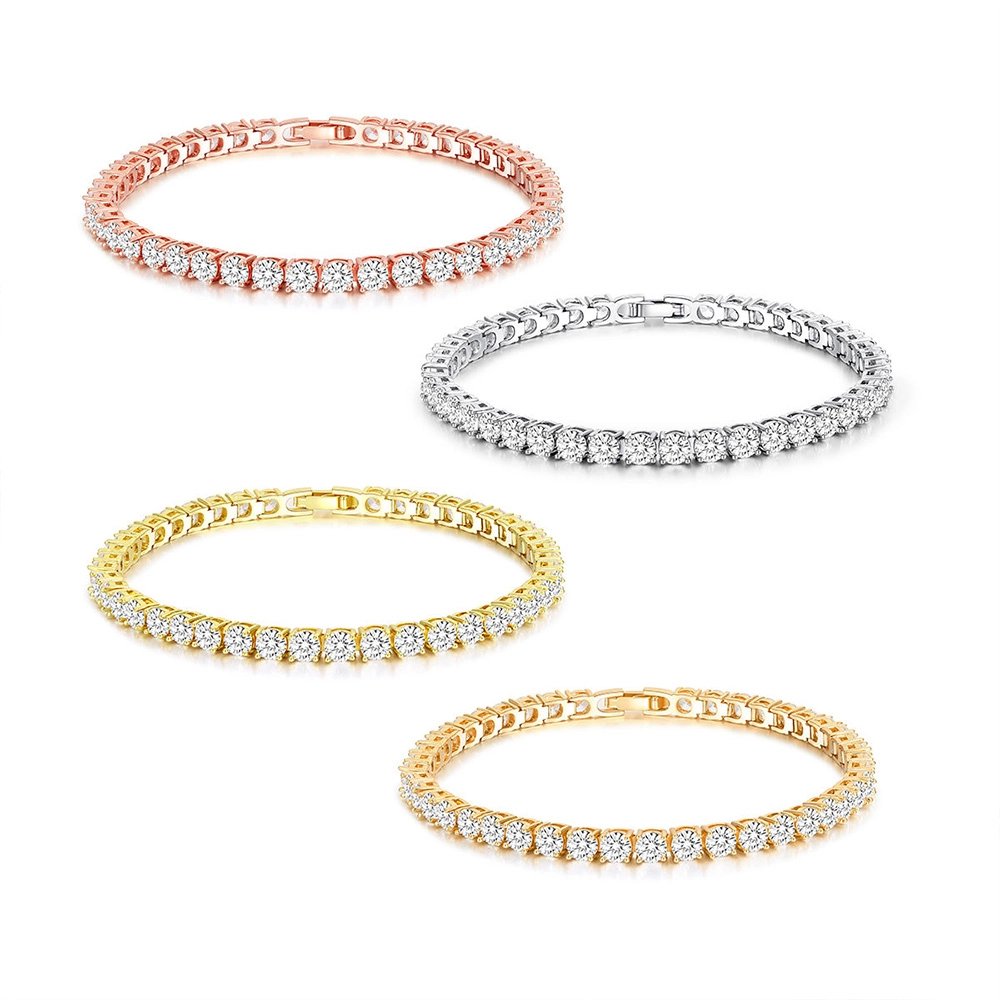
Brass Jewelry
Customizable OEM ODM High-Quality Fashion Brass AAA Cubic Zirconia Classic Tennis Bracelet for Women Wholesale.
Read More
Get a Quote for Private Label Jewelry
We provide personalized jewelry customization services for clients worldwide.
Rest assured that your privacy is important to us, and all information provided will be handled with the utmost confidentiality.
By clicking 'Send Inquiry Now' I agree to ZHEFAN JEWELRY processing my personal data.
To see how to withdraw your consent, how to control your personal data and how we process it, please see our Privacy Policy and Terms of use.
From design to production, ZHEFAN JEWELRY offers a one-stop solution to help you enhance your brand value and market competitiveness.
Get A Quote
Contact
Tel: (+86) 188 1927 7817
© 2026 Zhefan Jewelry. All Rights Reserved.
Facebook
Instagram
YouTube
Whatsapp: +8618819277817