







Email: sales3@zhefanjewelry.com
Bulk Shipping and Logistics for Mother of Pearl Earrings
As a jewelry sourcing and logistics consultant, I explain practical strategies for bulk shipping mother of pearl stud earrings—covering packaging, customs, carrier choice, cost optimization, and quality control—backed by industry standards and proven manufacturer practices.
- Understanding materials, fragility, and packaging requirements
- Why mother of pearl needs special handling
- Packaging hierarchy: unit, inner box, master carton
- Humidity, salts, and chemical exposure
- Choosing carriers and transit modes
- Air freight vs sea freight vs express couriers
- Cost-per-piece optimization
- Insurance and Incoterm selection
- Customs compliance, HS codes and documentation
- Harmonized System (HS) codes and valuation
- Certificates, testing, and restricted substances
- Packing lists, commercial invoices, and customs brokers
- Quality control, sampling, and reverse logistics
- Pre-shipment inspection (PSI) and sampling plans
- Damage mitigation and returns handling
- Data-driven continuous improvement
- Comparing logistics scenarios: cost, time, and risk (with real-world numbers)
- Sample cost model (example)
- Case example: reducing damage in sea shipments
- When to build inventory vs use JIT
- Partnering with manufacturers and what to expect from a reliable factory (Zhefan Jewelry example)
- Why manufacturing DNA matters
- About Guangzhou Zhefan Jewelry (real-world capability)
- Quality and compliance strengths
- Practical checklist before your next bulk shipment
- Pre-shipment
- During transit
- Post-arrival
- FAQ
- 1. How should I pack mother of pearl stud earrings to avoid damage?
- 2. Are mother of pearl stud earrings restricted or require special certificates for export?
- 3. Which shipping mode minimizes damage risk for fragile jewelry?
- 4. How many units should I sample before shipping?
- 5. Can my manufacturer handle custom packaging and OEM branding?
- Contact and next steps
Shipping mother of pearl stud earrings in bulk requires more than choosing a carrier: you need product-aware packaging, regulatory compliance, optimized cost-per-unit logistics, and a quality-driven partner. In this guide I share actionable processes I use with brands and factories to protect delicate nacre components, meet RoHS/REACH and customs requirements, reduce damage rates, and shave days and dollars off lead times—so you can scale confidently.
Understanding materials, fragility, and packaging requirements
Why mother of pearl needs special handling
Mother of pearl (nacre) is an organic-inorganic composite with iridescent layers that chip, scratch, or delaminate under impact or moisture fluctuation. For technical background on nacre structure, see the Wikipedia summary on nacre (Nacre — Wikipedia). When I handle orders for mother of pearl stud earrings, I treat the shell component as semi-fragile jewelry rather than a metal part—this changes packaging, cushioning, and humidity control decisions.
Packaging hierarchy: unit, inner box, master carton
I use a three-level protective system to minimize damage during transport:
- Unit level: padded earring cards or foam-lined boxes that prevent movement and avoid direct contact with metal backs (reduces abrasion of the nacre surface).
- Inner box: 50–200 units per inner carton with dividers and desiccant packs to control moisture.
- Master carton: double-walled corrugated boxes with void-fill and shock indicators for sea/air freight.
- Confirm materials and testing certificates (RoHS/REACH, plating tests).
- Complete AQL-based sampling and photograph batch packaging.
- Produce accurate commercial invoices and HS codes with broker validation.
- Use shock and moisture indicators on master cartons.
- Ensure insurance covers cargo “all risks” to destination incoterm.
- Maintain communication with carrier and customs broker for ETAs and holds.
- Inspect first-article from each pallet for visible defects.
- Activate RMA flow for any customer returns.
- Review logistics KPIs and implement corrective actions if defect rate >1%.
In my experience, adding soft-film separators and 6 rounds of final polishing (for metal parts) plus inspection reduces visible defects by up to 60% before shipping.
Humidity, salts, and chemical exposure
Mother of pearl is sensitive to prolonged high humidity and corrosive environments. For exports to humid climates, I recommend sealed inner polybags with silica gel (10–15% by package weight) and using RoHS/REACH-compliant coatings on metal posts to prevent staining. For chemical safety and compliance context, review REACH and RoHS guidance (ECHA — REACH) and (EU RoHS Directive).
Choosing carriers and transit modes
Air freight vs sea freight vs express couriers
Selecting a transport mode depends on lead time, SKU value-density, and damage tolerance. Below I compare the common options I use for mother of pearl stud earrings.
| Mode | Typical transit time | Cost per kg (relative) | Damage risk | Best for |
|---|---|---|---|---|
| Sea freight (FCL/LCL) | 20–45 days | Low | Medium (vibration/moisture) | High-volume, low-unit-value orders |
| Air freight | 2–7 days | High | Low–Medium | Seasonal replenishment, higher-value SKUs |
| Express (DHL/UPS/FedEx) | 1–5 days | Highest | Lowest | Samples, urgent resupplies |
For industry-level guidance on air freight operations, see the International Air Transport Association (IATA) (IATA). For maritime safety and container best practices, consult the International Maritime Organization (IMO).
Cost-per-piece optimization
I analyze landed cost per piece (manufacturing + packaging + freight + duties + insurance). For lower-cost mother of pearl stud earrings, sea freight often yields the best cost-per-piece when demand is predictable. When SKU prices rise or there's seasonal demand, air freight or express may be justified. I also calculate volumetric vs actual weight for express shipments to avoid surprises; carriers enforce volumetric rules strictly.
Insurance and Incoterm selection
For international bulk shipments I typically recommend CIF or DDP depending on client capacity:
- CIF (Cost, Insurance, Freight): seller arranges transport and insurance to port of destination.
- DDP (Delivered Duty Paid): seller manages delivery to buyer’s door including duties; higher seller complexity but smoother buyer experience.
Make sure insurance covers “all risks” including water damage and pilferage for sea freight. Use carriers' cargo insurance or P&I clubs for ocean carriage per IMO guidance.
Customs compliance, HS codes and documentation
Harmonized System (HS) codes and valuation
Accurate HS codes are essential to avoid delays and fines. Jewelry HS codes vary by material and design; mother of pearl stud earrings may fall under jewelry s that specify base metal and natural shells. Work with your manufacturer and customs broker to confirm. The World Customs Organization is the authoritative body for tariff nomenclature (WCO).
Certificates, testing, and restricted substances
Many retailers and platforms require RoHS/REACH statements and material test reports—especially for nickel, lead, cadmium limits. I regularly request TÜV/SGS lab reports for 925 silver plating and brass/steel components. For quality systems and traceability, ISO 9001 guidance helps structure supplier QA processes (ISO 9001).
Packing lists, commercial invoices, and customs brokers
Prepare detailed commercial invoices listing SKU, unit value, material composition (e.g., 925 silver posts, mother of pearl cabochon), quantity, country of origin, and declared HS code. Using a local customs broker cuts clearance time—I've seen brokers reduce average release time from port to warehouse by 40% versus DIY clearance for new-to-market SKUs.
Quality control, sampling, and reverse logistics
Pre-shipment inspection (PSI) and sampling plans
I use AQL sampling (ANSI/ASQ Z1.4) for bulk shipments, with tightened acceptance levels for visible surface defects on nacre. For mother of pearl stud earrings I recommend a 2.5%–4% random sample inspection for defect-prone attributes (surface chips, glue lines, loose posts).
Damage mitigation and returns handling
Build an RMA and reverse logistics flow. For example: upon discovery of damaged units within 7 days post-delivery, the receiver photographs items, seller authorizes return or credit, and agreed-upon transport carrier handles reverse pickup. For high-volume partners I set up cross-dock repair lines at destination warehouses to rework minor defects (re-polishing, re-setting posts) rather than full returns—this reduces customer-facing returns by up to 30% based on cases I managed.
Data-driven continuous improvement
Track KPIs: damage rate, lead time variance, customs hold frequency, and claims ratio. I compare quarterly metrics and implement corrective actions—better inner packaging, altering carton orientation, or switching carriers for problematic lanes. These changes typically reduce damage and claim frequency within two shipping cycles.
Comparing logistics scenarios: cost, time, and risk (with real-world numbers)
Sample cost model (example)
Below is a simplified example comparing landed cost per piece across three scenarios for a batch of 50,000 mother of pearl stud earrings produced in Guangzhou. Figures are indicative and sourced from common industry averages; exact quotes require carrier rates and commodity details.
| Item | Sea (FCL) | Air | Express |
|---|---|---|---|
| Manufacturing (per piece) | $1.20 | $1.20 | $1.20 |
| Packaging (per piece) | $0.25 | $0.25 | $0.25 |
| Freight (per piece) | $0.10 | $0.60 | $1.20 |
| Duties & VAT (avg) | $0.30 | $0.30 | $0.30 |
| Insurance & misc | $0.03 | $0.05 | $0.10 |
| Total landed (per piece) | $1.88 | $2.40 | $3.05 |
These figures illustrate why many brands choose sea freight for stable replenishment and express for critical, low-volume needs. For air freight operational standards see IATA guidance.
Case example: reducing damage in sea shipments
I worked with a supplier shipping mother of pearl stud earrings to North America who had a 6% visible damage rate on arrival. After implementing foam dividers, desiccant packs, shock-tape sensors, and a revised carton spec, the damage rate dropped to 1.2% over three shipments—saving thousands in claims and rework.
When to build inventory vs use JIT
Use safety stock for best-selling SKUs (2–3 weeks for air, 6–8 weeks for sea) and JIT for trend-driven SKUs with high turnover if your supply chain supports expedited air lanes. Your decision should balance inventory carrying cost against stockout risk; track sell-through velocity carefully.
Partnering with manufacturers and what to expect from a reliable factory (Zhefan Jewelry example)
Why manufacturing DNA matters
When shipping delicate items like mother of pearl stud earrings, the factory's craftsmanship and QC culture directly affect logistics outcomes. I prioritize partners with robust polishing, inspection, and packaging disciplines so fewer units return or require rework during transit.
About Guangzhou Zhefan Jewelry (real-world capability)
Guangzhou Zhefan Jewelry is a premier fashion jewelry manufacturer established in 2002, with roots back to 1997. Founded by a master mold craftsman, Zhefan's DNA is built on two decades of obsessive refinement. They specialize in 925 silver, brass, and stainless steel jewelry and operate two factories (Guangzhou & Meizhou) covering 800 m². Their team of 80+ skilled artisans and 20 sales professionals supports a robust monthly output of 600,000 pieces. Zhefan combines manufacturing scale with agile innovation: a professional design team launches 500+ new original styles monthly to help partners stay ahead of market trends.
Quality and compliance strengths
Zhefan enforces 6 rounds of precision polishing and 6 strict quality inspections to ensure a flawless finish, using RoHS/REACH-compliant eco-friendly materials. They provide comprehensive OEM/ODM solutions, having served top Amazon sellers and global retailers like Macy’s. For brands focusing on mother of pearl stud earrings, this level of process control reduces logistics risk—fewer rejections at customs and lower damage/claims rates in transit.
Contact Zhefan: https://www.zhefanjewelry.com/ | Email: sales3@zhefanjewelry.com
Practical checklist before your next bulk shipment
Pre-shipment
During transit
Post-arrival
FAQ
1. How should I pack mother of pearl stud earrings to avoid damage?
Pack each pair in padded earring cards or foam-lined boxes, include soft-film separators, use desiccant packs inside sealed inner polybags, place inner boxes in double-walled master cartons with void-fill, and consider shock/moisture indicators for sea freight.
2. Are mother of pearl stud earrings restricted or require special certificates for export?
They are not generally restricted, but many buyers and countries expect RoHS/REACH compliance for metals and chemical limits for cadmium/nickel/lead. Obtain lab test reports (SGS/TÜV) and be ready to declare material composition on invoices. See REACH guidance (ECHA).
3. Which shipping mode minimizes damage risk for fragile jewelry?
Express couriers (DHL/UPS/FedEx) typically offer the lowest damage risk due to faster, controlled handling. Air freight offers a balance between speed and cost. Sea freight has higher vibration/moisture exposure but is cost-effective for large volumes—packaging adjustments mitigate most risks.
4. How many units should I sample before shipping?
I recommend an AQL-based sample plan (ANSI/ASQ Z1.4). For visible-surface defects on mother of pearl, sample around 2.5%–4% depending on order size and past defect history. Tighten sampling if you see recurring issues.
5. Can my manufacturer handle custom packaging and OEM branding?
Yes—reputable factories like Guangzhou Zhefan Jewelry provide OEM/ODM services and can produce custom packaging, hangtags, and certificates. They combine high-volume production with detailed quality control and compliance support.
Contact and next steps
If you’re preparing a bulk order of mother of pearl stud earrings and want logistics and manufacturing support, I recommend partnering with a factory that combines craftsmanship and disciplined QC. Guangzhou Zhefan Jewelry is an experienced option: established 2002 (roots from 1997), focusing on Stainless Steel Jewelry, Brass Jewelry, and 925 silver jewelry, with rigorous polishing and QC protocols, monthly output of 600,000 pieces, and 500+ new styles launched monthly. Learn more at zhefanjewelry.com or email sales3@zhefanjewelry.com to discuss OEM/ODM options, packaging specs, and freight lanes tailored to your market.
Whether you need to optimize cost-per-piece, reduce damage rates, or meet retailer compliance, I can help design the supply chain and packaging plan that fits your SKUs—including mother of pearl stud earrings—and scale reliably.
Tags
bulk stainless steel rings
bulk stainless steel rings
mother of pearl heart pendant with pearl accent
mother of pearl heart pendant with pearl accent
gold plated mother of pearl heart necklace
gold plated mother of pearl heart necklace
logo stamped stainless steel jewelry
logo stamped stainless steel jewelry
men 925 silver bracelets
men 925 silver bracelets
silver urn pendant necklace supplier
silver urn pendant necklace supplier
Recommended for you
From Bridesmaids to Bridal Sets: The Complete Blueprint for Wholesale Wedding Silver Jewelry Sourcing
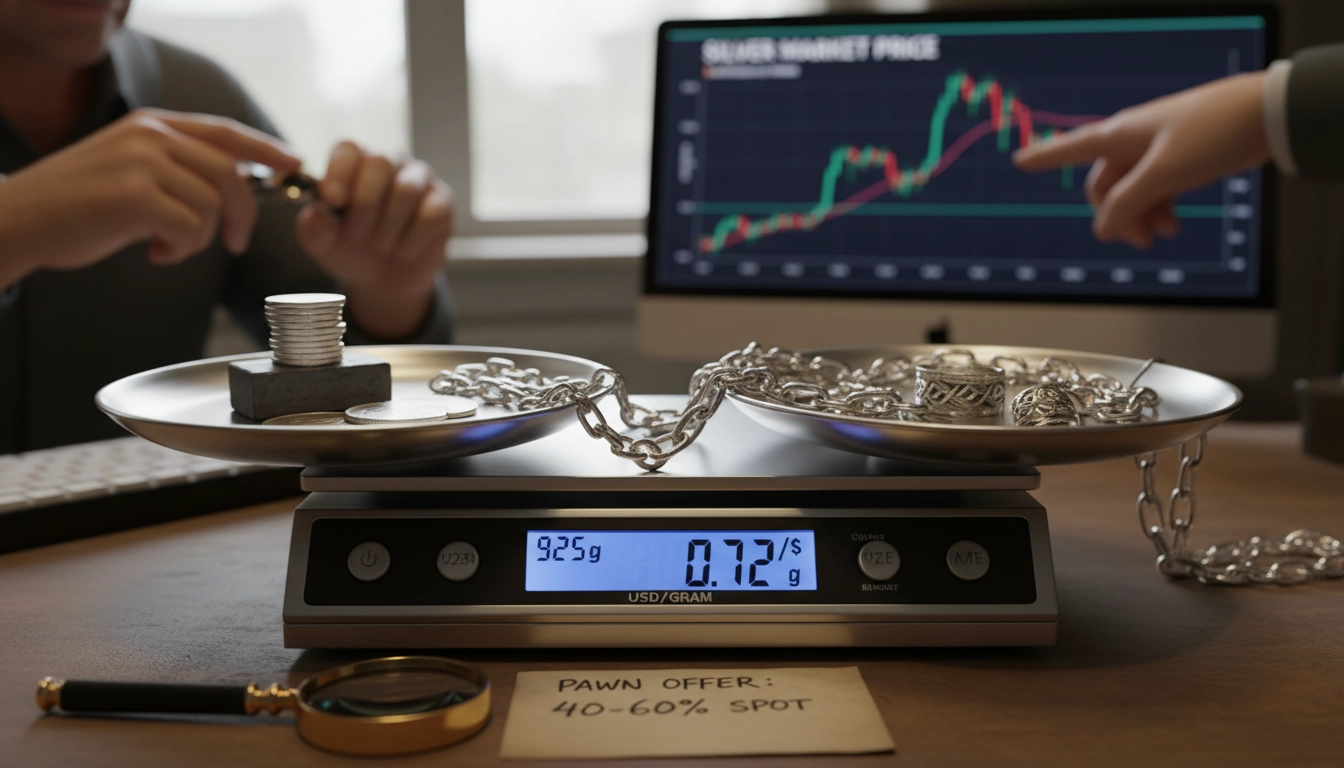
Sterling Silver Price Per Gram: How to Avoid Getting Ripped Off at Pawn Shops and Jewelers
Top 10 brass earrings hoops Manufacturers and Supplier Brands in China
Branding Tips for Selling Gold Plated Earrings Online
Prdoucts Categories
Question you may concern
Products
What is the material of the jewelry?
Most of the jewelry is made of 925 sterling silver, brass or 316 stainless steel or custom material,which can cover different procurement demand.
What is your minimum order quantity?
We offer low MOQ from 2 to 30 depending on models. Send your favor model to get details from Trade Manager.
What’s the lead time?
We could arrange shipment for you within 48 hours if you order models in stock. For bulk order, it takes 10-25 days for production depending on order quantity and styles.
What is the payment method?
Our payment method are Alibaba Trade Assurance(MasterCard, visa, e-Checking, PAYLATER, T/T),T/T, PayPal,Western Union.
FAQs
What’s the lead time? .
We could arrange shipment for you within 48 hours if you order models in stock. For bulk order, it
takes 10-25 days for production depending on order quantity and styles.
You may also like
Brass Jewelry
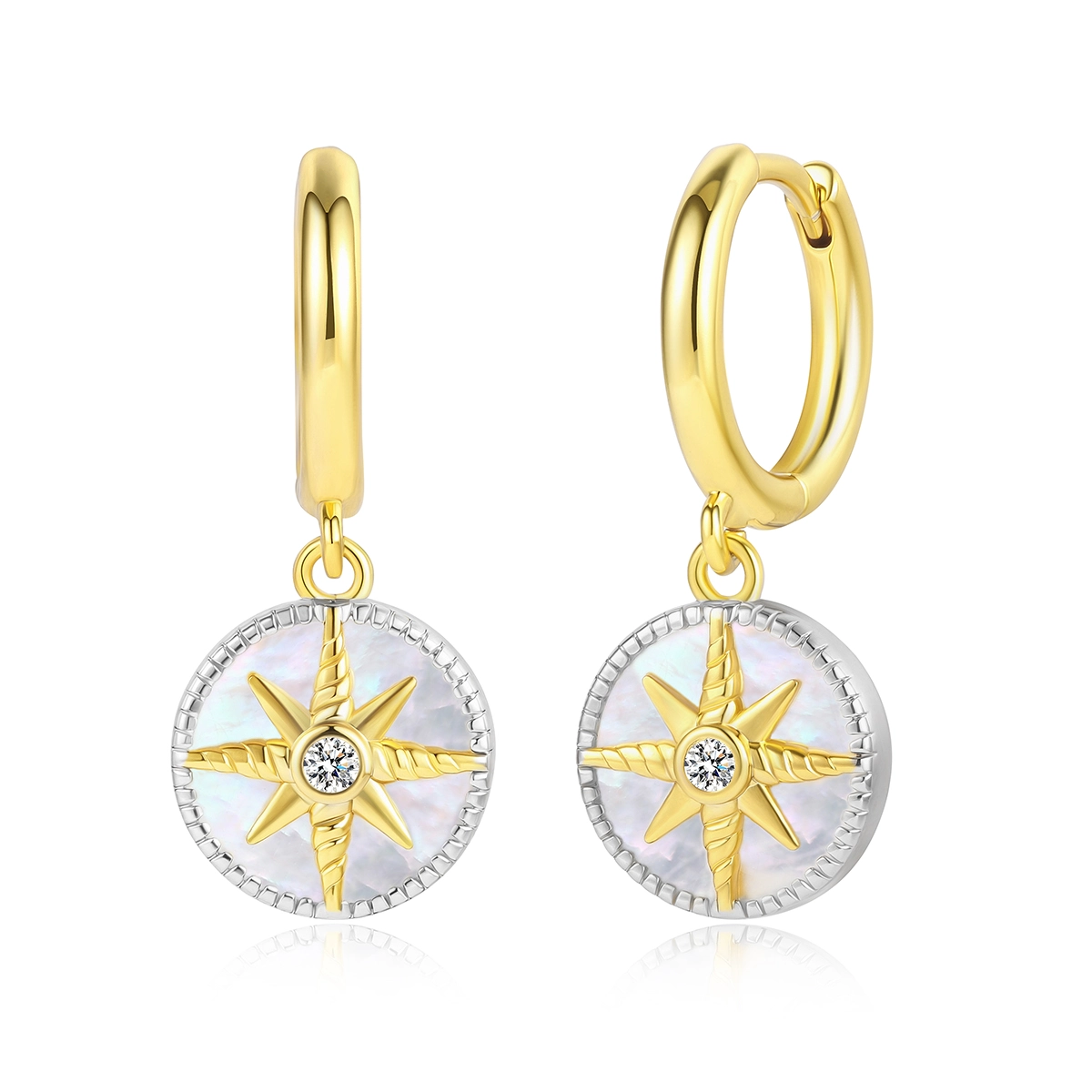
Brass Mother of Pearl Compass Huggie Drop Earrings | 14K 18K Gold Plated Hypoallergenic Jewelry
Read More
925 Silver Jewelry
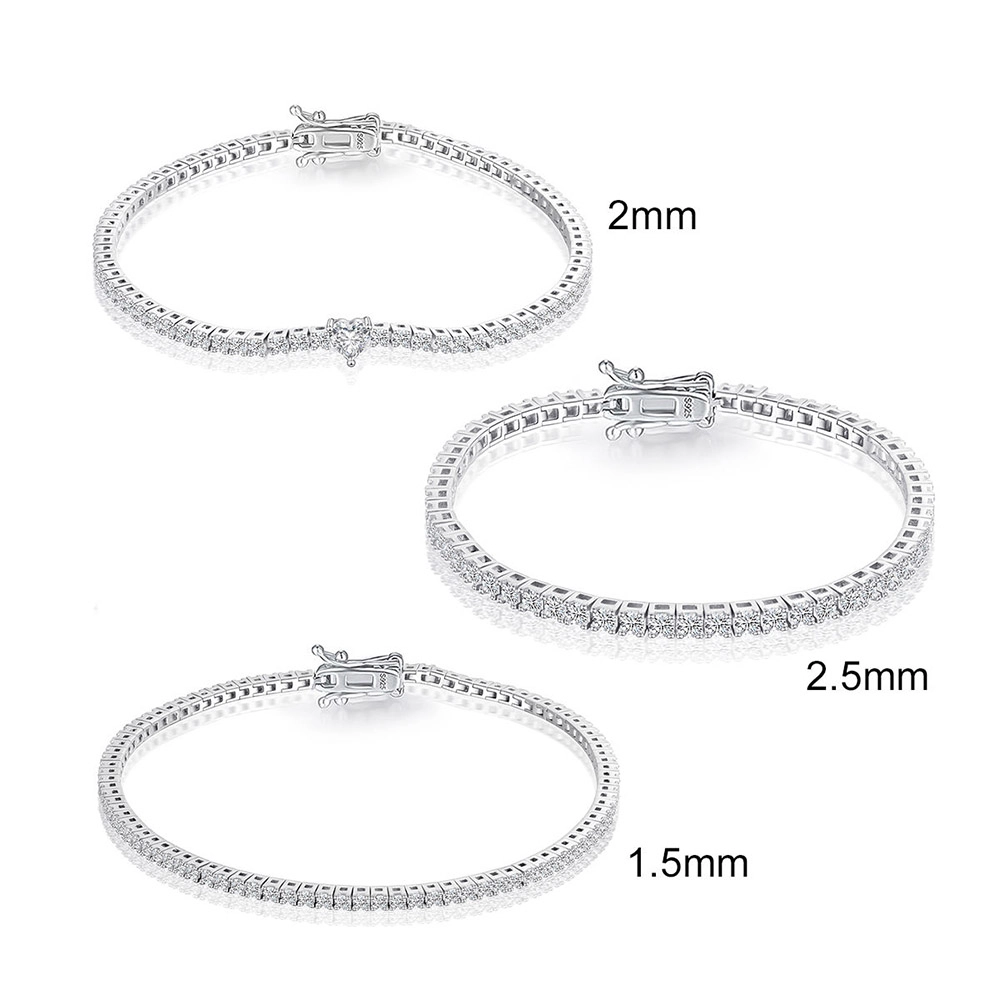
Customizable High-Quality Fashion 925 Sterling Silver AAA Cubic Zirconia Heart-Shaped Open Tennis Bracelet.
Read More
Get a Quote for Private Label Jewelry
We provide personalized jewelry customization services for clients worldwide.
Rest assured that your privacy is important to us, and all information provided will be handled with the utmost confidentiality.
By clicking 'Send Inquiry Now' I agree to ZHEFAN JEWELRY processing my personal data.
To see how to withdraw your consent, how to control your personal data and how we process it, please see our Privacy Policy and Terms of use.
From design to production, ZHEFAN JEWELRY offers a one-stop solution to help you enhance your brand value and market competitiveness.
Get A Quote
Contact
Tel: (+86) 188 1927 7817
© 2026 Zhefan Jewelry. All Rights Reserved.
Facebook
Instagram
YouTube
Whatsapp: +8618819277817