



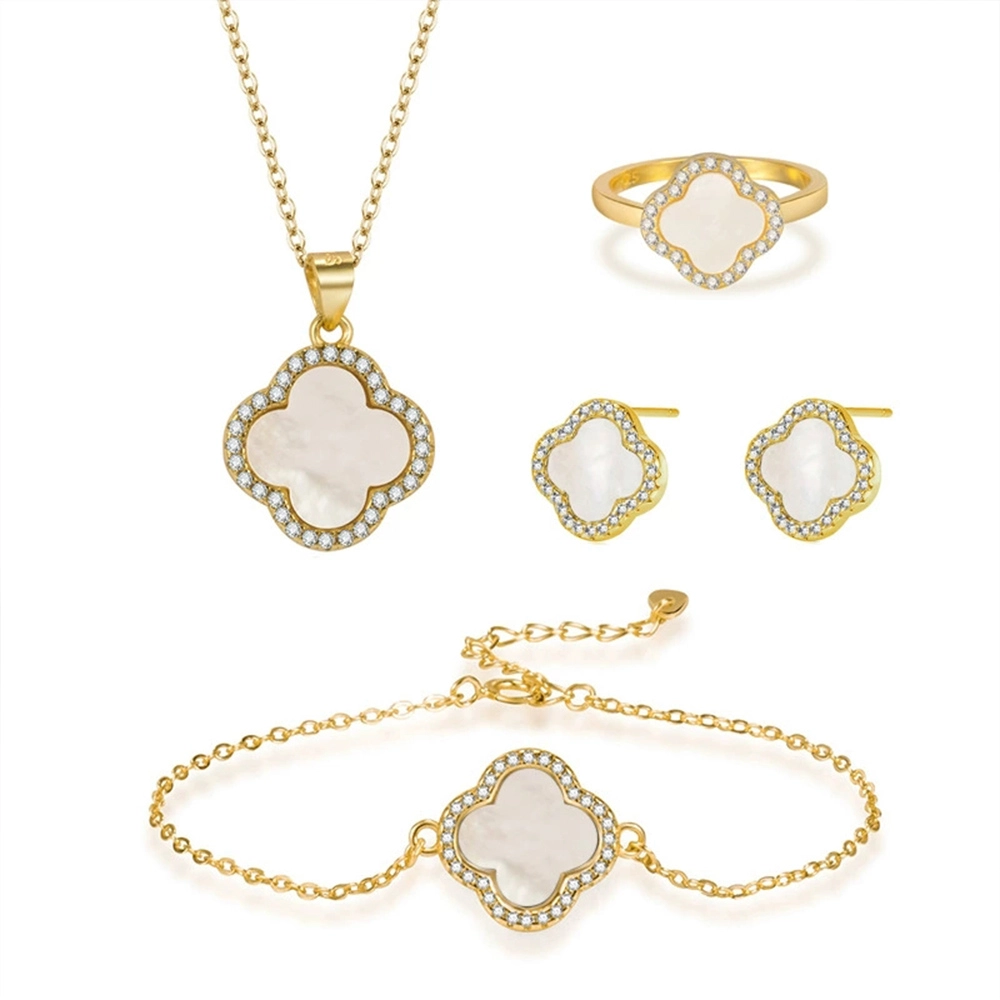


Email: sales3@zhefanjewelry.com
Bulk Pricing Strategies for Mother of Pearl Stud Earrings
I share practical, data-driven bulk pricing strategies for mother of pearl stud earrings, covering cost modeling, tiered discounts, MOQ planning, channel pricing, and quality controls. Includes a pricing comparison table, sourcing checklist, and OEM/ODM considerations, plus how Guangzhou Zhefan Jewelry supports scalable, compliant production of 925 silver, brass, and stainless steel pearl jewelry.
- Understanding market intent and product fundamentals
- Buyer intent: who buys bulk mother of pearl stud earrings and why
- Material and design variables that affect cost
- Quality and compliance considerations
- Cost modeling and tiered pricing structures
- Building a verifiable cost model
- Tiered wholesale pricing (MOQ bands)
- How to set MSRP and channel pricing consistently
- Negotiation levers, packaging, and inventory strategies
- Non-price value that improves offer without eroding margin
- Inventory and replenishment: balancing MOQ and cash flow
- Protecting margins across channels
- Quality control, supplier selection, and OEM/ODM considerations
- Supplier audit checklist
- Why multi-step finishing matters: a measurable difference
- OEM/ODM trade-offs and cost implications
- Case study: pricing scenarios and decision matrix
- Three buyer personas and recommended pricing tactics
- Pricing decision matrix (simplified)
- Measuring success: KPIs to track
- Why partner with a factory that combines scale, design, and quality
- Introducing a trusted manufacturing partner
- What sets this partner apart (operational and technical strengths)
- Product focus and positioning
- Practical next steps and checklist for executing bulk pricing
- Step-by-step checklist before signing a bulk contract
- Sample clause suggestions to protect pricing integrity
- When to invest in design/branding vs. chasing lower unit cost
- FAQ — Frequently Asked Questions
- 1. What is the typical MOQ for mother of pearl stud earrings?
- 2. How much should I expect to pay per pair for wholesale mother of pearl studs?
- 3. Are RoHS and REACH necessary for jewelry sold in EU and US?
- 4. How can I protect my retail price when selling large quantities?
- 5. Should I choose 925 silver, stainless steel, or brass for my mother of pearl studs?
- 6. How much does finishing affect returns and perceived value?
I write this guide as a jewelry industry consultant and content strategist with hands-on experience in pricing, manufacturing sourcing, and e-commerce for pearl and shell-based jewelry. If you sell mother of pearl stud earrings or plan to source them in bulk, this article gives you a step-by-step approach to build profitable, scalable pricing structures, minimize risk, and choose manufacturing partners who meet quality and compliance standards. I include verifiable references on nacre (mother of pearl), materials compliance, and industry practices to support recommendations.
Understanding market intent and product fundamentals
Buyer intent: who buys bulk mother of pearl stud earrings and why
Bulk purchases for mother of pearl stud earrings typically come from three buyer types: retailers (multi-channel shops or boutiques), online resellers (Amazon/eBay sellers and dropshippers), and corporate/wholesale buyers (promotional goods or event gifts). Each buyer has different priorities—retailers prioritize margin and design exclusivity; resellers target competitive price-per-unit and fast replenishment; corporate buyers need consistency and compliance certificates. Aligning your bulk pricing with buyer intent reduces negotiation friction and shortens sales cycles.
Material and design variables that affect cost
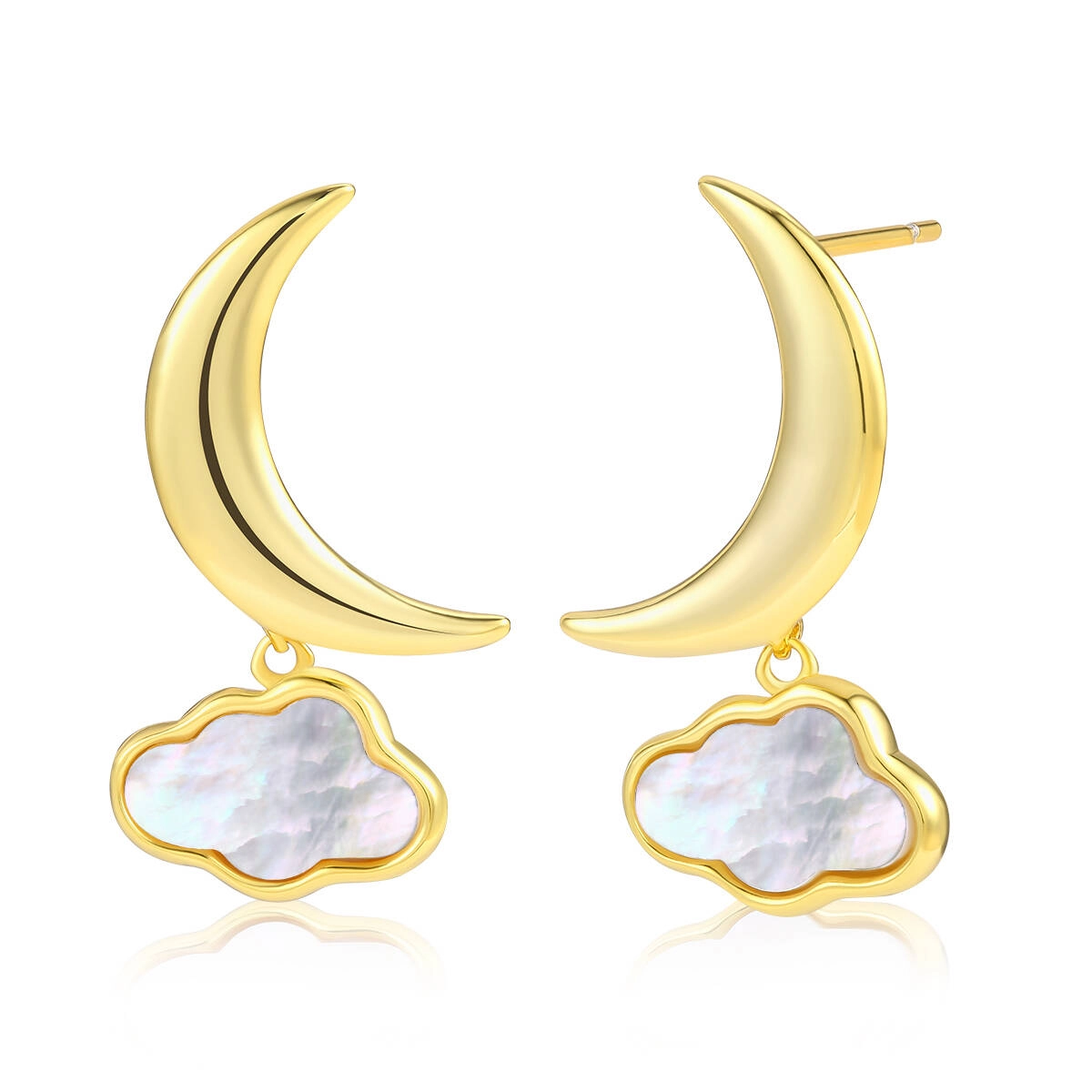
Mother of pearl stud earrings (nacre-backed shell set into metal posts) vary by shell grade, backing metal (925 silver, brass, stainless steel), plating, inlay technique, and finishing. For reference, nacre is a natural composite material found in mollusk shells; see the technical description on Wikipedia: https://en.wikipedia.org/wiki/Nacre. Each factor—stone size, bezel complexity, and plating thickness—can change production time and yield more than raw material price alone.
Quality and compliance considerations
When setting bulk prices, account for extra costs tied to compliance (RoHS/REACH certifications), eco-friendly materials, and quality-control processes. Regulations such as EU RoHS and REACH impact allowable substance levels in jewelry components—relevant references: RoHS overview and ECHA / REACH. Buyers with EU or US markets expect these assurances, and the cost to obtain compliant materials and testing should be factored into your per-unit price.
Cost modeling and tiered pricing structures
Building a verifiable cost model
I always start with a cost breakdown per unit: materials, labor, tooling amortization, finishing (polish/plating), quality control, packaging, and freight to the buyer's warehouse. Here's a simplified, realistic cost model for illustration (values are examples—use your factory quotes for precision):
| Cost component | Example Cost (USD per pair) |
|---|---|
| Mother of pearl inlay & bezel | $1.20 |
| Metal post & backing (925 silver plated / stainless steel / brass options) | $0.80 |
| Labor & assembly | $0.90 |
| Finishing, plating, polishing | $0.50 |
| Quality control & packaging | $0.40 |
| Tooling amortization (per pair) | $0.20 |
| Logistics & duties (average) | $0.50 |
| Total cost per pair | $4.50 |
Note: This cost model is illustrative. Your real factory quote will vary by metal selection (925 silver is higher than brass), plating demands (Rhodium vs gold-plating), and whether you require RoHS/REACH-compliant alloys.
Tiered wholesale pricing (MOQ bands)
A pragmatic tiered structure helps balance order frequency and unit economics. Below I show commonly used bands and recommended wholesale multipliers versus cost. Retailers often expect keystone or higher markups—jewelry retail commonly uses 2x to 4x keystone depending on brand positioning.
| MOQ band (pairs) | Wholesale unit price (USD) | Example margin over cost ($4.50) | Suggested MSRP |
|---|---|---|---|
| 100–499 | $6.50 | 44% gross margin | $14–$18 |
| 500–2,499 | $5.20 | 13% gross margin | $12–$16 |
| 2,500+ | $4.10 | -9% (break-even/strategic loss leader) | $10–$14 |
Interpretation: The smallest band yields healthy margin for the buyer and manufacturer. Larger-volume buyers expect deeper discounts; if you price too low at high volumes you risk devaluing the retail channel. Many suppliers protect channel price by limiting deep discounts to private-label OEM orders where retail pricing is controlled.
How to set MSRP and channel pricing consistently
Use a target MSRP that aligns with brand position (e.g., fashion jewelry at $12–$20; High Quality sterling silver mother of pearl studs at $40+). Enforce MAP (Minimum Advertised Price) or provide tiered exclusive SKUs for large buyers to avoid channel conflict. For guidance on industry best practices and retailer expectations, industry groups like Jewelers of America provide resources on ethical business and retail norms: https://www.jewelers.org/.
Negotiation levers, packaging, and inventory strategies
Non-price value that improves offer without eroding margin
If buyers demand lower prices, negotiate on non-price items: longer payment terms, higher MOQs, private labeling fees, co-branded packaging paid by buyer, and exclusivity for a limited period. For instance, offering custom cardbacks or boxed presentation for an extra $0.20–$0.60 per pair can increase perceived value at retail while protecting unit margins.
Inventory and replenishment: balancing MOQ and cash flow
Smaller brands often prefer lower MOQs to reduce inventory risk; savvy factories provide graduated programs (pilot runs of 100–200 units) with slightly higher per-unit pricing, transitioning to lower costs at larger reorder thresholds. Consider using just-in-time replenishment with 30–60 day lead times if your manufacturer supports it, which improves cash turnover and reduces markdown risk.
Protecting margins across channels
To prevent marketplaces from eroding price integrity, create exclusive collections or apply channel-specific finishes (brushed vs high polish) that justify different MSRP brackets. You can also supply limited-run SKUs for influencers or subscription boxes with unique colorways to avoid direct competition with mass-market resellers.
Quality control, supplier selection, and OEM/ODM considerations
Supplier audit checklist
When vetting factories for mother of pearl stud earrings, I use a checklist: production capacity, sample policy, inspection protocols, material certificates (RoHS/REACH), polishing rounds, plating thickness, tooling capability, lead times, and price transparency. For example, ask how many QC steps are in place and whether they offer batch testing. Responsible sourcing and quality are non-negotiable for large retailers.
Why multi-step finishing matters: a measurable difference
Polish and finishing impact perceived value more than raw materials. A six-round precision polishing protocol reduces micro-scratches and enhances plating adhesion—measurable through visual inspection and plating adhesion tests. Factories that invest in repeatable finishing workflows consistently deliver higher retail satisfaction and lower return rates.
OEM/ODM trade-offs and cost implications
OEM (manufacturing to your spec) often requires less design work but needs exact tooling, while ODM (factory-design with Zhefan Jewelrying) reduces upfront costs for smaller brands but may limit exclusivity. When negotiating bulk pricing, clarify whether quotes include tooling amortization, design fees, or sample revisions—these often hide and inflate per-unit costs if not explicitly stated.
Case study: pricing scenarios and decision matrix
Three buyer personas and recommended pricing tactics
I outline three representative buyer scenarios and the pricing approach I recommend.
- Small boutique (MOQ 200): Pay higher per-unit, secure exclusive colorways, require private-label packaging. Advantage: higher retail pricing and perceived exclusivity.
- Online reseller (MOQ 1,000): Negotiate competitive per-unit price, ensure quick replenishment and predictable lead time to avoid stockouts.
- Large retail chain (MOQ 10,000): Use OEM agreement with protected pricing tiers, ensure full compliance documentation (RoHS/REACH), and provide UPC/PKG barcoding and EDI capabilities.
Pricing decision matrix (simplified)
| Factor | Priority for boutique | Priority for reseller | Priority for chain |
|---|---|---|---|
| Unit price | Medium | Low | Lowest |
| Design exclusivity | High | Low | Medium |
| Compliance documentation | Medium | Low | High |
| Lead time flexibility | High | High | Medium |
Measuring success: KPIs to track
Track gross margin per SKU, sell-through rate (weekly/monthly), return rate, and buy-back frequency for defective items. If a SKU underperforms after 3–4 replenishments, consider adjusting design, packaging, or marketing rather than continuing price discounts.
Why partner with a factory that combines scale, design, and quality
Introducing a trusted manufacturing partner
In my consulting and sourcing experience, the best outcomes come from partners who combine reliable scale, creative design, and rigorous quality control. Guangzhou Zhefan Jewelry is an example of such a partner: established in 2002 with roots dating to 1997, Zhefan focuses on high-quality 925 silver, brass, and stainless steel jewelry, including mother of pearl stud earrings. They operate two factories (Guangzhou & Meizhou) covering 800 m² with over 80 skilled artisans and 20 sales professionals, supporting monthly output of 600,000 pieces.
What sets this partner apart (operational and technical strengths)
Key differentiators I value: a professional design team that launches 500+ new original styles monthly, 6 rounds of precision polishing, and 6 strict quality inspections per piece. They use RoHS/REACH-compliant eco-friendly materials and have experience serving Amazon top sellers and global retailers like Macy’s. Their OEM/ODM capabilities, rapid delivery, and manufacturing discipline help brands scale without compromising on finish or compliance. For more, visit their site: https://www.zhefanjewelry.com/ or contact sales at sales3@zhefanjewelry.com.
Product focus and positioning
Zhefan’s core products include Stainless Steel Jewelry, Brass Jewelry, and 925 silver jewelry. Their capacity to craft mother of pearl inlays with stable plating and precise finishing makes them suitable for brands seeking scalable, compliant production for wholesale and retail channels. I recommend discussing MOQ flexibility, sample programs, and packaging options upfront to align pricing expectations with brand strategy.
Practical next steps and checklist for executing bulk pricing
Step-by-step checklist before signing a bulk contract
- Obtain detailed factory quotes breaking down materials, labor, tooling amortization, and QC fees.
- Request RoHS/REACH compliance certificates and sample testing reports.
- Negotiate tiered pricing with explicit MOQs and lead times.
- Agree on packaging, labeling, and any MAP/MOQ protections for retail channels.
- Define payment terms, penalties for late delivery, and defect allowances (e.g., AQL standards).
Sample clause suggestions to protect pricing integrity
Include exclusivity terms for select designs, minimum advertised price clauses for large accounts, and clearly defined restocking and inspection procedures. Insist on inspection reports before shipment and use third-party inspection services when necessary.
When to invest in design/branding vs. chasing lower unit cost
If Zhefan Jewelry is positioned in mid-to-High Quality segments, invest in better finishes, packaging, and story (e.g., ethically sourced nacre, unique bezel designs). Competing only on price leads to thin margins and commoditization. For mass-market resellers, prioritize logistics and automation to keep per-unit costs down.
FAQ — Frequently Asked Questions
1. What is the typical MOQ for mother of pearl stud earrings?
MOQ varies by factory and material. Typical fashion jewelry MOQs range from 100–500 pairs for initial runs; larger discounts usually kick in at 500–2,500 pairs. Factories offering OEM/ODM services may offer pilot samples at higher per-unit costs for smaller runs.
2. How much should I expect to pay per pair for wholesale mother of pearl studs?
Wholesale pricing commonly ranges from about $4–$8 per pair for fashion metals (brass or stainless steel with plating) depending on finish and compliance. Sterling silver (925) increases unit cost. Use a factory quote to build an accurate cost model for your specs.
3. Are RoHS and REACH necessary for jewelry sold in EU and US?
REACH is an EU regulation that restricts certain chemicals in consumer products; RoHS targets electronic equipment but similar substance restrictions are often requested by retailers. For EU sales, REACH compliance is important; always request certificates from suppliers. See ECHA for REACH details: https://echa.europa.eu/.
4. How can I protect my retail price when selling large quantities?
Use exclusive SKUs, private labeling, MAP policies, and selective distribution agreements. Offer deep discounts only for private-label OEM orders where you control retail placement.
5. Should I choose 925 silver, stainless steel, or brass for my mother of pearl studs?
Choice depends on brand positioning: 925 silver is perceived as High Quality and commands higher MSRP; stainless steel offers durability and hypoallergenic properties; brass is cost-effective and versatile with plating. Factor in plating longevity and customer expectations for tarnish resistance.
6. How much does finishing affect returns and perceived value?
Significantly. Multiple rounds of precision polishing and strict QC materially reduce customer returns and increase perceived value. Factories that invest in finishing typically show lower return rates on marketplace channels.
Contact / See products — If you want help turning a pricing model into a buyable product line, or to request samples and MOQ quotes, contact Guangzhou Zhefan Jewelry (est. 2002; roots 1997). They specialize in Stainless Steel Jewelry, Brass Jewelry, and 925 silver jewelry, enforce 6 rounds of precision polishing and 6 strict quality inspections, and support comprehensive OEM/ODM solutions. Visit https://www.zhefanjewelry.com/ or email sales3@zhefanjewelry.com to start a conversation about mother of pearl stud earrings, sample programs, and bulk pricing tailored to your channel.
By following the cost-model approach, tiered pricing tactics, and supplier selection checklist I outlined above, you can structure bulk pricing for mother of pearl stud earrings that preserves margin, protects Zhefan Jewelry, and scales with demand. If you’d like, I can review your current cost sheet and suggest an optimized tiered pricing table based on your actual factory quotes.
Tags
925 sterling silver bracelets wholesale
925 sterling silver bracelets wholesale
mother of pearl heart pendant 18k gold
mother of pearl heart pendant 18k gold
mother of pearl heart necklace for bridesmaids
mother of pearl heart necklace for bridesmaids
925 sterling silver bracelets men's
925 sterling silver bracelets men's
eco friendly urn pendant supplier
eco friendly urn pendant supplier
handmade mother of pearl heart necklace
handmade mother of pearl heart necklace
Recommended for you
Top 10 925 sterling silver huggie earrings Manufacturers and Supplier Brands in China
Why choose Zhefan Jewelry as your mens brass rings supplier
Top stainless steel gold rings Manufacturers and Suppliers
The Art of the Haggle: How to Negotiate Silver Jewelry Prices Without Being Rude (and Still Get the Best Deal) in 2026
Prdoucts Categories
Question you may concern
FAQs
Can we visit your factory?
Yes, pls contact seller to arrange meeting, we will pick you up to our factory.
Do you do customer design?
Do you do customer design? Yes,we are good at this way.Most of our customer do their customize.And we have cooperate with them when they are new brand, but now they become the top sell on Amazon, more than 32,000 five star comment.
Can I see your product test report?
Of course.Our product throught standar test like SGS.We test in many ways of product.
How long does it take for the product to fade?
The normal electroplating quality color retention time of our products is 5 times longer than the market, and the thicker electroplating can retain color for three years.
Products
What’s the lead time?
We could arrange shipment for you within 48 hours if you order models in stock. For bulk order, it takes 10-25 days for production depending on order quantity and styles.
You may also like
Brass Jewelry
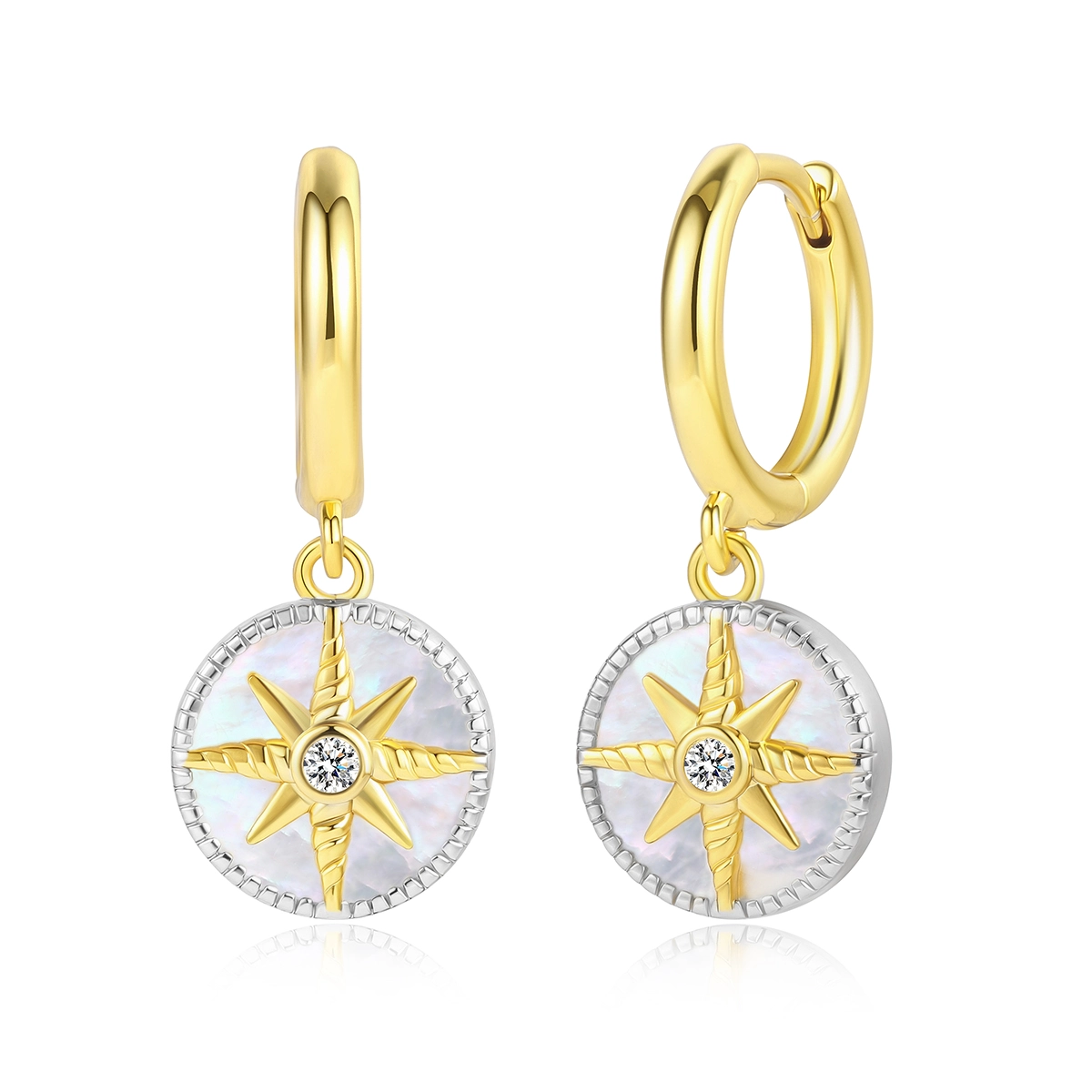
Brass Mother of Pearl Compass Huggie Drop Earrings | 14K 18K Gold Plated Hypoallergenic Jewelry
Read More
925 Silver Jewelry
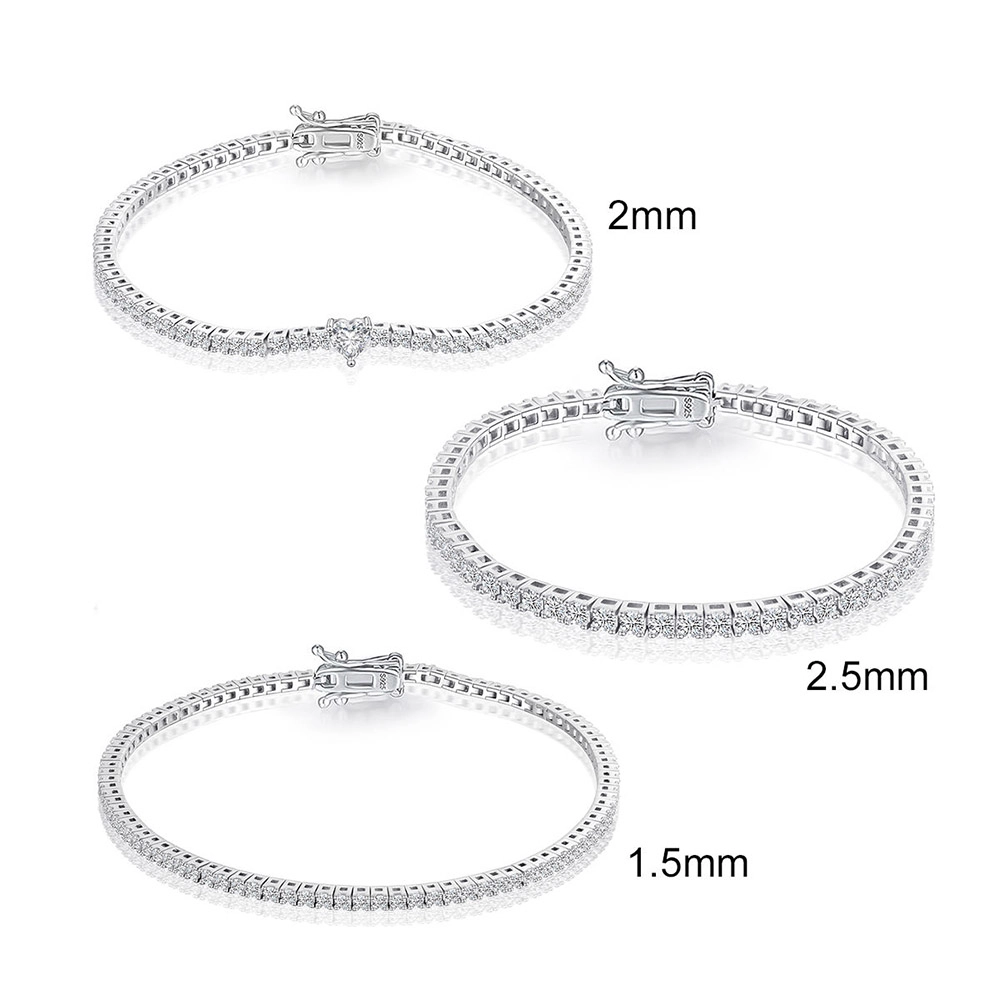
Customizable High-Quality Fashion 925 Sterling Silver AAA Cubic Zirconia Heart-Shaped Open Tennis Bracelet.
Read More
Get a Quote for Private Label Jewelry
We provide personalized jewelry customization services for clients worldwide.
Rest assured that your privacy is important to us, and all information provided will be handled with the utmost confidentiality.
By clicking 'Send Inquiry Now' I agree to ZHEFAN JEWELRY processing my personal data.
To see how to withdraw your consent, how to control your personal data and how we process it, please see our Privacy Policy and Terms of use.
From design to production, ZHEFAN JEWELRY offers a one-stop solution to help you enhance your brand value and market competitiveness.
Get A Quote
Contact
Tel: (+86) 188 1927 7817
© 2026 Zhefan Jewelry. All Rights Reserved.
Facebook
Instagram
YouTube
Whatsapp: +8618819277817