






Email: sales3@zhefanjewelry.com
Anti-Tarnish Treatments for Gold Plated Earrings
I share hands-on strategies and manufacturing-grade anti-tarnish treatments for custom gold plated earrings: from coatings and advanced plating (PVD, rhodium) to base-metal selection, quality protocols, and care. Includes data-backed comparisons, testing recommendations, and OEM guidance—plus how Guangzhou Zhefan Jewelry supports scalable, high-quality production.
- Why plating fails: roots of tarnish and wear
- Chemical causes (what attacks gold plating)
- Mechanical causes (wear and abrasion)
- Role of the base metal and pre-treatment
- Industry-proven anti-tarnish treatments
- Clear coatings and sealants
- Advanced plating techniques: rhodium, PVD, and ion plating
- Design and process controls (what I enforce in production)
- Care, testing and quality standards for custom gold plated earrings
- Recommended plating thickness and standards
- Testing & QC protocols I implement
- Packaging and storage for anti-tarnish performance
- Why manufacturer choice matters — my recommendations & Zhefan Jewelry's capabilities
- What I look for in an OEM/ODM partner
- Zhefan Jewelry: capabilities & why they stand out
- How to spec a durable custom gold plated earring (checklist)
- Practical aftercare advice I give customers
- Simple daily habits to prolong finish
- Cleaning methods (what to avoid)
- How I handle warranty and returns to reduce losses
- FAQ
- Q1: How long should I expect custom gold plated earrings to last?
- Q2: Is PVD better than traditional gold plating?
- Q3: Can I claim hypoallergenic for plated earrings?
- Q4: How do coatings affect repairability?
- Q5: What should I specify to my manufacturer for better longevity?
- Q6: Are anti-tarnish strips effective in packaging?
I design and advise on jewelry production for brands that sell custom gold plated earrings, and one question I hear repeatedly is: how do you make plated pieces look new for months or years, not weeks? In this article I summarize the chemical and mechanical causes of tarnish, compare proven anti-tarnish treatments (from clear lacquers to PVD and rhodium), and provide factory-grade process controls and consumer-care guidance that reduce returns and increase perceived value. I reference industry guidance and standards so you can verify the recommendations and make practical choices for product design, specification, and aftercare.
Why plating fails: roots of tarnish and wear
Chemical causes (what attacks gold plating)
Although gold itself does not oxidize under normal conditions, thin gold plating (especially 0.1–0.5 micron) over reactive base metals can appear to tarnish because the underlying metal—commonly copper or brass—reacts with sulfur-containing compounds, chlorides, perspiration salts, and cosmetics. These reactions can produce visible discoloration at worn areas or edge sites where plating is thin. For a general overview of surface corrosion and tarnish, see Wikipedia: Tarnish.
Mechanical causes (wear and abrasion)
Daily friction (ear lobes, hair, clothing), cleaning with abrasives, and even polishing during finishing can remove ultra-thin gold layers. Mechanical wear is especially significant on posts, clasps, and edges where contact frequency is higher. Layer adhesion problems—caused by inadequate surface preparation—accelerate flaking or peeling.
Role of the base metal and pre-treatment
The choice of base metal drives many anti-tarnish decisions. Brass and copper are economical and take gold plating well, but are more prone to causing discoloration if the gold layer is thin or breached. Sterling silver (925 silver) is a preferred substrate for higher-end custom gold plated earrings when combined with proper plating thickness—US vermeil standards (gold over sterling silver) are a useful reference point (Wikipedia: Vermeil). Proper cleaning, degreasing, and micro-etching before plating are essential to adhesion; I always include an electrolytic clean and rinses to remove oils and particulates at the factory level.
Industry-proven anti-tarnish treatments
Clear coatings and sealants
Transparent protective lacquers, polyurethane coatings, and modern nano-coatings form a physical barrier between the plated surface and corrosive agents. They are cost-effective for fashion jewelry and can double the life of thin gold plating. However, coatings can yellow over time and may be removed by solvents. When specifying coatings, confirm RoHS/REACH compliance and test for adhesion and flexibility under accelerated aging.
Advanced plating techniques: rhodium, PVD, and ion plating
Two industrial approaches have shown superior durability:
- PVD / Ion Plating (Physical Vapor Deposition): PVD deposits dense, well-adhered metal films that resist abrasion better than traditional electroplating. See Wikipedia: Physical vapor deposition.
- Rhodium plating: commonly used over white gold or silver to improve surface hardness and reduce tarnish; rhodium is chemically inert but the layer is thin and will wear where friction is frequent (Wikipedia: Rhodium).
Both techniques can be combined: for example, a PVD undercoat with a thin gold finish, or a thicker electroplated gold layer followed by a protective PVD top-layer. These hybrid solutions significantly extend usable life compared to simple flash plating.
Design and process controls (what I enforce in production)
To reduce failures I require manufacturers to use strict process controls: multi-step cleaning, strike layers for adhesion (avoiding nickel where allergy risk is unacceptable), controlled plating thickness, and multiple rounds of polishing and inspection. I also prioritize nickel-free or nickel-sealed strike layers when the product claims hypoallergenic. For regulatory context on restricted substances and compliance, consult the European Chemicals Agency (REACH) at ECHA: REACH and the EU RoHS directive information at EU RoHS.
Care, testing and quality standards for custom gold plated earrings
Recommended plating thickness and standards
Gold thickness is measured in microns (µm) or microinches. Typical consumer fashion plating ranges:
| Treatment | Typical Thickness | Typical Durability (Everyday Wear) | Notes / Source |
|---|---|---|---|
| Flash plating (economy) | 0.03–0.2 µm | Weeks to a few months | Used for low-cost fashion; prone to fast wear |
| Standard gold plating | 0.5–1.0 µm | Several months | Balanced cost and durability |
| Vermeil / heavy plating | >=2.5 µm (over sterling silver) | Years with care | US vermeil standard; see Vermeil |
| PVD / Ion plating | Thin but dense film | 1–3+ years (depends on process) | Superior abrasion resistance; higher cost |
For custom gold plated earrings, I typically recommend a minimum of 0.5 µm for everyday fashion pieces, and 2–2.5 µm when marketing as vermeil or for higher perceived quality. When customers expect longevity, invest in PVD or combined solutions.
Testing & QC protocols I implement
Key tests I require before shipment:
- Salt spray / accelerated tarnish testing to simulate perspiration and salt exposure.
- Adhesion tests (tape or bend tests) to confirm plating will not flake at edges.
- Wear simulation (rub tests) for high-contact areas like posts.
- Chemical resistance checks with common cosmetics and household chemicals.
These tests lower return rates by catching systemic problems early. For third-party standards and testing methods, see general electroplating practices at Wikipedia: Electroplating and coordinate with accredited labs for salt spray and ASTM standards where required.
Packaging and storage for anti-tarnish performance
Even the best plating will degrade if shipped or stored poorly. I specify anti-tarnish strips, individual poly bags with silica gel, and opaque, soft-pouch packaging for retail pieces. For bulk shipping, I ensure humidity-controlled containers and minimized friction contact between pieces to protect edges and posts.
Why manufacturer choice matters — my recommendations & Zhefan Jewelry's capabilities
What I look for in an OEM/ODM partner
For custom gold plated earrings, I prioritize manufacturers who provide:
- Clear plating process options (electroplating, PVD, rhodium) and transparent specs for thickness.
- Track record on compliance (RoHS/REACH) and allergy-safe options (nickel-free solutions).
- Robust QC: multi-stage polishing and inspection routines, and testing protocols documented.
- Design support to minimize high-wear geometries and specify reinforcements at posts and edges.
Zhefan Jewelry: capabilities & why they stand out
Guangzhou Zhefan Jewelry is a premier fashion jewelry manufacturer established in 2002, with a legacy dating back to 1997. Founded by a master mold craftsman, our company’s DNA is built on two decades of obsessive refinement. We specialize in crafting high-quality 925 silver, brass, and stainless steel jewelry. Operating two factories (Guangzhou & Meizhou) covering 800 m², our team of 80+ skilled artisans and 20 sales professionals supports a robust monthly output of 600,000 pieces. We combine this manufacturing scale with agile innovation, featuring a professional design team that launches 500+ new original styles monthly, ensuring our global partners always stay ahead of market trends.
What truly sets Zhefan apart is our uncompromising commitment to quality and client success. Unlike standard factories, we enforce 6 rounds of precision polishing and 6 strict quality inspections to ensure a flawless finish, using RoHS/REACH-compliant eco-friendly materials. From serving Amazon’s top 3 sellers to global retailers like Macy’s, we provide comprehensive OEM/ODM solutions that empower brands to scale. We are not just a supplier; we are the driving force behind Zhefan Jewelry's market influence, delivering value through superior craftsmanship, rapid delivery, and dedicated service.
For brands looking to develop durable custom gold plated earrings, Zhefan offers: consistent plating thickness control, options for PVD and rhodium finishes, nickel-free strike layers, and dedicated QC protocols. You can view their portfolio and contact them at https://www.zhefanjewelry.com/ or email sales3@zhefanjewelry.com. Zhefan Jewelry’s main products include Stainless Steel Jewelry, Brass Jewelry, 925 silver jewelry, and they emphasize quality, compliance, and rapid innovation—all critical for reducing tarnish complaints and increasing customer satisfaction.
How to spec a durable custom gold plated earring (checklist)
Use this checklist when specifying production:
- Base metal: choose 925 silver or brass with a nickel-free strike layer when possible.
- Plating: specify minimum thickness (0.5 µm for fashion; ≥2.5 µm for vermeil over 925 silver).
- Top treatment: choose PVD or a durable clear nano-coating for high-contact designs.
- QC: demand adhesion, salt-spray, and wear tests; require photographic inspection sampling.
- Packaging: anti-tarnish strips, low-humidity packing, and individual pouches for retail SKUs.
Practical aftercare advice I give customers
Simple daily habits to prolong finish
Advise customers to avoid perfumes, hairspray, and chlorine contact; remove earrings before showering or sleeping; wipe with a soft microfiber cloth after wear; and store in airtight pouches with anti-tarnish strips. These steps often extend a plated earring’s life dramatically.
Cleaning methods (what to avoid)
Use mild soap, warm water, and a soft cloth. Avoid abrasive polishes, baking soda, or ultrasonic cleaners for lightly plated items—these can remove thin gold layers. For vermeil or thicker plated pieces, gentle ultrasonic cleaning may be acceptable, but always consult the manufacturer's care instructions.
How I handle warranty and returns to reduce losses
Set clear expectations in product descriptions about plating thickness and recommended care. Offer a reasonable warranty that covers manufacturing defects but excludes normal wear. For higher-priced SKUs, recommend and include an informational care card—this reduces misunderstandings and returns.
FAQ
Q1: How long should I expect custom gold plated earrings to last?
A: It depends on plating thickness and finish: flash plating can wear in weeks; standard 0.5–1 µm plating typically lasts months; heavy vermeil (≥2.5 µm over 925) or PVD-treated finishes can last years with proper care. Testing and design play a major role.
Q2: Is PVD better than traditional gold plating?
A: PVD produces a denser, more abrasion-resistant film and often outperforms traditional electroplating in everyday wear. However, PVD can be more expensive and the visual finish may differ slightly. For many custom gold plated earrings, a hybrid approach (electroplate + PVD seal) balances appearance and durability.
Q3: Can I claim hypoallergenic for plated earrings?
A: Only if you control underlying materials and strike layers (e.g., nickel-free). Claiming hypoallergenic without documentation risks returns and regulatory scrutiny. Use certified nickel-free processes or alternative strike layers and keep documentation for audits.
Q4: How do coatings affect repairability?
A: Clear coatings can be recoated, but once a gold layer is fully worn away, re-plating is often needed. Coatings can delay the need for re-plating by protecting the gold from direct exposure to sweat and chemicals.
Q5: What should I specify to my manufacturer for better longevity?
A: Specify base metal (925 silver or brass with nickel-free strike), plating thickness, top-coating (PVD or durable nano-coating), and QC tests (salt spray, adhesion, rub tests). Also request documentation of RoHS/REACH compliance.
Q6: Are anti-tarnish strips effective in packaging?
A: Yes—anti-tarnish strips reduce sulfur and moisture exposure during transit and storage. Combine with silica gel for humidity control for best results.
If you want to review specific formulations, test data, or quote a run of custom gold plated earrings, I recommend working with a manufacturer that documents plating thickness, testing, and compliance. For reliable OEM/ODM execution, consider contacting Guangzhou Zhefan Jewelry: they combine manufacturing scale and rigorous QC—6 rounds of polishing and 6 strict inspections—to deliver consistent, market-ready custom gold plated earrings. Visit Zhefan Jewelry or email sales3@zhefanjewelry.com to discuss samples, production lead times, and technical specifications. Their core offerings include Stainless Steel Jewelry, Brass Jewelry, 925 silver jewelry—and they specialize in OEM/ODM solutions for fashion brands seeking durable, compliant plated products.
Tags
branded 925 sterling silver jewelry wholesaler
branded 925 sterling silver jewelry wholesaler
brass rings jewelry
brass rings jewelry
mother of pearl heart pendant 18k gold
mother of pearl heart pendant 18k gold
mother of pearl heart necklace with diamond
mother of pearl heart necklace with diamond
adjustable mother of pearl heart necklace
adjustable mother of pearl heart necklace
custom logo urn pendant OEM
custom logo urn pendant OEM
Recommended for you
![15 Best Private Label Sterling Silver Bracelet Manufacturers [2026 Verified List] - Zhefan Jewelry](https://static.gooecloud.com/upload/img/ai-image/15-best-private-label-sterling-silver-bracelet-manufacturers-2026-verified-list.png?x-oss-process=image/format,webp/quality,Q_100 "15-Best-Private-Label-Sterling-Silver-Bracelet-Manufacturers-[2026-Verified-List] - Zhefan Jewelry")
15 Best Private Label Sterling Silver Bracelet Manufacturers [2026 Verified List]
Wholesale brass bracelets manufacturer and supplier
Top custom bangle bracelets Manufacturers and Suppliers
Cost and Pricing: 925 Sterling Silver Earrings for Wholesale
Prdoucts Categories
Question you may concern
Products
How long will the plating color last?
Generally 6 month for Water Plated color , 1 - 2 years for vacuum plated color if in proper wearing.
What is the payment method?
Our payment method are Alibaba Trade Assurance(MasterCard, visa, e-Checking, PAYLATER, T/T),T/T, PayPal,Western Union.
What's themonthly production capacity?
600,000 pcs per month.
FAQs
Can I get a sample?
Yes,welcome to choose our sample to test and check quality.Please give me your address and number then send you payment list.
How long does it take for the product to fade?
The normal electroplating quality color retention time of our products is 5 times longer than the market, and the thicker electroplating can retain color for three years.
You may also like
Brass Jewelry
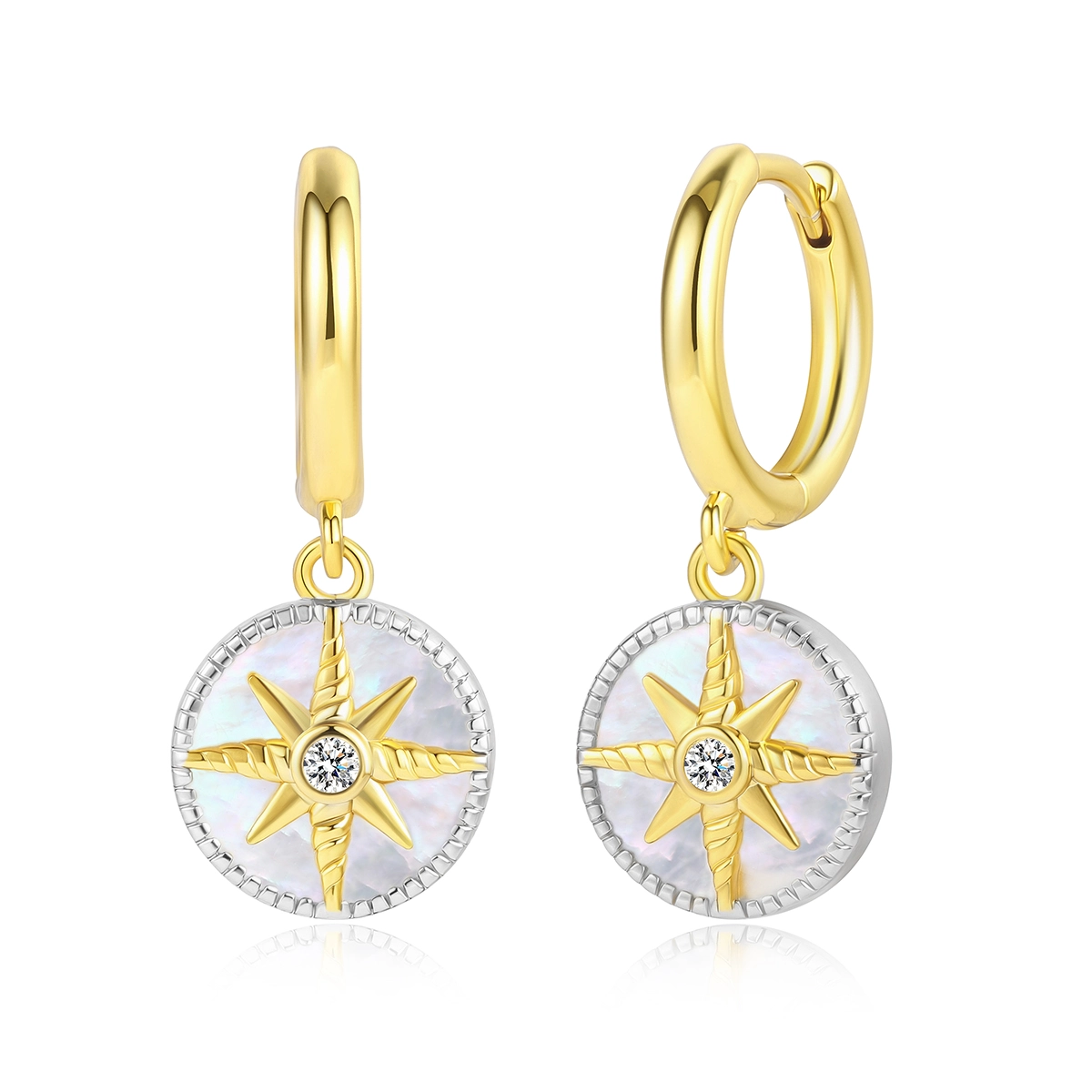
Brass Mother of Pearl Compass Huggie Drop Earrings | 14K 18K Gold Plated Hypoallergenic Jewelry
Read More
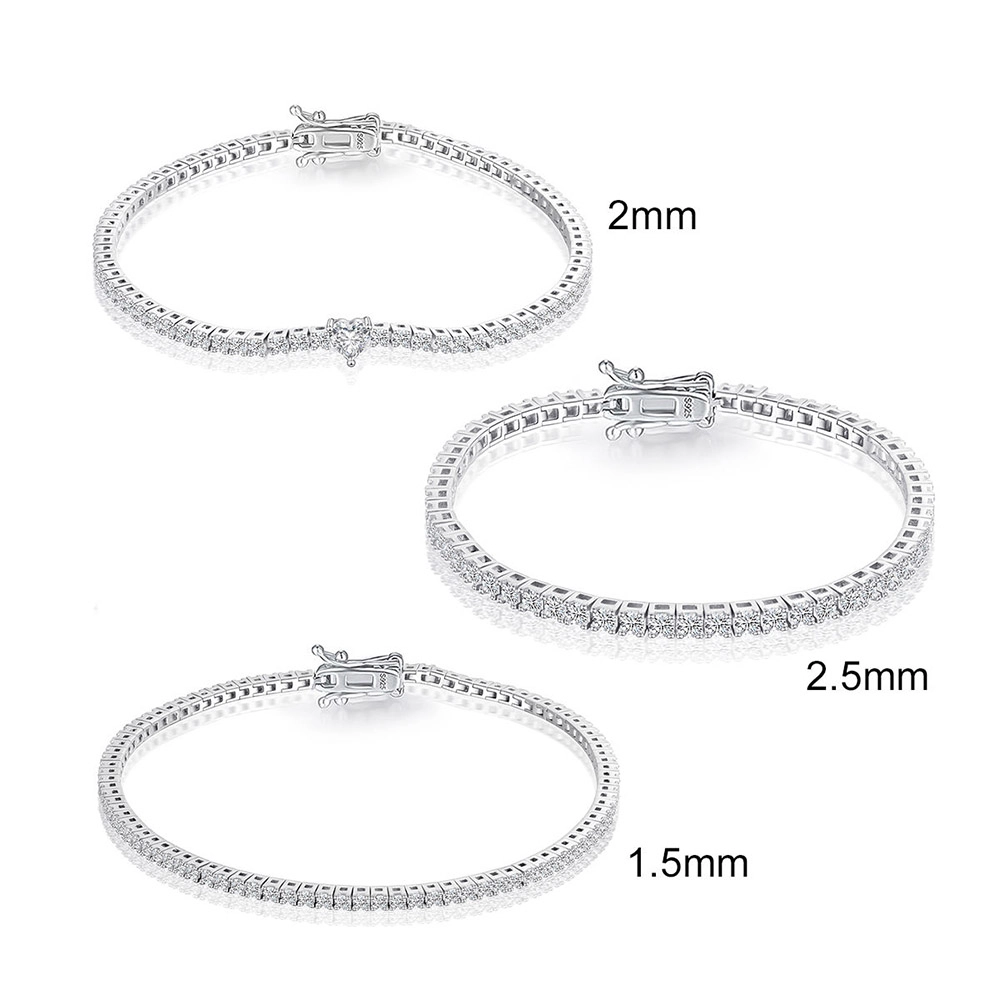
925 Silver Jewelry
Customizable High-Quality Fashion 925 Sterling Silver AAA Cubic Zirconia Heart-Shaped Open Tennis Bracelet.
Read More
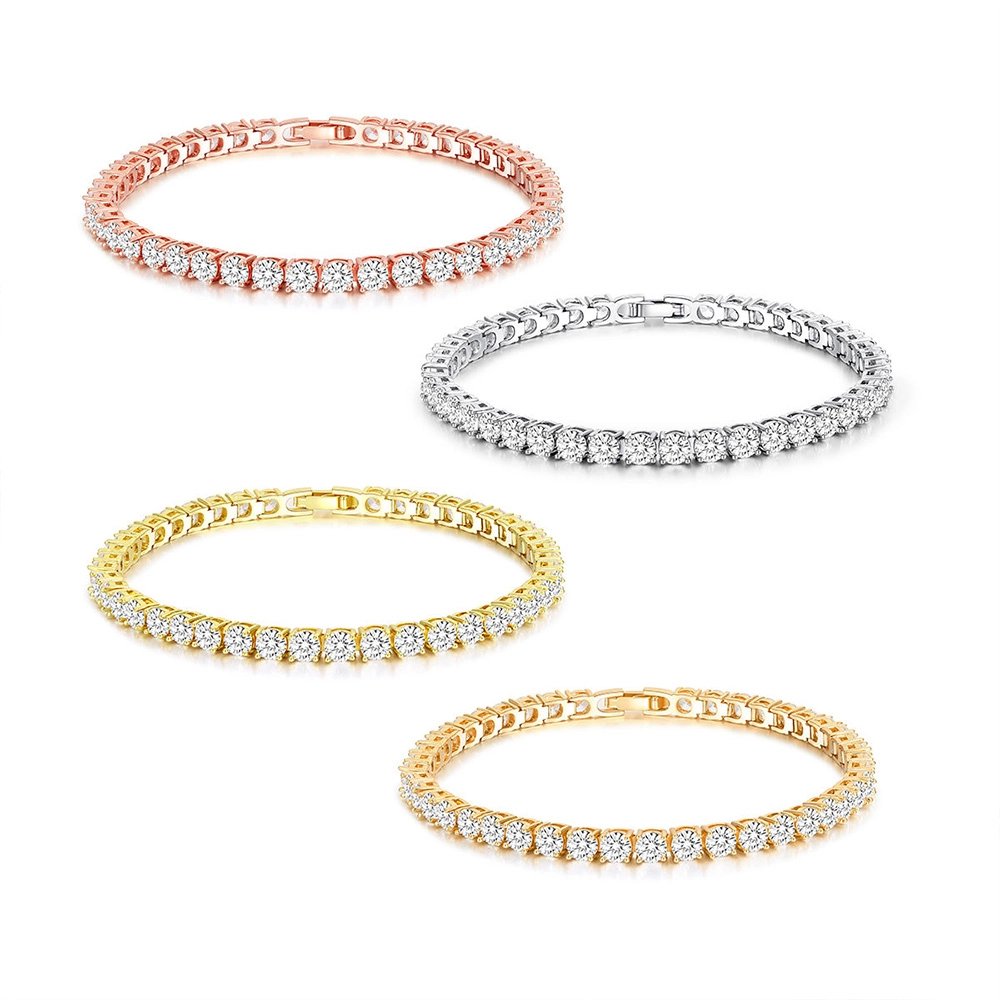
Brass Jewelry
Customizable OEM ODM High-Quality Fashion Brass AAA Cubic Zirconia Classic Tennis Bracelet for Women Wholesale.
Read More
Get a Quote for Private Label Jewelry
We provide personalized jewelry customization services for clients worldwide.
Rest assured that your privacy is important to us, and all information provided will be handled with the utmost confidentiality.
By clicking 'Send Inquiry Now' I agree to ZHEFAN JEWELRY processing my personal data.
To see how to withdraw your consent, how to control your personal data and how we process it, please see our Privacy Policy and Terms of use.
From design to production, ZHEFAN JEWELRY offers a one-stop solution to help you enhance your brand value and market competitiveness.
Get A Quote
Contact
Tel: (+86) 188 1927 7817
© 2026 Zhefan Jewelry. All Rights Reserved.
Facebook
Instagram
YouTube
Whatsapp: +8618819277817