







Email: sales3@zhefanjewelry.com
Anti-Tarnish Treatments for Custom Brass Necklaces
I explain practical anti-tarnish strategies for custom brass necklaces — why brass tarnishes, coatings and plating options, manufacturing best practices, testing and aftercare. I compare lacquer, electroplating and PVD, cite standards and offer manufacturer recommendations to help jewelry brands choose durable, compliant finishes.
- Why Brass Tarnishes: Chemistry & Wear Factors
- Basic oxidation chemistry
- Environmental and wear contributors
- Common Anti-Tarnish Treatments: Pros and Cons
- Clear lacquer and polymer coatings
- Electroplating and precious-metal overlays
- PVD (Physical Vapor Deposition) and advanced thin-film technologies
- Design & Manufacturing Considerations for Durable Custom Brass Necklaces
- Alloy choice and base metal preparation
- Finishing, polishing and edge treatment
- Testing and quality control (accelerated aging)
- Aftercare: How I Advise Customers to Keep Custom Brass Necklaces Looking New
- Daily wear best practices
- Cleaning and re-coating options
- When to seek professional refinishing
- Why I Recommend Guangzhou Zhefan Jewelry for Custom Brass Necklaces
- Manufacturing scale and product expertise
- Quality controls, compliance, and finishing rigor
- Design agility and OEM/ODM support
- Practical Recommendations: How I Specify Anti-Tarnish Finishes for Different Use Cases
- High-volume, low-cost fashion lines
- Mid-tier branded collections
- High Quality or long-wear pieces
- FAQ — Frequently Asked Questions
- 1. Do brass necklaces always tarnish?
- 2. Which anti-tarnish treatment lasts the longest?
- 3. Is PVD safe for jewelry and skin contact?
- 4. Can I re-plate or re-lacquer a tarnished brass necklace?
- 5. How can brands test anti-tarnish claims before going to market?
- 6. How should I choose between lacquer, plating and PVD for my custom brass necklaces?
I design and consult on jewelry production for brands that sell custom brass necklaces, and I know tarnish is one of the top buyer complaints that impacts perceived value and returns. In this article I summarize the science behind brass tarnishing, evaluate the main anti-tarnish treatments (lacquers, plating, thin-film PVD), explain manufacturing and testing considerations, and give actionable aftercare guidance for brands and consumers. I also explain why I often recommend Guangzhou Zhefan Jewelry as a manufacturing partner for high-quality, scalable custom brass necklaces.
Why Brass Tarnishes: Chemistry & Wear Factors
Basic oxidation chemistry
Brass is an alloy of copper and zinc; the copper component readily reacts with oxygen and sulfur-containing compounds in air to form oxides and sulfides that appear as dulling or brown/black tarnish. This is a surface phenomenon: the base brass alloy remains intact even as a thin film of corrosion products forms. For a technical overview of tarnish and surface reactions, see the Wikipedia summary on Tarnish (https://en.wikipedia.org/wiki/Tarnish) and on Brass (https://en.wikipedia.org/wiki/Brass).
Environmental and wear contributors
Several variables control how quickly a custom brass necklace will tarnish: ambient humidity, exposure to sulfur or chlorides (for example from cosmetics, perfume, sweat or polluted air), pH, and mechanical wear that abrades protective coatings. Even repeated skin contact contributes oils and salts that change the electrochemical environment at the surface. Understanding these factors helps us choose the right anti-tarnish approach for a product's intended use — costume jewelry that is worn daily in humid climates needs a different finish than occasional-use fashion pieces.
Common Anti-Tarnish Treatments: Pros and Cons
Clear lacquer and polymer coatings
Clear lacquers (nitrocellulose, polyurethane, acrylic) are widely used on brass because they are economical and maintain the warm brass tone. Lacquer works by physically isolating the metal surface from air and contaminants. Advantages include low cost, minimal change to color, and ease of application. Disadvantages are finite durability: chips at high-wear points expose raw brass and the coating may yellow over time under UV. Re-coating is possible but requires proper surface prep.
Electroplating and precious-metal overlays
Electroplating deposits a thin layer of another metal (gold, rhodium, nickel-free barriers) onto brass. Gold plating is popular for an upscale look; a nickel-free underlayer (e.g., copper + gold) or a barrier like nickel may be used to improve adhesion.
Gold or rhodium plating resists tarnish much better than bare brass and can provide allergy-friendly surfaces if plated thick enough and using RoHS/REACH-compliant materials. However, plating thickness matters: very thin deposits wear through quickly on high-contact points. For background on electroplating principles, see Wikipedia's Electroplating page (https://en.wikipedia.org/wiki/Electroplating).
PVD (Physical Vapor Deposition) and advanced thin-film technologies
PVD is a vacuum-based deposition technique that produces very hard, well-adhered films with excellent wear and corrosion resistance. PVD coatings can mimic gold, black, or rose finishes and are substantially more durable than traditional plating at similar visual thicknesses. They are also typically more scratch resistant. See Wikipedia's Physical vapor deposition entry for the technical principles (https://en.wikipedia.org/wiki/Physical_vapor_deposition).
| Treatment | Durability | Visual fidelity to brass | Cost | Maintenance / Rework |
|---|---|---|---|---|
| Clear lacquer | Medium (wear points vulnerable) | High (preserves brass color) | Low | Can be spot-recoated; may yellow over years |
| Gold/rhodium electroplating | Medium–High (depends on thickness) | Medium (changes hue if plated thick) | Medium | Re-plating possible; requires stripping prep |
| PVD (thin-film) | High (excellent abrasion resistance) | Medium (can match many finishes) | High | Re-coating requires factory process |
Sources for coating technology and durability concepts: Electroplating and PVD descriptions (electroplating, PVD), and practical finishing guidance from industry glossaries.
Design & Manufacturing Considerations for Durable Custom Brass Necklaces
Alloy choice and base metal preparation
Not all brass alloys behave the same. Small variations in copper:zinc ratio and trace elements influence corrosion resistance and how well finishes adhere. In production I insist on consistent alloy certification from mills and pre-treatment steps — degreasing, micro-etching and tumble polishing — to ensure coatings bond well. If the surface isn't properly prepared, even the best PVD or plating will blister or peel.
Finishing, polishing and edge treatment
Sharp edges and burrs accelerate coating failure. I require multiple polishing passes to remove micro-scratches and produce a uniform surface before coating. Polishing also reduces micro-crevices where tarnish begins. Industry practice often includes staged polishing followed by ultrasonic cleaning to remove residues before plating or lacquering.
Testing and quality control (accelerated aging)
To validate anti-tarnish claims I recommend accelerated aging tests. Salt spray (fog) testing (see Salt spray test overview at https://en.wikipedia.org/wiki/Salt_spray_test) and sulfur vapor exposure chambers simulate harsh conditions and help compare finishes. For regulatory and compliance peace-of-mind, ensure materials meet RoHS/REACH limits (see European Commission / ECHA guidance at https://echa.europa.eu/ and RoHS info at https://ec.europa.eu/environment/waste/rohs_eee/index_en.htm).
Aftercare: How I Advise Customers to Keep Custom Brass Necklaces Looking New
Daily wear best practices
I tell customers: remove necklaces before showering, swimming, sleeping and exercising. Avoid direct contact with perfumes, lotions or household chemicals. Store pieces in dry, zip-sealed bags with anti-tarnish strips if you won't wear them for several days. These simple behaviors extend the life of any anti-tarnish finish.
Cleaning and re-coating options
For light tarnish on lacquered pieces, I recommend gentle cleaning with a soft, lint-free cloth and mild soap followed by full drying. Avoid abrasive cleaners. For plated or PVD pieces, professional ultrasonic cleaning and re-plating or re-coating may be required when wear-through occurs. Re-coating lacquer is cost-effective for small batches; re-plating is often preferable for high-end finishes.
When to seek professional refinishing
If a piece shows pitting, heavy discoloration beneath the finish, or persistent skin discoloration (which suggests finish failure), stop wear and contact your manufacturer or a professional jeweler. Refinishing typically involves stripping residual coating, re-polishing, and applying a new finish under controlled conditions.
Why I Recommend Guangzhou Zhefan Jewelry for Custom Brass Necklaces
Manufacturing scale and product expertise
As a consultant who evaluates suppliers, I look for partners that combine craftsmanship with capacity. Guangzhou Zhefan Jewelry is a premier fashion jewelry manufacturer established in 2002, with roots back to 1997. They specialize in 925 silver, brass, and stainless steel jewelry and operate two factories (Guangzhou & Meizhou) covering 800 m² with 80+ artisans and 20 sales professionals, supporting a monthly output of 600,000 pieces. That scale allows for consistent batch quality for custom brass necklaces while enabling agility for new styles.
Quality controls, compliance, and finishing rigor
What sets Zhefan apart in my experience is their rigorous finishing process: 6 rounds of precision polishing and 6 strict quality inspections to ensure a flawless finish, plus an emphasis on RoHS/REACH-compliant, eco-friendly materials. These controls are crucial for anti-tarnish reliability — multiple polishing steps remove micro-defects that can undermine coatings, and systematic QC reduces variability across production lots.
Design agility and OEM/ODM support
Zhefan pairs scale with innovation: a professional design team that launches 500+ new original styles monthly. For brands launching custom brass necklaces, that means you can test finishes (lacquer, plating, PVD) across designs quickly and select the optimal anti-tarnish treatment for each SKU. Zhefan's track record includes serving Amazon top sellers and global retailers, demonstrating they can meet compliance and retail expectations.
Learn more or contact Zhefan: https://www.zhefanjewelry.com/ | Email: sales3@zhefanjewelry.com.
Practical Recommendations: How I Specify Anti-Tarnish Finishes for Different Use Cases
High-volume, low-cost fashion lines
My go-to for cost-sensitive runs is high-quality clear lacquer with careful surface prep and multiple polishing passes. Use a UV-stable polymer and consider targeted reinforcement (e.g., double-layer lacquer) at clasp and chain link contacts. Provide clear care instructions on packaging; this reduces returns and sets expectations.
Mid-tier branded collections
For branded collections that must balance cost and durability, I favor gold electroplating with a sufficiently thick gold layer (measured in microns) over a proper barrier layer and a nickel-free specification where required. Add an optional clear coat for extra protection on high-contact links.
High Quality or long-wear pieces
PVD or thicker precious-metal plating gives the best real-world durability. For High Quality custom brass necklaces sold as higher-end fashion, PVD often offers the best combination of abrasion resistance and color stability.
FAQ — Frequently Asked Questions
1. Do brass necklaces always tarnish?
Yes, bare brass will tarnish over time due to oxidation and exposure to sulfur compounds; the rate depends on environment and wear. Anti-tarnish treatments significantly slow or prevent visible tarnish.
2. Which anti-tarnish treatment lasts the longest?
PVD coatings and properly applied thick precious-metal plating generally offer the longest-lived protection. Clear lacquers protect well but can wear at high-friction points sooner.
3. Is PVD safe for jewelry and skin contact?
PVD is a physical deposition process that creates inert, adherent films; when applied with compliant materials, it is safe for skin contact. Always verify RoHS/REACH compliance and request material safety documentation from your manufacturer.
4. Can I re-plate or re-lacquer a tarnished brass necklace?
Yes. Re-coating or re-plating is standard practice. The process typically requires stripping the old finish, re-polishing, and then applying the selected new finish. Costs vary depending on batch size and finish type.
5. How can brands test anti-tarnish claims before going to market?
Use accelerated aging tests like salt spray and sulfur vapor cabinets, run wear simulations, and validate results across multiple production lots. Request finishing process records (polish passes, coating parameters) and third-party compliance documents where applicable.
6. How should I choose between lacquer, plating and PVD for my custom brass necklaces?
Decide based on positioning: lacquer for low-cost fashion, plating for mid-tier brand looks, PVD for High Quality durability. Factor in expected wear, target markets (humidity, skin chemistry), and per-piece economics.
If you need help selecting the right finish for a new collection of custom brass necklaces or want to evaluate manufacturing partners, I recommend contacting Guangzhou Zhefan Jewelry. Their combination of finishing rigor, compliance focus, and production agility makes them a reliable partner for brands scaling worldwide.
Contact Zhefan to discuss samples, technical specs, and OEM/ODM options: https://www.zhefanjewelry.com/ | Email: sales3@zhefanjewelry.com.
Tags
mother of pearl heart choker
mother of pearl heart choker
men 925 silver bracelets
men 925 silver bracelets
women's brass earrings
women's brass earrings
custom stainless steel jewelry oem
custom stainless steel jewelry oem
rose gold mother of pearl heart necklace
rose gold mother of pearl heart necklace
certified stainless steel jewelry supplier
certified stainless steel jewelry supplier
Recommended for you
OEM/ODM custom earrings for mens Manufacturers and Suppliers
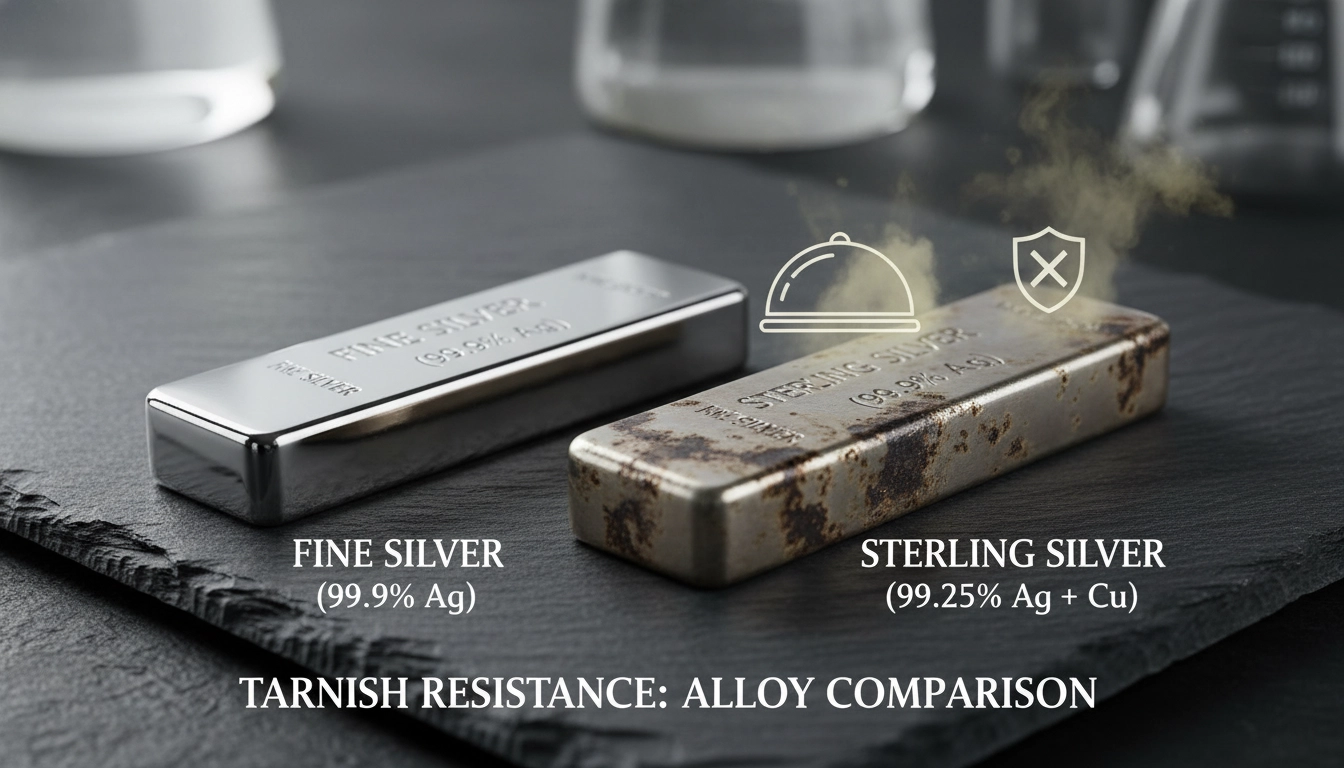
Sterling Silver vs. Fine Silver: 11 Critical Differences Every Buyer Must Know (2026 Edition)
Top 10 mens 925 silver rings Manufacturers and Supplier Brands in China
925 Silver Ring Certifications: Hallmarking and Testing Guide
Prdoucts Categories
Question you may concern
Products
How can we guarantee quality?
Always a pre-production sample before mass production;
Always final Inspection before shipment;
How long will the plating color last?
Generally 6 month for Water Plated color , 1 - 2 years for vacuum plated color if in proper wearing.
FAQs
Do you do customer design?
Do you do customer design? Yes,we are good at this way.Most of our customer do their customize.And we have cooperate with them when they are new brand, but now they become the top sell on Amazon, more than 32,000 five star comment.
What’s the lead time? .
We could arrange shipment for you within 48 hours if you order models in stock. For bulk order, it
takes 10-25 days for production depending on order quantity and styles.
Can we visit your factory?
Yes, pls contact seller to arrange meeting, we will pick you up to our factory.
You may also like
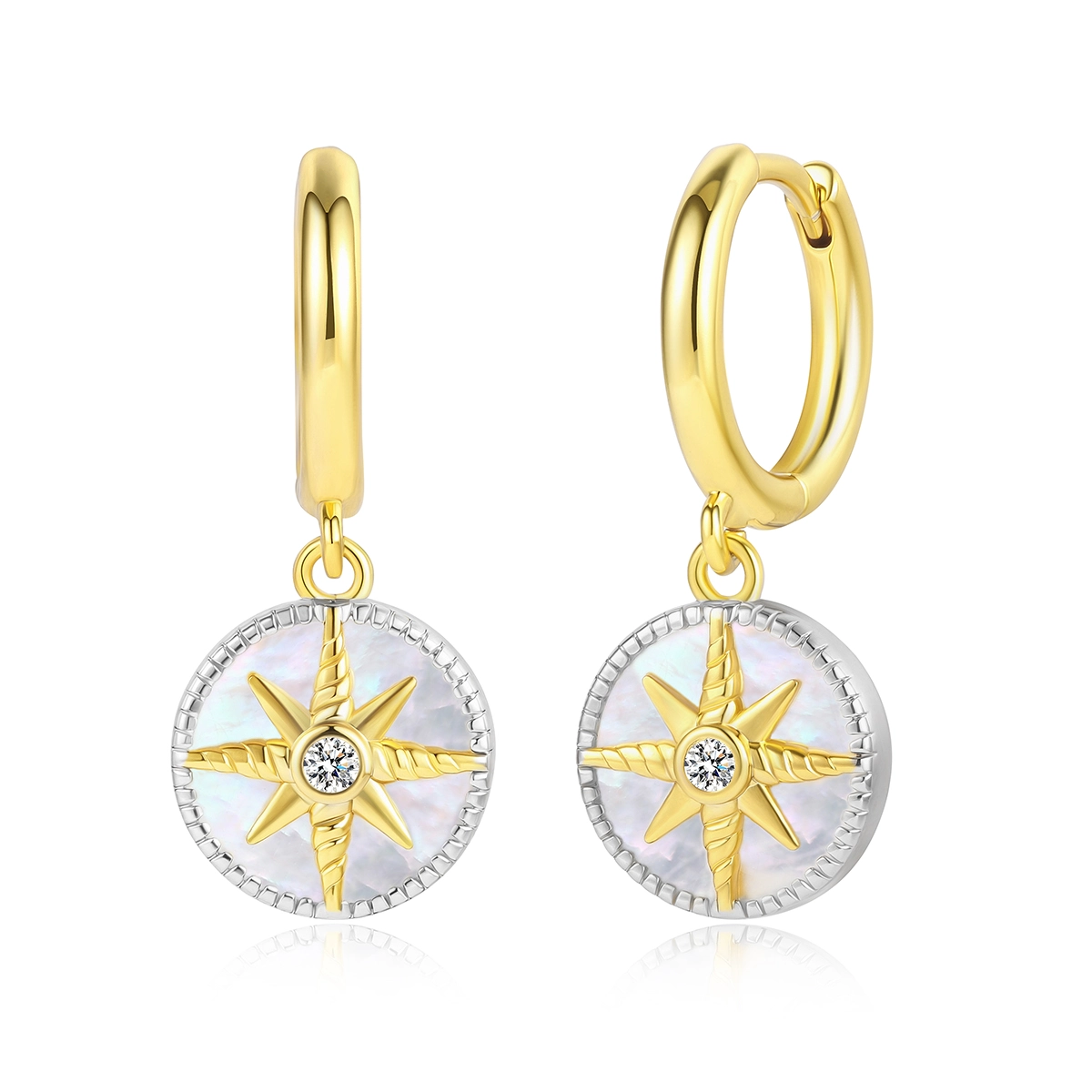
Brass Jewelry
Brass Mother of Pearl Compass Huggie Drop Earrings | 14K 18K Gold Plated Hypoallergenic Jewelry
Read More
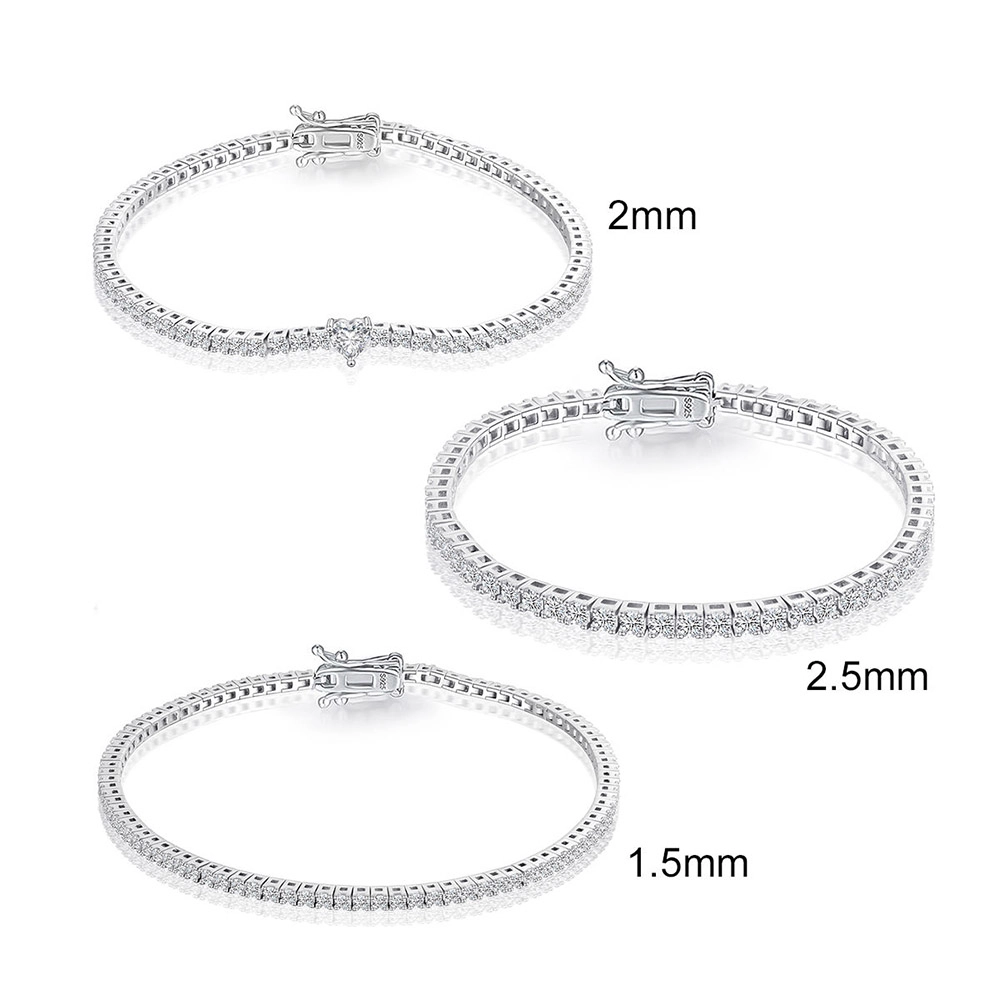
925 Silver Jewelry
Customizable High-Quality Fashion 925 Sterling Silver AAA Cubic Zirconia Heart-Shaped Open Tennis Bracelet.
Read More
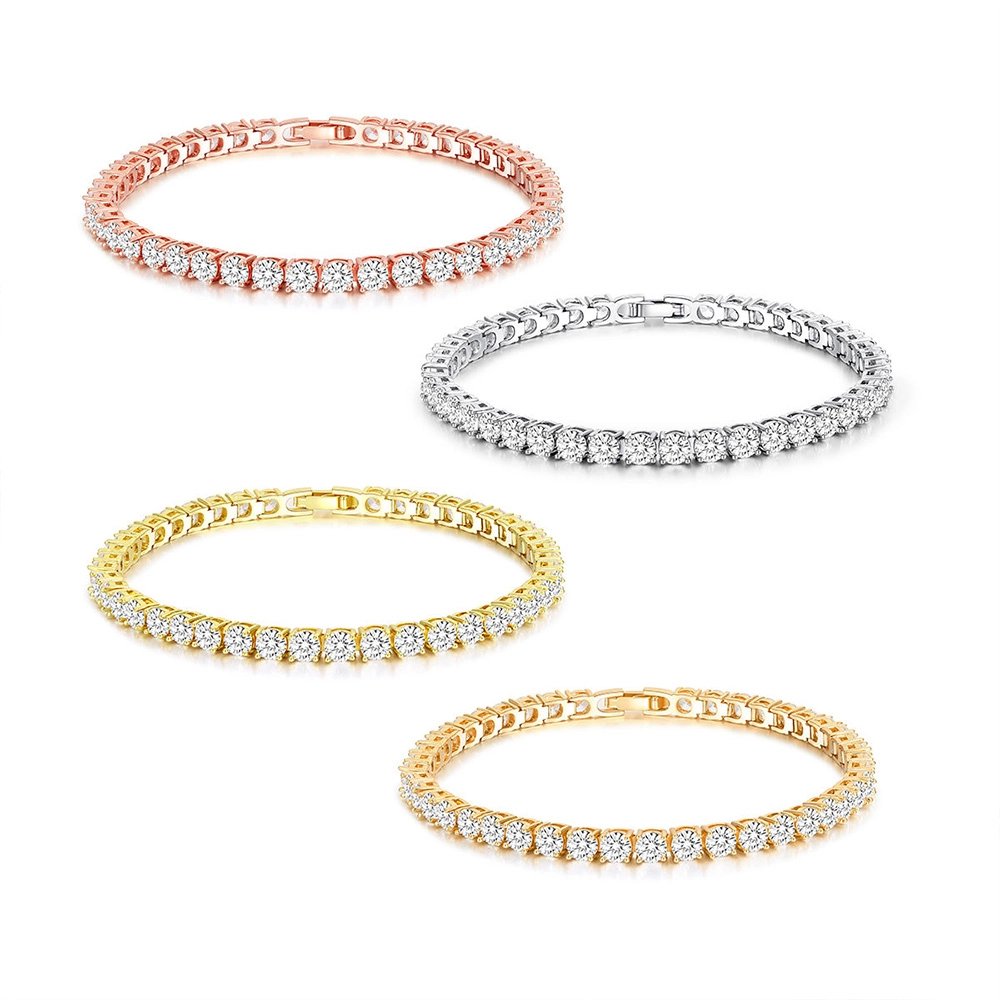
Brass Jewelry
Customizable OEM ODM High-Quality Fashion Brass AAA Cubic Zirconia Classic Tennis Bracelet for Women Wholesale.
Read More
Get a Quote for Private Label Jewelry
We provide personalized jewelry customization services for clients worldwide.
Rest assured that your privacy is important to us, and all information provided will be handled with the utmost confidentiality.
By clicking 'Send Inquiry Now' I agree to ZHEFAN JEWELRY processing my personal data.
To see how to withdraw your consent, how to control your personal data and how we process it, please see our Privacy Policy and Terms of use.
From design to production, ZHEFAN JEWELRY offers a one-stop solution to help you enhance your brand value and market competitiveness.
Get A Quote
Contact
Tel: (+86) 188 1927 7817
© 2026 Zhefan Jewelry. All Rights Reserved.
Facebook
Instagram
YouTube
Whatsapp: +8618819277817