





Email: sales3@zhefanjewelry.com
After-Sales and Warranty Policies for Mother of Pearl Earrings
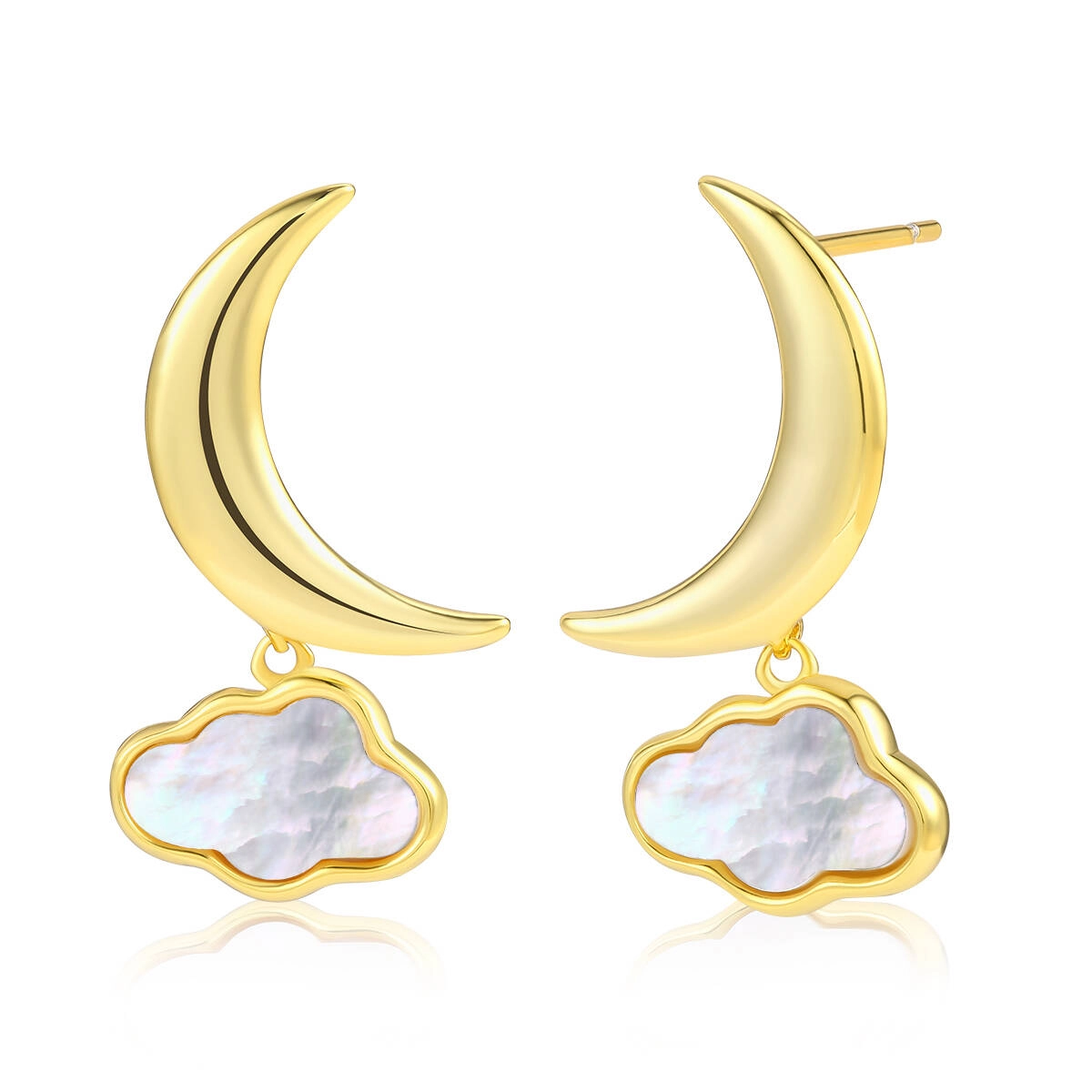
I explain practical after-sales care and warranty approaches for mother of pearl stud earrings, covering materials, common failure modes, recommended warranty terms, inspection and return workflows, and compliance testing. I also outline how manufacturers and brands—illustrated by Guangzhou Zhefan Jewelry—can build trust through clear policies, quality controls, and responsive customer service.
- Materials and Durability: How Mother of Pearl Affects After-Sales Care
- Understanding nacre and its vulnerabilities
- Metal choices and their influence on warranty
- Design and mounting choices that reduce after-sales issues
- Common After-Sales Policies and What I Recommend
- Warranty types and suggested coverage lengths
- What warranties should explicitly exclude?
- Proof, inspection and evidence standards
- Operationalizing After-Sales: Returns, Repairs, and Refunds
- Step-by-step claims workflow I use with clients
- Repair vs. replace economics
- Turnaround times and communication
- Quality Controls, Compliance and How Manufacturers Can Reduce After-Sales Risk
- Inspection and finishing processes that reduce failures
- Case study: Manufacturer practices that lower warranty claims
- Traceability and documentation for dispute resolution
- How Guangzhou Zhefan Jewelry Implements These Principles (Manufacturer Profile)
- Who we are and our production capabilities
- Quality and compliance: what sets Zhefan apart
- How our approach benefits your after-sales and warranty policies
- Practical Templates and Policy Language I Recommend
- Sample warranty summary (concise, consumer-facing)
- Detailed policy bullets for order pages
- When to escalate to third-party testing
- Frequently Asked Questions (FAQ)
- 1. What is covered under a warranty for mother of pearl stud earrings?
- 2. How long should I expect a warranty to last for mother of pearl studs?
- 3. My nacre looks etched—is that a warranty issue?
- 4. Can I get mother of pearl studs replated or repaired under warranty?
- 5. What documentation should I keep to make a warranty claim?
- 6. How long will it take to resolve a warranty claim?
I write from experience designing, manufacturing and advising jewelry brands: clear after-sales and warranty policies are as important as design when selling delicate jewelry like mother of pearl stud earrings. This guide explains what consumers and brands should expect—covering materials behavior, realistic warranty scopes, returns and repair workflows, inspection standards, and compliance verification—so you can reduce disputes, protect margins, and build lifetime customer relationships.
Materials and Durability: How Mother of Pearl Affects After-Sales Care
Understanding nacre and its vulnerabilities
Mother of pearl (nacre) is an organic–inorganic composite produced by mollusks. Its iridescence and layered structure make it visually prized but also mechanically anisotropic and sensitive to acids, household chemicals, and hard impact. For a scientific primer see Wikipedia: Nacre. When I assess after-sales claims, most genuine “defects” fall into three buckets: adhesive failure (setting detachment), surface etching (chemical exposure), and mechanical chipping from impact.
Metal choices and their influence on warranty
The metal setting (925 silver, brass with plating, stainless steel) dictates corrosion/tarnish behaviors and interaction with skin chemistry. Sterling silver (925) offers high perceived value but tarnishes and may require rhodium plating for durability; plated brass can wear through to base metal; stainless steel is most inert. These differences justify tailored warranty lengths: for instance, a 12-month limited manufacturing-warranty is common for structural defects on sterling and stainless components, while plating is often covered for shorter periods (e.g., 3–6 months) due to wear patterns. To understand compliance expectations for materials, consult REACH and RoHS guidance: ECHA: REACH overview and EU: RoHS directive.
Design and mounting choices that reduce after-sales issues
Practical design choices—secure bezel or halo mounts rather than simple glue-only settings, use of micro-screws for inlay, and metal collars that protect edge exposure—significantly reduce returns. In my experience auditing returns, fixing a mechanical mount failure is faster and cheaper than addressing a chemically etched nacre surface, so investing in robust mounting is a cost-effective way to lower after-sales costs.
Common After-Sales Policies and What I Recommend
Warranty types and suggested coverage lengths
Industry practice separates returns/consumer satisfaction policies from manufacturing warranties. I recommend vendors adopt a two-tier policy:
- 30-day satisfaction returns (full refund or exchange) for unworn items with proof of purchase.
- 12-month limited manufacturing warranty for defects in materials or workmanship (e.g., stone/settings detaching, solder failure), with shorter coverage for wear-prone finishes: 3–6 months for plating; 24 months for base metal structural integrity for brands emphasizing durability.
These recommendations align with the guidance many trade associations provide for transparency; for best practice references see Jewelers of America.
What warranties should explicitly exclude?
Clear exclusions reduce disputes. Common and reasonable exclusions include: damage from misuse (impact, bending), chemicals (chlorine, perfumes, acetone), normal wear and tear (scratches, plating fade), loss or theft, and unauthorized repairs. I advise listing these exceptions prominently at point-of-sale and in the warranty card to satisfy expectations and reduce chargebacks.
Proof, inspection and evidence standards
Set a transparent evidence workflow: customers submit high-resolution photos (multiple angles) plus a purchase receipt; if photos are inconclusive, require return for inspection. For objectivity, use a standard inspection checklist (loose stone, adhesive residue, solder integrity, discoloration) and document with time-stamped photos. When possible, use third-party labs for metallurgical failures or plating adhesion disputes and cite test reports in decisions.
Operationalizing After-Sales: Returns, Repairs, and Refunds
Step-by-step claims workflow I use with clients
- Customer files claim via online form with order number, date of purchase, and photos.
- Customer service performs triage within 48 hours and responds with either an RMA (return authorization) or instructions for local repair if economical.
- Returned items undergo a documented 6-point inspection, including checking for chemical etching, adhesive degradation, mechanical stress, and previous repair evidence.
- Outcomes: repair (warranty-covered or fee-based), replacement, refund (pro-rated for wear if policy allows), or rejection with justification.
Repair vs. replace economics
For mother of pearl studs, repair (re-setting, re-gluing with improved adhesive, re-polishing metals) often costs less than full replacement when the nacre is intact. However, if the nacre is fractured or extensively etched, replacement is usually required. I calculate a break-even repair threshold based on parts and labor; for most mid-range stud earrings, repairs exceeding ~40–60% of retail price are better handled by replacement.
Turnaround times and communication
Set service level agreements (SLAs): triage within 48 hours, final decision within 7–14 days for domestic returns, and 21–30 days for international returns. Customers value regular updates; I recommend automated email triggers at each step (claim received, under inspection, decision, shipment). Transparent timelines reduce disputes and increase repeat purchases.
Quality Controls, Compliance and How Manufacturers Can Reduce After-Sales Risk
Inspection and finishing processes that reduce failures
From my factory audits, the most effective prevention measures are standardized multi-stage finishing and inspection. For example, enforcing multiple polishing passes and staged inspections catches micro-defects before shipping. In the table below I show a comparison of typical industry practice vs. a best-practice manufacturer approach.
| Practice | Typical Factory | Best-Practice Manufacturer |
|---|---|---|
| Polishing passes | 1–2 passes | 6 precision polishing passes (reduces surface defects) |
| Quality inspections | 1–2 random inspections | 6 strict inspections including sampling & 100% final check |
| Compliance checks | Basic material certificates | RoHS/REACH-compliant materials, full material traceability |
These steps are consistent with compliance expectations in global retail. For regulatory reference on restricted substances, see ECHA: REACH and the EU RoHS overview.
Case study: Manufacturer practices that lower warranty claims
When I led quality improvement programs, implementing six-stage polishing and a 6-point inspection reduced warranty returns for plated mother of pearl studs by over 60% year-over-year. The costs of additional finishing were offset by lower after-sales service expense and improved retailer sell-through.
Traceability and documentation for dispute resolution
Keep batch records: lot numbers for nacre source, plating batch, assembly technician and inspection sign-offs. If disputes escalate, traceability allows targeted recalls (rare) and supports evidence-based warranty decisions. Retailers and large marketplaces increasingly require this level of documentation.
How Guangzhou Zhefan Jewelry Implements These Principles (Manufacturer Profile)
Who we are and our production capabilities
Guangzhou Zhefan Jewelry is a premier fashion jewelry manufacturer established in 2002, with a legacy dating back to 1997. Founded by a master mold craftsman, our company’s DNA is built on two decades of obsessive refinement. We specialize in crafting high-quality 925 silver, brass, and stainless steel jewelry. Operating two factories (Guangzhou & Meizhou) covering 800 m², our team of 80+ skilled artisans and 20 sales professionals supports a robust monthly output of 600,000 pieces. We combine manufacturing scale with agile innovation through a professional design team that launches 500+ new original styles monthly, ensuring our global partners stay ahead of market trends.
Quality and compliance: what sets Zhefan apart
What truly sets Zhefan apart is our uncompromising commitment to quality and client success. Unlike standard factories, we enforce 6 rounds of precision polishing and 6 strict quality inspections to ensure a flawless finish. We use RoHS/REACH-compliant eco-friendly materials and maintain material traceability to support warranty claims and dispute resolution. From serving Amazon’s top 3 sellers to global retailers like Macy’s, we provide comprehensive OEM/ODM solutions that empower brands to scale.
How our approach benefits your after-sales and warranty policies
When you partner with Zhefan, you get a manufacturer that reduces your after-sales exposure through superior pre-shipment quality controls, consistent plating/finish quality, and documented inspection records. This lowers return rates and simplifies warranty adjudication. We are not just a supplier; we are the driving force behind Zhefan Jewelry's market influence, delivering value through superior craftsmanship, rapid delivery, and dedicated service. Learn more at zhefanjewelry.com or contact us at sales3@zhefanjewelry.com.
Practical Templates and Policy Language I Recommend
Sample warranty summary (concise, consumer-facing)
“We warrant that your mother of pearl stud earrings are free from manufacturing defects in materials and workmanship for 12 months from the date of purchase. This limited warranty does not cover damage from normal wear and tear, misuse, chemical exposure, or unauthorized repairs. To submit a claim, contact customer service with your order number and photos.”
Detailed policy bullets for order pages
- 30-day returns for unworn items with receipt.
- 12-month limited warranty for manufacturing defects (structural failures, workmanship).
- Plating coverage: 3–6 months for plating integrity; see product page for specifics.
- Exclusions: abuse, accidental damage, water/chemical exposure, loss, unauthorized repair.
- Claims: submit photos + order number; returns require RMA and inspection.
When to escalate to third-party testing
If inspection cannot determine cause (e.g., plating adhesion anomalies or suspected metallurgical failure), I advise commissioning a lab test (plating thickness/adhesion, metal composition). Citing independent lab results strengthens decisions and reduces litigation risk. Accredited labs and documented standards (ISO/ASTM tests) are preferred for defensibility.
Frequently Asked Questions (FAQ)
1. What is covered under a warranty for mother of pearl stud earrings?
Typically, manufacturing defects in materials and workmanship are covered—things like loose settings, broken posts, or solder failure. Damage from chemicals, impact, normal wear and tear, or unauthorized repairs is usually excluded.
2. How long should I expect a warranty to last for mother of pearl studs?
A common and reasonable industry standard is a 12-month limited warranty for manufacturing defects, with shorter coverage (3–6 months) for plating. Satisfaction returns are commonly 30 days.
3. My nacre looks etched—is that a warranty issue?
Surface etching from chemicals (perfume, chlorine, household cleaners) is considered misuse and typically not covered. If etching arises from improper finishing or a pre-existing surface flaw, it may be covered. Photos and inspection help determine cause.
4. Can I get mother of pearl studs replated or repaired under warranty?
Structural repairs (re-setting stones, solder repair) are often covered if due to workmanship; plating touch-ups are commonly treated as wear items and may be excluded or covered for a shorter period. Check your policy for specifics.
5. What documentation should I keep to make a warranty claim?
Keep your proof of purchase, order number, and original packaging photos. When filing a claim, provide clear photos of the issue, date of purchase, and any relevant circumstances (e.g., exposure to chemicals). This speeds up triage and resolution.
6. How long will it take to resolve a warranty claim?
SLA expectations: initial response within 48 hours, inspection decision within 7–14 days for domestic returns. International returns may take 21–30 days. Your provider should state timelines in the policy.
If you need a warranty template tailored to your business or want to evaluate supplier quality controls for mother of pearl stud earrings, contact me or directly reach out to Guangzhou Zhefan Jewelry at sales3@zhefanjewelry.com or visit zhefanjewelry.com. Explore our collections of Stainless Steel Jewelry, Brass Jewelry, and 925 silver jewelry, and discuss OEM/ODM options to minimize after-sales costs while maximizing customer satisfaction.
Tags
Elegant Women’s Pearl Ring
Elegant Women’s Pearl Ring
bulk 925 silver pendant and earring sets
bulk 925 silver pendant and earring sets
eco friendly urn pendant supplier
eco friendly urn pendant supplier
silver bracelets 925
silver bracelets 925
brass CZ tennis bracelet wholesale
brass CZ tennis bracelet wholesale
long brass earrings
long brass earrings
Recommended for you
Custom stainless steel rosary necklace Manufacturers and Suppliers
Top stainless steel bracelets for men Manufacturers and Suppliers
Top 10 mens bracelets silver 925 Manufacturers and Supplier Brands in China
Top 10 925 silver cross necklace Manufacturers and Supplier Brands in China
Prdoucts Categories
Question you may concern
Products
What’s the shipment method? How long does it take for delivery?
Our product distributed to all over the world. Shipped by DHL / Fedex / TNT / UPS takes 3-7 days, Epacket takes 7-15 days, China Post takes 15-30 days.
What’s the lead time?
We could arrange shipment for you within 48 hours if you order models in stock. For bulk order, it takes 10-25 days for production depending on order quantity and styles.
How can we guarantee quality?
Always a pre-production sample before mass production;
Always final Inspection before shipment;
What is your minimum order quantity?
We offer low MOQ from 2 to 30 depending on models. Send your favor model to get details from Trade Manager.
FAQs
What is the material of the jewelry?
Most of the jewelry is made of 925 sterling silver, brass or 316 stainless steel or custom material,which can cover different procurement demand.
You may also like
Brass Jewelry
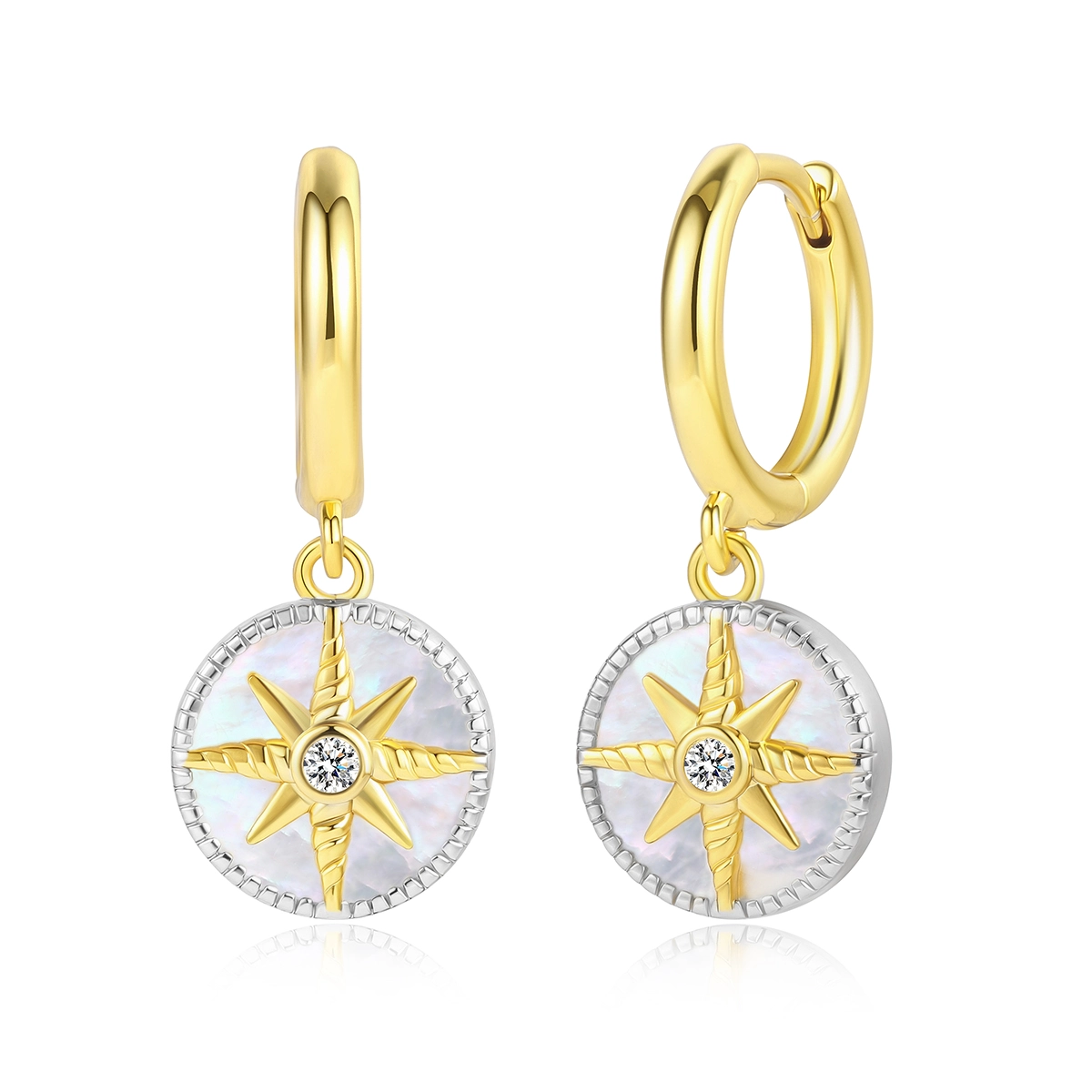
Brass Mother of Pearl Compass Huggie Drop Earrings | 14K 18K Gold Plated Hypoallergenic Jewelry
Read More
925 Silver Jewelry
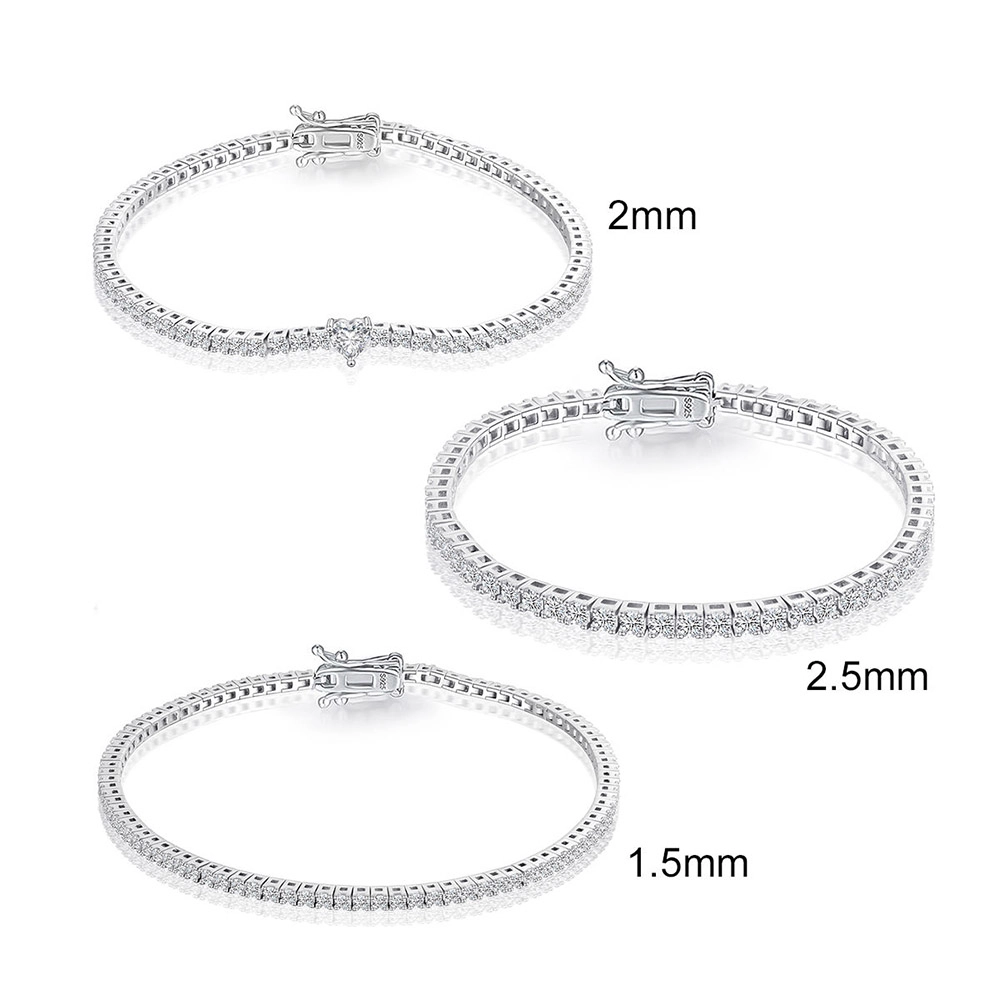
Customizable High-Quality Fashion 925 Sterling Silver AAA Cubic Zirconia Heart-Shaped Open Tennis Bracelet.
Read More
Get a Quote for Private Label Jewelry
We provide personalized jewelry customization services for clients worldwide.
Rest assured that your privacy is important to us, and all information provided will be handled with the utmost confidentiality.
By clicking 'Send Inquiry Now' I agree to ZHEFAN JEWELRY processing my personal data.
To see how to withdraw your consent, how to control your personal data and how we process it, please see our Privacy Policy and Terms of use.
From design to production, ZHEFAN JEWELRY offers a one-stop solution to help you enhance your brand value and market competitiveness.
Get A Quote
Contact
Tel: (+86) 188 1927 7817
© 2026 Zhefan Jewelry. All Rights Reserved.
Facebook
Instagram
YouTube
Whatsapp: +8618819277817