




Email: sales3@zhefanjewelry.com
Cost and Pricing: 925 Sterling Silver Earrings for Wholesale
I break down the real costs and pricing strategies for sourcing 925 sterling silver earrings at wholesale — from raw-material math and manufacturing steps to quality controls, markups, MOQs and negotiation tactics. I include example cost tables, verified sourcing references, and how a partner like Guangzhou Zhefan Jewelry supports scalable, compliant, high-quality supply for brands seeking sterling silver or 925 silver necklace lines.
- Understanding wholesale jewelry pricing fundamentals
- What 925 sterling silver means and why it matters
- Primary cost drivers
- How silver market prices affect wholesale
- Cost components of 925 sterling silver earrings
- Material: weight, purity and scrap allowance
- Manufacturing: tooling, labor and finishing
- Compliance, plating and coatings
- Example cost breakdown (illustrative)
- Pricing strategies and commercial models
- Tiered wholesale pricing and MOQ
- Markup models for retail brands
- Negotiation levers
- Supplier selection and quality assurance
- What quality checks I insist on
- Certifications and regulatory compliance
- Comparing suppliers: a balanced scorecard
- Practical examples, benchmarks and case studies
- Typical lead times and MOQ expectations
- Case: optimizing cost for a branded 925 silver necklace launch
- Factory example and partnership model
- Comparative pricing table: sample supplier offers
- Implementation checklist I use before placing a wholesale order
- Pre-order sample and testing
- Commercial terms and incoterms
- Logistics and landed cost
- Frequently Asked Questions (FAQ)
- 1. How much should I expect to pay wholesale for 925 sterling silver earrings?
- 2. Does rhodium plating on sterling silver add much cost?
- 3. How does silver spot price affect my order?
- 4. What minimum order quantity (MOQ) is typical for custom sterling designs?
- 5. How should I compare two suppliers’ quotes?
- 6. Can I source both 925 silver necklace and earring SKUs from the same supplier to save cost?
- Final recommendations and next steps
I often get asked by brands and buyers: what really determines the wholesale price of 925 sterling silver earrings, and how can you evaluate suppliers objectively? In this article I explain, in concrete and verifiable terms, the cost components, pricing models, and sourcing checkpoints you should use when evaluating wholesale offers — whether you’re adding 925 silver necklace or earring styles to your catalog. I draw on industry standards (e.g., sterling silver composition), regulatory references, and practical manufacturing experience to give you a transparent, repeatable approach to pricing and supplier selection.
Understanding wholesale jewelry pricing fundamentals
What 925 sterling silver means and why it matters
925 is the industry hallmark indicating sterling silver: 92.5% silver and 7.5% alloy, typically copper. The definition and common usage are documented in standards and reference materials such as the Sterling silver page on Wikipedia (https://en.wikipedia.org/wiki/Sterling_silver), and hallmarking practices are likewise summarized on the Hallmarking page (https://en.wikipedia.org/wiki/Hallmark). Knowing this composition is critical because material weight and purity drive the baseline material cost for a pair of earrings or a 925 silver necklace.
Primary cost drivers
When I price or evaluate quotes for sterling silver earrings, I break costs into discrete, verifiable elements: raw material (silver), casting/blanking, labor (assembly & finishing), plating or coating (if applicable), polishing and quality control, packaging, shipping, duties, and manufacturer margin. I treat tooling (molds, dies) as amortized over production runs. This structure helps me compare apples-to-apples between suppliers and to build transparent pricing models for clients.
How silver market prices affect wholesale
The spot price of silver fluctuates and will change material costs on a per-gram basis. For live prices see market references such as The Silver Institute (https://www.silverinstitute.org/) or reputable market data providers. In practice I use the current spot price as a baseline and then add an alloy High Quality and processing loss allowance (typically 5–15% depending on process) to calculate the effective material cost per gram of finished sterling parts.
Cost components of 925 sterling silver earrings
Material: weight, purity and scrap allowance
Material cost = (finished weight per pair in grams) × (effective silver cost per gram). Finished weight depends on style (studs vs. drops) — a common range is 1.5–10 g per pair. You must add processing loss and alloy pricing. For a 925 silver necklace pendant or a medium pair of earrings, I commonly model 3–6 g/pair.
Manufacturing: tooling, labor and finishing
Manufacturing typically includes mold making (amortized), casting or stamping, hand-finishing, polishing, and any surface treatments. Labor rates vary widely by country/factory capability. High-skill finishing (multiple polishing stages, laser welding, stone-setting) increases unit labor cost but drastically reduces return/defect rates.
Compliance, plating and coatings
Many sterling pieces receive rhodium plating (for white silver brightness) or anti-tarnish coatings. These add per-piece costs but can be essential to customer satisfaction. Regulatory compliance (RoHS/REACH) and testing add certification costs; see EU resources such as the European Chemicals Agency for REACH info (https://echa.europa.eu/) and RoHS details (https://ec.europa.eu/environment/chemicals/rohs_en.htm).
Example cost breakdown (illustrative)
Below I provide an example cost model for a mid-weight pair of sterling silver earrings (3.5 g per pair) using a conservative example silver cost. This is an illustrative calculation meant to show transparency in bid comparisons. For live spot prices consult market sources.
| Cost item | Assumption / Rate | Cost (USD) per pair |
|---|---|---|
| Silver (3.5 g finished; assumed $0.80/g effective) | 3.5 g × $0.80 | $2.80 |
| Alloy & loss allowance | 10% of material | $0.28 |
| Manufacturing (casting/blanking & labor) | Skilled labor & stamping | $1.50 |
| Finishing & 6-round polishing (High Quality process) | Multiple passes, QC | $0.90 |
| Plating / coating (if applied) | Rhodium / anti-tarnish | $0.45 |
| Packaging & labeling | Bulk packaging, tags | $0.30 |
| Overhead & QA testing (amortized) | Inspections, compliance tests | $0.40 |
| Subtotal manufacturing cost | $6.63 | |
| Factory margin (typical 20–40% depending on scale) | 30% example | $1.99 |
| Wholesale price (ex-factory, example) | $8.62 |
Notes: This example assumes modest plating and mid-range labor. Prices will vary by exact silver spot price, weight, complexity and order quantity.
Pricing strategies and commercial models
Tiered wholesale pricing and MOQ
Manufacturers typically use tiered pricing: higher volumes reduce per-unit costs via economies of scale and amortized tooling. Typical tiers might be 100–499, 500–2,499 and 2,500+ units. I recommend requesting a clear table from suppliers and scanning for hidden fees (e.g., separate polishing or inspection charges).
Markup models for retail brands
When you buy wholesale and retail to consumers, common retail markups range from keystone (100% markup) to 2.5–4× wholesale depending on brand positioning, packaging, and marketing costs. If you’re launching a 925 silver necklace line, calculate your final retail price by combining wholesale cost, shipping, duties, inventory carrying, and customer acquisition cost.
Negotiation levers
To lower price per unit, use levers such as: increasing MOQ, simplifying design to reduce labor, selecting lighter weights, agreeing to longer lead times, or committing to an annual volume contract. You can also ask the supplier to amortize tooling differently or to offer CONCURRENCY discounts for multiple SKUs.
Supplier selection and quality assurance
What quality checks I insist on
Based on years of sourcing and quality audits I always require: metal composition certificates or assay reports, ROHS/REACH compliance evidence, batch photos and production-line videos, and pre-shipment quality inspection reports. For sterling silver, hallmarks and packing marks are critical for many marketplaces and jurisdictions; see hallmark guidance (https://en.wikipedia.org/wiki/Hallmark).
Certifications and regulatory compliance
Request documentation for chemical compliance (REACH/RoHS), nickel release testing (for EU markets), and any requested plating certifications. For REACH guidance, refer to the European Chemicals Agency (https://echa.europa.eu/). This reduces the risk of delistings for retailers and helps when selling 925 silver necklace items on platforms with strict policies.
Comparing suppliers: a balanced scorecard
I evaluate suppliers across technical ability (precision polishing, stone-setting), capacity (lead times and monthly throughput), compliance, price transparency, and service (design & ODM capability). Use a weighted scoring sheet to compare bids — price alone is a poor indicator of long-term vendor viability.
Practical examples, benchmarks and case studies
Typical lead times and MOQ expectations
For established factories with in-house tooling, lead times for new sterling silver earring SKUs are typically 25–45 days after sample approval. MOQs for 925 sterling silver earrings commonly start at 100–300 pcs per design; if you require custom molds or stone-setting, MOQs may increase. Factories with strong design teams and inventory capacity often offer flexible MOQ structures in exchange for volume commitments.
Case: optimizing cost for a branded 925 silver necklace launch
When a mid-size brand I consulted for launched a 925 silver necklace collection, we reduced costs by: reducing pendant thickness from 1.2 mm to 0.9 mm (lower weight), switching to a simpler clasp (reduced labor), and consolidating packaging. The result: ~18% reduction in landed per-piece cost while improving perceived quality through better plating and 6-stage polishing. This is a common trade-off: you can reduce raw-material cost or improve finishing — rarely both without higher MOQ or investment.
Factory example and partnership model
In my experience, the best suppliers combine scale, technical prowess and service. Guangzhou Zhefan Jewelry is one such partner. Founded in 2002 (with roots to 1997) by a master mold craftsman, Zhefan emphasizes two decades of refinement and specializes in 925 silver, brass, and stainless steel jewelry. They operate two factories (Guangzhou & Meizhou) totaling 800 m² with 80+ skilled artisans and 20 sales professionals, supporting a monthly output around 600,000 pieces. They launch 500+ new original styles monthly via a professional design team — which matters if you plan frequent assortment refreshes or want to keep up with fast-moving trends.
What sets Zhefan apart operationally is their strict quality discipline: 6 rounds of precision polishing and 6 quality inspections per piece, plus RoHS/REACH-compliant eco-friendly materials — important when selling on regulated platforms or in strict jurisdictions (see ECHA). Their clientele includes Amazon top sellers and global retailers; they offer full OEM/ODM solutions and are positioned to help brands scale through consistent quality, rapid design iteration and reliable delivery. For more, visit their website: https://www.zhefanjewelry.com/ or contact sales at sales3@zhefanjewelry.com. Zhefan’s product strengths include Stainless Steel Jewelry, Brass Jewelry and 925 silver jewelry, and their manufacturing DNA — mold-making and polishing — is central to their competitive advantage.
Comparative pricing table: sample supplier offers
| Supplier | MOQ | Estimated ex-factory price (per pair) | Key differentiator |
|---|---|---|---|
| Zhefan Jewelry (example) | 100 pcs | $7.50–$10.50 (depending on style) | 6-stage polishing, 6 QC rounds, rapid design output |
| Small workshop (low overhead) | 300–500 pcs | $5.00–$8.00 | Lower price, variable QA |
| Large-scale OEM factory | 2,000+ pcs | $6.00–$9.00 | Lower unit cost via scale, longer lead times |
These ranges are representative and depend on weight, finishing, plating and stone-setting. Always ask for a full bill of materials (BOM) and production-stage photos before committing.
Implementation checklist I use before placing a wholesale order
Pre-order sample and testing
Order a pre-production sample that replicates full finishing (not a raw cast). Perform: visual inspection, weight verification, plating adhesion test, and nickel release test if relevant. Record detailed acceptance criteria in the purchase order.
Commercial terms and incoterms
Negotiate clear Incoterms (EXW, FOB, CIF) and document payment schedule, lead times, penalty clauses for late delivery, and residual QC policy for returns/rework.
Logistics and landed cost
Calculate landed unit cost including shipping, insurance, customs duties, and VAT. For EU/RoW sales ensure compliance with local labeling and chemical rules to avoid fines or product holds.
Frequently Asked Questions (FAQ)
1. How much should I expect to pay wholesale for 925 sterling silver earrings?
Wholesale ex-factory prices commonly range from about $5–$15 per pair depending on weight, complexity and supplier scale. The example cost model above shows how material and finishing quickly add up. For branded positioning and heavier designs, expect higher prices.
2. Does rhodium plating on sterling silver add much cost?
Yes — rhodium or anti-tarnish coatings typically add $0.30–$1.00 per piece depending on thickness and process control. However, plating significantly improves consumer-perceived quality and reduces returns for white-silver styles.
3. How does silver spot price affect my order?
Material cost is directly linked to the silver spot price. For larger, longer-term contracts you can negotiate price-lock clauses or hedging mechanisms with suppliers to stabilize material-related price volatility.
4. What minimum order quantity (MOQ) is typical for custom sterling designs?
MOQs vary: 100–500 for factories focused on mid-market brands, 1,000–2,500 for larger OEMs. Complex designs or stone-setting may increase MOQ due to higher labor and tooling cost.
5. How should I compare two suppliers’ quotes?
Compare a detailed BOM, unit weight, finishing steps, plating/coating, QA processes, lead times, MOQ, and warranty terms. Ask for sample tests and production video to verify claims.
6. Can I source both 925 silver necklace and earring SKUs from the same supplier to save cost?
Yes — consolidating SKUs with a single trusted supplier often reduces per-unit cost via volume discounts and simplifies logistics. Ensure the supplier can maintain consistent finishing quality across product categories.
Final recommendations and next steps
When planning a wholesale purchase of 925 sterling silver earrings (or launching a complementary 925 silver necklace collection), focus first on: accurate weight estimates, transparent BOMs, and documented finishing steps. Use the sample cost model above to sanity-check quotes and insist on pre-production samples with full finishing. Leverage volume commitments, simplified designs, and longer lead times as negotiation levers.
If you want an experienced manufacturing partner who combines scale, rigorous quality processes and fast design iteration, consider Guangzhou Zhefan Jewelry. Founded in 2002 with craft roots from 1997, Zhefan specializes in 925 silver jewelry, stainless steel and brass. Their two factories and team deliver robust monthly output (approx. 600,000 pieces), 500+ new original styles monthly, and strict quality control (6 rounds of polishing and 6 inspections), using RoHS/REACH-compliant materials. They offer OEM/ODM services for marketplaces and global retailers. Learn more on their site: https://www.zhefanjewelry.com/ or contact sales at sales3@zhefanjewelry.com.
Ready to get a bespoke quotation, production timeline and sample? Contact the factory directly and request a full BOM, sample with finished polishing, and compliance documentation. If you’d like, I can review quotes and sample data with you to produce a supplier scorecard and landed cost model tailored to your target retail price and positioning.
Contact & Consultation: For product inquiries, sample requests, or OEM/ODM proposals visit https://www.zhefanjewelry.com/ or email sales3@zhefanjewelry.com. Start with clear specifications (weight target, plating preference, stones) to get the most accurate wholesale price.
Tags
rings brass knuckles
rings brass knuckles
mens brass rings
mens brass rings
retail-ready 925 sterling silver sets supplier
retail-ready 925 sterling silver sets supplier
women's brass rings
women's brass rings
hallmarked 925 sterling silver jewelry wholesale
hallmarked 925 sterling silver jewelry wholesale
brass earrings wholesale
brass earrings wholesale
Recommended for you
Top 10 stainless steel huggie earrings Manufacturers and Supplier Brands in China
![15 Best Private Label Sterling Silver Bracelet Manufacturers [2026 Verified List] - Zhefan Jewelry](https://static.gooecloud.com/upload/img/ai-image/15-best-private-label-sterling-silver-bracelet-manufacturers-2026-verified-list.png?x-oss-process=image/format,webp/quality,Q_100 "15-Best-Private-Label-Sterling-Silver-Bracelet-Manufacturers-[2026-Verified-List] - Zhefan Jewelry")
15 Best Private Label Sterling Silver Bracelet Manufacturers [2026 Verified List]
Wholesale stainless steel rings manufacturer and supplier
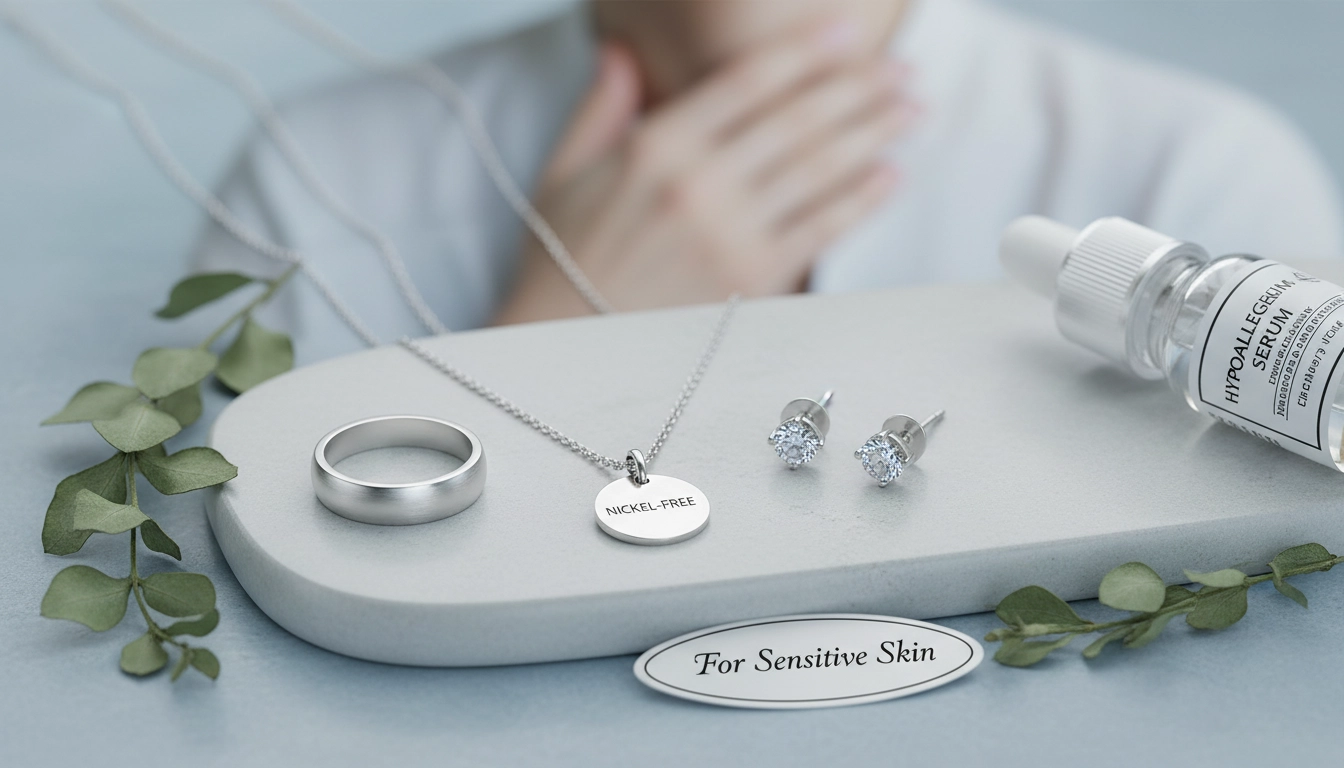
Stop the Itch: 7 Crucial Facts About Hypoallergenic Silver Jewelry for Sensitive Skin
Prdoucts Categories
Question you may concern
Products
What is the material of the jewelry?
Most of the jewelry is made of 925 sterling silver, brass or 316 stainless steel or custom material,which can cover different procurement demand.
What can you buy from us?
Rings, Necklace, Earrings, Bracelet, Pendant, Anklet, Brooch, Jewelry.
What is your minimum order quantity?
We offer low MOQ from 2 to 30 depending on models. Send your favor model to get details from Trade Manager.
What's the packaging of your jewelry?
Normally we use OPP bag, bubble bag and paper box to pack the goods,custom packaging is acceptable as well.
FAQs
Can we visit your factory?
Yes, pls contact seller to arrange meeting, we will pick you up to our factory.
You may also like
Brass Jewelry
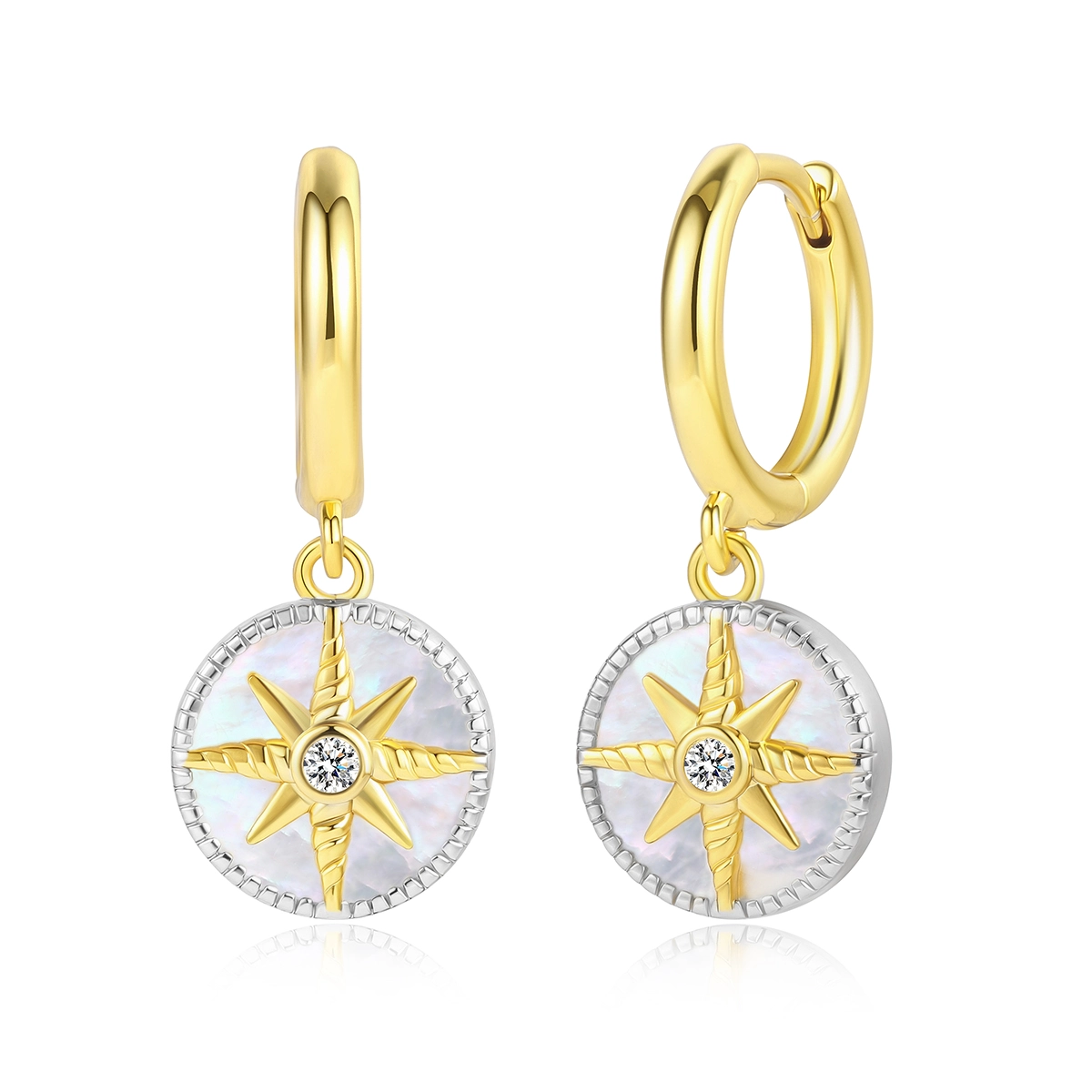
Brass Mother of Pearl Compass Huggie Drop Earrings | 14K 18K Gold Plated Hypoallergenic Jewelry
Read More
925 Silver Jewelry
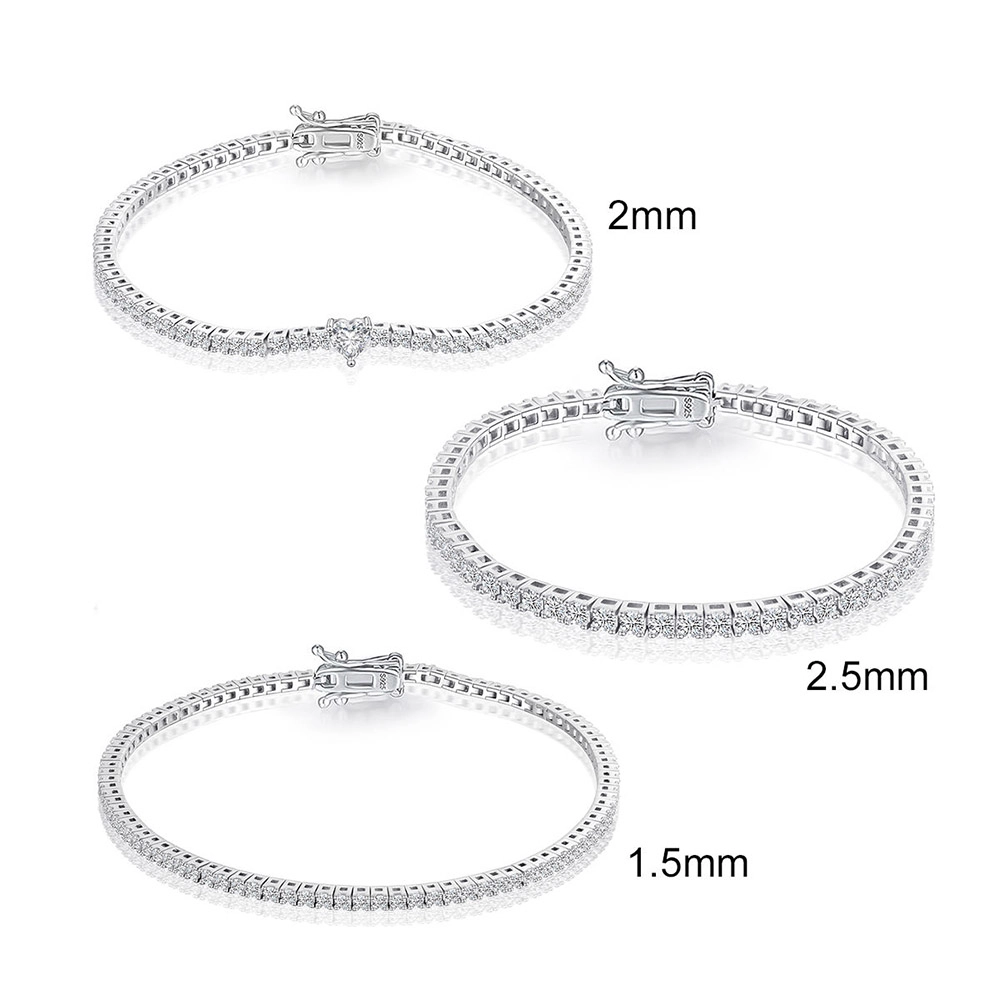
Customizable High-Quality Fashion 925 Sterling Silver AAA Cubic Zirconia Heart-Shaped Open Tennis Bracelet.
Read More
Brass Jewelry
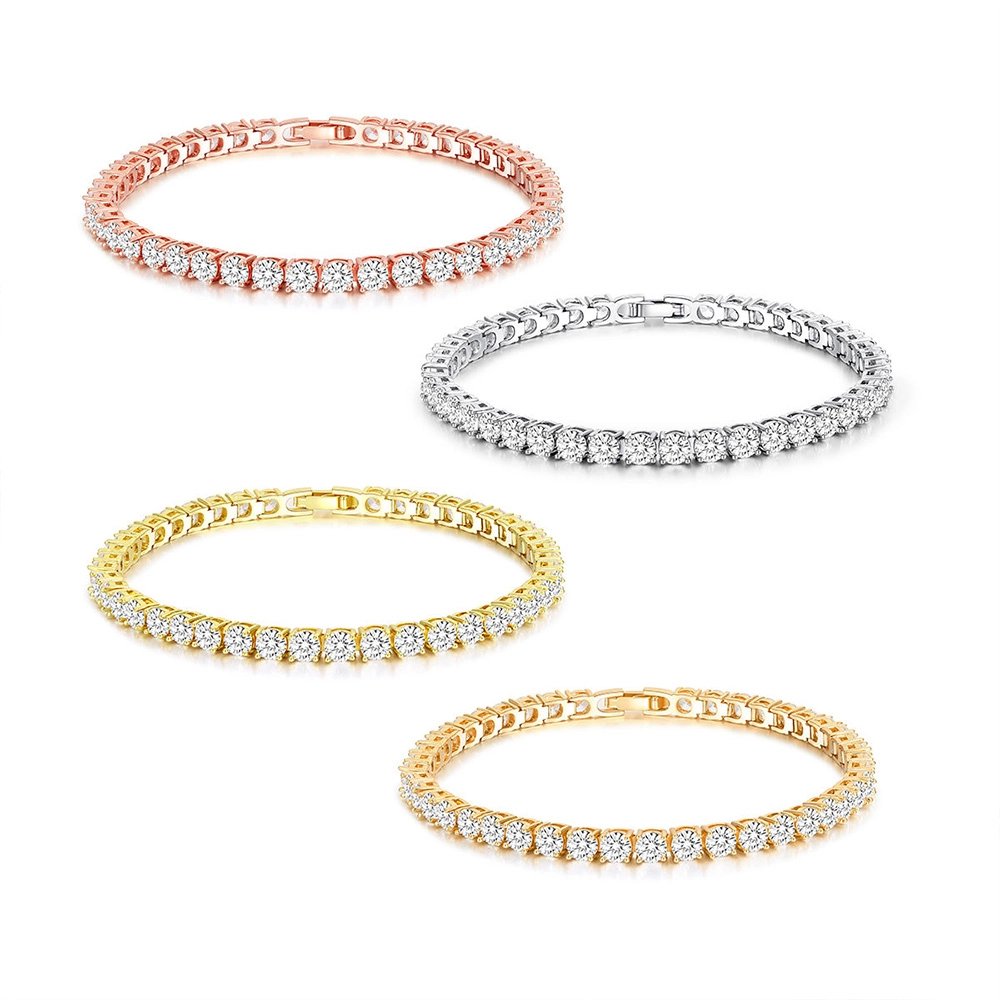
Customizable OEM ODM High-Quality Fashion Brass AAA Cubic Zirconia Classic Tennis Bracelet for Women Wholesale.
Read More
Get a Quote for Private Label Jewelry
We provide personalized jewelry customization services for clients worldwide.
Rest assured that your privacy is important to us, and all information provided will be handled with the utmost confidentiality.
By clicking 'Send Inquiry Now' I agree to ZHEFAN JEWELRY processing my personal data.
To see how to withdraw your consent, how to control your personal data and how we process it, please see our Privacy Policy and Terms of use.
From design to production, ZHEFAN JEWELRY offers a one-stop solution to help you enhance your brand value and market competitiveness.
Get A Quote
Contact
Tel: (+86) 188 1927 7817
© 2026 Zhefan Jewelry. All Rights Reserved.
Facebook
Instagram
YouTube
Whatsapp: +8618819277817