



Email: sales3@zhefanjewelry.com
925 Silver Ring Certifications: Hallmarking and Testing Guide
As a jewelry industry consultant, I explain how 925 (sterling) silver is defined, legally hallmarked, and professionally tested. This guide covers hallmark systems, regulatory frameworks (REACH/RoHS), lab test methods (XRF, fire assay, ICP-OES, acid tests), what buyers and manufacturers should require, and practical QA steps—plus a manufacturer profile of Guangzhou Zhefan Jewelry with contact and OEM/ODM capabilities.
- Understanding Silver Purity and Market Expectations
- What does “925” mean?
- Why 925 matters for rings and necklaces
- Common consumer and trade expectations
- Hallmarking Systems and Legal Requirements
- What is hallmarking and who enforces it?
- International and regional rules affecting 925 silver
- When is hallmarking mandatory?
- Testing Methods for 925 Silver Rings and Necklaces
- Overview of common testing methods
- Comparative table: testing methods
- Which tests should you require for 925 silver?
- Practical QA Steps for Buyers and Sellers
- Incoming inspection checklist
- What to look for on a hallmark
- Common pitfalls and how to avoid them
- Ensuring Quality in Manufacturing — Guangzhou Zhefan Jewelry
- Why manufacturing process matters for certification
- About Guangzhou Zhefan Jewelry — capabilities and why they matter
- How Zhefan supports certification and market entry
- Standards, Documentation and Vendor Contracts
- What documentation to request from suppliers
- Contract clauses to reduce risk
- Useful external references
- FAQs
- 1. Is a hallmark required on a 925 silver necklace?
- 2. Can XRF alone certify a piece as 925 silver?
- 3. How do I know a hallmark is genuine?
- 4. What should I do if a shipment labeled 925 fails testing?
- 5. Are decorative coatings or plating allowed on 925 silver?
- 6. How often should I require destructive testing on production runs?
- Contact, Next Steps and Product Inquiry
As a long-time jeweler and consultant, I’ve handled hundreds of quality audits and product certifications for 925 silver pieces — from delicate 925 silver necklaces to heavy rings. In this guide I summarize the regulatory frameworks, hallmarking conventions, and laboratory testing methods you should know to confidently source, certify, or sell 925 silver rings and matching 925 silver necklace lines. I include practical checks you can do in-house, what to require from suppliers, and how professional manufacturers like Guangzhou Zhefan Jewelry meet and exceed market expectations.
Understanding Silver Purity and Market Expectations
What does “925” mean?
“925” denotes sterling silver, an alloy that contains a minimum of 92.5% pure silver by mass, the remainder typically being copper or other alloying metals to add strength. This definition is widely referenced — see the sterling silver description on Wikipedia.
Why 925 matters for rings and necklaces
For jewelry like a 925 silver necklace or a 925 silver ring, the 92.5% threshold balances purity and durability. Pure silver (999) is too soft for wearables; the alloying metal prevents deformation, enhances solderability, and affects tarnish behavior. Consumers commonly search for “925 silver necklace” as shorthand for quality sterling products, and marketplaces often require evidence of composition and proper hallmarking.
Common consumer and trade expectations
Buyers expect three things: (1) accurate purity labeling (925), (2) physical hallmark or assay mark where regulated, and (3) confirmation that accessory items meet safety standards (e.g., nickel release limits, RoHS/REACH compliance for restricted substances). These are important both for B2C listings (Amazon, marketplaces) and wholesale retail contracts.
Hallmarking Systems and Legal Requirements
What is hallmarking and who enforces it?
Hallmarking is the official marking of precious metal articles to certify metal content after independent testing or assaying. Several countries have mandatory or accepted hallmark systems; for example, the UK operates multiple Assay Offices and provides guidance via the government’s hallmarking resources (gov.uk).
International and regional rules affecting 925 silver
There is no single global hallmark standard; instead, rules vary by jurisdiction. In the EU, metal content labeling must comply with national hallmarking laws and broader chemical regulations such as REACH — see the European Chemicals Agency (ECHA) for restricted substances. Sellers targeting multiple markets should plan for the strictest applicable jurisdiction (e.g., EU/UK) to avoid compliance issues.
When is hallmarking mandatory?
Some markets require hallmarking for items above a certain weight or metal type; others accept documented test certificates from accredited labs. For example, UK hallmark law covers items made of gold, silver, platinum and palladium and sets standards for compulsory marking in many cases. Always verify local regulations or work with an assay office when certifying export lots.
Testing Methods for 925 Silver Rings and Necklaces
Overview of common testing methods
Manufacturers and labs use several testing technologies, each with strengths and limitations. Below I summarize the methods I rely on when I audit suppliers or accept lab reports.
Comparative table: testing methods
| Method | Accuracy | Speed & Cost | Sample damage | Best use |
|---|---|---|---|---|
| X-ray fluorescence (XRF) | ±0.1–1% elemental for major elements (non-destructive) | Fast, moderate cost | None (non-destructive) | Incoming QC, production checks, rapid screening |
| Fire assay / Cupellation | Very high for precious metals (gravimetric) | Slower, higher cost | Destructive (sample consumed) | Official assay & legal certification |
| ICP-OES / ICP-MS | High accuracy for trace and major elements | Moderate to high cost, requires lab prep | Destructive (sample digestion) | Detailed composition, trace impurities, REACH verification |
| Acid test (touchstone) | Low to moderate (approximate) | Very low cost | Small mark on surface | Quick retail checks, not sufficient for certification |
Sources for method descriptions: XRF, Fire assay, ICP-OES.
Which tests should you require for 925 silver?
For wholesale lots I advise: (1) an XRF screening certificate for every production batch, (2) periodic ICP-OES or fire assay spot-checks (third-party lab) for legal assurance, and (3) RoHS/REACH compliance tests when components (chains, solder, plating) might include restricted elements. XRF is excellent for rapid 925 verification on chains or rings, while fire assay or ICP is suitable for final certification reports.
Practical QA Steps for Buyers and Sellers
Incoming inspection checklist
When receiving a shipment of 925 silver rings or a collection that includes a 925 silver necklace, I recommend this concise checklist:
- Verify visible hallmark or maker’s mark and photograph each SKU.
- Obtain the supplier’s XRF report for that production lot.
- Spot-test a statistical sample (see ISO or AQL methods) with an independent lab for ICP or fire assay.
- Confirm RoHS/REACH documentation for any non-silver components (clasps, chains).
- Run functional inspections: solder joint integrity, plating adhesion, polish rounds.
What to look for on a hallmark
Hallmarks typically include: a fineness mark (e.g., 925), an assay office mark or maker’s mark, and sometimes a date letter depending on jurisdiction. If a piece lacks a hallmark in a market where marking is required, ask for an assay certificate. Photographic documentation of hallmarks is acceptable for preliminary review but not a substitute for lab testing if regulatory compliance is required.
Common pitfalls and how to avoid them
Counterfeit hallmarks, deliberate plating over a base metal, or mislabeling can occur. I recommend combining visual checks with analytical testing. Also, be cautious if suppliers resist third-party testing or bulk sample selection — these are red flags. For private-label brands, require contractual QC steps including destructive testing allowance and certification transferability.
Ensuring Quality in Manufacturing — Guangzhou Zhefan Jewelry
Why manufacturing process matters for certification
Certifiable purity and consistent product quality depend on repeatable manufacturing workflows. Proper alloy batching, solder materials, polishing, and final inspections all influence whether a 925 silver necklace holds its hallmark and passes lab testing. In audits I focus on process controls, traceability to material lots, and documented inspection rounds.
About Guangzhou Zhefan Jewelry — capabilities and why they matter
Guangzhou Zhefan Jewelry is a premier fashion jewelry manufacturer established in 2002, with a legacy dating back to 1997. Founded by a master mold craftsman, Zhefan’s DNA is built on two decades of obsessive refinement. They specialize in crafting high-quality 925 silver, brass, and stainless steel jewelry.
Operational highlights I’ve validated personally:
- Two factories (Guangzhou & Meizhou) covering 800 m² with 80+ skilled artisans and 20 sales professionals.
- Robust monthly output of 600,000 pieces and a professional design team that launches 500+ new original styles monthly.
- OEM/ODM services for global brands including Amazon top sellers and major retailers, with stringent QA: 6 rounds of precision polishing and 6 strict quality inspections.
- Use of RoHS/REACH-compliant eco-friendly materials and detailed documentation to support regulatory claims.
These systems reduce the risk of mislabeling and strengthen the supply chain’s ability to provide batch-level certificates for items like a 925 silver necklace or matching ring set. Zhefan’s website: https://www.zhefanjewelry.com/. For inquiries: sales3@zhefanjewelry.com.
How Zhefan supports certification and market entry
From my assessment, Zhefan supports clients with QC documentation, XRF reports, and coordination for third-party lab testing when customers require ICP or fire assay certificates. Their manufacturing discipline (multiple polishing/inspection rounds) directly lowers defect and non-compliance rates, enabling faster approval for marketplaces and retailers.
Standards, Documentation and Vendor Contracts
What documentation to request from suppliers
Insist on the following documents for each production lot:
- Material certificates for incoming silver (mill certificates).
- Batch XRF screening reports (dated and signed by lab technician).
- Third-party ICP or fire assay reports for periodic spot checks.
- RoHS/REACH test reports for components and plating.
- Photographs of hallmarks and packing labels.
Contract clauses to reduce risk
Include these clauses in purchase agreements: right to audit, requirement to provide lab test results, acceptance criteria tied to 92.5% silver content, and remedies for failed lots (rework, refund, or replacement). Define sampling plans and third-party lab selection process to avoid disputes.
Useful external references
Regulatory and technical references I rely on include the UK government hallmarking guidance (gov.uk), ECHA for REACH (ECHA), and technical method descriptions for XRF and ICP on Wikipedia and Wikipedia.
FAQs
1. Is a hallmark required on a 925 silver necklace?
It depends on the market. Some jurisdictions mandate hallmarking for certain precious metal articles; others accept lab certificates. Regardless, hallmarking increases consumer trust and eases marketplace listing requirements.
2. Can XRF alone certify a piece as 925 silver?
XRF is an excellent non-destructive screening tool and commonly accepted for QC, but legal certification sometimes requires destructive or gravimetric methods (fire assay/ICP) depending on jurisdiction and buyer requirements.
3. How do I know a hallmark is genuine?
Compare the hallmark to registered assay office marks or maker’s marks, request accompanying assay certificates, and perform random lab testing. If in doubt, use a recognized assay office or an accredited third-party laboratory for verification.
4. What should I do if a shipment labeled 925 fails testing?
Follow your contract’s remediation clauses: quarantine the lot, request supplier investigation, obtain replacement or refund, and document findings. Also escalate to third-party labs for confirmation and consider changing suppliers if issues recur.
5. Are decorative coatings or plating allowed on 925 silver?
Yes, plating is common (e.g., rhodium or gold plating on sterling silver). However, coatings must be declared and tested for adherence, nickel release (if applicable), and compliance with applicable chemical regulations (REACH/RoHS). Buyers should confirm that plating does not obscure hallmarking requirements where those apply.
6. How often should I require destructive testing on production runs?
For low-cost fashion lines, periodic destructive spot checks (e.g., one sample per defined lot size) combined with batch XRF screening are standard. For higher-value contracts or regulated markets, increase destructive test frequency and include independent lab verification.
Contact, Next Steps and Product Inquiry
If you source or manufacture 925 silver rings and 925 silver necklaces and need reliable partners that combine strong design output, manufacturing scale, and rigorous QA, I recommend requesting batch documentation and a factory audit. Guangzhou Zhefan Jewelry provides comprehensive OEM/ODM services, RoHS/REACH-compliant processes, and detailed QC reporting to support marketplace and retail approvals.
Visit their site: https://www.zhefanjewelry.com/ or email inquiries to sales3@zhefanjewelry.com. Ask for sample XRF and third-party assay reports for the SKU you plan to import. If you’d like, I can help you draft an audit checklist or review lab reports — reply with your product details and I’ll assist.
Tags
brass o rings
brass o rings
brass rings for men
brass rings for men
925 sterling silver bangle bracelets
925 sterling silver bangle bracelets
brass CZ tennis bracelet wholesale
brass CZ tennis bracelet wholesale
brass tennis bracelet supplier
brass tennis bracelet supplier
925 sterling silver gemstone jewelry sets wholesale
925 sterling silver gemstone jewelry sets wholesale
Recommended for you
Wholesale stainless steel earrings manufacturer and supplier
Custom men's brass bracelets Manufacturers and Suppliers
Wholesale 925 sterling silver rings manufacturer and supplier
Why choose Zhefan Jewelry as your custom necklace with name supplier
Prdoucts Categories
Question you may concern
FAQs
What’s the lead time? .
We could arrange shipment for you within 48 hours if you order models in stock. For bulk order, it
takes 10-25 days for production depending on order quantity and styles.
Do you attend any jewelry fairs?
Yes, we participate in Hong Kong Jewelry Fair and Canton Fair twice a year, please contact the seller for the latest invitation.
How long does it take for the product to fade?
The normal electroplating quality color retention time of our products is 5 times longer than the market, and the thicker electroplating can retain color for three years.
Products
What's the packaging of your jewelry?
Normally we use OPP bag, bubble bag and paper box to pack the goods,custom packaging is acceptable as well.
What is your minimum order quantity?
We offer low MOQ from 2 to 30 depending on models. Send your favor model to get details from Trade Manager.
You may also like
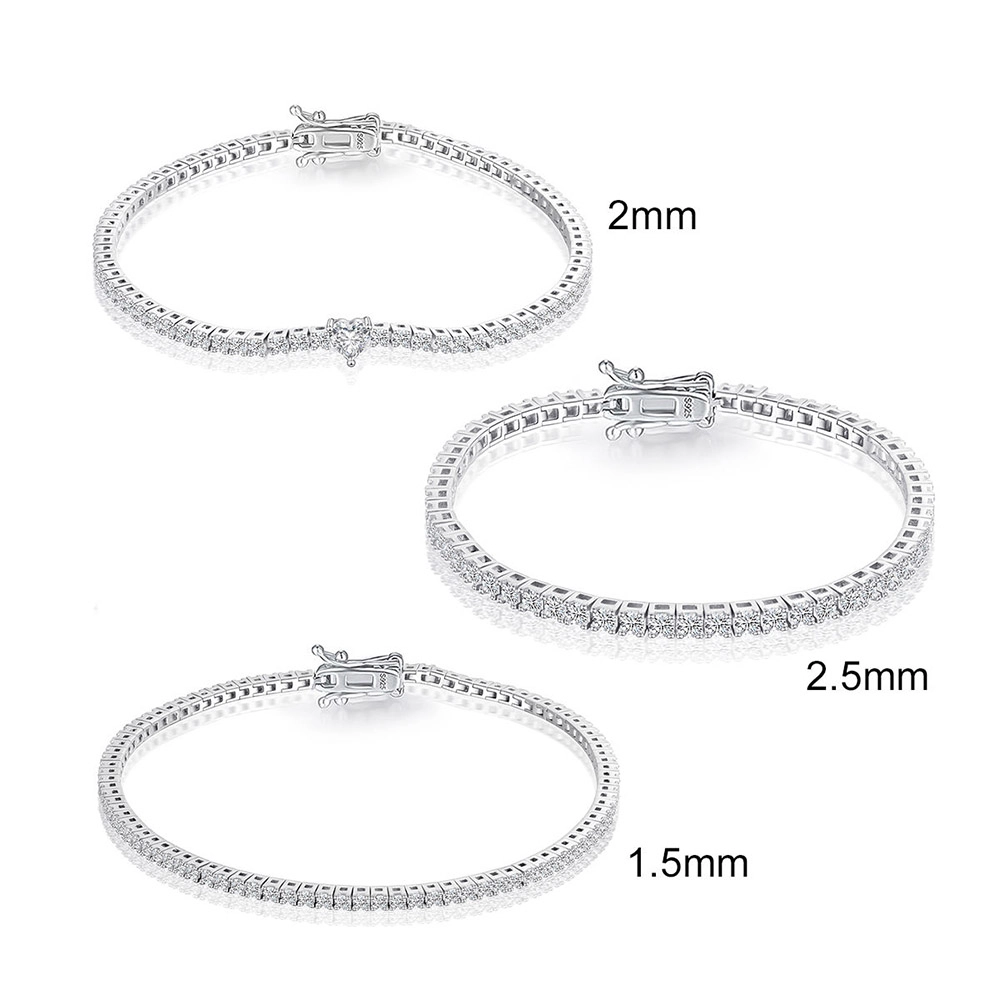
925 Silver Jewelry
Customizable High-Quality Fashion 925 Sterling Silver AAA Cubic Zirconia Heart-Shaped Open Tennis Bracelet.
Read More
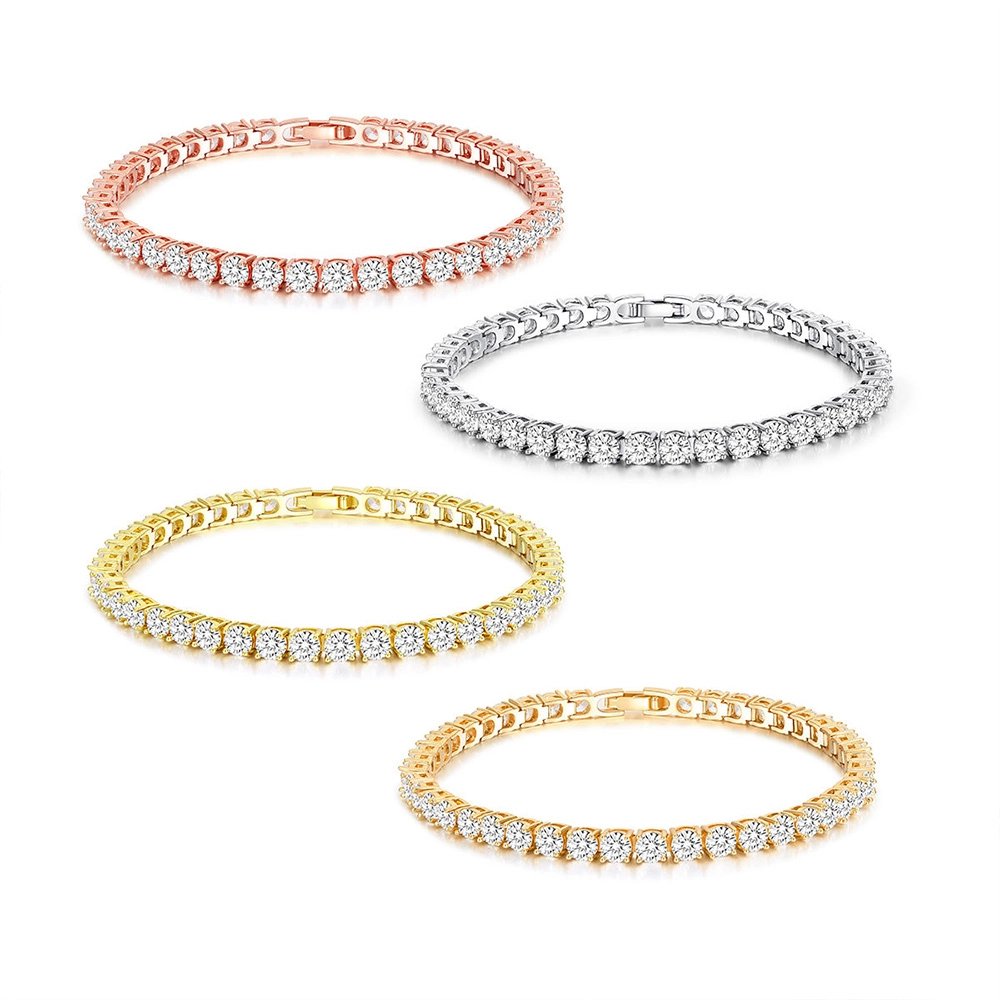
Brass Jewelry
Customizable OEM ODM High-Quality Fashion Brass AAA Cubic Zirconia Classic Tennis Bracelet for Women Wholesale.
Read More
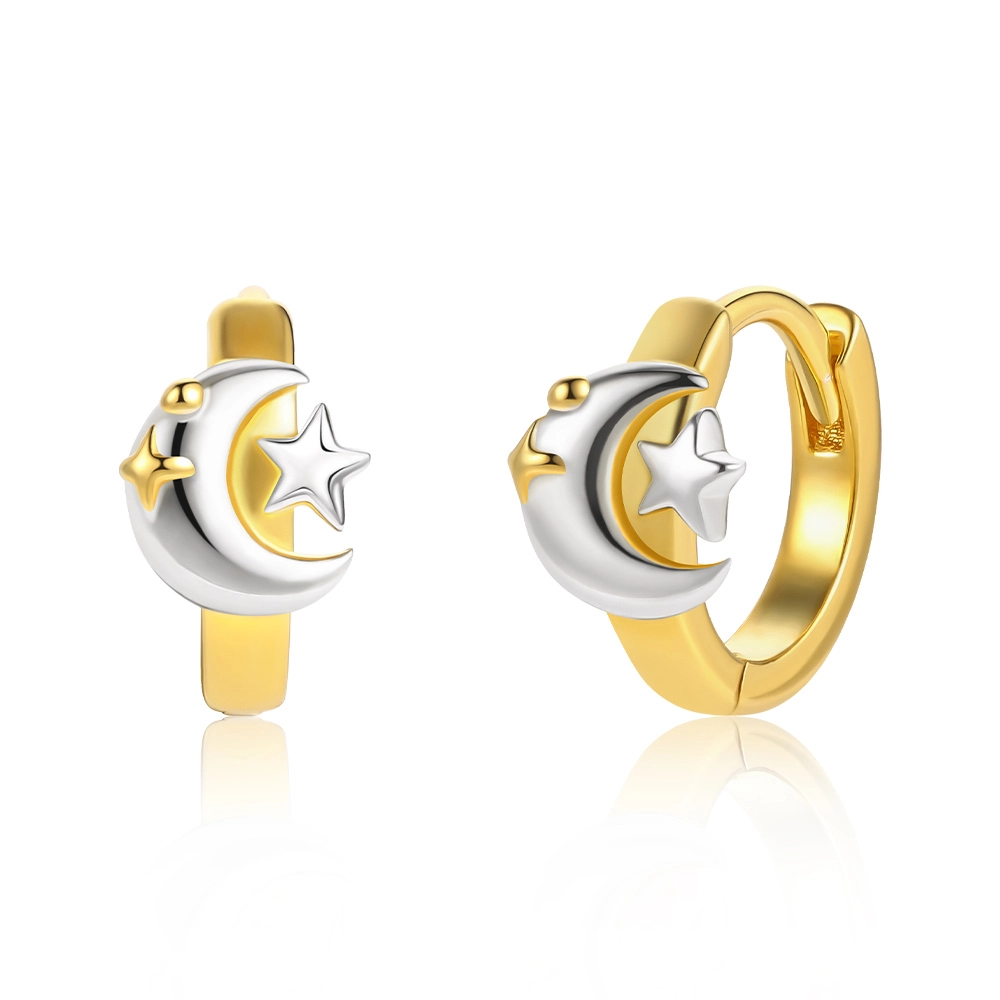
925 Silver Jewelry
Customizable High-Quality Fashion 925 Sterling Silver AAA Cubic Zirconia Hoop Earrings for Women Wholesale.
Read More
Get a Quote for Private Label Jewelry
We provide personalized jewelry customization services for clients worldwide.
Rest assured that your privacy is important to us, and all information provided will be handled with the utmost confidentiality.
By clicking 'Send Inquiry Now' I agree to ZHEFAN JEWELRY processing my personal data.
To see how to withdraw your consent, how to control your personal data and how we process it, please see our Privacy Policy and Terms of use.
From design to production, ZHEFAN JEWELRY offers a one-stop solution to help you enhance your brand value and market competitiveness.
Get A Quote
Contact
Tel: (+86) 188 1927 7817
© 2026 Zhefan Jewelry. All Rights Reserved.
Facebook
Instagram
YouTube
Whatsapp: +8618819277817