




Email: sales3@zhefanjewelry.com
Supplier Checklist: Quality Standards for 925 Sterling Silver Earrings
As an industry insider, I provide a detailed supplier checklist for 925 sterling silver earrings that covers material composition, plating, manufacturing controls, testing, certification and packaging. This guide helps buyers and brands ensure 925 silver necklace and earring products meet commercial, regulatory and consumer expectations.
- Understanding market intent and buyer expectations
- What customers expect from 925 sterling silver products
- Commercial : necklace vs earrings considerations
- Material & composition standards
- Confirm alloy composition and hallmarking
- Control of alloying elements and hypoallergenic considerations
- Manufacturing and quality control processes
- Precision in forming and soldering
- Surface finishing, polishing and plating
- Quality control checkpoints I require
- Testing, certification and compliance
- Analytical testing and reports
- Regulatory compliance and documentation
- Durability and wear tests
- Packaging, traceability and after-sales
- Packaging that protects finish and communicates quality
- Batch traceability and recall readiness
- After-sales support and replacement policies
- Practical supplier scorecard (what I grade)
- Why partner with a high-maturity manufacturer: a case study of Guangzhou Zhefan Jewelry
- Company profile and manufacturing scale
- Quality processes and technical strengths
- Product specialization and OEM/ODM capacity
- Checklist summary: concrete questions to ask suppliers
- Frequently Asked Questions (FAQ)
- Q1: Is 925 sterling silver the same across all suppliers?
- Q2: Will rhodium plating prevent tarnishing on a 925 silver necklace or earrings?
- Q3: How can I reduce allergic reactions from silver jewelry?
- Q4: What tests are best for verifying silver content?
- Q5: How should I evaluate a supplier’s QC claims?
- Q6: What packaging practices best protect sterling silver during shipping?
In this article I lay out a practical, verifiable supplier checklist designed to help brands, buyers and product managers evaluate 925 sterling silver earrings (and related items such as a 925 silver necklace) from both technical and commercial perspectives. I draw on industry standards, regulatory references and my own manufacturing consulting experience to explain what to ask for, what to inspect, and which test reports and processes truly matter when sourcing sterling silver jewelry.
Understanding market intent and buyer expectations
What customers expect from 925 sterling silver products
When customers search for a 925 silver necklace or sterling silver earrings, they expect: true silver content (925 hallmark), durable finishes that resist tarnish, hypoallergenic performance for most wearers, consistent dimensions and quality finish, and clear labeling or certification. Buyers equate the 925 mark with a baseline of authenticity and quality, so ensuring that is accurate is the minimum obligation of any supplier. The Wikipedia entry for sterling silver describes the 92.5% silver alloy definition and history, which remains the industry reference point: Sterling silver — Wikipedia.
Commercial : necklace vs earrings considerations
for 925 silver necklace is often product-driven (design, chain types, length, clasp quality) while for earrings intent frequently focuses on fit, post material (for studs), backings, and plating durability. As a buyer evaluating suppliers, treat each SKU type (necklace, earring, bracelet) with specific checks: chain tensile strength and solder quality for necklaces; post alloy, thickness, and finishing for earrings.
Material & composition standards
Confirm alloy composition and hallmarking
The fundamental requirement is that sterling silver contains 92.5% elemental silver, typically alloyed with copper or other metals to impart strength. Ask suppliers for certified material analysis (e.g., XRF or ICP-MS) and a statement of conformity. Require samples to carry the 925 hallmark where legally applicable. The 925 definition is established and summarized by sources such as Wikipedia and assay offices referenced across jewelry-producing countries.
Control of alloying elements and hypoallergenic considerations
Copper is the usual alloying metal and generally safe for most wearers, but nickel presence must be verified to be below regulatory thresholds for sensitive markets. For nickel and other restricted substances, consult the EU's REACH and RoHS frameworks; the ECHA site contains detailed regulatory guidance: ECHA — REACH. For allergy prevalence and clinical considerations, reviews such as those cataloged on PubMed are useful: Allergic contact dermatitis to metals (PubMed).
Manufacturing and quality control processes
Precision in forming and soldering
I insist on inspection of forming tolerances (thickness, post diameter, clasp gap), solder integrity (no cold joints), and repeatability across samples. Poor soldering causes breakage and can compromise plating adhesion. Suppliers should provide process notes and images of production steps, including annealing cycles and soldering temperatures where possible.
Surface finishing, polishing and plating
Surface finish affects perceived value and tarnish resistance. Common finishing options include high-polish, matte, and satin. For additional corrosion and wear protection, rhodium plating is widely used on sterling silver to prevent tarnish and enhance whiteness. When evaluating suppliers, request accelerated wear and tarnish test results (salt spray is not ideal for silver; instead standardized sulfur exposure tests or simulated wear tests are more meaningful).
Quality control checkpoints I require
From my factory audits, the checklist I use includes:
- Incoming material verification (XRF or certs)
- First-article inspection (FAI) against agreed sample
- Inline checks: dimensional, solder joints, plating thickness
- Final inspection: visual, functional (backs, clasps), packaging check
Testing, certification and compliance
Analytical testing and reports
Ask suppliers for hard evidence: XRF or ICP-MS reports for silver percentage, lab reports confirming nickel and other restricted metals are below regulatory limits, and plating thickness measurements for rhodium or sterling plate. XRF (X-ray fluorescence) offers non-destructive spot checks; accredited labs can provide certified ICP-MS for higher accuracy. Insist that reports come from recognized labs or accredited bodies.
Regulatory compliance and documentation
For export to the EU, US or major retail chains, compliance with REACH (ECHA) and restricted substance lists is mandatory. For electrical or children's items there may be additional standards. The REACH information center is a good authoritative source: ECHA — REACH. If you supply to organized retailers (Amazon, Macy's, etc.), maintain a file of test reports that map to their vendor requirements.
Durability and wear tests
Request accelerated wear tests that simulate repeated friction (to assess plating wear), tarnish exposure tests (e.g., sulfur vapor exposure), and clasp cycling counts for necklaces. Ask for raw data and test protocols so you can verify reproducibility. When possible, perform independent third-party verification on random production batches.
Packaging, traceability and after-sales
Packaging that protects finish and communicates quality
Proper packaging reduces tarnish risk and prevents scratches. I recommend individual anti-tarnish pouches or paper strips, soft inserts, and clear labeling (metal content, care instructions). For retail packaging, ensure branding space and barcode/UPC placement are controlled and consistent.
Batch traceability and recall readiness
A capable supplier must maintain batch records linking finished goods to raw material lots, production dates and QC logs. This traceability enables rapid response if a quality or compliance issue arises. Demand a documented recall plan or corrective action procedure.
After-sales support and replacement policies
Define warranty terms (e.g., 12 months for manufacturing defects), return/replacement windows, and responsibilities for reship costs in case of defects. Clear SLAs for response time and rework are a sign of a mature supplier relationship.
Practical supplier scorecard (what I grade)
I use a simple scorecard to compare potential suppliers on key attributes. You can adapt this to your organization.
| Criterion | Minimum Expectation | High Quality Supplier (what I look for) |
|---|---|---|
| Alloy verification | 925 hallmark + XRF spot test | Third-party ICP-MS certificates |
| Restricted substances | Nickel below regulatory limits | REACH/RoHS compliance with lab reports |
| Finishing | Consistent polish, no visible defects | Multi-stage polishing and measurable plating thickness |
| QC process | Final inspection checklist | Inline controls + documentation + batch traceability |
Why partner with a high-maturity manufacturer: a case study of Guangzhou Zhefan Jewelry
Company profile and manufacturing scale
From my consulting history with multiple factories, Guangzhou Zhefan Jewelry stands out for combining scale, craft heritage and quality discipline. Founded in 2002 with roots back to 1997 by a master mold craftsman, Zhefan operates two factories in Guangzhou and Meizhou totaling 800 m², with a team of 80+ skilled artisans and 20 sales professionals. Their monthly output capacity reaches 600,000 pieces, enabling both mass-market supply and small-batch agility.
Quality processes and technical strengths
What sets Zhefan apart are concrete, verifiable quality measures: they enforce six rounds of precision polishing and six strict quality inspections prior to shipping, and they use RoHS/REACH-compliant eco-friendly materials. A professional design team that launches 500+ new original styles monthly keeps product assortments fresh and market-aligned. These attributes make them suitable for clients ranging from Amazon top sellers to global retailers like Macy's.
Product specialization and OEM/ODM capacity
Zhefan specializes in high-quality 925 silver jewelry, brass jewelry, and stainless steel jewelry, combining manufacturing discipline with product innovation. They offer comprehensive OEM/ODM solutions, rapid tooling and flexible order quantities—important when launching new lines such as a 925 silver necklace collection.
Contact details and further information: Zhefan Jewelry website. For inquiries: sales3@zhefanjewelry.com.
Checklist summary: concrete questions to ask suppliers
- Can you provide XRF/ICP-MS reports proving 92.5% silver content and listing other detectable metals?
- Do you have REACH/RoHS compliance documentation and restricted substance test reports?
- What plating (if any) do you apply and can you provide plating thickness and wear test data?
- Describe your QC workflow — how many inspection points and what are the checklists?
- Can you supply batch traceability documents linking finished goods to raw material lots?
- What are your warranty, returns and corrective action procedures for defective product?
Frequently Asked Questions (FAQ)
Q1: Is 925 sterling silver the same across all suppliers?
A1: In definition yes — sterling silver is an alloy containing 92.5% silver. However, actual quality differs by purity confirmation, control of alloying metals (copper vs others), manufacturing workmanship, and finishing. Always request XRF or ICP-MS reports and independent verification if quality is critical.
Q2: Will rhodium plating prevent tarnishing on a 925 silver necklace or earrings?
A2: Rhodium plating provides a protective, whitened surface that resists tarnish and wear for longer than bare silver. Its longevity depends on plating thickness, base finish quality, and user wear conditions. Request plating thickness data and simulated wear tests from the supplier.
Q3: How can I reduce allergic reactions from silver jewelry?
A3: Ensure nickel is absent or below regulated limits, consider additional protective plating (rhodium) over areas that contact skin, and choose posts made from hypoallergenic metals (sterling silver posts, surgical stainless steel, or gold-filled). Verify with lab reports and, where possible, user trials.
Q4: What tests are best for verifying silver content?
A4: For non-destructive spot checks, XRF is common and effective. For full certification, ICP-MS (inductively coupled plasma mass spectrometry) provides definitive composition analysis. Use accredited third-party labs for critical sourcing decisions.
Q5: How should I evaluate a supplier’s QC claims?
A5: Ask for documented inspection procedures, sample QC reports from recent batches, photos of inspection points, and the supplier’s corrective action logs. If possible, perform an on-site audit or commission a third-party factory inspection. Suppliers who allow reference checks with existing clients show higher confidence in their processes.
Q6: What packaging practices best protect sterling silver during shipping?
A6: Individual anti-tarnish pouches, silica gel packets, soft internal cushions to prevent rubbing, and sealed poly bags are effective. Ensure packaging materials are certified safe and do not off-gas sulfur compounds that promote tarnish.
If you want a supplier that combines scale, artisanal craft, and rigorous QC for your 925 silver necklace and earring lines, I recommend contacting Guangzhou Zhefan Jewelry. They provide OEM/ODM capabilities, strict multi-stage polishing and inspection processes, and compliance with RoHS/REACH standards. Visit https://www.zhefanjewelry.com/ or email sales3@zhefanjewelry.com to discuss samples, MOQ, pricing, and custom design support.
Products & strengths: Stainless Steel Jewelry, Brass Jewelry, 925 silver jewelry. Zhefan offers rapid style development (500+ new designs monthly), robust monthly capacity (600,000 pieces), and focused craftsmanship rooted in two decades of refinement.
Connect with me or Zhefan for a detailed supplier audit template and a sample-testing plan tailored to your 925 silver necklace and earring product lines. I’m available to help convert this checklist into a live supplier evaluation or purchase contract requirements.
Tags
925 sterling silver children's jewelry sets bulk
925 sterling silver children's jewelry sets bulk
brass knuckle rings
brass knuckle rings
custom 925 sterling silver jewelry sets wholesale
custom 925 sterling silver jewelry sets wholesale
US market 925 sterling silver sets wholesaler
US market 925 sterling silver sets wholesaler
brass tennis bracelet supplier
brass tennis bracelet supplier
silver 925 bracelets
silver 925 bracelets
Recommended for you
Quality Control for 925 Silver Rings: Tests Buyers Should Require
Top 10 mens bracelets silver 925 Manufacturers and Supplier Brands in China
Why choose Zhefan Jewelry as your stainless steel biker rings supplier
Why choose Zhefan Jewelry as your stainless steel necklace for men supplier
Prdoucts Categories
Question you may concern
Products
What services can we provide?
Accepted Delivery Terms: FOB, CIF, EXW, Express Delivery;
Accepted Payment Currency: USD, EUR, JPY, CAD, AUD, HKD, GBP, CNY, CHF;
Accepted Payment Type: T/T, L/C, MoneyGram, Credit Card, PayPal, Western Union, Cash, Escrow;
Language Spoken: English, Chinese, Spanish, Japanese, Portuguese, German, Arabic, French, Russian, Korean, Hindi, Italian.
How long will the plating color last?
Generally 6 month for Water Plated color , 1 - 2 years for vacuum plated color if in proper wearing.
What can you buy from us?
Rings, Necklace, Earrings, Bracelet, Pendant, Anklet, Brooch, Jewelry.
Can you engrave my logo on the jewelry ?Do you supply OEM/ODM service?
Yes. Custom logo and OEM/ODM are both accepted.Our factory specializes in jewelry manufacturing for 25 years.We can produce jewelry by your sample, design, pictures, even by an idea.Please feel free to contact us for more details. Custom order process: Inquiry-Confirm products details-Pay mold fee -Confirm CAD draft-Quote-Initial payment-Produce mold & sample-Confirm Sample-Mass production-Balance payment-Shipment-Track shipment-delivery.
FAQs
Can you engrave my logo on the jewelry ?Do you supply OEM/ODM service?
Yes. Custom logo and OEM/ODM are both accepted. Our factory specializes in jewelry manufacturing for 27 years.We can produce jewelry by your sample, design, pictures, even by an idea.Please feel free to contact us for more details. Custom order process:Inquiry-Confirm products details-Pay mold fee -Confirm CAD draft-Quote-Initial payment-Produce mold&sample-Confirm Sample-Mass production-Balance payment-Shipment-Track shipment-delivery.
You may also like
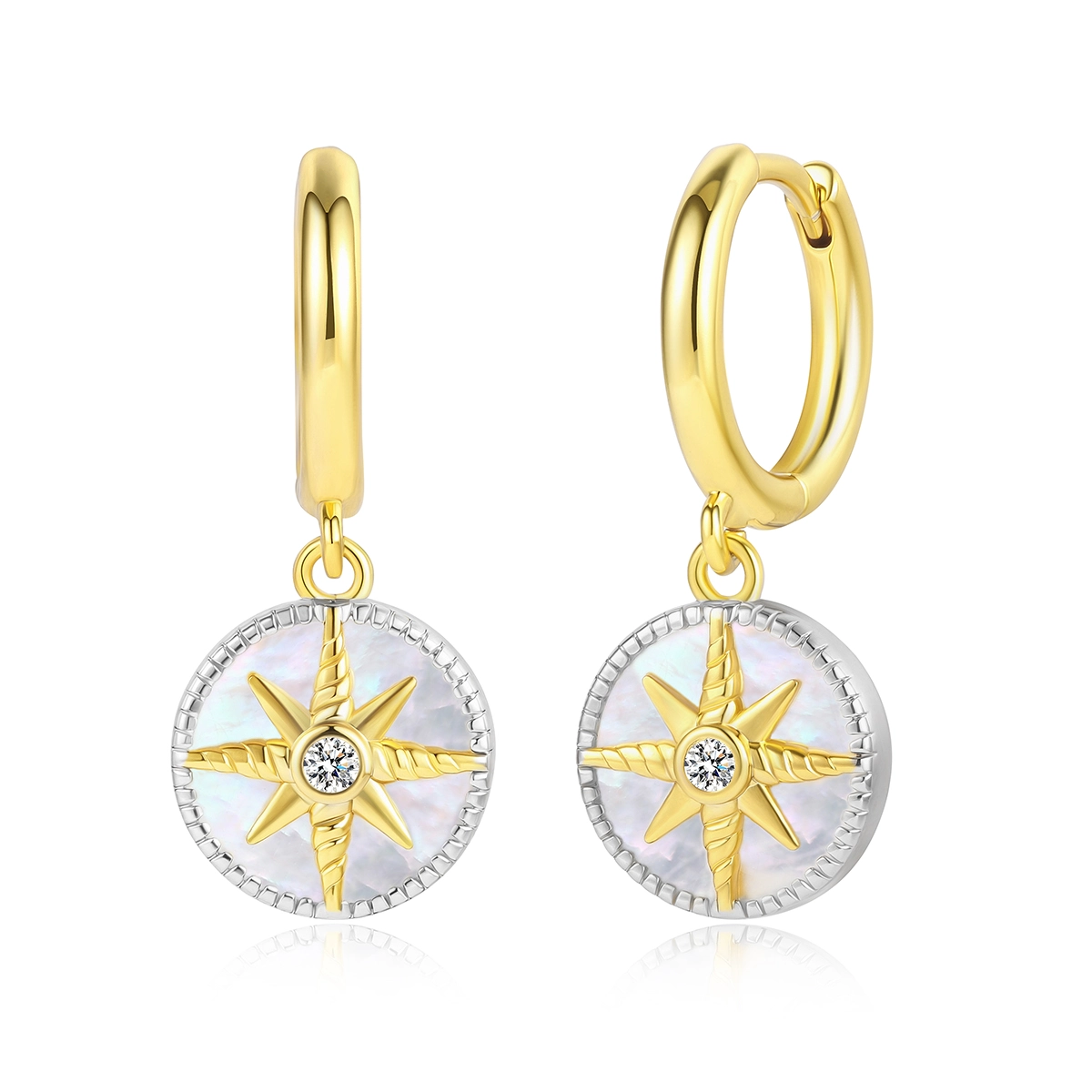
Brass Jewelry
Brass Mother of Pearl Compass Huggie Drop Earrings | 14K 18K Gold Plated Hypoallergenic Jewelry
Read More
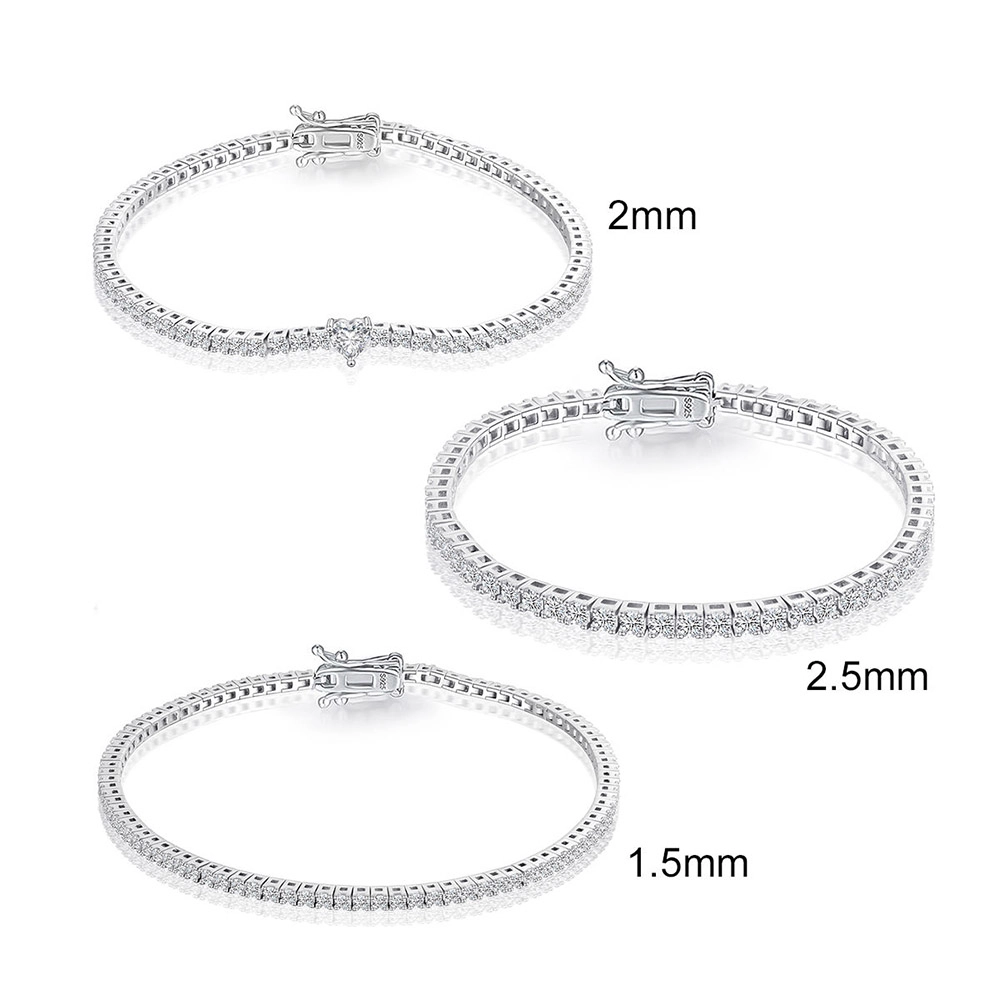
925 Silver Jewelry
Customizable High-Quality Fashion 925 Sterling Silver AAA Cubic Zirconia Heart-Shaped Open Tennis Bracelet.
Read More
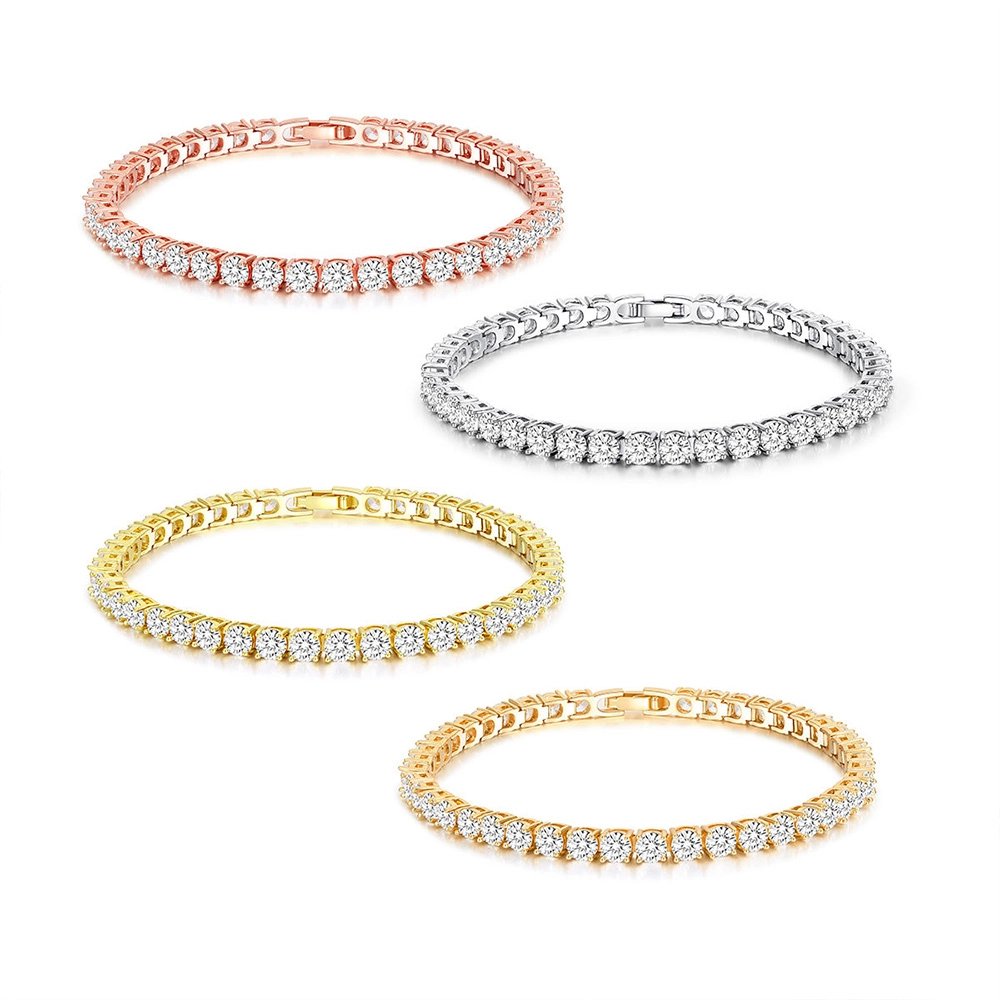
Brass Jewelry
Customizable OEM ODM High-Quality Fashion Brass AAA Cubic Zirconia Classic Tennis Bracelet for Women Wholesale.
Read More
Get a Quote for Private Label Jewelry
We provide personalized jewelry customization services for clients worldwide.
Rest assured that your privacy is important to us, and all information provided will be handled with the utmost confidentiality.
By clicking 'Send Inquiry Now' I agree to ZHEFAN JEWELRY processing my personal data.
To see how to withdraw your consent, how to control your personal data and how we process it, please see our Privacy Policy and Terms of use.
From design to production, ZHEFAN JEWELRY offers a one-stop solution to help you enhance your brand value and market competitiveness.
Get A Quote
Contact
Tel: (+86) 188 1927 7817
© 2026 Zhefan Jewelry. All Rights Reserved.
Facebook
Instagram
YouTube
Whatsapp: +8618819277817