





Email: sales3@zhefanjewelry.com
7 Silver Cleaning Mistakes You’re Probably Making in 2026 (And How to Restore That Original Shine)
Preserving your silver jewelry requires avoiding common but damaging pitfalls. From using abrasive toothpaste to relying on toxic chemical dips, we break down the top 7 silver cleaning mistakes you're probably making in 2026 and provide expert, scientifically-backed methods to safely restore your collection's original shine.
- What Is Proper Silver Jewelry Care and Cleaning?
- Quick Summary: The Golden Rules of Silver Care
- Mistake #1: Using Toothpaste to Polish Your Silver
- Mistake #2: The 'Jewelry First' Beauty Routine
- Mistake #3: Overusing the Baking Soda and Aluminum Foil Trick
- Mistake #4: Storing Silver in the Bathroom
- Mistake #5: Cleaning Oxidized Silver with Liquid Chemical Dips
- Mistake #6: Using Paper Towels or Tissues to Dry Silver
- Mistake #7: Waiting Until Silver is Pitch Black to Clean It
- Expert Tips: How to Restore That Original Shine
- Conclusion
- Can I use vinegar to clean my silver jewelry?
- Does wearing silver prevent it from tarnishing?
- Is it safe to clean silver jewelry with gemstones?
- How often should you clean silver jewelry?
- What is the best way to store sterling silver?
- Why does my silver turn black so fast?
- Are commercial silver liquid dips safe to use?
- Can hand sanitizer damage sterling silver rings?
What Is Proper Silver Jewelry Care and Cleaning?
Proper silver jewelry care and cleaning involves a systematic approach to removing tarnish using non-abrasive methods, combined with preventative storage techniques. A comprehensive routine ensures your collection maintains its original luster without scratching the metal or damaging delicate embedded gemstones.
Understanding how to prevent silver tarnish is the foundational cornerstone of preserving your fine jewelry collection. Tarnish is not simply surface dirt; it is a complex chemical reaction that alters the outer layer of the metal itself. As detailed by Wikipedia, the unsightly black layer that develops on your favorite rings and necklaces over time is actually a compound called silver sulfide. This compound forms naturally when elemental silver reacts with hydrogen sulfide gases present in everyday atmospheric air. By taking proactive steps to block this exact chemical oxidation process, you can dramatically extend the life and brilliance of your entire collection.
Quick Summary: The Golden Rules of Silver Care
The golden rules of silver care center on utilizing specialized micro-abrasive cloths, applying the "last on, first off" wearing principle, utilizing climate-controlled storage solutions, and strictly avoiding harsh household chemicals or abrasive internet hacks that permanently damage the precious metal.
Mastering routine sterling silver maintenance does not require a degree in chemistry, but it does require consistency. By internalizing these foundational best practices, you can effectively bulletproof your collection against the elements and everyday wear:
- Invest in Proper Tools: Always use the best silver polish cloth available, rather than resorting to abrasive paper towels or random household fabrics.
- Order of Operations: Put your jewelry on last to avoid direct, damaging contact with perfumes, heavy lotions, and sticky hairsprays.
- Climate Control: Store your pieces in cool, dry, dark places using modern 2026 anti-tarnish pouches and humidity-absorbing silica gels.
- Avoid Viral Hacks: Steer entirely clear of exposing your precious silver to harsh household chemicals, pool chlorine, and aggressive DIY silver cleaning methods that promise instant results but deliver long-term structural damage.
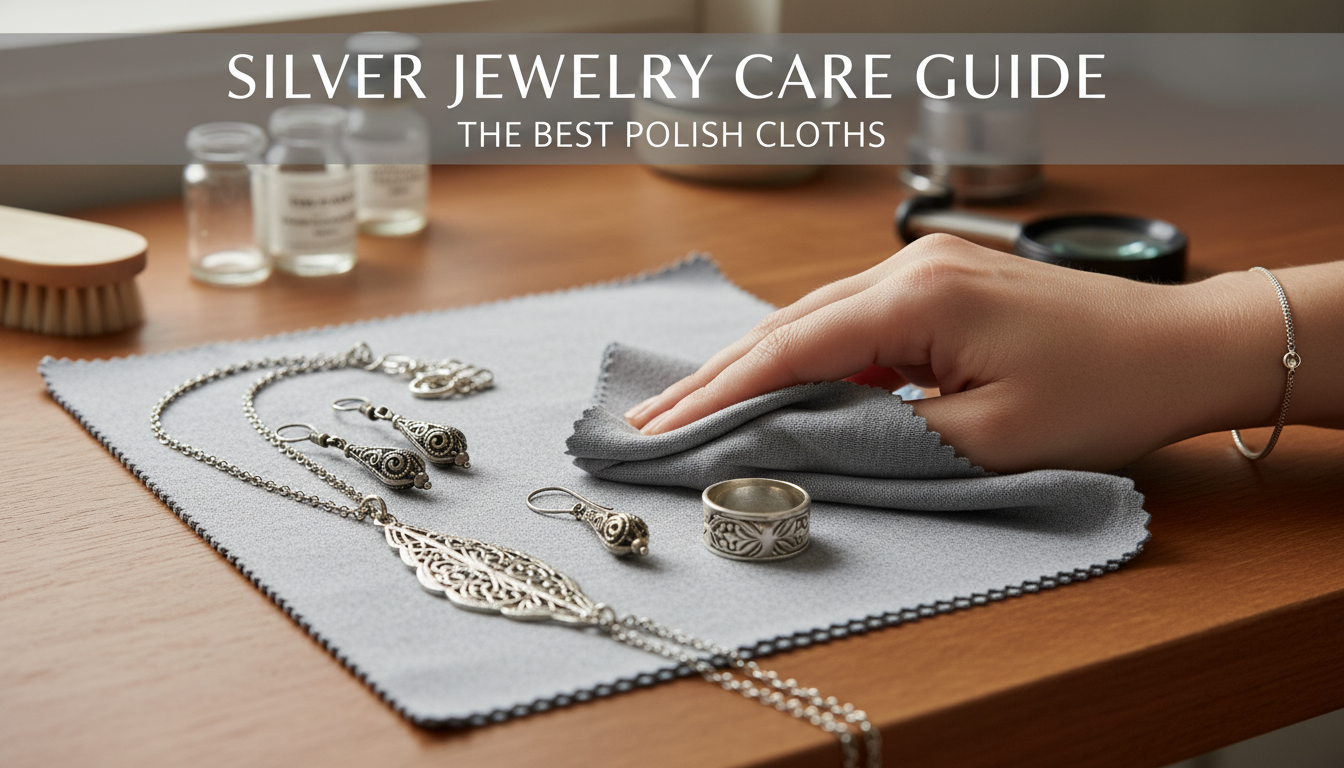
Mistake #1: Using Toothpaste to Polish Your Silver
Using toothpaste to clean silver is a major mistake because it contains microscopic abrasives intended for tooth enamel, which cause deep micro-scratches on soft .925 sterling silver and permanently strip away the metal's natural, highly-reflective finish over time.
Why it happens: People often turn to toothpaste as one of the most accessible DIY silver cleaning methods, assuming that if it is safe enough to brighten their teeth, it must be safe enough to polish their fine jewelry. Social media tutorials frequently promote this hack because it produces an immediate, visible change.
The underlying science: Toothpaste formulas rely on microscopic abrasives, such as silica and baking soda, designed specifically to scrub hardened plaque off tooth enamel. However, .925 sterling silver is an incredibly soft alloy (ranking only 2.5 on the Mohs hardness scale). When you rub these aggressive abrasives against the metal, they carve thousands of microscopic gouges into the surface.
The long-term result: Over time, the silver completely loses its natural, highly-reflective, mirror-like finish. It becomes permanently dull, cloudy, and much faster to tarnish in the future because those tiny scratches create a larger surface area for hydrogen sulfide gases to attack.
The professional fix:
- Ditch the Crest: Immediately stop using dental hygiene products on your valuable jewelry.
- Use Specialized Sprays: Switch exclusively to a designated silver polish spray or a high-quality, jeweler-approved microfiber cloth.
- Gentle Buffing: Apply light, even pressure when polishing to maintain the structural integrity of the delicate metal.
Mistake #2: The 'Jewelry First' Beauty Routine
The 'jewelry first' mistake occurs when you apply lotions, perfumes, hairspray, and hand sanitizers while wearing your silver, which severely accelerates chemical oxidation as the harsh active ingredients interact directly with the precious metal and its protective rhodium plating.
Why it is a mistake: The modern morning routine is filled with hidden chemical dangers. Applying lotions, aromatic perfumes, aerosol hairsprays, and harsh alcoholic hand sanitizers while wearing your rings and necklaces coats the metal in reactive compounds. As noted in the comprehensive care guide provided by Jewelers of America, exposing your jewelry to everyday cosmetics causes a dull, dingy film to form, while harsh chemicals actively erode the polish and finish of both metals and gemstones.
The chemical reaction: The oils and alcohols in these beauty products act as a magnet for environmental pollutants, trapping dirt against the silver. Furthermore, the chemicals themselves can rapidly break down the thin protective layer of rhodium plating that many designers use to keep sterling silver looking bright.
The professional fix:
- The Golden Rule of Dressing: Follow the strict 'last on, first off' rule every single day.
- Allow for Drying Time: Let all liquid cosmetics, aerosols, and beauty products dry completely on your skin before putting on your silver pieces.
- Sanitize Safely: Always remove your sterling silver rings before applying hand sanitizer or washing your hands with harsh public restroom soaps.
Mistake #3: Overusing the Baking Soda and Aluminum Foil Trick
Overusing the baking soda and aluminum foil trick is dangerous because the intense electrochemical reaction strips away intentional antiquing, degrades rhodium plating, and can severely pit or permanently dissolve the surface of soft, porous gemstones set within the silver.
Why it is a mistake: The boiling water, baking soda, and aluminum foil trick is arguably the most famous internet cleaning hack. While it is undeniably effective for removing heavy tarnish via a rapid electrochemical ion transfer, doing this too frequently is a massive mistake. The reaction is incredibly harsh, and it can easily strip away intentional antiquing, expensive plating, and the natural luster of the piece.
The risk to gemstones: The absolute greatest danger of this method lies in its effect on mixed-material jewelry. Submerging porous gemstones—such as delicate pearls, fiery opals, or natural turquoise—into a boiling alkaline solution can severely pit, crack, or completely dissolve the surface of the stones.
The professional fix:
- Isolate the Method: Reserve this highly aggressive method exclusively for plain, heavily tarnished solid silver pieces with no embedded stones whatsoever.
- Limit Frequency: Never use the foil method as a regular maintenance routine; it should be considered a rare restoration tactic.
- Gentle Alternatives: Stick to mild soap and water for pieces that feature intricate gemstone settings or delicate filigree work.
Mistake #4: Storing Silver in the Bathroom
Storing silver in the bathroom exposes it to a high-humidity micro-climate where airborne moisture and sulfur compounds act as primary catalysts for rapid tarnishing, making bathrooms the absolute worst possible environment for preserving your delicate jewelry collection long-term.
Why it is a mistake: Most people instinctively keep their jewelry boxes on their bathroom vanity for convenience. However, bathrooms are essentially high-humidity micro-climates. Every time you run the shower, the room fills with airborne moisture and heat. When combined with the sulfur compounds naturally present in many bathroom beauty products and the air itself, this creates the perfect storm for rapid chemical tarnishing.
The environmental impact: Silver tarnishes exponentially faster in humid environments. The moisture acts as a catalyst, accelerating the bond between the silver atoms and the sulfur in the air.
The professional fix:
- Relocate Your Collection: Move your jewelry storage out of the bathroom immediately and into a dry, climate-controlled bedroom or closet.
- Upgrade Storage Technology: Implement modern 2026 storage trends to actively fight humidity on a chemical level.
- Use Desiccants: Place silica gel packets or advanced carbon anti-tarnish strips inside your jewelry box to continuously absorb ambient moisture.
- Invest in Quality Boxes: Store items inside a velvet-lined jewelry box that seals tightly, minimizing the metal's exposure to free-flowing air.
Mistake #5: Cleaning Oxidized Silver with Liquid Chemical Dips
Cleaning oxidized silver with liquid chemical dips instantly strips away the purposeful dark patina used by designers, ruining intricate engravings by removing the contrasting shadows that give antique and artisan jewelry its unique depth, aesthetic appeal, and character.
Why it is a mistake: Liquid chemical dips are incredibly aggressive, industrial-strength solvents. When cleaning oxidized silver jewelry—such as Balinese pieces, vintage-style rings, or intricately carved pendants—designers specifically use a chemical darkening process called oxidation to create contrasting shadows in the recessed areas. Submerging these pieces in a chemical dip will instantly dissolve this purposeful dark patina.
The authority perspective: Luxury jewelry houses strongly advise against these caustic solutions. For instance, Tiffany & Co. explicitly warns consumers to avoid "dip" polishes entirely, recommending instead that owners carefully wash their silver by hand in hot, sudsy water to maintain the intended finish.
The professional fix:
- Ban the Dip: Throw away harsh commercial liquid dips, as they do significantly more harm than good for designer pieces.
- Spot Clean: Use a dry, high-quality silver polishing cloth to meticulously spot-clean.
- Target Raised Areas: Gently buff only the raised, smooth surfaces of the metal, purposefully leaving the recessed, darkened areas entirely untouched to preserve the antique aesthetic.
Mistake #6: Using Paper Towels or Tissues to Dry Silver
Using paper towels or tissues to dry silver guarantees surface damage because even premium paper products contain harsh wood pulp fibers that act like fine sandpaper, inflicting thousands of microscopic scratches on the incredibly soft surface of your jewelry.
Why it is a mistake: It is a common reflex to reach for a nearby paper towel or facial tissue to dry a freshly washed ring or necklace. However, even the most premium, plush paper towels are fundamentally manufactured from wood pulp. These microscopic wood fibers act exactly like fine-grit sandpaper against the incredibly soft surface of silver alloys.
The compounding damage: While you might not see the damage after a single use, repeatedly drying your jewelry with paper products inflicts thousands of microscopic scratches. Over time, these scratches scatter light instead of reflecting it, resulting in a cloudy, dull appearance that cannot be fixed without professional machine buffing.
The professional fix:
- Use Pure Cotton: Always pat your silver dry with a 100% pure cotton flannel cloth.
- Dedicated Towels: Keep a specialized microfiber jewelry towel next to your sink specifically for drying your delicate items after washing.
- Air Dry Carefully: If you lack a proper cloth, allow the jewelry to air dry on a soft, clean washcloth rather than scrubbing it with harsh paper products.
Mistake #7: Waiting Until Silver is Pitch Black to Clean It
Waiting until silver is pitch black allows a thick layer of silver sulfide to build up, which requires aggressive, prolonged cleaning to remove and significantly increases the risk of scratching, metal degradation, and accidental damage to delicate gemstone settings.
Why it is a mistake: Procrastination is the enemy of sterling silver maintenance. Allowing a thick, pitch-black layer of silver sulfide to build up over years of neglect is a critical error. Severe tarnish cannot be simply wiped away; it requires aggressive, prolonged, and repetitive cleaning. This intense friction significantly increases the risk of warping the metal, snapping delicate chains, scratching the surface, or accidentally dislodging a gemstone from its weakened prong setting.
The psychology of care: Many owners feel intimidated by the cleaning process, so they put it off until the jewelry is unwearable. This creates a vicious cycle of neglect and aggressive restoration.
The professional fix:
- Routine Wipedowns: Adopt a micro-maintenance schedule. A quick 10-second wipe-down with a dry cloth after every single wear effortlessly removes the day's bodily oils, sweat, and environmental pollutants.
- Preventative Polish: Regular, gentle attention prevents significant tarnish buildup from ever taking hold, ensuring your jewelry is always ready to wear.
Expert Tips: How to Restore That Original Shine
Restoring the original shine of your silver requires a tiered approach, starting with a light wash using mild dish soap, progressing to a gentle cornstarch paste for stubborn areas, and relying on professional ultrasonic cleaning for delicate, heavily oxidized heirlooms.
If your pieces are already showing signs of neglect, do not panic. Employing the correct, tiered restoration methods will bring them back to life safely and effectively.
- The Light Wash Method: Start with the gentlest option. Mix warm water with a few drops of mild, phosphate-free dish soap. Soak the jewelry for five minutes to loosen bodily oils. Use a soft-bristled baby toothbrush to gently sweep away dirt from intricate crevices, clasps, and behind gemstone settings.
- The Medium Wash: For stubborn, yellowing tarnish that resists soapy water, create a gentle DIY paste. Mix warm water with cornstarch. Cornstarch is significantly less abrasive than baking soda, making it a safer alternative. Apply the paste with a damp cloth, rub gently in straight lines (not circles, which can highlight scratches), and rinse thoroughly with warm water.
- Professional Upkeep: Recognize when a piece is beyond home care. For deep physical scratches, heavily oxidized family heirlooms, or pieces featuring complex, porous gemstone settings, it is best to seek professional help. Jewelers utilize commercial-grade ultrasonic cleaning, steam machines, and high-speed buffing wheels to restore pieces to factory-new condition safely.
Conclusion
To summarize, preserving the brilliant shine of your silver jewelry requires avoiding common pitfalls like abrasive toothpaste, humid storage, and harsh chemical exposure, while embracing safe, gentle cleaning habits combined with professional maintenance advice to ensure lasting heirloom quality.
Proper silver care is not about aggressive scrubbing; it is about consistent, preventative maintenance. By integrating routine wipe-downs, investing in proper 2026 climate-controlled storage solutions, and understanding the distinct chemical vulnerabilities of your precious metals and gemstones, you can effortlessly prevent the unsightly buildup of silver sulfide. Protecting your jewelry from the damaging effects of DIY internet hacks and caustic liquid dips guarantees that your collection retains its monetary value, sentimental worth, and breathtaking aesthetic appeal for generations to come. Contact us today to optimize your sterling silver maintenance strategy and schedule a professional cleaning.
Can I use vinegar to clean my silver jewelry?
Yes, but proceed with caution. A mixture of half a cup of white vinegar and two tablespoons of baking soda can be used to soak plain silver for 2-3 hours to remove heavy tarnish. Always rinse thoroughly with warm water and dry immediately.
Does wearing silver prevent it from tarnishing?
Surprisingly, yes. The natural friction and oils on your skin actually help keep the sterling silver clean and ward off oxidation. However, this rule only applies if you aren't sweating heavily or wearing highly acidic cosmetic lotions.
Is it safe to clean silver jewelry with gemstones?
It heavily depends on the specific gemstone. Extremely hard stones like diamonds, rubies, and sapphires can generally handle mild soap. However, porous stones like pearls, opals, turquoise, and amber should never be submerged in water or exposed to baking soda mixtures.
How often should you clean silver jewelry?
For optimal care, you should give your pieces a very light wipe with a specialized polishing cloth after every single wear. A deeper, more thorough clean using mild soap and warm water is recommended every 1 to 2 months, depending on how frequently the item is worn.
What is the best way to store sterling silver?
The best way to store sterling silver is in a cool, dry, and dark environment. Use individual airtight ziplock bags or specialized pouches containing anti-tarnish tabs or silica gel packets to effectively block out moisture and sulfur gases.
Why does my silver turn black so fast?
Silver turns black due to a natural chemical reaction with hydrogen sulfide gases present in the air, creating a layer of silver sulfide. High humidity, urban pollution, an acidic skin pH, and the application of certain sulfur-heavy cosmetics can dramatically accelerate this process.
Are commercial silver liquid dips safe to use?
Commercial silver dips are typically highly toxic and corrosive. They should strictly be used as a last resort for heavily tarnished, plain silver pieces, as they can quickly pit the metal, ruin embedded stones, and entirely remove intentional antique oxidation.
Can hand sanitizer damage sterling silver rings?
Yes. While the alcohol in hand sanitizer evaporates quickly, repeated exposure to harsh sanitizing chemicals can slowly strip away the rhodium plating often applied to silver, eventually dulling the metal's finish. Always remove your rings before applying sanitizer.
Tags
hypoallergenic brass earrings
hypoallergenic brass earrings
wholesale brass earrings
wholesale brass earrings
brass tennis bracelet supplier
brass tennis bracelet supplier
silver bracelets 925
silver bracelets 925
Mother-of-pearl earrings
Mother-of-pearl earrings
brass earrings allergy
brass earrings allergy
Recommended for you
Top 10 925 sterling silver huggie earrings Manufacturers and Supplier Brands in China
Wholesale 925 Silver Rings: MOQ, Pricing & Supplier Checklist
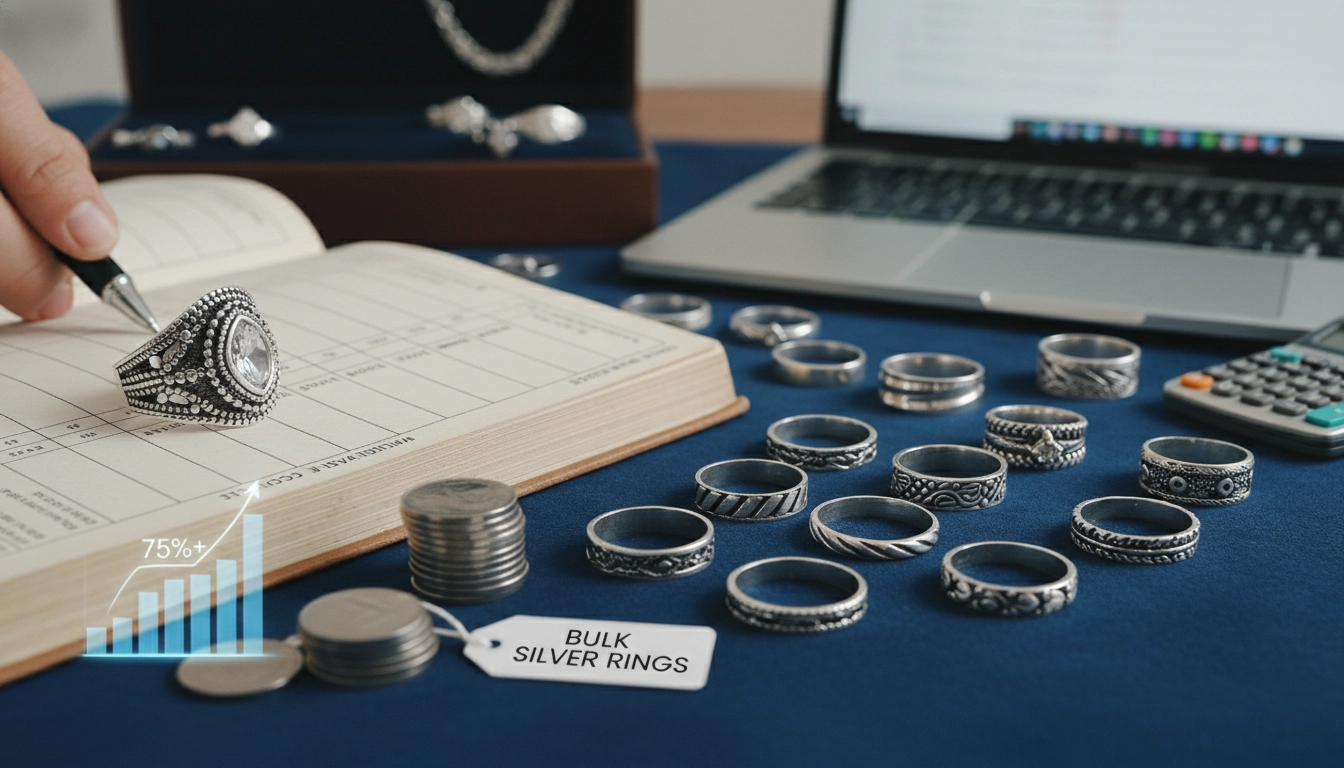
Wholesale Silver Rings: 7 Costly Pricing Mistakes Every Resale Business Must Avoid in 2026
Custom stainless steel gold hoop earrings Manufacturers and Suppliers
Prdoucts Categories
Question you may concern
Products
What’s the lead time?
We could arrange shipment for you within 48 hours if you order models in stock. For bulk order, it takes 10-25 days for production depending on order quantity and styles.
What is the payment method?
Our payment method are Alibaba Trade Assurance(MasterCard, visa, e-Checking, PAYLATER, T/T),T/T, PayPal,Western Union.
How can we guarantee quality?
Always a pre-production sample before mass production;
Always final Inspection before shipment;
What is your minimum order quantity?
We offer low MOQ from 2 to 30 depending on models. Send your favor model to get details from Trade Manager.
FAQs
Do you offer after-sales warranty service?
Yes, we will refund or resend products if fading, stone falling off and other quality problems found in 1 month receipt of goods.Furthermore, we offer 1 year after-sales warranty service, but you need pay the shipping charge.
You may also like
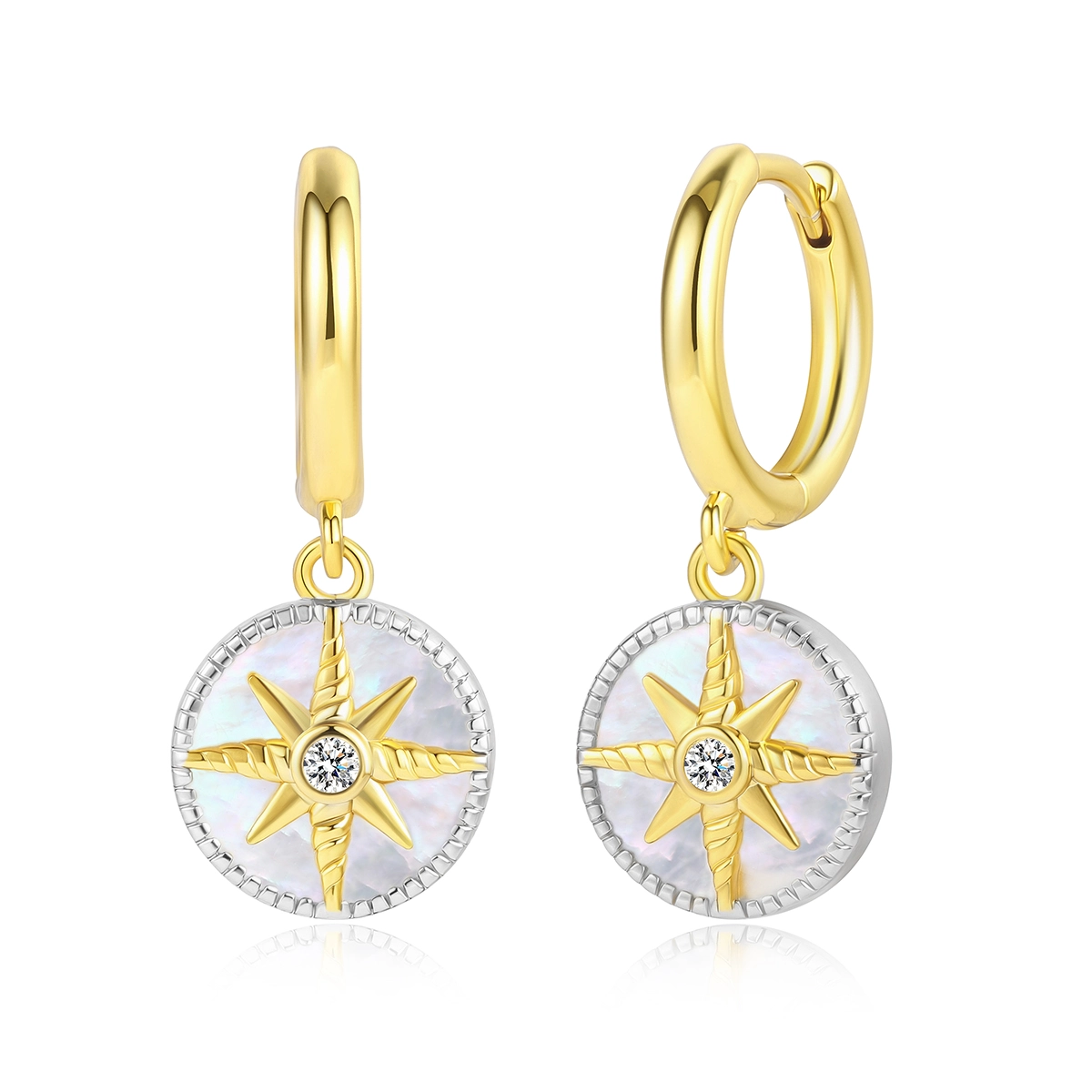
Brass Jewelry
Brass Mother of Pearl Compass Huggie Drop Earrings | 14K 18K Gold Plated Hypoallergenic Jewelry
Read More
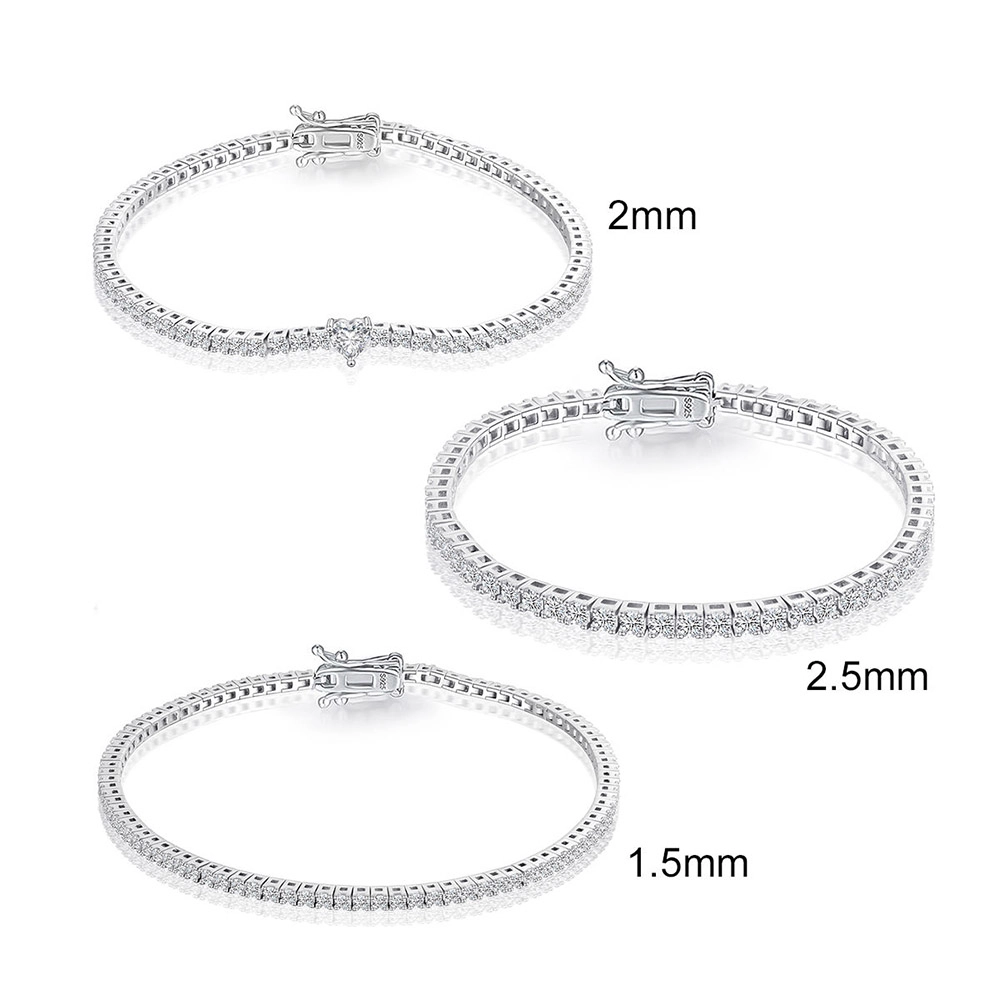
925 Silver Jewelry
Customizable High-Quality Fashion 925 Sterling Silver AAA Cubic Zirconia Heart-Shaped Open Tennis Bracelet.
Read More
Brass Jewelry
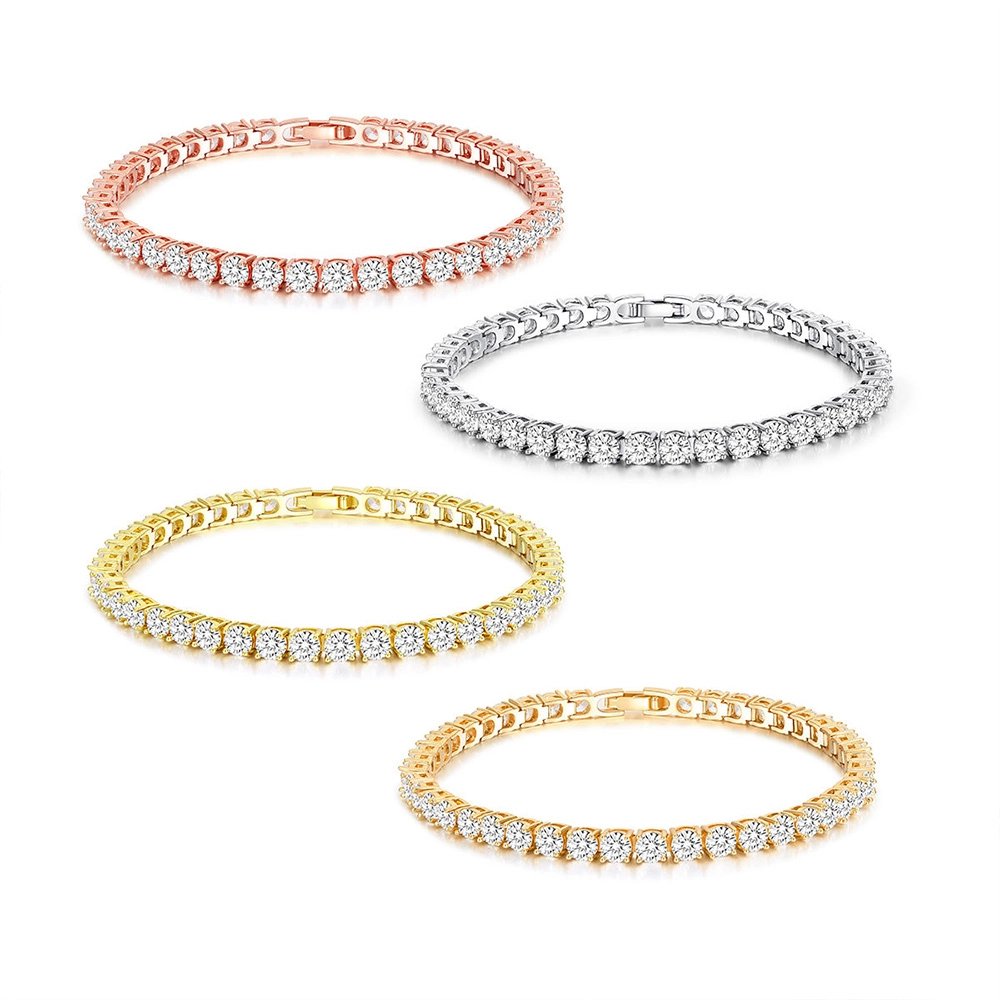
Customizable OEM ODM High-Quality Fashion Brass AAA Cubic Zirconia Classic Tennis Bracelet for Women Wholesale.
Read More
Get a Quote for Private Label Jewelry
We provide personalized jewelry customization services for clients worldwide.
Rest assured that your privacy is important to us, and all information provided will be handled with the utmost confidentiality.
By clicking 'Send Inquiry Now' I agree to ZHEFAN JEWELRY processing my personal data.
To see how to withdraw your consent, how to control your personal data and how we process it, please see our Privacy Policy and Terms of use.
From design to production, ZHEFAN JEWELRY offers a one-stop solution to help you enhance your brand value and market competitiveness.
Get A Quote
Contact
Tel: (+86) 188 1927 7817
© 2026 Zhefan Jewelry. All Rights Reserved.
Facebook
Instagram
YouTube
Whatsapp: +8618819277817