





Email: sales3@zhefanjewelry.com
7 Costly Mistakes to Avoid When Partnering with a Silver Jewelry OEM/ODM Manufacturer in 2026
A comprehensive 2026 guide for jewelry brands on avoiding expensive pitfalls when working with overseas OEM and ODM silver manufacturers, covering IP protection, MOQs, and quality control.
- What Are Silver Jewelry OEM/ODM Services?
- Key Takeaways: Quick Summary for Brands
- Mistake 1: Ignoring Minimum Order Quantities (MOQ) and Hidden Costs
- Mistake 2: Failing to Secure Design IP and Legal Protections
- Mistake 3: Overlooking Quality Assurance and Material Standards
- Mistake 4: Poor Communication During the Design Brief Phase
- Mistake 5: Neglecting Shipping, Customs, and Logistics Timelines
- Mistake 6: Choosing a Generalist Over a Silver Specialist
- Mistake 7: Misunderstanding the OEM vs ODM Decision Matrix
- Expert Tips: Future Trends in Silver Manufacturing (2026+)
- Conclusion
- FAQ
- What is the difference between jewelry OEM and ODM?
- How much does it cost to start an OEM silver jewelry line?
- What is the standard MOQ for custom silver jewelry?
- How long does the silver jewelry prototyping process take?
- Are ODM jewelry designs legally protected?
- How do I verify the quality of 925 sterling silver from a manufacturer?
- Can I use my own CAD files for jewelry manufacturing?
- What should be included in a jewelry design tech pack?
Launching a profitable brand requires more than just brilliant aesthetics; it demands a flawless approach to private label silver jewelry production. In 2026, the global manufacturing landscape has shifted, placing tighter margins on brands that fail to optimize their supply chain. Partnering with the wrong factory can lead to disastrous delays, stolen intellectual property, and substandard products that tarnish your brand's reputation. Whether you are an emerging designer looking to scale or an established retailer seeking better margins, understanding the operational pitfalls of overseas production is paramount. This comprehensive guide breaks down the seven most expensive errors jewelry entrepreneurs make and provides actionable, expert-backed strategies to ensure your next manufacturing run is profitable, ethical, and legally protected.
What Are Silver Jewelry OEM/ODM Services?
Silver jewelry OEM (Original Equipment Manufacturer) services involve a factory producing custom jewelry based entirely on your unique designs and specifications. Conversely, ODM (Original Design Manufacturer) services allow brands to select and white-label pre-existing designs created by the manufacturer.
Understanding this distinction is the critical first step to ensuring your brand chooses the most cost-effective and efficient production model. When deciding between these two routes, you must evaluate your budget, timeline, and internal design capabilities.
How to Choose the Right Production Model:
- Evaluate Your Resources: OEM requires higher upfront capital for mold fees and extensive CAD design, whereas ODM requires significantly less initial investment.
- Assess Time-to-Market: ODM allows you to launch quickly. OEM takes weeks or months for prototyping, revisions, and final approvals.
- Determine Brand Exclusivity: If complete originality is your main selling point, OEM is the only viable path to protect your brand identity.
Key Takeaways: Quick Summary for Brands
To successfully navigate custom 925 sterling silver manufacturing, brands must secure intellectual property, budget for hidden production costs, prioritize specialized silver manufacturers, and enforce strict quality assurance protocols for lead and nickel compliance to avoid costly supply chain disruptions.
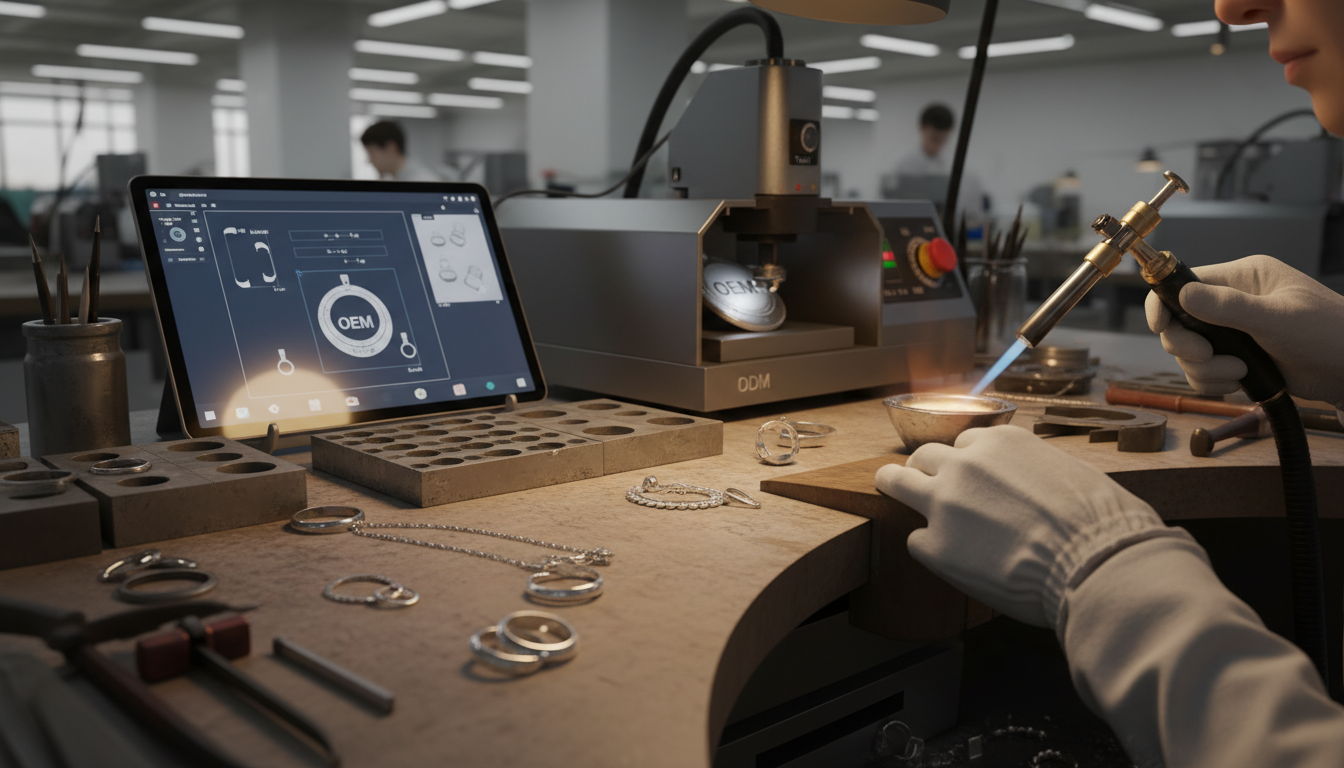
If you rush into production without a clear strategy, you risk severe financial losses. The landscape of international jewelry manufacturing requires meticulous planning and a deep understanding of metallurgical standards.
Essential Action Items:
- Always secure your intellectual property before sharing design concepts with any overseas factory.
- Factor in hidden costs like mold fees, plating thicknesses, and international shipping tariffs.
- Prioritize specialized 925 silver manufacturers over generic metal factories to ensure high-quality casting.
- Thoroughly vet quality assurance protocols to guarantee absolute lead and nickel compliance.
Mistake 1: Ignoring Minimum Order Quantities (MOQ) and Hidden Costs
Failing to align your budget with the manufacturer's minimum order quantities (MOQ) can stall production before it begins. Startups often overlook the upfront costs associated with 3D CAD modeling, rubber molds, and brass prototypes during the initial design phase.
Many emerging jewelry brands focus entirely on the per-unit cost of a piece, forgetting that getting to the mass-production stage is incredibly expensive. Factories impose MOQs to ensure their machinery setup time is profitable. If you attempt to negotiate an MOQ that is too low, the manufacturer may cut corners on quality, use inferior alloys, or prioritize larger corporate clients over your brand.
Strategies for Effective Budgeting:
- Request a Comprehensive Breakdown: Always demand a transparent quote that includes raw 925 silver market fluctuations, labor, and finishing fees.
- Account for Tooling Fees: Remember that rubber molds and brass prototypes are standard upfront expenses that are rarely refundable.
- Plan for MOQ Scaling: Negotiate terms that allow you to start with a slightly lower MOQ on your first run, with strict commitments to increase volume on subsequent reorders.
Mistake 2: Failing to Secure Design IP and Legal Protections
Sharing intricate jewelry sketches without an NDA (Non-Disclosure Agreement) exposes your designs to copycats. Ensure your manufacturing contract clearly states that your brand retains full jewelry design IP protection and legally owns the final CAD files and production molds.
In the fast-paced world of jewelry fashion, unauthorized replication is a massive threat. If you do not legally bind your manufacturing partners to secrecy, you might find your bespoke pieces being sold to competitors or offered in a public ODM catalog. It is vital to understand the limits of these protections. For instance, as reported by the Center for Art Law, copyright law protects only the aesthetic features of a jewelry design and does not extend to functional aspects like clasps or structural components.
Steps to Protect Your Brand:
- Sign a Strict NDA: Execute a Non-Disclosure Agreement before sending any reference images, blueprints, or sketches.
- Establish Mold Ownership: Clearly define in writing that your brand is paying for the creation and exclusive ownership of the physical molds.
- Understand International Laws: Working with factories that respect international intellectual property laws is non-negotiable for custom OEM lines.
Mistake 3: Overlooking Quality Assurance and Material Standards
Not all 925 sterling silver is created equal; failing to verify the copper alloy mix can lead to tarnishing and weak settings. Brands must mandate strict safety testing to ensure all jewelry is hypoallergenic and free of toxic metals like lead and nickel.
Silver in its purest form is far too soft for functional, everyday jewelry. According to Wikipedia, sterling silver is an alloy composed by weight of 92.5% silver and 7.5% other metals, usually copper, which increases its hardness and strength. However, disreputable factories may use cheap, toxic fillers to make up that 7.5% margin. Furthermore, as reported by the California Department of Toxic Substances Control, strict regulations limit heavy metals like lead in jewelry because excessive exposure can cause severe health hazards, especially in children's items.
Quality Assurance Best Practices:
- Mandate Strict Safety Testing: Ensure all items are rigorously tested to be free of toxic metals to comply with international consumer safety laws.
- Verify Metal Composition: Demand third-party assay testing to confirm the silver content is exactly 92.5%.
- Inspect Plating Quality: Verify the thickness and quality of plating options, such as rhodium or 18k gold vermeil, to guarantee product longevity.
Mistake 4: Poor Communication During the Design Brief Phase
Submitting vague sketches instead of highly detailed tech packs leads to inaccurate prototypes. A professional tech pack must include precise dimensions, gemstone sizes, clasp types, and finishing textures to ensure accurate jewelry prototype and mold creation.
The language barrier and time zone differences inherent in overseas manufacturing mean that visual communication must be absolutely flawless. If you leave a design detail up to interpretation, the factory will likely choose the fastest or cheapest option, ruining your creative vision and wasting valuable production time.
How to Build a Foolproof Tech Pack:
- Include Precise Measurements: Specify every single dimension in millimeters, including band thickness, stone depth, and chain length.
- Detail Material Specs: Clearly call out gemstone types, specific cuts, exact plating requirements, and any internal engraving instructions.
- Demand 3D Renders: Always insist on reviewing high-resolution 3D renders before giving the green light for physical prototyping.
Mistake 5: Neglecting Shipping, Customs, and Logistics Timelines
Many brands miscalculate the time required for international freight, customs clearance, and import duties. Failure to account for overseas holidays, such as Lunar New Year, can cause massive supply chain disruptions and delay seasonal product launches.
Logistics is often an afterthought for creative founders, but it is where the most critical delays occur. An order finished on the factory floor is not ready to sell until it safely navigates international customs and arrives at your local fulfillment center.
Logistical Planning Steps:
- Buffer Your Timelines: Add at least three extra weeks to your expected delivery date to account for unexpected customs holds or port delays.
- Calculate Landed Costs: Factor in import duties, taxes, and freight insurance to understand your true profit margins.
- Partner for Compliance: Work with manufacturers that offer transparent shipping estimates and assistance with international trade compliance.
Mistake 6: Choosing a Generalist Over a Silver Specialist
Selecting a factory that primarily works with brass or stainless steel can result in poor silver casting and finishing. 925 sterling silver requires specific temperature control during casting to prevent porosity and brittleness in the final piece.
Metals behave entirely differently when melted, cast, and polished. A factory that excels at stamping industrial stainless steel may completely ruin a delicate silver setting. 925 sterling silver is highly prone to firescale and requires specialized equipment, chemical treatments, and extensive expertise to manipulate correctly.
Why Specialization Matters:
- Temperature Control: Silver requires highly specific thermal management during the casting process to ensure structural integrity.
- Master Craftsmanship: Specialized silver manufacturers employ master silversmiths who understand the deep nuances of high-polish finishes.
- Delicate Stone Setting: Silver is significantly softer than steel; setting stones requires a gentle, expert touch to avoid damaging the prongs or the gems.
Mistake 7: Misunderstanding the OEM vs ODM Decision Matrix
Forcing an expensive OEM process when a faster ODM strategy fits your immediate budget is a common strategic error. New retailers may benefit from launching with proven ODM pieces while slowly introducing bespoke OEM designs into their catalog.
Ego often drives brands to insist on 100% custom designs from day one. However, leveraging white-label ODM products allows you to test market demand, build capital, and establish a reliable factory relationship before investing heavily in expensive custom molds.
Strategic Scaling Tips:
- Start with Proven Sellers: Launch with high-quality ODM pieces that already have a successful, verifiable track record in the market.
- Iterate Gradually: Slowly introduce bespoke OEM designs as your revenue, audience, and customer base naturally grow.
- Evaluate Speed-to-Market: Assess your brand's immediate needs before committing to the lengthy prototyping timeline of full OEM manufacturing.
Expert Tips: Future Trends in Silver Manufacturing (2026+)
Sustainability is paramount; prioritize manufacturers sourcing 100% recycled 925 sterling silver to appeal to eco-conscious consumers. Advancements in rapid 3D printing and AI-assisted CAD design are drastically reducing prototype turnaround times across the industry.
The jewelry industry is undergoing a massive technological and ethical shift. Consumers in 2026 demand ultimate transparency, and modern technology is finally making it affordable for independent jewelry brands to provide verifiable supply chain tracking.
Emerging Industry Trends:
- Sustainable Sourcing: Partner with factories that utilize 100% recycled silver to lower your carbon footprint and boost brand equity.
- AI and Rapid Prototyping: Leverage AI-assisted CAD software and rapid 3D printing to cut design iteration times by more than half.
- Supply Chain Transparency: Expect a major shift toward fully transparent, blockchain-verified material tracking from reputable overseas factories.
Conclusion
Avoiding these seven costly mistakes requires diligent research, clear communication, and a strategic approach to vendor selection. By understanding hidden costs, strictly protecting your intellectual property, and prioritizing specialized silver experts, you can build a highly resilient supply chain. Whether you choose OEM for bespoke creations or ODM for rapid scaling, partnering with the right specialized manufacturer ultimately dictates your brand's long-term success.
Contact us today to optimize your custom 925 sterling silver manufacturing strategy.
FAQ
What is the difference between jewelry OEM and ODM?
OEM means the manufacturer produces your custom designs from scratch. ODM means the manufacturer provides existing designs that you can brand as your own.
How much does it cost to start an OEM silver jewelry line?
Costs vary widely based on design complexity, mold fees, and the current market price of silver. Initial investments typically range from a few hundred dollars for prototypes to several thousands for bulk production.
What is the standard MOQ for custom silver jewelry?
Standard MOQs often range from 30 to 100 pieces per design, depending on the factory's scale. Some boutique manufacturers offer lower MOQs to accommodate new brands, though unit prices may be higher.
How long does the silver jewelry prototyping process take?
Creating a CAD design and physical prototype generally takes 2 to 4 weeks. Revisions and complex stone settings can extend this timeline by an additional 1 to 2 weeks.
Are ODM jewelry designs legally protected?
ODM designs are typically owned by the manufacturer and sold to multiple brands. Exclusive rights to an ODM piece usually require purchasing high volumes and signing an exclusivity agreement.
How do I verify the quality of 925 sterling silver from a manufacturer?
Request third-party material testing certificates to confirm the metal composition is exactly 92.5% silver. You can also perform independent acid testing or X-ray fluorescence (XRF) testing on received samples.
Can I use my own CAD files for jewelry manufacturing?
Yes, most OEM manufacturers accept client-provided CAD files in standard formats like .STL or .3DM. Providing your own files can significantly reduce upfront prototyping costs and speed up production.
What should be included in a jewelry design tech pack?
A tech pack must include technical drawings, dimensions in millimeters, and material specifications. It should also detail gemstone types, cuts, plating requirements, and any specific engraving instructions.
Tags
brass rings for crafts
brass rings for crafts
brass tennis bracelet bulk order samples
brass tennis bracelet bulk order samples
fast lead time 925 sterling silver supplier
fast lead time 925 sterling silver supplier
certified 925 sterling silver sets supplier
certified 925 sterling silver sets supplier
mop heart necklace
mop heart necklace
hypoallergenic brass earrings
hypoallergenic brass earrings
Recommended for you
Everything You Need to Know About stainless steel crosses jewelry
Custom Design Process with 925 Silver Ring Manufacturers
Top 10 brass earrings hoops Manufacturers and Supplier Brands in China
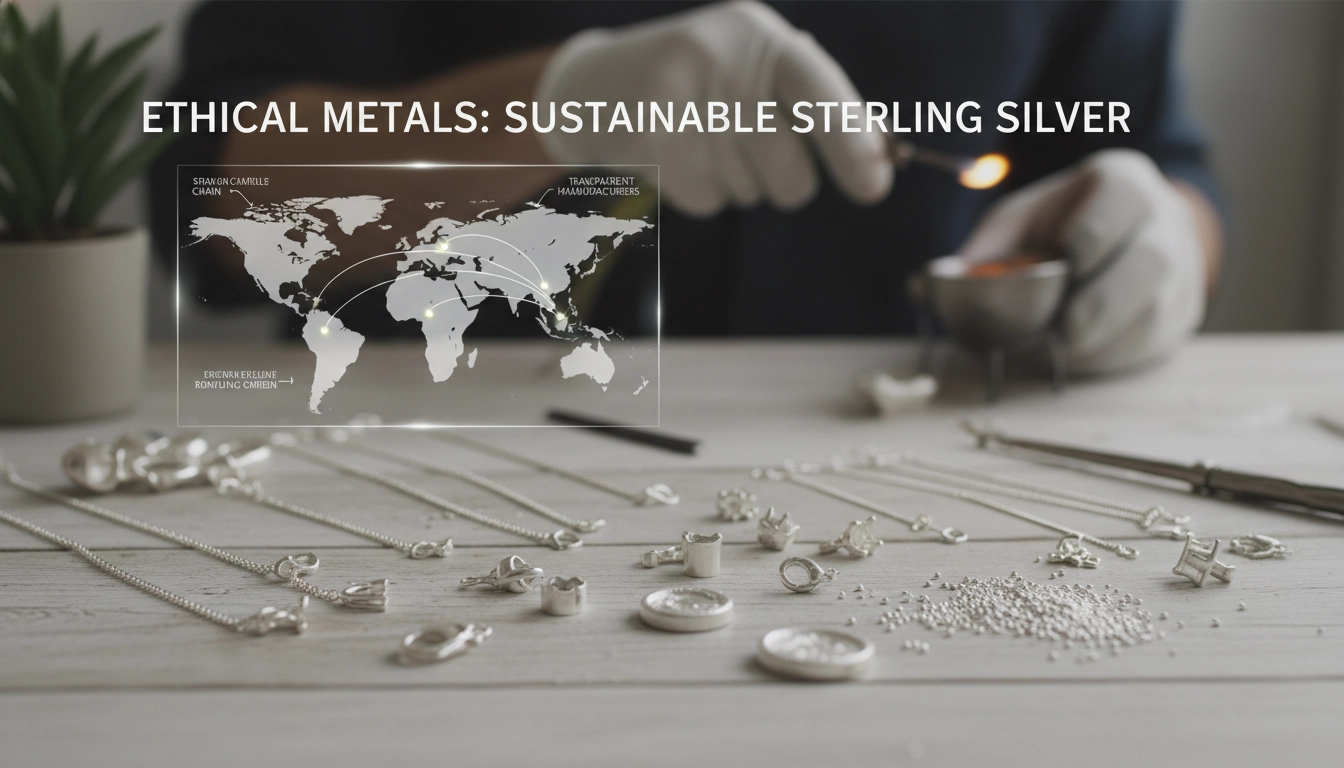
How to Choose the Best Sustainable Sterling Silver Supplier: The Ultimate 2026 Checklist
Prdoucts Categories
Question you may concern
Products
What can you buy from us?
Rings, Necklace, Earrings, Bracelet, Pendant, Anklet, Brooch, Jewelry.
What is the material of the jewelry?
Most of the jewelry is made of 925 sterling silver, brass or 316 stainless steel or custom material,which can cover different procurement demand.
How can we guarantee quality?
Always a pre-production sample before mass production;
Always final Inspection before shipment;
FAQs
Do you do customer design?
Do you do customer design? Yes,we are good at this way.Most of our customer do their customize.And we have cooperate with them when they are new brand, but now they become the top sell on Amazon, more than 32,000 five star comment.
Do you offer after-sales warranty service?
Yes, we will refund or resend products if fading, stone falling off and other quality problems found in 1 month receipt of goods.Furthermore, we offer 1 year after-sales warranty service, but you need pay the shipping charge.
You may also like
Brass Jewelry
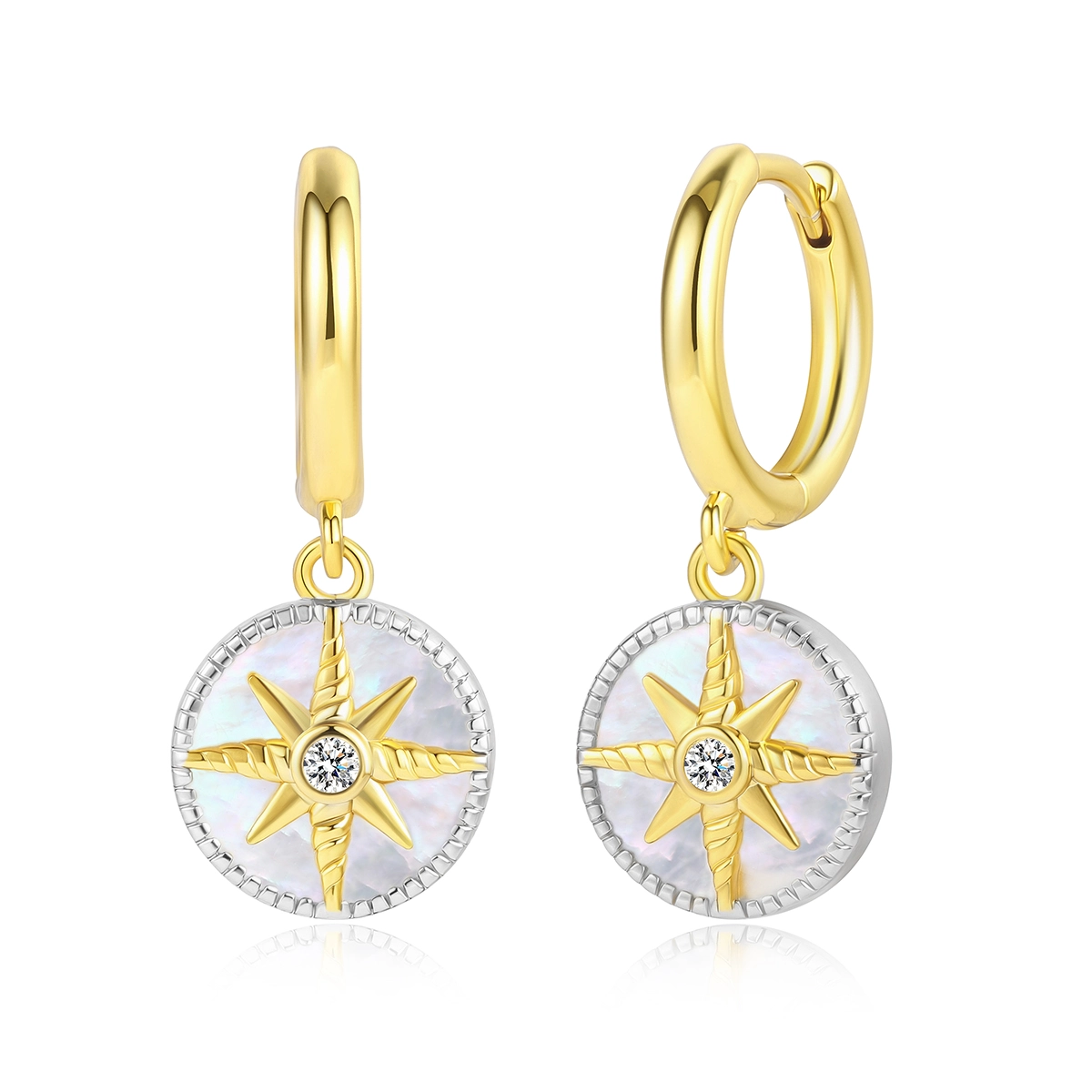
Brass Mother of Pearl Compass Huggie Drop Earrings | 14K 18K Gold Plated Hypoallergenic Jewelry
Read More
925 Silver Jewelry
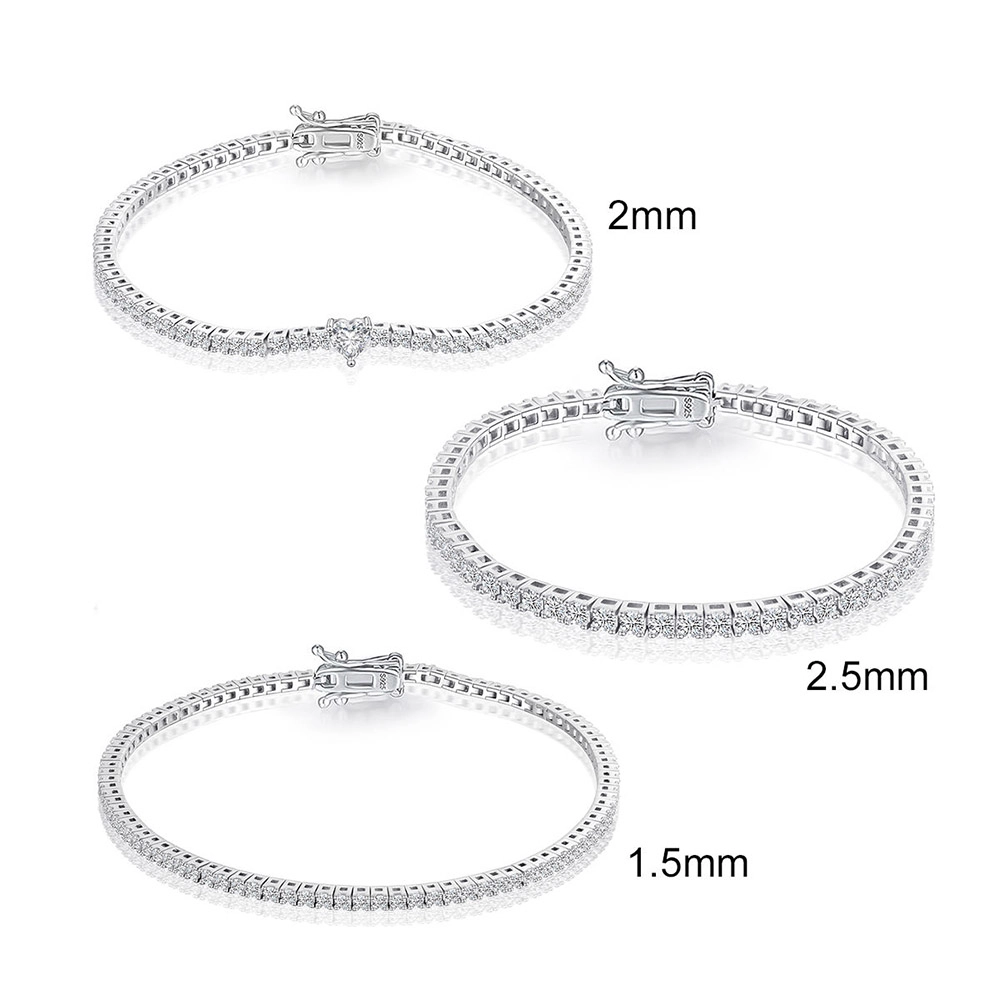
Customizable High-Quality Fashion 925 Sterling Silver AAA Cubic Zirconia Heart-Shaped Open Tennis Bracelet.
Read More
Brass Jewelry
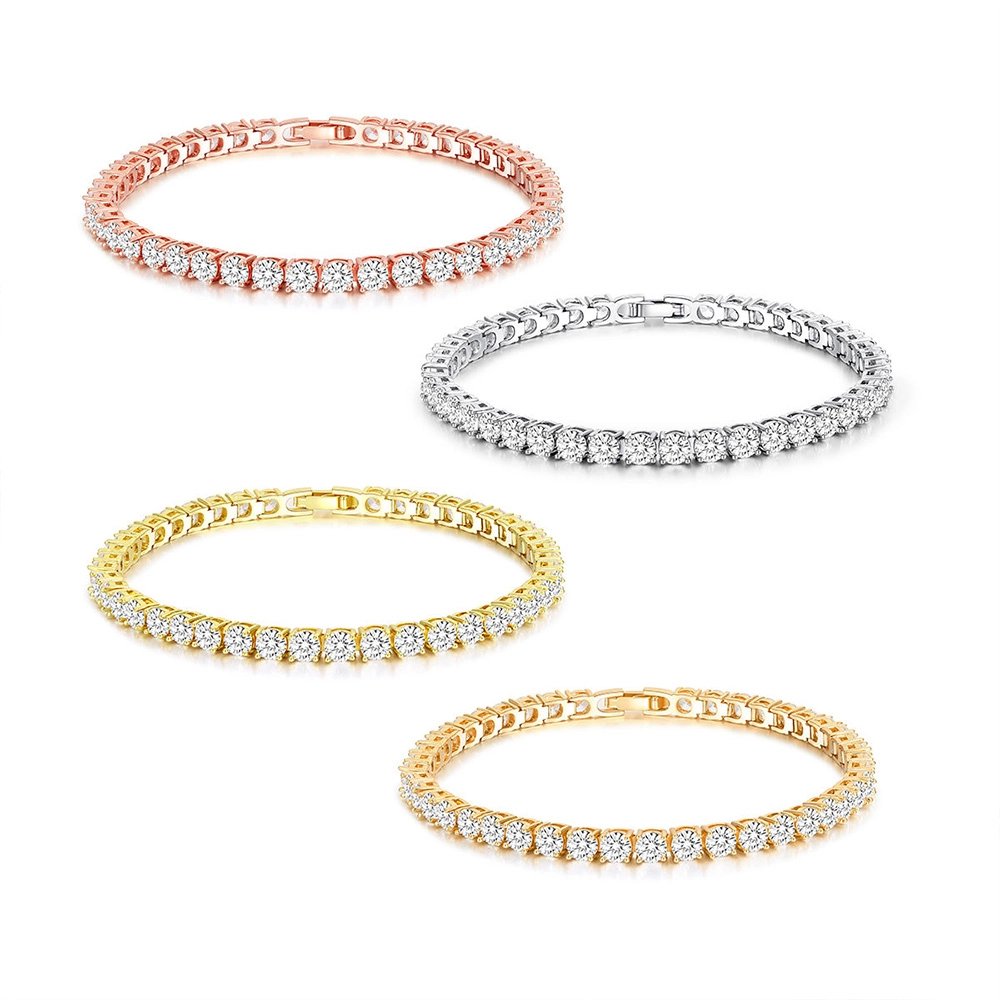
Customizable OEM ODM High-Quality Fashion Brass AAA Cubic Zirconia Classic Tennis Bracelet for Women Wholesale.
Read More
Get a Quote for Private Label Jewelry
We provide personalized jewelry customization services for clients worldwide.
Rest assured that your privacy is important to us, and all information provided will be handled with the utmost confidentiality.
By clicking 'Send Inquiry Now' I agree to ZHEFAN JEWELRY processing my personal data.
To see how to withdraw your consent, how to control your personal data and how we process it, please see our Privacy Policy and Terms of use.
From design to production, ZHEFAN JEWELRY offers a one-stop solution to help you enhance your brand value and market competitiveness.
Get A Quote
Contact
Tel: (+86) 188 1927 7817
© 2026 Zhefan Jewelry. All Rights Reserved.
Facebook
Instagram
YouTube
Whatsapp: +8618819277817